Space News Mission Log — Satellite Launches, Orbital Events & Analysis
Daily space news, satellite launch reports, orbital debris analysis and weekly roundups — grounded in live tracking data from our network monitoring 56 published reports.
Understanding Mean Motion in Satellite Orbits
Mean motion describes the average angular speed of a satellite in its orbit, crucial for predicting satellite positions.
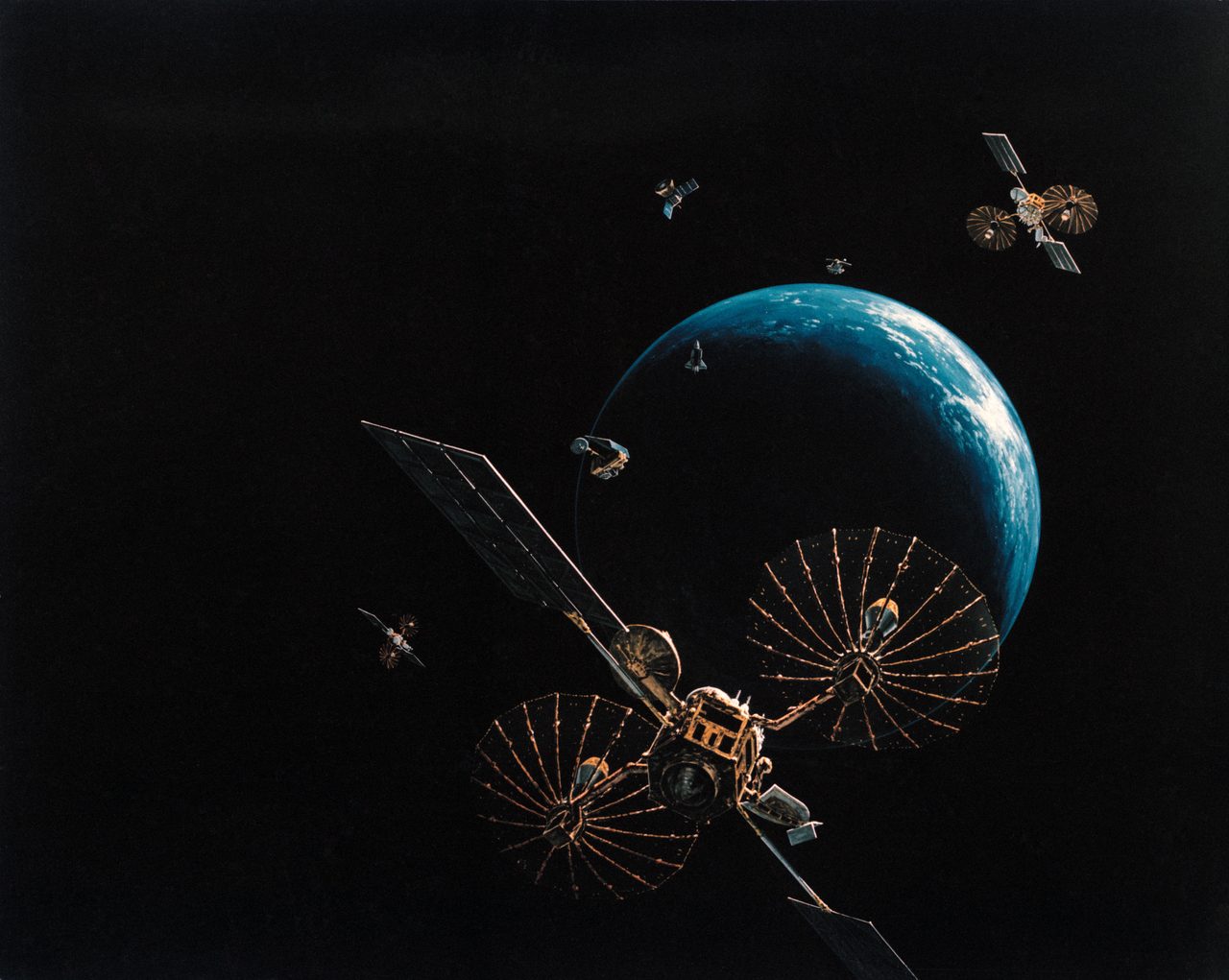
TLE Format Explained: How to Read Satellite Orbit Data
A two-line element set describes an orbit, but needs the right model to predict a satellite’s position. Learn to read its fields and recognise its limits.
Lunar Gateway Orbit: Why NASA Chose a Halo Around the Moon
Gateway is designed for a looping orbit rather than a close circle around the Moon. Its route explains how lunar gravity, communications and landing access shape mission design.
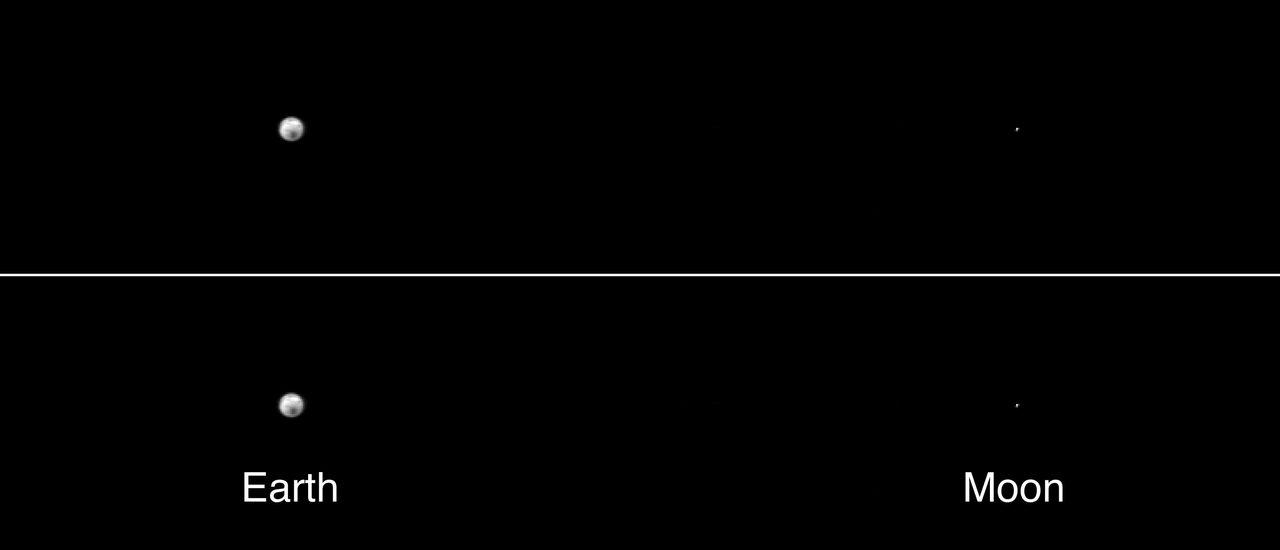
Cislunar Space Situational Awareness: Beyond GEO
Tracking spacecraft near the Moon takes more than extending an Earth-orbit catalogue. Faint targets, shifting trajectories and patchy coverage demand a different approach.
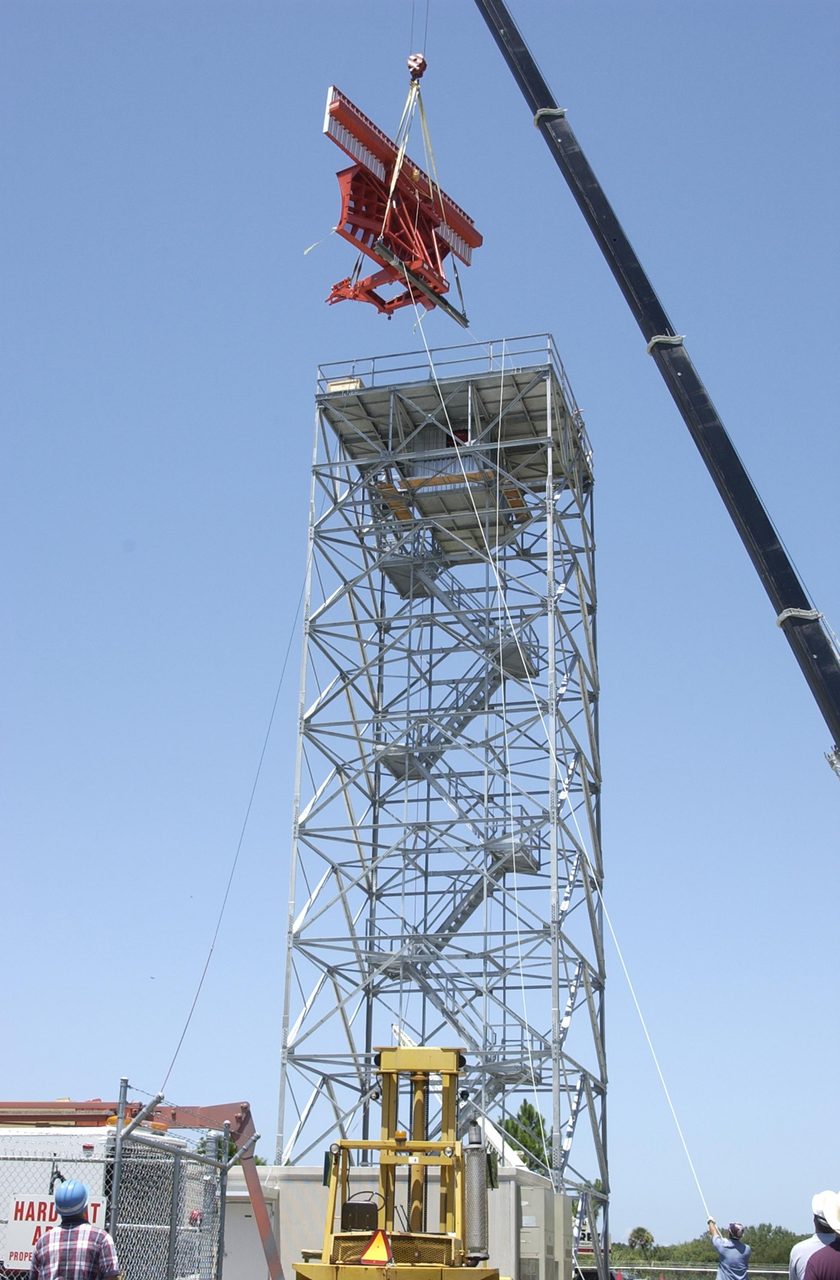
How Satellites Are Tracked: From Radar to Orbit Predictions
Satellite tracking turns radar echoes, telescope images and radio measurements into orbit predictions. Here is how it works, where uncertainty enters and how to check a pass.
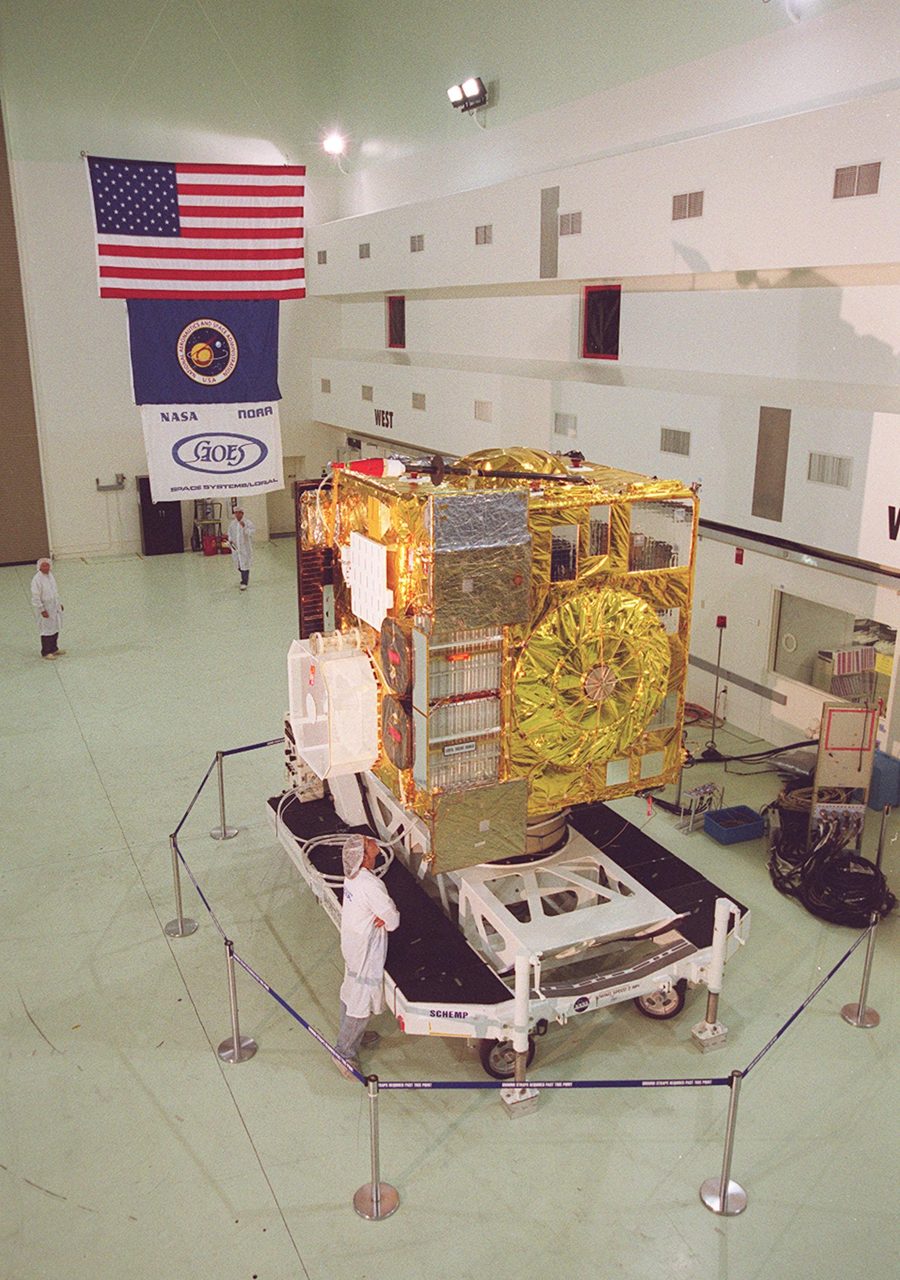
Hohmann Transfer Orbit: How the Two-Burn Route Works
A Hohmann transfer connects circular orbits with two engine burns. Discover how it works, what makes it economical and why it is not always the cheapest route.
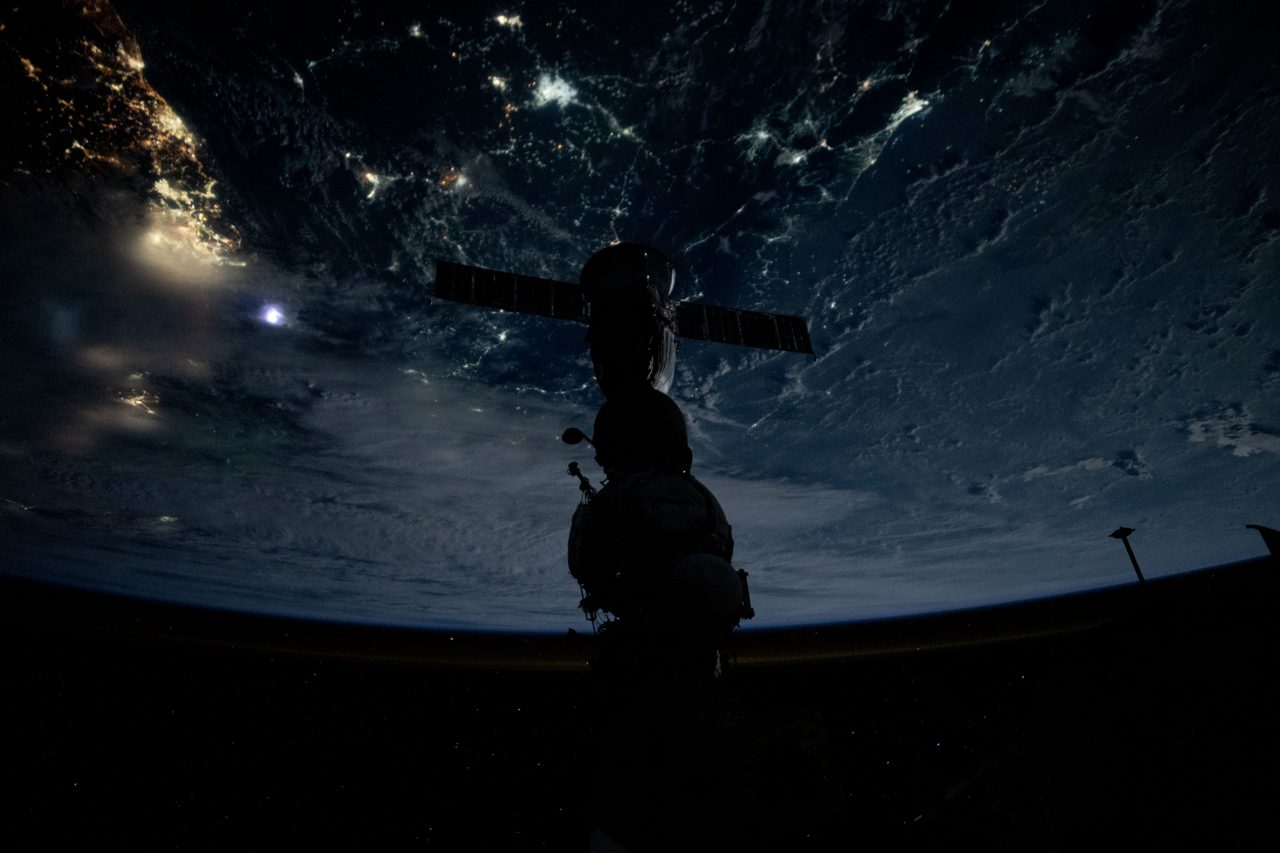
How Long Does It Take to Get to the ISS? Hours to Days
Reaching the ISS can take about three hours or stretch over one or two days. The difference is largely about launch timing, orbital alignment and the spacecraft's rendezvous plan.
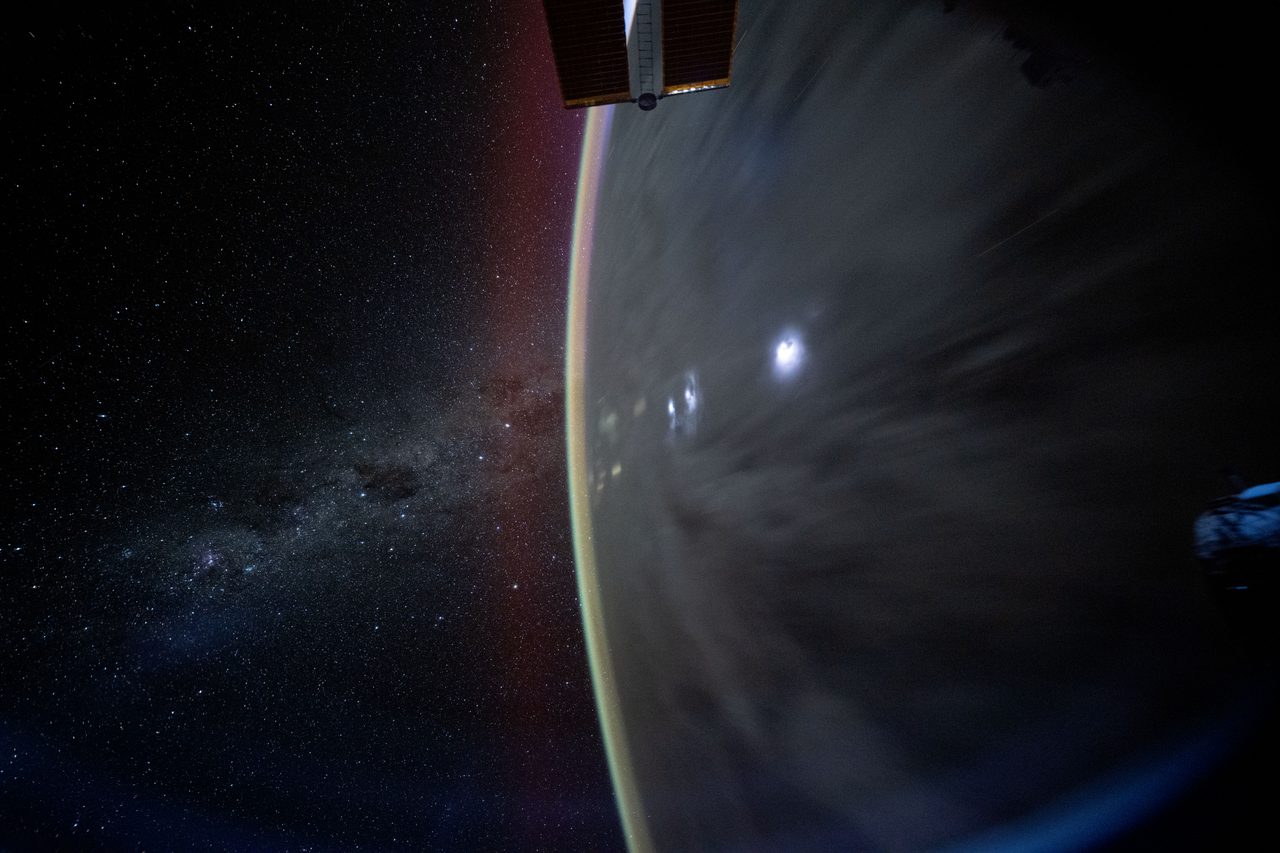
KH-11: inside the US imaging satellite family
The KH-11 family transformed American reconnaissance by sending electronic images from orbit rather than returning photographic film. Its capabilities remain classified, but its history and observable orbits reveal its enduring role.
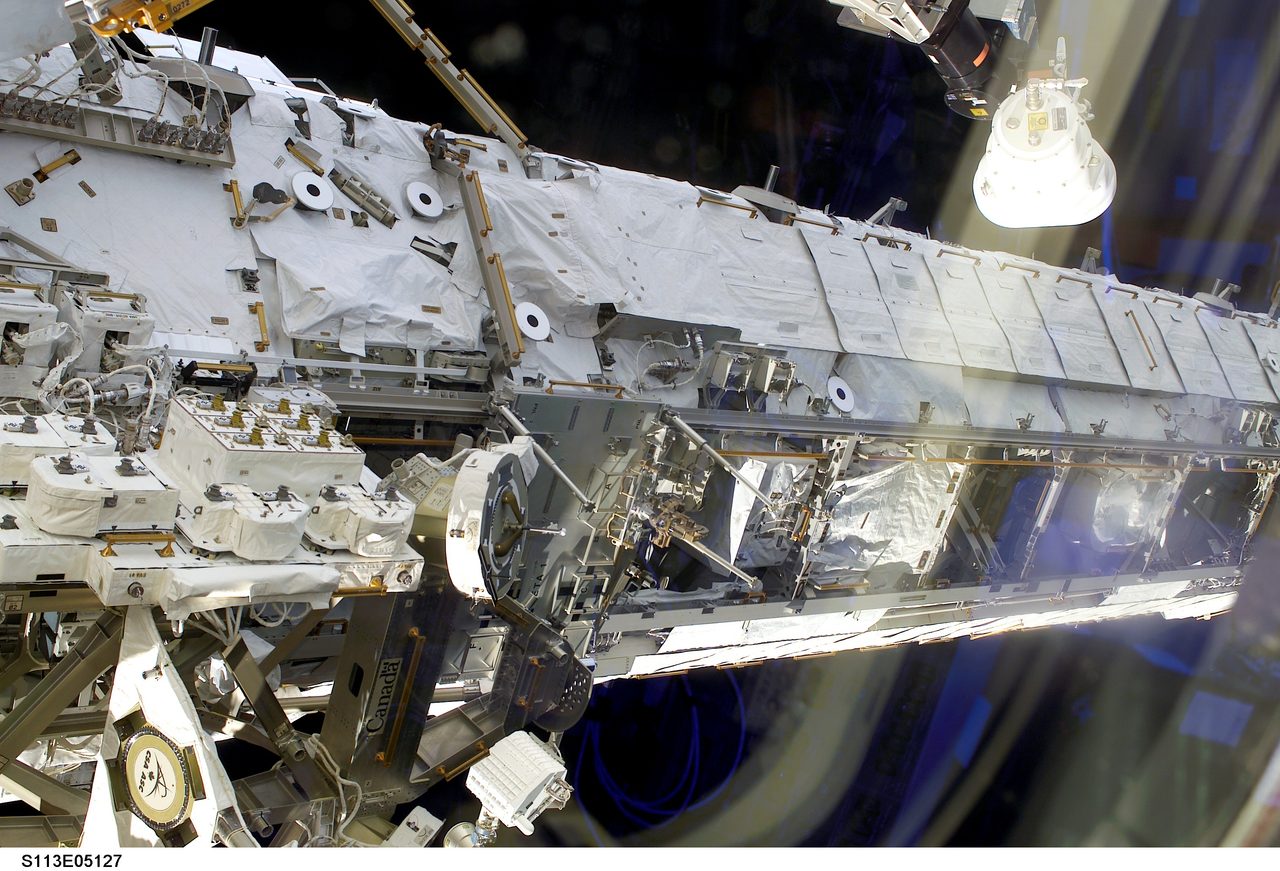
Spacecraft Docking: How Vehicles Join the Space Station
Docking means matching an orbit before making a carefully controlled connection. Follow a spacecraft from rendezvous to hatch opening, and learn why robotic capture is different.
Military Satellites: What They Do and How They Work
Military satellites support communications, navigation, intelligence and missile warning. Explore how they work, what they can detect and what public tracking reveals.
Types of Satellite Orbits: LEO, MEO, GEO and Beyond
Altitude is only part of an orbit’s story. Explore how height, tilt and shape determine what satellites can see, how they communicate and how long they remain in space.

Satellite Servicing in Orbit: Refuelling and Repair
Docking can keep a satellite working after its own fuel runs low. Explore how orbital servicing works, what refuelling requires and which manoeuvres observers can identify.