Space News Mission Log — Satellite Launches, Orbital Events & Analysis
Daily space news, satellite launch reports, orbital debris analysis and weekly roundups — grounded in live tracking data from our network monitoring 14 published reports.
GOES Weather Satellites: Comprehensive Guide and Analysis
GOES weather satellites provide critical data for weather forecasting and monitoring. Discover their functions, history, and impact.
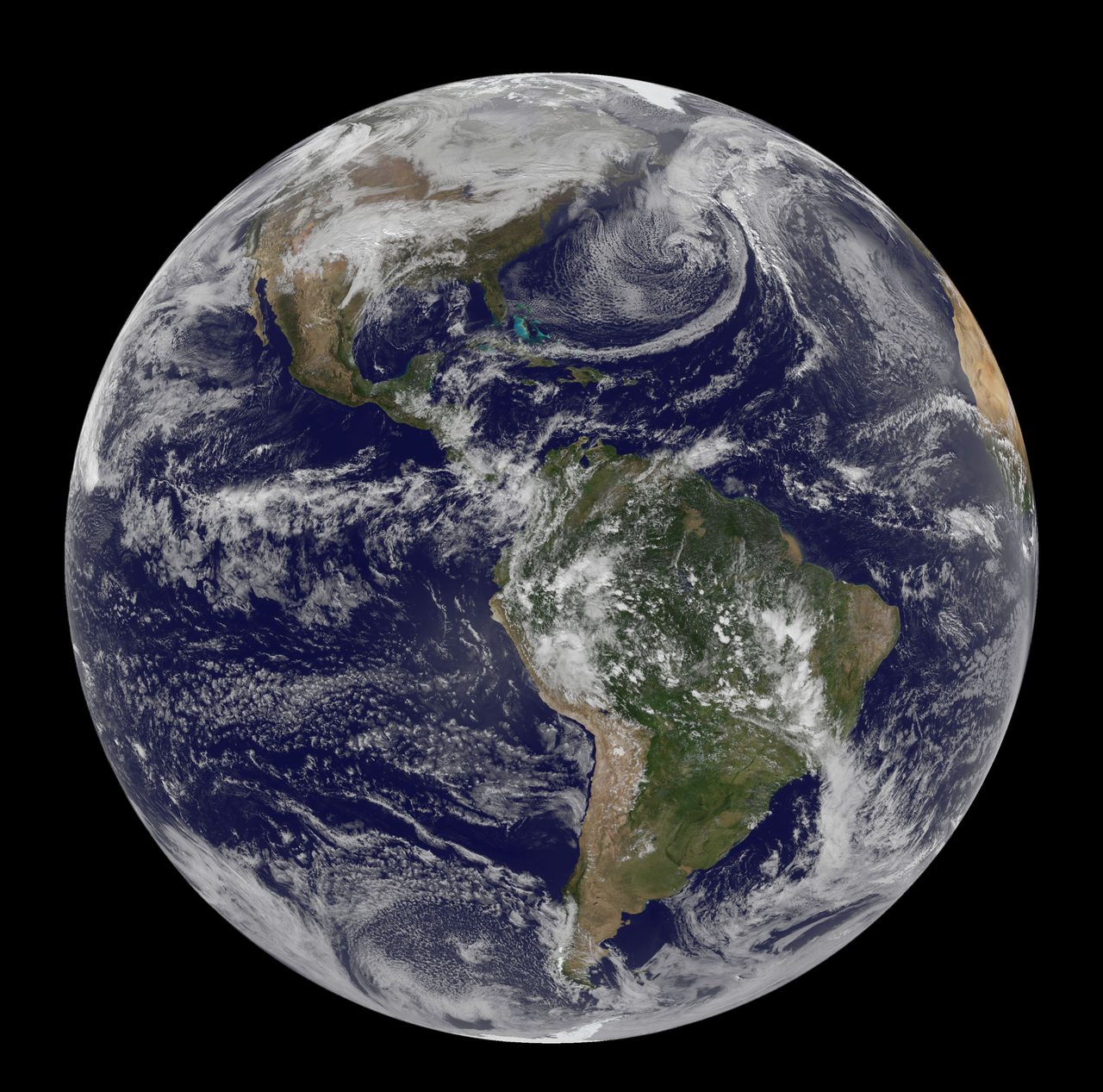
How Weather Satellites Work: A Complete Guide
Weather satellites monitor Earth's atmosphere and surface, providing crucial data for forecasting. Learn how they operate and impact our daily lives.
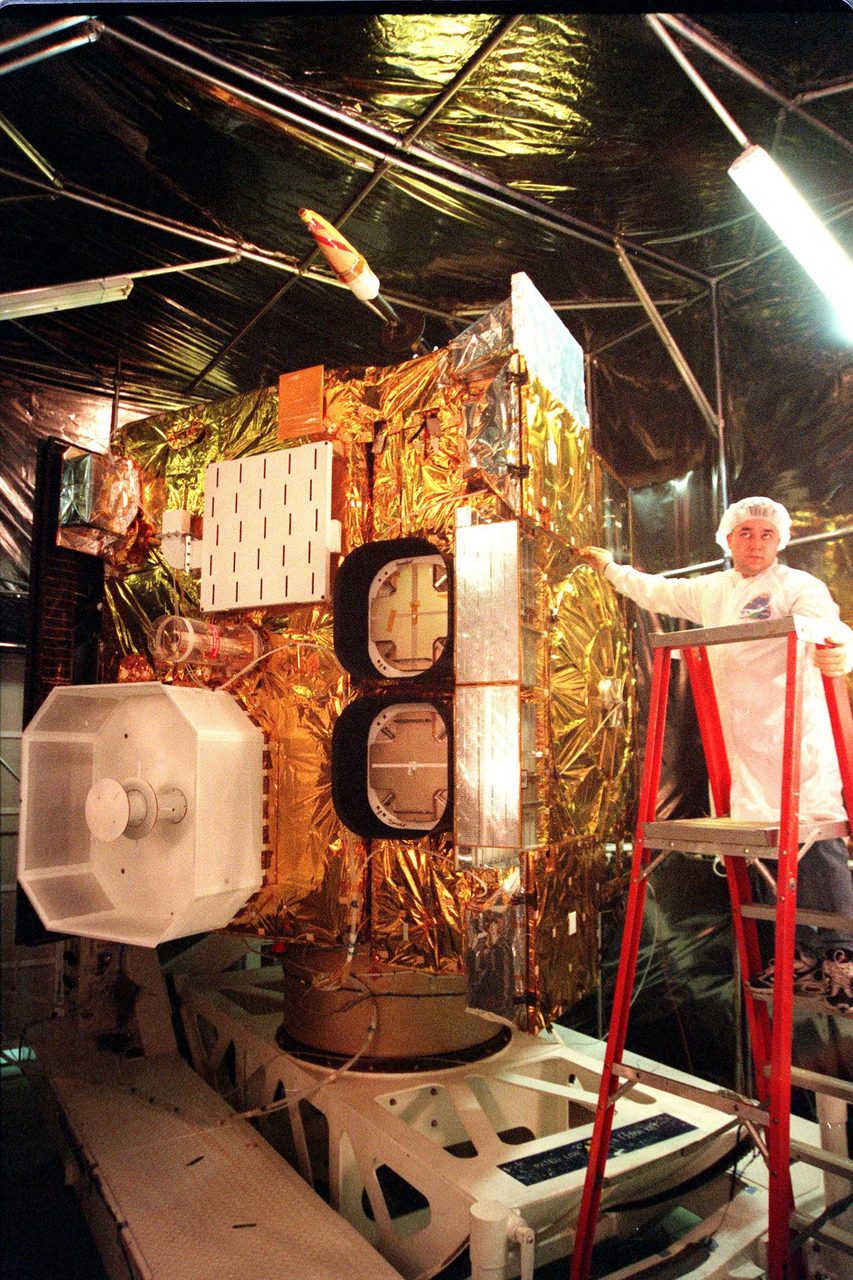
Fengyun-1C Debris: Legacy of the 2007 ASAT Test
Fengyun-1C was a Chinese weather satellite launched on 10 May 1999, designed to provide meteorological data for weather forecasting and climate monitoring. The satellite was part of the Fengyun series, operated by the China Meteorological Administration.
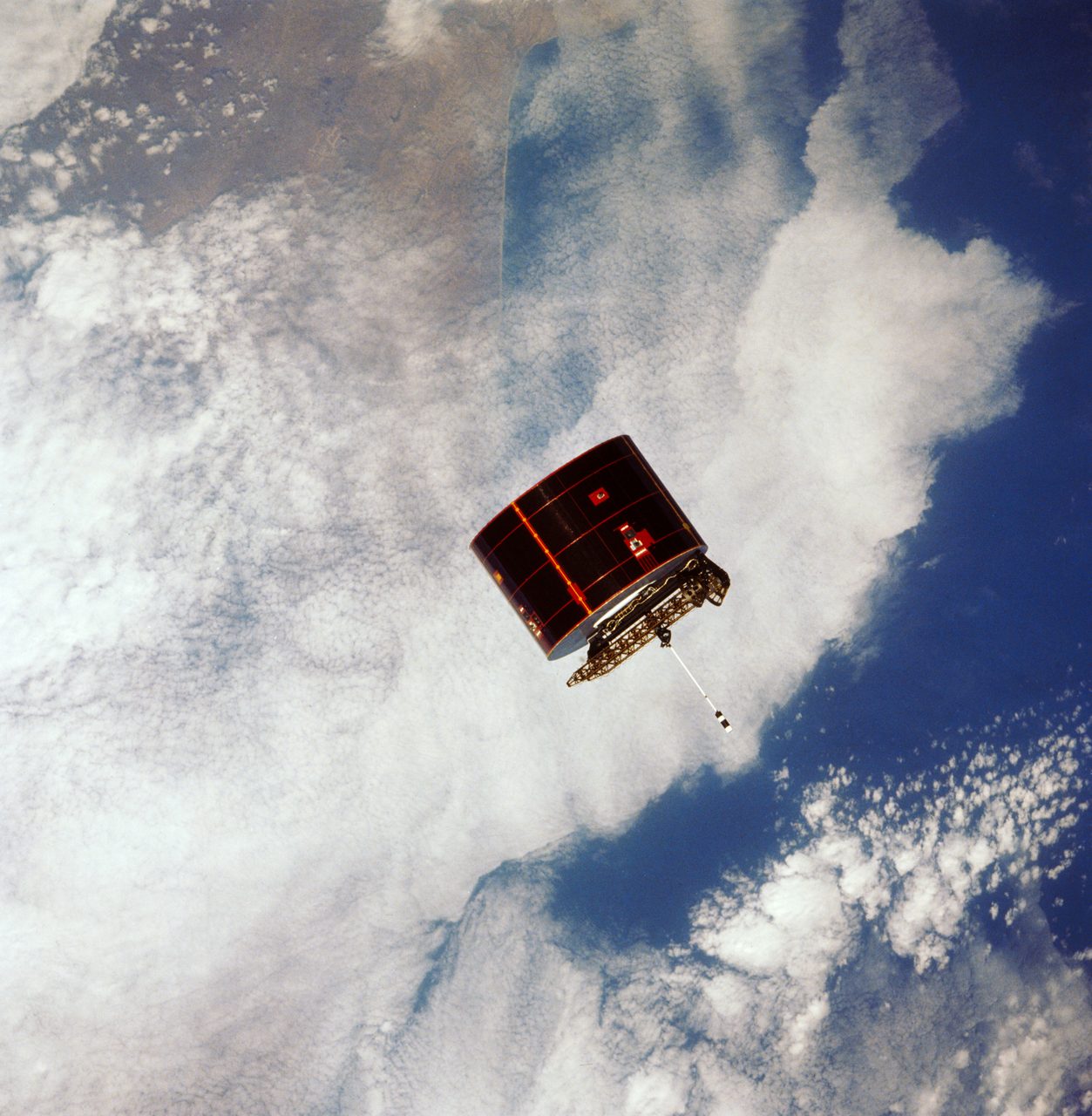
Fengyun-1C Debris: Legacy of the 2007 ASAT Test
Fengyun-1C was a Chinese weather satellite launched on 10 May 1999. It was part of the Fengyun series, operated by the China Meteorological Administration, designed to monitor atmospheric conditions and provide data for weather forecasting.
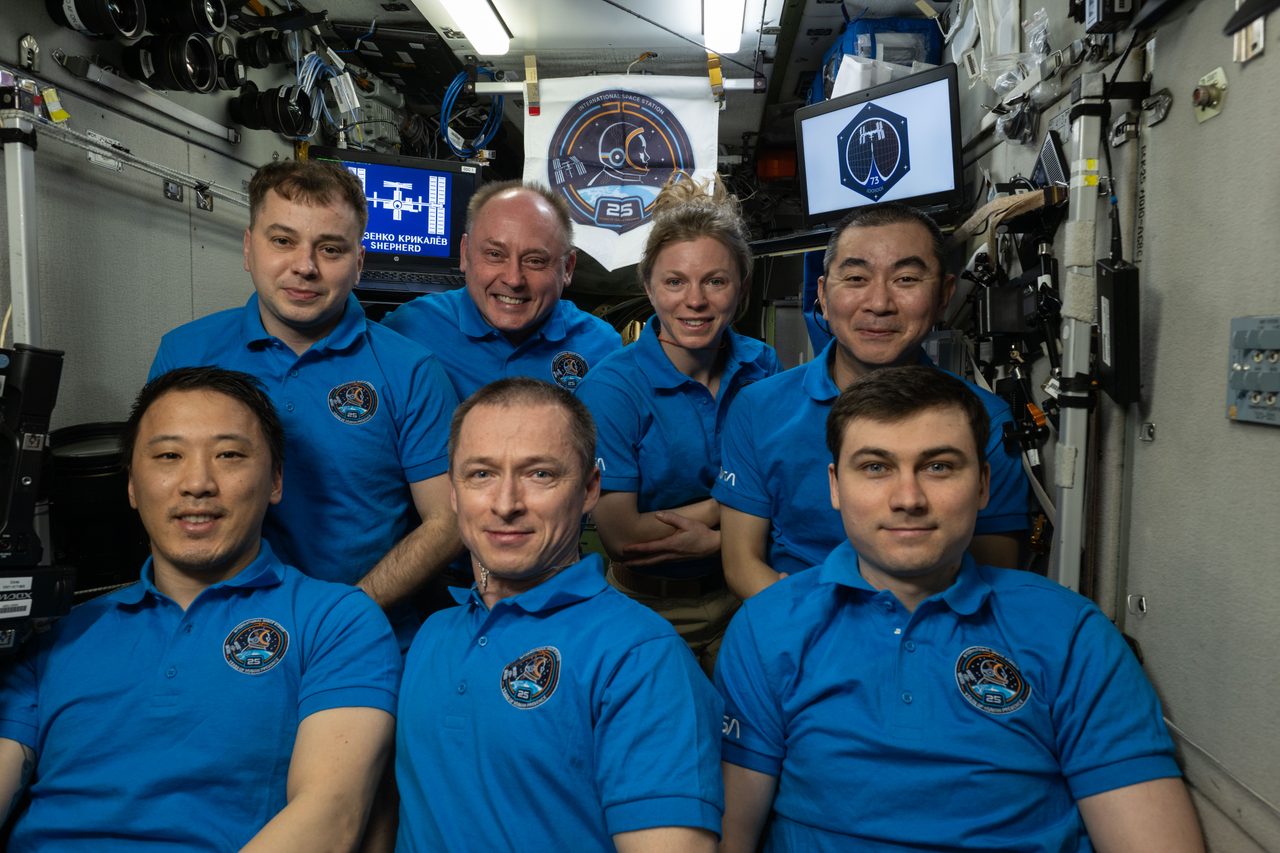
ISS: 25+ Years of Continuous Human Presence
The International Space Station (ISS) is a modular space station in low Earth orbit. It serves as a microgravity and space environment research laboratory where scientific research is conducted in astrobiology, astronomy, meteorology, physics, and other fields.
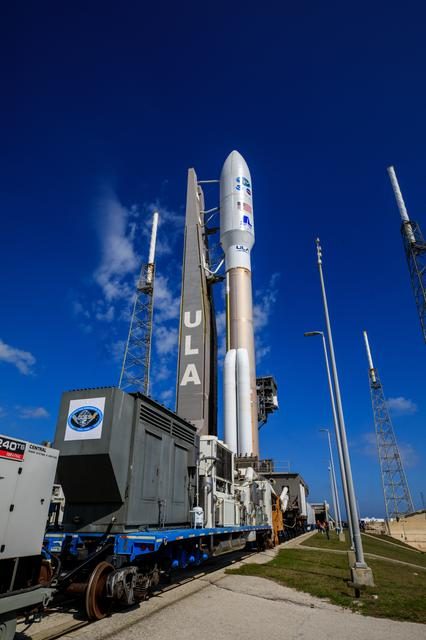
GOES-18: Geostationary Weather Sentinel
GOES-18, also known as GOES-T prior to its successful launch, is a geostationary weather satellite operated by the National Oceanic and Atmospheric Administration (NOAA). It is part of the Geostationary Operational Environmental Satellites (GOES) programme, which provides real-time weather data and
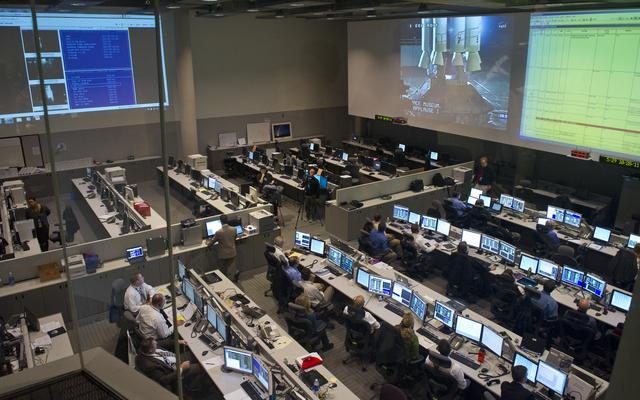
NOAA-19: The Last of the POES Weather Satellites
NOAA-19, also known as NOAA-N Prime, is the final satellite in the Polar Operational Environmental Satellites (POES) series. Launched on 6 February 2009, it serves as a crucial component in the National Oceanic and Atmospheric Administration's (NOAA) weather forecasting and environmental monitoring
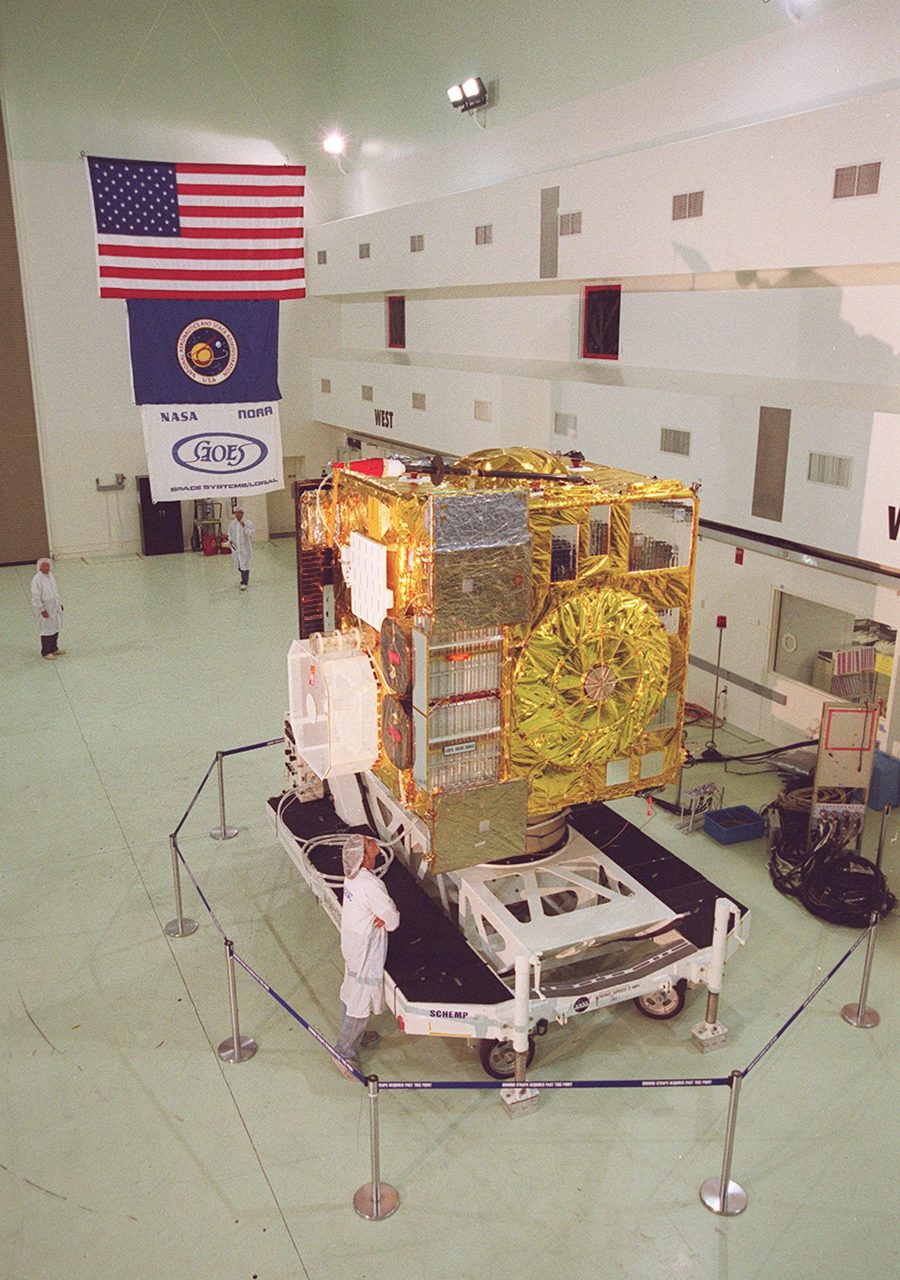
GOES-19: The Newest Geostationary Weather Eye
GOES-19 is the latest addition to the Geostationary Operational Environmental Satellites (GOES) series, managed by the National Oceanic and Atmospheric Administration (NOAA). This satellite is part of the GOES-R series, which includes GOES-16, GOES-17, and GOES-18.
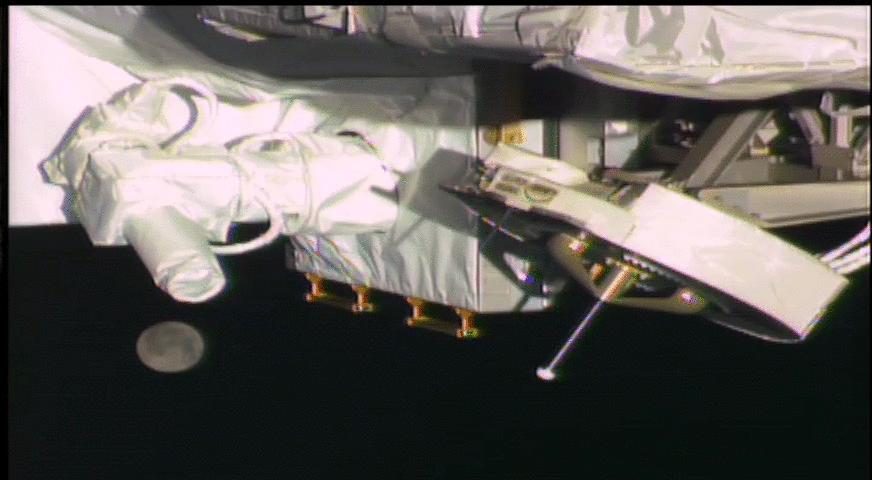
International Space Station: 25+ Years of Continuous Human Presence
The International Space Station (ISS) is a modular space station (habitable artificial satellite) in low Earth orbit. It is a joint project involving five participating space agencies: NASA, Roscosmos, JAXA, ESA, and CSA.
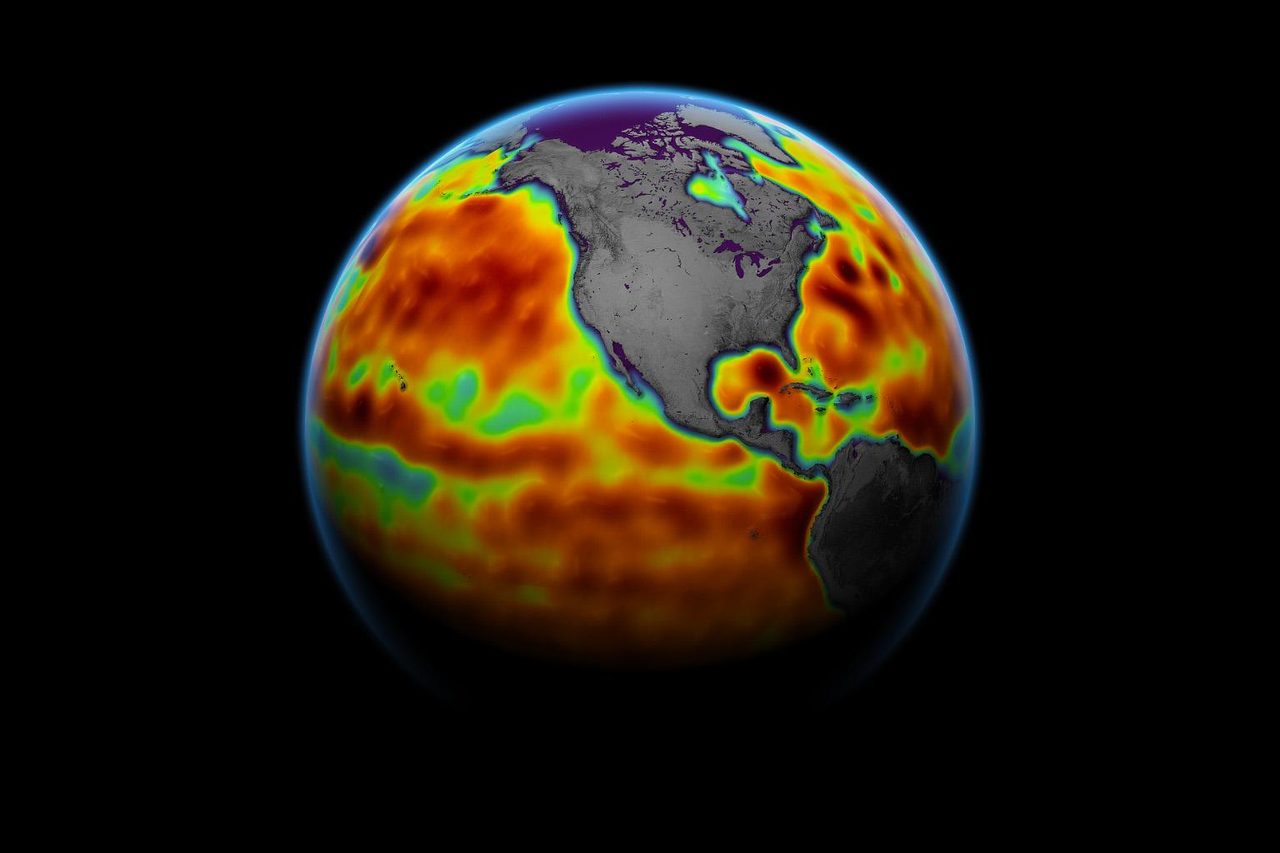
Sentinel-6: Measuring Sea Level from Orbit
Sentinel-6 Michael Freilich is an Earth observation satellite dedicated to measuring sea level changes with unprecedented accuracy. Launched on 21 November 2020, it is part of the European Union's Copernicus programme, designed to provide critical data for climate monitoring and weather forecasting.
Understanding Polar Orbits: Key Facts and Uses
Polar orbits pass over the Earth's poles, allowing satellites to scan the entire surface. They are crucial for Earth observation missions.

Witnessing the Dance of Shadows: Spain's Total Solar Eclipse
On August 12th, 2026, Spain experienced a rare total solar eclipse. Discover the science behind this celestial event and its impact on observers.