Space News Mission Log — Satellite Launches, Orbital Events & Analysis
Daily space news, satellite launch reports, orbital debris analysis and weekly roundups — grounded in live tracking data from our network monitoring 111 published reports.
Types of Satellite Orbits: LEO, MEO, GEO and Beyond
Altitude is only part of an orbit’s story. Explore how height, tilt and shape determine what satellites can see, how they communicate and how long they remain in space.
Why Does the ISS Need to Be Reboosted?
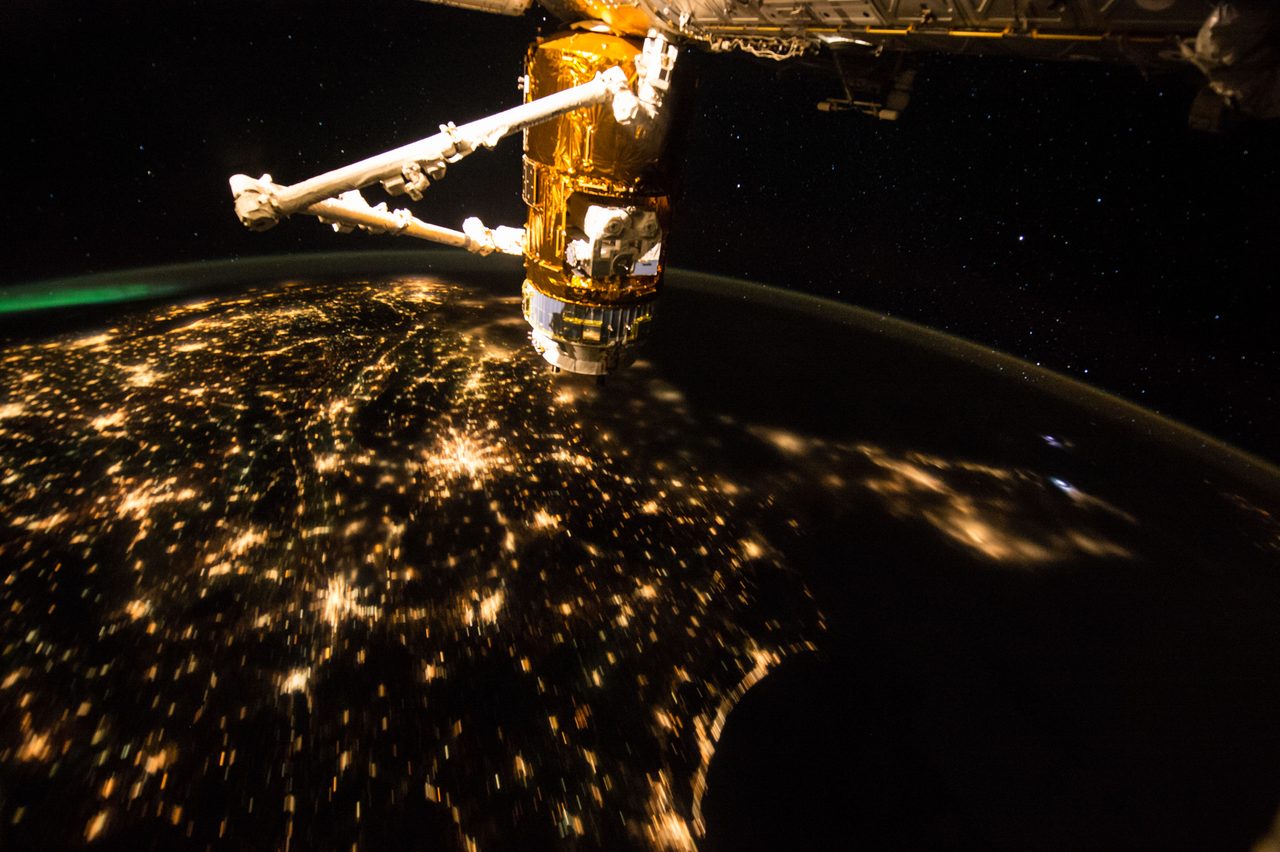
Thin air still slows the ISS near 400 km above Earth. Periodic engine burns replace lost orbital energy and keep the station at a useful operating altitude.
Oldest Satellite Still in Orbit: Vanguard 1 and the Top Ten
Vanguard 1 remains the oldest satellite orbiting Earth. Its surviving companions include rocket hardware and early scientific satellites whose orbits explain their longevity.
Medium Earth Orbit: Understanding Its Role in Satellite Operations
Medium Earth Orbit (MEO) is a region of space where satellites orbit at altitudes between 2,000 and 35,786 km, crucial for navigation and communications.
Sun-Synchronous Orbit: How Satellites Keep Consistent Light
Sun-synchronous satellites use Earth's equatorial bulge to keep a consistent solar schedule. Learn how the orbit works, why imaging missions use it and what it cannot guarantee.
What Happens If Two Satellites Collide?
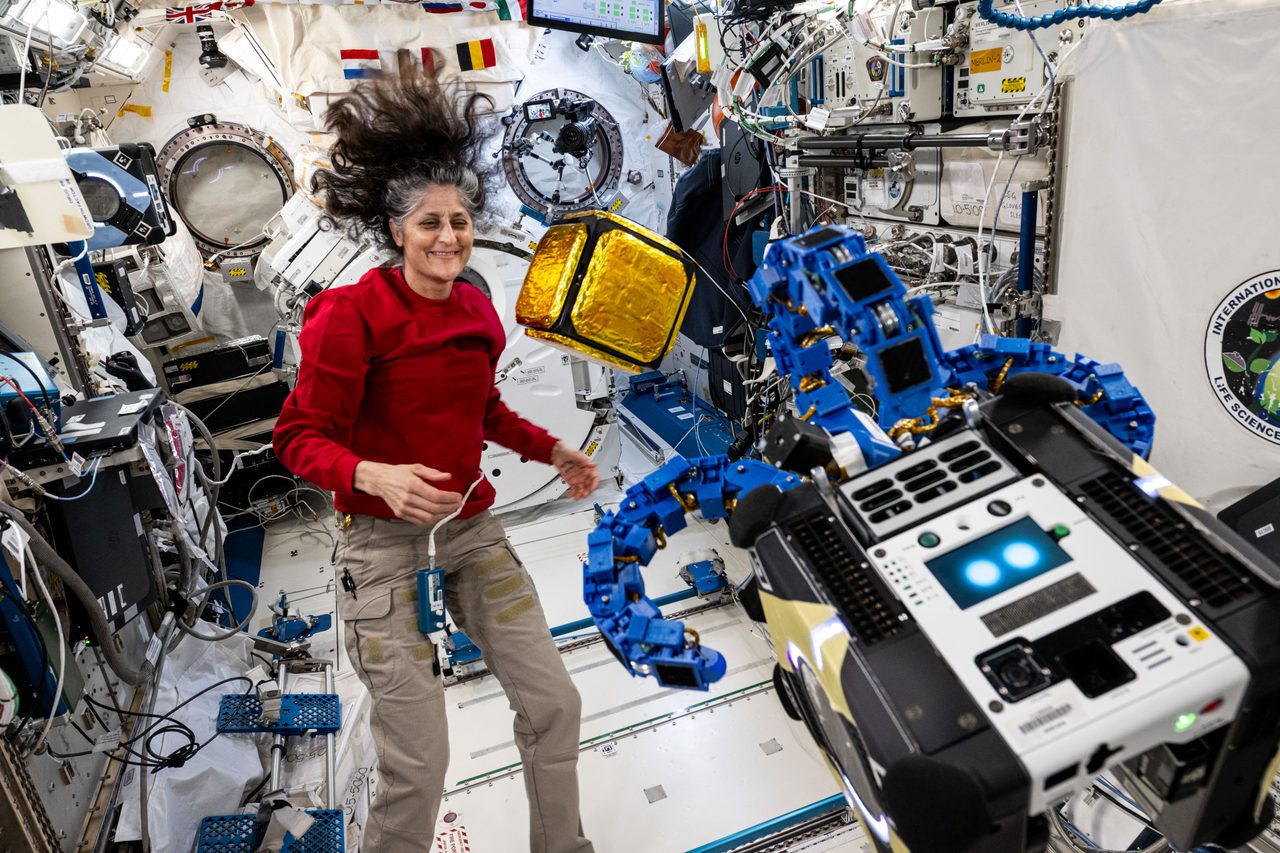
A satellite collision can leave fragments circling Earth long after the spacecraft are destroyed. Their altitude helps determine how long the danger lasts.
How Many Satellites in Orbit? Counts, Types and Tracking
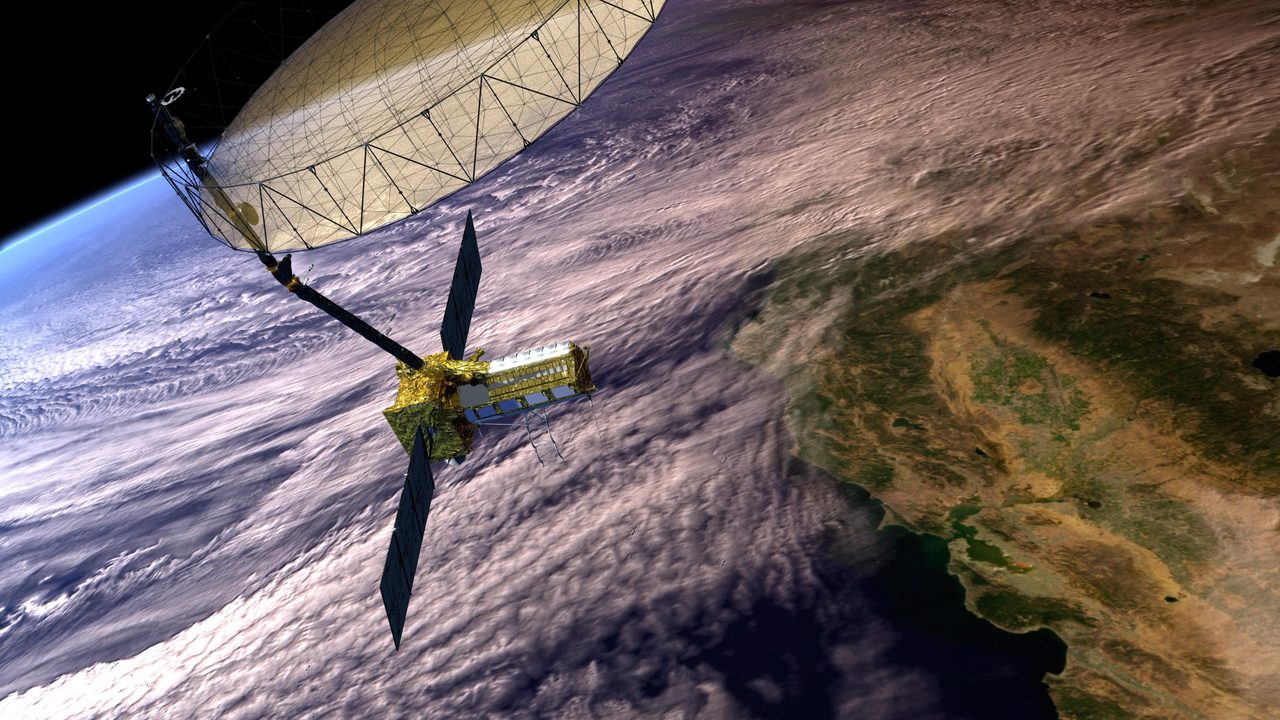
Earth has 15,870 active satellites, but the wider catalogue includes debris and inactive spacecraft. Here is what the counts mean and how to explore them.
Understanding Atmospheric Drag on Satellites: A Detailed Guide
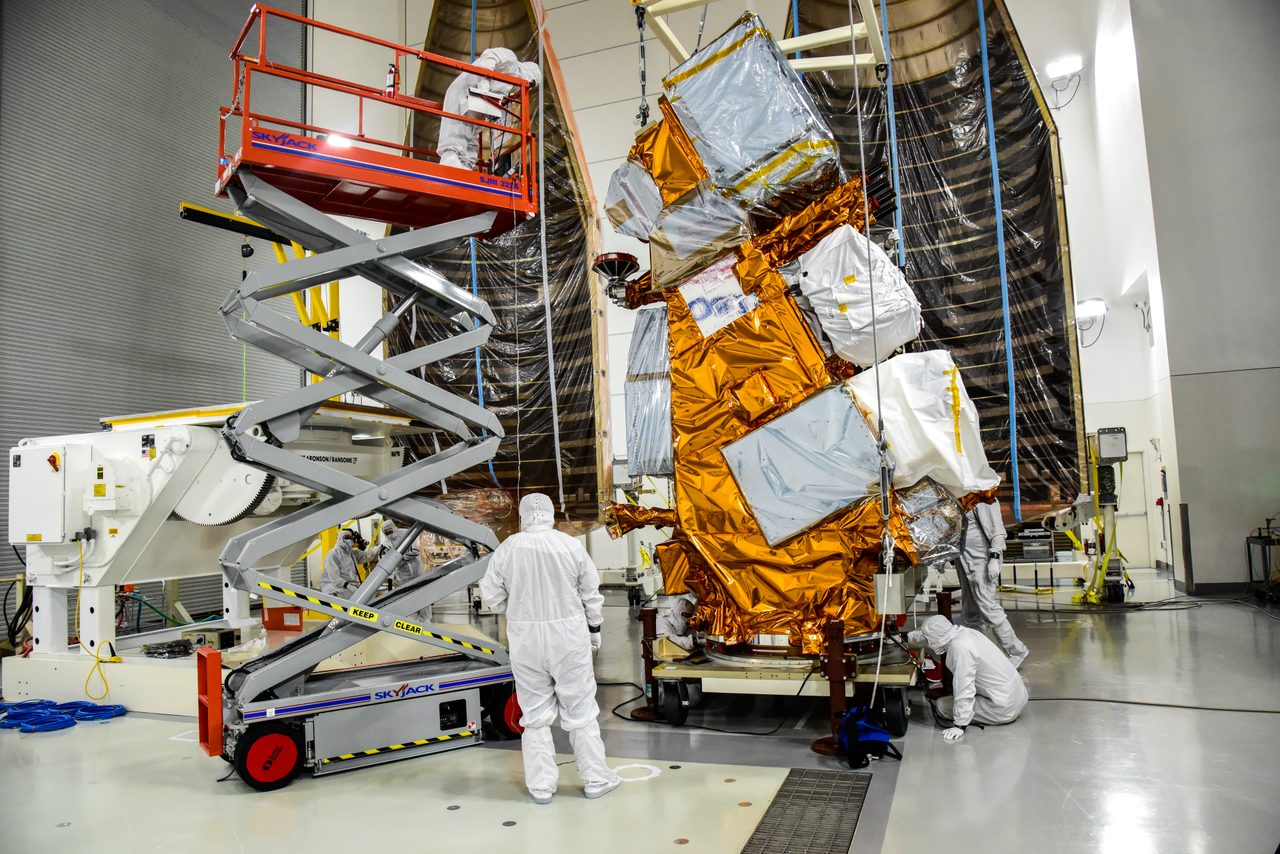
Atmospheric drag is a key factor affecting satellites in low Earth orbit, influencing their speed and altitude over time.
Hubble at 36: the telescope that changed astronomy
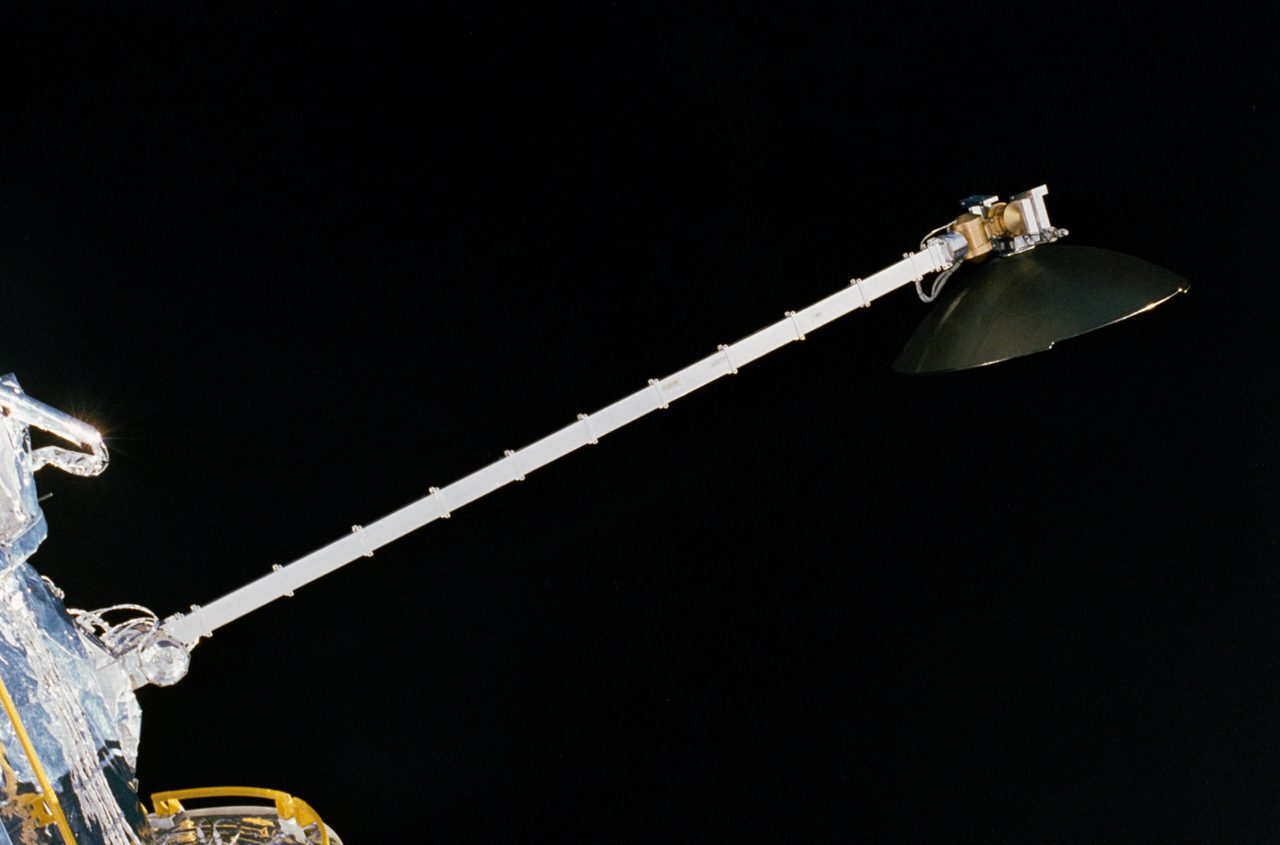
Launched in April 1990, Hubble transformed measurements of the expanding Universe and revealed galaxies billions of years into the past. Its scientific value now depends on ageing hardware, careful operations and an orbit that gradually loses altitude.
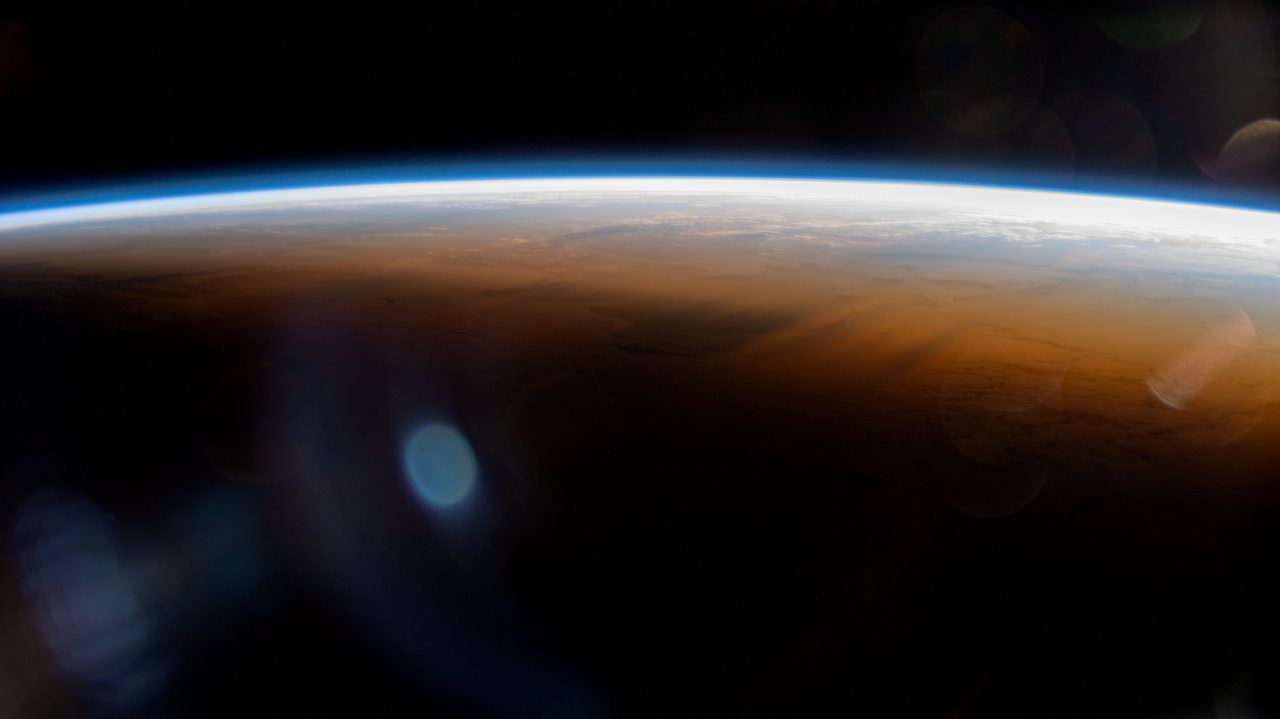
Sputnik 1: the satellite that started the Space Age
Launched on 4 October 1957, Sputnik 1 became Earth's first artificial satellite. Its radio pulses announced a new technological era, while its brief mission helped scientists investigate the upper atmosphere.
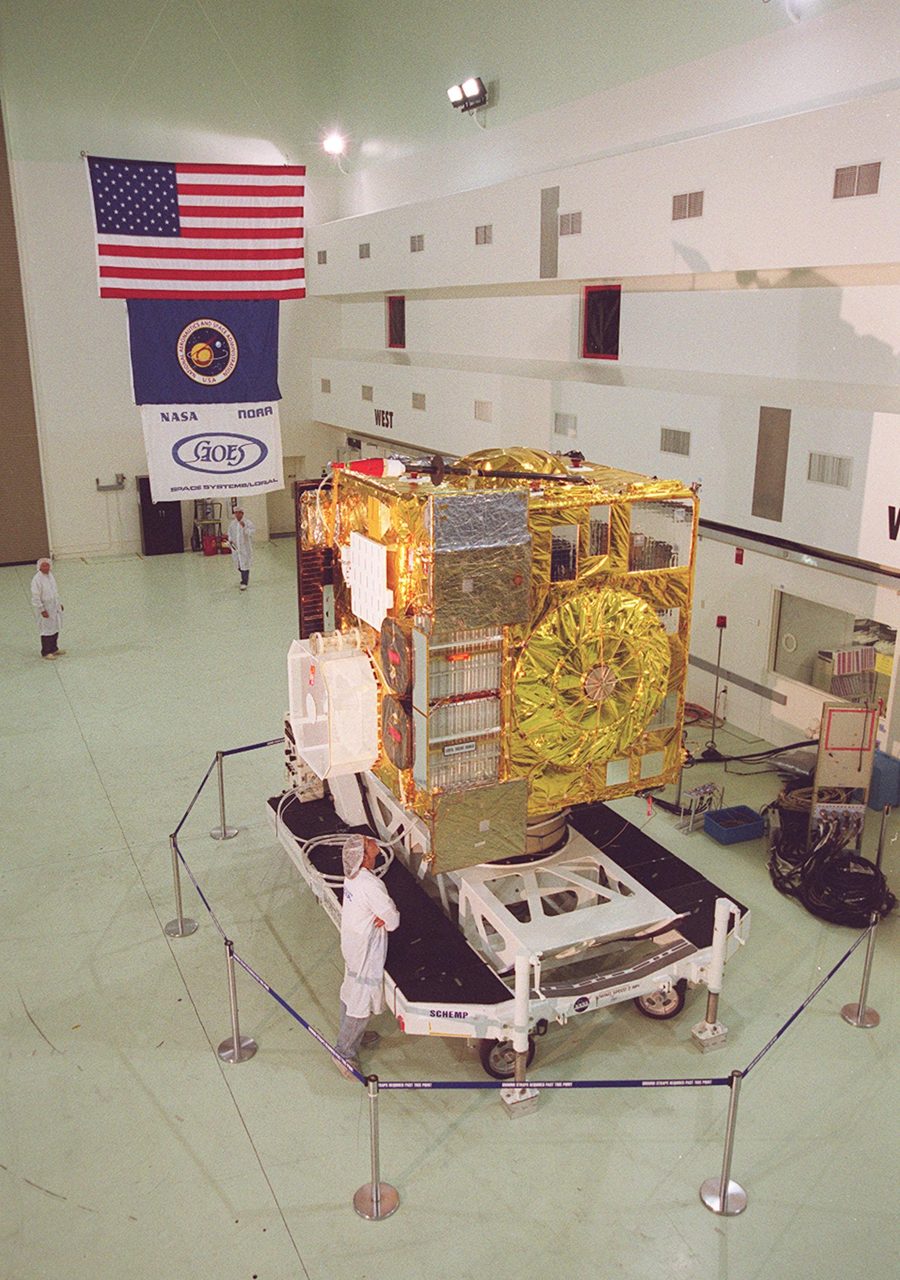
Hohmann Transfer Orbit: How the Two-Burn Route Works
A Hohmann transfer connects circular orbits with two engine burns. Discover how it works, what makes it economical and why it is not always the cheapest route.
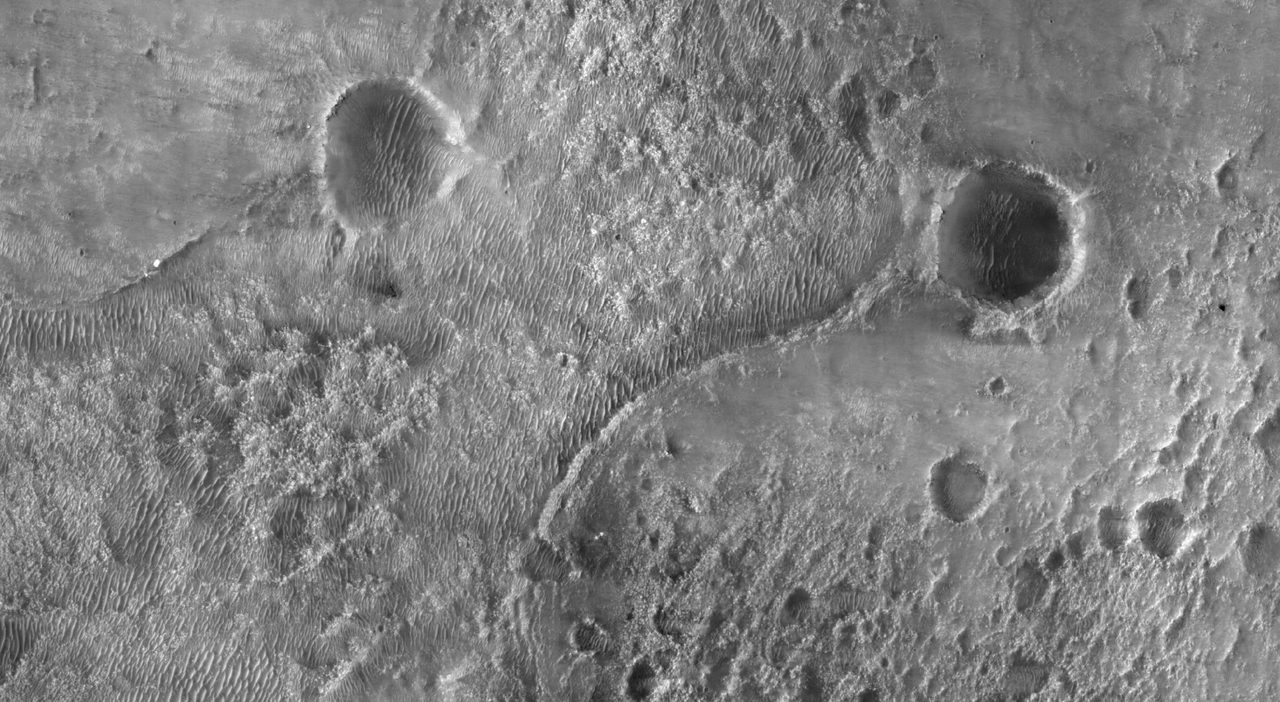
Fengyun-1C debris: the legacy of China's 2007 ASAT test
China's destruction of the Fengyun-1C weather satellite in January 2007 created a long-lived debris cloud. Its fragments remain a case study in how one interception can change the orbital environment for decades.