Space News Mission Log — Satellite Launches, Orbital Events & Analysis
Daily space news, satellite launch reports, orbital debris analysis and weekly roundups — grounded in live tracking data from our network monitoring 484 published reports.
How Satellites Are Tracked: From Radar to Orbit Predictions
Satellite tracking turns radar echoes, telescope images and radio measurements into orbit predictions. Here is how it works, where uncertainty enters and how to check a pass.
Space Situational Awareness: How We Track Orbital Risks
Space situational awareness turns observations of satellites and debris into warnings. Learn how tracking works, what collision alerts mean and where uncertainty remains.
Space Fence Radar: How the US Tracks Objects in Orbit
The US Space Force’s Space Fence radar detects satellites and debris from Kwajalein Atoll. Here is how those measurements help operators assess collision risks.
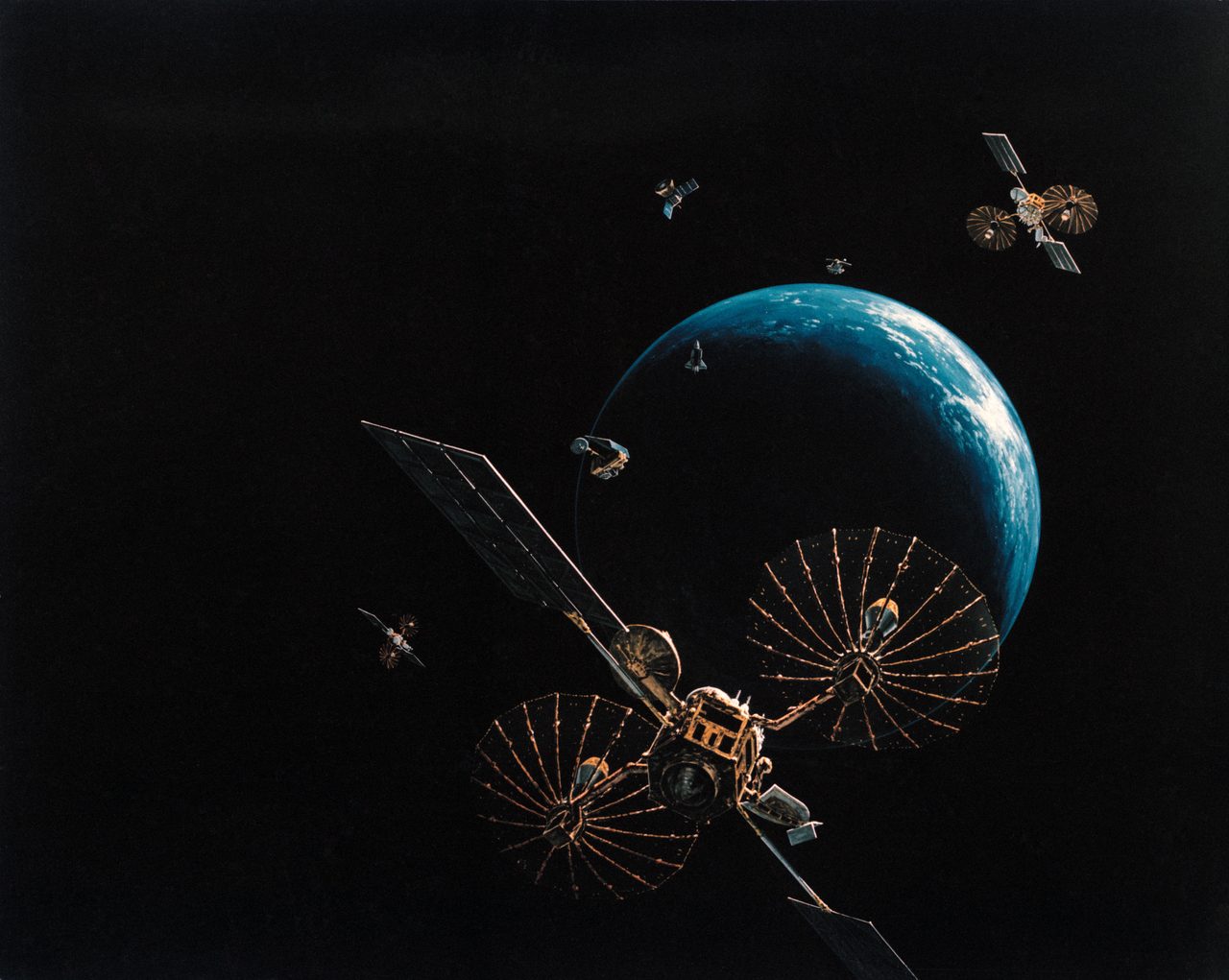
TLE Format Explained: How to Read Satellite Orbit Data
A two-line element set describes an orbit, but needs the right model to predict a satellite’s position. Learn to read its fields and recognise its limits.

Who Tracks Space Debris? Inside the Global Network
Military surveillance networks, civilian agencies and commercial firms share the task of tracking space debris. Here is how their observations become collision warnings.
What Happens If Two Satellites Collide?
A satellite collision can leave fragments circling Earth long after the spacecraft are destroyed. Their altitude helps determine how long the danger lasts.
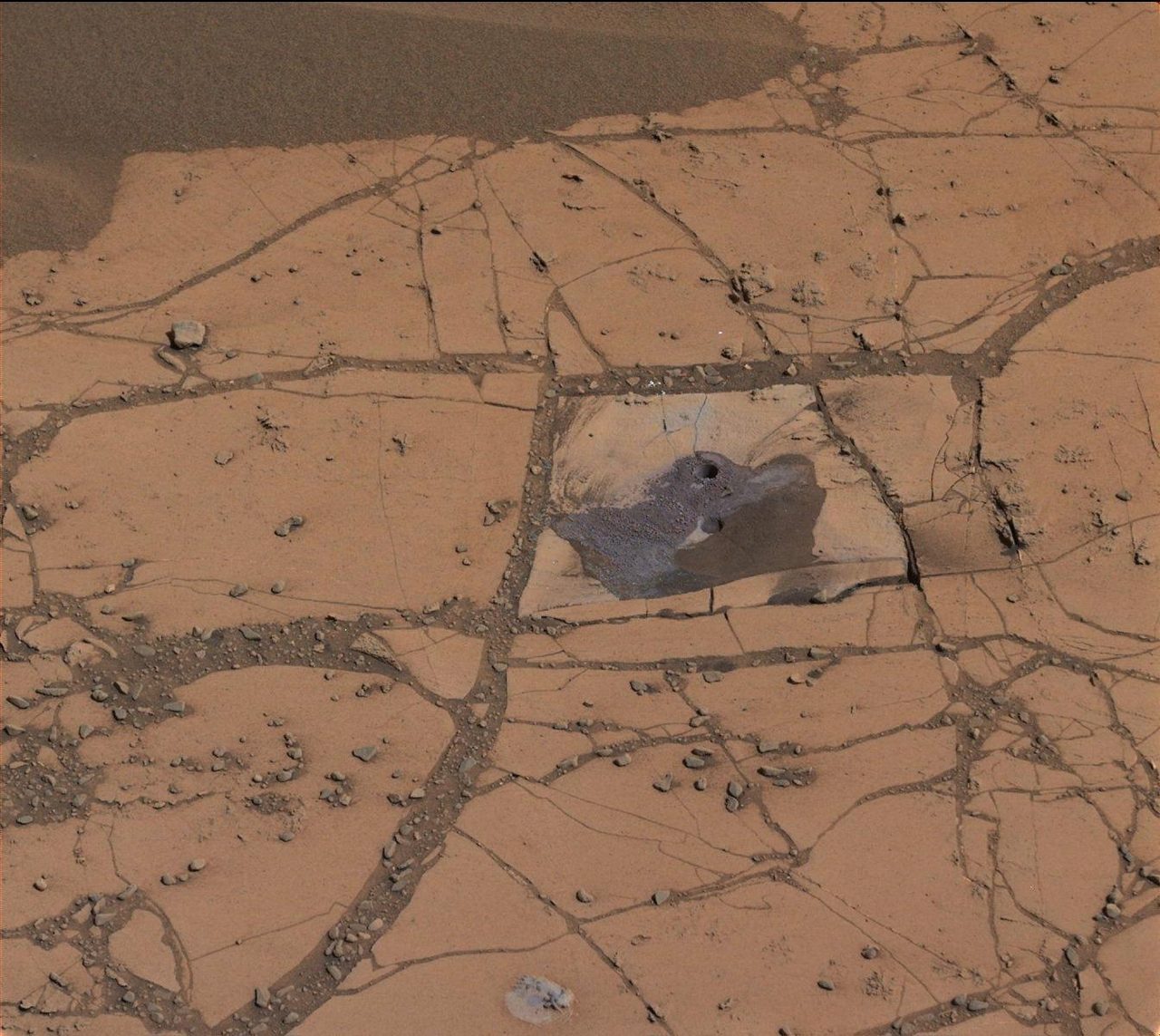
23 close approaches tracked: Orbital Briefing, 10 November
Orbital Radar is tracking 23 close approaches as satellite traffic grows. Curiosity reports on its latest drilling campaign, while launches line up for 11 November.
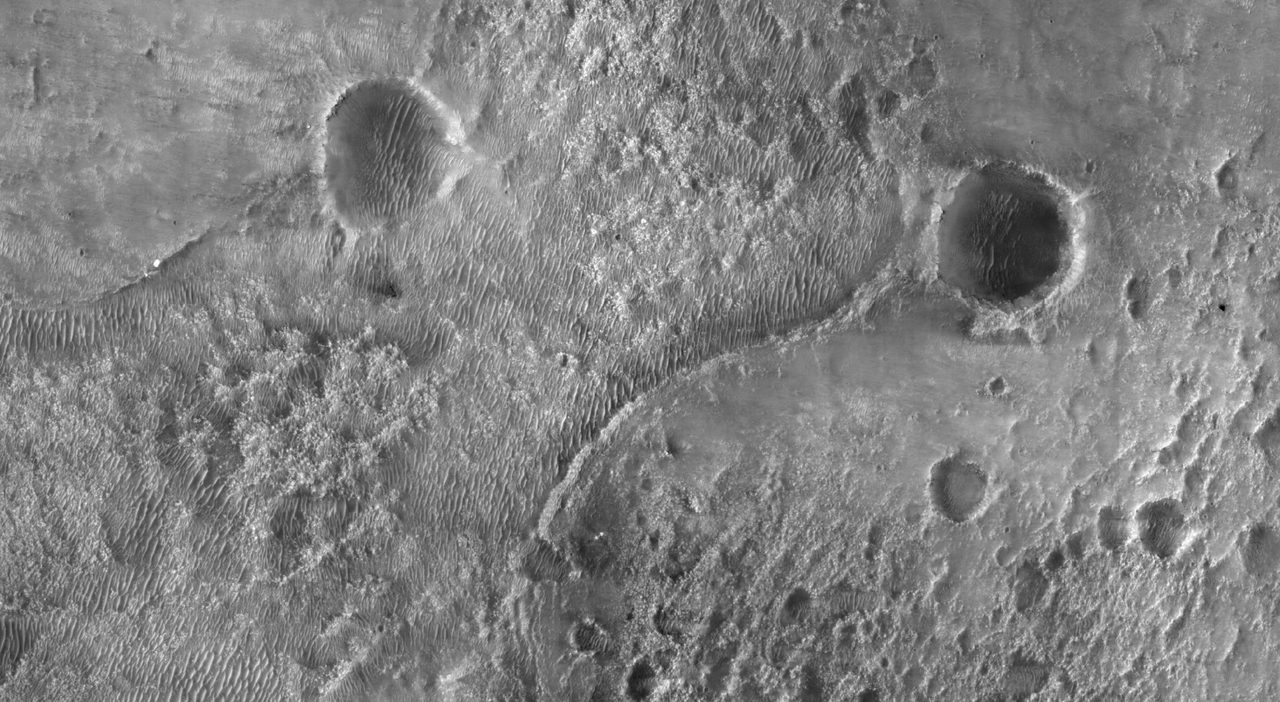
Anti-Satellite Weapons: The Tests That Created Debris Clouds
Anti-satellite tests can turn individual spacecraft into persistent orbital hazards. Explore the tests that created debris clouds, how the risks spread and what tracking reveals.
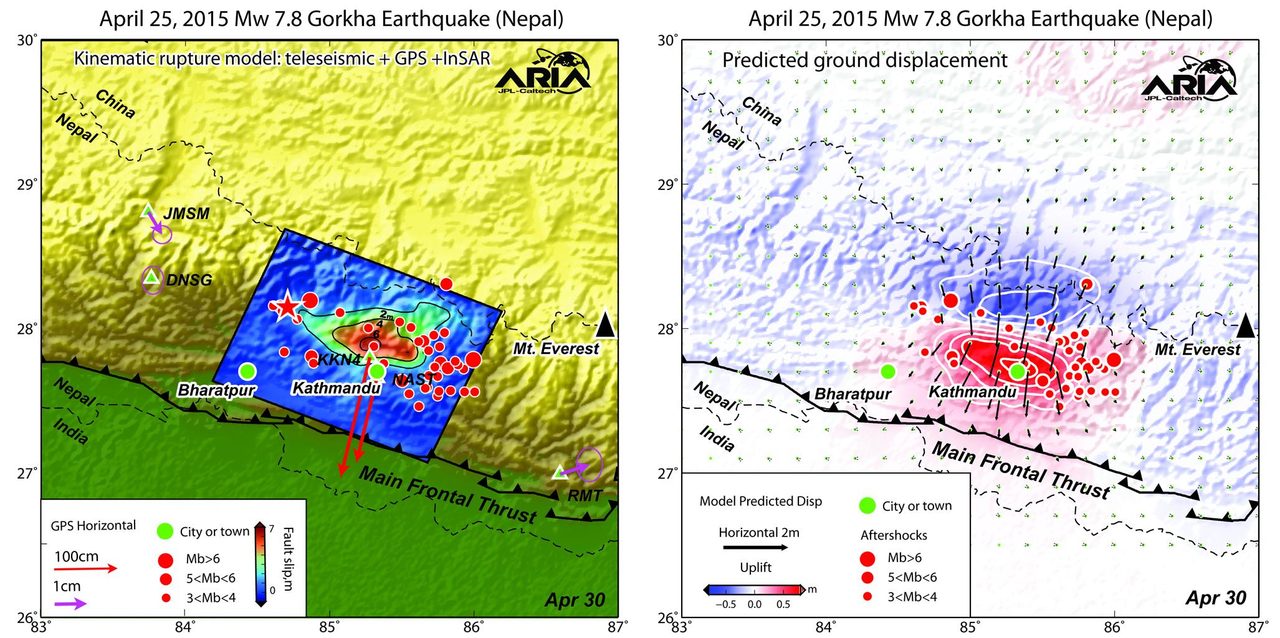
GPS relativity: why satellite navigation needs Einstein
GPS satellite clocks gain about 38 microseconds a day relative to clocks on Earth. Einstein’s relativity explains why—and how navigation engineers keep that difference under control.
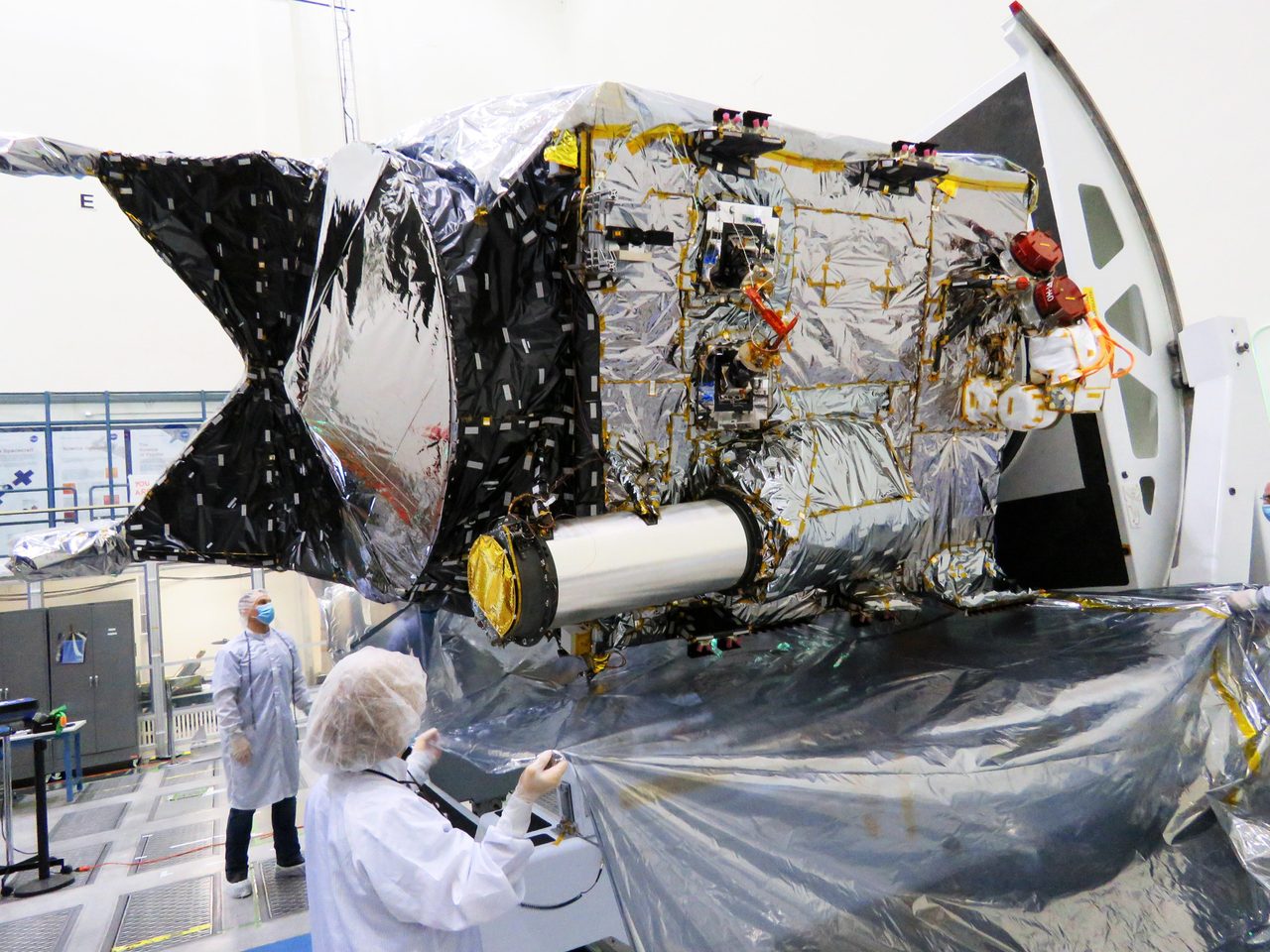
Laser Links Between Satellites: Speed, Pointing and Latency
Laser links let satellites relay data without sending every hop through a ground station. Their value depends on precise pointing, network routing and the distance traffic must travel.
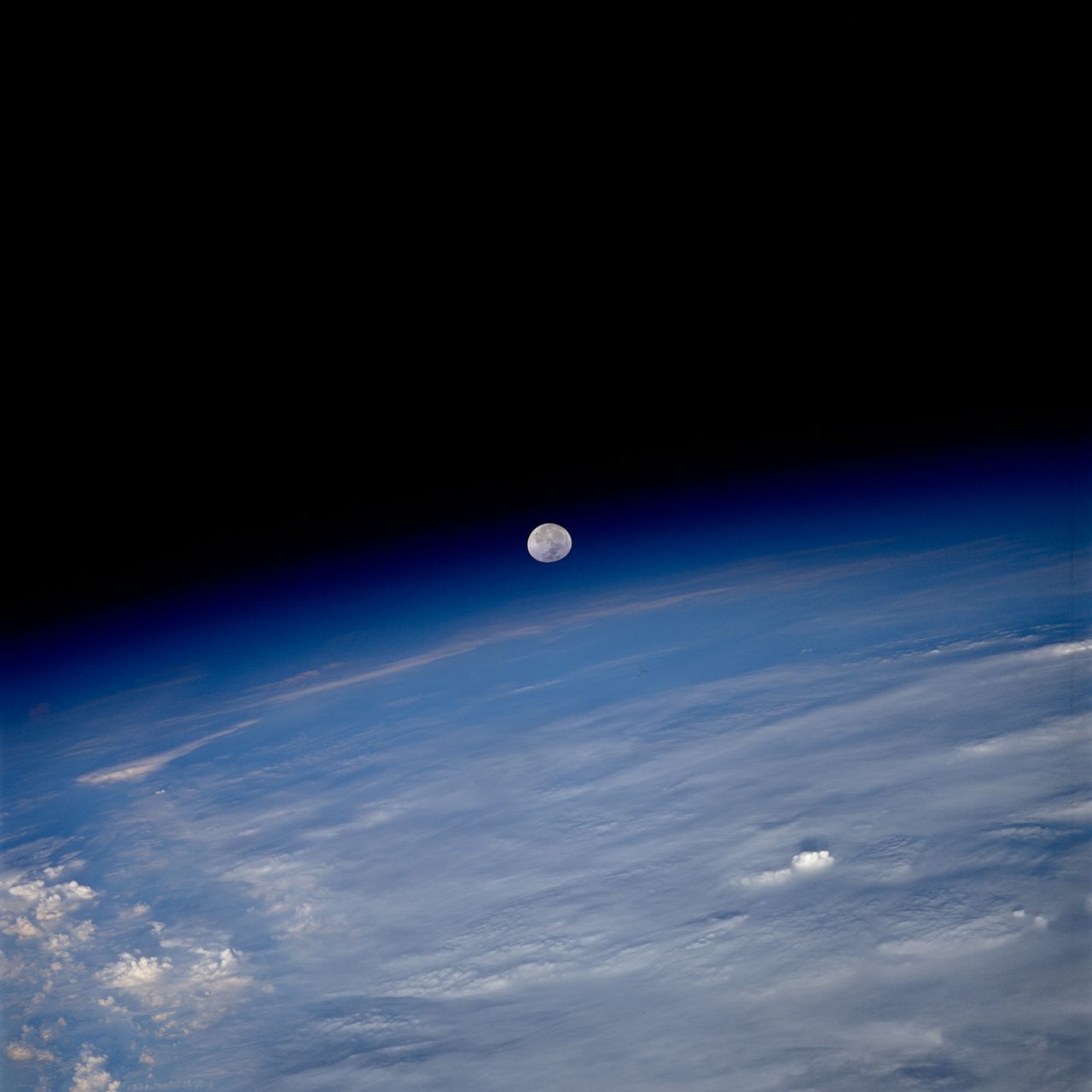
Can a Falling Satellite Hit You? The Real Re-entry Risk
A falling satellite can hit someone, but the personal risk is very low. Explore what survives re-entry, documented debris strikes and what forecasts can actually tell you.
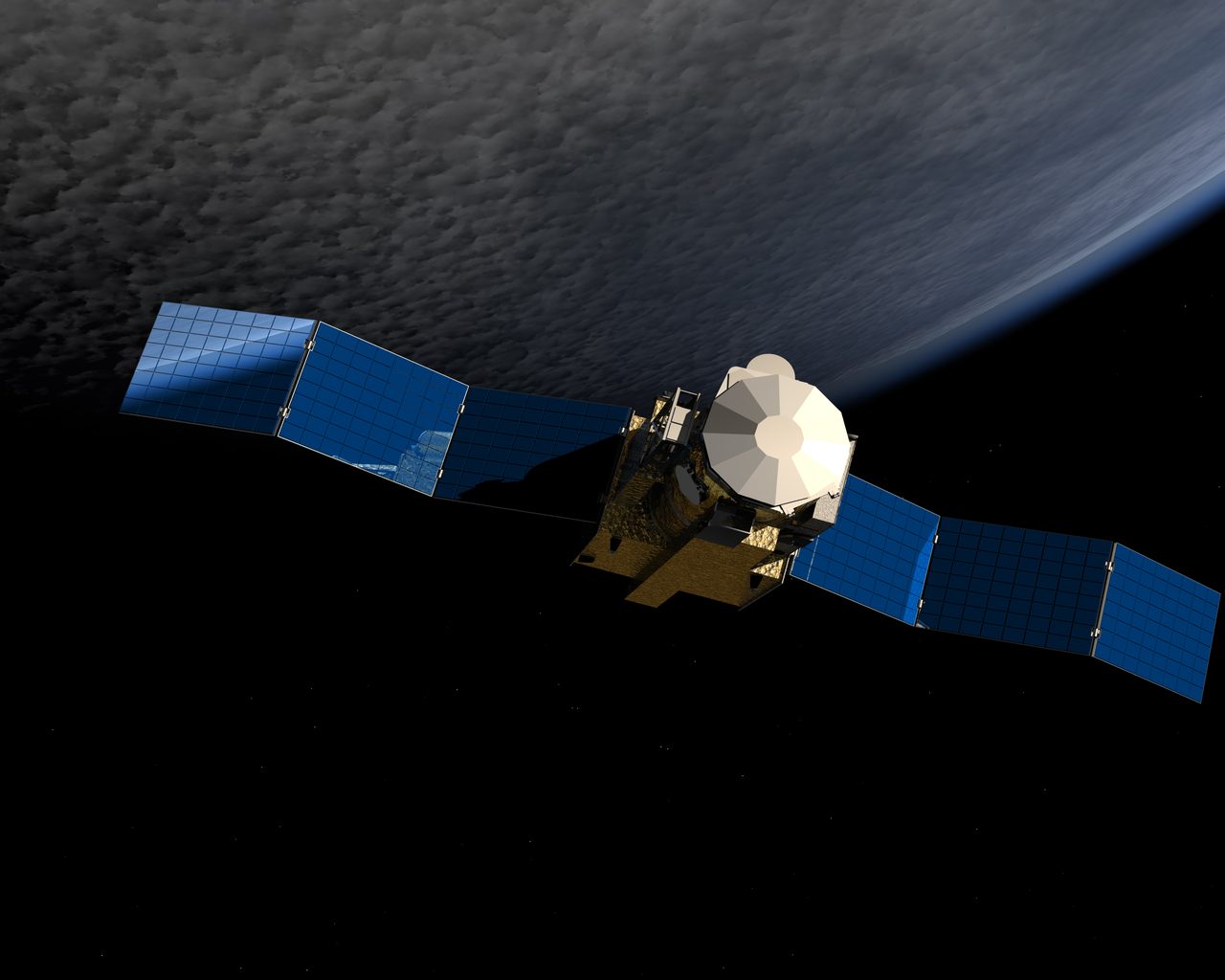
Satellite Maneuver Tracking: How to Read Orbital Changes
Satellite manoeuvres change an orbit, but interpreting them takes more than spotting a new altitude. Learn how to use Orbital Radar’s Maneuver Tracker and distinguish evidence from inference.