23 close approaches tracked: Orbital Briefing, 10 November
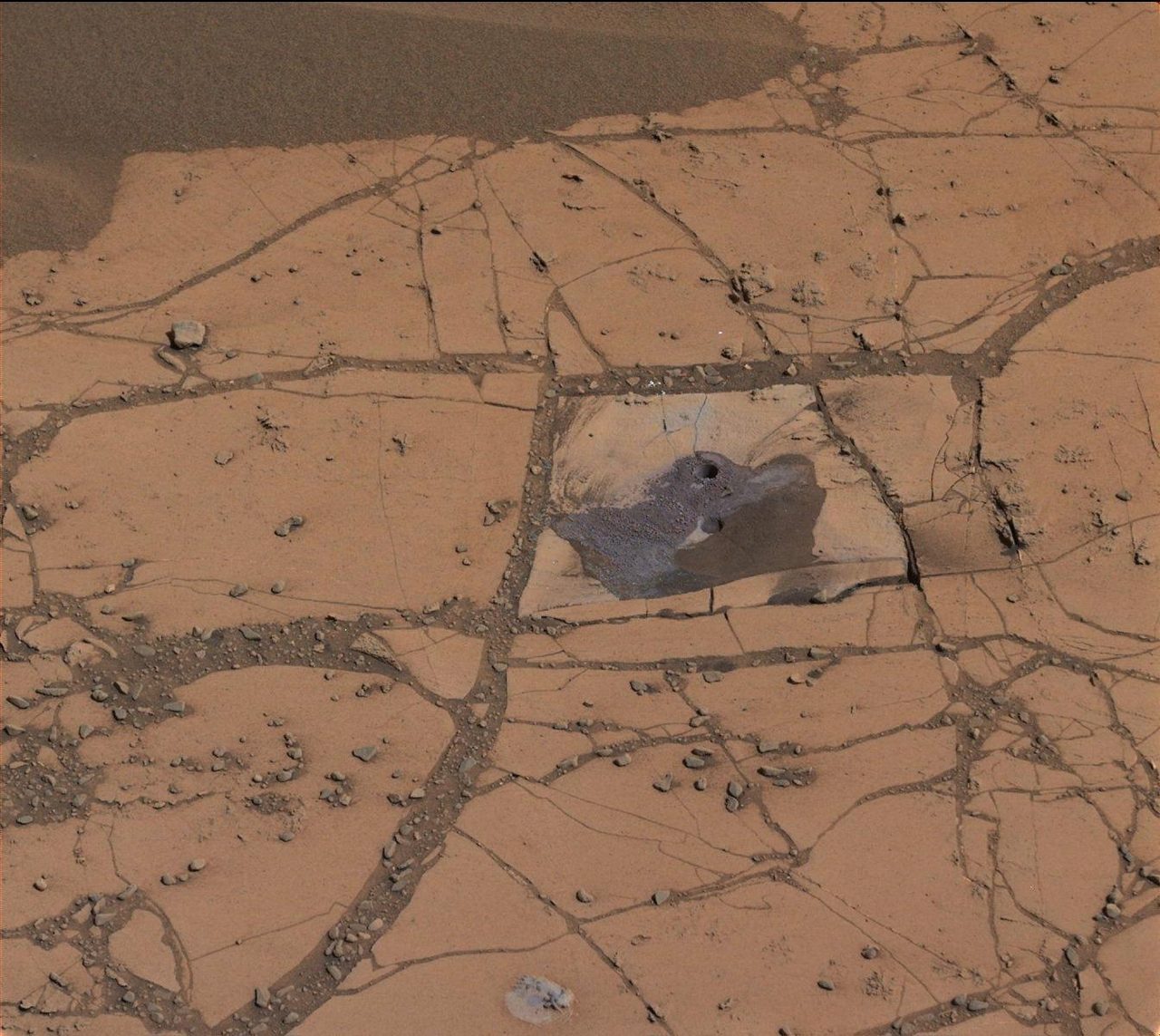
Orbital Radar is tracking 23 close approaches as satellite traffic grows. Curiosity reports on its latest drilling campaign, while launches line up for 11 November.
| Active satellites | 16,686 |
| Starlink active | 9,891 |
| Catalogued objects | 32,092 |
| Active close approaches | 23 |
| People in space | 10 |
Orbital Radar tracking data lists 23 active satellite close approaches on 10 November 2026. Among the closest listed encounters are TIANHUI 2-02A with TIANHUI 2-02B, and QIANFAN-261 with QIANFAN-266, each with a minimum separation of approximately 1.37 km. These distances warrant attention, but separation alone does not establish a collision probability.
Other encounters include THOR ABLESTAR DEB and NOAA 8 at approximately 1.48 km, and ICEYE-X110 and PELICAN-12 at approximately 1.89 km. Assessing danger also requires information about timing and uncertainty in the objects' predicted positions; a close approach is not evidence that an avoidance manoeuvre is necessary. The Orbital Radar space situational awareness toolkit provides context for following orbital traffic.
A crowded orbital environment
Orbital Radar's live catalogue records 16,686 active satellites on 10 November 2026. That growing population makes distinguishing functioning spacecraft from debris and spent rocket bodies increasingly important: each category presents different challenges for tracking and collision avoidance.
Starlink has 9,891 operational satellites as of 10 November 2026, according to Orbital Radar tracking data. Another 1,095 are raising their orbits and 215 are deorbiting, illustrating how a constellation's traffic extends beyond spacecraft already delivering service. The Orbital Radar Starlink Tracker helps readers explore the constellation, while the Debris Map places it within the wider orbital environment.
Curiosity drills; geomagnetic conditions remain quiet
NASA's Curiosity updates describe Nazca as the rover's 49th drill hole, followed by a report covering sols 5056–5062 focused on recharging. A sol is a Martian solar day. Drilling gives the rover access to rock material for analysis, helping scientists investigate the environments preserved in Mars's geological record; the Orbital Radar Mars Rovers page provides mission context.
Closer to Earth, the Kp index, a measure of global geomagnetic disturbance, stands at 2, while solar wind speed is 670 km/s. The relatively quiet geomagnetic reading shows why solar wind speed alone is not a reliable guide to storm severity. Magnetic-field orientation also matters for how effectively energy transfers into Earth's magnetic environment.
What to Watch
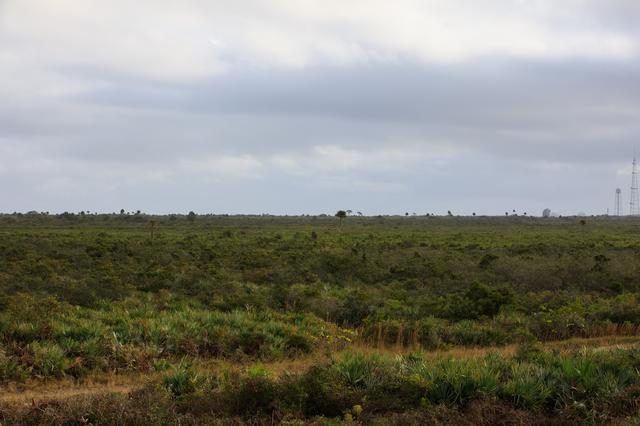
The next scheduled launches include SpaceX's Falcon 9 carrying USSF-627 on 11 November at 02:49 UTC, followed by the Agency for Defense Development's Mir demonstration flight at 05:00 UTC. A Long March 2D carrying an unidentified payload is scheduled for 11:40 UTC. All remain planned events rather than completed flights.
Further ahead, Vulcan's Amazon Leo LV-01 mission is scheduled for 13 November at 17:54 UTC. Starship Flight 15, carrying Starlink Group 31-2, is provisionally listed for 22:45 UTC that day, with its timing still to be confirmed. Follow schedule changes on the Orbital Radar Launch Schedule; Rocket Lab's Electron mission, The Mountain God Rises, is also scheduled for 14 November at 05:30 UTC.
Frequently Asked Questions
Do the satellite close approaches on 10 November mean a collision is likely?
When is Starship Flight 15 scheduled to launch?
Cite this article
Pick a style, then copy it or download it for your reference manager.Orbital Radar. (2026, November 10). 23 close approaches tracked: Orbital Briefing, 10 November. Retrieved November 10, 2026, from https://orbitalradar.com/blog/orbital-briefing-2026-11-10
“23 close approaches tracked: Orbital Briefing, 10 November.” Orbital Radar, 10 Nov. 2026, orbitalradar.com/blog/orbital-briefing-2026-11-10. Accessed 10 Nov. 2026.
Orbital Radar (2026) 23 close approaches tracked: Orbital Briefing, 10 November. Available at: https://orbitalradar.com/blog/orbital-briefing-2026-11-10 (Accessed: 10 November 2026).
Orbital Radar. “23 close approaches tracked: Orbital Briefing, 10 November.” Last modified November 10, 2026. https://orbitalradar.com/blog/orbital-briefing-2026-11-10.
@misc{orbitalradar_blog_orbital_briefing_2026_11_10,
  author       = {{Orbital Radar}},
  title        = {23 close approaches tracked: Orbital Briefing, 10 November},
  year         = {2026},
  month        = nov,
  howpublished = {\url{https://orbitalradar.com/blog/orbital-briefing-2026-11-10}},
  url          = {https://orbitalradar.com/blog/orbital-briefing-2026-11-10},
  urldate      = {2026-11-10},
  note         = {Accessed 2026-11-10}
}
TY - ELEC AU - Orbital Radar, TI - 23 close approaches tracked: Orbital Briefing, 10 November PY - 2026 DA - 2026/11/10 PB - Orbital Radar UR - https://orbitalradar.com/blog/orbital-briefing-2026-11-10 Y2 - 2026/11/10 LA - en ER -
Live figures change, so keep the date you accessed the page. How to cite Orbital Radar