Space News Mission Log — Satellite Launches, Orbital Events & Analysis
Daily space news, satellite launch reports, orbital debris analysis and weekly roundups — grounded in live tracking data from our network monitoring 89 published reports.
Long March 8A launches SatNet as orbital traffic builds
China’s SatNet constellation has another successful launch, while close approaches underline the demands of orbital traffic monitoring. Falcon 9 and Ariane 64 missions are next on the schedule.

Orbital Close Calls Highlight Need for Space Traffic Management
Recent close approaches in orbit underscore the need for better space traffic management as Starliner delays continue.
23 close approaches tracked: Orbital Briefing, 10 November
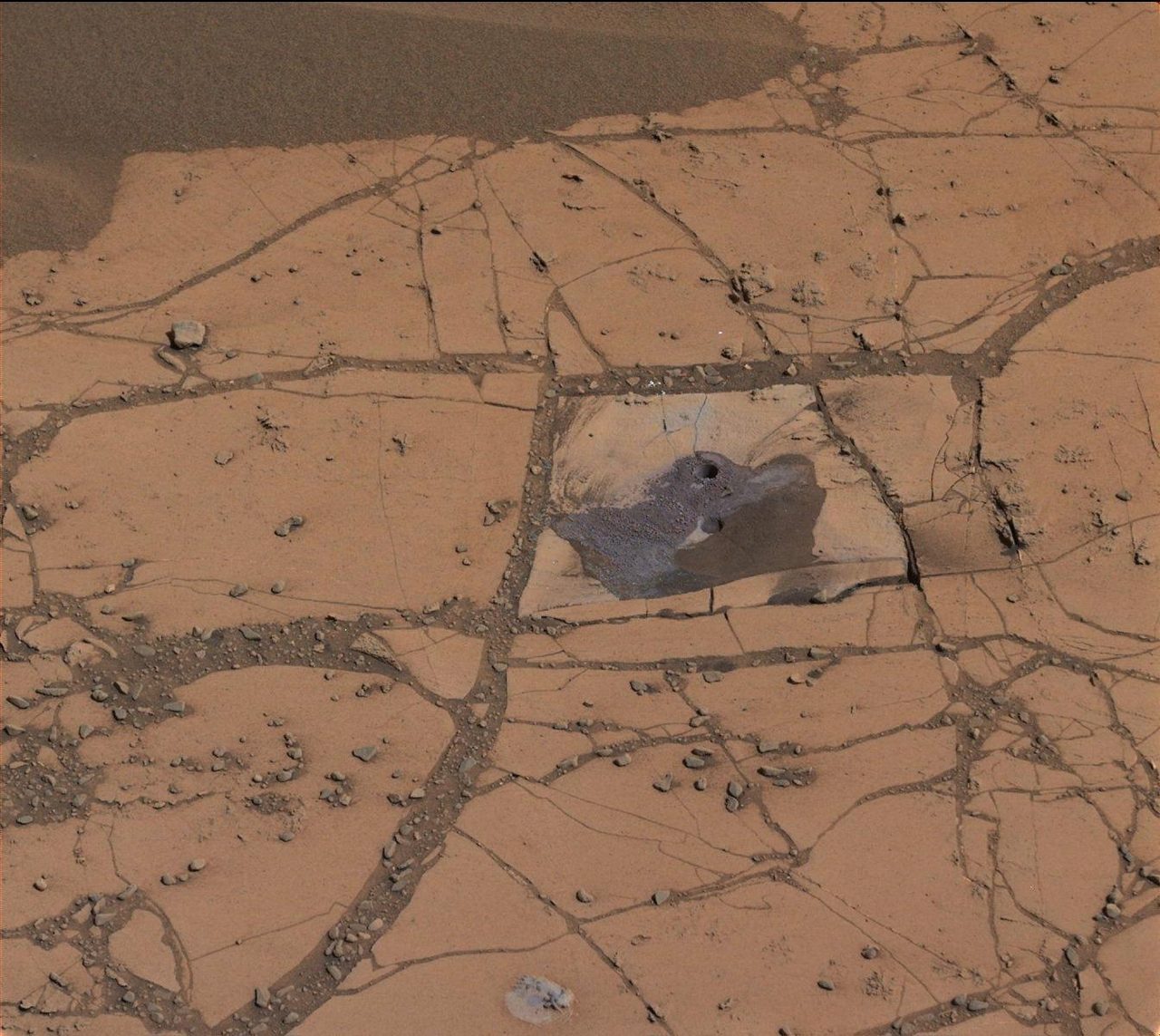
Orbital Radar is tracking 23 close approaches as satellite traffic grows. Curiosity reports on its latest drilling campaign, while launches line up for 11 November.

MMX heads for Mars: Orbital Briefing, 22 October 2026
MMX has launched on its journey towards Mars, while close approaches keep orbital traffic under scrutiny. Starlink and Chinese launches lead the next events to watch.
Space Traffic Management: A Comprehensive Guide
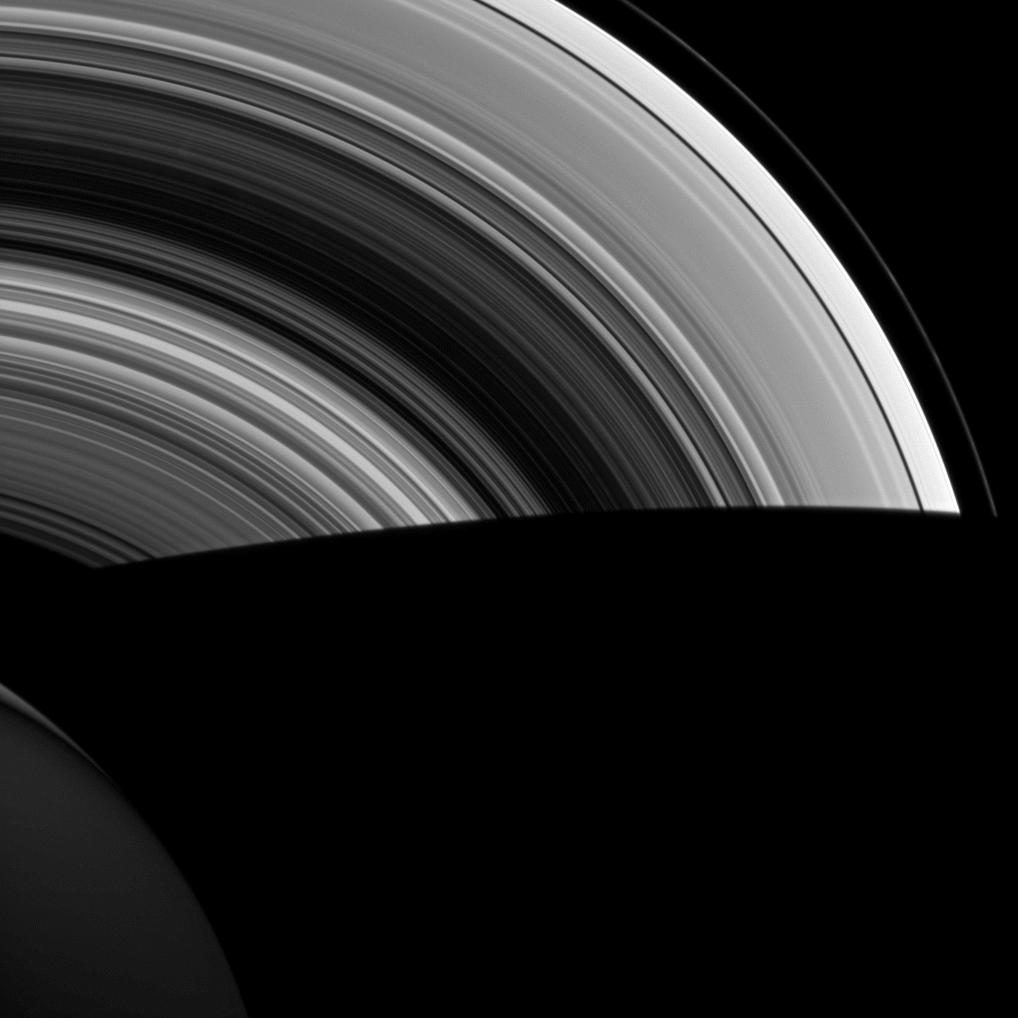
Space traffic management ensures safe and efficient use of Earth's orbits, crucial for maintaining over 15,803 active satellites.
SpaceX Launches SiriusXM Satellite Amid Close Orbital Encounters
SpaceX successfully launched a SiriusXM satellite, while several close orbital encounters were monitored, highlighting the growing complexity of space traffic management.
How Long Does It Take to Get to the ISS? Hours to Days
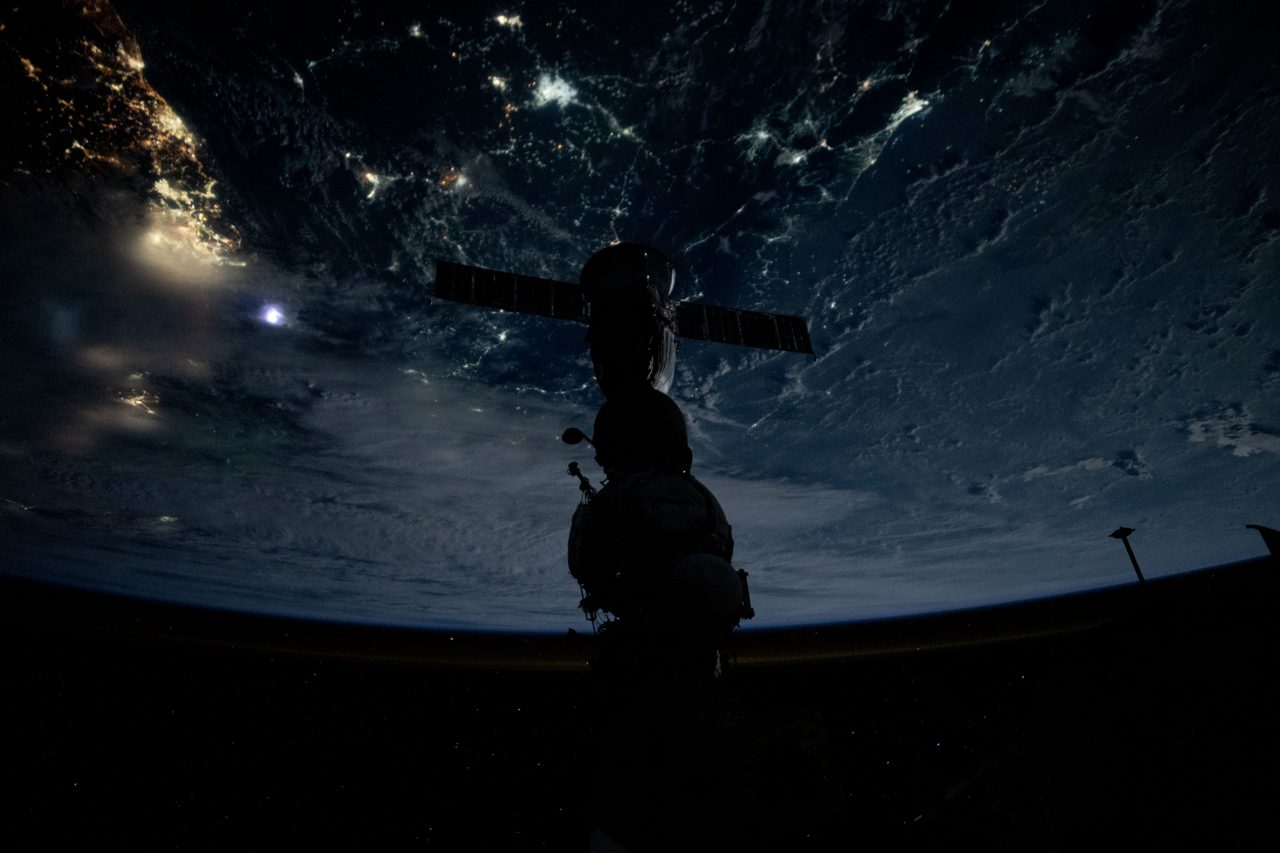
Reaching the ISS can take about three hours or stretch over one or two days. The difference is largely about launch timing, orbital alignment and the spacecraft's rendezvous plan.

9,996 active Starlinks: Orbital Briefing, 28 October 2026
Starlink has 9,996 operational satellites following another successful Falcon 9 mission. Meanwhile, geomagnetic conditions are quiet ahead of SpaceX and ISRO launches.

Who Tracks Space Debris? Inside the Global Network
Military surveillance networks, civilian agencies and commercial firms share the task of tracking space debris. Here is how their observations become collision warnings.
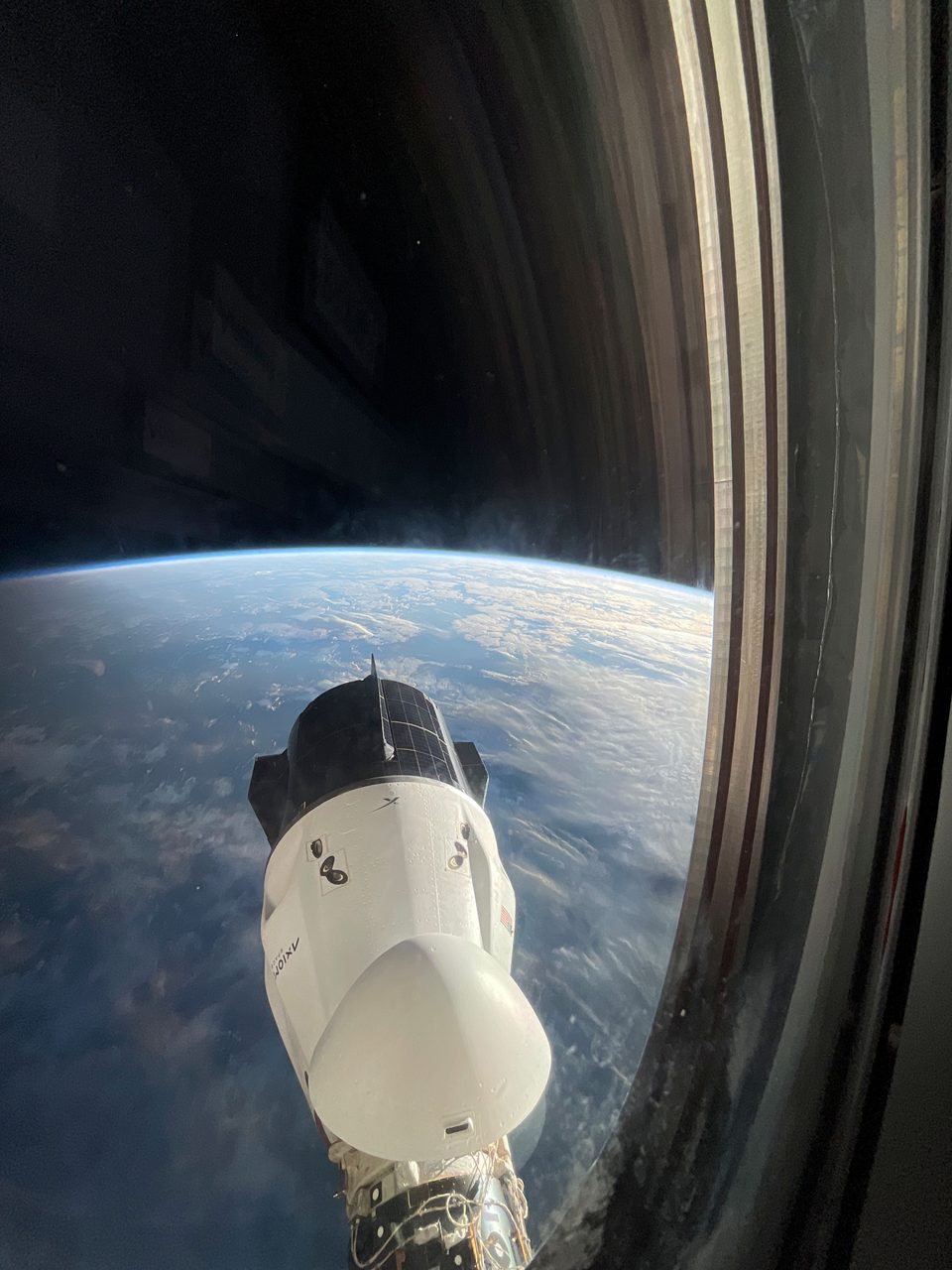
How Do Astronauts Get Back to Earth?
Astronauts return in spacecraft that slow down, survive atmospheric heating and land under parachutes. The journey ends with an ocean splashdown or a touchdown on land.
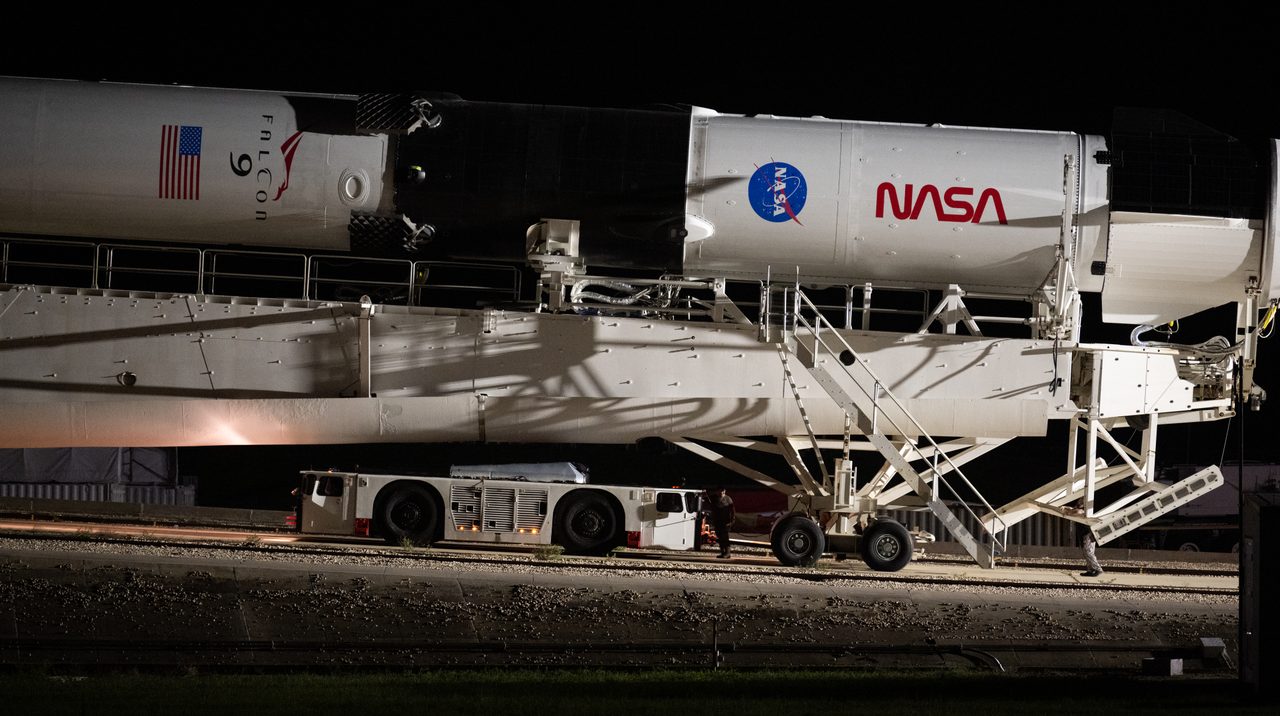
22 November: SpaceX targets NROL-136 intelligence launch
SpaceX is preparing to launch NROL-136 for the National Reconnaissance Office, while Amazon Leo awaits an Ariane flight following a Vulcan launch failure.

Collision Avoidance Manoeuvres: Essential Guide for Space Safety
Collision avoidance involves manoeuvres to prevent satellites from colliding with space debris or other objects.