9,996 active Starlinks: Orbital Briefing, 28 October 2026
Starlink has 9,996 operational satellites following another successful Falcon 9 mission. Meanwhile, geomagnetic conditions are quiet ahead of SpaceX and ISRO launches.
| Active satellites | 15,887 |
| Starlink active | 9,996 |
| Catalogued objects | 31,833 |
| Active close approaches | 23 |
| People in space | 10 |
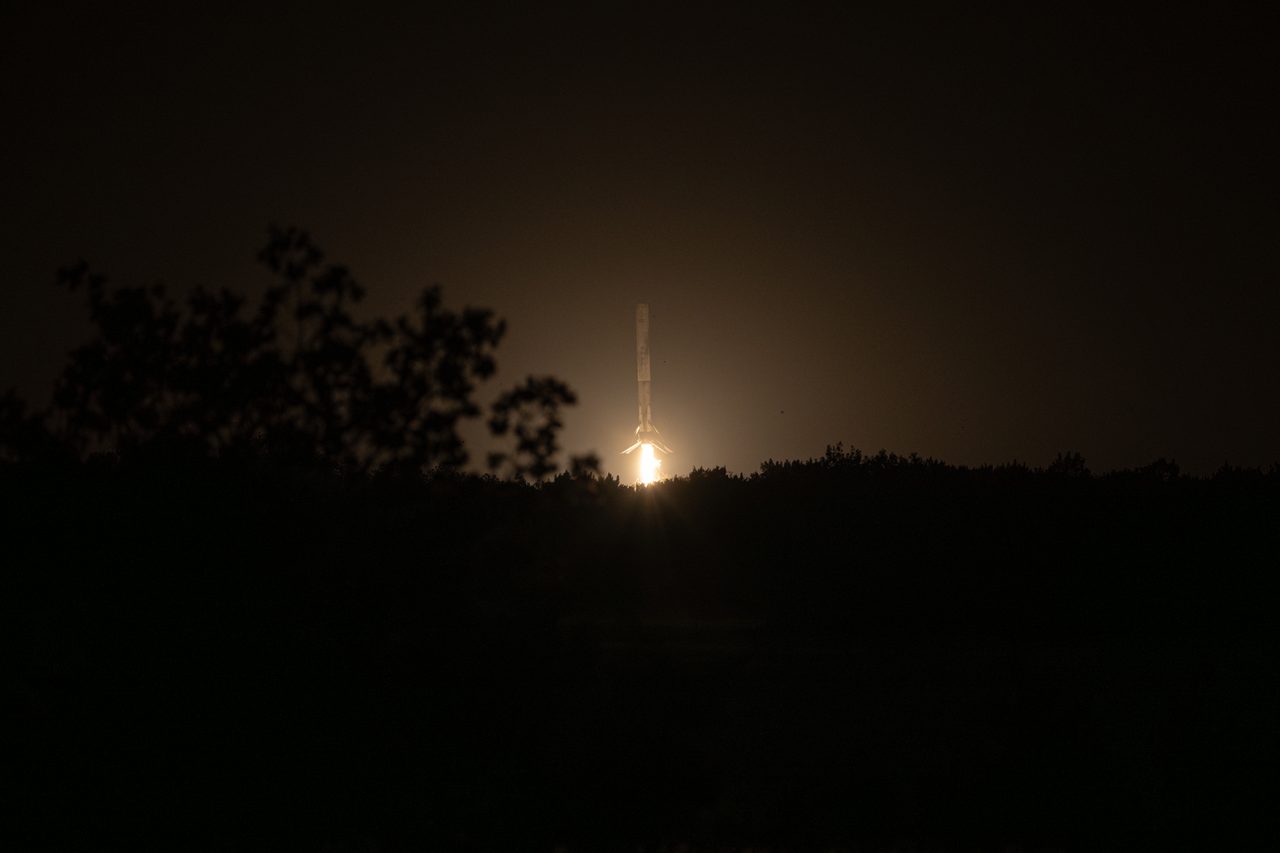
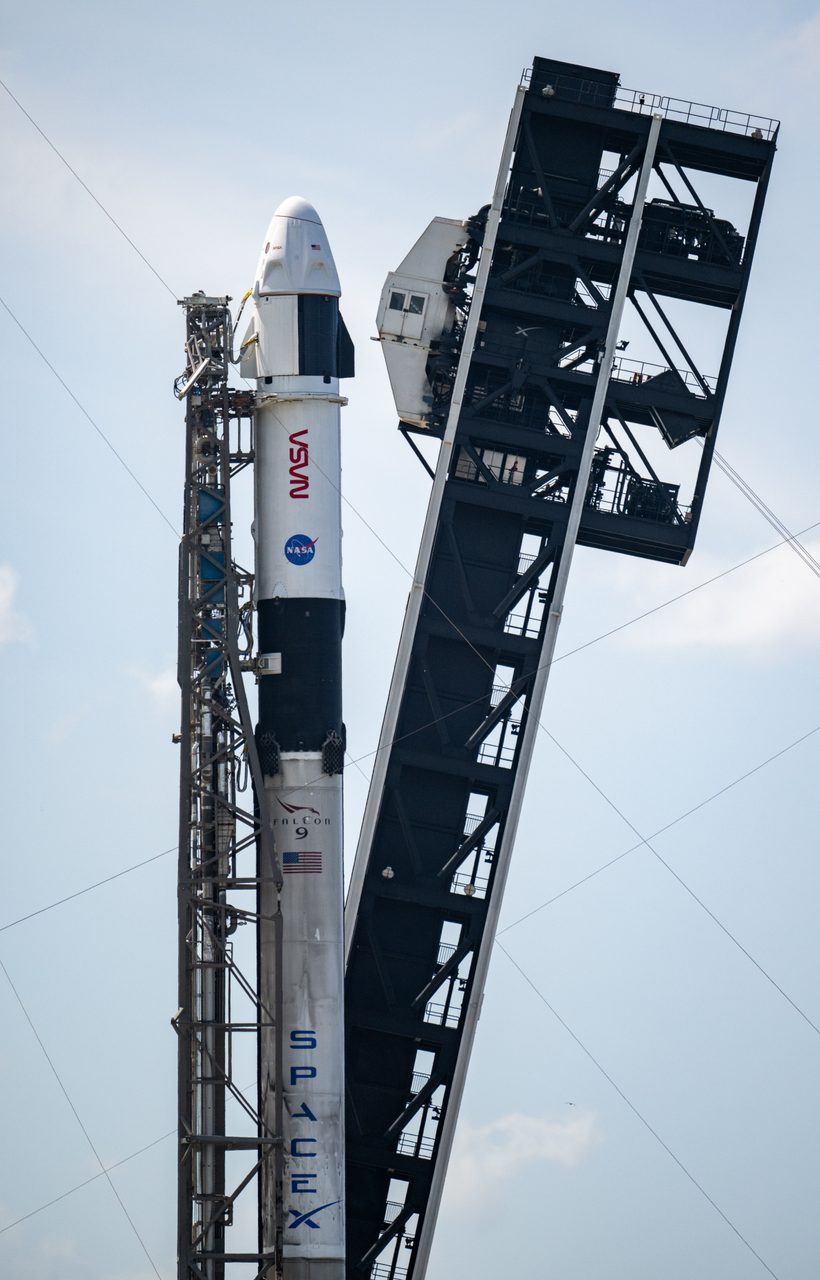
Starlink has reached 9,996 operational satellites as SpaceX continues adding to its broadband constellation. A Falcon 9 Block 5 successfully launched Starlink Group 15-16 into low Earth orbit on 27 October at 07:25 UTC, following the successful Group 15-15 mission on 23 October.
Starlink had 9,996 operational satellites on 28 October 2026, according to Orbital Radar tracking data. A further 961 were raising their orbits and 178 were deorbiting (lowering their trajectories towards atmospheric re-entry), illustrating why launched spacecraft and operational satellites are different measures. Their distribution can be explored on the Orbital Radar Starlink Tracker.
Orbital traffic remains a daily concern
Orbital Radar's live catalogue listed 15,887 active satellites on 28 October 2026. The growing operational fleet shares orbital space with spent rocket bodies and debris, making close-approach monitoring an increasingly important part of satellite operations.
Orbital Radar tracking data recorded 23 active close approaches on 28 October 2026. Among them, NOAA 16 DEB and KUIPER-00528 had a reported minimum separation of approximately 0.96 km; USA 485 and USA 486 had approximately 1.09 km. These distances alone do not establish collision probability, which also depends on timing and uncertainty in the objects' predicted positions; the space situational awareness toolkit provides context for monitoring orbital encounters.
Quiet geomagnetic conditions
The planetary Kp index, a measure of geomagnetic disturbance, stood at 0, while solar wind speed was 389 km/s. Space-weather risk indicators were green for low Earth orbit, geostationary orbit and the International Space Station, indicating quiet conditions rather than an ongoing geomagnetic storm.
The solar wind's north–south magnetic component was slightly southward at -1.7 nanotesla. That orientation can favour energy transfer into Earth's magnetic environment, but it should not be interpreted in isolation as evidence of a developing storm.
Jupiter's moons and a distant planetary candidate
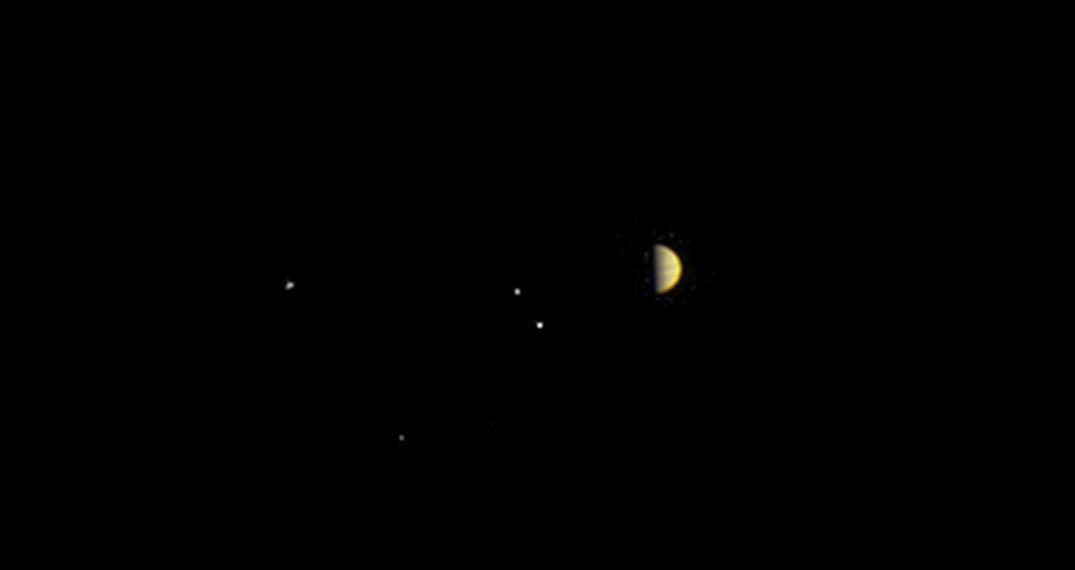
NASA's Astronomy Picture of the Day for 28 October features a mutual occultation of Ganymede and Io: an alignment in which a moon passes in front of another from the observer's viewpoint. Such events illustrate how viewing geometry shapes what telescopes see.
Elsewhere, Rubin Observatory's reported first dwarf planet candidate draws attention to the continuing inventory of the Solar System. The candidate designation matters: discovery and classification are separate steps, and the report should not be read as a settled dwarf planet designation.
What to Watch
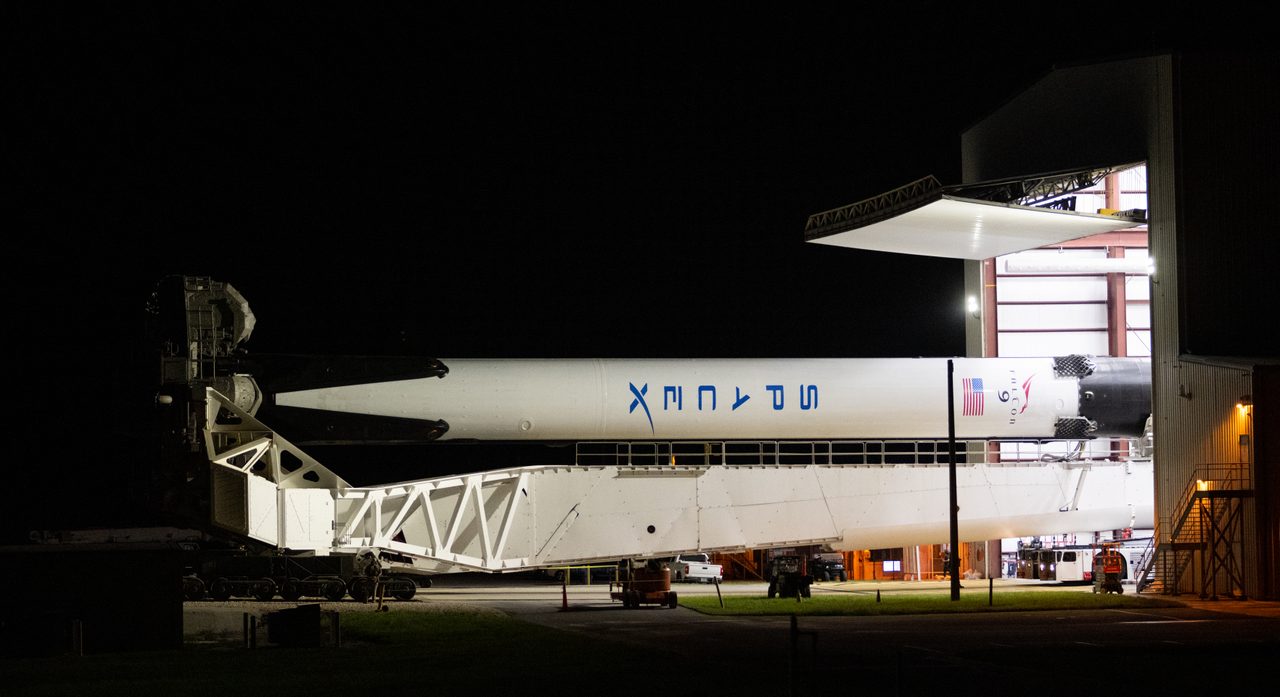
SpaceX's Starlink (15-18) mission is scheduled for 30 October at 04:02 UTC, followed by ISRO's NVS-03 (IRNSS-1L) at 18:21 UTC. Both are listed as go for launch, although launch times remain subject to change.
Further ahead, Starlink (15-21) is scheduled for 5 November at 05:14 UTC, with a CASC mission listed for 20:00 UTC that day. The Orbital Radar Launch Schedule tracks these upcoming missions and their status.
Frequently Asked Questions
How many Starlink satellites are operational today?
When are the next SpaceX and ISRO launches?
📎 Cite this article · data available
Orbital Radar Newsroom. (2026). 9,996 active Starlinks: Orbital Briefing, 28 October 2026. Orbital Radar. https://orbitalradar.com/blog/orbital-briefing-2026-10-28"9,996 active Starlinks: Orbital Briefing, 28 October 2026." Orbital Radar, 28 October 2026, https://orbitalradar.com/blog/orbital-briefing-2026-10-28.@misc{orbitalradar_orbital_briefing_2026_10_28,
title = {9,996 active Starlinks: Orbital Briefing, 28 October 2026},
author = {{Orbital Radar}},
year = {2026},
howpublished = {\url{https://orbitalradar.com/blog/orbital-briefing-2026-10-28}}
}