Space News Mission Log — Satellite Launches, Orbital Events & Analysis
Daily space news, satellite launch reports, orbital debris analysis and weekly roundups — grounded in live tracking data from our network monitoring 104 published reports.
Orbital Inclination: Why Satellites Fly at Different Angles
Orbital inclination determines which latitudes a satellite flies over, but not everything it can see. Learn how orbit angles shape coverage, launch choices and mission design.
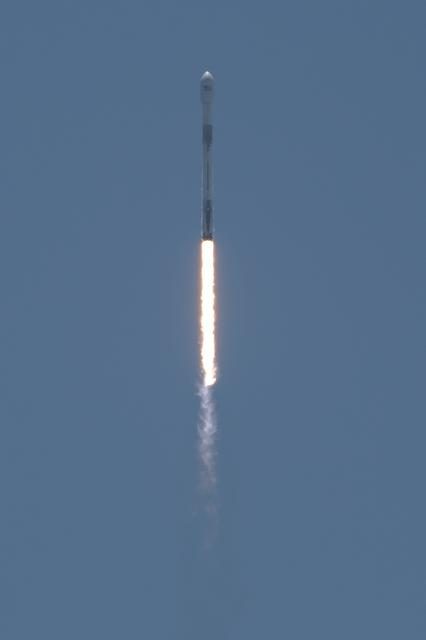
Iridium NEXT: The Flash-Free Replacement Constellation
Iridium NEXT is a constellation of 66 active communication satellites, designed to replace the original Iridium network. Launched between 2017 and 2019, these satellites provide global voice and data coverage, enabling connectivity for satellite phones, pagers, and integrated transceivers.

Guowang Satellites: China's Expansive State Constellation Explained
The Guowang satellites form China's state constellation, aiming to provide global satellite internet coverage. Explore its purpose, structure, and impact.

Starlink vs OneWeb: Comparing Satellite Internet Giants
Starlink and OneWeb offer satellite internet services with distinct approaches. Discover how they differ in technology, coverage, and future plans.
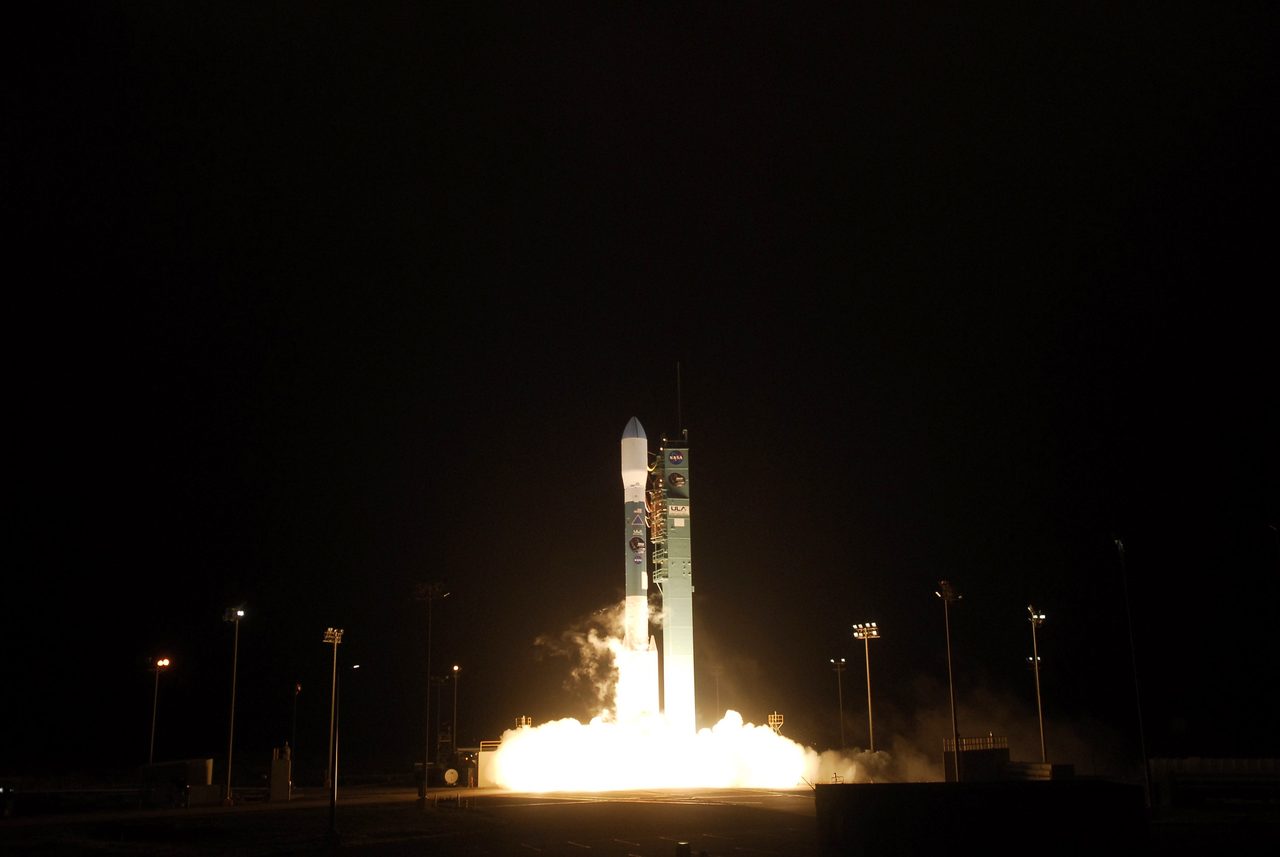
How Starlink Works: Architecture, Coverage & Orbital Mechanics
Starlink provides global internet coverage through a constellation of over 10,000 active satellites in low Earth orbit, utilizing advanced phased array antennas and laser links.

GPS vs Galileo vs GLONASS vs BeiDou: Comparing Global Navigation Systems
GPS, Galileo, GLONASS, and BeiDou are global navigation satellite systems offering varying coverage, accuracy, and features.
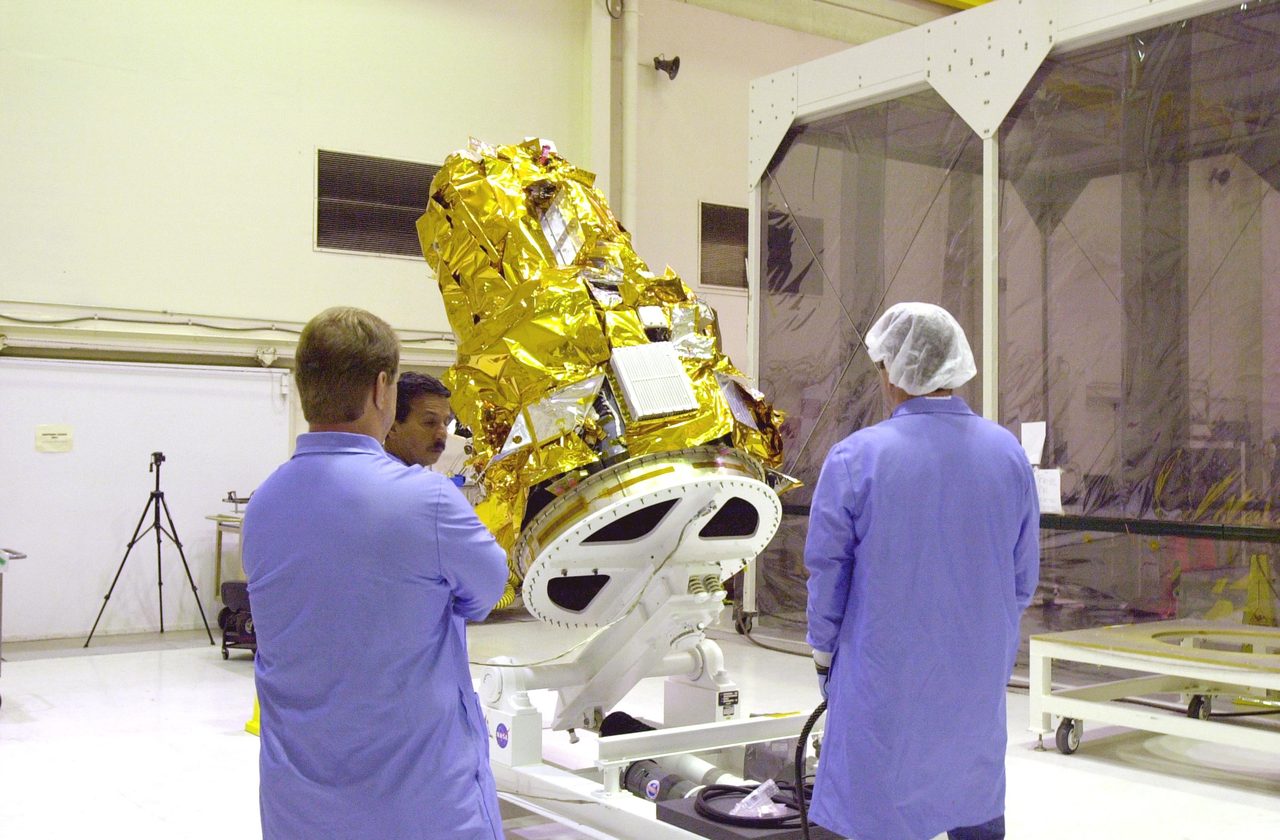
Understanding Satellite Constellation Phasing: A Complete Guide
Constellation phasing is the process of arranging satellites in a constellation to ensure optimal coverage and functionality. Learn how it affects global satellite networks.

Understanding Mega-Constellations: The Future of Satellite Networks
Mega-constellations are large groups of satellites working together in low Earth orbit to provide global coverage. Discover their purpose and impact.
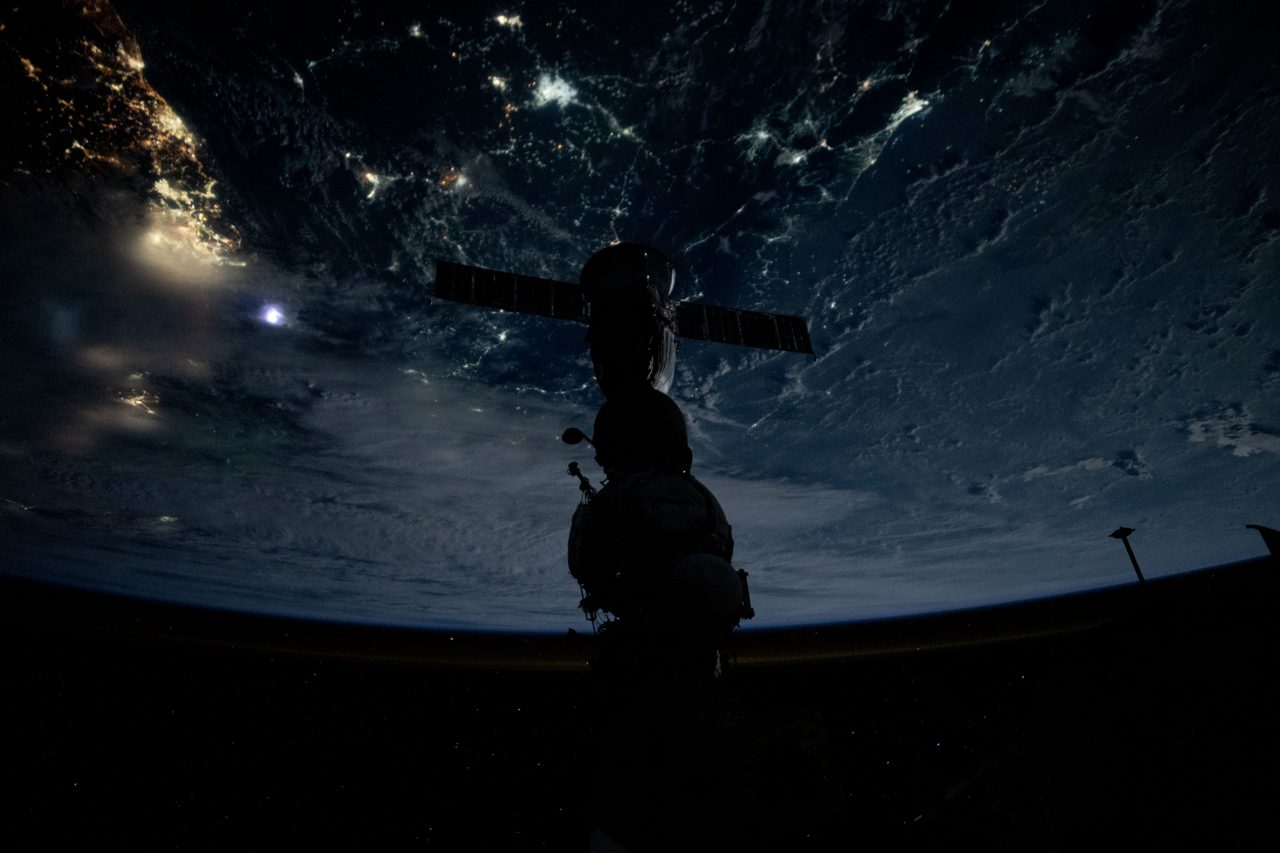
Types of Satellite Orbits: LEO, MEO, GEO and Beyond
Altitude is only part of an orbit’s story. Explore how height, tilt and shape determine what satellites can see, how they communicate and how long they remain in space.
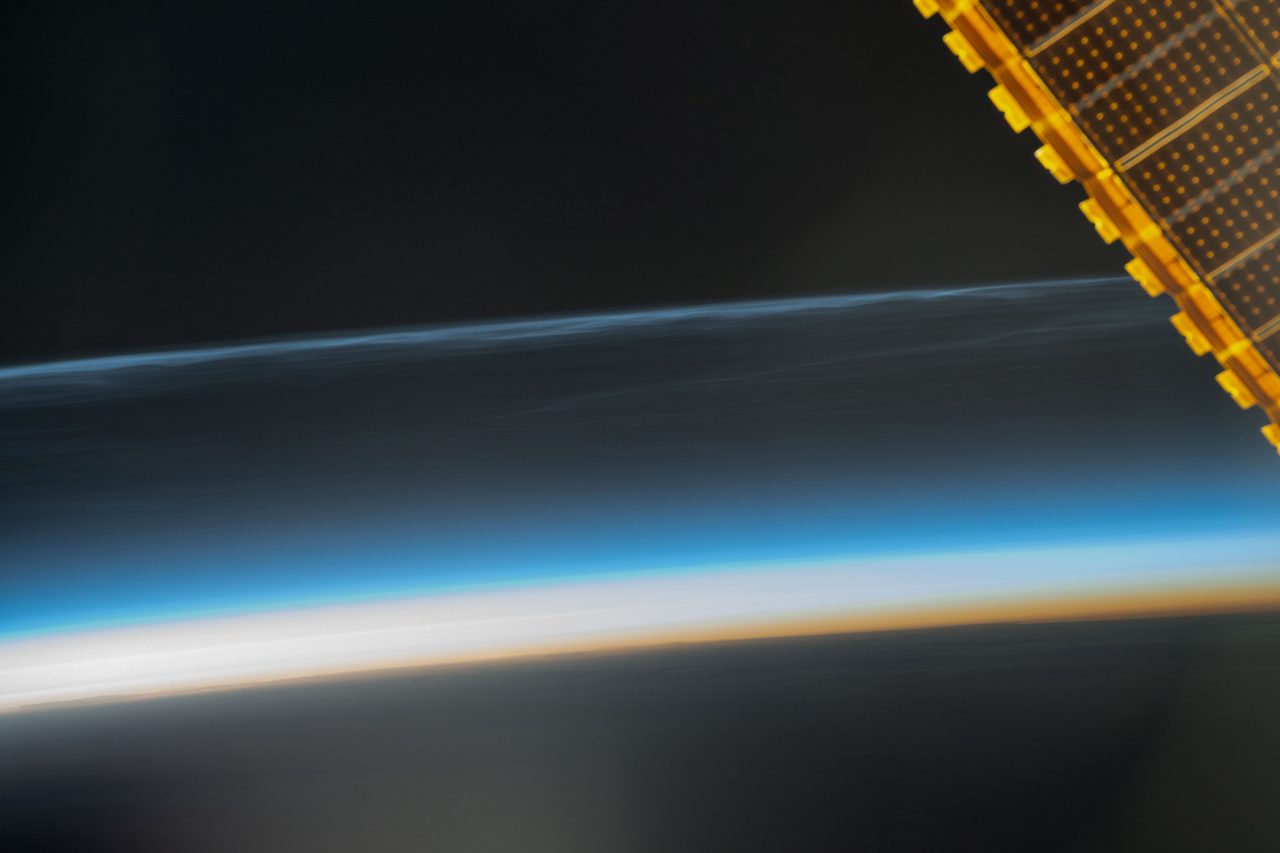
Low Earth Orbit: Why Space Is Busiest Below 2,000 km
Low Earth orbit hosts space stations, broadband constellations and Earth-observation missions. Explore how it works, why it is crowded and what keeps satellites flying safely.
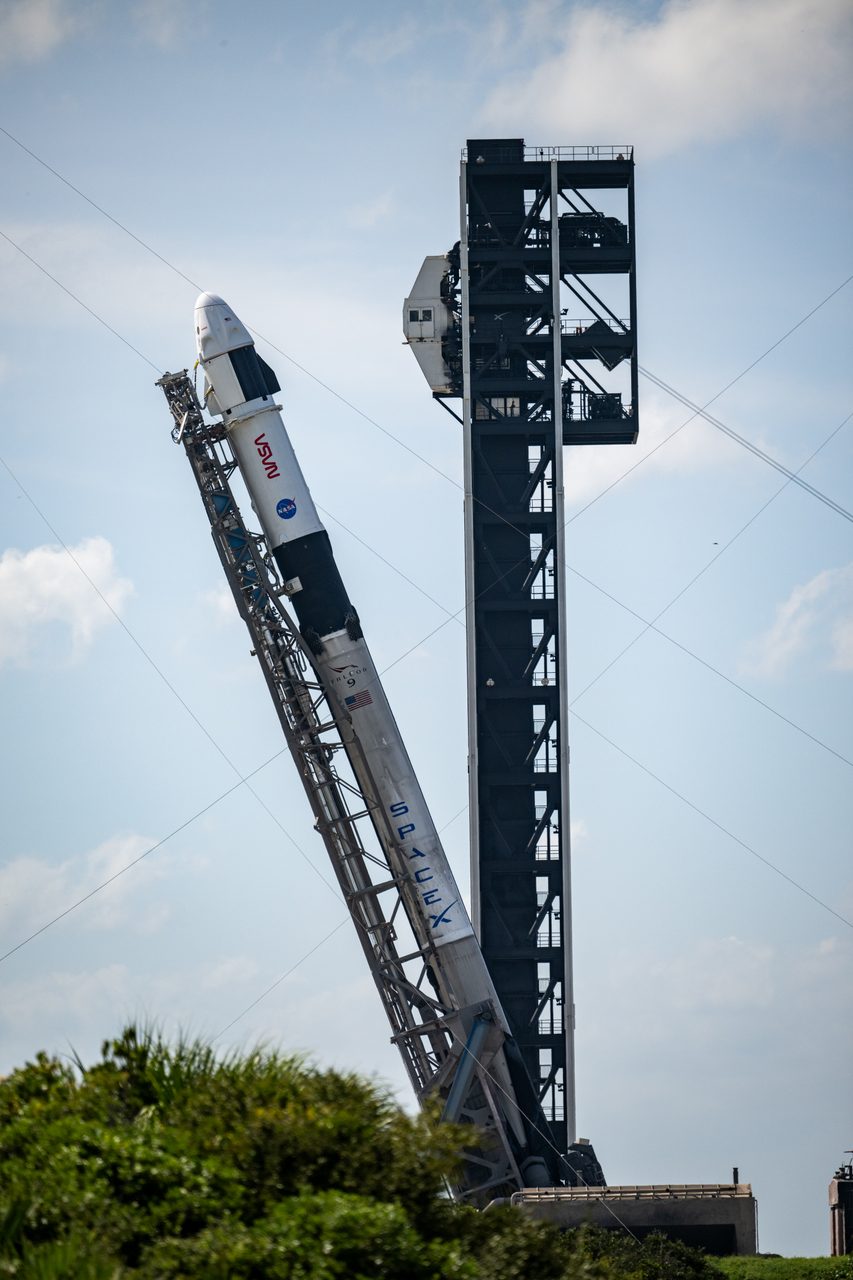
SpaceX Expands Starlink Network with 24 New Satellites
SpaceX has successfully launched 24 new Starlink satellites, enhancing global internet coverage. Several close approaches in orbit are being monitored.
SpaceX Falcon 9 Launches 81 Satellites in Midnight Rideshare
SpaceX's Falcon 9 successfully launched 81 satellites early on July 7. The mission included diverse payloads, enhancing global satellite coverage.