Space News Mission Log — Satellite Launches, Orbital Events & Analysis
Daily space news, satellite launch reports, orbital debris analysis and weekly roundups — grounded in live tracking data from our network monitoring 104 published reports.
Satellite Manoeuvre Detection: An Authoritative Guide
Satellite manoeuvre detection involves tracking changes in a satellite's orbit to ensure space safety and efficiency.
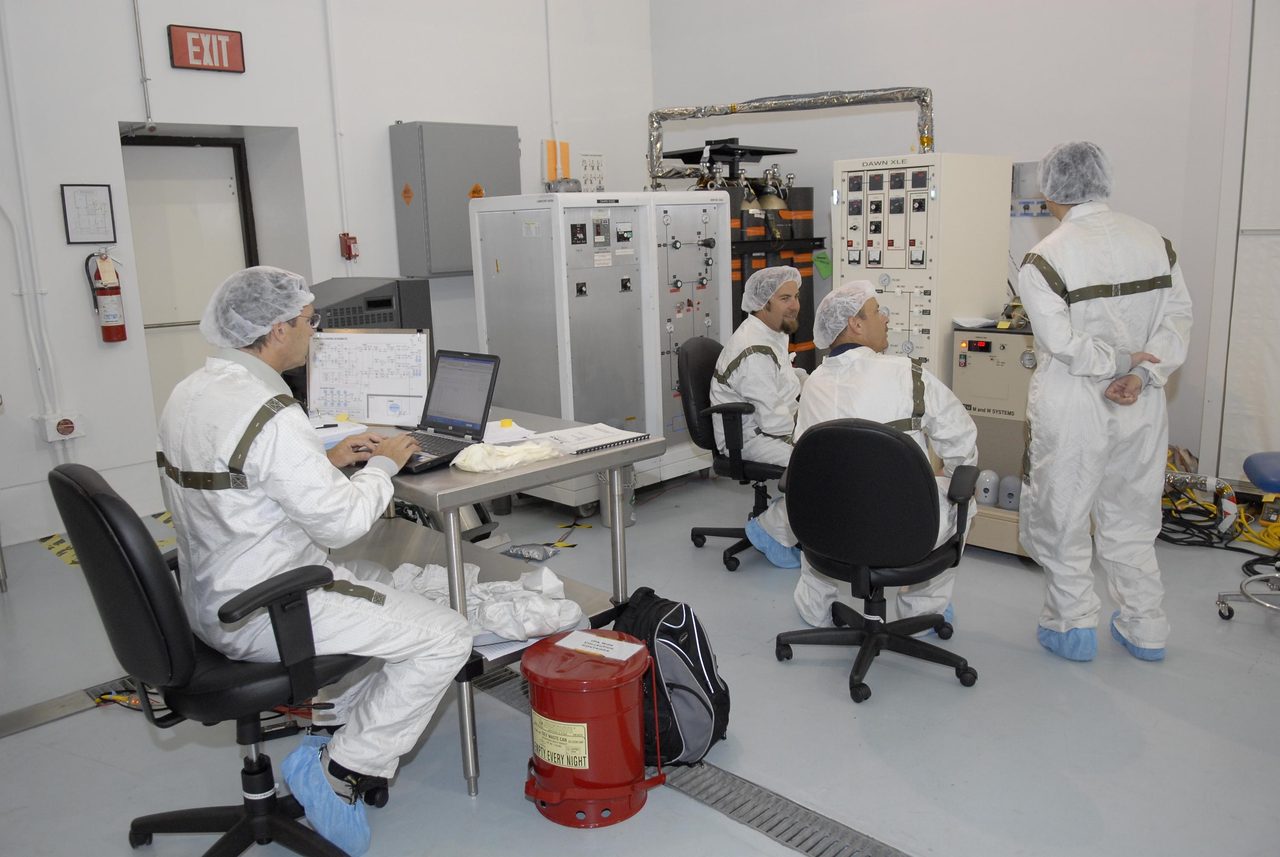
Delta-V Explained: The Currency of Spaceflight
Delta-v is the change in velocity needed for space manoeuvres, crucial in mission planning and satellite operations.
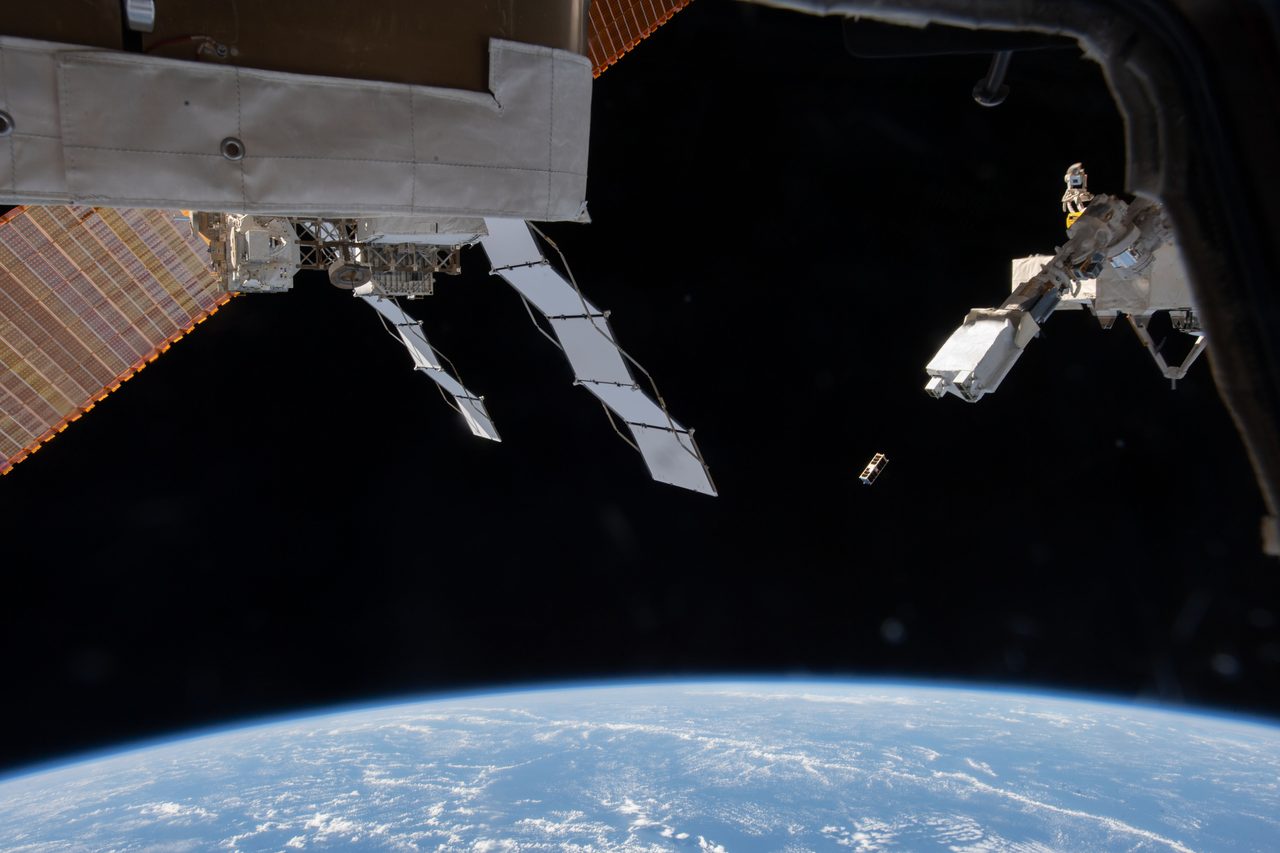
How Often Do Satellites Maneuver? What Our Detector Sees
Orbital Radar logged 45,196 orbit-change events over the past month. Explore what those detections reveal about satellite activity—and why they are not a count of thruster firings.

Satellite Servicing in Orbit: Refuelling and Repair
Docking can keep a satellite working after its own fuel runs low. Explore how orbital servicing works, what refuelling requires and which manoeuvres observers can identify.
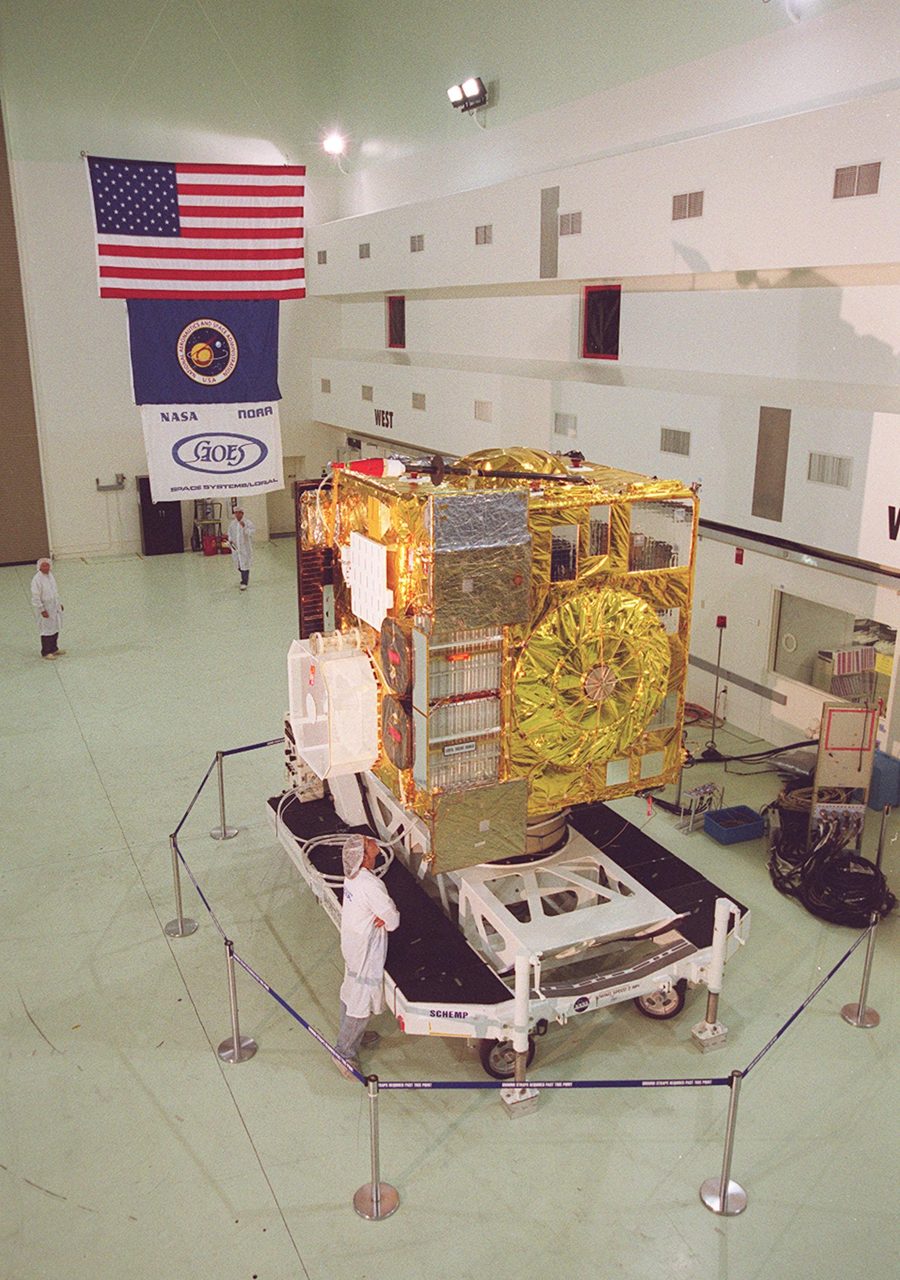
Hohmann Transfer Orbit: How the Two-Burn Route Works
A Hohmann transfer connects circular orbits with two engine burns. Discover how it works, what makes it economical and why it is not always the cheapest route.

Collision Avoidance Manoeuvres: Essential Guide for Space Safety
Collision avoidance involves manoeuvres to prevent satellites from colliding with space debris or other objects.
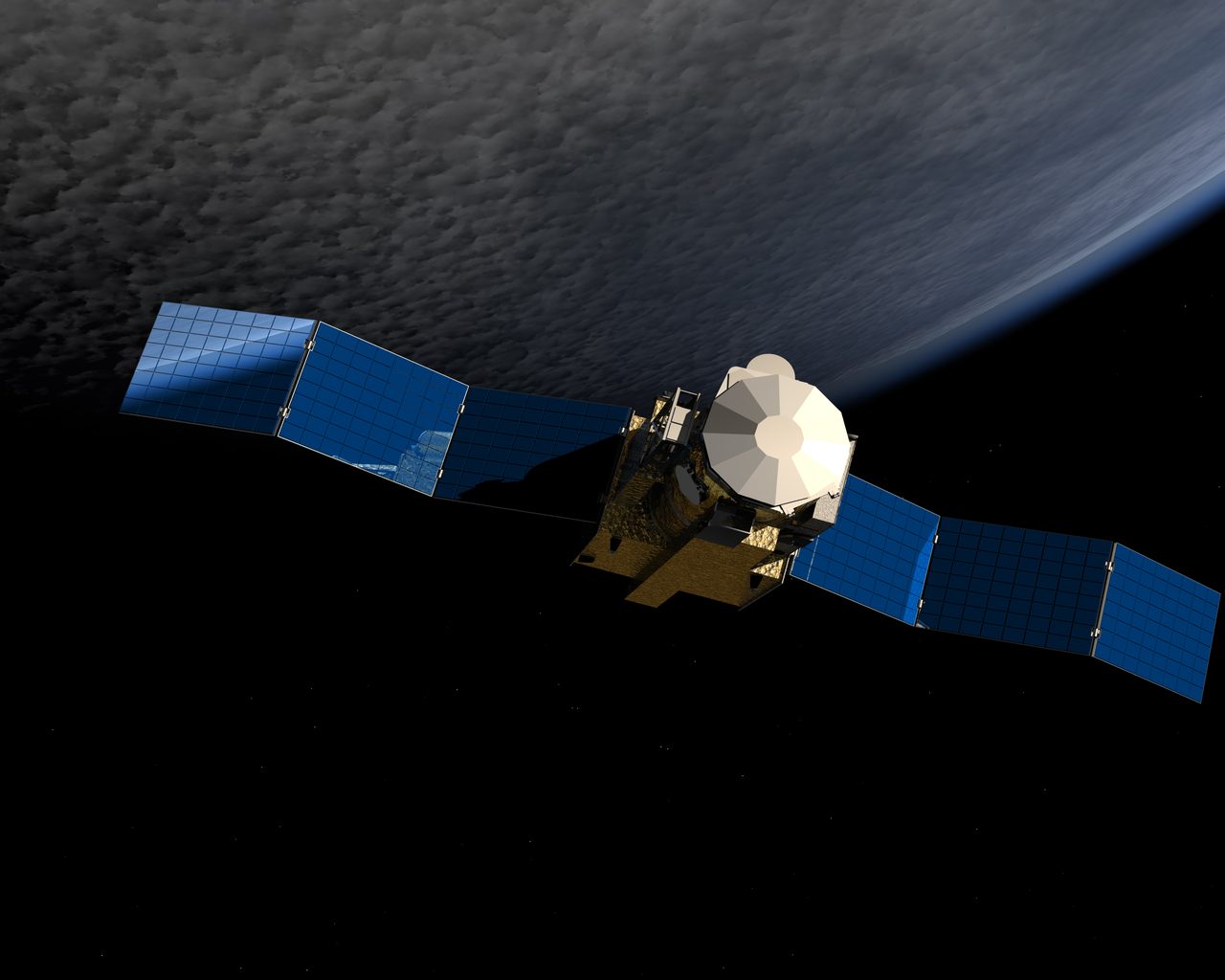
Satellite Maneuver Tracking: How to Read Orbital Changes
Satellite manoeuvres change an orbit, but interpreting them takes more than spotting a new altitude. Learn how to use Orbital Radar’s Maneuver Tracker and distinguish evidence from inference.
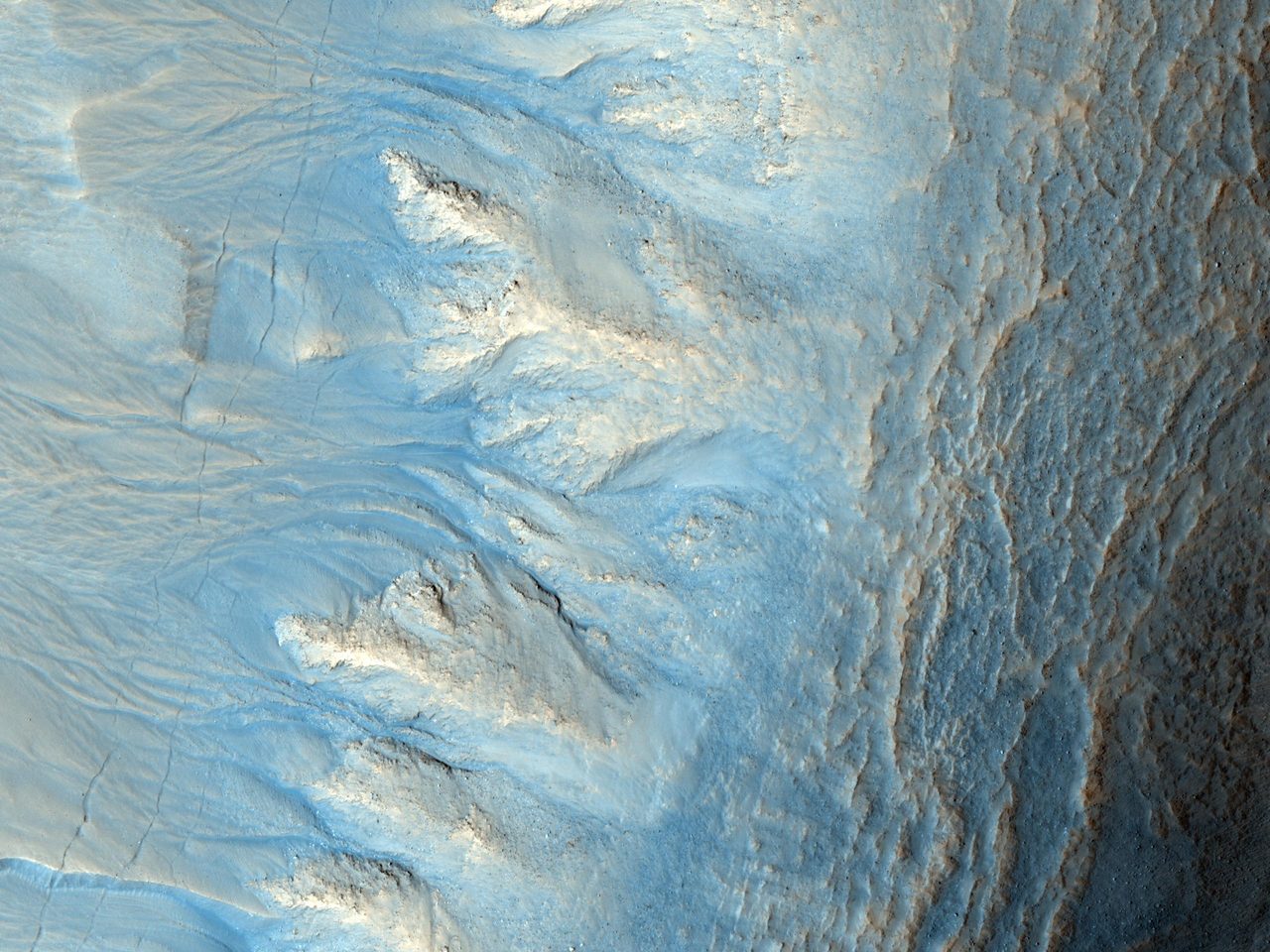
How Often Do Satellites Almost Collide? Near Misses in Orbit
Orbital Radar recorded 536 approaches within 1 km in the latest 30 days. Its conjunction history reveals a longer-term rise, but proximity alone does not establish collision risk.
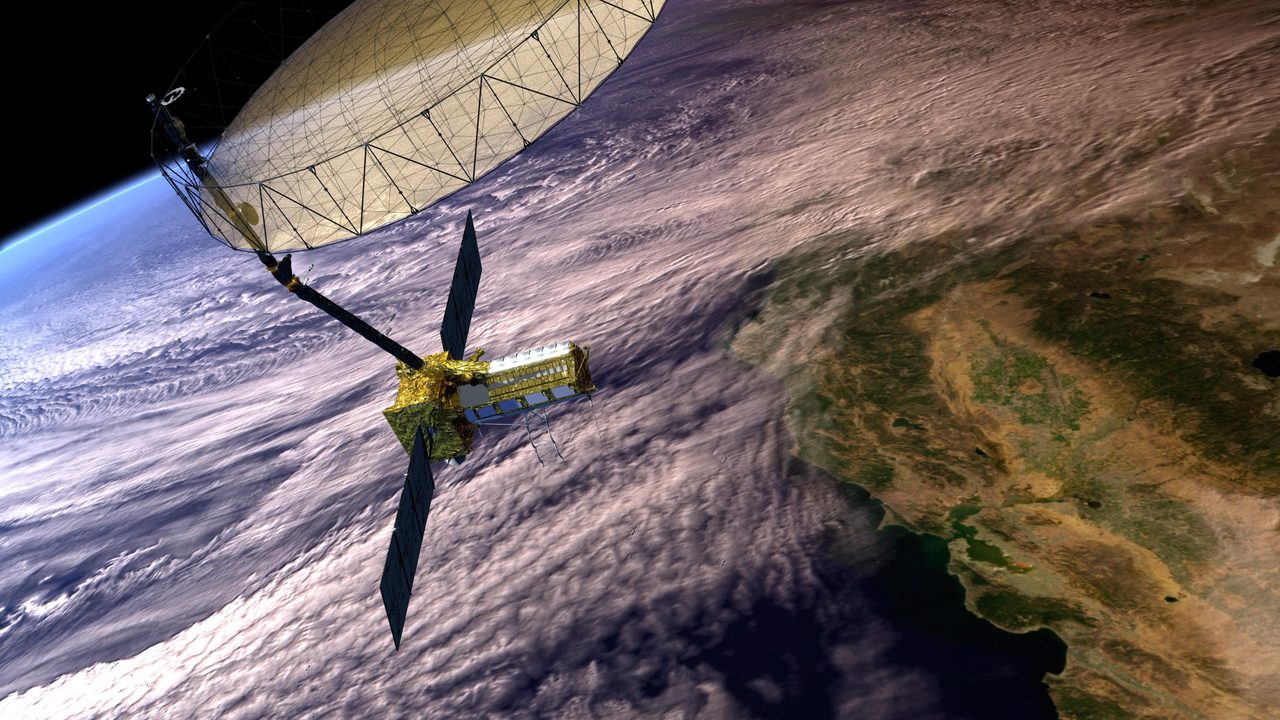
How Many Satellites in Orbit? Counts, Types and Tracking
Earth has 15,870 active satellites, but the wider catalogue includes debris and inactive spacecraft. Here is what the counts mean and how to explore them.
Close Approach of QIANFAN Satellites: Assessing the Risks and Implications
On 12 June 2026, two satellites from the QIANFAN series, QIANFAN-169 (NORAD ID: 69386) and QIANFAN-182 (NORAD ID: 69399), experienced a close approach event. The minimum predicted distance between the two satellites was approximately 1.67 kilometres.
Orbital Inclination: Why Satellites Fly at Different Angles
Orbital inclination determines which latitudes a satellite flies over, but not everything it can see. Learn how orbit angles shape coverage, launch choices and mission design.
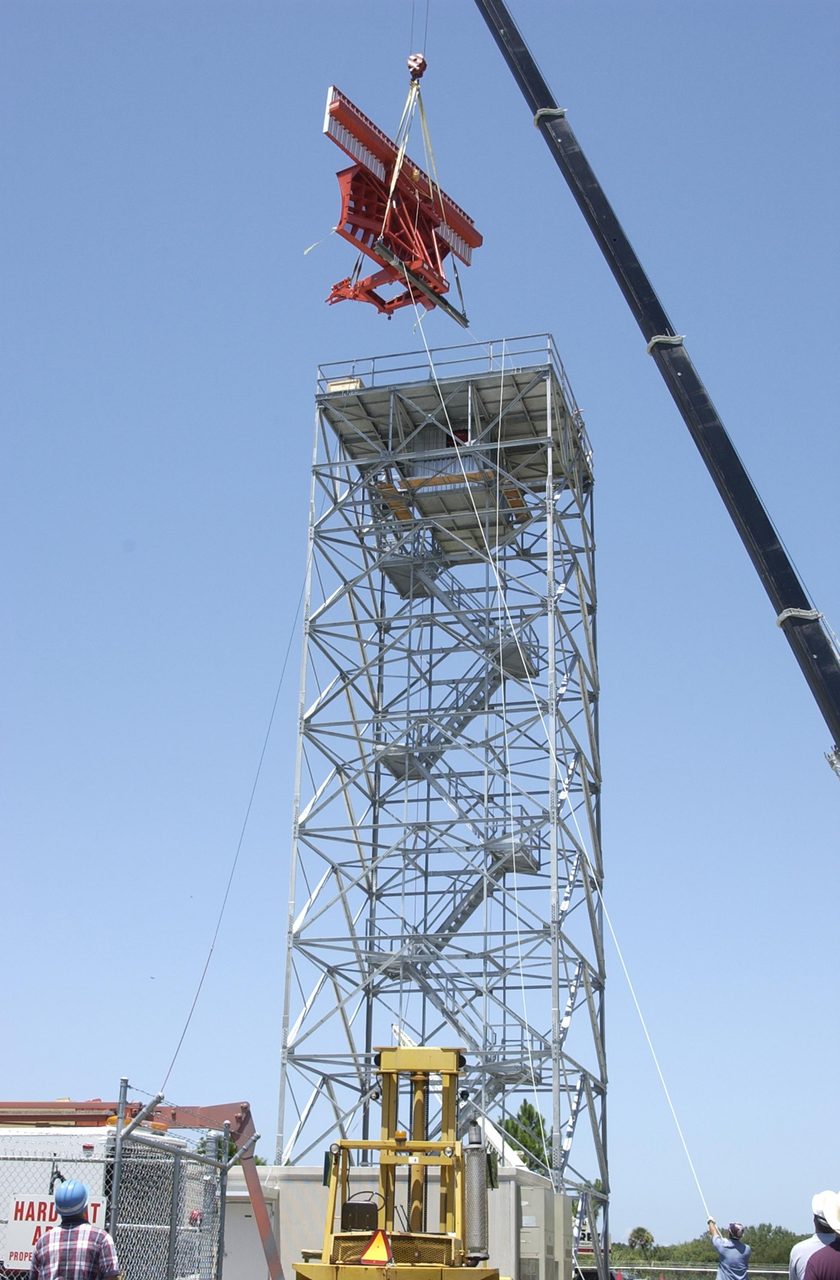
How Satellites Are Tracked: From Radar to Orbit Predictions
Satellite tracking turns radar echoes, telescope images and radio measurements into orbit predictions. Here is how it works, where uncertainty enters and how to check a pass.