Space News Mission Log — Satellite Launches, Orbital Events & Analysis
Daily space news, satellite launch reports, orbital debris analysis and weekly roundups — grounded in live tracking data from our network monitoring 19 published reports.
How Solar Cycles Affect Satellite Operations
Solar cycles influence satellite operations by affecting space weather, which can disrupt communications and increase orbital decay.
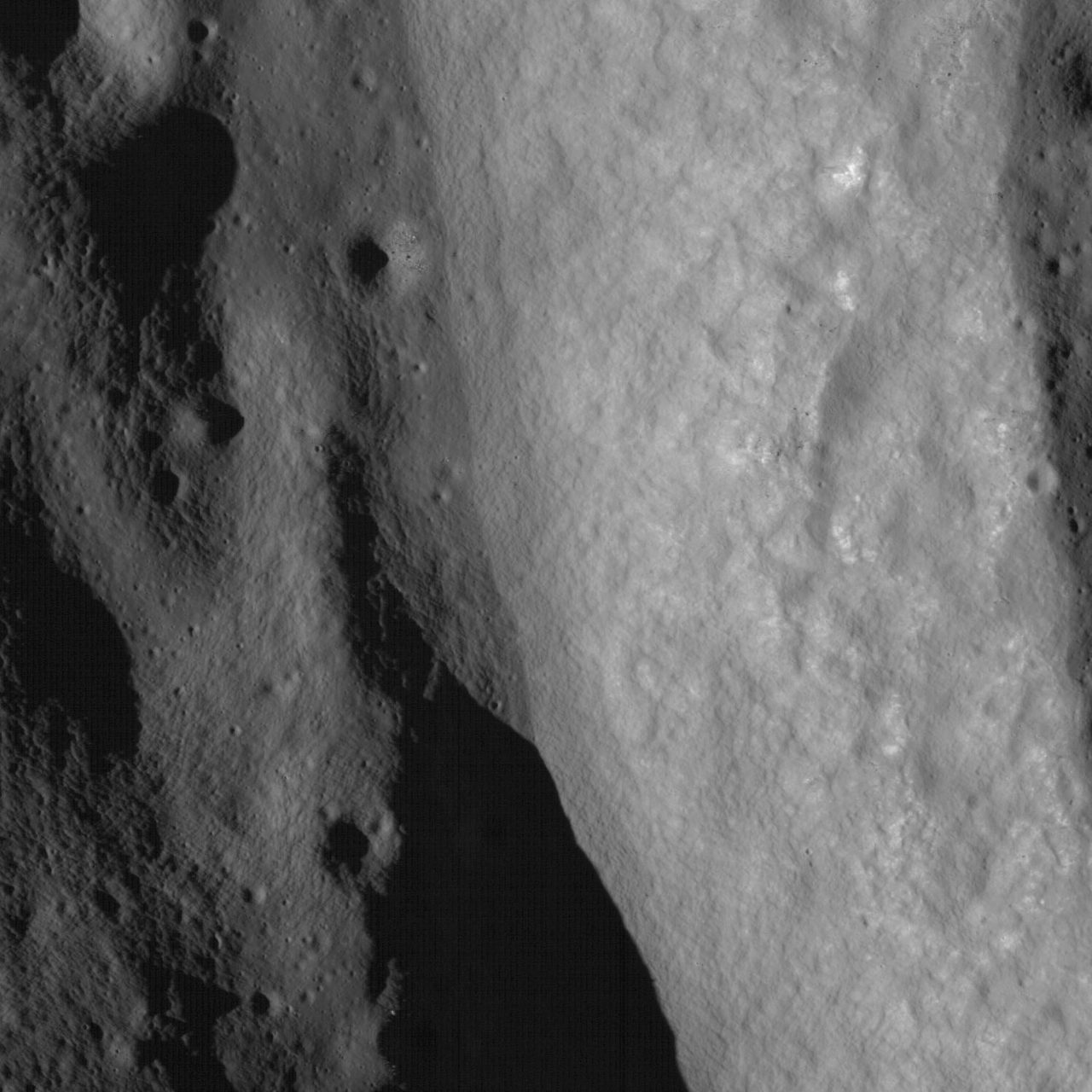
LRO Uncovers New Lunar Crater with Thermal Anomalies
LRO has identified a new lunar crater with intriguing thermal emissions, while close satellite approaches continue to be monitored.
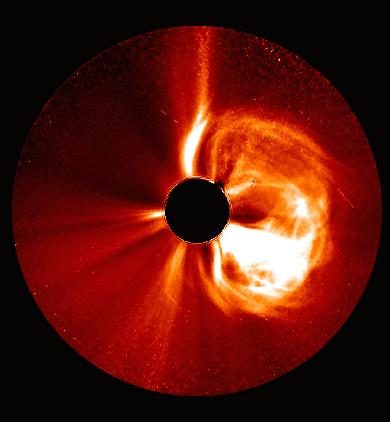
SOHO: the Sun-watching observatory at L1
Stationed around 1.5 million kilometres sunward of Earth, SOHO transformed observations of the solar interior, atmosphere and eruptions — and became an unexpected comet hunter.
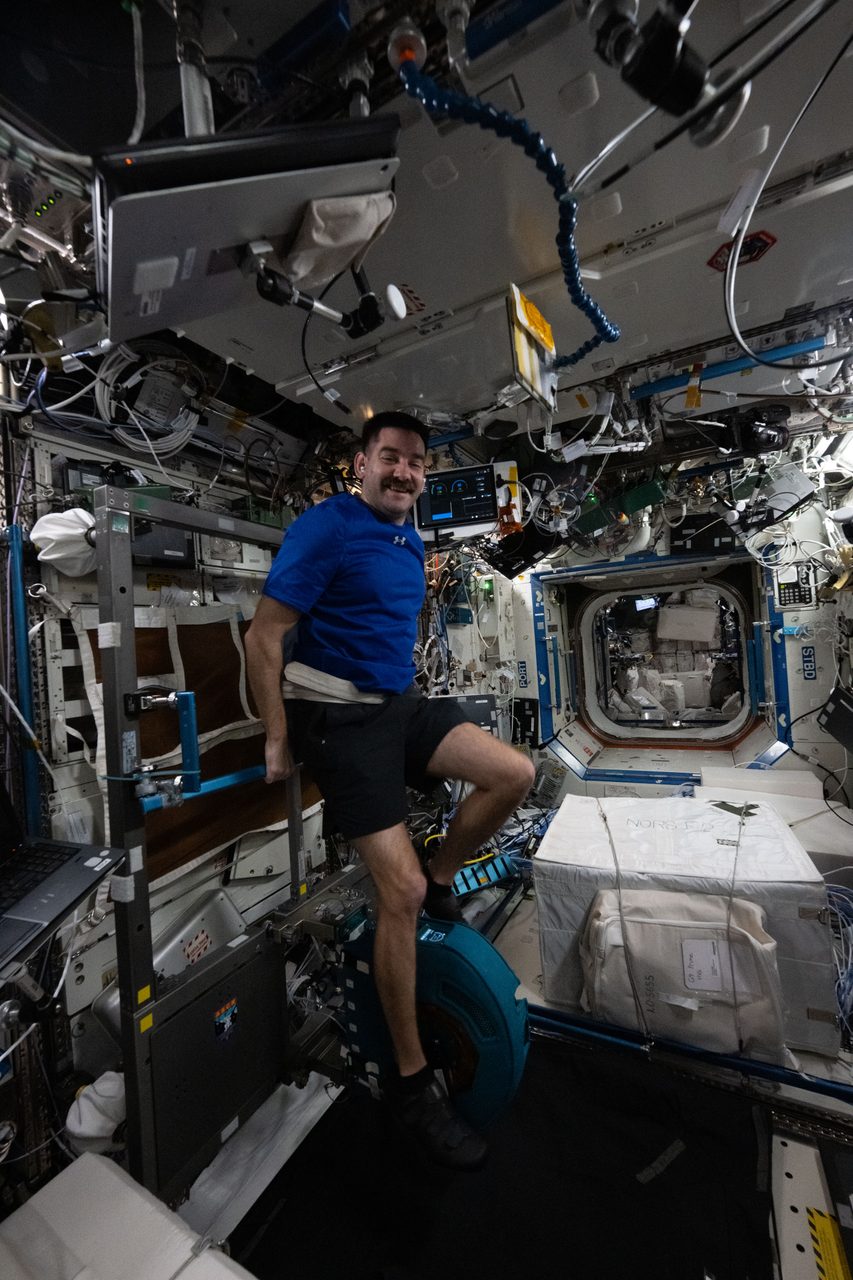
This Week in Orbit: 2026-09-22
This week in orbit saw a variety of developments across the space sector. NASA awarded SpaceX three additional crew flights to the International Space Station, reinforcing their ongoing collaboration.
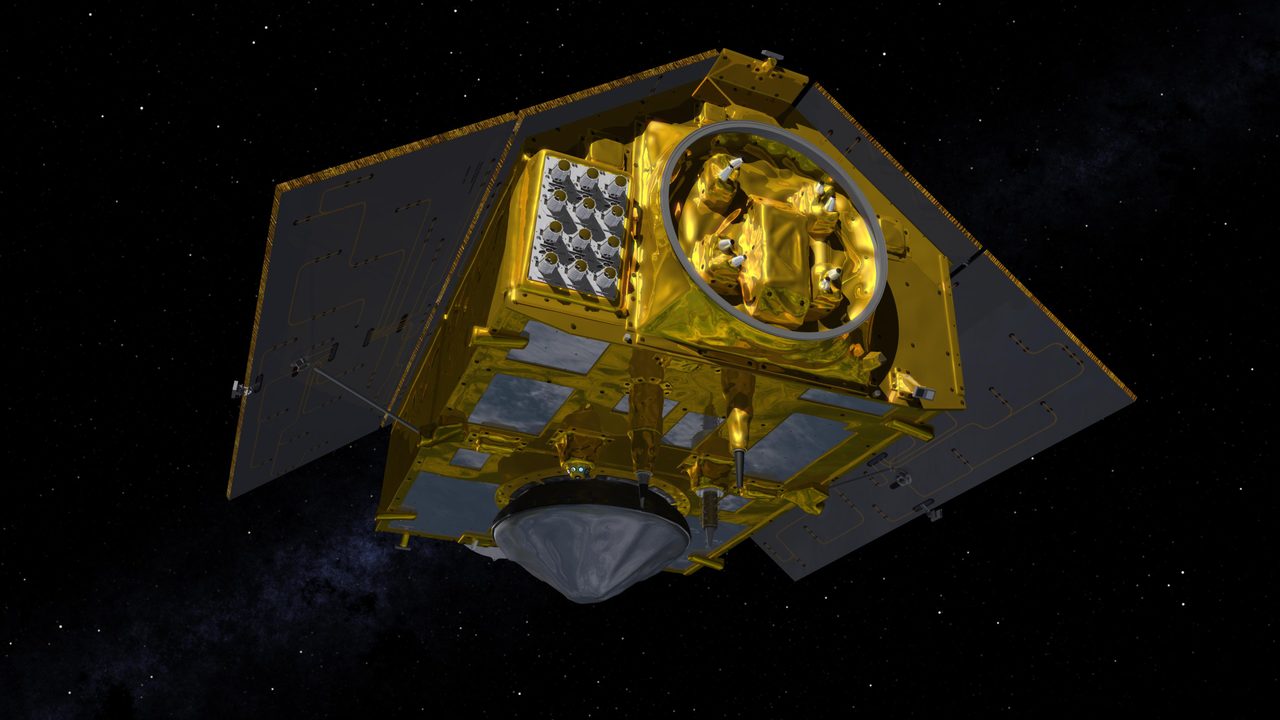
Sentinel-2: Europe's Copernicus imaging workhorse
Sentinel-2 turns repeated, precisely calibrated images of Earth's land into practical evidence about crops, forests, water and natural disasters.
Orbital Period: Meaning, Formula and Satellite Examples
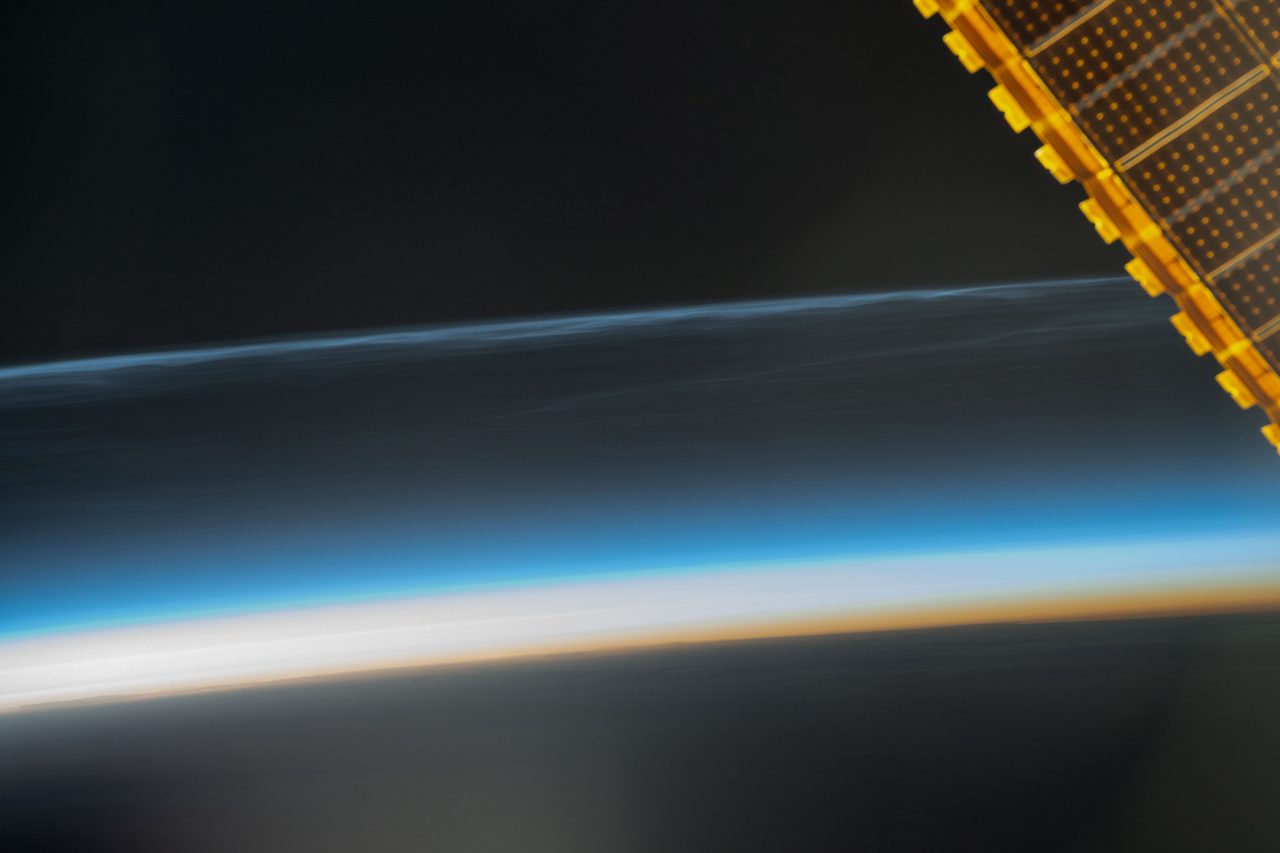
Orbital period measures how long one orbit takes. Discover why higher satellites orbit more slowly, how to calculate a period and why an orbit is not the same as a visible pass.
Why Does the ISS Need to Be Reboosted?
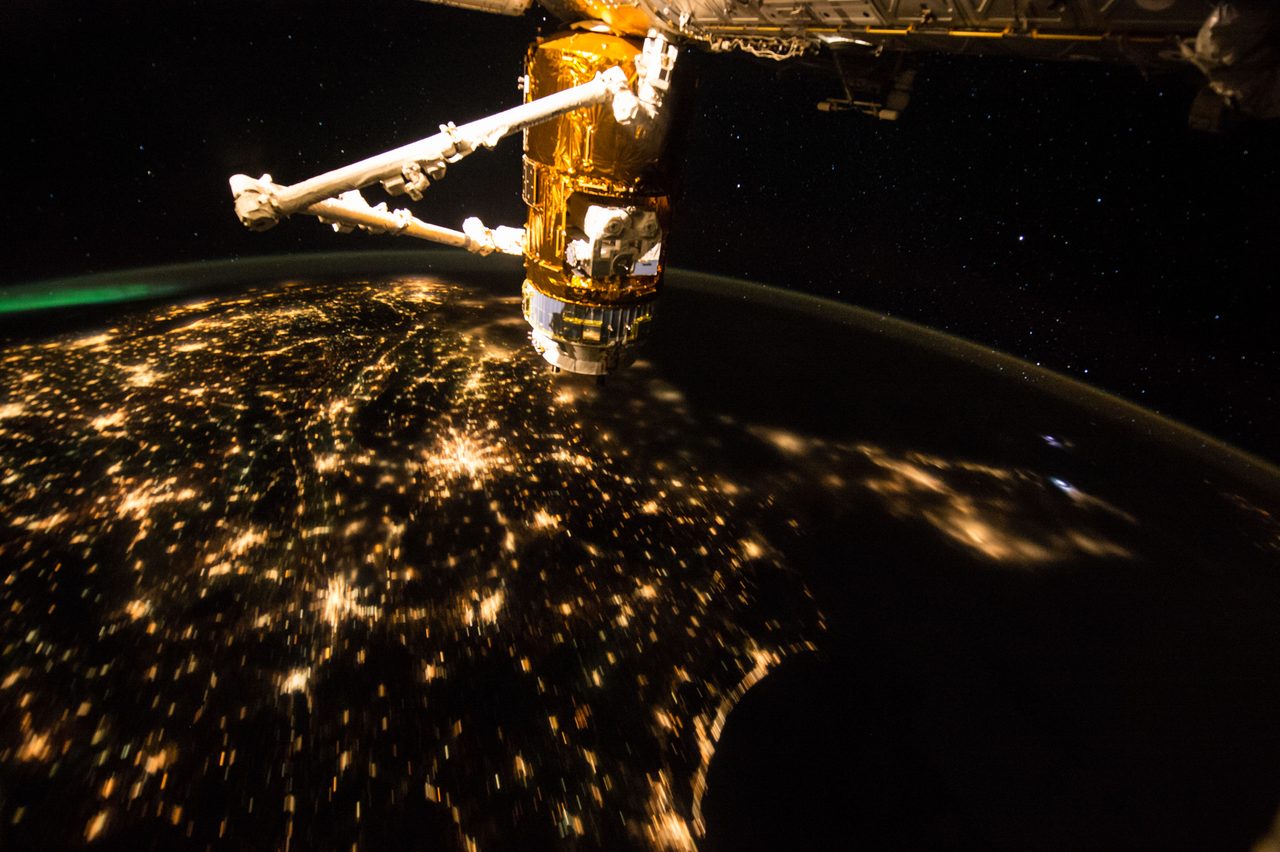
Thin air still slows the ISS near 400 km above Earth. Periodic engine burns replace lost orbital energy and keep the station at a useful operating altitude.
Witnessing a Celestial Dance: The Plane Lunar Eclipse
A lunar eclipse, visible from half the Earth, creates a stunning celestial event. Captured with an aircraft in view, it highlights the beauty of astronomy.
The Cosmic Origins of Our Elements
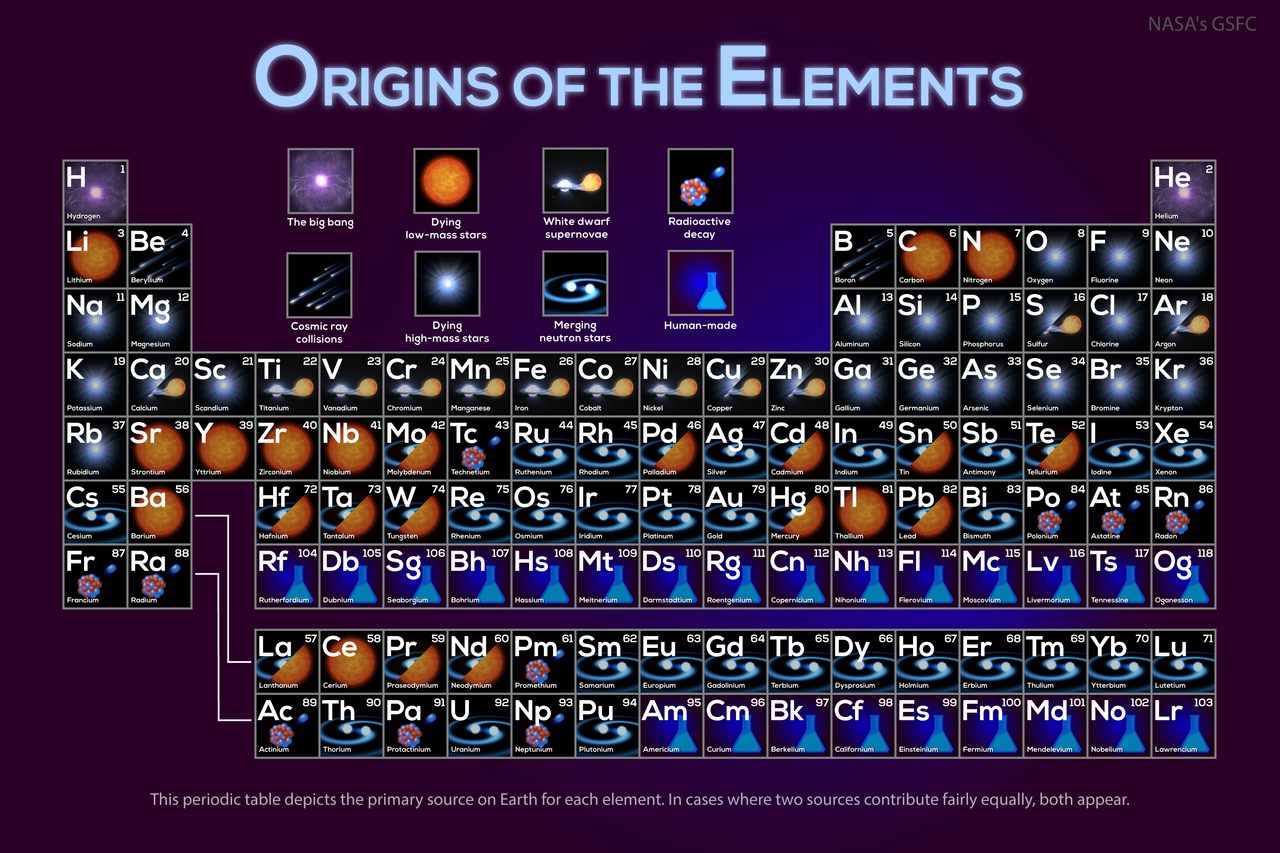
Discover where the elements in your body originated, from the Big Bang to stellar processes and cosmic events.
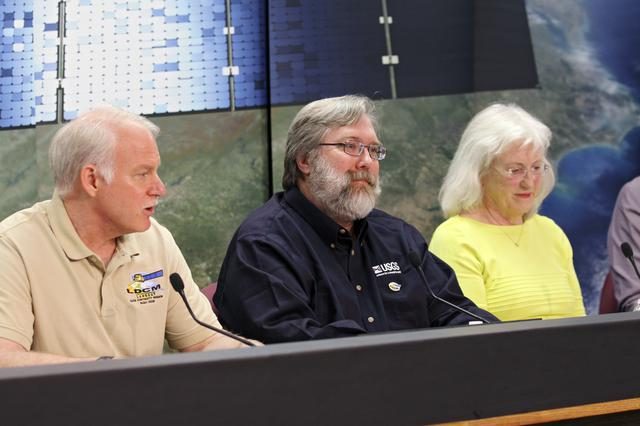
Sun-Synchronous Orbit: How Satellites Keep Consistent Light
Sun-synchronous satellites use Earth's equatorial bulge to keep a consistent solar schedule. Learn how the orbit works, why imaging missions use it and what it cannot guarantee.
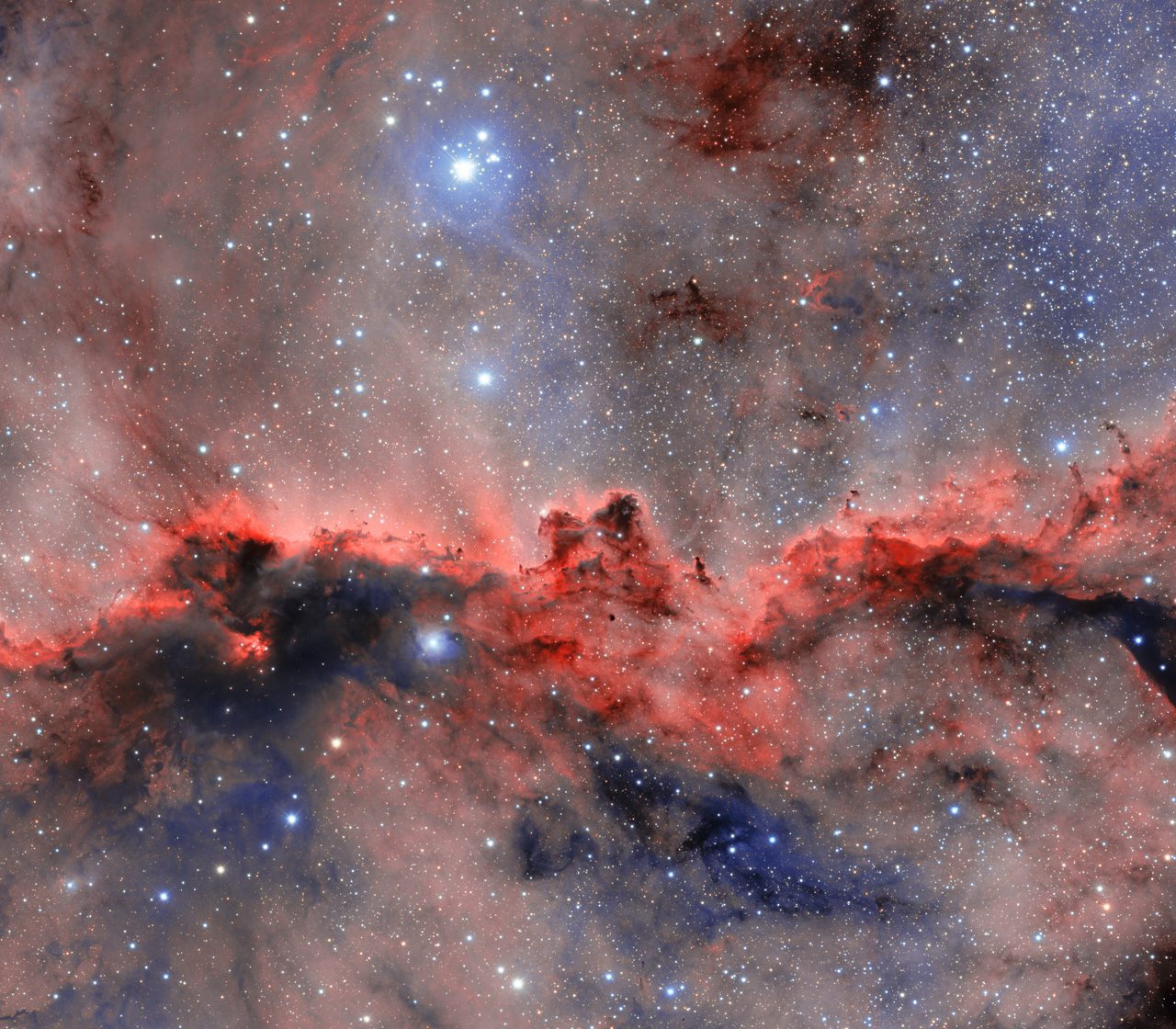
Dragons in the Sky: Unveiling the Mysteries of NGC 6188
Discover NGC 6188, a nebula in the southern constellation Ara, shaped by young stars and stellar winds.
How Long Does It Take to Get to Mars?
Getting to Mars usually takes seven to nine months. The journey depends on where both planets will be at arrival, not simply how far apart they are at launch.