Space News Mission Log — Satellite Launches, Orbital Events & Analysis
Daily space news, satellite launch reports, orbital debris analysis and weekly roundups — grounded in live tracking data from our network monitoring 7 published reports.
Auroras from Above: A Celestial Dance Viewed from Space
Explore the captivating view of auroras from the International Space Station, captured by astronaut Sophie Adenot. Learn about the science behind these luminous displays.
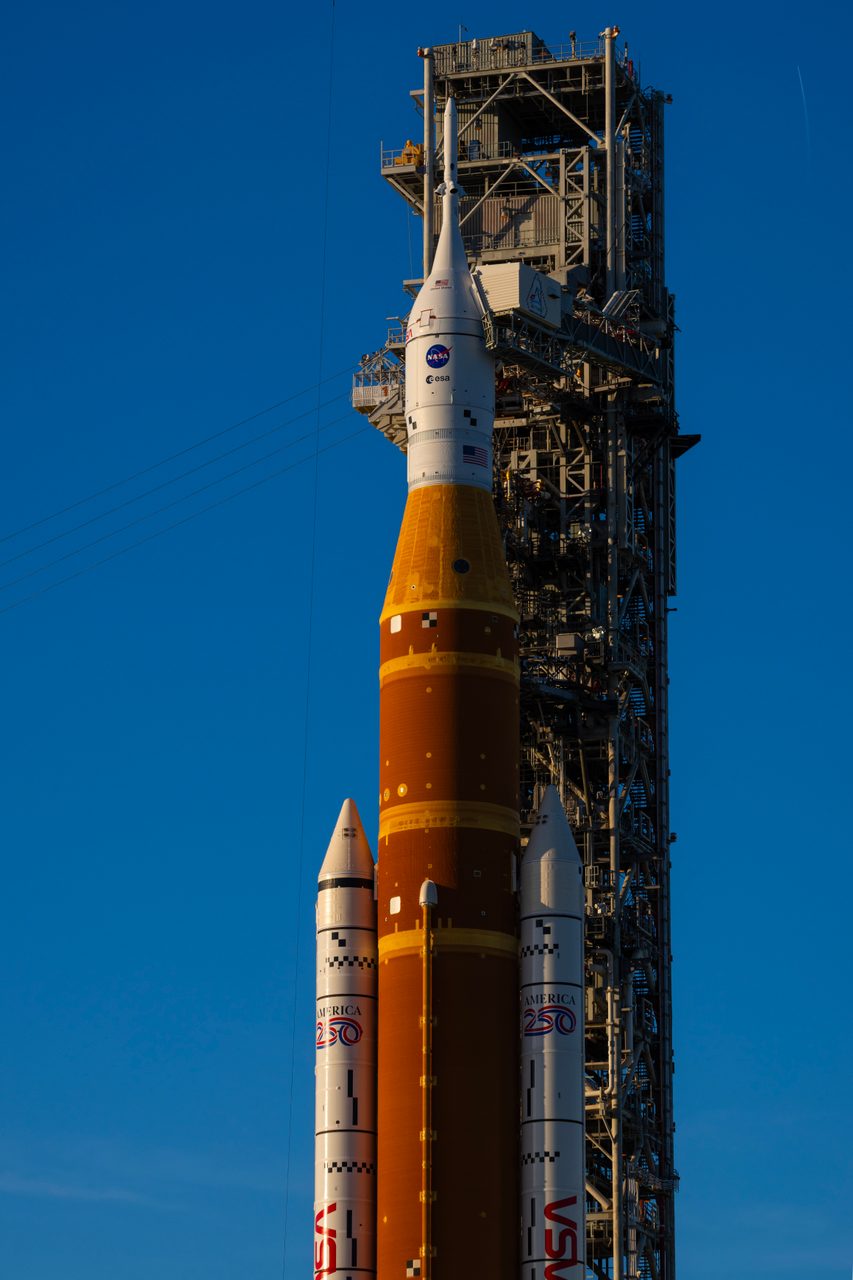
How Far Away Can You See a Rocket Launch?
A rocket launch can be visible hundreds of kilometres away, especially around twilight. Your view depends on its trajectory, sunlight, weather and your horizon.
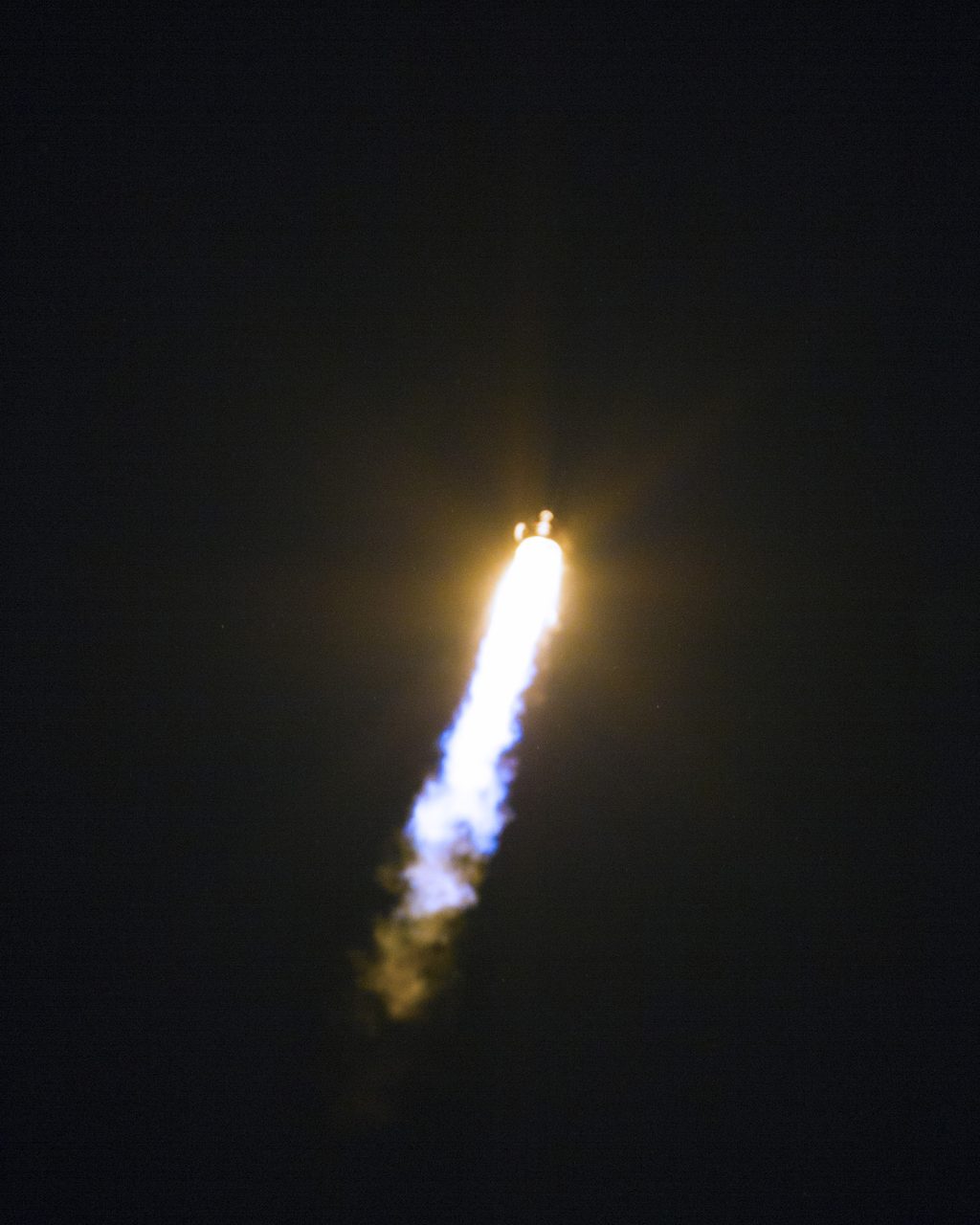
How to Photograph Satellites: A Comprehensive Guide
Discover how to photograph satellites and the ISS with expert guidance on equipment, timing, and techniques for stunning results.
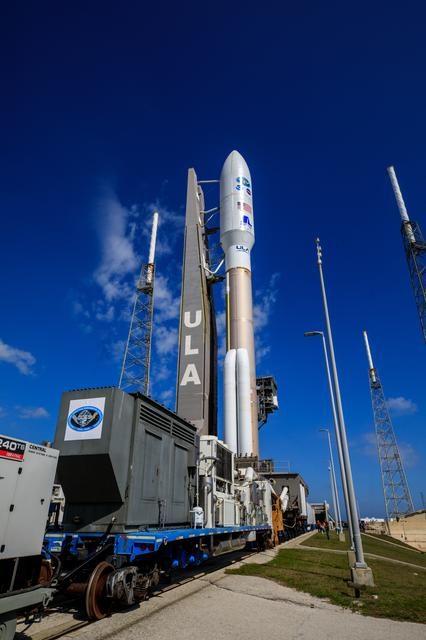
GOES-18: the weather sentinel watching the Pacific
From its position above the equatorial Pacific, GOES-18 follows storms, wildfires and atmospheric rivers while monitoring solar activity that can affect Earth.
Celestial Connection: Barnard's Loop Illuminates Twin Volcanoes
A rare alignment of Barnard's Loop over Parinacota and Pomerape volcanoes offers a stunning celestial spectacle, blending folklore with astrophysics.
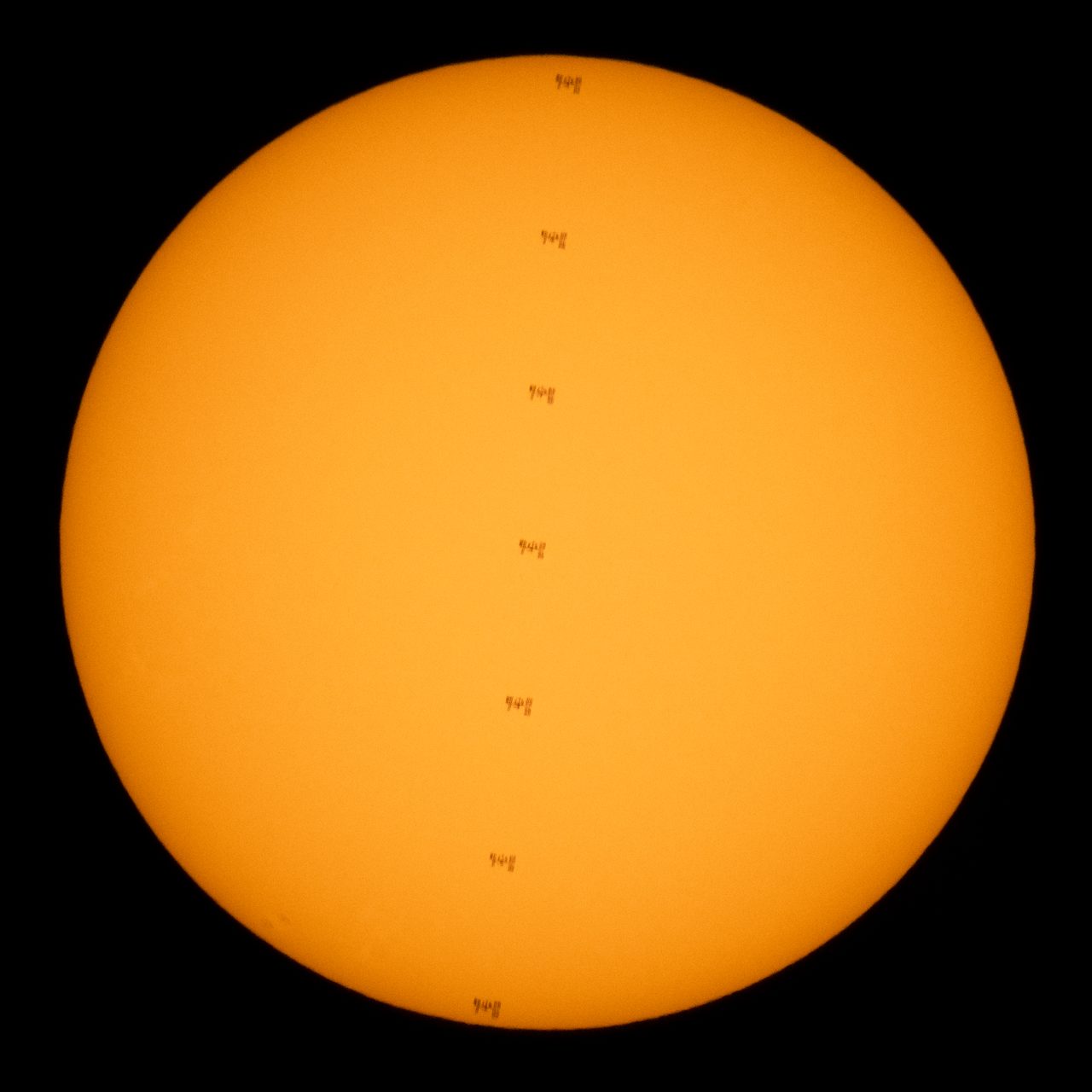
ISS Solar Transit: How to Predict, Watch and Photograph It
An ISS solar transit lasts about a second and depends on your exact location. Learn how to predict the crossing, observe safely and prepare your camera.
Understanding the Perseids: The Annual Meteor Shower Explained
The Perseids meteor shower occurs every August as Earth passes through debris from comet Swift-Tuttle, resulting in visible shooting stars.