Saturn's Night: A Celestial Dance Captured by Cassini
Cassini's final images reveal Saturn's night side and rings, a view impossible from Earth, showcasing the spacecraft's legacy.
The photograph this article describes is by Mindaugas Macijauskas (processing of NASA/JPL-Caltech/SSI data) and isn’t shown here. View the original photograph
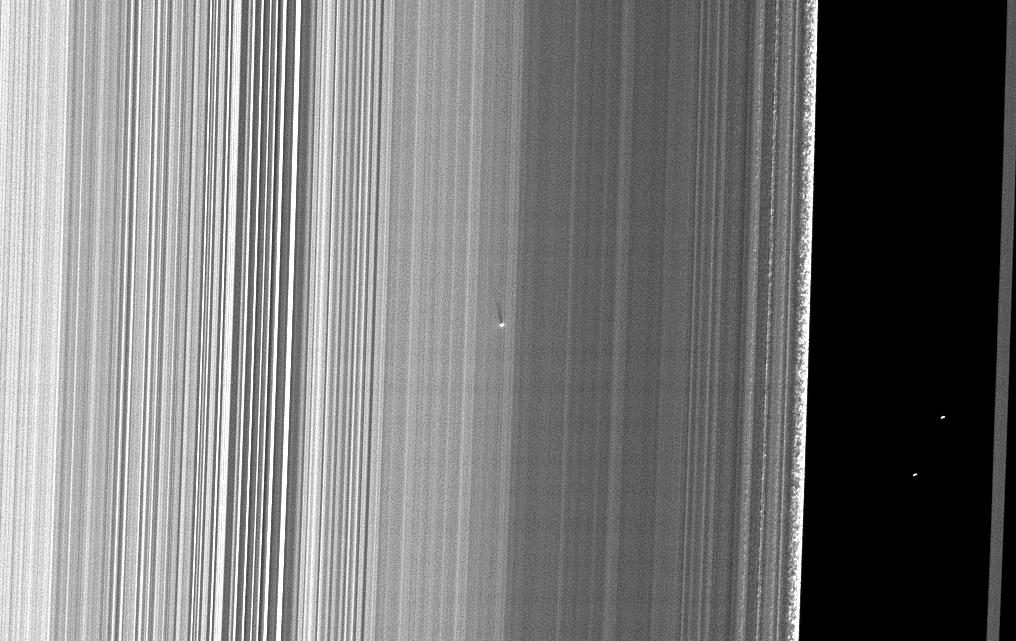
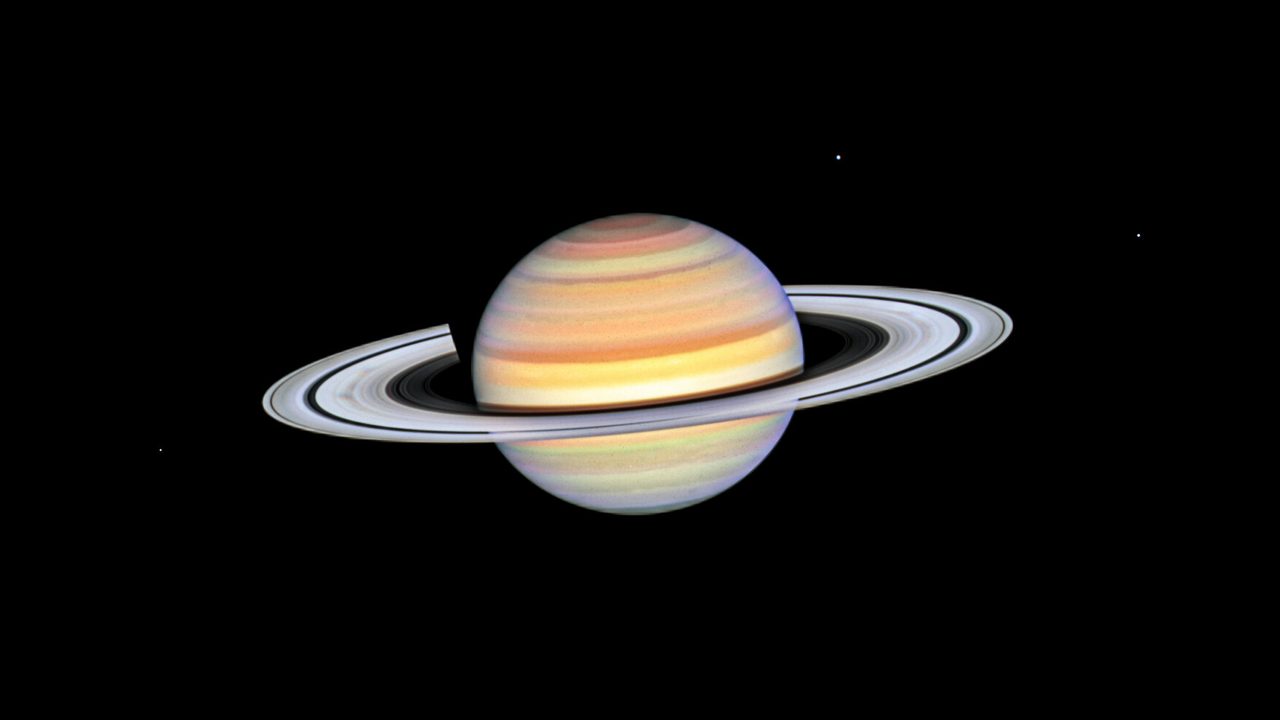
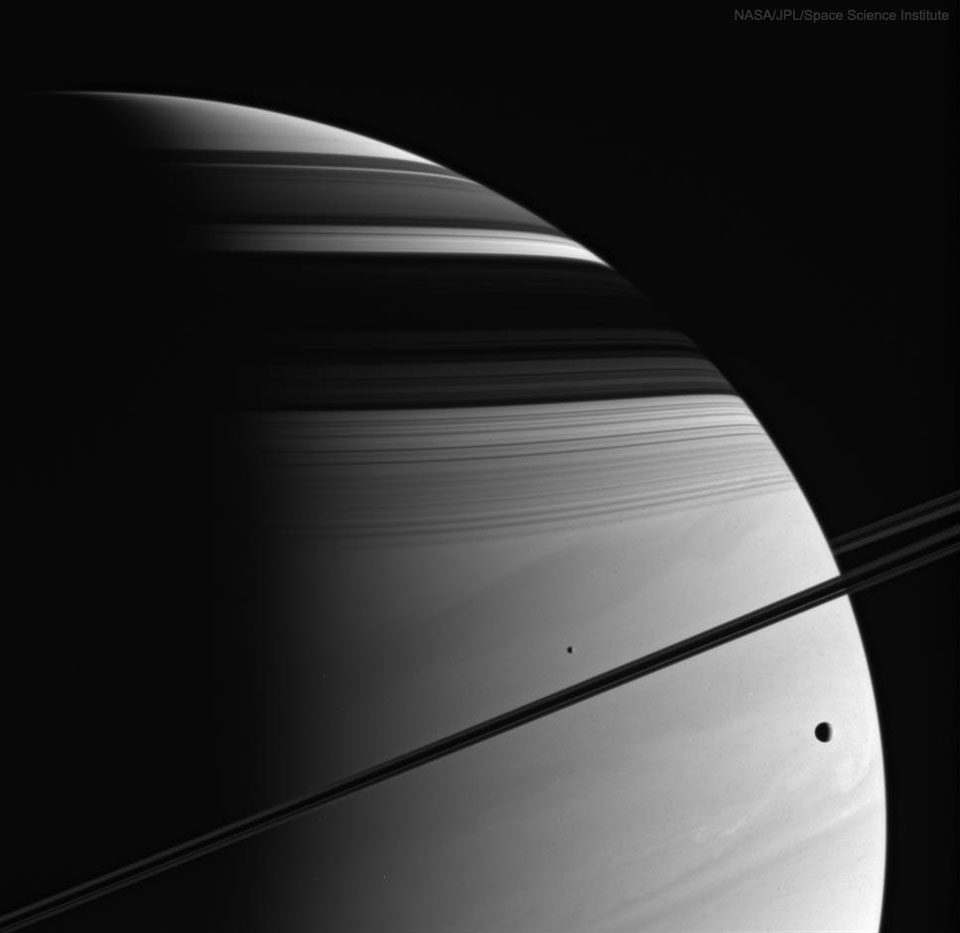
The image of Saturn's night side, captured by the Cassini spacecraft, offers a rare glimpse of the gas giant's shadowy face and its intricate ring system. This perspective, impossible to achieve from Earth-based telescopes, highlights the unique vantage points accessible only through deep-space missions. Cassini, after a seven-year journey, orbited Saturn from 2004 until its deliberate descent into the planet's atmosphere in 2017. The spacecraft's wide-angle camera recorded this stunning mosaic just two days before its mission concluded, providing a final, poignant view of Saturn's crescent and shadowed rings.
The Legacy of Cassini and Saturn's Mysteries
Cassini's mission expanded our understanding of Saturn, its rings, and moons. The spacecraft's detailed observations revealed the dynamic nature of Saturn's atmosphere and the complex structure of its rings, composed primarily of ice particles with varying sizes. These discoveries have been pivotal in advancing our knowledge of planetary ring systems and their formation. As we continue to explore our solar system, missions like Cassini underscore the importance of robotic exploration in unveiling the mysteries of distant worlds. For those interested in the current state of space exploration, the Orbital Radar launch schedule provides updates on upcoming missions that continue this legacy.
Observing Saturn from Earth
While we cannot view Saturn's night side from Earth, the planet remains a favourite target for amateur astronomers. Its rings are visible through small telescopes, offering a glimpse of the celestial beauty that Cassini studied up close. To track when Saturn is visible in your area, the Orbital Radar pass predictor can be a valuable tool for planning your observations.
Frequently Asked Questions
Why can't we see Saturn's night side from Earth?
What did the Cassini mission discover about Saturn?
Cite this article
Pick a style, then copy it or download it for your reference manager.Orbital Radar. (2026, June 1). Saturn's Night: A Celestial Dance Captured by Cassini. Retrieved November 29, 2026, from https://orbitalradar.com/blog/cosmic-gallery-2026-06-01
“Saturn's Night: A Celestial Dance Captured by Cassini.” Orbital Radar, 1 June 2026, orbitalradar.com/blog/cosmic-gallery-2026-06-01. Accessed 29 Nov. 2026.
Orbital Radar (2026) Saturn's Night: A Celestial Dance Captured by Cassini. Available at: https://orbitalradar.com/blog/cosmic-gallery-2026-06-01 (Accessed: 29 November 2026).
Orbital Radar. “Saturn's Night: A Celestial Dance Captured by Cassini.” Last modified June 1, 2026. https://orbitalradar.com/blog/cosmic-gallery-2026-06-01.
@misc{orbitalradar_blog_cosmic_gallery_2026_06_01,
  author       = {{Orbital Radar}},
  title        = {Saturn's Night: A Celestial Dance Captured by Cassini},
  year         = {2026},
  month        = jun,
  howpublished = {\url{https://orbitalradar.com/blog/cosmic-gallery-2026-06-01}},
  url          = {https://orbitalradar.com/blog/cosmic-gallery-2026-06-01},
  urldate      = {2026-11-29},
  note         = {Accessed 2026-11-29}
}
TY - ELEC AU - Orbital Radar, TI - Saturn's Night: A Celestial Dance Captured by Cassini PY - 2026 DA - 2026/06/01 PB - Orbital Radar UR - https://orbitalradar.com/blog/cosmic-gallery-2026-06-01 Y2 - 2026/11/29 LA - en ER -
Live figures change, so keep the date you accessed the page. How to cite Orbital Radar