Unveiling the Mystery of the Solar Eclipse Intruder

A mysterious object crossed a partially eclipsed Sun during the Perseids shower, sparking debate. Discover what it was.
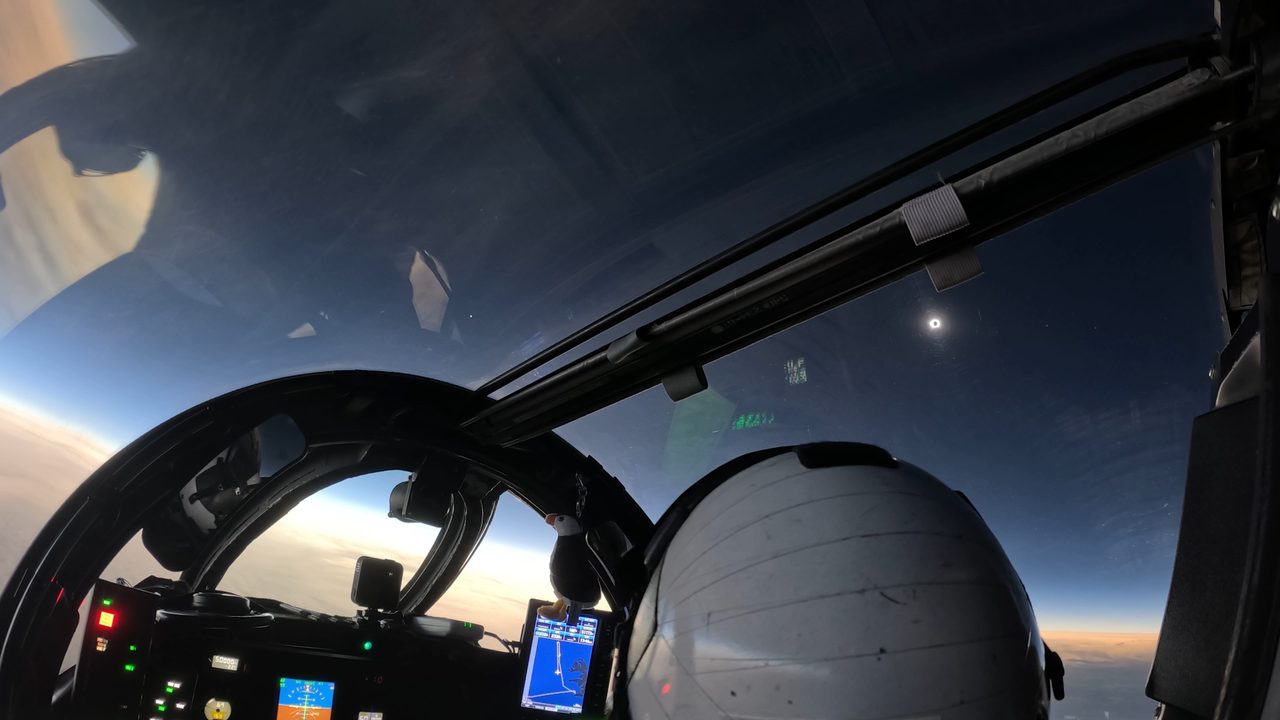
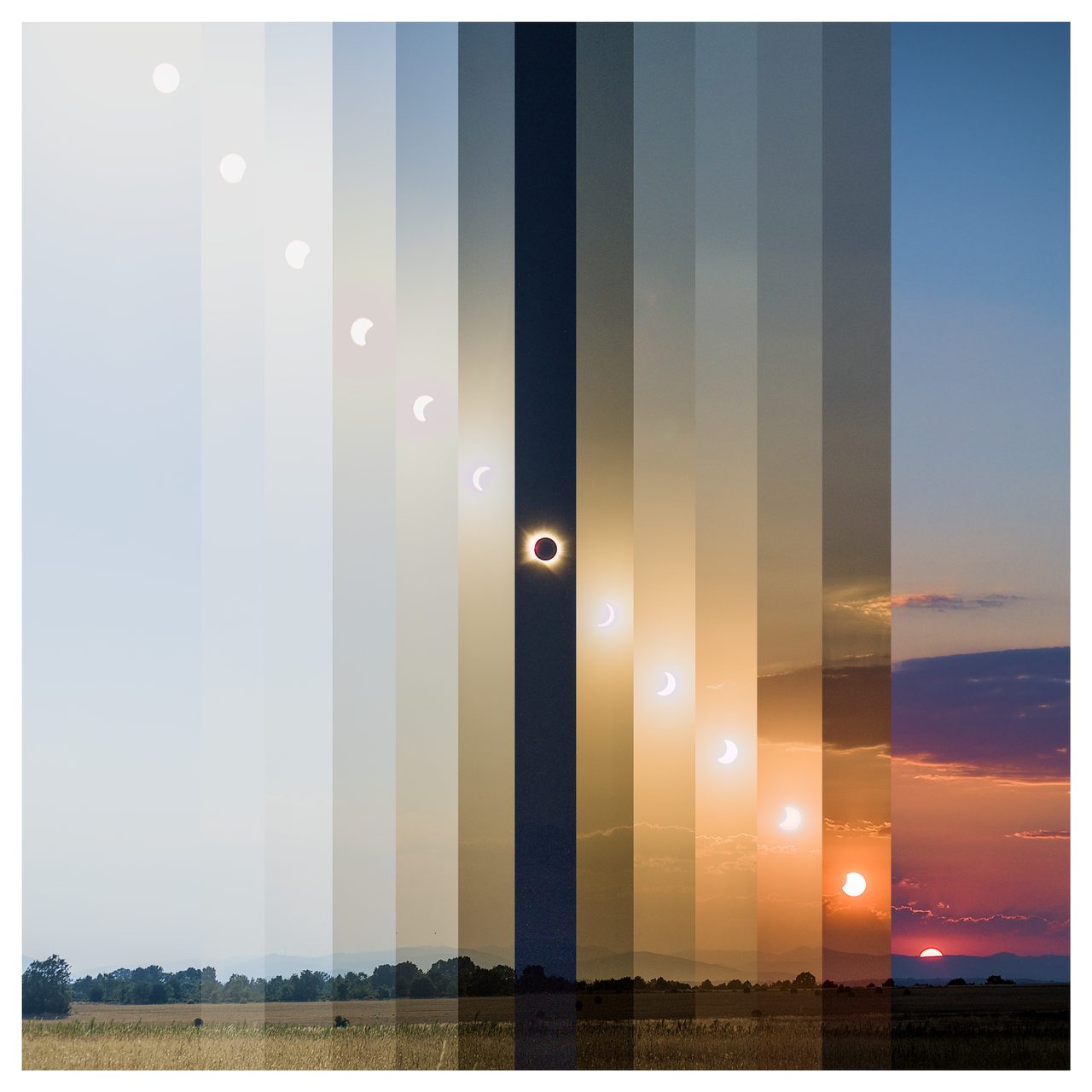
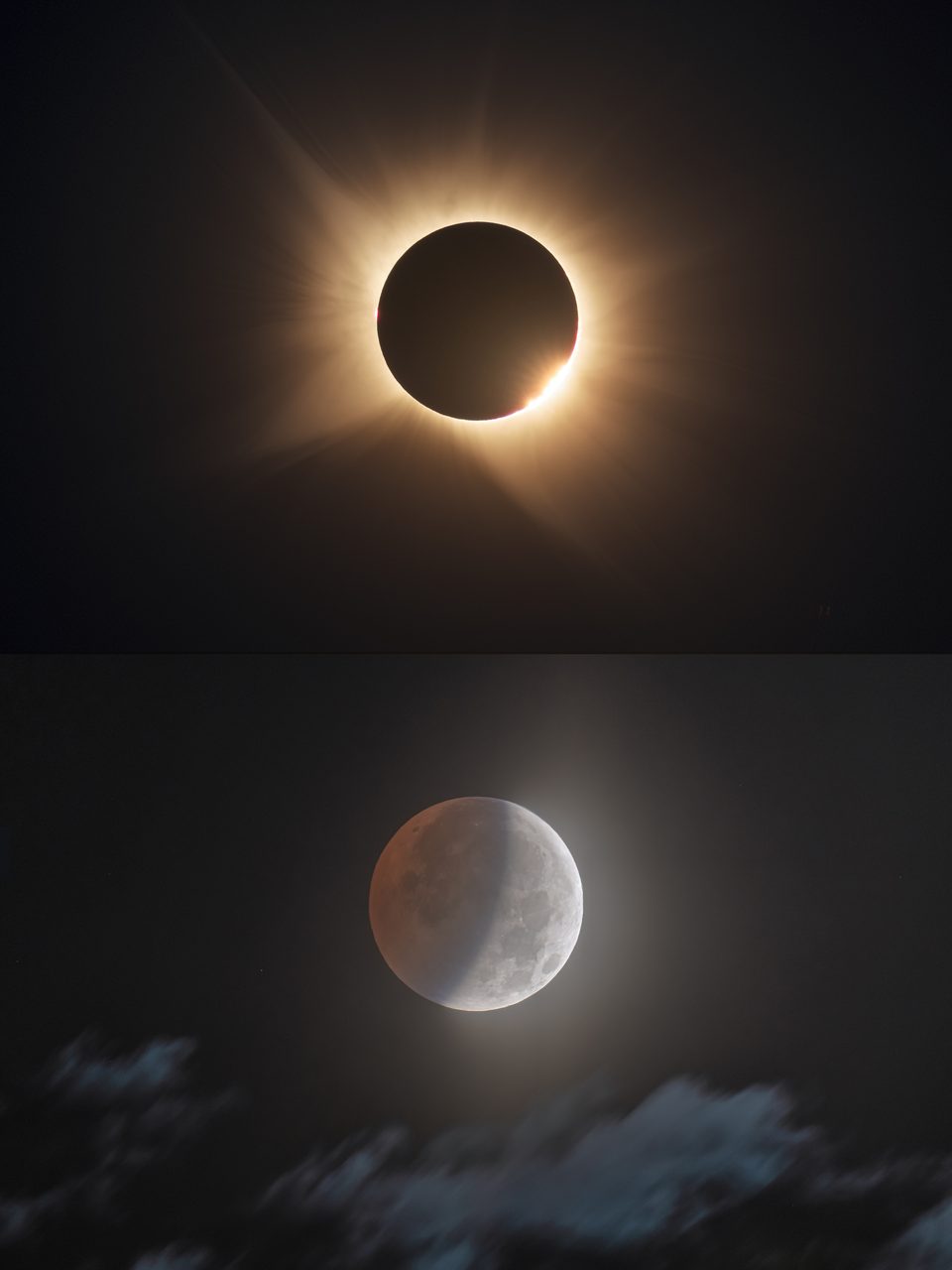
On August 12, 2026, a peculiar event was captured in Spain as an unidentified object traversed a partially eclipsed Sun. The timing coincided with the peak of the Perseids meteor shower, leading to initial speculation that the object might be a meteor. However, its path and brightness raised questions. Meteors typically burn brightly upon atmospheric entry, visible without sunlight, yet this object seemed to reflect sunlight, suggesting a different origin.
The Science Behind the Mystery
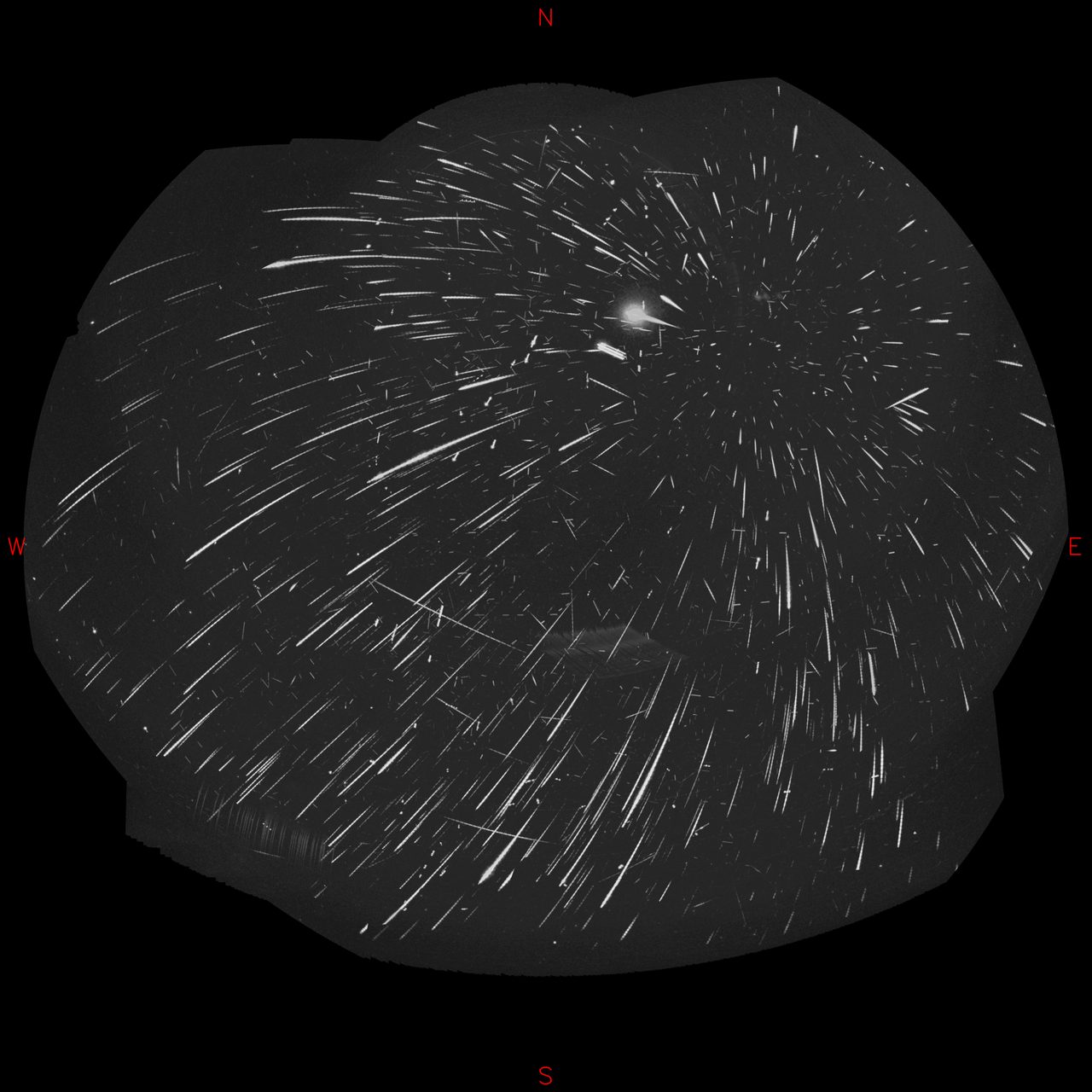
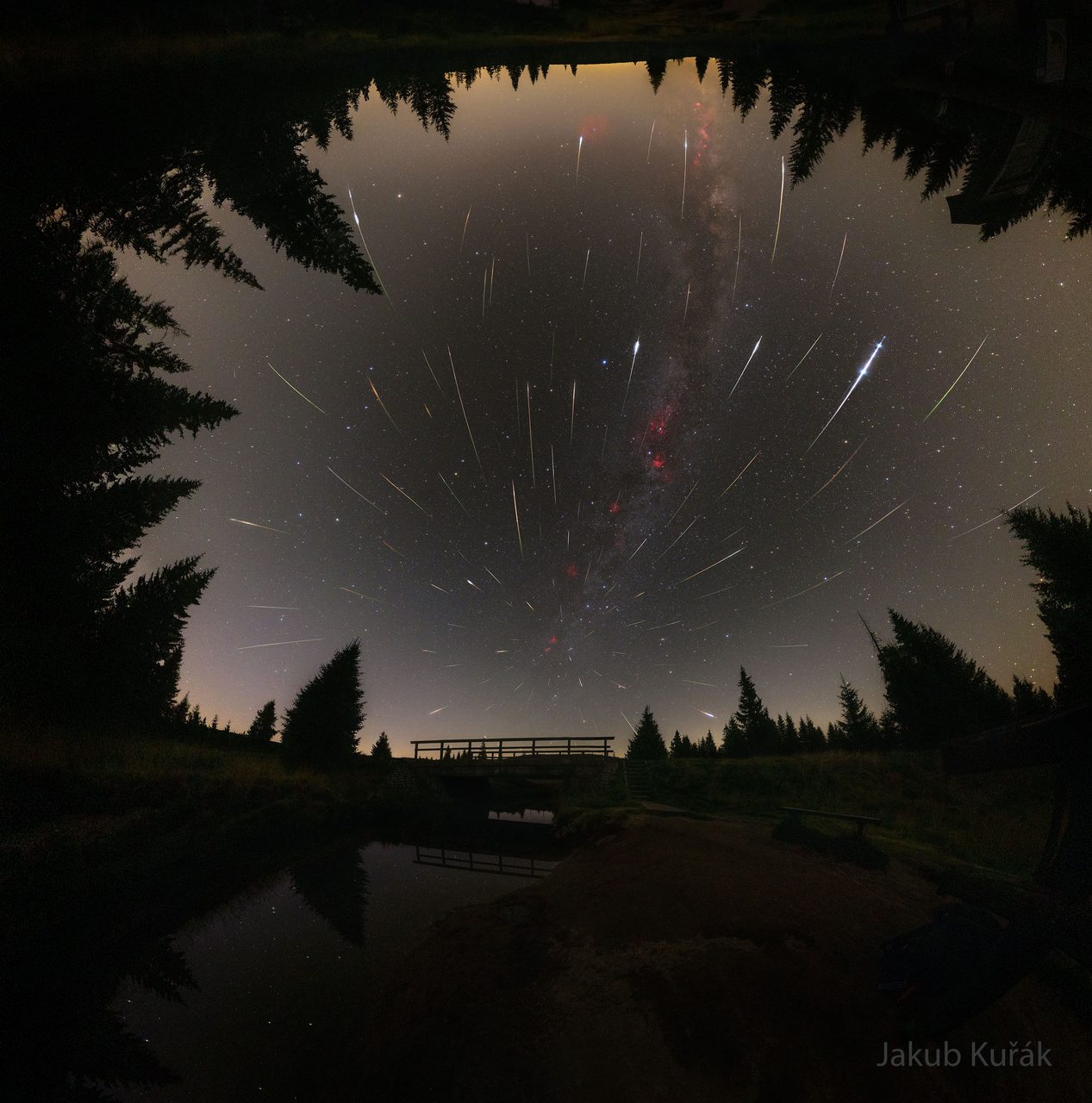
The Perseids meteor shower, originating from the debris of Comet Swift-Tuttle, is known for its radiant point in the Perseus constellation. Objects from this shower usually display a distinctive trajectory. However, the object's smaller angular trail and reflective nature hinted at an alternative explanation. After meticulous cross-referencing with flight databases, it was confirmed to be an airplane contrail, not a meteor. This highlights the importance of understanding orbital mechanics and atmospheric phenomena in distinguishing celestial from terrestrial events.
Observing Celestial Events
For those keen on observing meteors or solar eclipses, timing and location are crucial. The Orbital Radar pass predictor can assist in planning your observations by providing precise timings and locations of visible satellite passes. Such tools are invaluable for enthusiasts and researchers alike, ensuring accurate and rewarding skywatching experiences.
Frequently Asked Questions
What causes a meteor shower?
How can you differentiate between a meteor and an airplane contrail?
📎 Cite this article
Orbital Radar Newsroom. (2026). Unveiling the Mystery of the Solar Eclipse Intruder. Orbital Radar. https://orbitalradar.com/blog/cosmic-gallery-2026-08-19"Unveiling the Mystery of the Solar Eclipse Intruder." Orbital Radar, 20 August 2026, https://orbitalradar.com/blog/cosmic-gallery-2026-08-19.@misc{orbitalradar_cosmic_gallery_2026_08_19,
title = {Unveiling the Mystery of the Solar Eclipse Intruder},
author = {{Orbital Radar}},
year = {2026},
howpublished = {\url{https://orbitalradar.com/blog/cosmic-gallery-2026-08-19}}
}