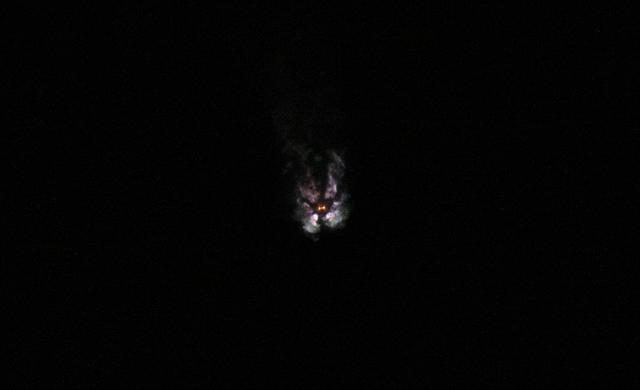
ISS solar array upgrade: Orbital Briefing, 30 October 2026
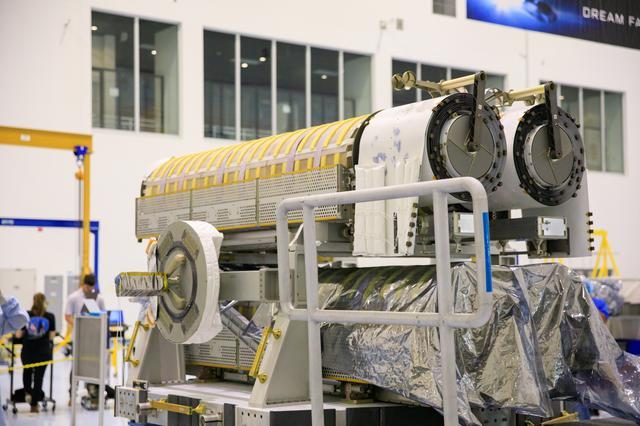
Spacewalkers have deployed an upgraded solar array at the International Space Station. Meanwhile, ISRO targets a navigation satellite launch and orbital monitoring continues.
| Active satellites | 15,923 |
| Starlink active | 9,980 |
| Catalogued objects | 31,876 |
| Active close approaches | 20 |
| People in space | 10 |
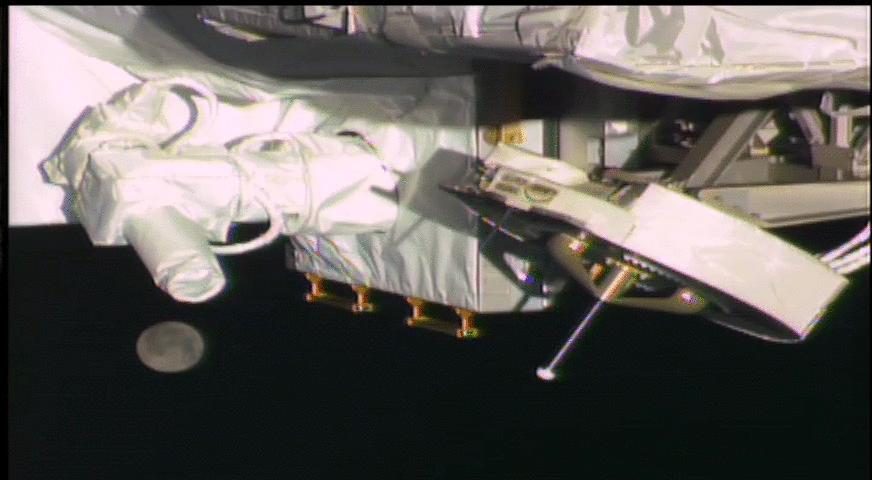
Astronauts have installed and unfurled an upgraded solar array at the International Space Station, extending the programme to strengthen the laboratory’s electricity supply. The deployment is the most consequential human-spaceflight development in today’s briefing: additional generating capacity supports the station’s experiments, equipment and everyday operations.
Solar arrays convert sunlight into electricity, making their deployment a practical milestone rather than simply an exterior hardware change. Installing equipment during a spacewalk and opening it into its working configuration are distinct steps; reports describe both installation and unfurling. Readers hoping to see the station from the ground can use the Orbital Radar pass predictor to find local viewing opportunities.
A crowded orbital picture
Orbital Radar tracking data records 15,923 active satellites in orbit as of 30 October 2026. That operating population sits within a much larger catalogue that also includes debris and other tracked objects, illustrating why identifying an object is different from establishing whether it is functioning.
Orbital Radar tracking data records 9,980 operational Starlink satellites as of 30 October 2026. A further 982 are raising their orbits, while 200 are deorbiting, descending towards eventual atmospheric re-entry. Those categories describe different stages of the constellation’s lifecycle, not interchangeable measures of service availability. The Starlink Tracker follows the constellation, while the Debris Map provides a broader view of the tracked orbital environment.
Close approaches under observation
Orbital Radar tracking data lists 20 active close approaches being tracked as of 30 October 2026. Among the recent encounters, TIANHUI 5C and TIANHUI 5D have a listed minimum separation of approximately 1.18 km; RADIX-A and FLOCK 4J-6 have a listed minimum of approximately 1.75 km.
A close approach is not, by itself, evidence of an impending collision. Assessing danger requires more than separation alone, including the uncertainty in each object’s position and the geometry of the encounter. The space situational awareness toolkit offers context for understanding such monitoring. Meanwhile, the geomagnetic Kp index, a measure of global magnetic disturbance, stands at 0, with tracked space-weather risk indicators green for low Earth orbit, geostationary orbit and the ISS.
What to Watch
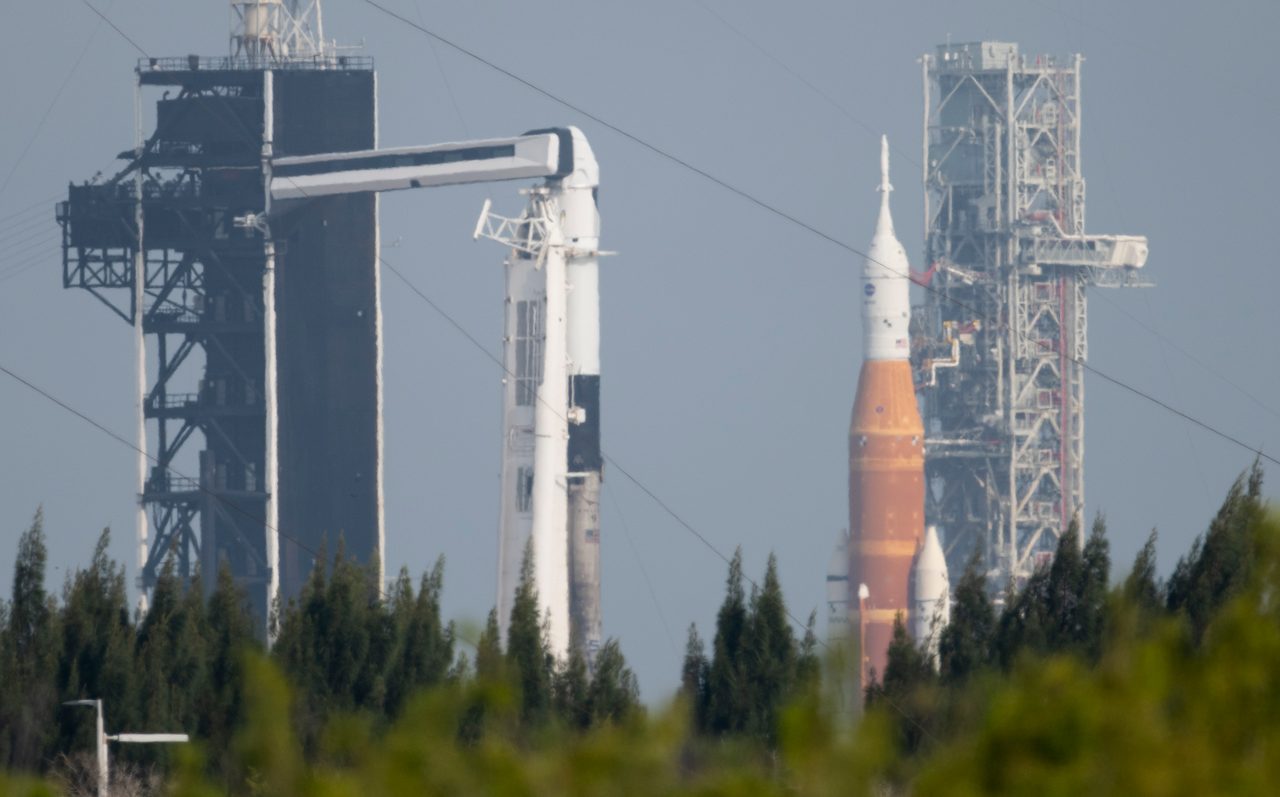
ISRO’s NVS-03, also designated IRNSS-1L, is marked go for launch on 30 October 2026 at 18:21 UTC. SpaceX’s Starlink 15-18 mission follows on the schedule for 31 October 2026 at 03:48 UTC. Both remain scheduled events rather than completed launches; timings and status can be followed through the Orbital Radar Launch Schedule.
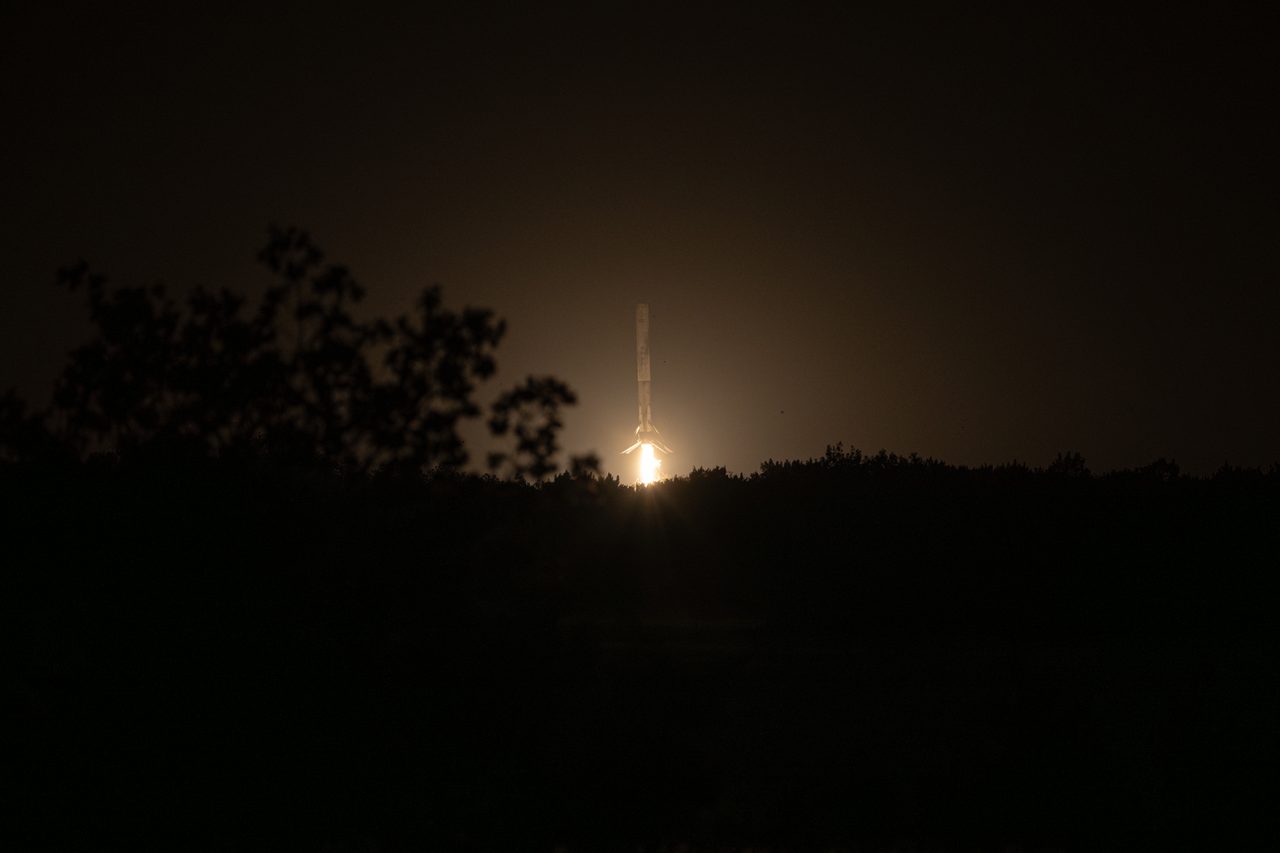
Further ahead, Rocket Lab’s “The Sea God Surveys” is scheduled for 2 November 2026 at 08:45 UTC. The latest completed Starlink mission, Group 15-16, launched successfully aboard a Falcon 9 Block 5 on 27 October 2026 at 07:25 UTC, continuing the constellation’s deployment into low Earth orbit.
Frequently Asked Questions
What did the latest ISS spacewalk accomplish?
When is ISRO’s NVS-03 satellite scheduled to launch?
📎 Cite this article · data available
Orbital Radar Newsroom. (2026). ISS solar array upgrade: Orbital Briefing, 30 October 2026. Orbital Radar. https://orbitalradar.com/blog/orbital-briefing-2026-10-30"ISS solar array upgrade: Orbital Briefing, 30 October 2026." Orbital Radar, 30 October 2026, https://orbitalradar.com/blog/orbital-briefing-2026-10-30.@misc{orbitalradar_orbital_briefing_2026_10_30,
title = {ISS solar array upgrade: Orbital Briefing, 30 October 2026},
author = {{Orbital Radar}},
year = {2026},
howpublished = {\url{https://orbitalradar.com/blog/orbital-briefing-2026-10-30}}
}