Vulcan targets November return: Orbital Briefing, 29 October
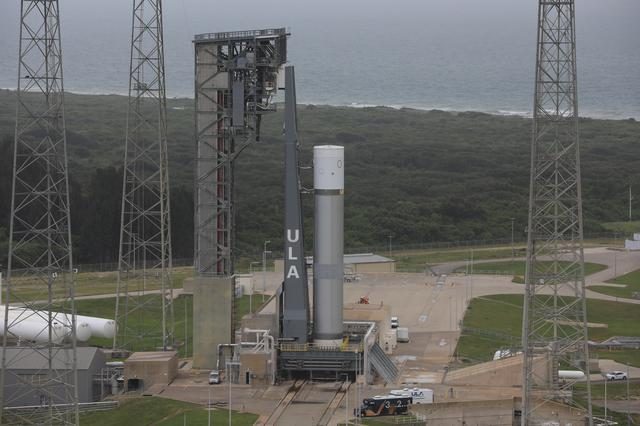
ULA is targeting mid-November for Vulcan’s return to flight. Meanwhile, sharp changes in Starlink drag estimates warrant scrutiny ahead of SpaceX and ISRO launches.
| Active satellites | 15,919 |
| Starlink active | 9,980 |
| Catalogued objects | 31,893 |
| Active close approaches | 25 |
| People in space | 10 |
United Launch Alliance is targeting mid-November for Vulcan’s return to flight, putting the rocket’s next mission among the launch calendar’s principal developments. The announcement establishes a planning target rather than a completed return: readiness work and the eventual launch remain the milestones to watch.
Vulcan’s progress matters beyond a single departure because returning a launcher to service tests both technical readiness and operational scheduling. Readers following the mission can use Orbital Radar’s Launch Schedule to track its place alongside upcoming SpaceX, ISRO and Rocket Lab flights.
Starlink drag estimates shift sharply
STARLINK-11523 [DTC] registered a ×198.7 change in its B* drag term in Orbital Radar tracking data on 29 October 2026. B* is a fitted parameter used in orbital predictions to represent atmospheric drag effects, rather than a direct measurement of atmospheric density.
STARLINK-32869 also showed a sharp change, at ×196.2, while STARLINK-11258 [DTC] registered ×85.0. Such shifts can reflect a manoeuvre, changing atmospheric conditions or adjustments in the orbital fit; they do not, by themselves, establish that a spacecraft is malfunctioning or descending uncontrollably.
The distinction is important for a constellation whose spacecraft routinely change altitude. Orbital Radar’s Starlink Tracker provides a way to follow the named spacecraft and place individual changes in the wider constellation context.
Quiet space weather, continuing traffic
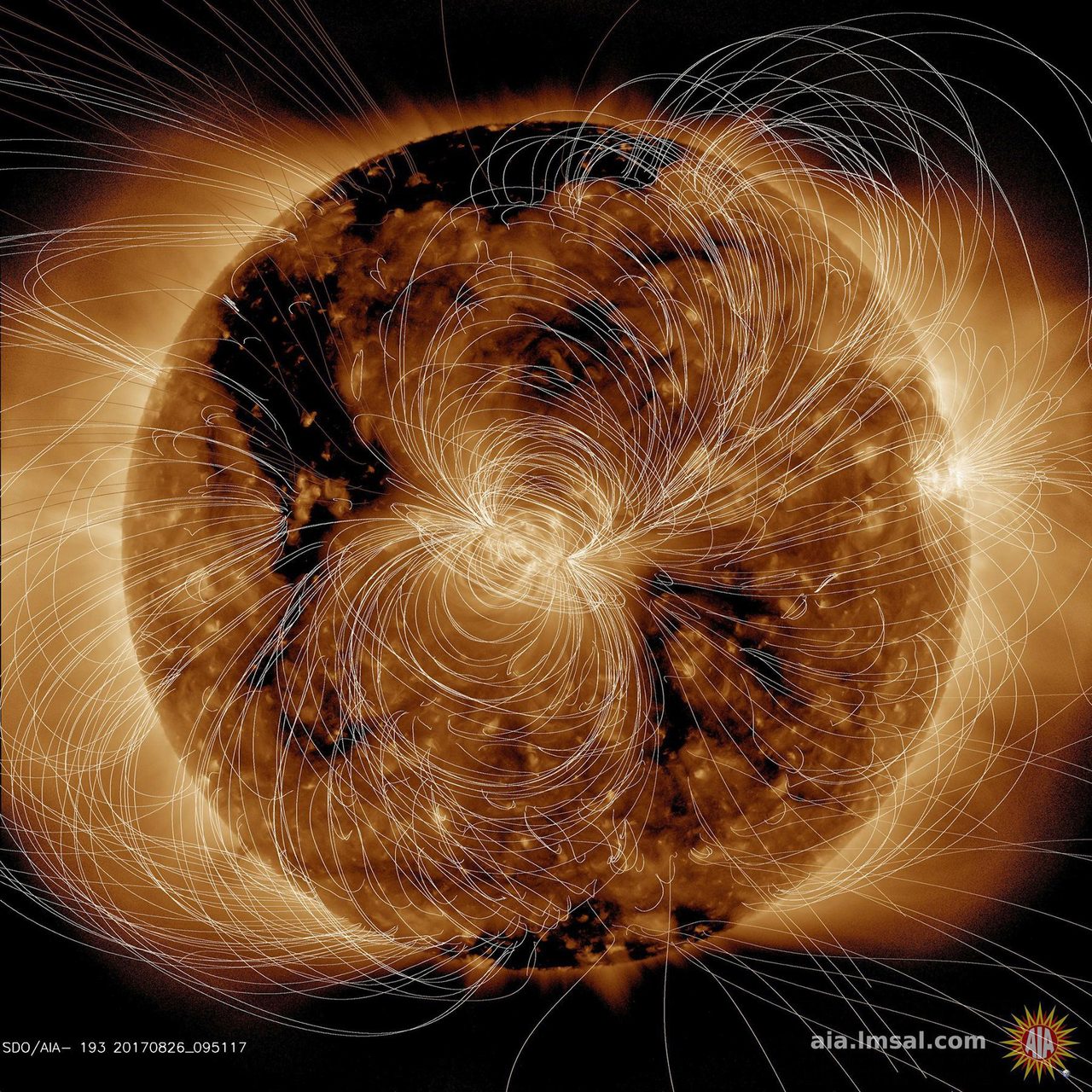
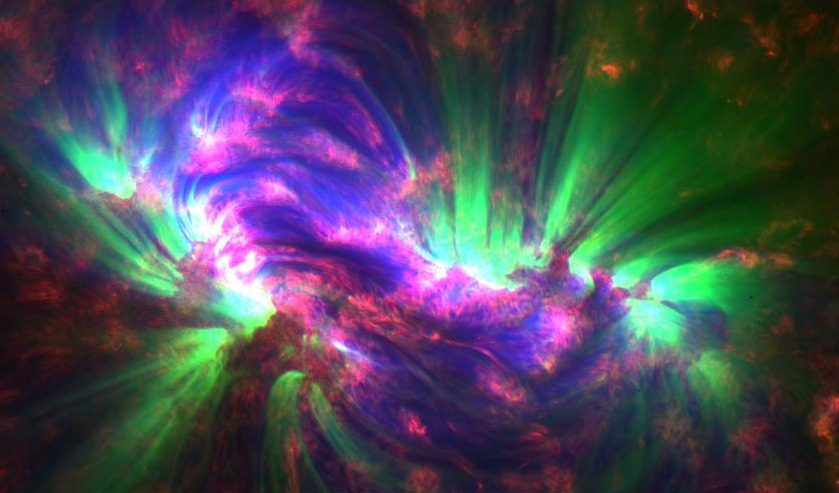
The planetary geomagnetic index Kp stood at 0 on 29 October 2026, according to Orbital Radar tracking data. Kp describes disturbances in Earth’s magnetic field; the current reading indicates quiet conditions, while the solar-wind speed is 363 kilometres per second.
That quiet reading does not establish the cause of the Starlink drag changes. Atmospheric drag estimates and geomagnetic measurements describe different parts of the orbital environment, so a connection requires more than their appearance on the same day.
Orbital Radar tracking data listed 25 active close approaches on 29 October 2026. These are encounters being monitored, not confirmed collisions or a statement of collision probability; the space situational awareness toolkit offers context for interpreting orbital proximity.
What to Watch
SpaceX’s Starlink (15-18) mission is scheduled for 30 October at 04:02 UTC, followed by ISRO’s NVS-03 (IRNSS-1L) at 18:21 UTC. Both carry a “Go For Launch” status, although scheduled times remain subject to operational changes.
The next cluster follows on 2 November: SpaceX’s USSF-432 is scheduled for 01:56 UTC, with Rocket Lab’s “The Sea God Surveys” at 08:45 UTC. Together with Vulcan’s planned return, these missions make launch readiness—not simply departure times—the thread to follow over the coming weeks.
Frequently Asked Questions
When is ULA’s Vulcan rocket returning to flight?
Do the Starlink drag changes mean satellites are failing?
📎 Cite this article · data available
Orbital Radar Newsroom. (2026). Vulcan targets November return: Orbital Briefing, 29 October. Orbital Radar. https://orbitalradar.com/blog/orbital-briefing-2026-10-29"Vulcan targets November return: Orbital Briefing, 29 October." Orbital Radar, 29 October 2026, https://orbitalradar.com/blog/orbital-briefing-2026-10-29.@misc{orbitalradar_orbital_briefing_2026_10_29,
title = {Vulcan targets November return: Orbital Briefing, 29 October},
author = {{Orbital Radar}},
year = {2026},
howpublished = {\url{https://orbitalradar.com/blog/orbital-briefing-2026-10-29}}
}