First Diagnostic X-Rays in Space: A Milestone for Astronaut Health
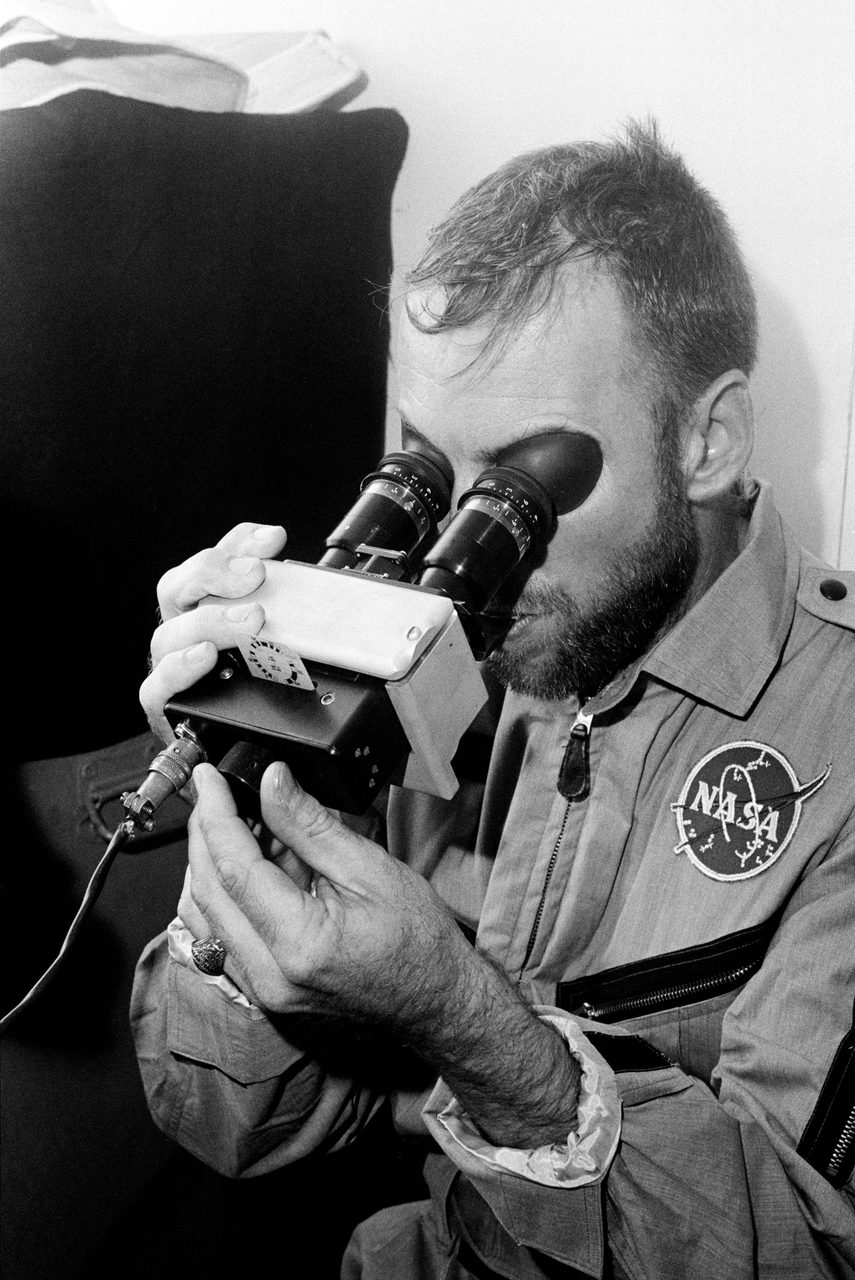
The first diagnostic X-rays in space have been conducted, marking a significant advancement in astronaut health management and long-duration mission planning.
| Active satellites | 15,724 |
| Starlink active | 9,853 |
| Catalogued objects | 31,484 |
| Predicted re-entries | 11 |
| Active close approaches | 17 |
| People in space | 10 |
The first diagnostic X-rays have been successfully conducted in space, marking a pivotal advancement in the management of astronaut health. This development, reported by Universe Today, is expected to enhance medical capabilities aboard space missions, particularly those of extended duration. The ability to perform X-rays in space could significantly mitigate health risks by allowing for immediate diagnosis and treatment of potential issues.
Close Approaches in Orbit
Recent orbital data indicates several close approaches between satellites, including a minimum distance of approximately 1.34 km between OBJECT A and STARLINK-35121. Such close approaches highlight the increasing congestion in low Earth orbit (LEO), where 15,724 active satellites are currently tracked. For more detailed tracking information, visit the Space Situational Awareness hub.
New Lunar Crater Named McGetchin
NASA's Astronomy Picture of the Day (APOD) for 23 September 2026 features a newly identified lunar crater named McGetchin. This discovery adds to the growing catalogue of lunar features, enhancing our understanding of the Moon's geological history. The Moon Globe provides real-time updates on lunar features and current orbiter positions.
What to Watch
While there are no launches scheduled for today, the space community remains alert for upcoming events. The Launch Schedule provides a comprehensive list of upcoming missions. Additionally, with 11 re-entries predicted soon, the Re-entry Tracker is a valuable tool for monitoring these events.
Frequently Asked Questions
What are the implications of diagnostic X-rays in space?
How many active satellites are currently in orbit?
📎 Cite this article · data available
Orbital Radar Newsroom. (2026). First Diagnostic X-Rays in Space: A Milestone for Astronaut Health. Orbital Radar. https://orbitalradar.com/blog/orbital-briefing-2026-09-23"First Diagnostic X-Rays in Space: A Milestone for Astronaut Health." Orbital Radar, 23 September 2026, https://orbitalradar.com/blog/orbital-briefing-2026-09-23.@misc{orbitalradar_orbital_briefing_2026_09_23,
title = {First Diagnostic X-Rays in Space: A Milestone for Astronaut Health},
author = {{Orbital Radar}},
year = {2026},
howpublished = {\url{https://orbitalradar.com/blog/orbital-briefing-2026-09-23}}
}