25 November: Space Force launch caps busy day in orbit
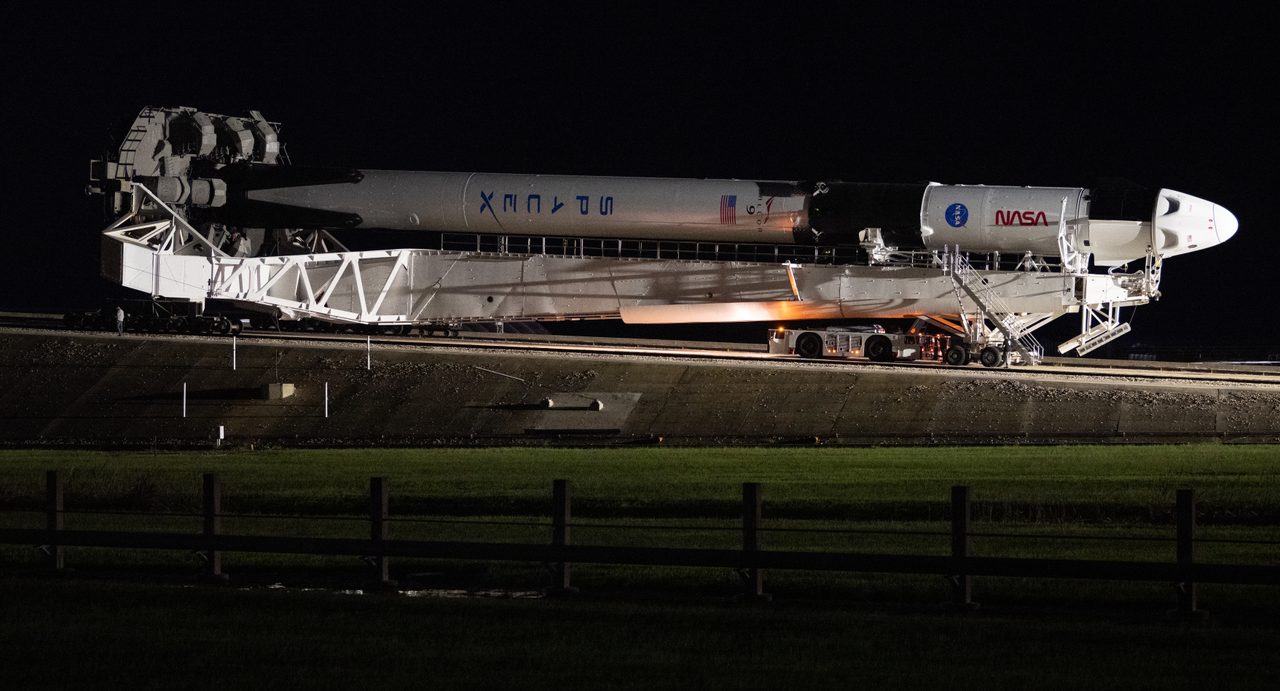
SpaceX's USSF-266 mission capped a day of successful launches for defence, broadband and station logistics, while close approaches remain under observation.
| Active satellites | 16,725 |
| Starlink active | 9,704 |
| Catalogued objects | 32,106 |
| Active close approaches | 22 |
| People in space | 10 |
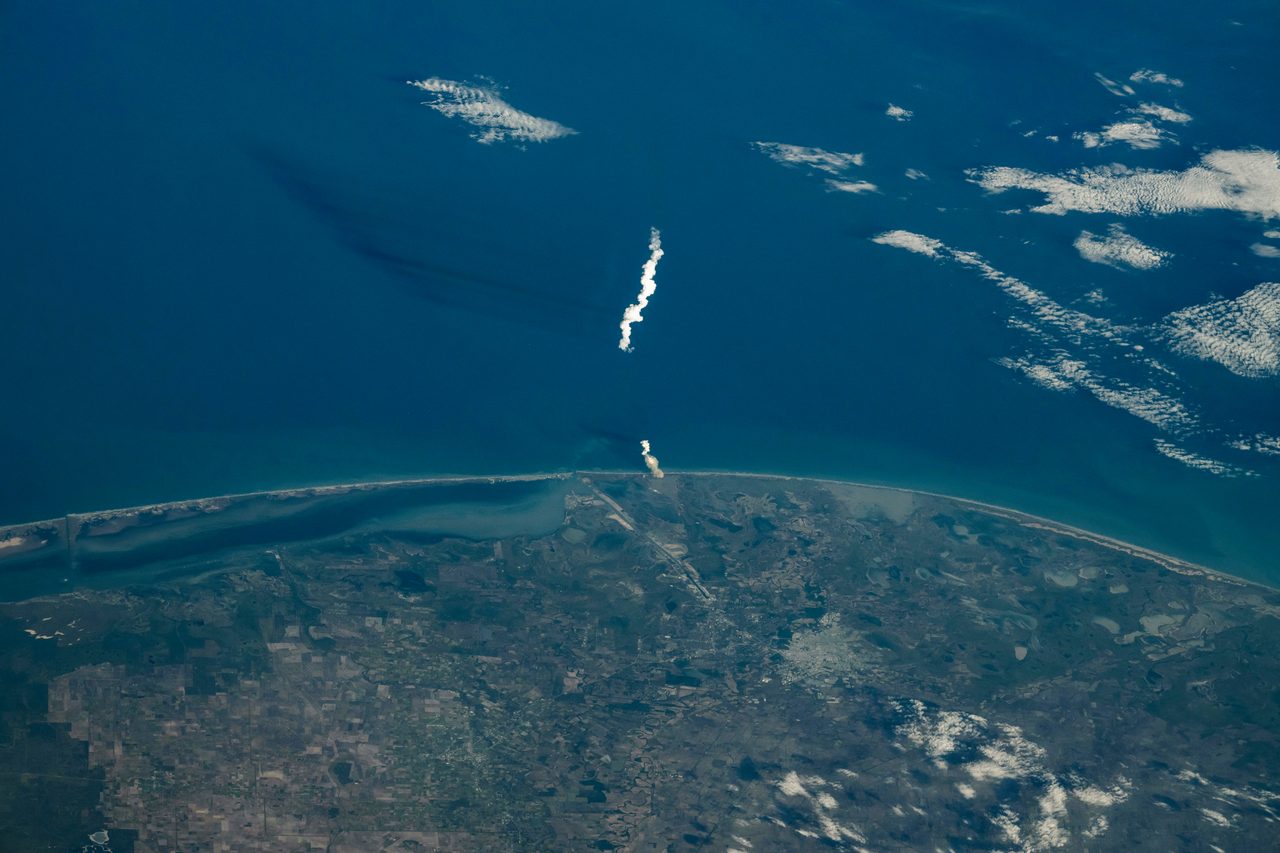
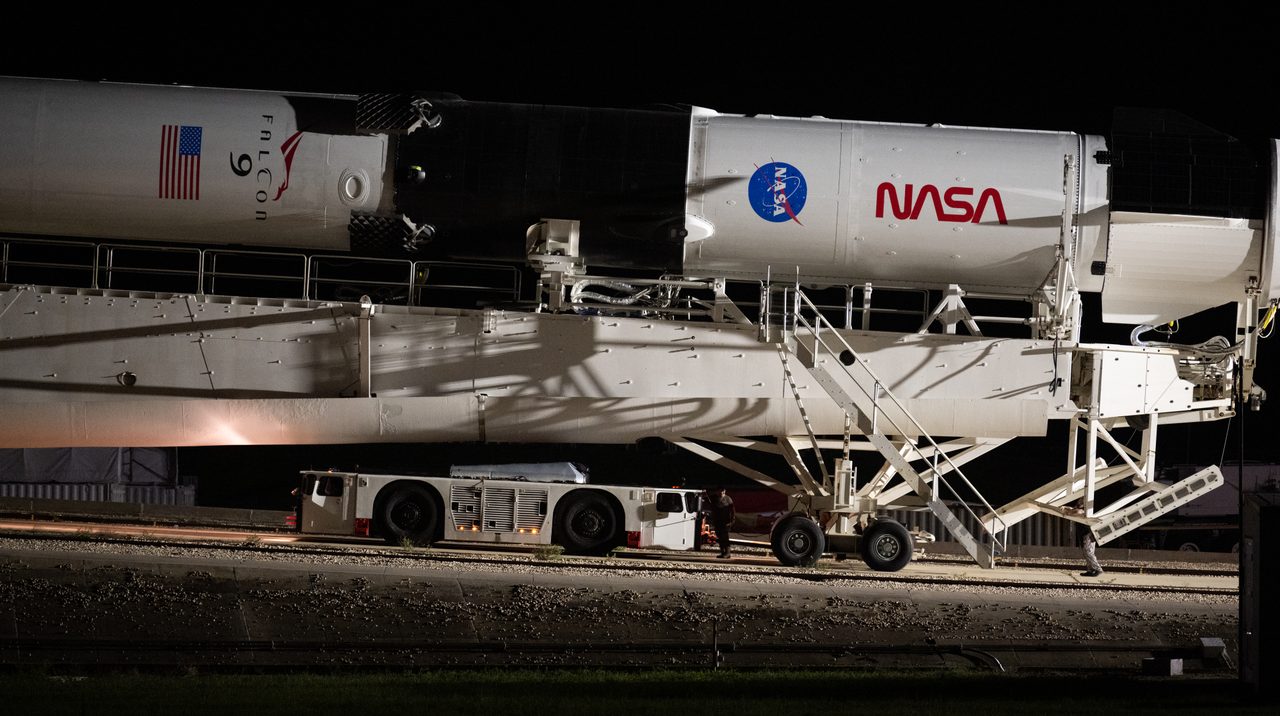
SpaceX successfully launched the USSF-266 mission on a Falcon 9 Block 5 at 16:08 UTC on 24 November 2026, according to Orbital Radar tracking data. The US Space Force flight completed a day that also brought successful launches for Amazon's broadband constellation and Russian space-station logistics.
A Soyuz 2.1b carrying Progress MS-36, also designated 97P, launched at 10:17 UTC, followed by Arianespace's Ariane 64 Block 2 carrying Amazon Leo mission LE-04 at 11:14 UTC. Launch success is distinct from the later operational milestones: station cargo spacecraft must still complete their rendezvous, while communications satellites need commissioning before entering service.
Amazon Leo's service deadline approaches
The LE-04 launch comes as Amazon Leo approaches its promised initial service window before the end of 2026. Amazon says the rollout will begin in the US, UK, France, Germany and Canada; consumer service has not yet opened, although selected businesses have participated in an enterprise preview since November 2025.
Amazon's first-generation licence covers 3,232 satellites, with deployment due by 30 July 2029. A conditional waiver granted on 5 June 2026 kept the licence in force despite the company missing its interim deployment milestone, but satellites launched after 30 July 2026 face lower spectrum priority until specified conditions are met.
For scale, Starlink had 9,704 operational satellites on 25 November 2026, according to Orbital Radar tracking data. Readers can explore the competing constellation's orbital distribution through the Orbital Radar Starlink Tracker.
Close approaches demand careful interpretation
Orbital Radar tracking data lists 22 active close approaches on 25 November 2026. Among the encounters under observation are TIANHUI 5C and TIANHUI 5D at approximately 0.81 km, and SENTINEL 2A and OBJECT B at approximately 1.70 km.
A close approach is not itself a collision warning: the minimum separation must be considered alongside uncertainty in the objects' predicted positions. Distance alone cannot establish whether an avoidance manoeuvre is warranted. The Orbital Radar space situational awareness toolkit provides context for monitoring objects and assessing their changing orbital environment.
What to Watch
China's Long March 2D is scheduled to launch on 26 November at 09:35 UTC. Rocket Lab's Electron mission Night Owls Never Sleep, designated StriX Launch 14, follows on 27 November at 00:05 UTC, with a Long March 6A scheduled for 13:00 UTC that day.
The 29 November schedule includes Long March 6C at 03:50 UTC and SpaceX's USSF-380 mission at 04:39 UTC. All remain scheduled rather than completed events; timings and status can be followed on the Orbital Radar Launch Schedule.
Frequently Asked Questions
Did SpaceX launch USSF-266 successfully?
When will Amazon Leo internet service start?
Cite this article
Pick a style, then copy it or download it for your reference manager.Orbital Radar. (2026, November 25). 25 November: Space Force launch caps busy day in orbit. Retrieved November 25, 2026, from https://orbitalradar.com/blog/orbital-briefing-2026-11-25
“25 November: Space Force launch caps busy day in orbit.” Orbital Radar, 25 Nov. 2026, orbitalradar.com/blog/orbital-briefing-2026-11-25. Accessed 25 Nov. 2026.
Orbital Radar (2026) 25 November: Space Force launch caps busy day in orbit. Available at: https://orbitalradar.com/blog/orbital-briefing-2026-11-25 (Accessed: 25 November 2026).
Orbital Radar. “25 November: Space Force launch caps busy day in orbit.” Last modified November 25, 2026. https://orbitalradar.com/blog/orbital-briefing-2026-11-25.
@misc{orbitalradar_blog_orbital_briefing_2026_11_25,
  author       = {{Orbital Radar}},
  title        = {25 November: Space Force launch caps busy day in orbit},
  year         = {2026},
  month        = nov,
  howpublished = {\url{https://orbitalradar.com/blog/orbital-briefing-2026-11-25}},
  url          = {https://orbitalradar.com/blog/orbital-briefing-2026-11-25},
  urldate      = {2026-11-25},
  note         = {Accessed 2026-11-25}
}
TY - ELEC AU - Orbital Radar, TI - 25 November: Space Force launch caps busy day in orbit PY - 2026 DA - 2026/11/25 PB - Orbital Radar UR - https://orbitalradar.com/blog/orbital-briefing-2026-11-25 Y2 - 2026/11/25 LA - en ER -
Live figures change, so keep the date you accessed the page. How to cite Orbital Radar