Amazon Leo faces next launch after Vulcan failure: 20 Nov
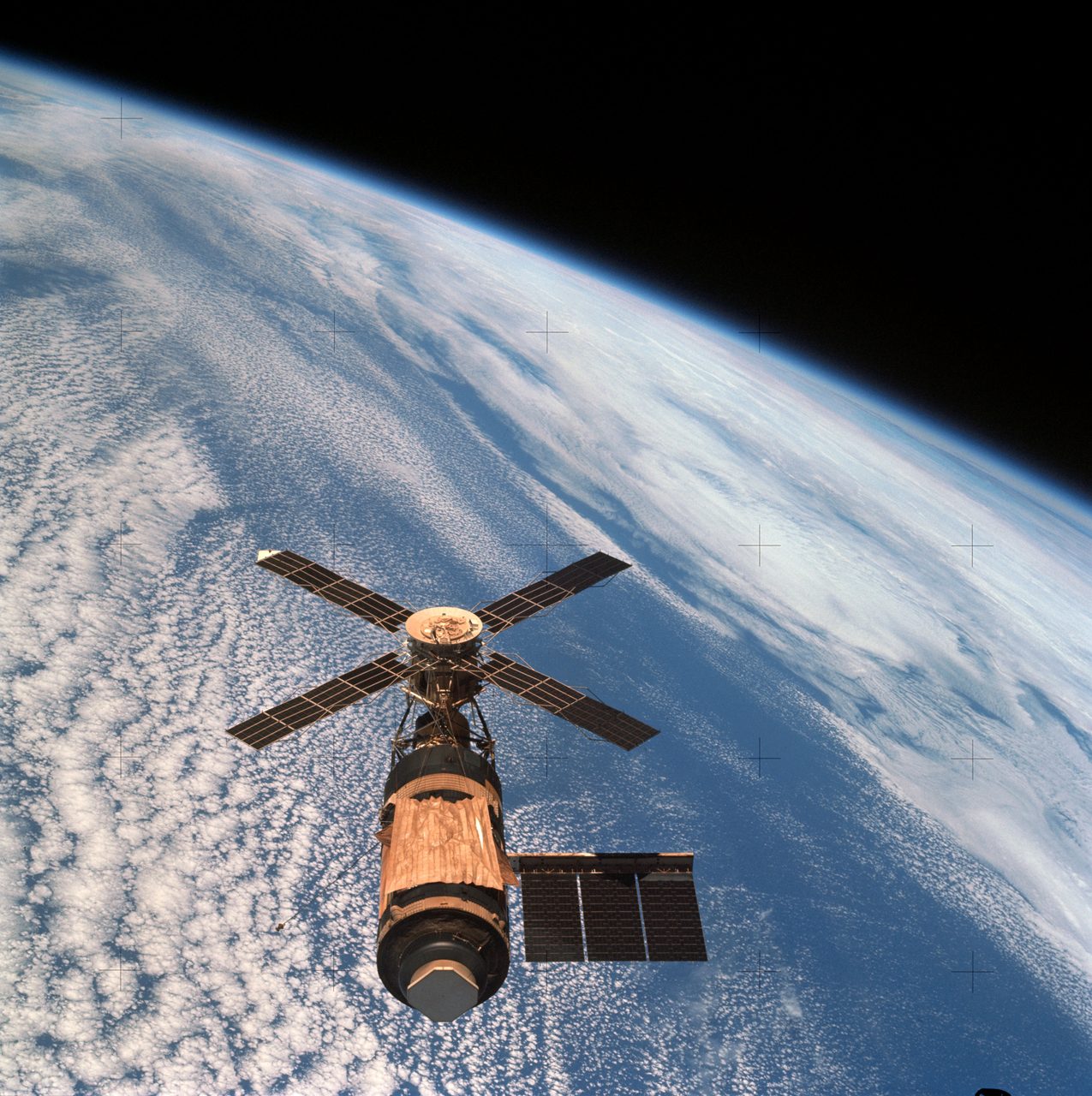
Amazon Leo's next scheduled launch follows a Vulcan mission failure. SpaceX also faces a classified launch reset, while orbital tracking highlights close approaches.
| Active satellites | 16,711 |
| Starlink active | 9,790 |
| Catalogued objects | 32,149 |
| Active close approaches | 20 |
| People in space | 10 |
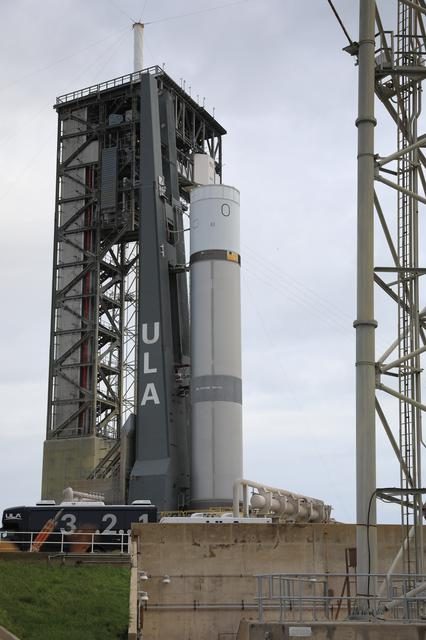
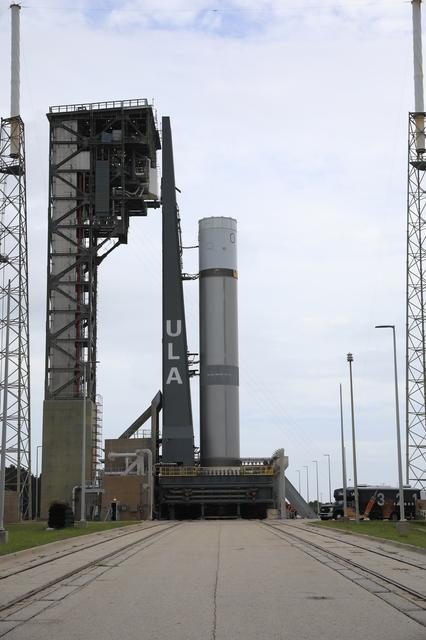
Amazon Leo's next scheduled launch is an Ariane 64 mission on 23 November, following the failure of United Launch Alliance's Vulcan VC6L mission carrying Amazon Leo LV-01 on 15 November. The LE-04 flight will put the broadband constellation's deployment programme back in focus as Amazon approaches its promised consumer-service opening before the end of 2026.
The Vulcan failure does not by itself establish a problem with Ariane 64, a different launch vehicle. But the setback comes with Amazon still working towards a regulatory deployment milestone it missed on 30 July 2026, making successful deliveries to orbit important beyond the immediate launch campaign.
Amazon's deployment deadline remains
Amazon Leo's licence remains in force under a conditional waiver granted by the Federal Communications Commission on 5 June 2026. The company still faces a deadline of 30 July 2029 to deploy its first-generation system; satellites launched after the missed interim milestone temporarily receive lower spectrum priority under the waiver's conditions.
Amazon has not yet opened consumer service, although selected businesses have been testing an enterprise preview since November 2025. The initial consumer rollout is planned for the US, UK, France, Germany and Canada, placing the forthcoming launch campaign alongside preparations for operating a commercial network.
A crowded orbit, with quiet geomagnetic conditions
Orbital Radar tracking data lists 16,711 active satellites as of 20 November 2026. Orbital Radar tracking data lists 9,790 operational Starlink satellites as of 20 November 2026. Those figures illustrate the scale of the satellite population sharing orbital space, where proximity alone is not a measure of collision probability.
Orbital Radar tracking data lists 20 active close approaches on 20 November 2026. Among the listed encounters, TIANHUI 5A and TIANHUI 5B have an approximate minimum separation of 1.15 km; assessing collision risk also requires information about positional uncertainty. The Orbital Radar space situational awareness toolkit provides context for following orbital traffic.
Geomagnetic conditions are quiet, with Kp at 0 on the planetary index of geomagnetic disturbance. That is a different operational concern from close approaches: space weather can affect spacecraft systems and atmospheric drag, rather than describing the geometry of encounters.
What to Watch
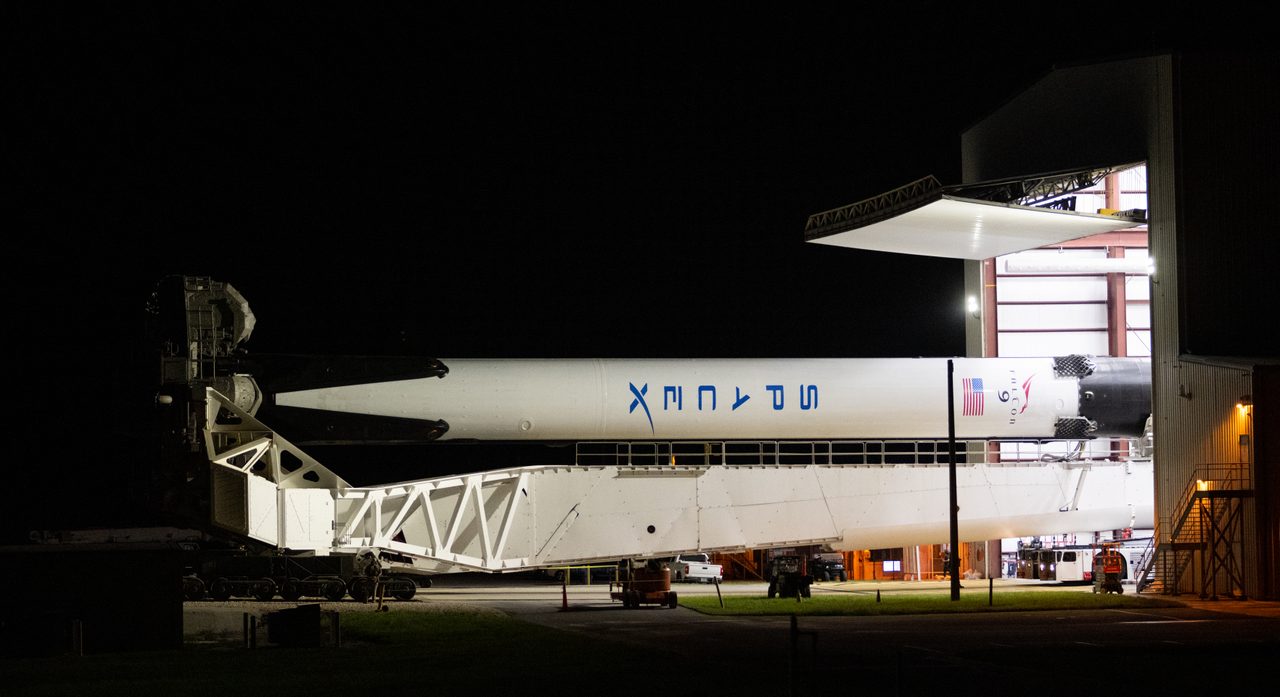
SpaceX has scrubbed a classified US Space Force launch, with reporting pointing to a Friday retry. The schedule lists Falcon 9's USSF-317 mission for 21 November at 02:32 UTC; readers should distinguish local-day descriptions from the UTC dates used in the Orbital Radar launch schedule.
Other scheduled flights include Long March 8A carrying a SatNet low Earth orbit group on 20 November at 11:59 UTC, followed by Long March 6C on 21 November at 03:50 UTC. Falcon 9's NROL-136 mission is listed for 21 November at 12:30 UTC, ahead of Amazon Leo LE-04 on 23 November at 11:09 UTC. These remain scheduled events, not completed launches.
Frequently Asked Questions
When is the next Amazon Leo satellite launch?
Has Amazon Leo started consumer internet service?
Cite this article
Pick a style, then copy it or download it for your reference manager.Orbital Radar. (2026, November 20). Amazon Leo faces next launch after Vulcan failure: 20 Nov. Retrieved November 20, 2026, from https://orbitalradar.com/blog/orbital-briefing-2026-11-20
“Amazon Leo faces next launch after Vulcan failure: 20 Nov.” Orbital Radar, 20 Nov. 2026, orbitalradar.com/blog/orbital-briefing-2026-11-20. Accessed 20 Nov. 2026.
Orbital Radar (2026) Amazon Leo faces next launch after Vulcan failure: 20 Nov. Available at: https://orbitalradar.com/blog/orbital-briefing-2026-11-20 (Accessed: 20 November 2026).
Orbital Radar. “Amazon Leo faces next launch after Vulcan failure: 20 Nov.” Last modified November 20, 2026. https://orbitalradar.com/blog/orbital-briefing-2026-11-20.
@misc{orbitalradar_blog_orbital_briefing_2026_11_20,
  author       = {{Orbital Radar}},
  title        = {Amazon Leo faces next launch after Vulcan failure: 20 Nov},
  year         = {2026},
  month        = nov,
  howpublished = {\url{https://orbitalradar.com/blog/orbital-briefing-2026-11-20}},
  url          = {https://orbitalradar.com/blog/orbital-briefing-2026-11-20},
  urldate      = {2026-11-20},
  note         = {Accessed 2026-11-20}
}
TY - ELEC AU - Orbital Radar, TI - Amazon Leo faces next launch after Vulcan failure: 20 Nov PY - 2026 DA - 2026/11/20 PB - Orbital Radar UR - https://orbitalradar.com/blog/orbital-briefing-2026-11-20 Y2 - 2026/11/20 LA - en ER -
Live figures change, so keep the date you accessed the page. How to cite Orbital Radar