Starship Flight 15 targets double catch: 13 November briefing
Starship Flight 15 aims to attempt catches of both stages, while Vulcan prepares to carry Amazon Leo satellites. Both missions are scheduled for today.
| Active satellites | 16,683 |
| Starlink active | 9,831 |
| Catalogued objects | 32,081 |
| Active close approaches | 16 |
| People in space | 10 |
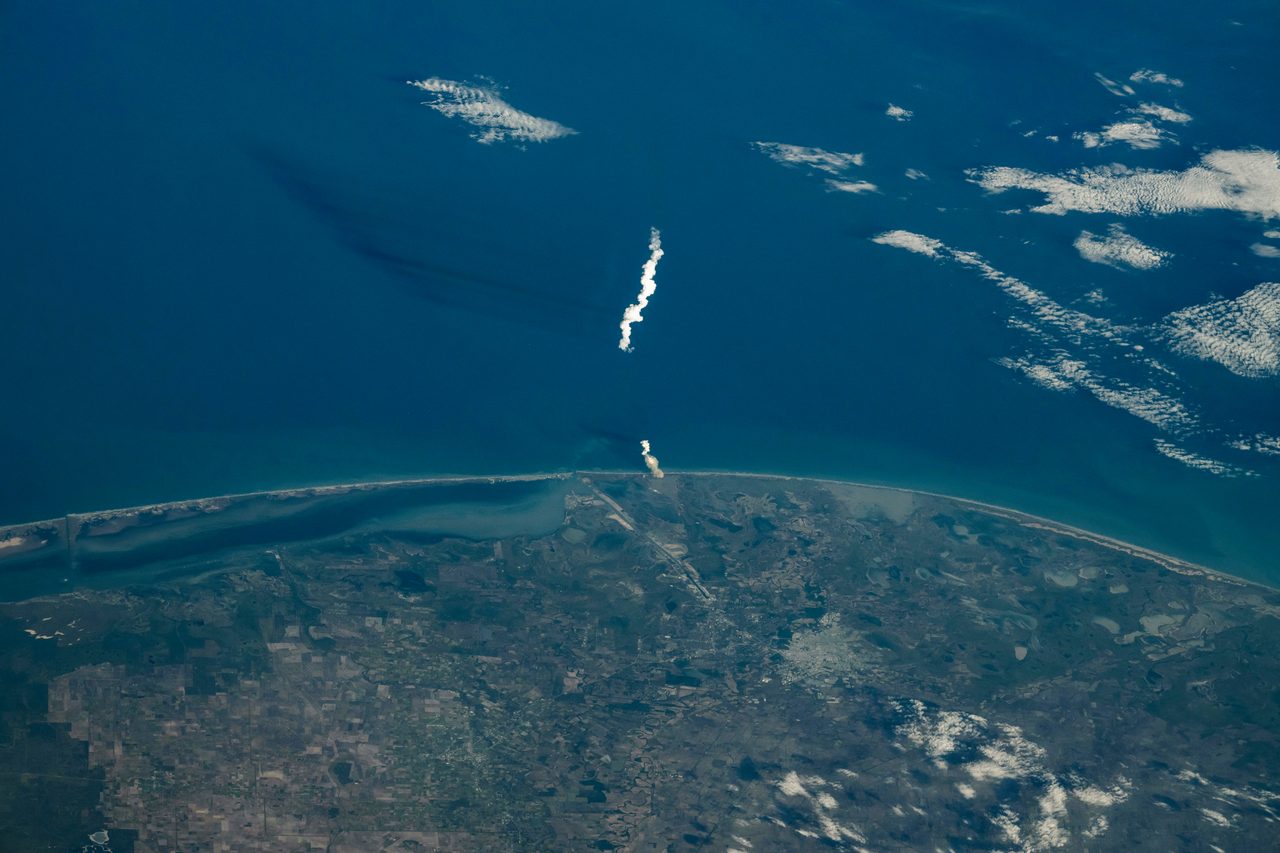
SpaceX’s Starship Flight 15 is set to attempt the first catch of both rocket stages, putting recovery operations at the centre of today’s launch programme. The mission, designated Starlink Group 31-2, is intended to carry satellites into low Earth orbit (the region used by many communications and Earth-observation spacecraft).
Starship Flight 15 is provisionally scheduled for 22:45 UTC on 13 November 2026, according to Orbital Radar tracking data. Its status remains “To Be Confirmed”: the double-catch attempt is a mission objective, not an accomplished result. The distinction matters because launching a payload and recovering both stages are separate tests of the system.
Vulcan prepares for Amazon Leo
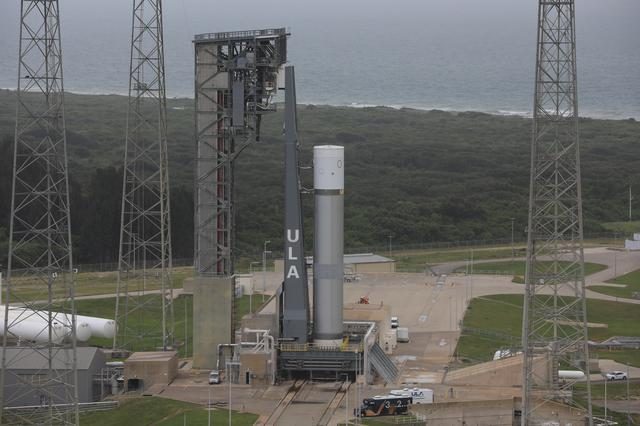
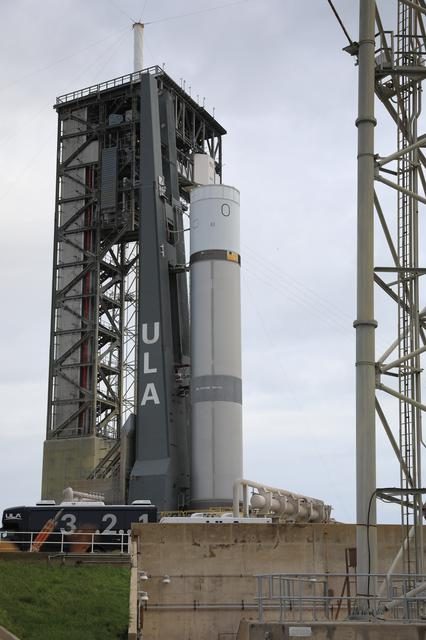
United Launch Alliance’s Vulcan VC6L is scheduled to launch Amazon Leo’s LV-01 mission at 17:54 UTC today, with a “Go for Launch” status. Amazon Leo, the broadband constellation formerly called Project Kuiper, has already placed 396 satellites into orbit across 14 production missions since 28 April 2025; its previous launches used Atlas V, Falcon 9 and Ariane 64.
The launch comes as Amazon works towards opening initial service before the end of 2026, starting in the US, UK, France, Germany and Canada. Consumer service has not yet opened, although selected businesses have been testing an enterprise preview since November 2025.
Amazon missed its interim deployment milestone of 1,616 satellites by 30 July 2026, but a conditional Federal Communications Commission waiver keeps its licence in force. All 3,232 first-generation satellites remain due by 30 July 2029, making continued deployment central to the programme.
A busy orbit under quiet space weather
Orbital Radar’s live catalogue records 16,683 active satellites on 13 November 2026. Starlink accounts for 9,831 operational satellites on 13 November 2026, according to Orbital Radar tracking data. Its wider fleet also includes spacecraft raising their orbits and others descending towards re-entry, distinctions readers can explore through the Orbital Radar Starlink Tracker.
Space weather is quiet, with the Kp index (a measure of global geomagnetic disturbance) at 0 and green risk indicators for low Earth orbit, geostationary orbit and the International Space Station. Close approaches still warrant attention: TERRA SAR X and TANDEM X have a listed minimum separation of approximately 0.35 km. Separation alone does not establish collision risk or whether a manoeuvre is necessary.
What to Watch
Watch Vulcan’s launch status first, followed by confirmation of Starship’s evening attempt and its recovery objectives. Schedule changes can be followed on the Orbital Radar Launch Schedule, which distinguishes confirmed readiness from provisional timings.
The next scheduled missions follow early on 14 November: Soyuz 2.1b/Fregat-M carrying MKA Kinosputnik, KOEN and other payloads at 00:50 UTC, then Rocket Lab’s Electron mission The Mountain God Rises at 05:30 UTC. Both are listed as “Go for Launch”, with the Soyuz targeting a Sun-synchronous orbit (one that maintains broadly consistent local solar time).
Frequently Asked Questions
When is Starship Flight 15 scheduled to launch?
Has Amazon Leo launched consumer internet service?
Cite this article
Pick a style, then copy it or download it for your reference manager.Orbital Radar. (2026, November 13). Starship Flight 15 targets double catch: 13 November briefing. Retrieved November 13, 2026, from https://orbitalradar.com/blog/orbital-briefing-2026-11-13
“Starship Flight 15 targets double catch: 13 November briefing.” Orbital Radar, 13 Nov. 2026, orbitalradar.com/blog/orbital-briefing-2026-11-13. Accessed 13 Nov. 2026.
Orbital Radar (2026) Starship Flight 15 targets double catch: 13 November briefing. Available at: https://orbitalradar.com/blog/orbital-briefing-2026-11-13 (Accessed: 13 November 2026).
Orbital Radar. “Starship Flight 15 targets double catch: 13 November briefing.” Last modified November 13, 2026. https://orbitalradar.com/blog/orbital-briefing-2026-11-13.
@misc{orbitalradar_blog_orbital_briefing_2026_11_13,
  author       = {{Orbital Radar}},
  title        = {Starship Flight 15 targets double catch: 13 November briefing},
  year         = {2026},
  month        = nov,
  howpublished = {\url{https://orbitalradar.com/blog/orbital-briefing-2026-11-13}},
  url          = {https://orbitalradar.com/blog/orbital-briefing-2026-11-13},
  urldate      = {2026-11-13},
  note         = {Accessed 2026-11-13}
}
TY - ELEC AU - Orbital Radar, TI - Starship Flight 15 targets double catch: 13 November briefing PY - 2026 DA - 2026/11/13 PB - Orbital Radar UR - https://orbitalradar.com/blog/orbital-briefing-2026-11-13 Y2 - 2026/11/13 LA - en ER -
Live figures change, so keep the date you accessed the page. How to cite Orbital Radar