24 November: Cygnus books Falcon 9 as Antares 330 waits
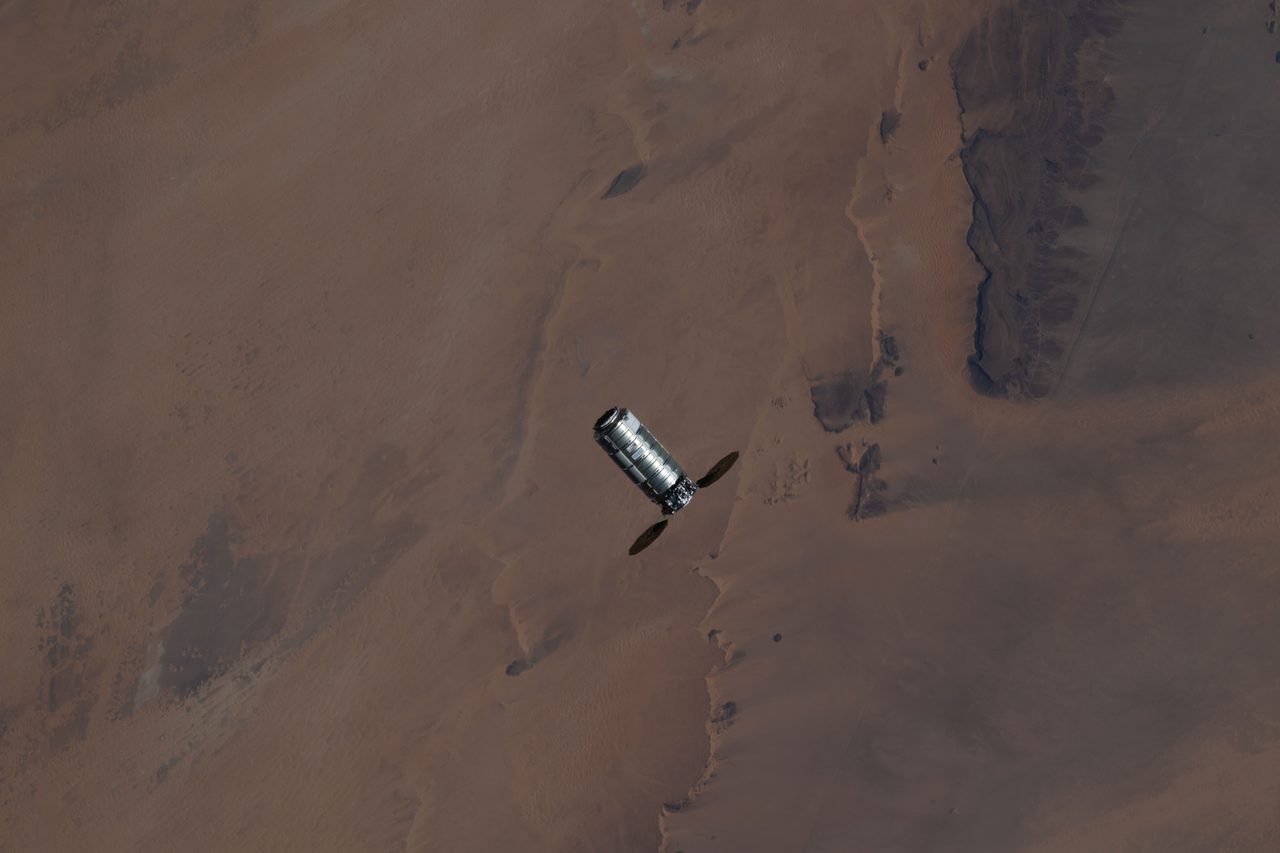
Northrop books a sixth Falcon 9 for Cygnus while Antares 330 waits. Progress MS-36 and a classified US Space Force mission feature in Tuesday’s launch plans.
| Active satellites | 16,722 |
| Starlink active | 9,715 |
| Catalogued objects | 32,133 |
| Active close approaches | 22 |
| People in space | 10 |
Northrop Grumman has booked a sixth Falcon 9 launch for its Cygnus cargo spacecraft as Antares 330 remains pending, extending its reliance on SpaceX for International Space Station resupply. The booking keeps the station’s logistics programme moving while Northrop waits for its next Antares variant.
The development puts cargo transport at the centre of Tuesday, 24 November’s briefing, with Progress MS-36 also scheduled to depart Baikonur. Cygnus and Progress deliver supplies to the station; their roles can be explored in Orbital Radar’s Spacecraft & Capsules directory.
Cargo operations meet a crowded launch day
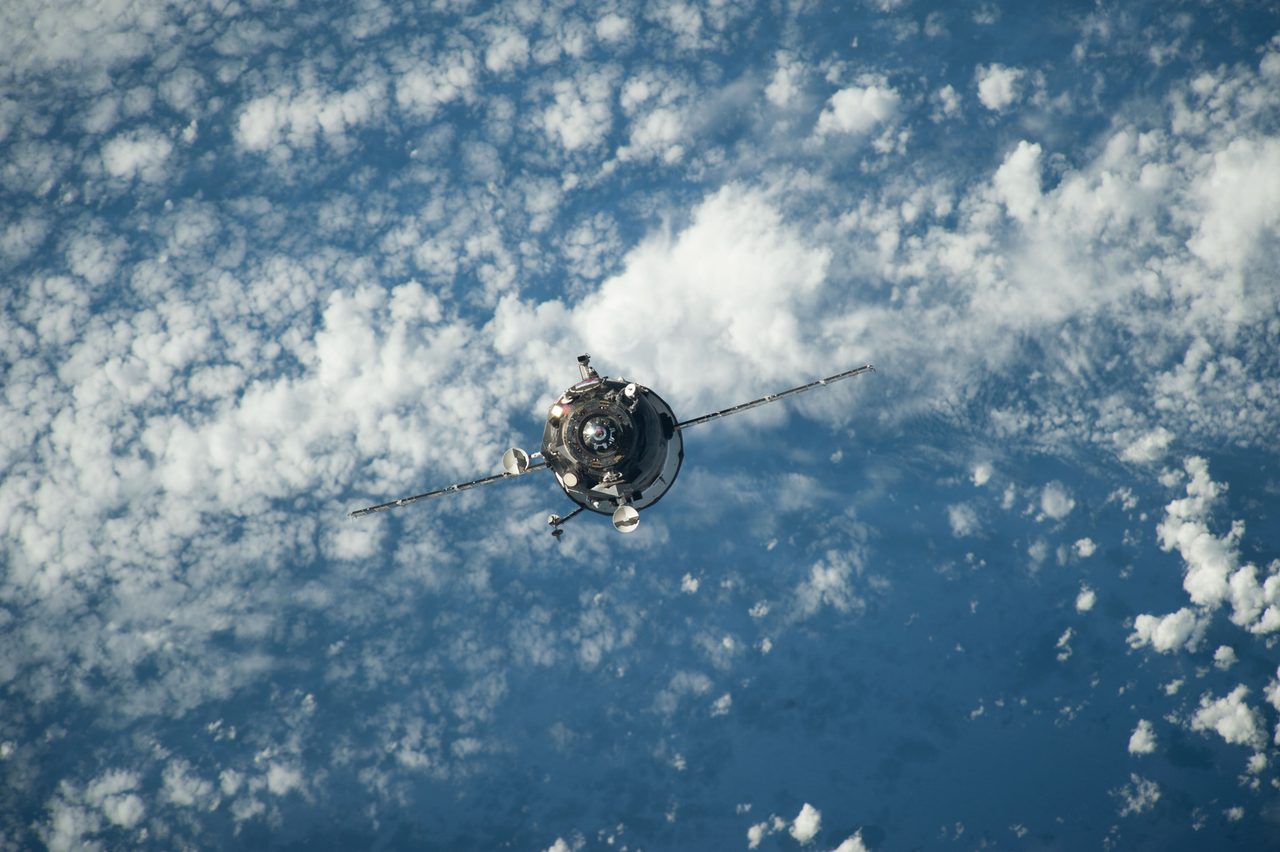
Progress MS-36 is scheduled for 10:17 UTC on 24 November 2026 aboard a Soyuz 2.1b, according to Orbital Radar tracking data. Its status remains to be confirmed, so the listed time should not be read as a confirmed departure.
SpaceX’s classified USSF-266 mission follows on the schedule at 16:08 UTC, with Falcon 9 targeting a polar orbit, a path passing over or near Earth’s poles. It comes after successful Falcon 9 launches of USSF-317 on 21 November and NROL-136 on 22 November, maintaining a busy sequence of national-security missions.
Close approaches need context
Orbital Radar tracking data lists 22 active close approaches on 24 November 2026. Among the named pairs are FALCONSAT-10 and OBJECT AW at approximately 1.32 km, and STARLINK-2697 and STARLINK-32698 at approximately 1.72 km.
PROBA-3 CSC and PROBA-3 OSC appear with a minimum separation of approximately 0.61 km. PROBA-3 is a formation-flying mission, so proximity between its spacecraft should not automatically be interpreted as an uncontrolled encounter. More generally, separation alone does not establish collision probability: orbital uncertainty and encounter geometry also matter.
Orbital Radar’s space situational awareness toolkit provides context for following such encounters. Space-weather indicators are meanwhile green across low Earth orbit, geostationary orbit and the station environment, with Kp, a measure of global geomagnetic disturbance, at zero.
What to Watch
Arianespace’s Amazon Leo LE-04 mission is scheduled for 10:45 UTC on 24 November 2026 aboard Ariane 64 Block 2, according to Orbital Radar tracking data. Amazon’s broadband constellation has not yet opened consumer service; the company says initial service will begin before the end of 2026.
The launch sits within a wider deployment challenge. Amazon missed its interim milestone of 1,616 working satellites by 30 July 2026, but a conditional regulatory waiver keeps its licence in force. The deadline for all 3,232 first-generation satellites remains 30 July 2029.
Next on the calendar is Shenzhou 24, scheduled for 00:18 UTC on 25 November aboard Long March 2F/G. Rocket Lab’s Electron mission Night Owls Never Sleep follows on 27 November; timings and status changes can be followed through Orbital Radar’s Launch Schedule.
Frequently Asked Questions
Why is Cygnus launching on Falcon 9?
When is Progress MS-36 scheduled to launch?
Cite this article
Pick a style, then copy it or download it for your reference manager.Orbital Radar. (2026, November 24). 24 November: Cygnus books Falcon 9 as Antares 330 waits. Retrieved November 24, 2026, from https://orbitalradar.com/blog/orbital-briefing-2026-11-24
“24 November: Cygnus books Falcon 9 as Antares 330 waits.” Orbital Radar, 24 Nov. 2026, orbitalradar.com/blog/orbital-briefing-2026-11-24. Accessed 24 Nov. 2026.
Orbital Radar (2026) 24 November: Cygnus books Falcon 9 as Antares 330 waits. Available at: https://orbitalradar.com/blog/orbital-briefing-2026-11-24 (Accessed: 24 November 2026).
Orbital Radar. “24 November: Cygnus books Falcon 9 as Antares 330 waits.” Last modified November 24, 2026. https://orbitalradar.com/blog/orbital-briefing-2026-11-24.
@misc{orbitalradar_blog_orbital_briefing_2026_11_24,
  author       = {{Orbital Radar}},
  title        = {24 November: Cygnus books Falcon 9 as Antares 330 waits},
  year         = {2026},
  month        = nov,
  howpublished = {\url{https://orbitalradar.com/blog/orbital-briefing-2026-11-24}},
  url          = {https://orbitalradar.com/blog/orbital-briefing-2026-11-24},
  urldate      = {2026-11-24},
  note         = {Accessed 2026-11-24}
}
TY - ELEC AU - Orbital Radar, TI - 24 November: Cygnus books Falcon 9 as Antares 330 waits PY - 2026 DA - 2026/11/24 PB - Orbital Radar UR - https://orbitalradar.com/blog/orbital-briefing-2026-11-24 Y2 - 2026/11/24 LA - en ER -
Live figures change, so keep the date you accessed the page. How to cite Orbital Radar