Space News Mission Log — Satellite Launches, Orbital Events & Analysis
Daily space news, satellite launch reports, orbital debris analysis and weekly roundups — grounded in live tracking data from our network monitoring 55 published reports.
Tracking Deep Space: Voyager, JWST and Humanity's Most Distant Craft
The Deep Space tool tracks humanity's most distant probes, including Voyager and JWST. Learn how it works and explore its data.
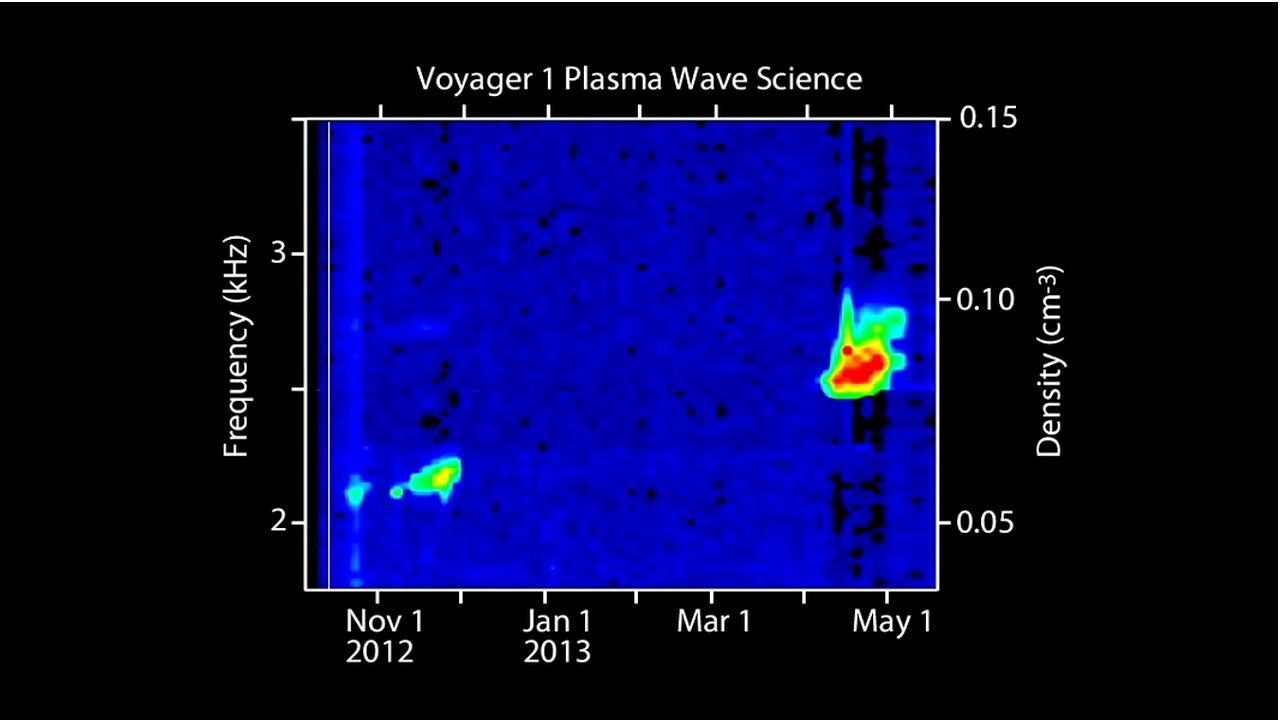
Tracking Voyager 1 and 2: Humanity's Most Distant Machines
Voyager 1 and 2 are the farthest human-made objects, now in interstellar space. Learn how they are tracked and their current locations.
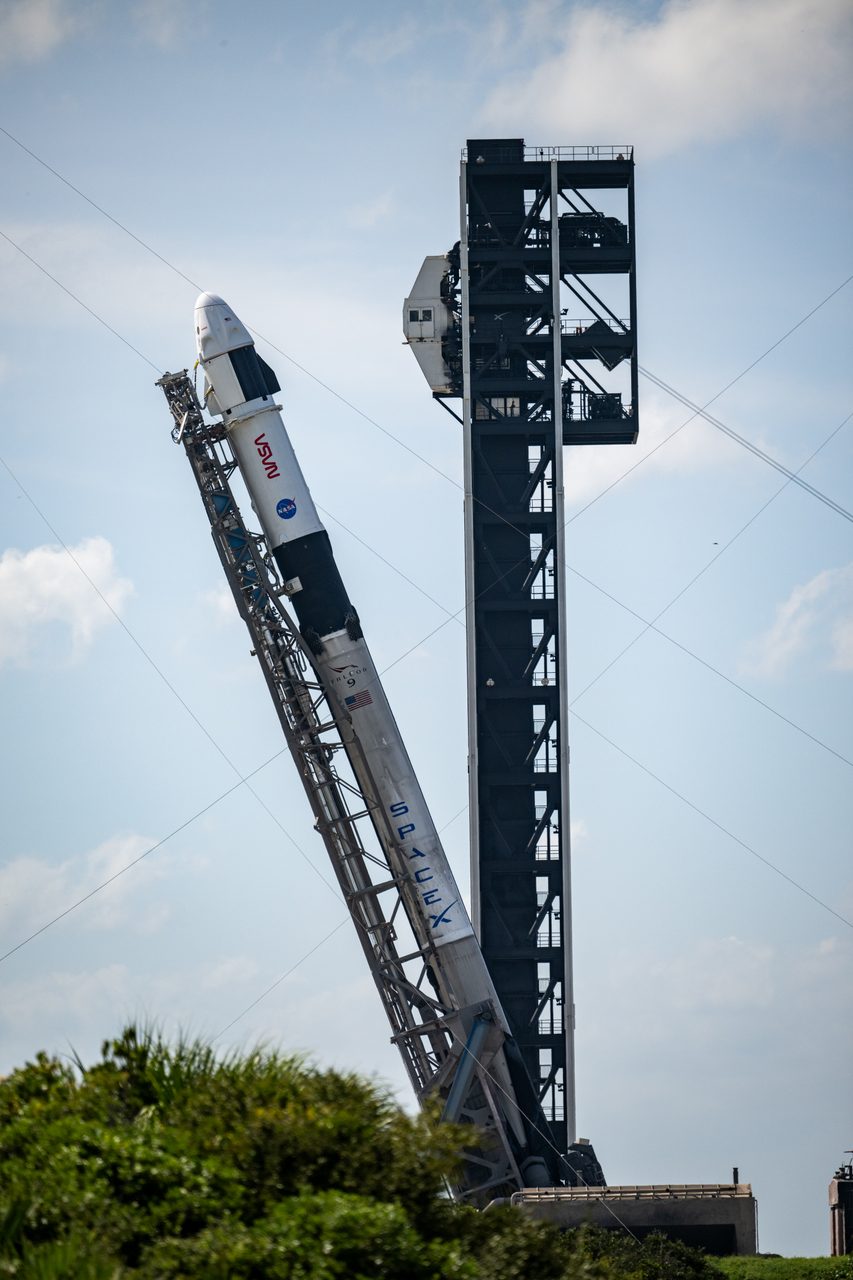
SpaceX Launches 27 Starlink Satellites Amidst Close Orbital Encounters
SpaceX launches 27 Starlink satellites from Vandenberg. Close orbital encounters and NASA's new Deep Space Network dish also feature.
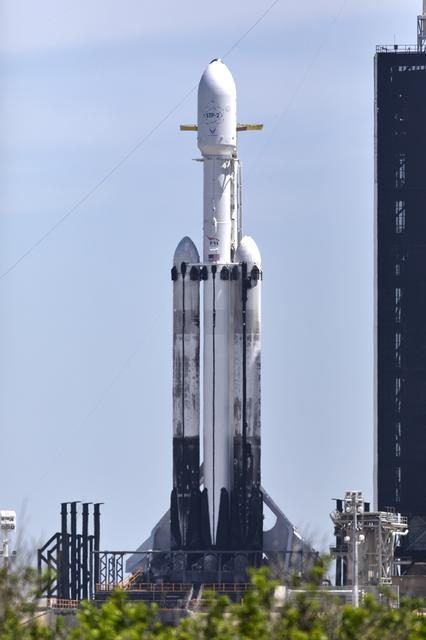
Where Is the Tesla Roadster Now? Tracking Its Journey Through Space
The Tesla Roadster, launched by SpaceX in 2018, continues its journey through space. Track its current location and trajectory.
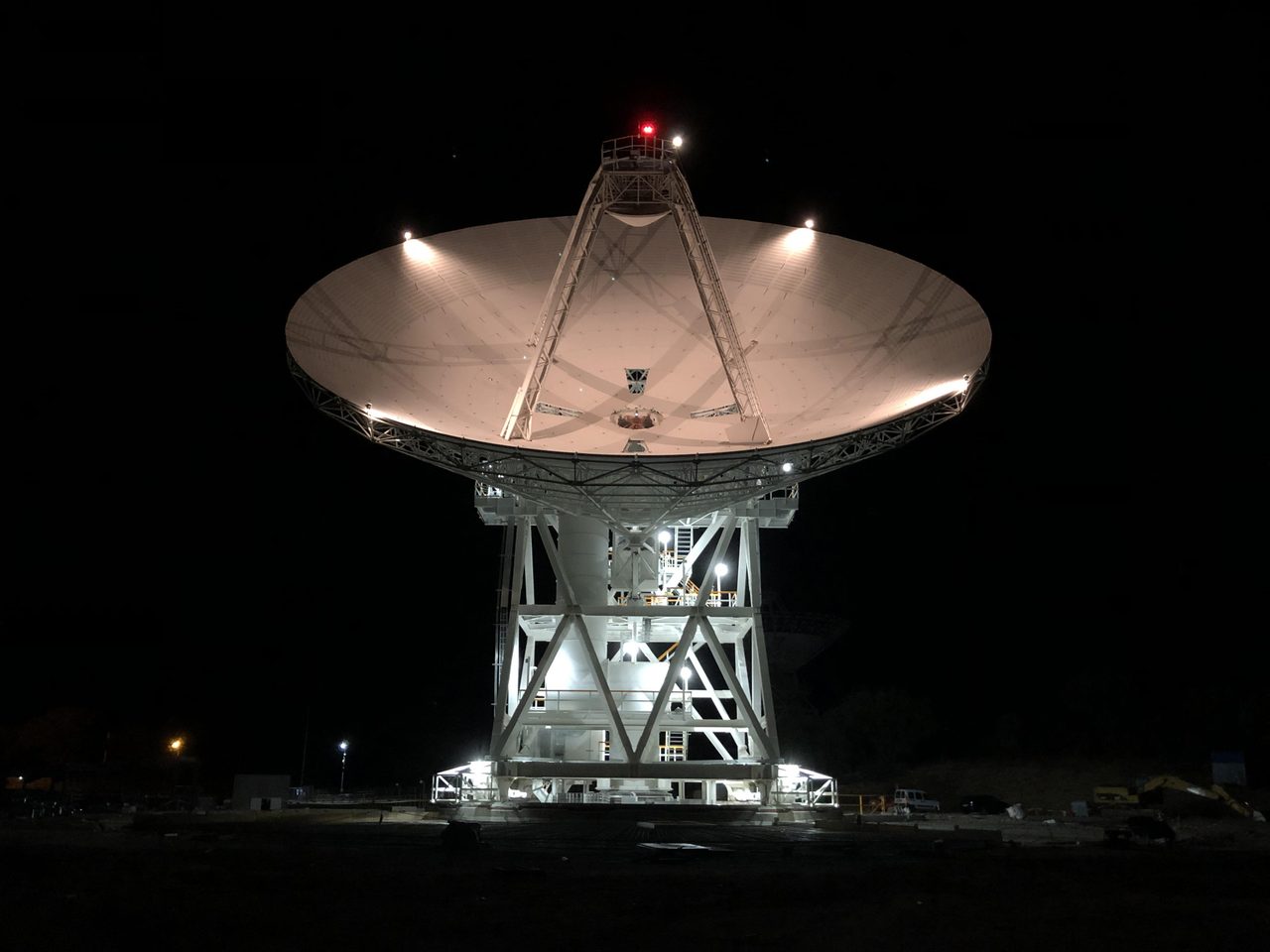
Tracking the Tesla Roadster in Deep Space
Learn how the Tesla Roadster is tracked in deep space using Orbital Radar's advanced tools, and explore the science behind its journey.
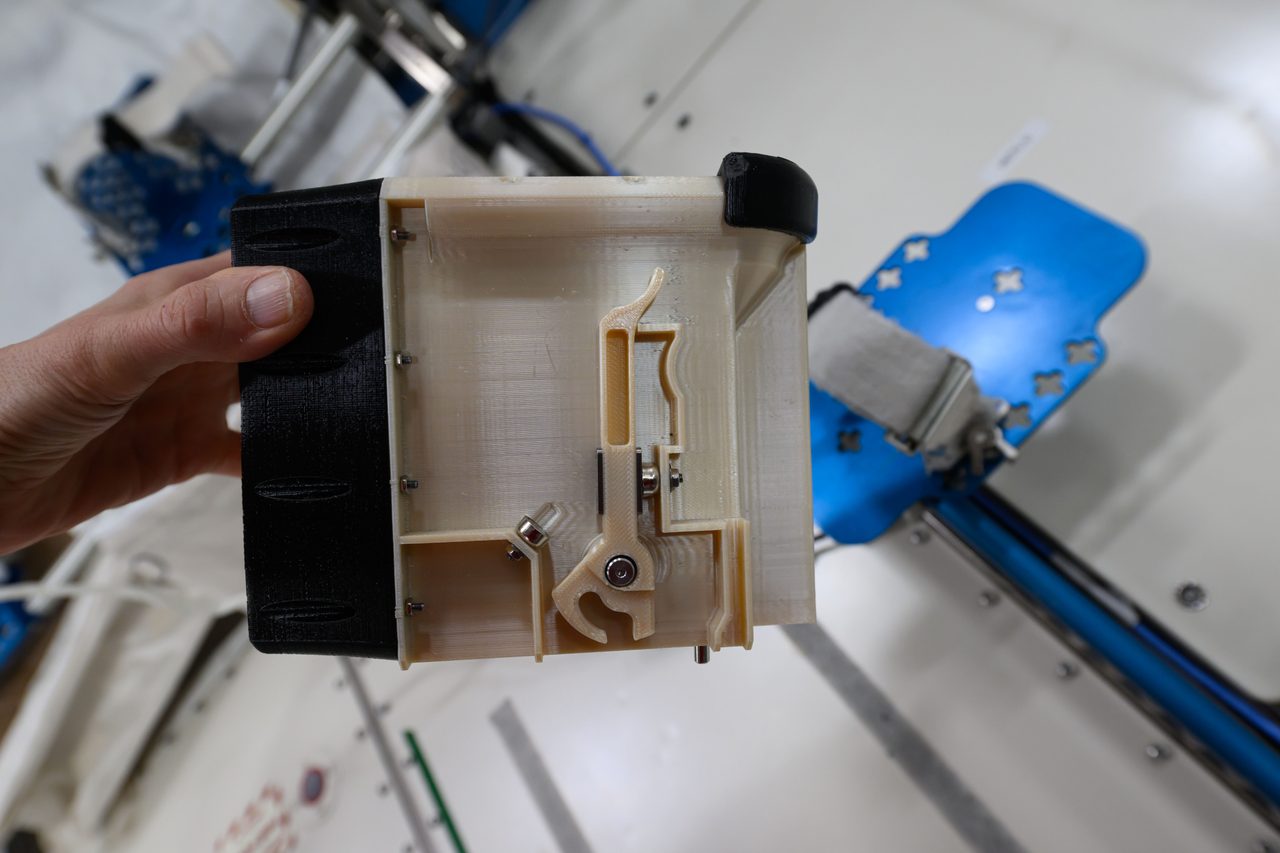
AstroForge Completes DeepSpace-2 Amidst Satellite Close Calls
AstroForge completes DeepSpace-2 spacecraft as multiple close satellite approaches are monitored.
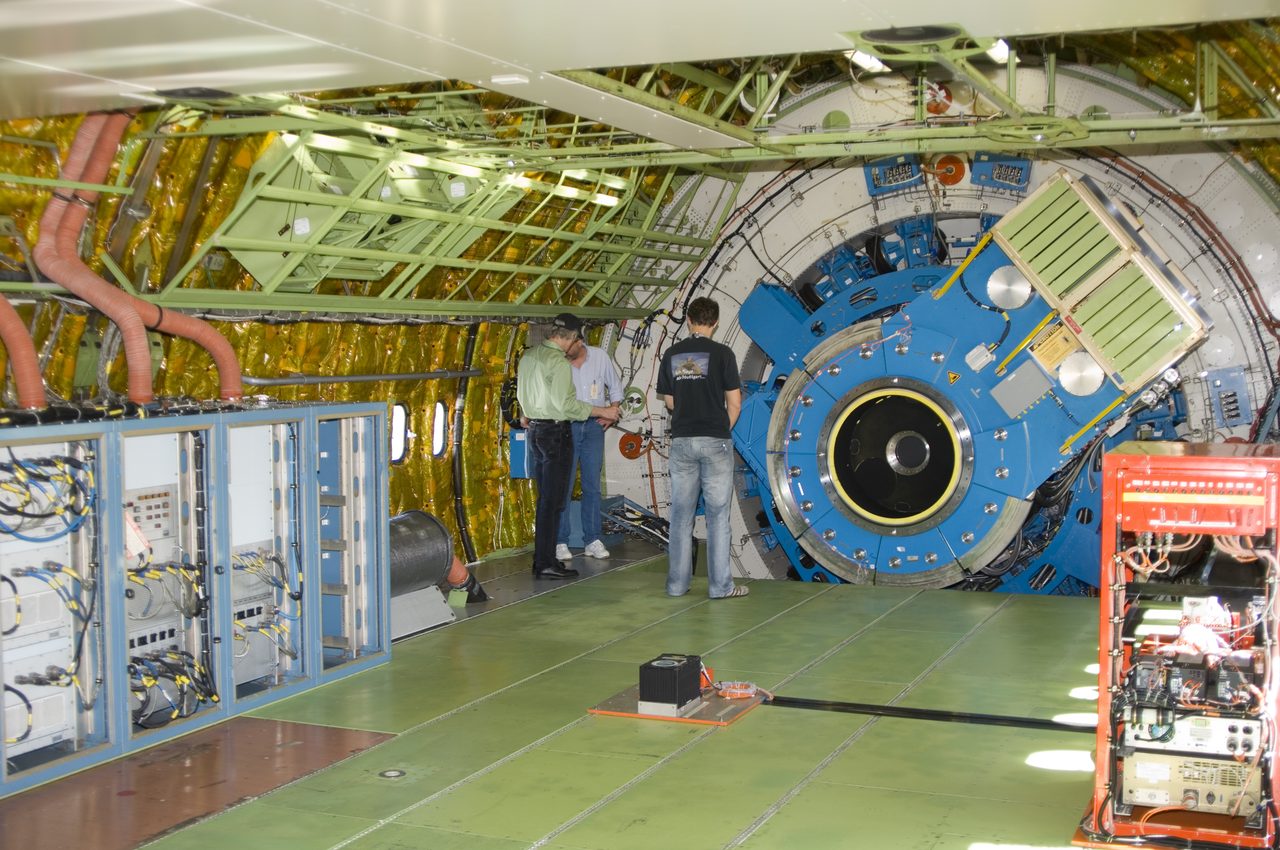
James Webb Space Telescope: Current Location and Orbit
The James Webb Space Telescope is positioned at the second Lagrange point (L2), approximately 1.5 million kilometres from Earth, providing a stable environment for deep space observations.
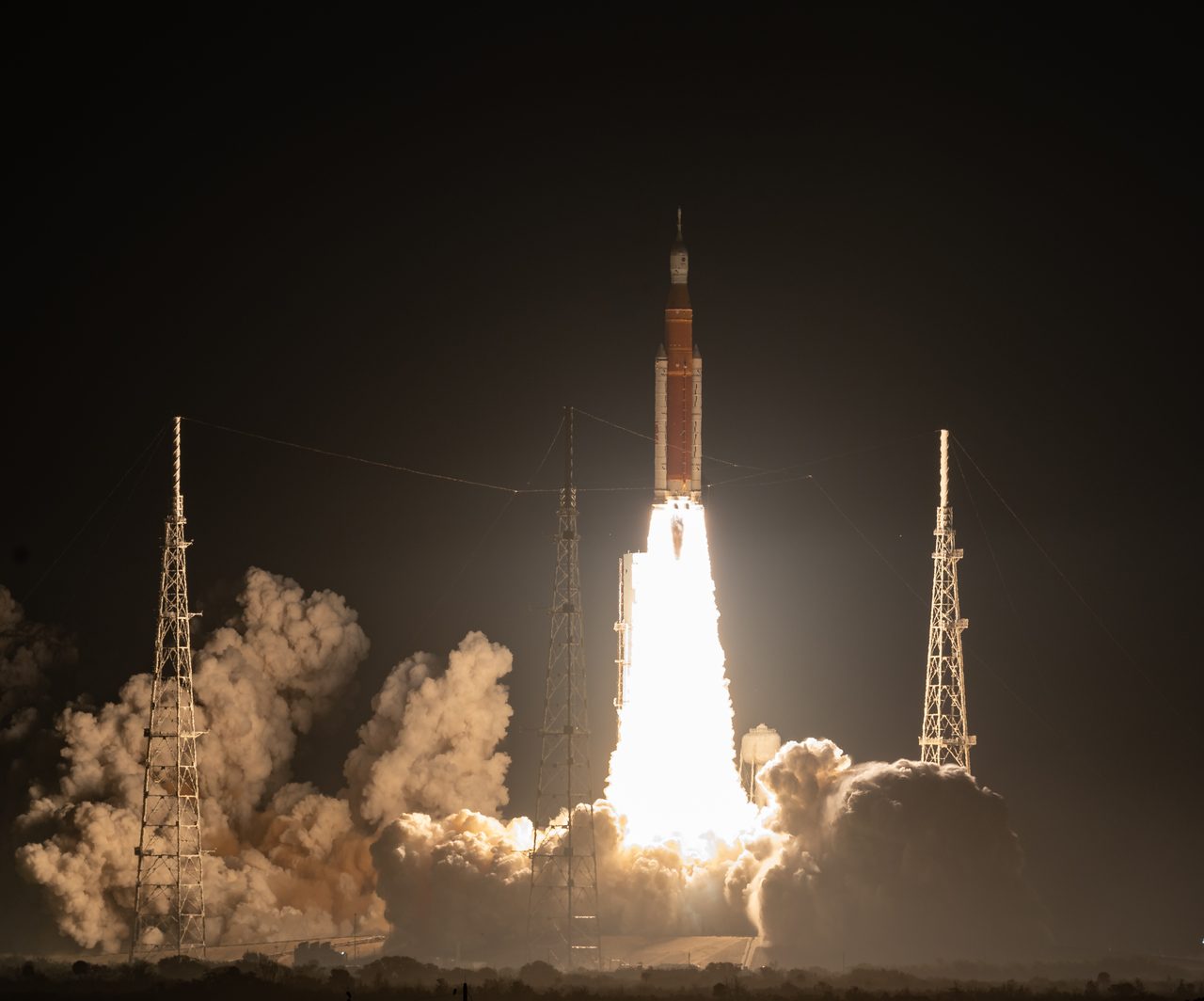
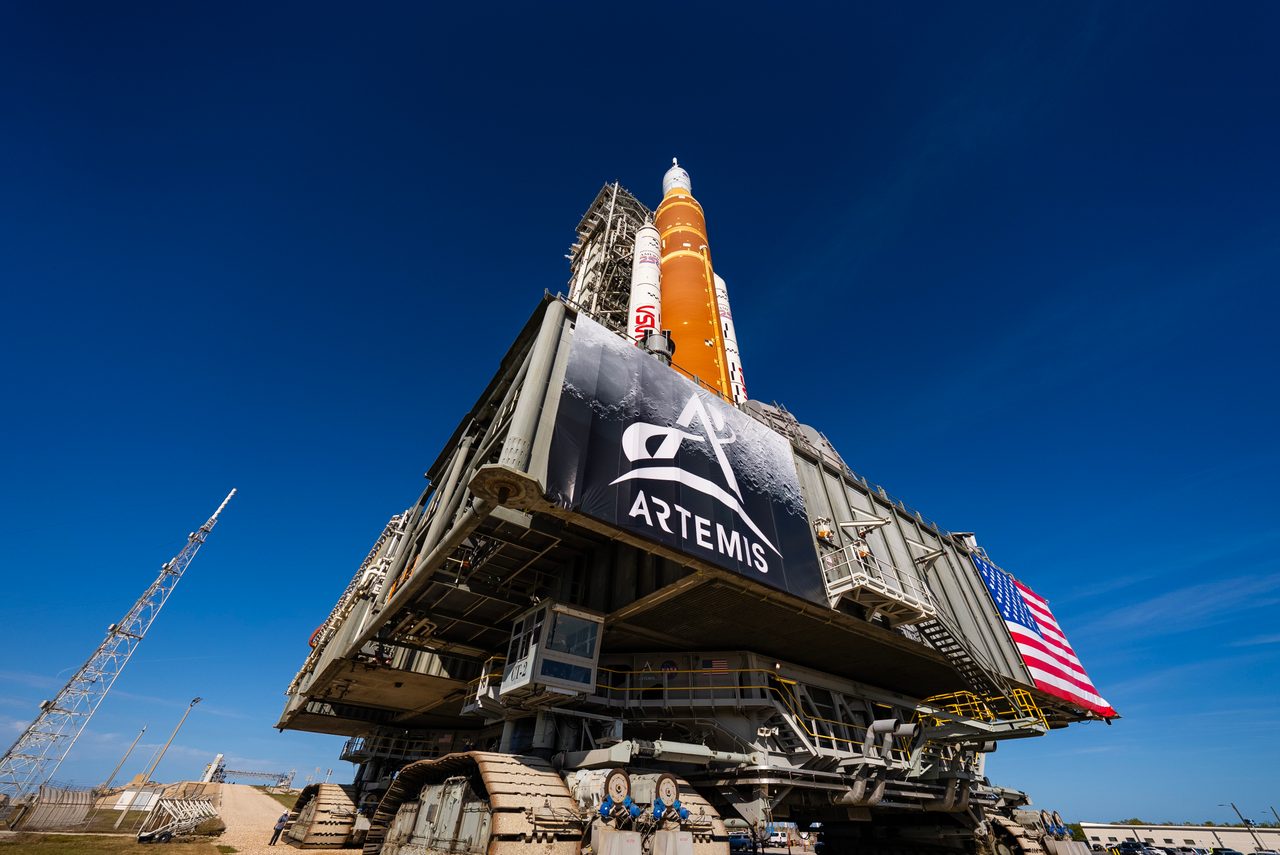
The Artemis Program: NASA's Ambitious Return to the Moon
NASA's Artemis program aims to return humans to the Moon by 2024, establishing a sustainable presence for future exploration.
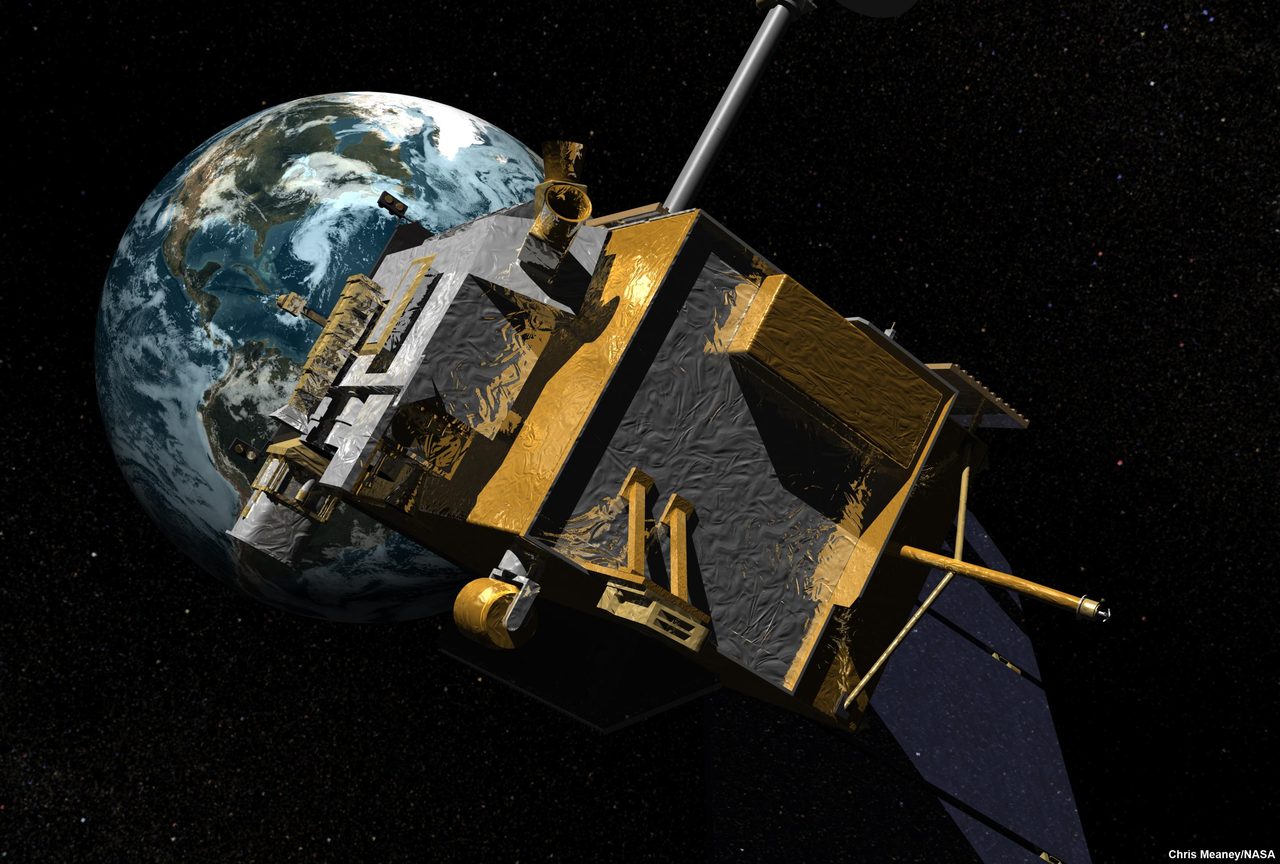
Lunar Orbiters Active Today: A Complete Explainer
Lunar orbiters are satellites that orbit the Moon, providing crucial data for scientific research and future lunar missions. Discover the active orbiters today.
Comprehensive Guide to Every Active Launch Vehicle
Explore the full range of active launch vehicles, their capabilities, and their roles in deploying satellites and other payloads into orbit.
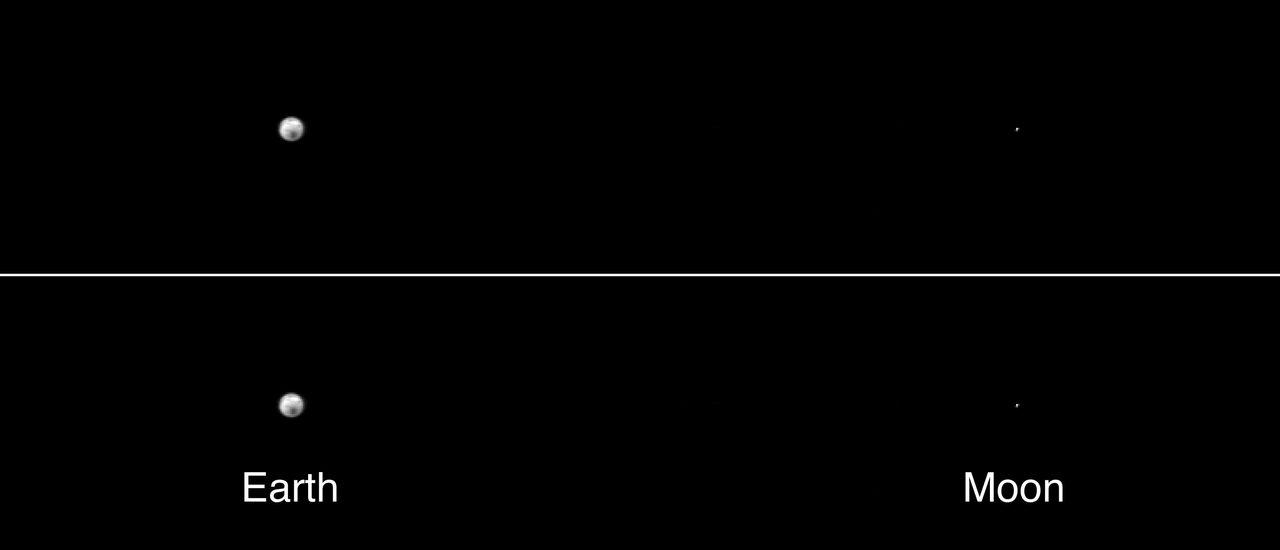
Cislunar Space Situational Awareness: Beyond GEO
Tracking spacecraft near the Moon takes more than extending an Earth-orbit catalogue. Faint targets, shifting trajectories and patchy coverage demand a different approach.
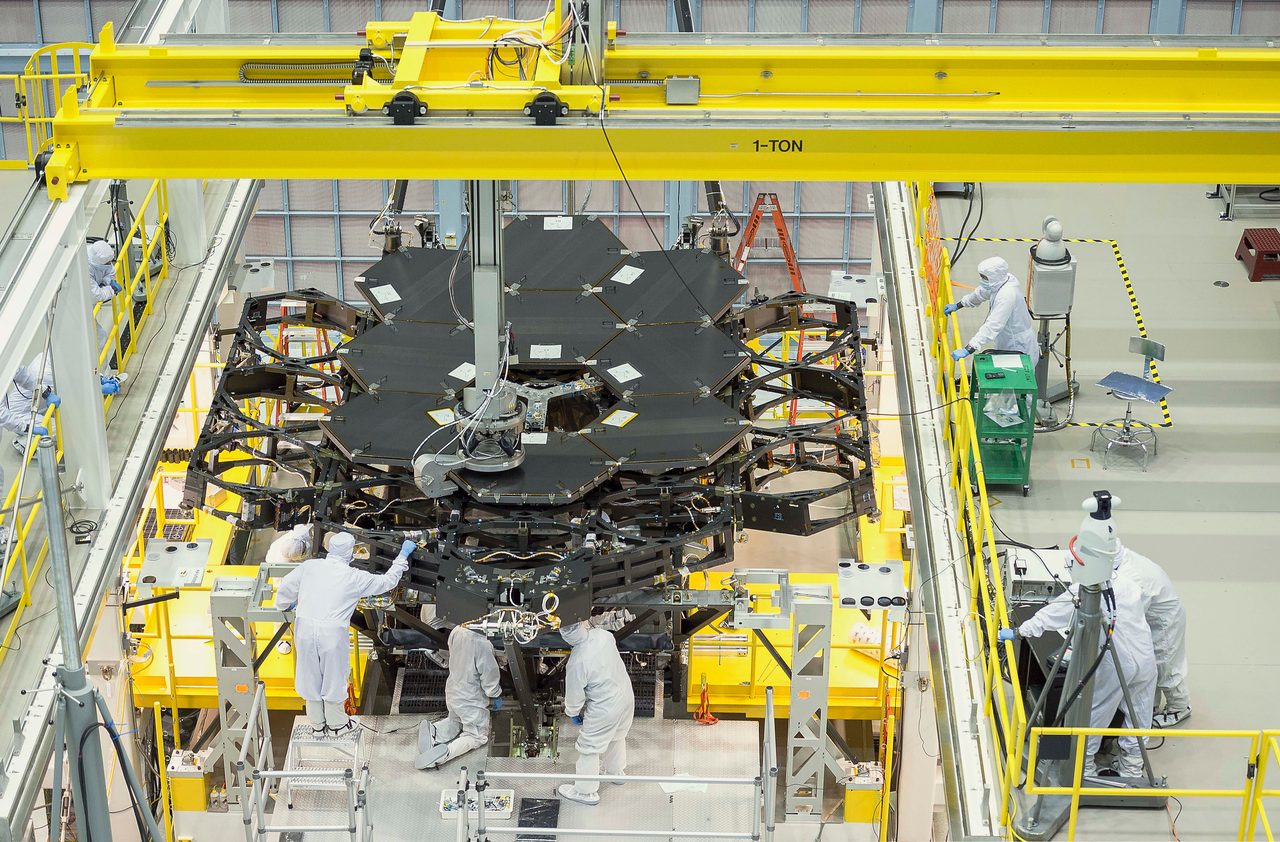
James Webb Space Telescope: why it orbits L2
The James Webb Space Telescope circles the Sun–Earth L2 region, roughly 1.5 million kilometres from Earth, where a carefully chosen orbit supports its infrared view of the Universe.