Space News Mission Log — Satellite Launches, Orbital Events & Analysis
Daily space news, satellite launch reports, orbital debris analysis and weekly roundups — grounded in live tracking data from our network monitoring 430 published reports.
Medium Earth Orbit: Understanding Its Role in Satellite Operations
Medium Earth Orbit (MEO) is a region of space where satellites orbit at altitudes between 2,000 and 35,786 km, crucial for navigation and communications.
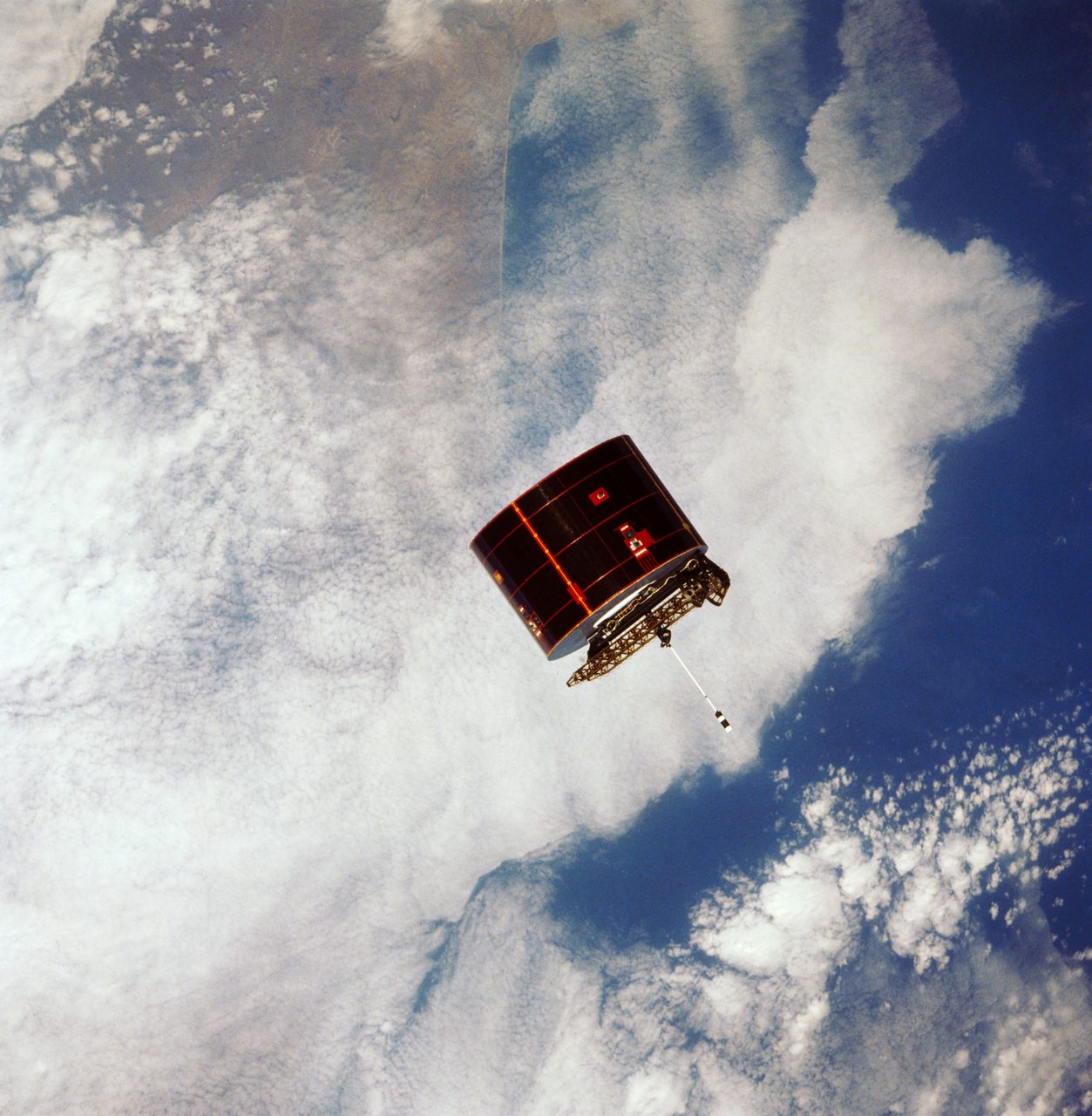
Tiangong: China's permanent outpost in Earth orbit
Built around three large modules, Tiangong gives China a permanent laboratory in low Earth orbit and a platform for long-duration human spaceflight.
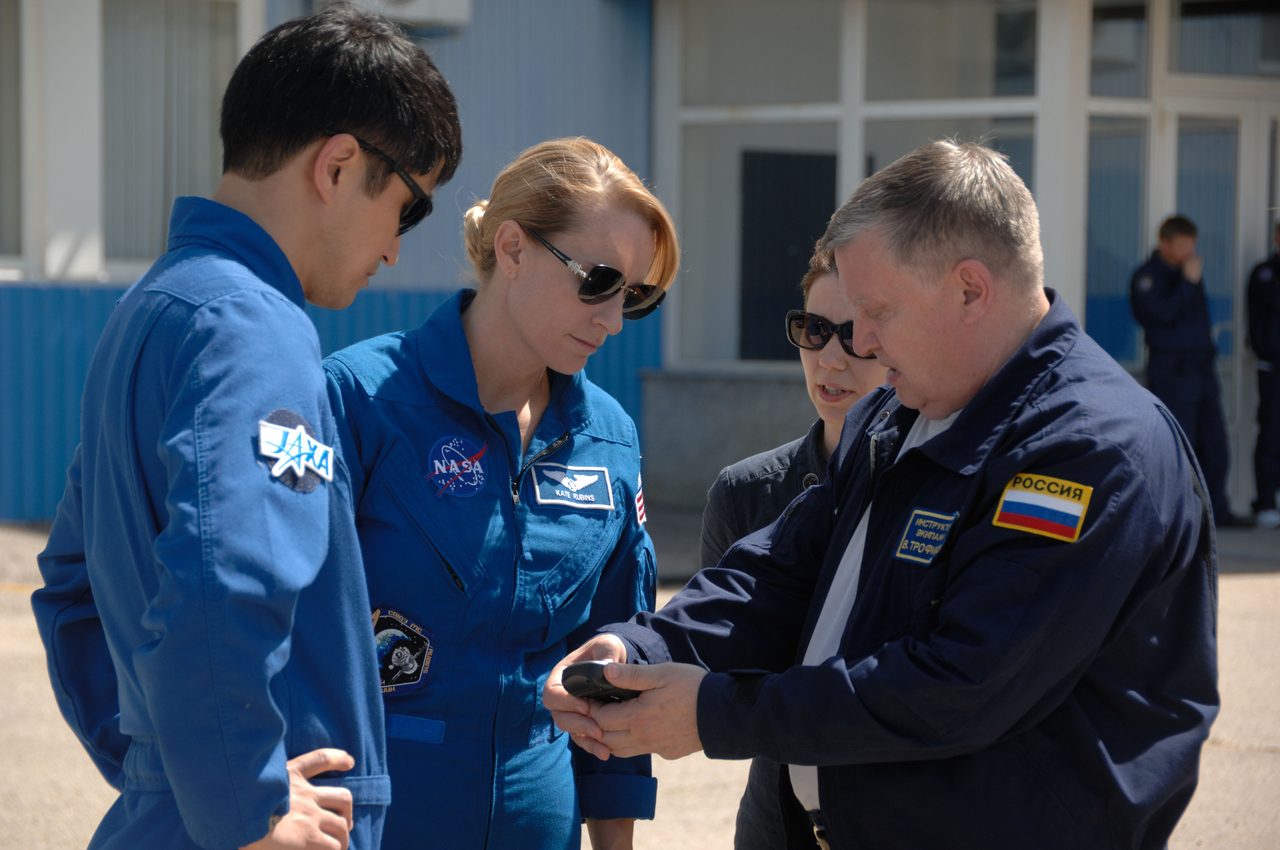
Oldest Satellite Still in Orbit: Vanguard 1 and the Top Ten
Vanguard 1 remains the oldest satellite orbiting Earth. Its surviving companions include rocket hardware and early scientific satellites whose orbits explain their longevity.
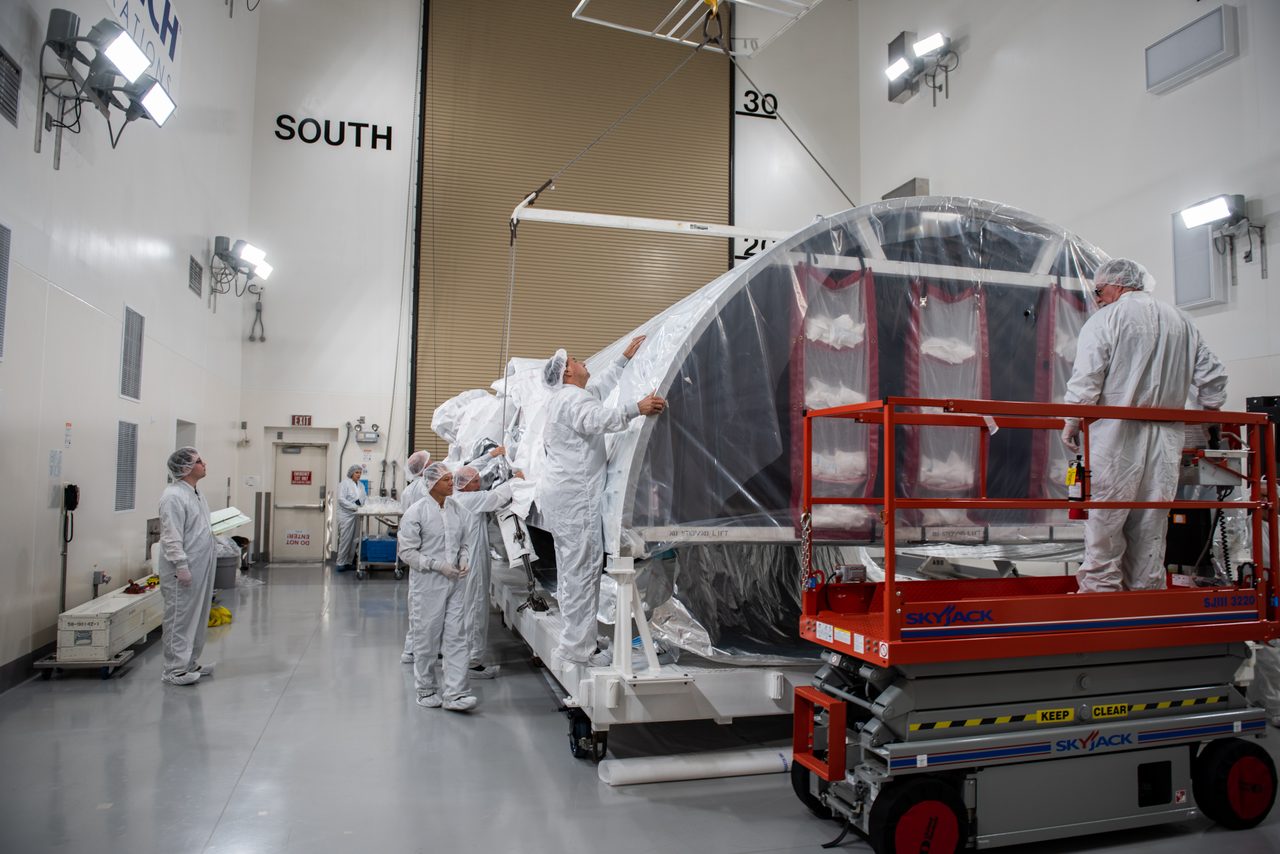
Understanding Polar Orbits: Key Facts and Uses
Polar orbits pass over the Earth's poles, allowing satellites to scan the entire surface. They are crucial for Earth observation missions.
Understanding Rocket Body Debris in Earth's Orbit
Rocket body debris refers to the remnants of launch vehicles left in orbit, contributing significantly to space debris and posing collision risks.
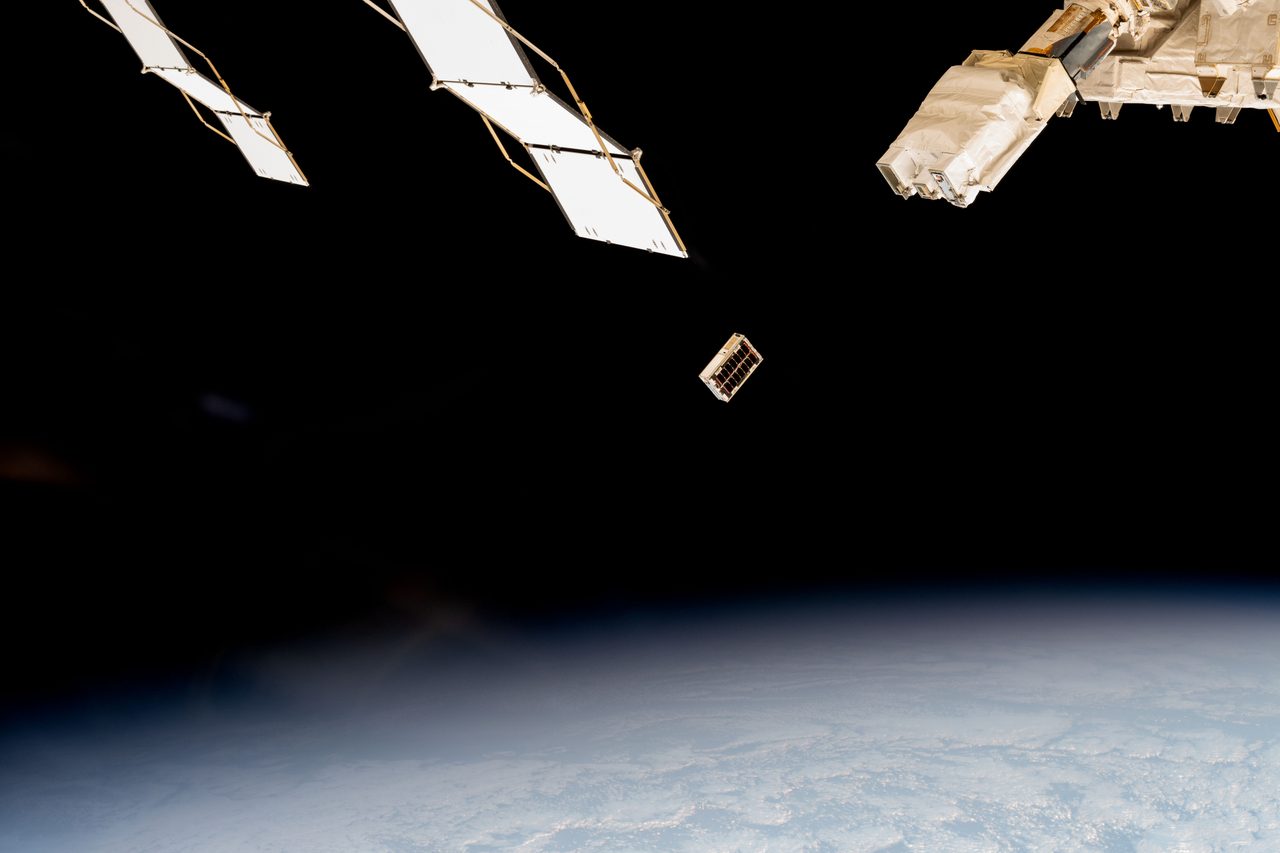
Understanding Orbital Decay: Why Satellites Fall to Earth
Orbital decay is the gradual reduction of a satellite's orbit due to atmospheric drag and gravitational forces, leading to eventual reentry.
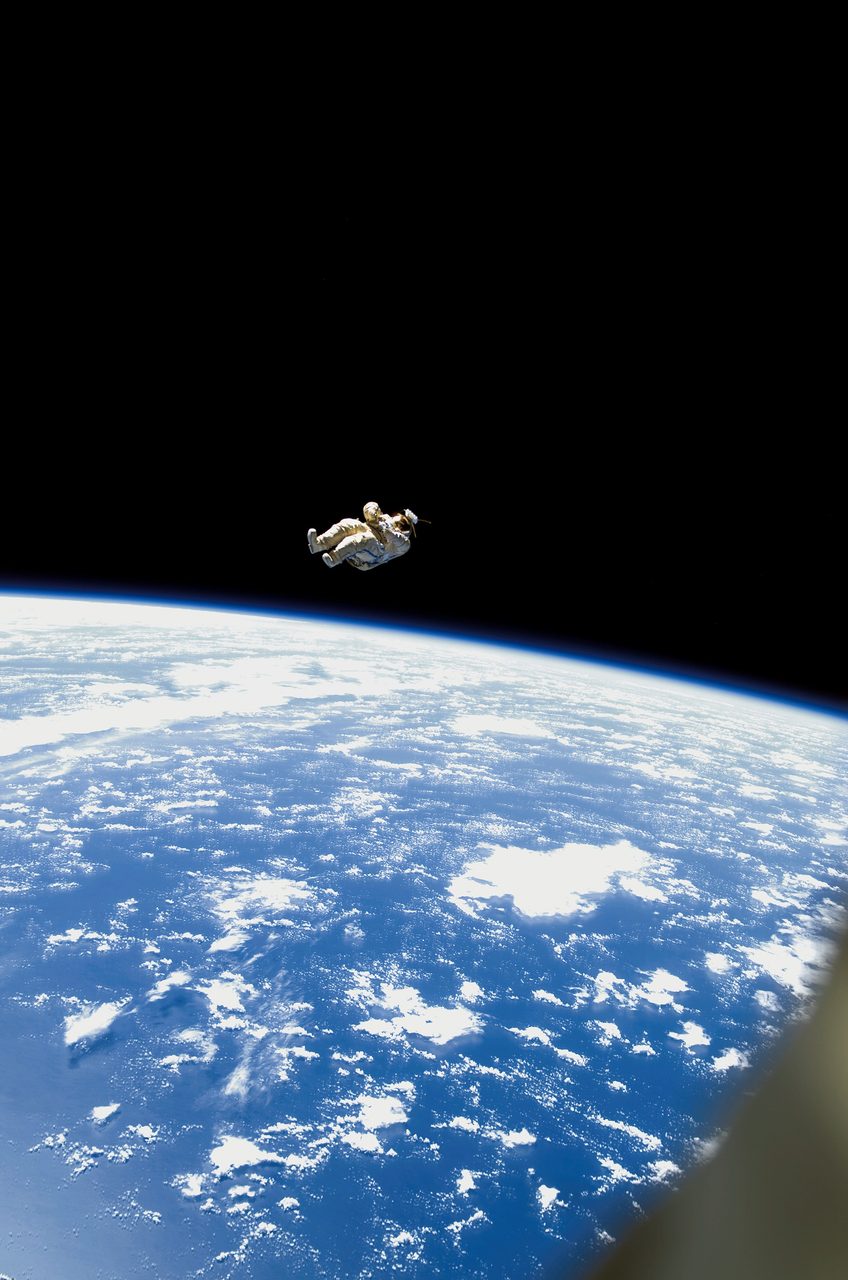
How Many Starlink Satellites Fall Each Day?
1.5 Starlink satellites re-enter Earth's atmosphere each day, according to Orbital Radar data. Explore the reasons behind these controlled re-entries.
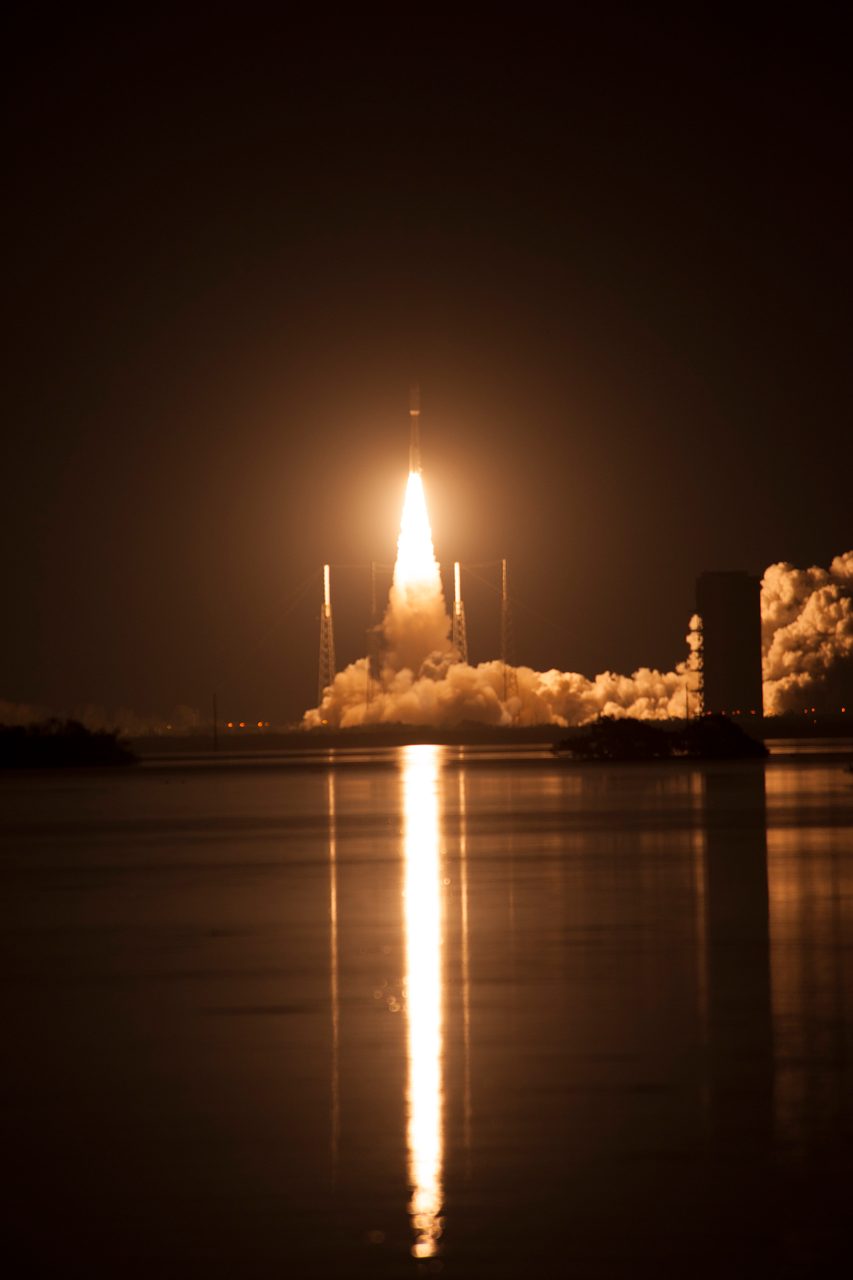
Understanding Geostationary Orbital Slots and Their Importance
Geostationary orbital slots are specific positions in Earth's orbit where satellites remain fixed relative to a point on the equator, crucial for communications.
Delta-V Explained: The Currency of Spaceflight
Delta-v is the change in velocity needed for space manoeuvres, crucial in mission planning and satellite operations.
Space Fence Radar: How the US Tracks Objects in Orbit
The US Space Force’s Space Fence radar detects satellites and debris from Kwajalein Atoll. Here is how those measurements help operators assess collision risks.
What Happens If Two Satellites Collide?
A satellite collision can leave fragments circling Earth long after the spacecraft are destroyed. Their altitude helps determine how long the danger lasts.
How Often Do Satellites Maneuver? What Our Detector Sees
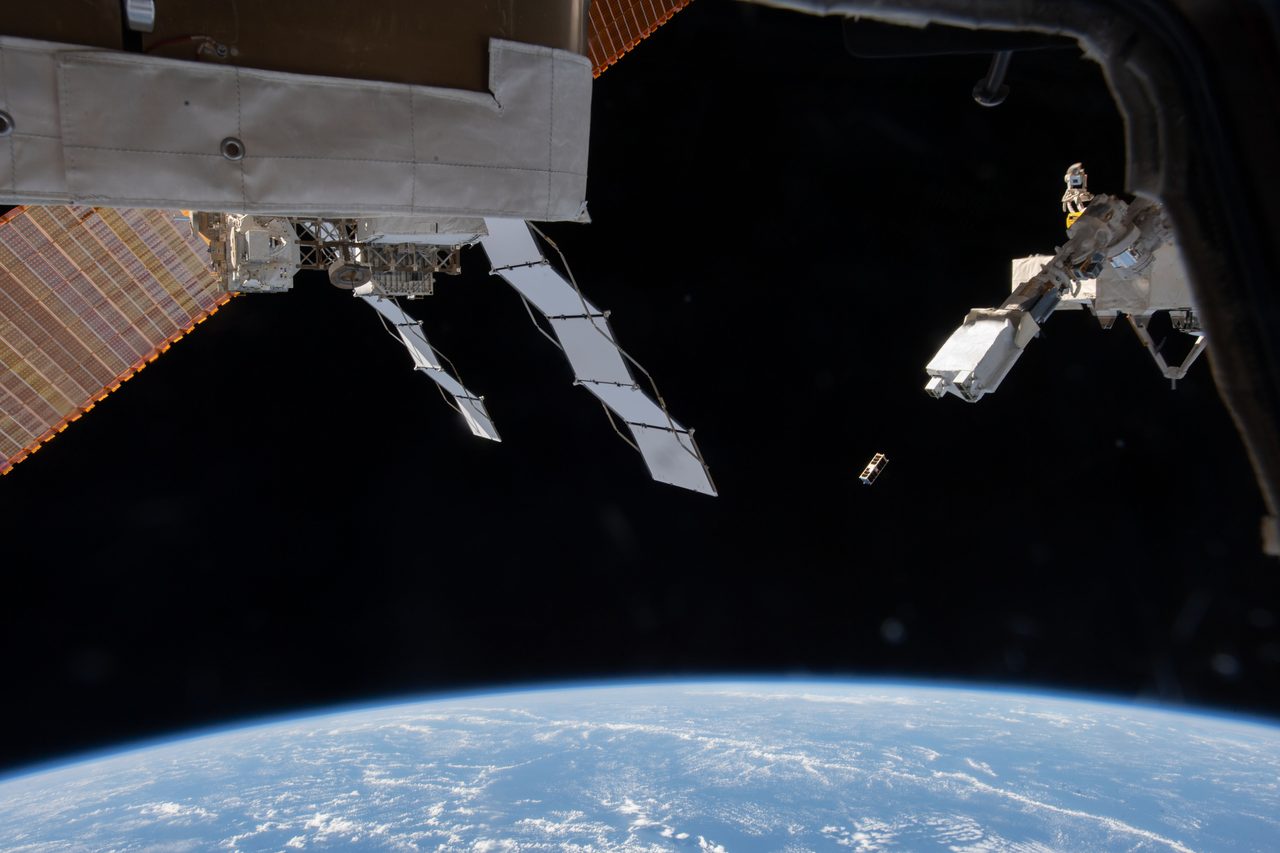
Orbital Radar logged 45,196 orbit-change events over the past month. Explore what those detections reveal about satellite activity—and why they are not a count of thruster firings.