Space News Mission Log — Satellite Launches, Orbital Events & Analysis
Daily space news, satellite launch reports, orbital debris analysis and weekly roundups — grounded in live tracking data from our network monitoring 100 published reports.
How Often Do Satellites Maneuver? What Our Detector Sees
Orbital Radar logged 45,196 orbit-change events over the past month. Explore what those detections reveal about satellite activity—and why they are not a count of thruster firings.
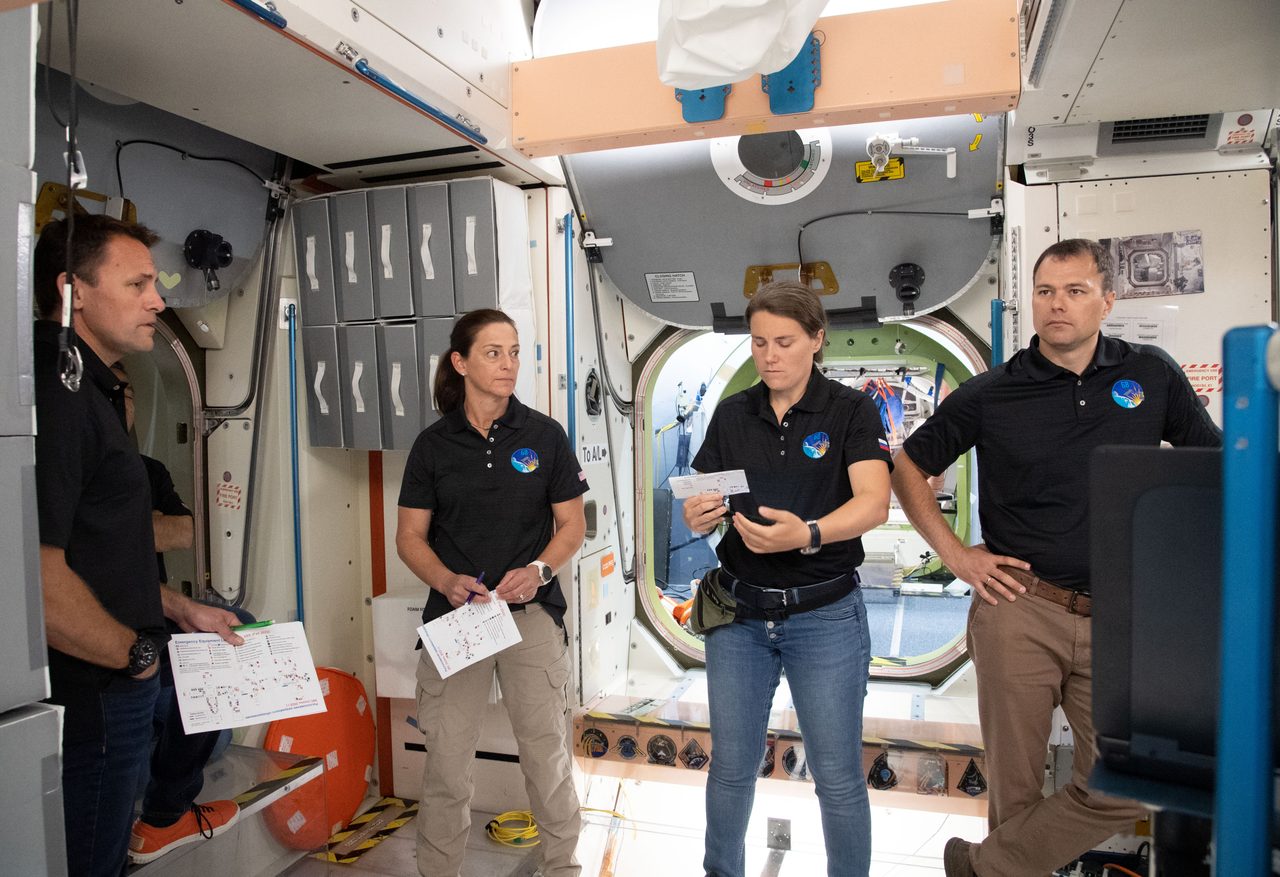
SpaceX Starship Launch Aborted; Starlink Satellites See Orbital Changes
SpaceX's Starship Flight 13 launch was aborted at the last second, while several Starlink satellites experienced significant orbital changes.
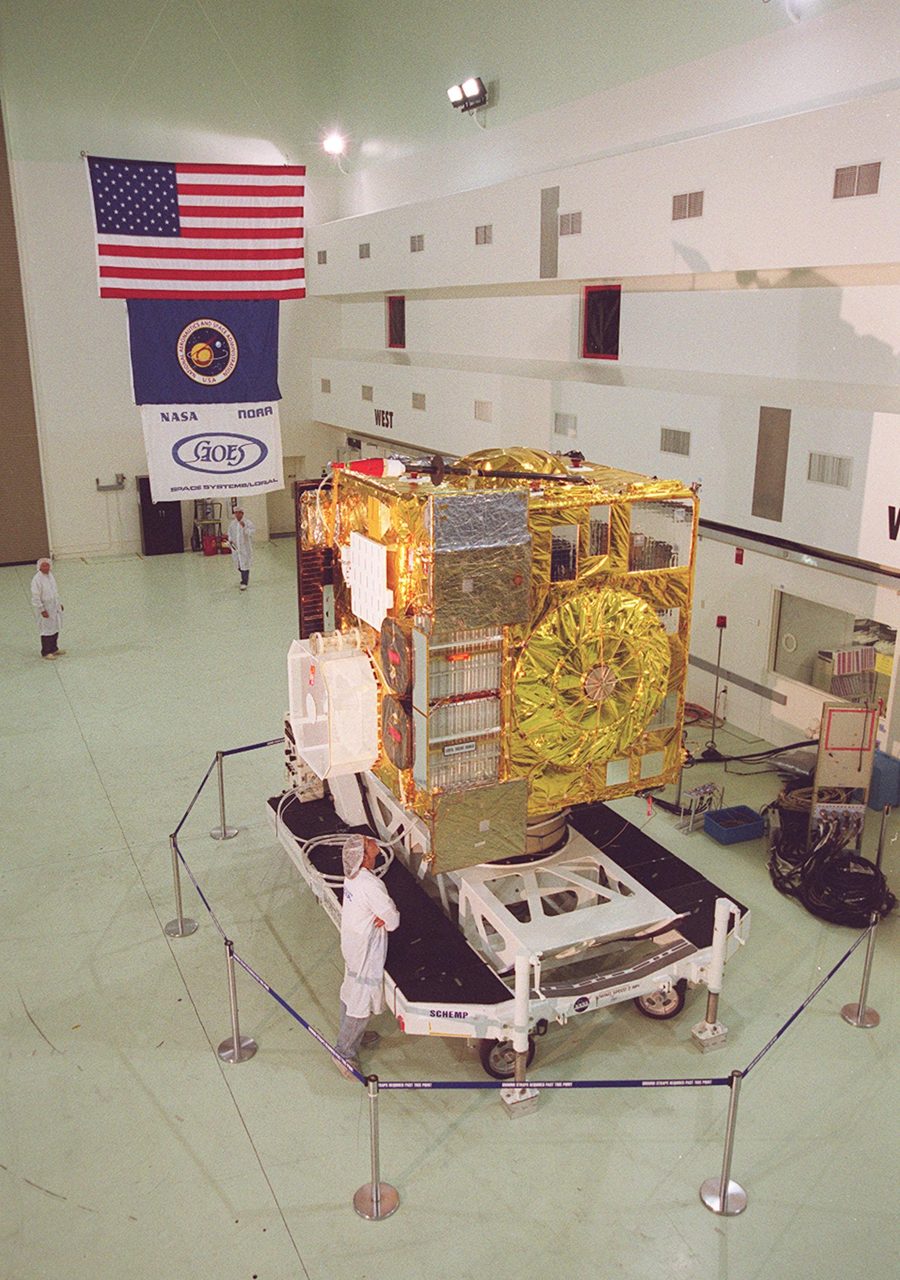
Hohmann Transfer Orbit: How the Two-Burn Route Works
A Hohmann transfer connects circular orbits with two engine burns. Discover how it works, what makes it economical and why it is not always the cheapest route.
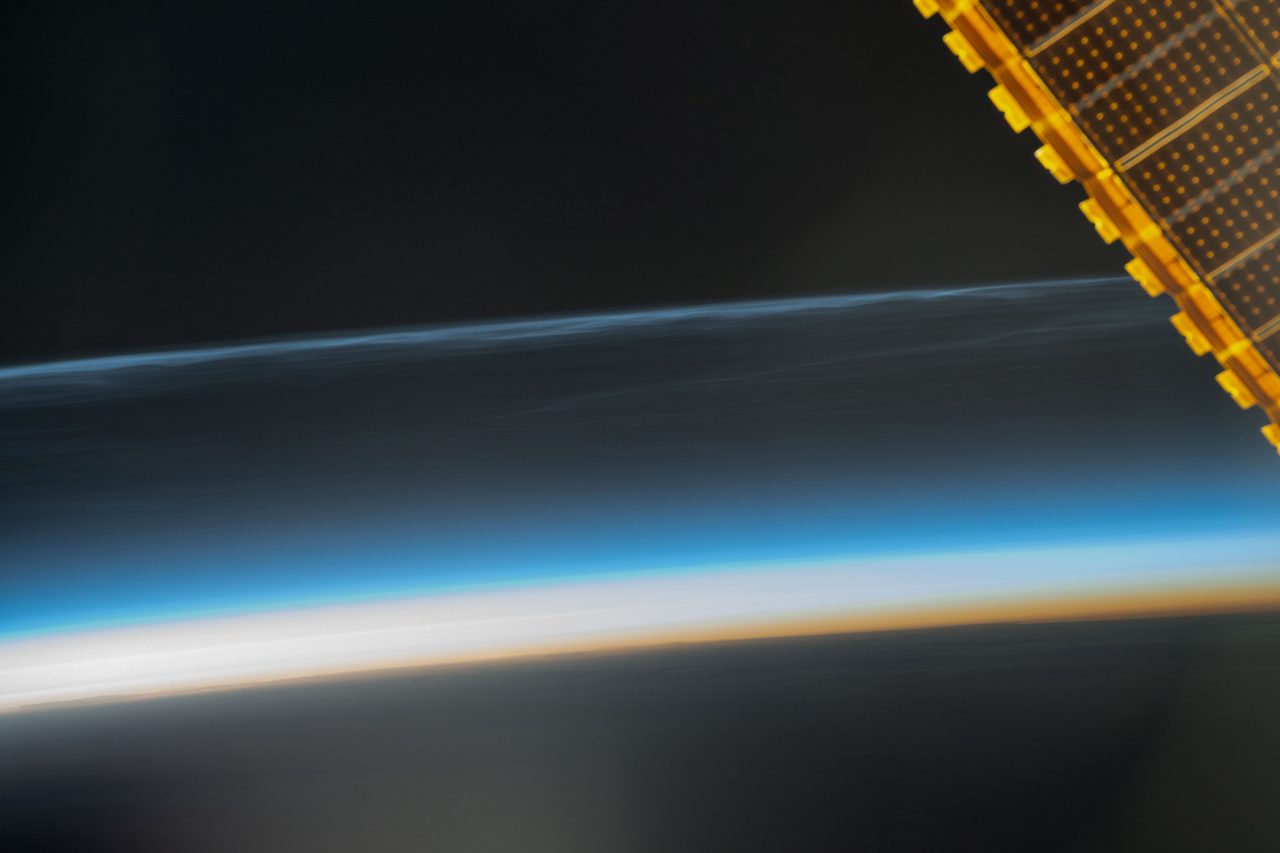
Orbital Period: Meaning, Formula and Satellite Examples
Orbital period measures how long one orbit takes. Discover why higher satellites orbit more slowly, how to calculate a period and why an orbit is not the same as a visible pass.
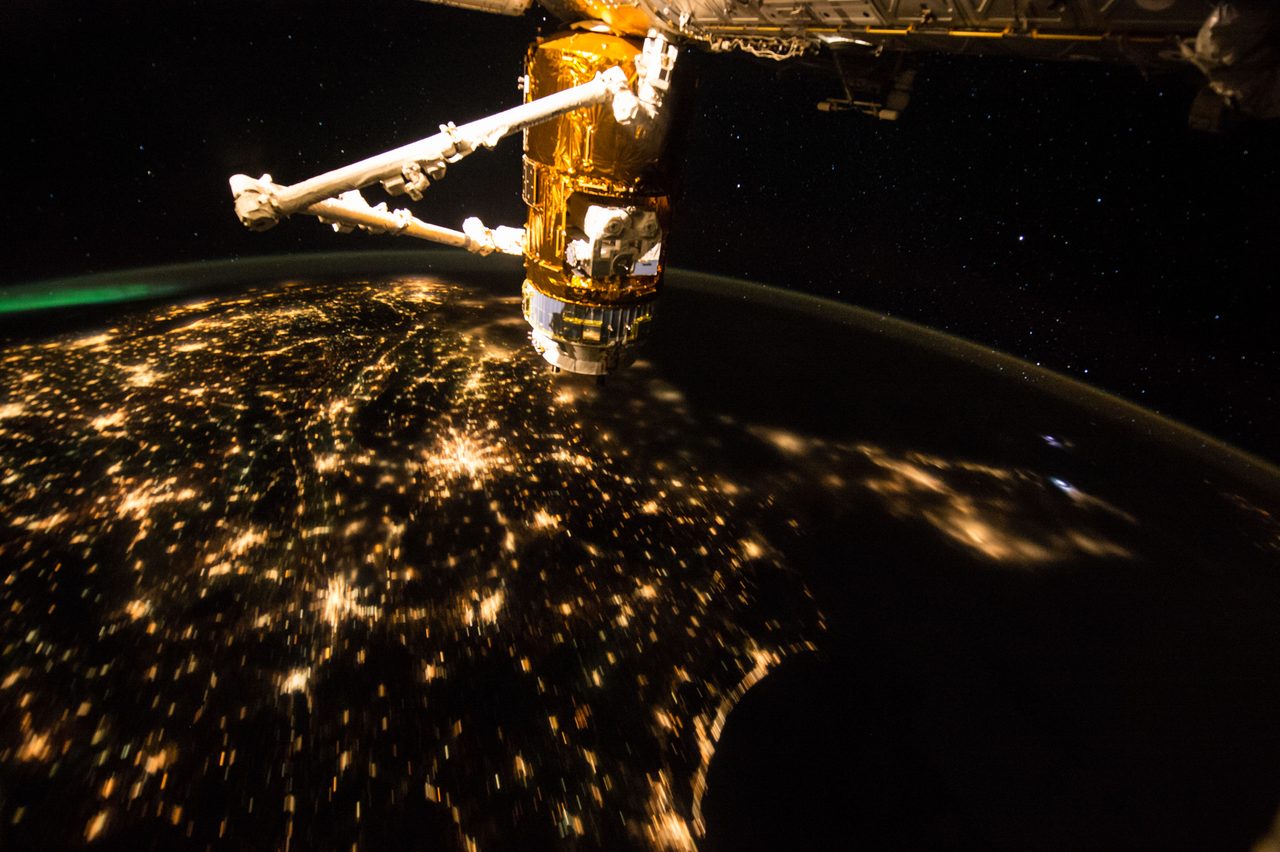
Why Does the ISS Need to Be Reboosted?
Thin air still slows the ISS near 400 km above Earth. Periodic engine burns replace lost orbital energy and keep the station at a useful operating altitude.
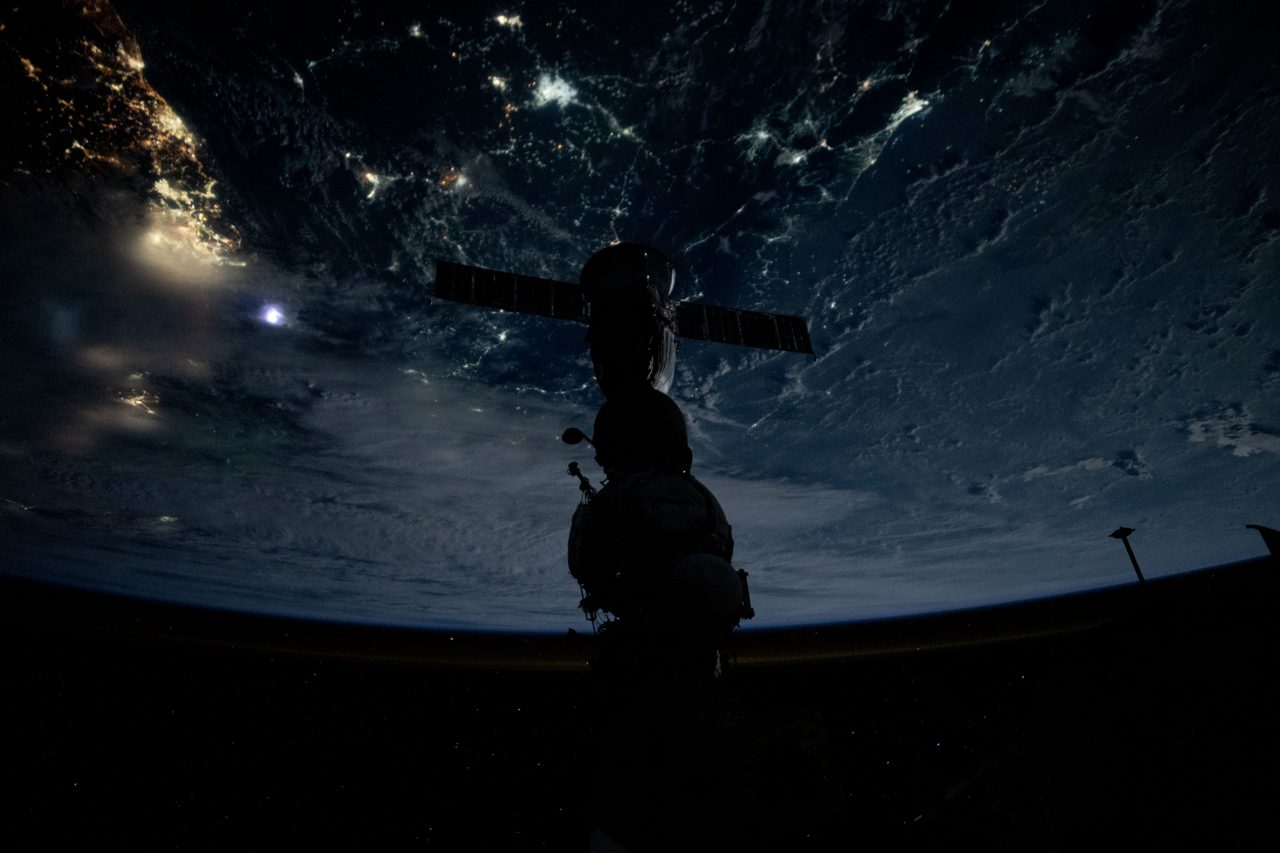
How Long Does It Take to Get to the ISS? Hours to Days
Reaching the ISS can take about three hours or stretch over one or two days. The difference is largely about launch timing, orbital alignment and the spacecraft's rendezvous plan.
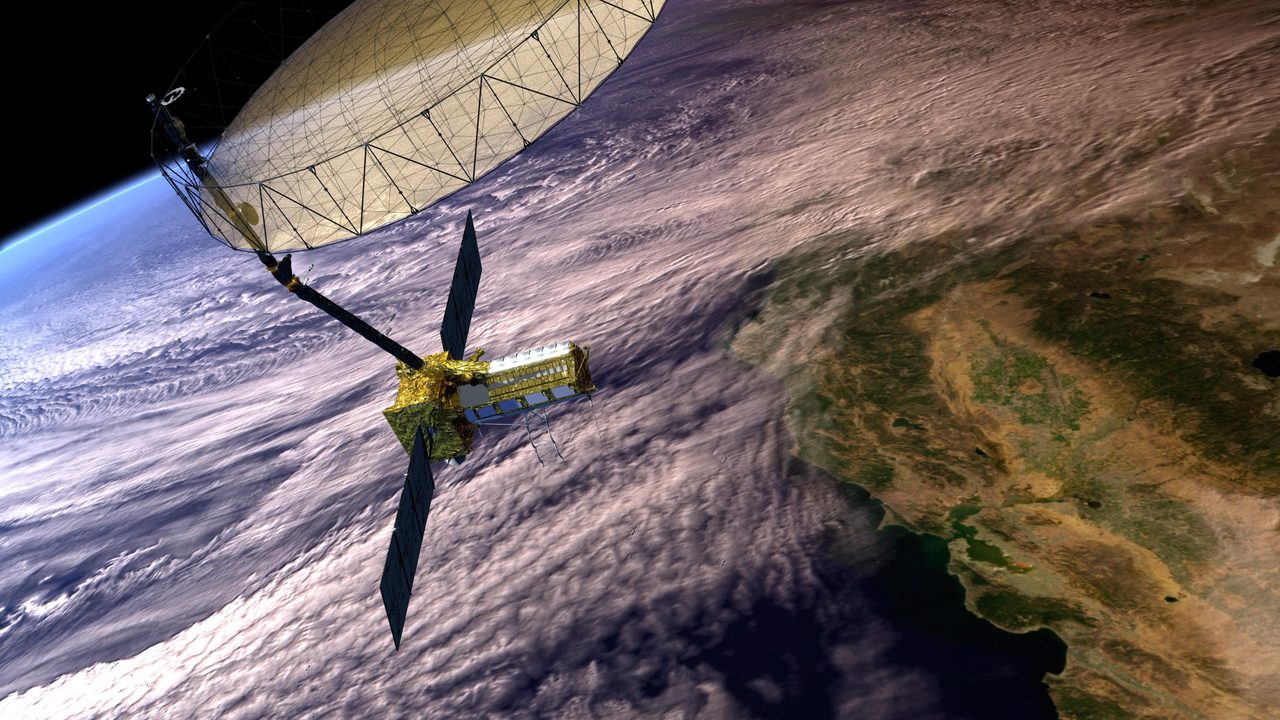
Sun-Synchronous Orbit: How Satellites Keep Consistent Light
Sun-synchronous satellites use Earth's equatorial bulge to keep a consistent solar schedule. Learn how the orbit works, why imaging missions use it and what it cannot guarantee.
How Many Satellites in Orbit? Counts, Types and Tracking
Earth has 15,870 active satellites, but the wider catalogue includes debris and inactive spacecraft. Here is what the counts mean and how to explore them.
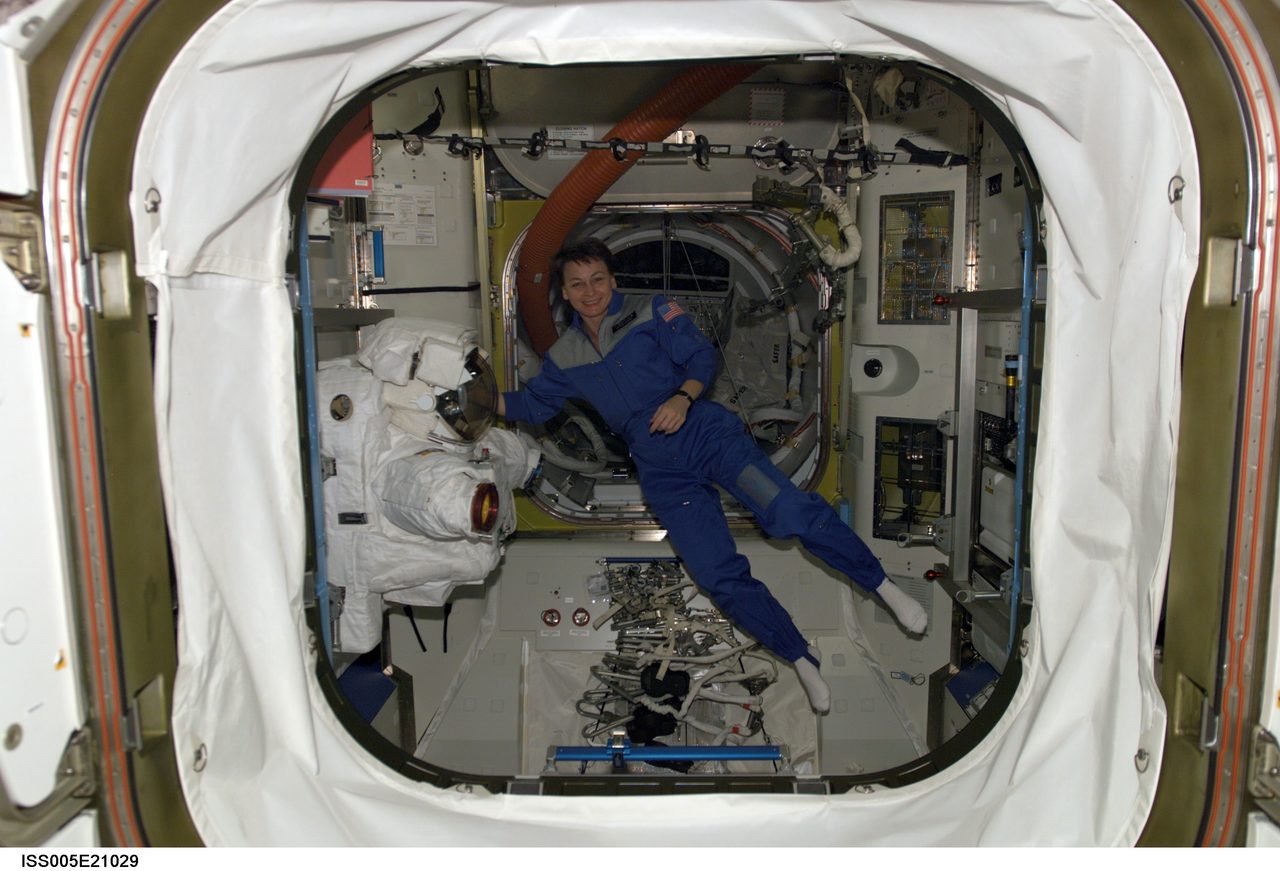
What Happens to Your Body in Space? The Human Effects
Spaceflight changes how bones, muscles, circulation and eyesight work. Explore the risks of long ISS stays, the countermeasures crews use and what recovery involves.
This Week in Orbit: 2026-07-12
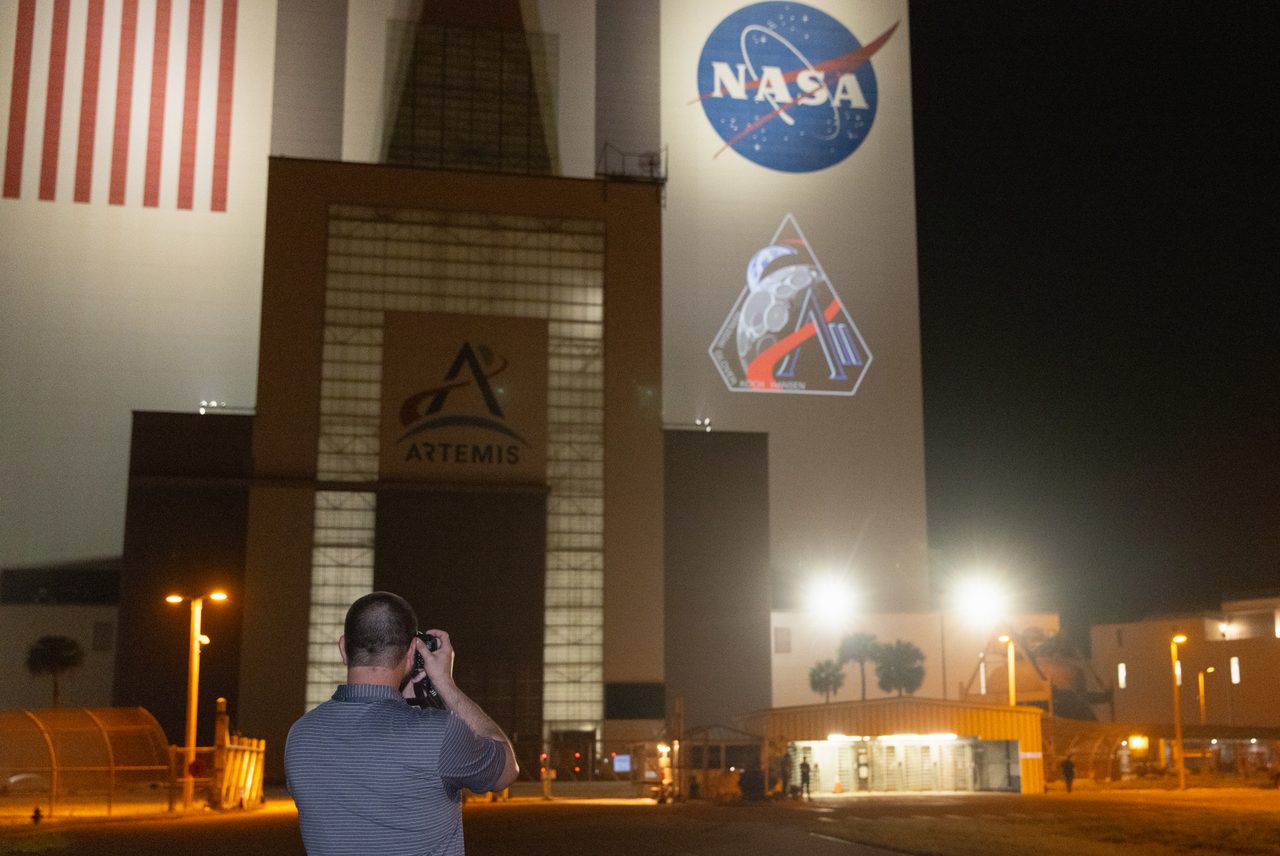
The past week in orbit has been marked by significant developments in space technology and scientific discovery. NASA's Artemis II mission has set a new streaming record, amassing 149 million views as interest in lunar exploration surges.
Delta-V Explained: The Currency of Spaceflight
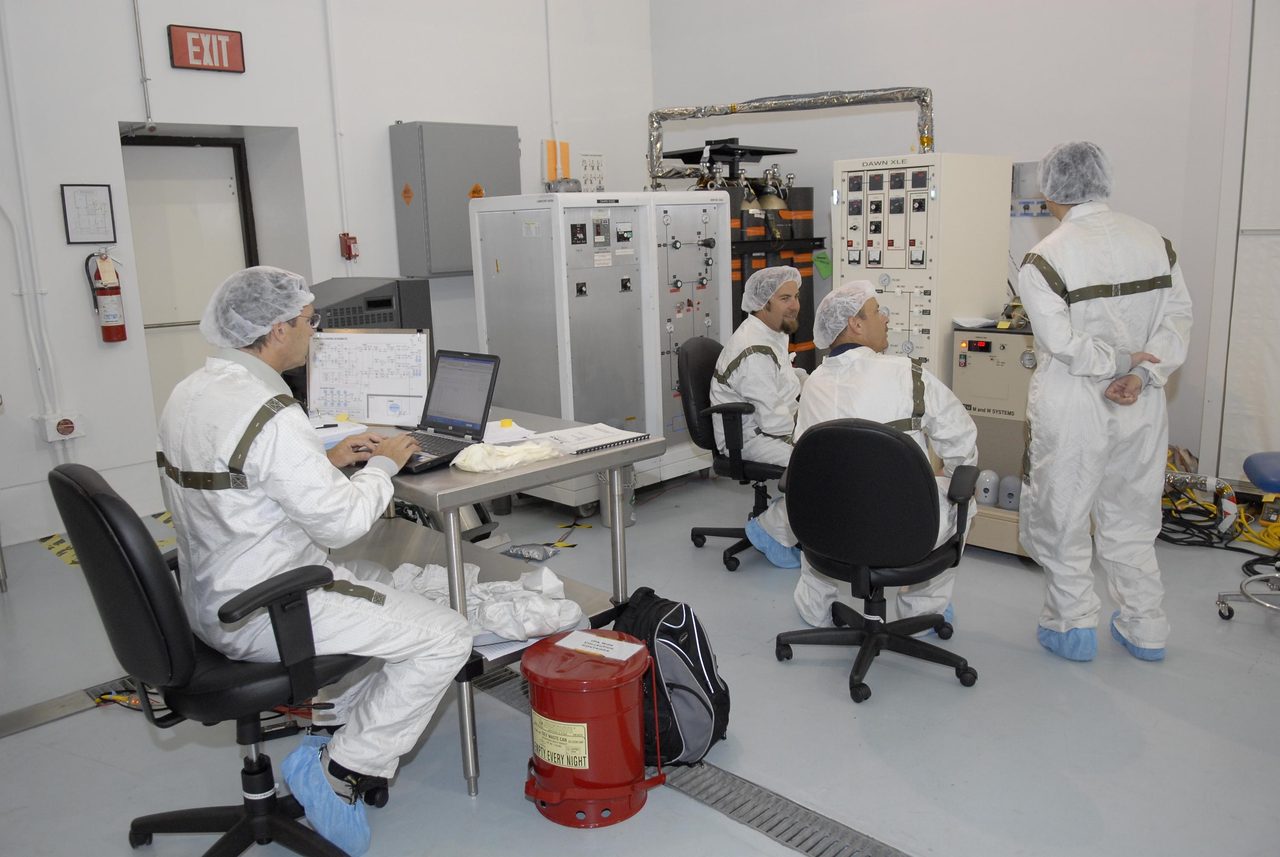
Delta-v is the change in velocity needed for space manoeuvres, crucial in mission planning and satellite operations.
Fengyun-1C debris: the legacy of China's 2007 ASAT test
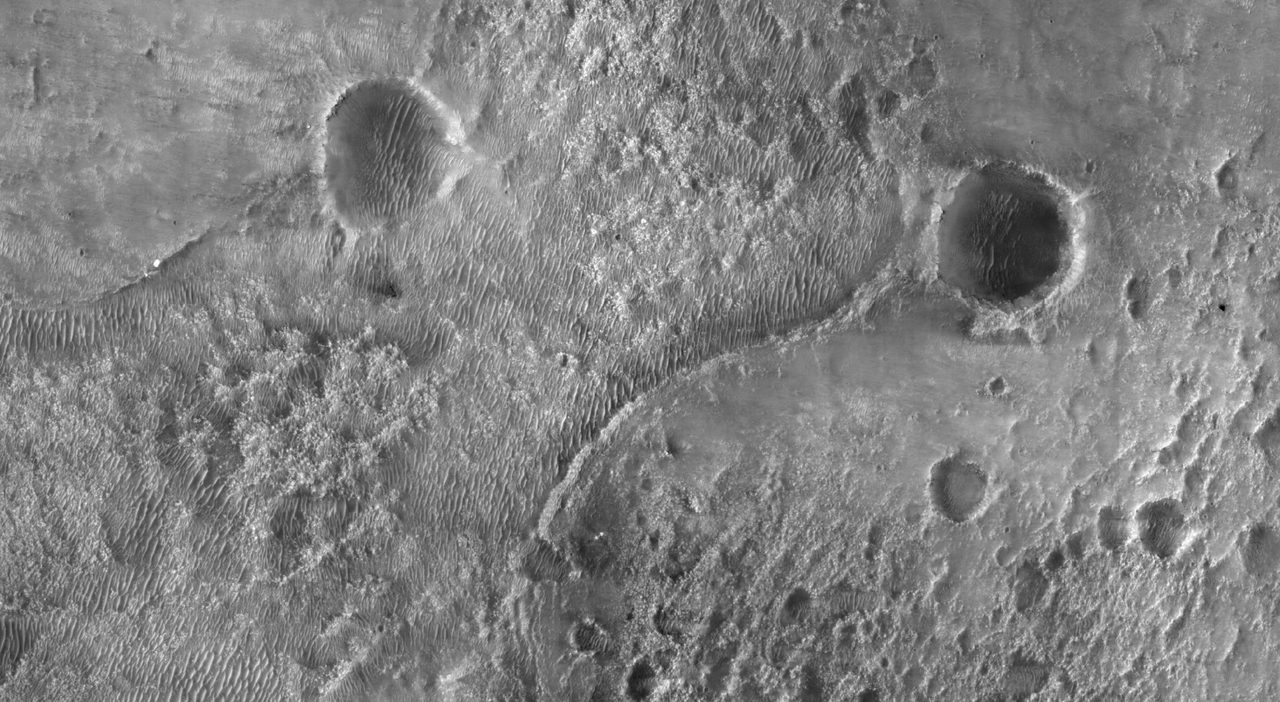
China's destruction of the Fengyun-1C weather satellite in January 2007 created a long-lived debris cloud. Its fragments remain a case study in how one interception can change the orbital environment for decades.