Space News Mission Log — Satellite Launches, Orbital Events & Analysis
Daily space news, satellite launch reports, orbital debris analysis and weekly roundups — grounded in live tracking data from our network monitoring 73 published reports.
Orbital Safety Concerns Rise Amid Close Satellite Approaches
Recent close approaches between satellites underscore the growing need for improved orbital safety measures.
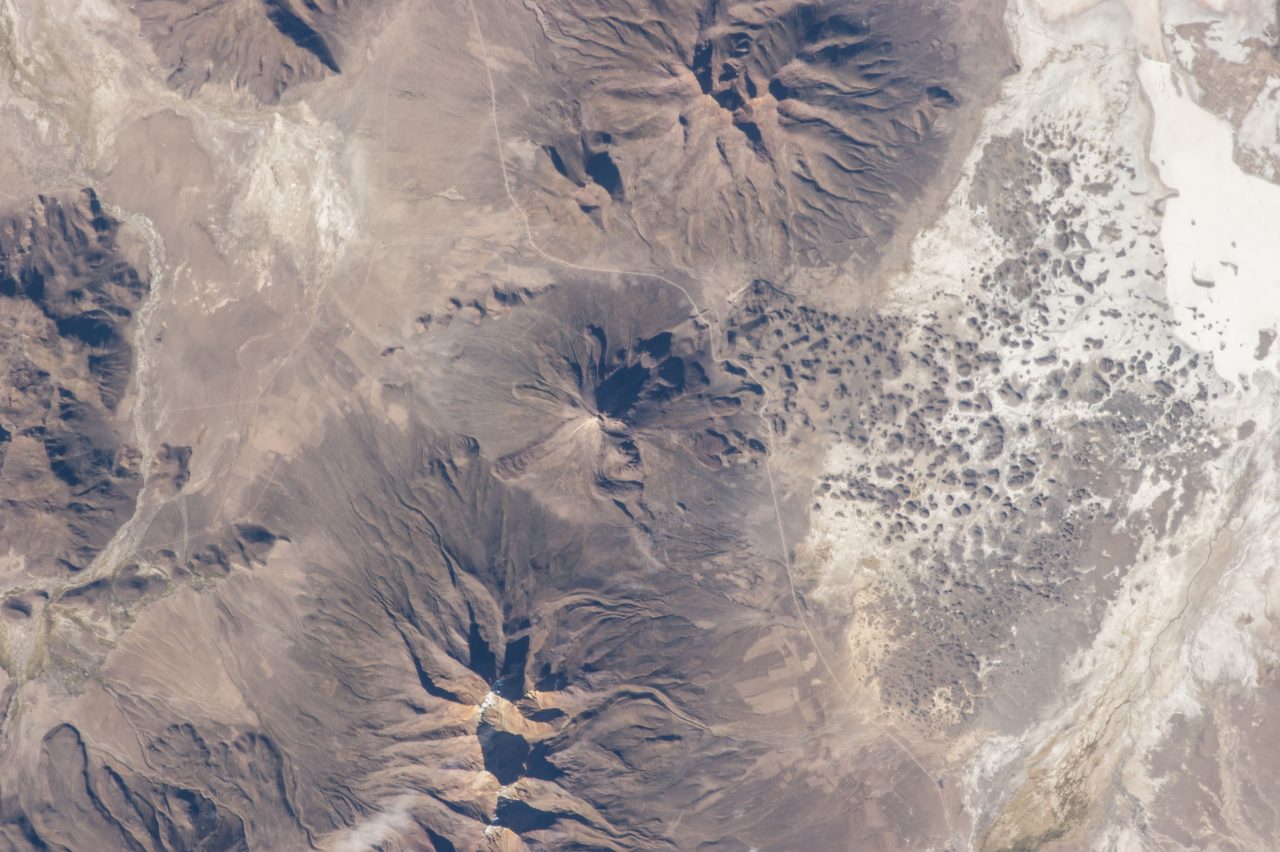
Who Tracks Space Debris? Inside the Global Surveillance Network
Space debris is tracked by a global network of agencies monitoring 28,886 objects, ensuring orbital safety and sustainability.

Understanding Space Situational Awareness: A Comprehensive Guide
Space situational awareness involves tracking and predicting the movement of over 28,911 objects in orbit to ensure space safety.
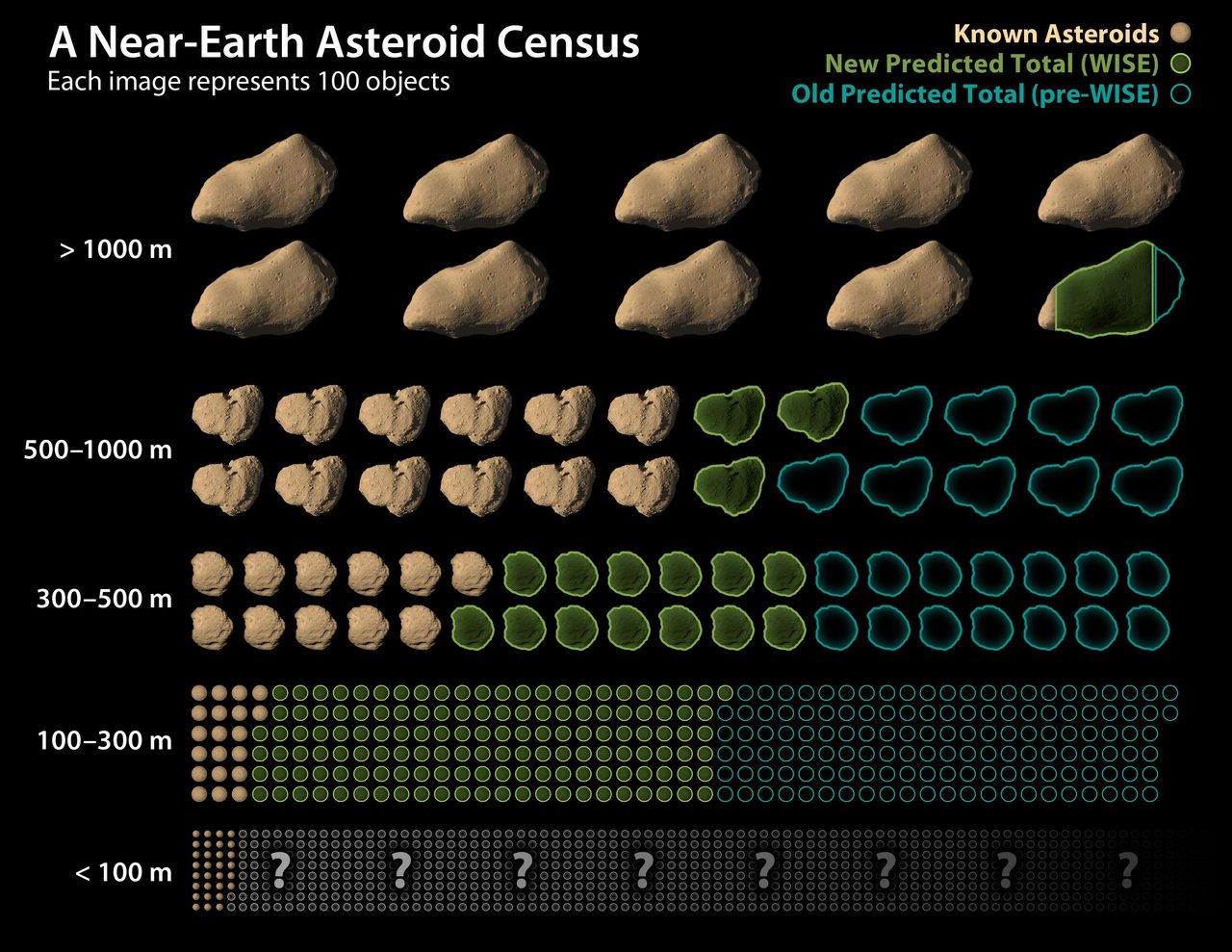
Tracking Near-Earth Asteroids: A Comprehensive Guide
The Near-Earth Object Database provides live tracking of asteroid orbits, close approaches, and impact risks, offering crucial insights into space safety.
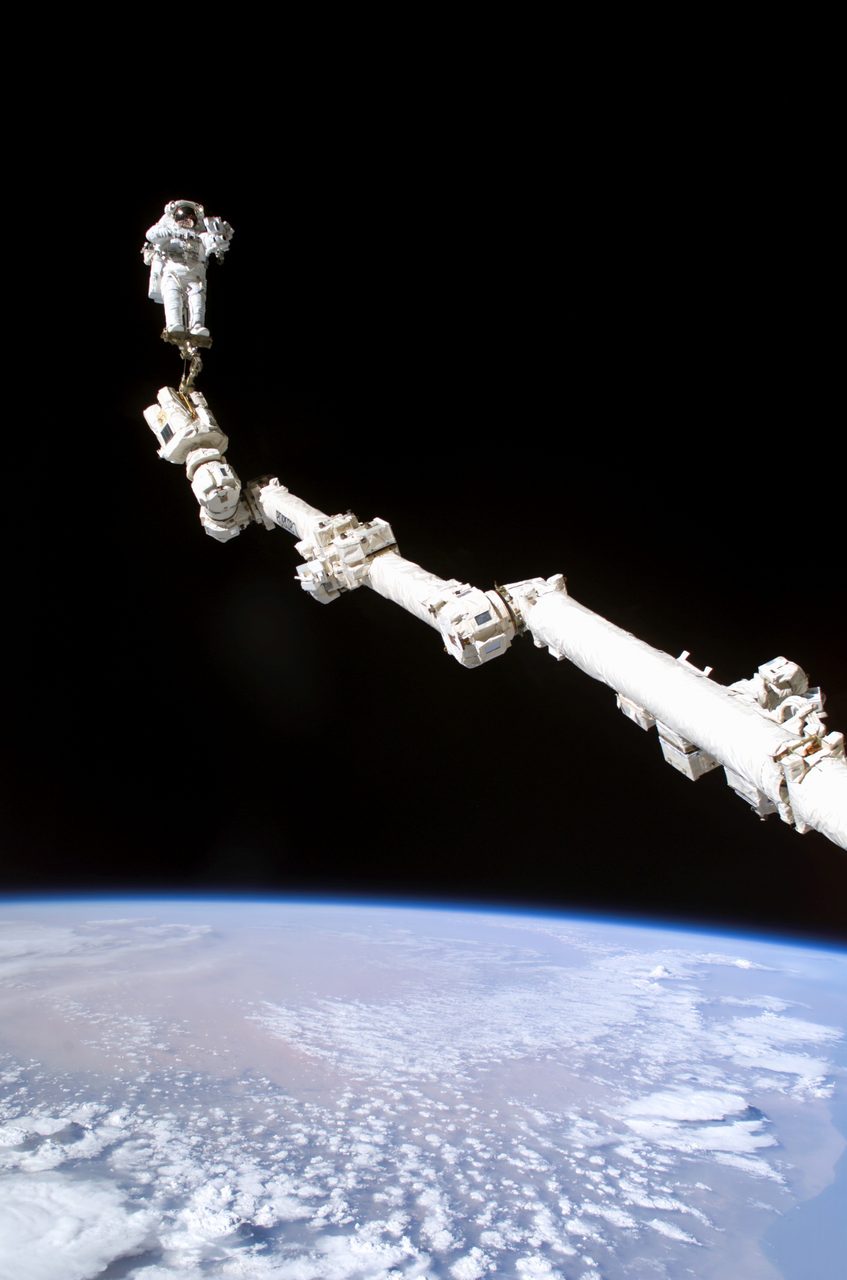
Why Do Rockets Launch From Florida?
Florida combines an eastward boost from Earth's rotation with open Atlantic launch corridors and decades of infrastructure. But the best launch site depends on the mission.
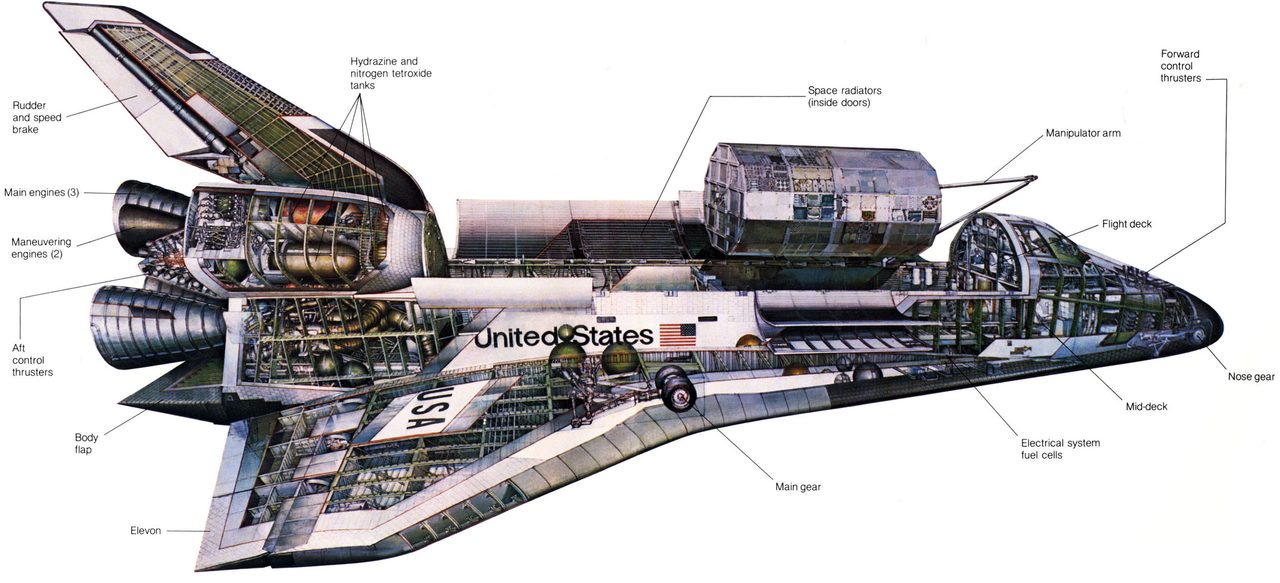
Understanding Uncontrolled Re-entries: Risks and Realities
Uncontrolled re-entry occurs when a satellite or space debris re-enters Earth's atmosphere without precise control, posing potential risks.
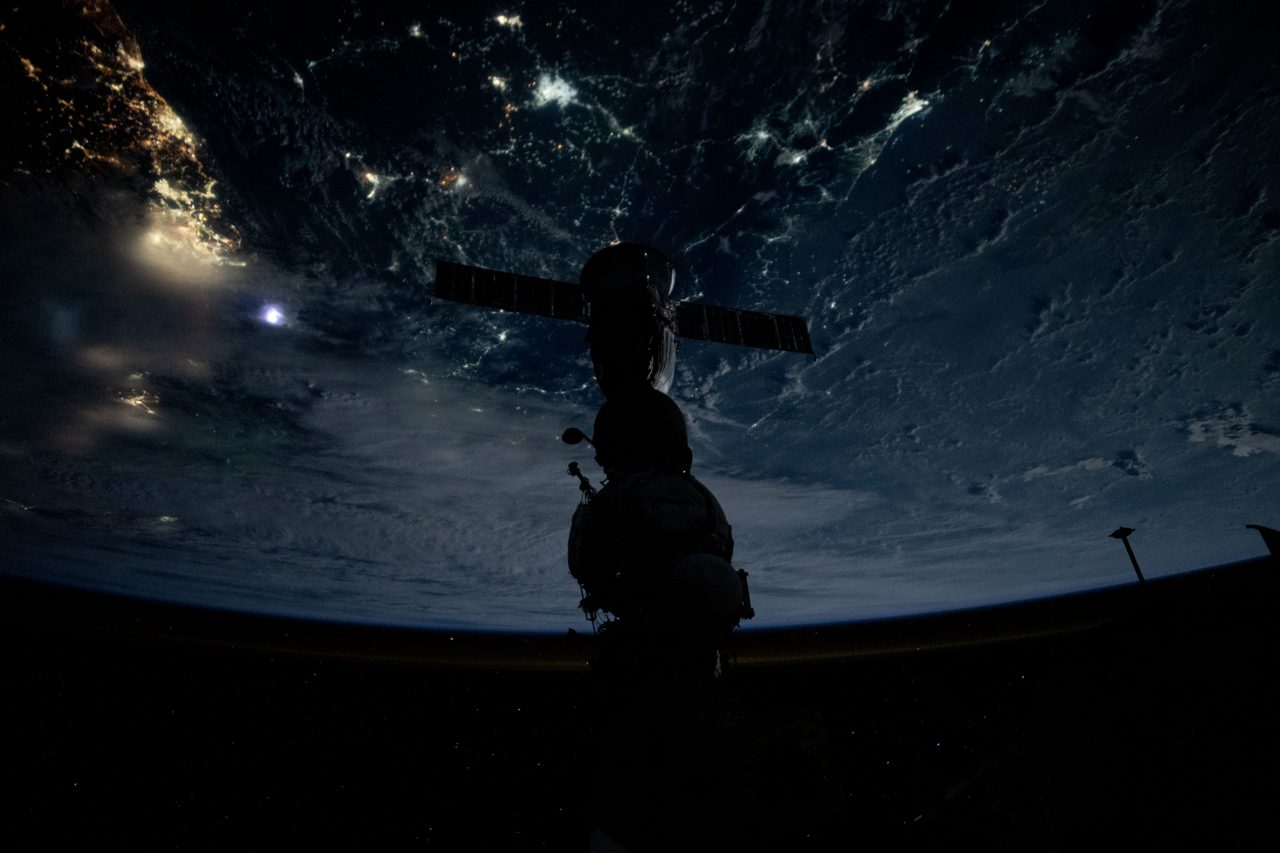
How Long Does It Take to Get to the ISS? Hours to Days
Reaching the ISS can take about three hours or stretch over one or two days. The difference is largely about launch timing, orbital alignment and the spacecraft's rendezvous plan.
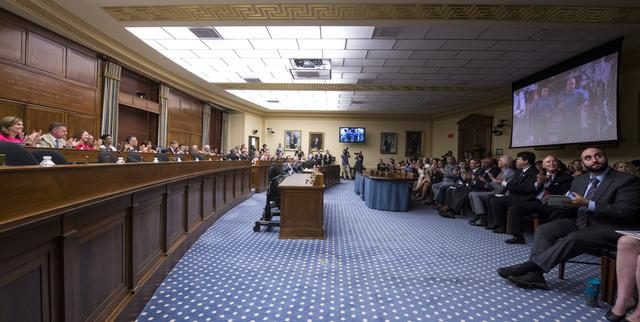
NASA vs ESA vs CNSA: How the Space Agencies Compare
NASA, ESA and CNSA represent different ways of organising space exploration. Their budgets, responsibilities and partnerships matter more than a simple ranking.
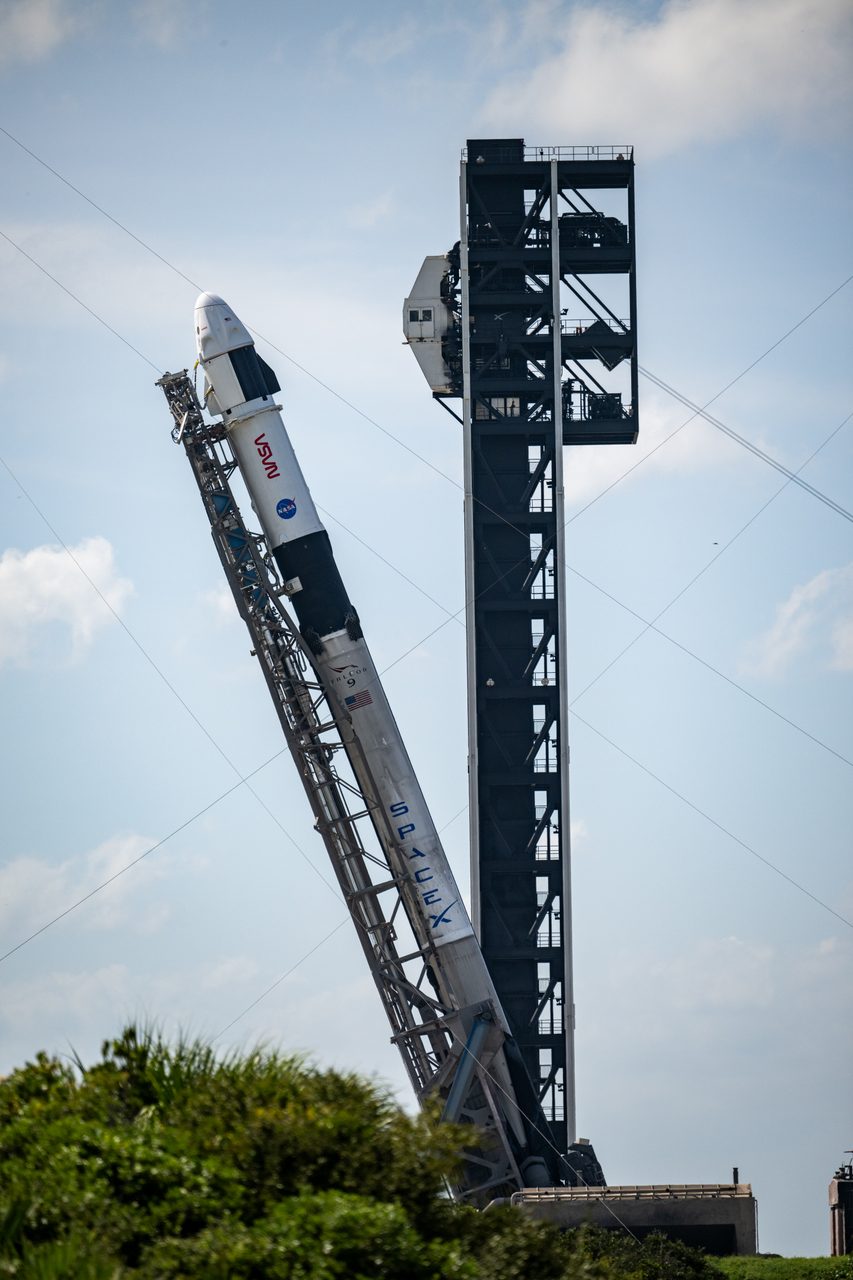
SpaceX Achieves 100th Falcon Launch in 2026 with Starlink Deployment
SpaceX completes its 100th Falcon 9 launch of 2026, deploying 27 Starlink satellites into orbit, while space weather remains stable.
27-satellite Starlink launch scrubbed: Orbital Briefing
SpaceX has scrubbed a 27-satellite Starlink launch from Vandenberg. Meanwhile, close approaches remain under watch and Ceres-1S records a successful flight.
Understanding the Space Fence: Tracking Earth's Orbital Objects
The Space Fence radar system tracks over 28,000 objects in Earth's orbit, from satellites to debris, ensuring space safety.
Collision Avoidance Manoeuvres: Essential Guide for Space Safety
Collision avoidance involves manoeuvres to prevent satellites from colliding with space debris or other objects.