Space News Mission Log — Satellite Launches, Orbital Events & Analysis
Daily space news, satellite launch reports, orbital debris analysis and weekly roundups — grounded in live tracking data from our network monitoring 10 published reports.
Solar Observatory Spacecraft: Monitoring Our Sun
Solar observatory spacecraft are crucial for monitoring the Sun's activity and understanding space weather impacts on Earth.
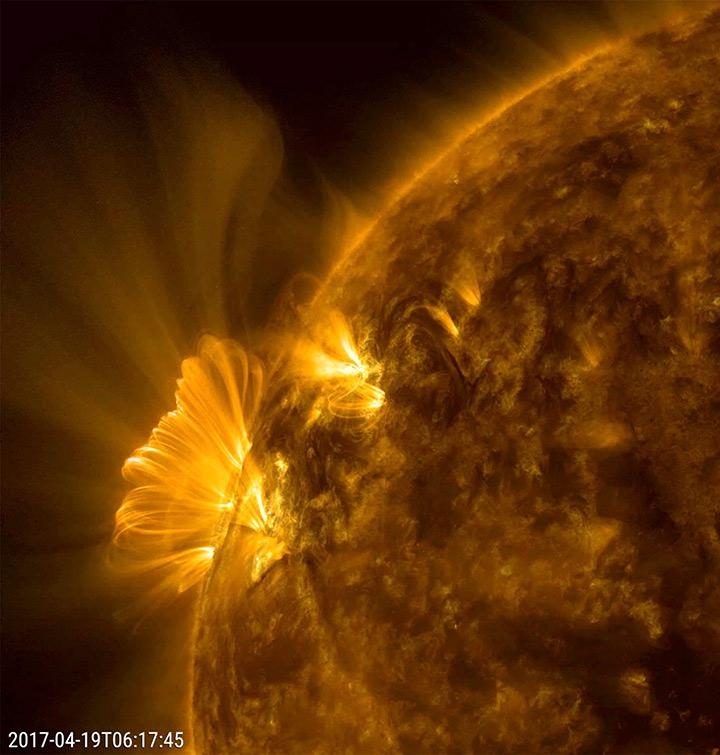
Unleashing the Sun: Understanding Coronal Mass Ejections
The Solar Dynamics Observatory captures a coronal mass ejection, illustrating the Sun's dynamic magnetic fields and their impact on Earth.
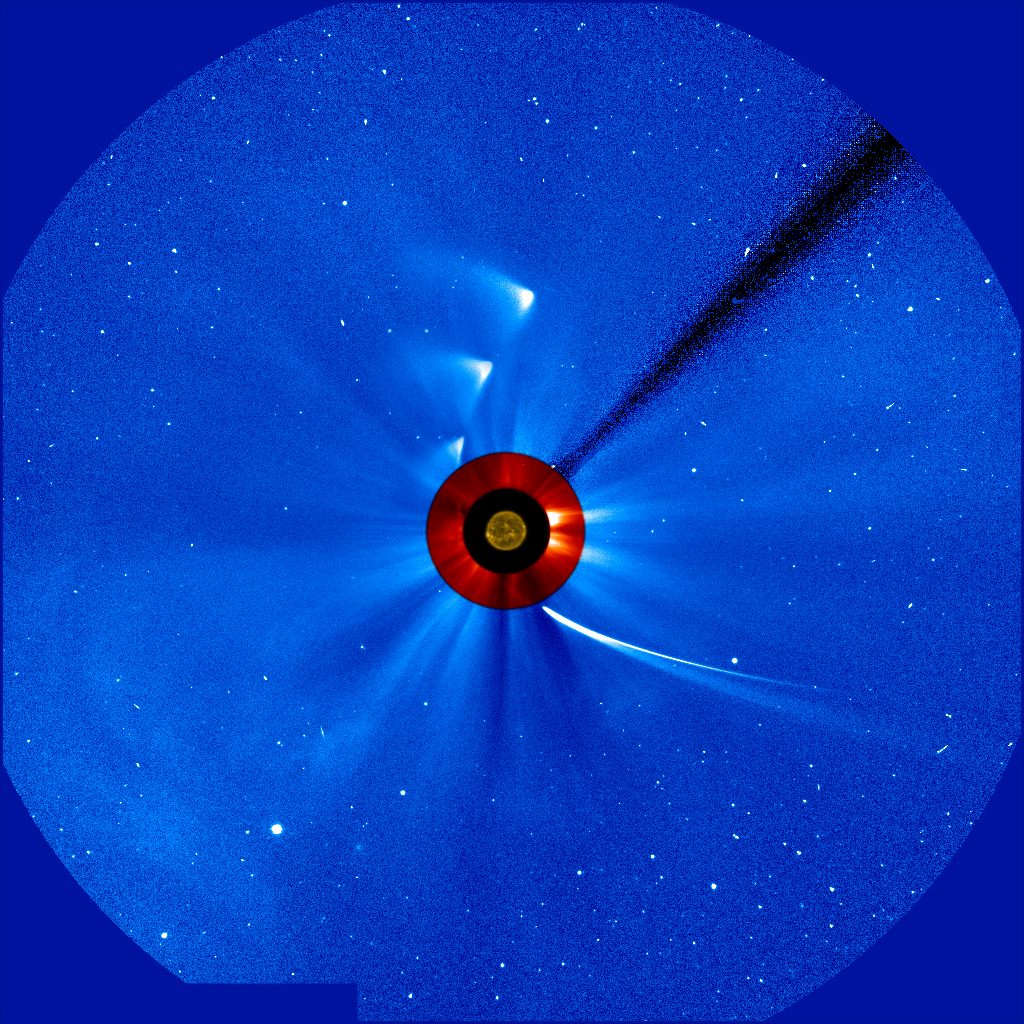
SOHO: The Sun-Watching Observatory at L1
The Solar and Heliospheric Observatory (SOHO) is a collaborative project between the European Space Agency (ESA) and NASA, dedicated to studying the Sun. Launched on December 2, 1995, SOHO has been instrumental in providing continuous solar observations, contributing significantly to our understandi
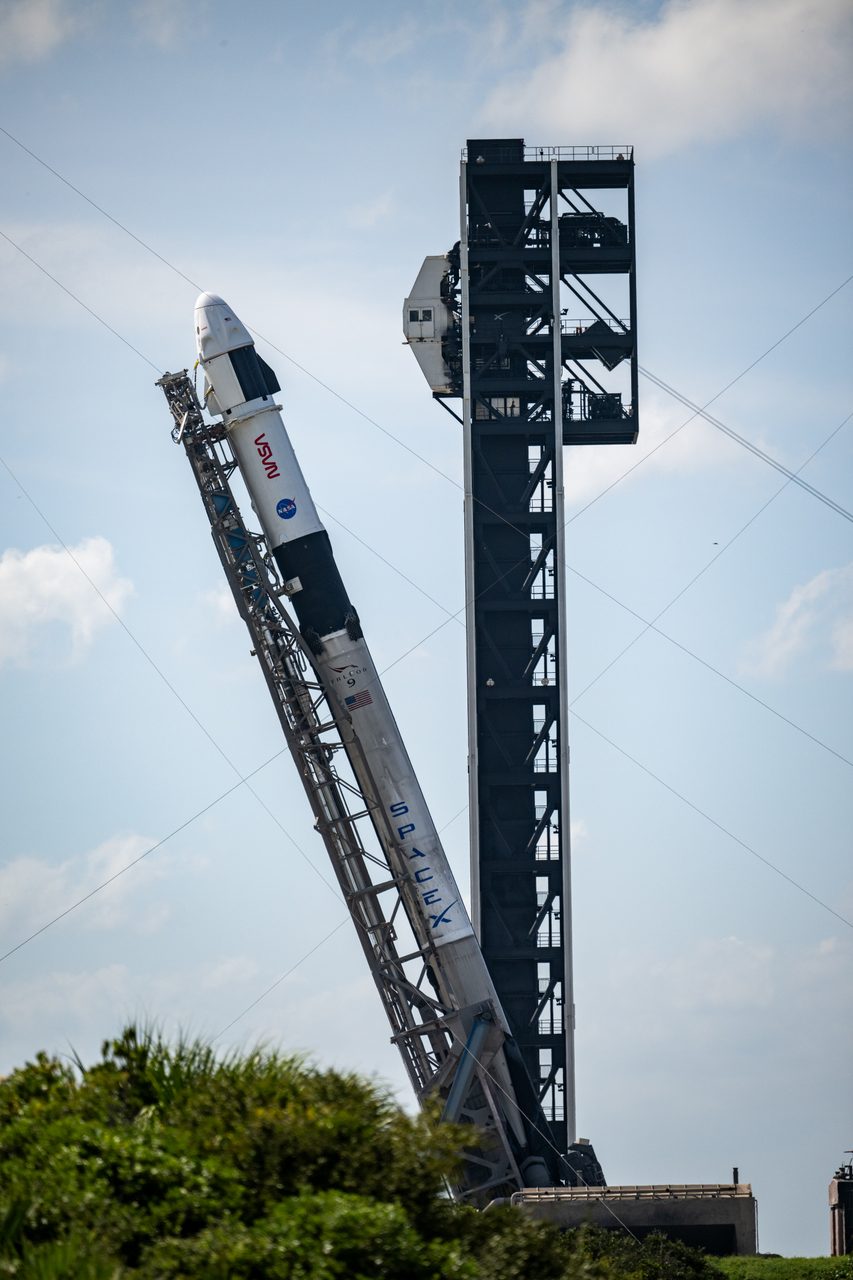
This Week in Orbit: 2026-09-06
This week, SpaceX successfully launched 27 Starlink satellites aboard a Falcon 9 rocket, marking a continued expansion of their satellite internet constellation. The launch, which took place from Cape Canaveral, saw the Falcon 9 booster land on a drone ship at sea, adding to SpaceX's impressive reco
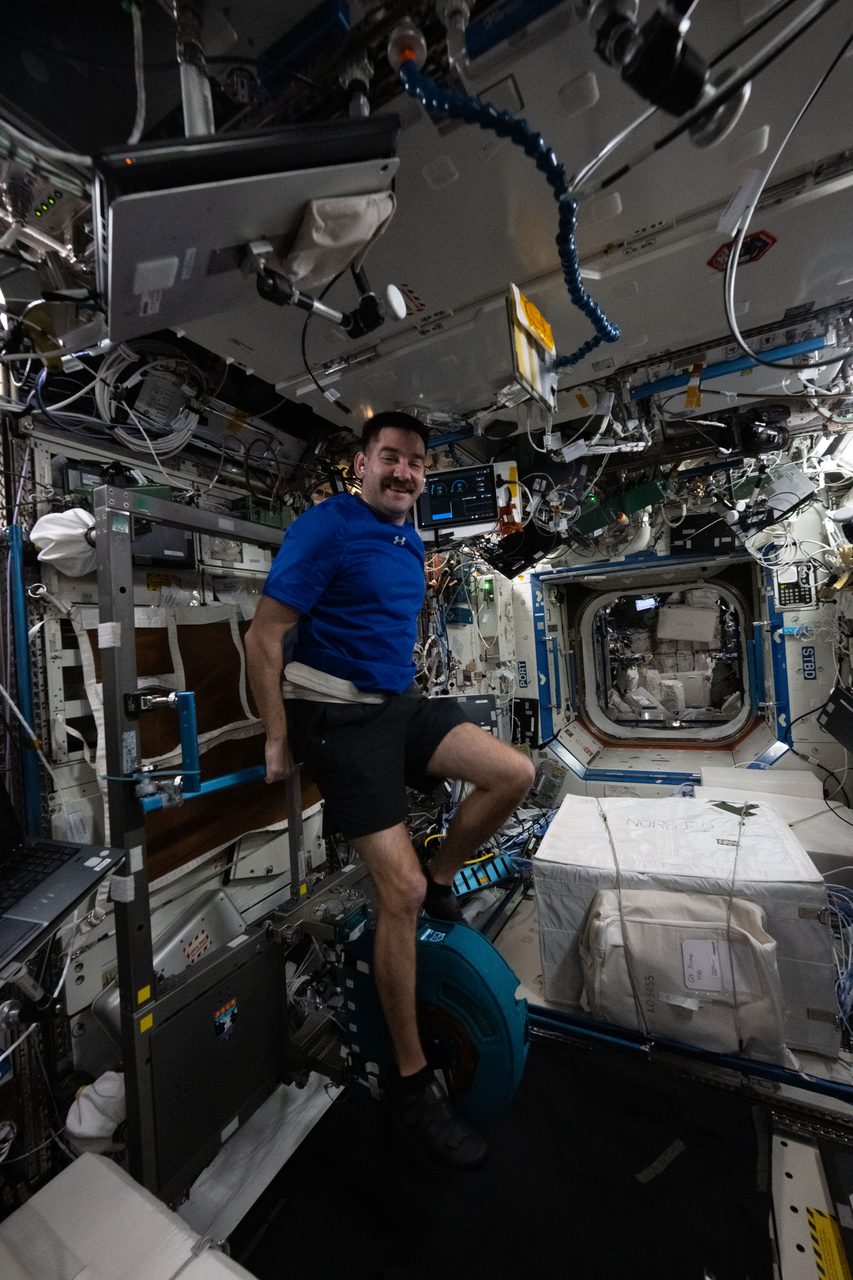
This Week in Orbit: 2026-09-13
This week in orbit saw a rich tapestry of scientific insights and celestial events. A significant development was Japan's Hayabusa2 achieving the first-ever laser ranging experiment with an asteroid, marking a milestone in space exploration.
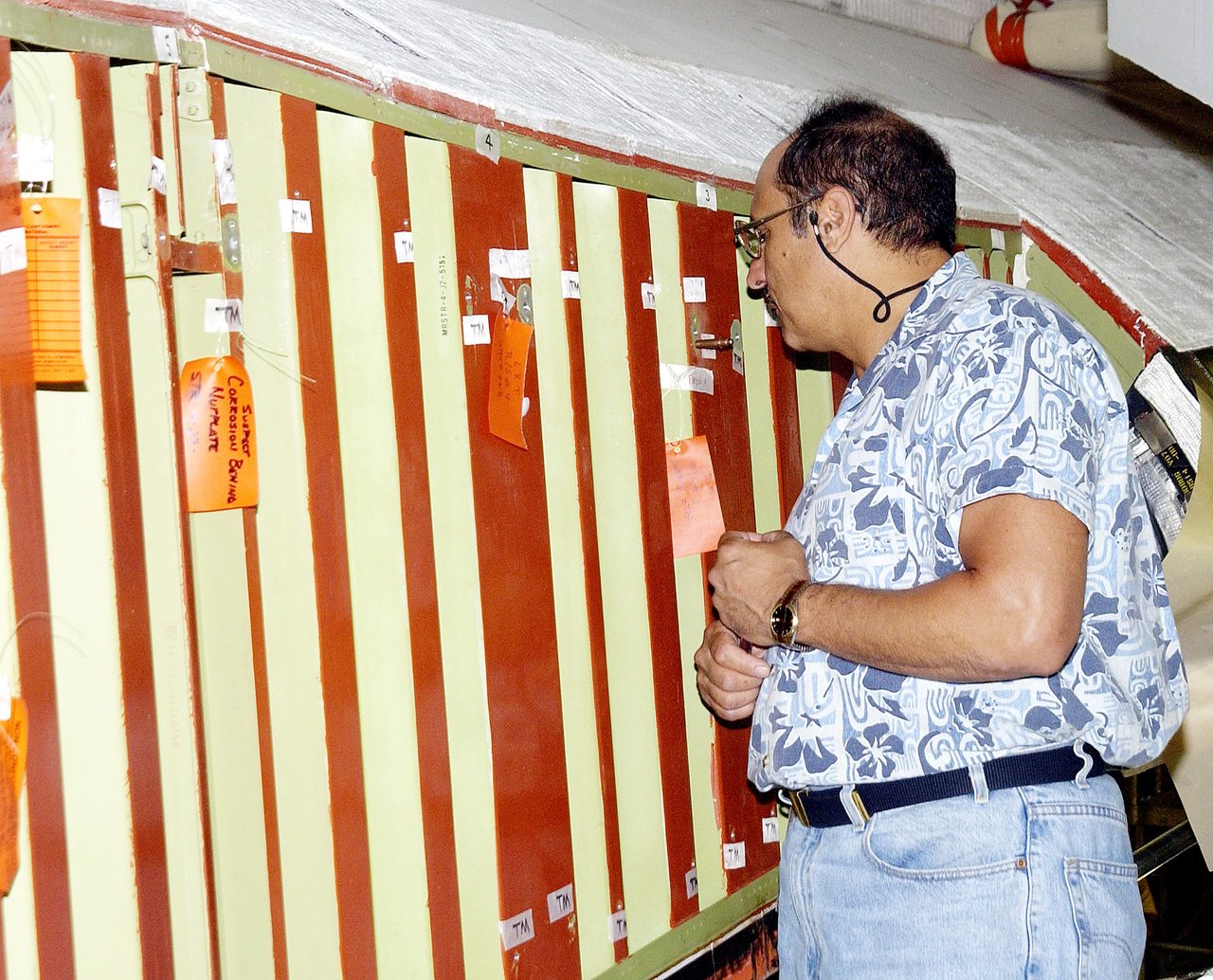
NASA and Roscosmos Extend Seat Barter Deal Amid Close Satellite Encounters
NASA and Roscosmos have extended their seat barter agreement, while recent close satellite encounters underscore the growing congestion in orbit.
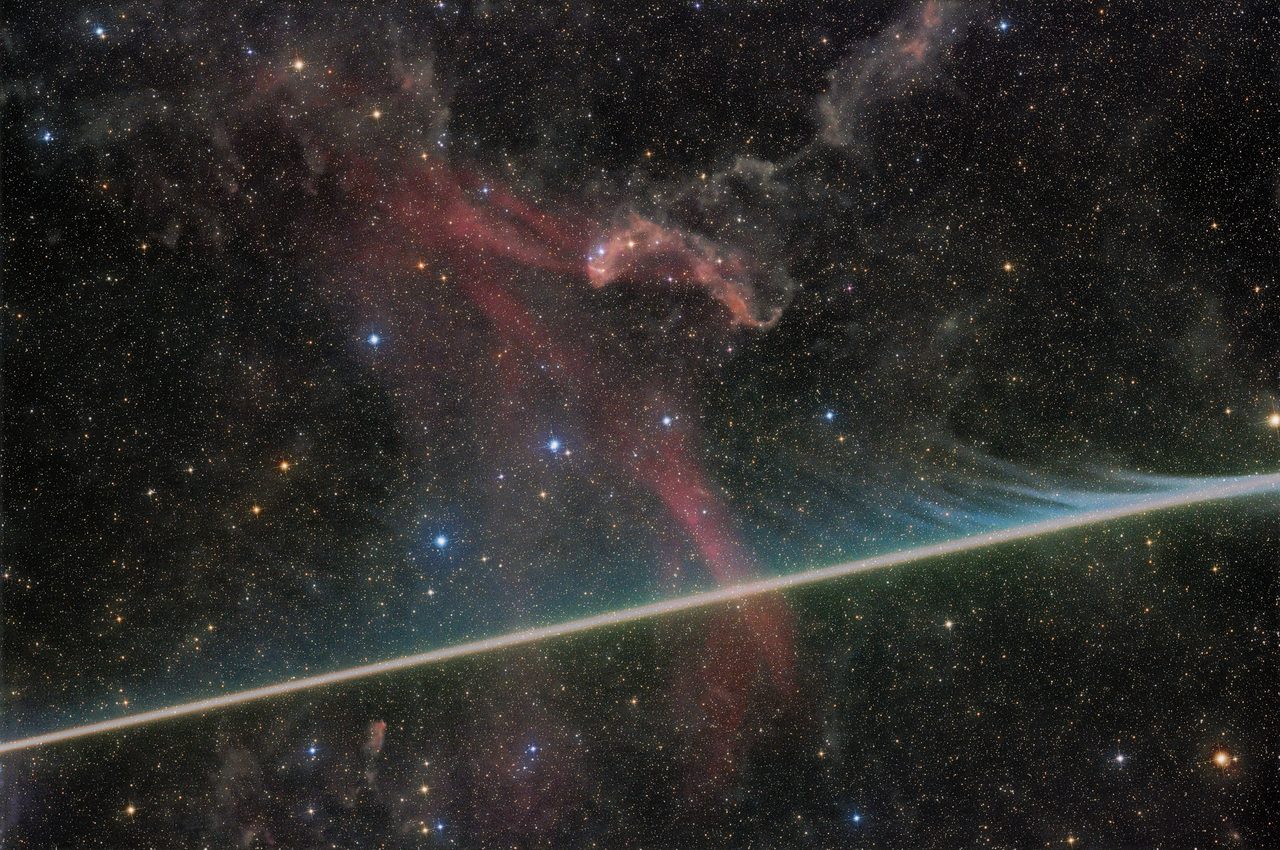
Meteor's Brief Dance with the Lacerta Nebula
A meteor briefly illuminates the Lacerta Nebula, offering a glimpse into its composition and the atmospheric effects of meteoroids.
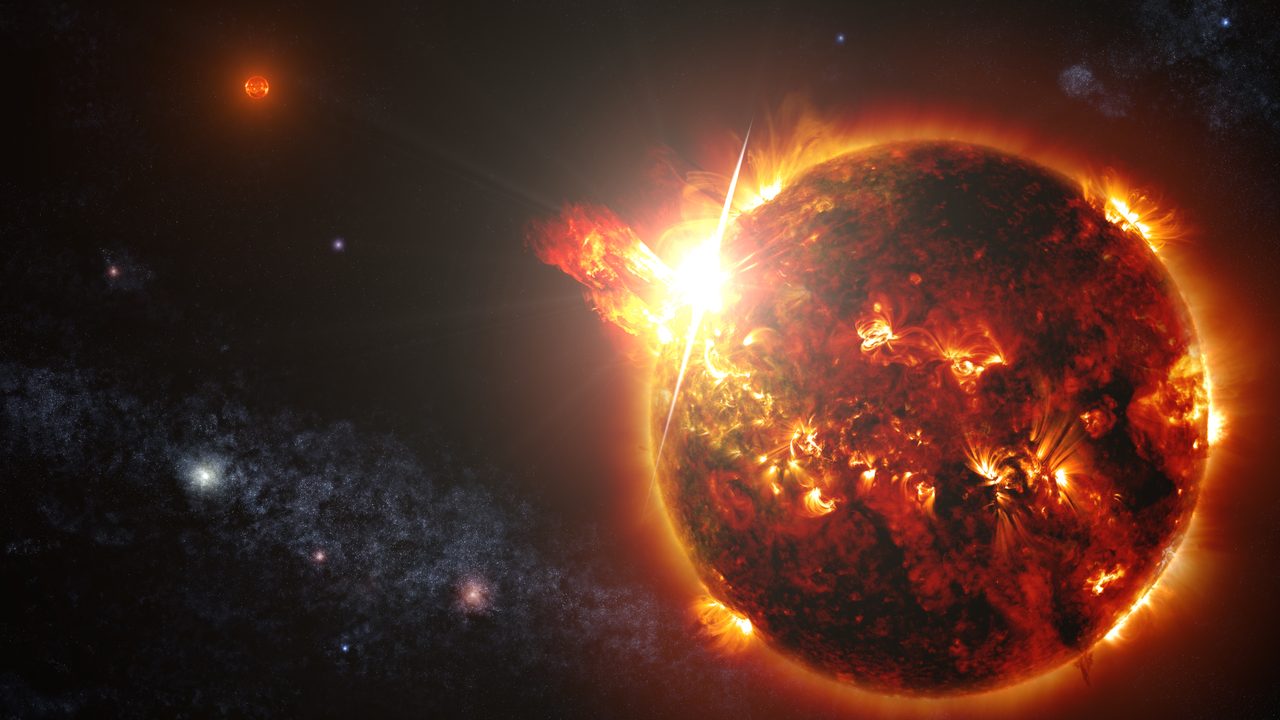
Swift Mission Faces Setback Amidst Reaction Wheel Failures
Swift mission faces attitude control issues due to reaction wheel failures, while Starlink satellites experience close approaches.

Gaia: ESA's Billion-Star Surveyor at L2
Launched by the European Space Agency (ESA) on 19 December 2013, Gaia is a space observatory designed to create a precise three-dimensional map of the Milky Way. The spacecraft's mission is to chart the positions, distances, and motions of over one billion stars, providing unprecedented insight into
Gaia — ESA's Billion-Star Surveyor at L2
Gaia is a space observatory launched by the European Space Agency (ESA) with the primary mission of creating a precise three-dimensional map of the Milky Way. Launched on 19 December 2013 aboard a Soyuz-STB/Fregat-MT rocket from French Guiana, Gaia is designed to chart the positions, distances, and