Space News Mission Log — Satellite Launches, Orbital Events & Analysis
Daily space news, satellite launch reports, orbital debris analysis and weekly roundups — grounded in live tracking data from our network monitoring 59 published reports.
The Launch Log: Your Guide to the Historical Launch Database
Discover the Orbital Radar Launch Log, a searchable database of every orbital launch in history, offering insights into space exploration.
Oldest Satellite Still in Orbit: Vanguard 1 and the Top Ten
Vanguard 1 remains the oldest satellite orbiting Earth. Its surviving companions include rocket hardware and early scientific satellites whose orbits explain their longevity.
Long March Launch History: A Comprehensive Guide
Discover the Long March Hub, tracking every Chinese launch since 1970 with detailed data and insights.
Why Do Rockets Launch From Florida?
Florida combines an eastward boost from Earth's rotation with open Atlantic launch corridors and decades of infrastructure. But the best launch site depends on the mission.
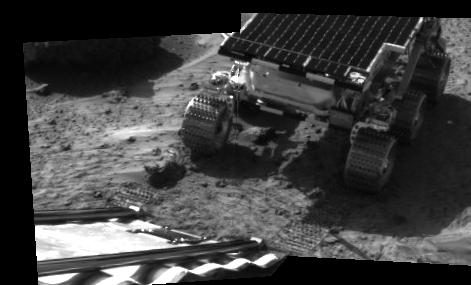
Mars Rovers History: From Sojourner to Perseverance
From Sojourner's first drives to Perseverance's sample collection, trace how Mars rovers evolved, what they discovered and where China's Zhurong fits.
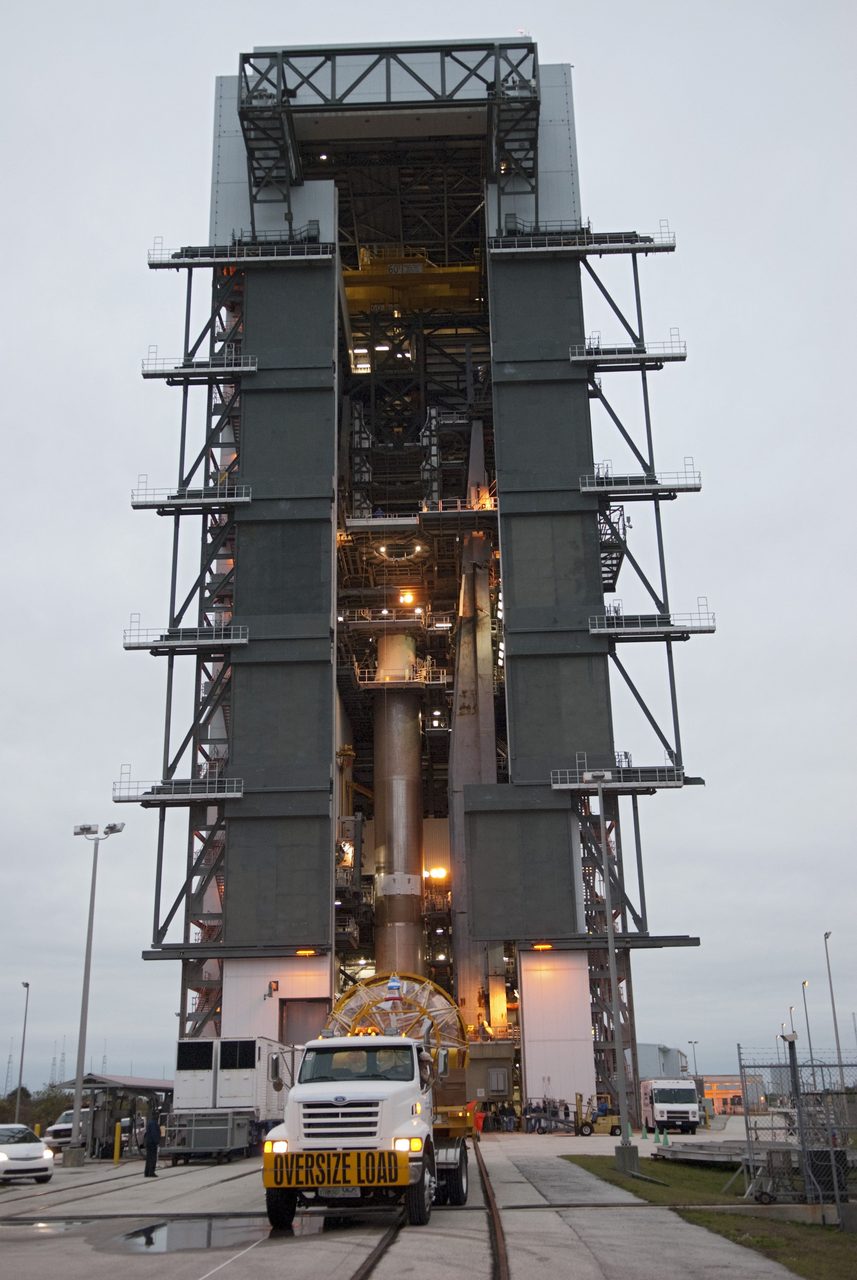
The Cosmos-Iridium Collision: A Landmark Satellite Crash
The Cosmos-Iridium collision in 2009 marked the first major satellite crash, significantly impacting space debris management and satellite operations.
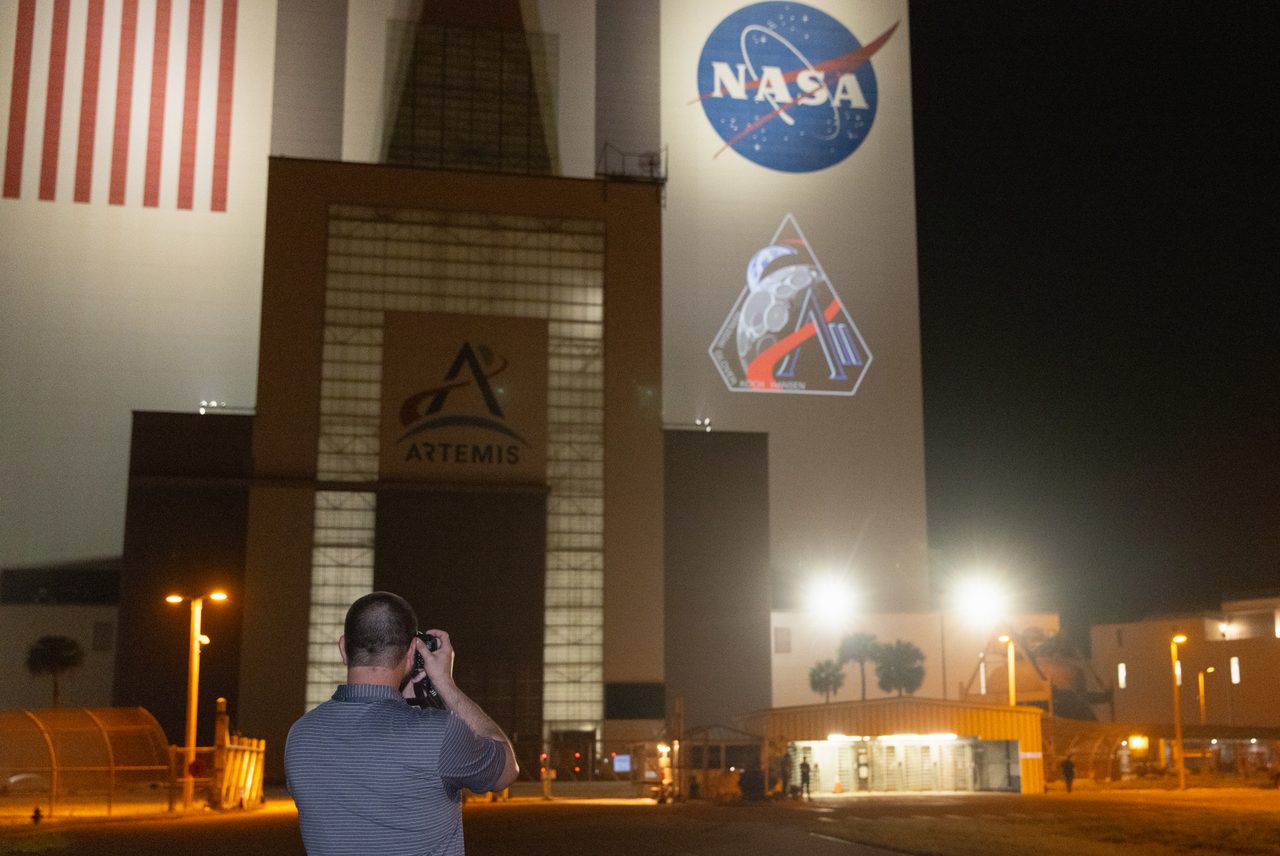
This Week in Orbit: 2026-07-12
The past week in orbit has been marked by significant developments in space technology and scientific discovery. NASA's Artemis II mission has set a new streaming record, amassing 149 million views as interest in lunar exploration surges.
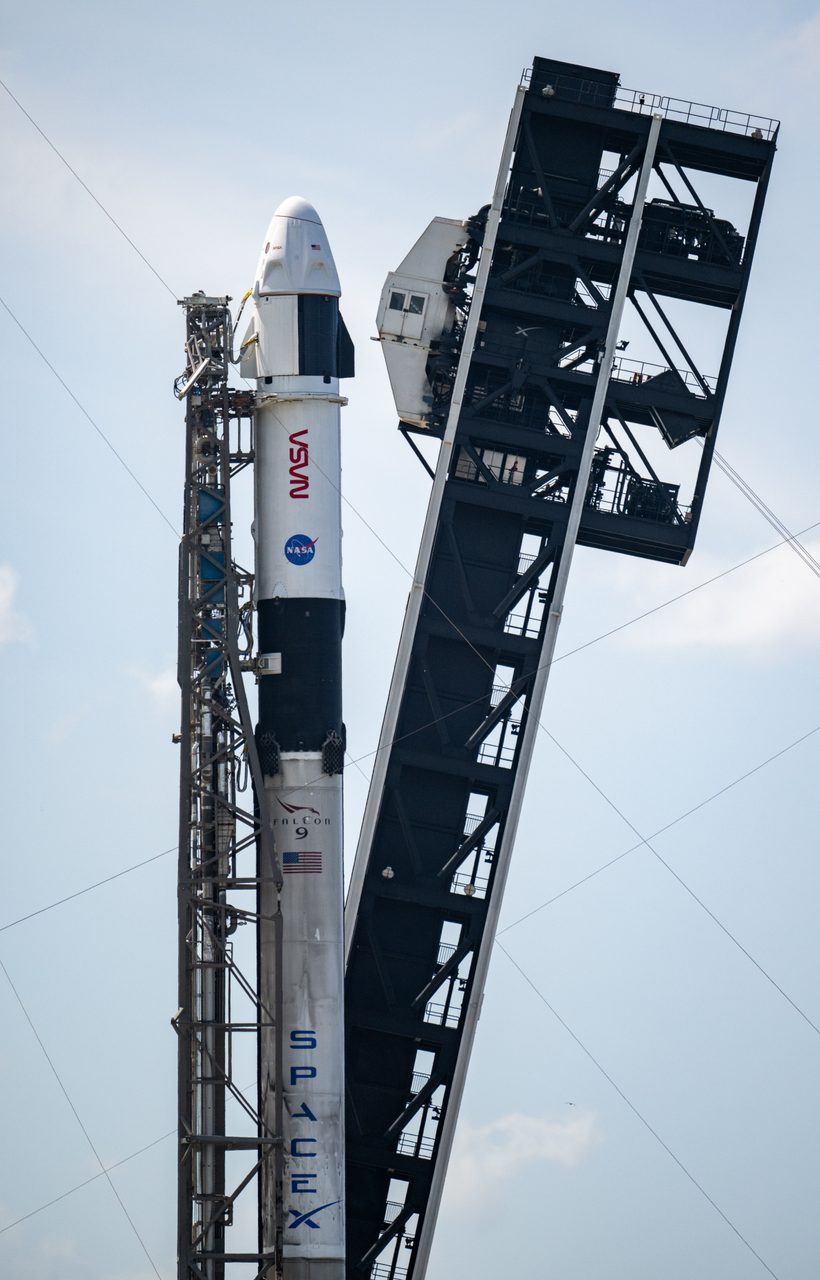
SpaceX Marks 700th Falcon Launch with Telecom Trio
SpaceX's Falcon 9 achieves its 700th launch, ESA's Vega C readies for dual mission, and Mercury's tectonic history is re-evaluated.
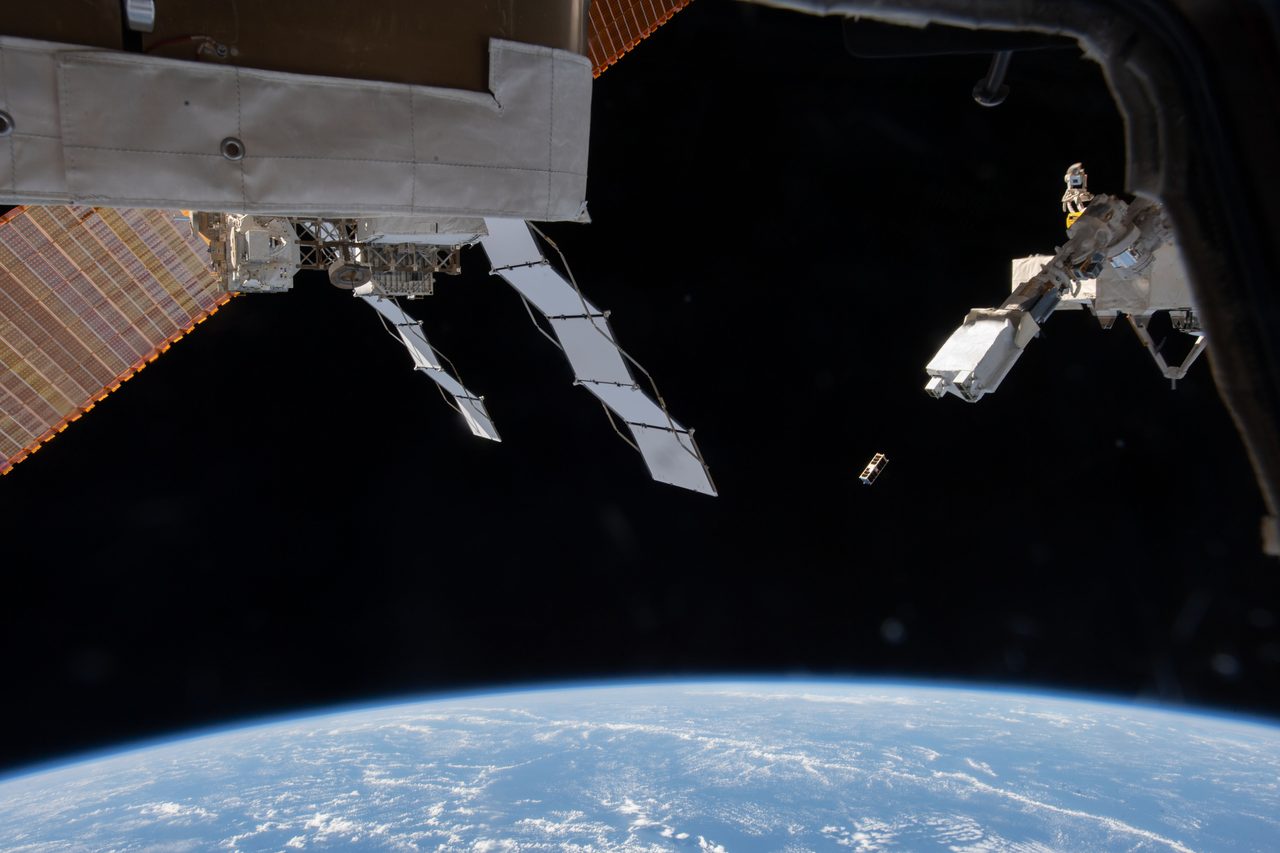
How Often Do Satellites Maneuver? What Our Detector Sees
Orbital Radar logged 45,196 orbit-change events over the past month. Explore what those detections reveal about satellite activity—and why they are not a count of thruster firings.
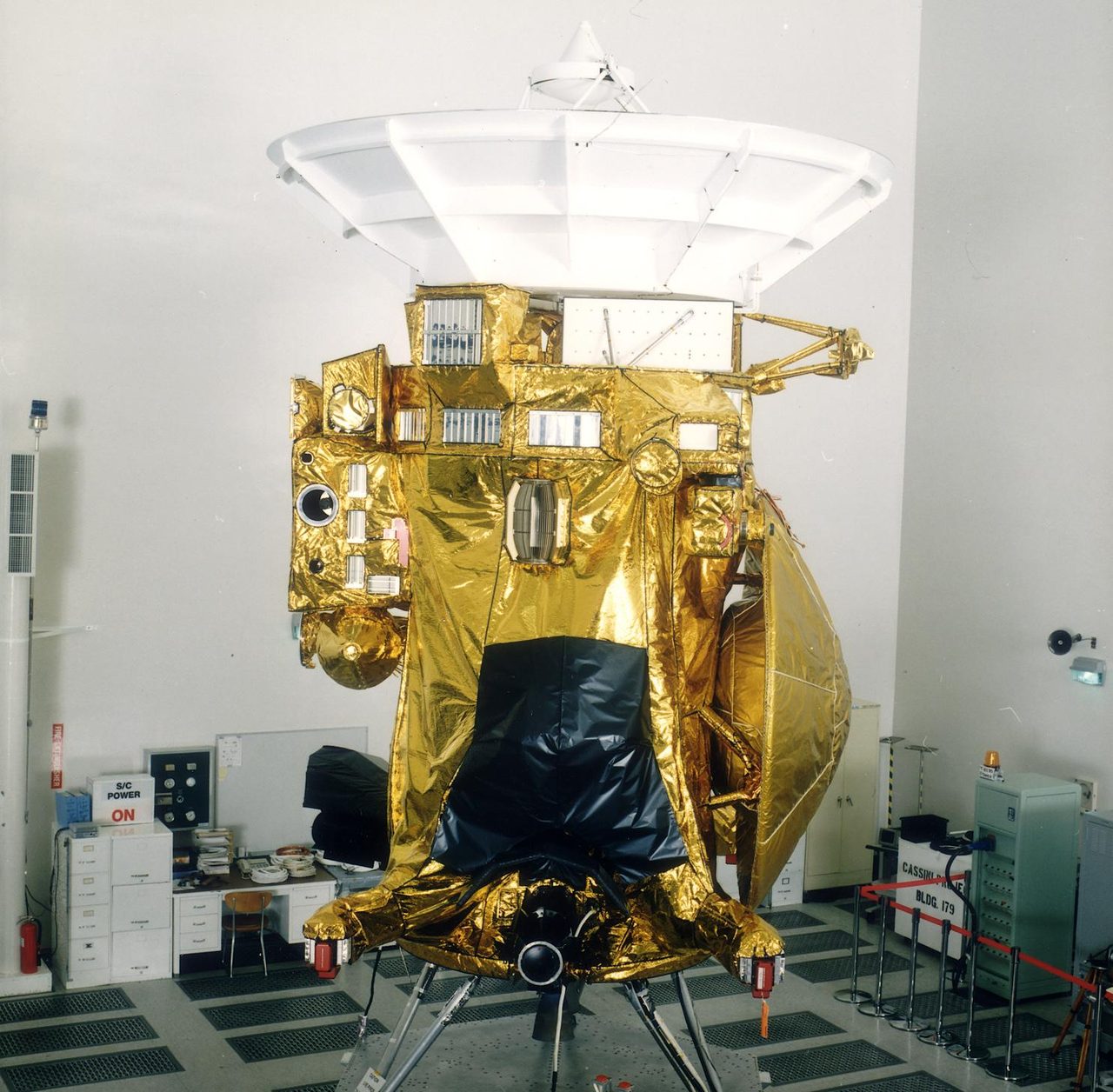
Galileo FOC: Europe's navigation constellation
Europe's Galileo FOC satellites carry atomic clocks around Earth at roughly 23,222 kilometres altitude, providing the timing signals behind independent European navigation and positioning services.

NASA vs ESA vs CNSA: How the Space Agencies Compare
NASA, ESA and CNSA represent different ways of organising space exploration. Their budgets, responsibilities and partnerships matter more than a simple ranking.
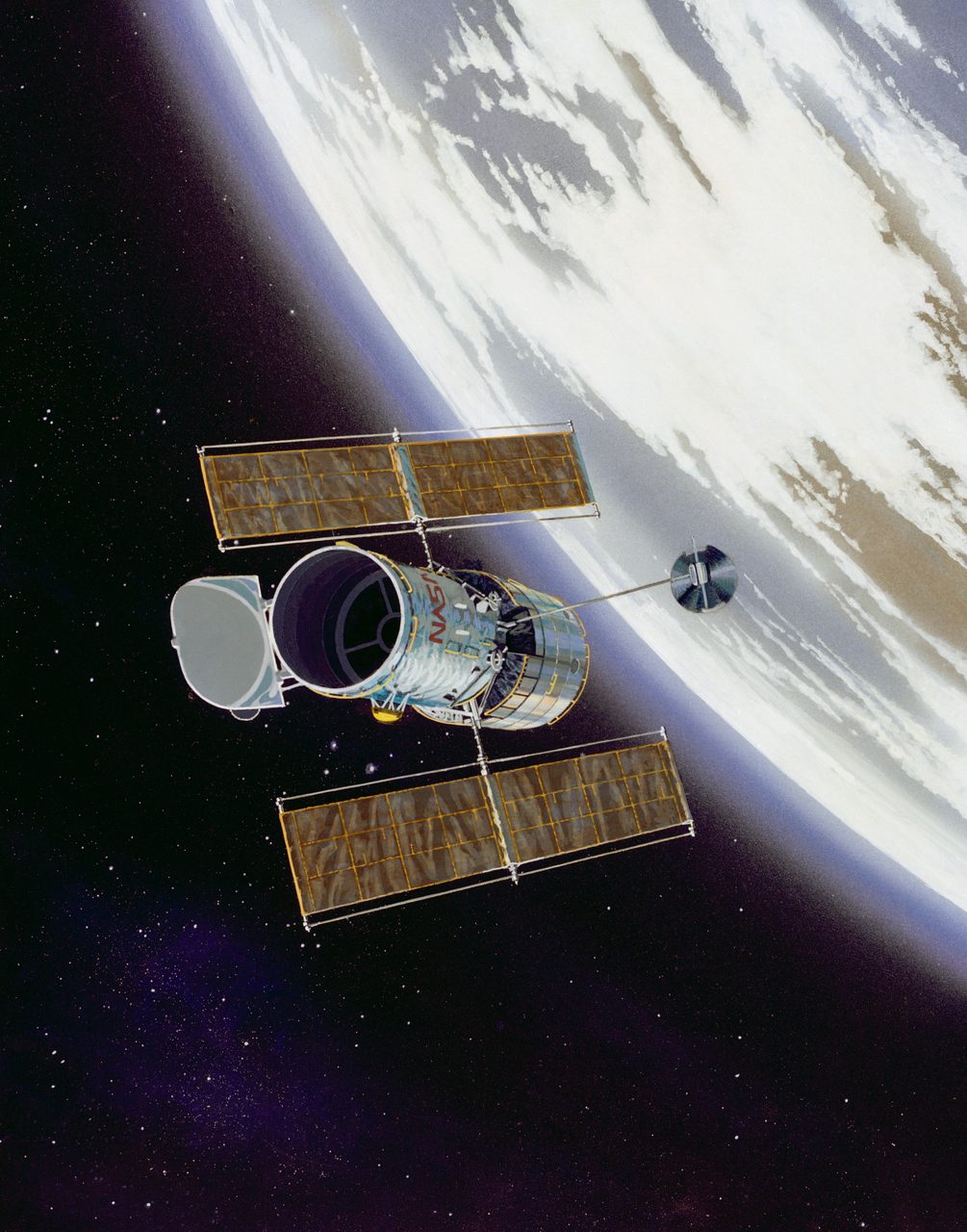
Hubble Space Telescope: 35+ Years of Discovery
The Hubble Space Telescope (HST) is a large, space-based observatory launched into low Earth orbit by the Space Shuttle Discovery on April 24, 1990. It is a joint project between NASA and the European Space Agency (ESA).