Space News Mission Log — Satellite Launches, Orbital Events & Analysis
Daily space news, satellite launch reports, orbital debris analysis and weekly roundups — grounded in live tracking data from our network monitoring 60 published reports.
How Long Does It Take to Get to Mars?
Getting to Mars usually takes seven to nine months. The journey depends on where both planets will be at arrival, not simply how far apart they are at launch.

SpaceX Starship: The Fully Reusable Megarocket Explained
SpaceX's Starship is a fully reusable spacecraft designed to carry humans and cargo to Mars and beyond. Discover its design, capabilities, and mission goals.
Gravitational Time Dilation: Time's Subtle Dance in Space
Discover how gravitational time dilation affects time perception in space, making time move faster for your head than your feet.
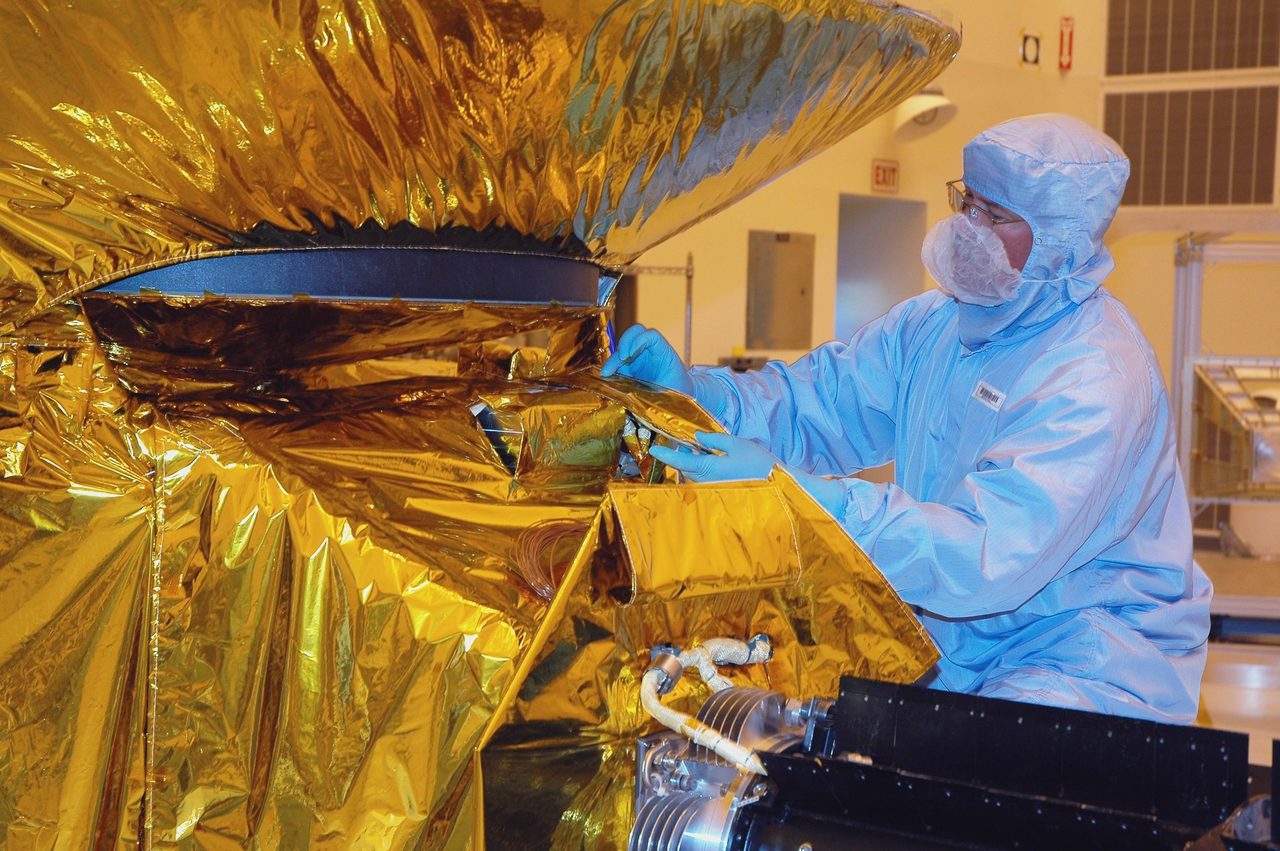
New Horizons: The Pluto Flyby Probe
New Horizons is a NASA space probe launched to study Pluto and its moons, as well as other objects in the Kuiper Belt. Launched on 19 January 2006, it was the first mission to explore Pluto up close, providing unprecedented data and images of the dwarf planet and its satellites.

Why Is Landing on Mars So Hard?
Mars has enough atmosphere to threaten an arriving spacecraft, but not enough to land it safely with a parachute alone. Every landing must solve both problems autonomously.

Wally Funk, Space Pioneer, Passes Away; Starlink Anomalies Noted
Wally Funk, a trailblazer in aviation and space, has died at 87. Starlink satellites undergo orbital adjustments.
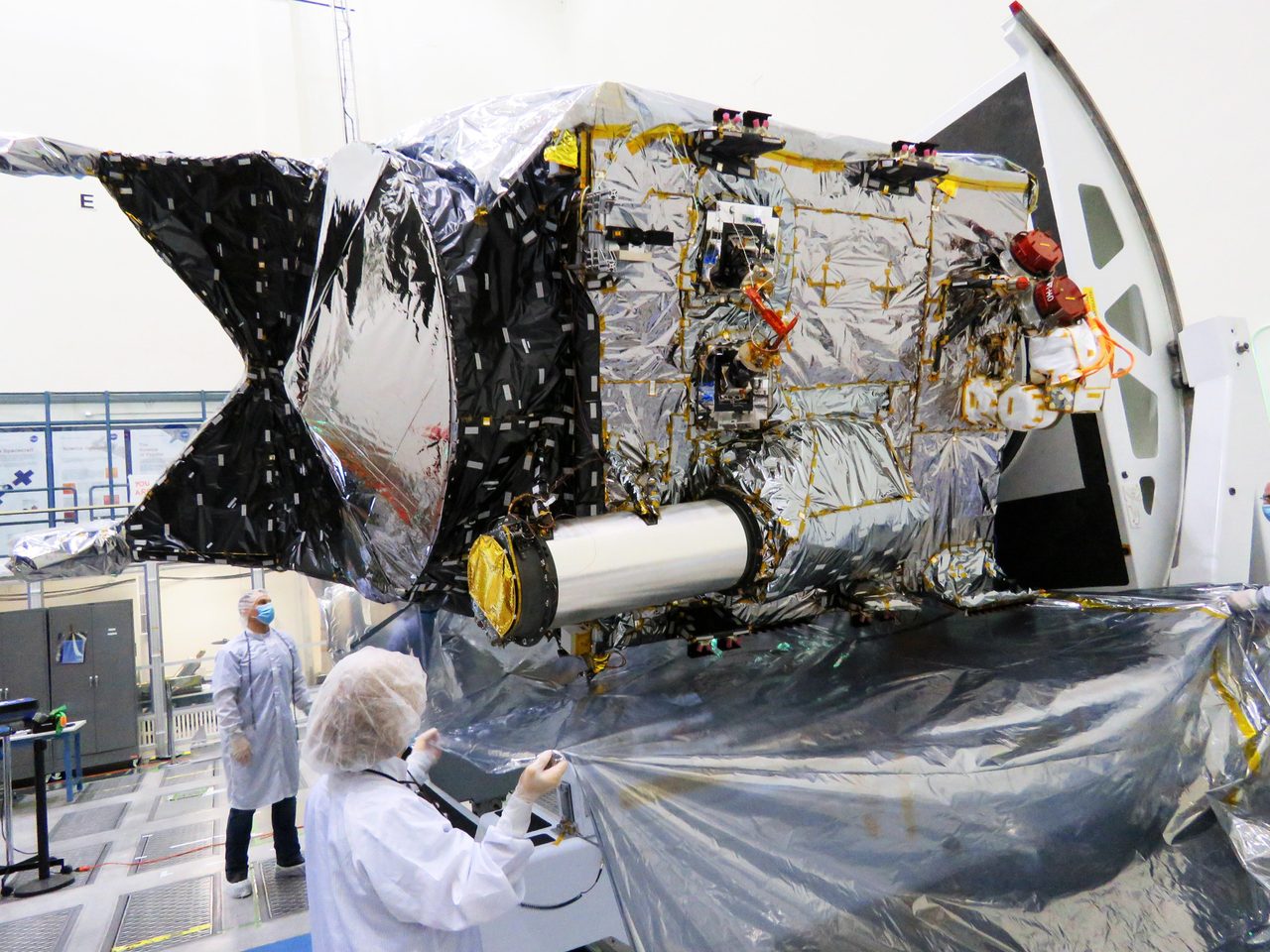
Psyche's Dance with Mars: A Celestial Gravity Assist
The Psyche spacecraft uses Mars for a gravity assist, accelerating its mission to the metallic asteroid Psyche, expected to arrive in 2029.
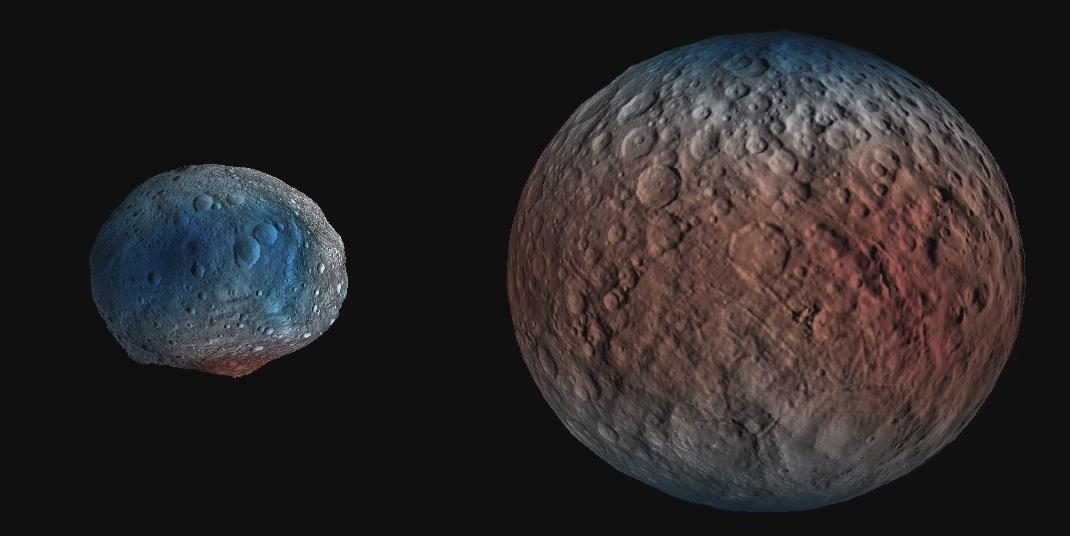
NASA Awards Launch for StarBurst Gamma-Ray Detector
NASA has awarded launch services for the StarBurst Gamma-Ray Detector, a significant step for gamma-ray astronomy. Starlink satellites continue to experience close approaches.
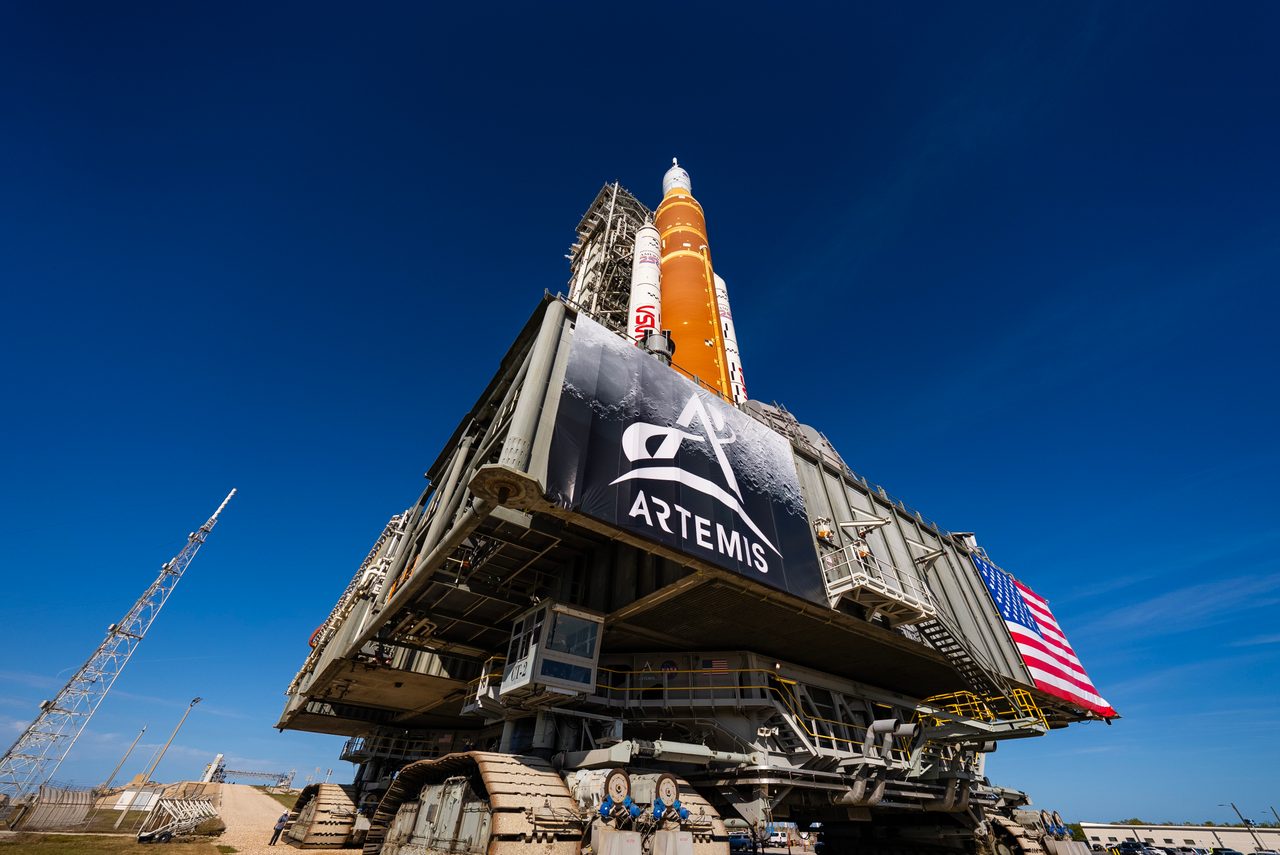
Comprehensive Guide to Every Active Launch Vehicle
Explore the full range of active launch vehicles, their capabilities, and their roles in deploying satellites and other payloads into orbit.
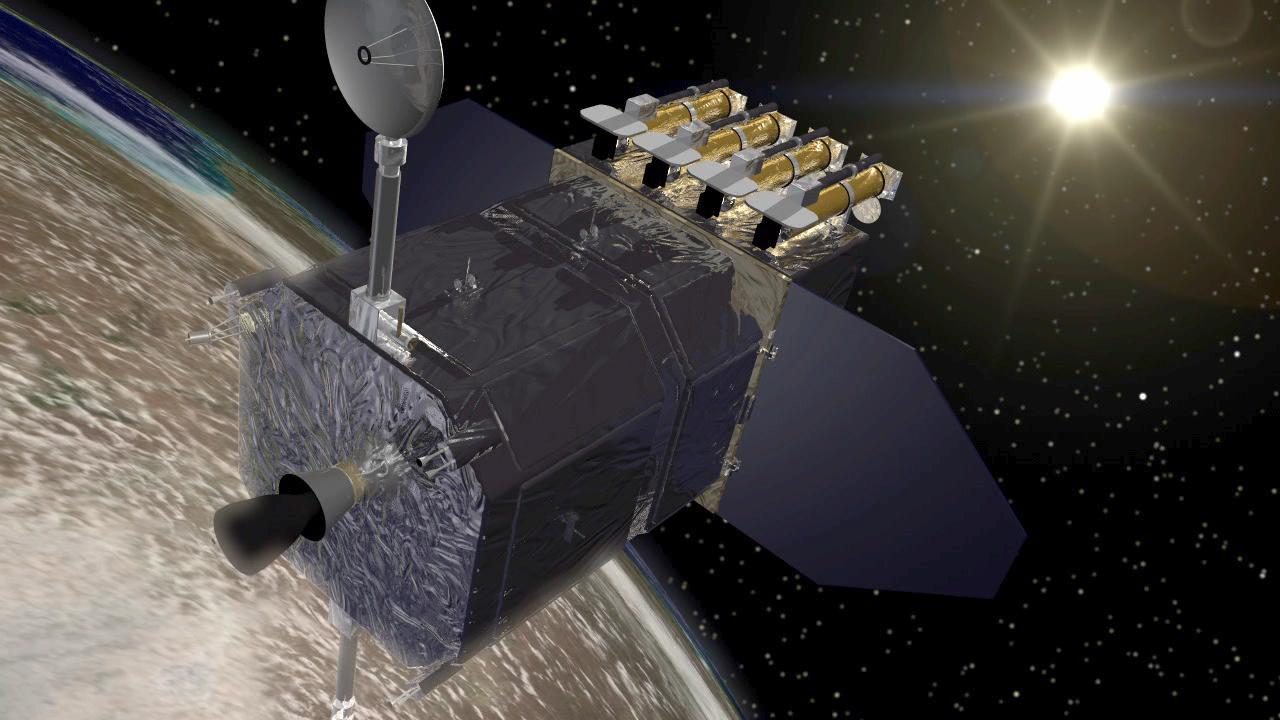
Solar Observatory Spacecraft: Monitoring Our Sun
Solar observatory spacecraft are crucial for monitoring the Sun's activity and understanding space weather impacts on Earth.
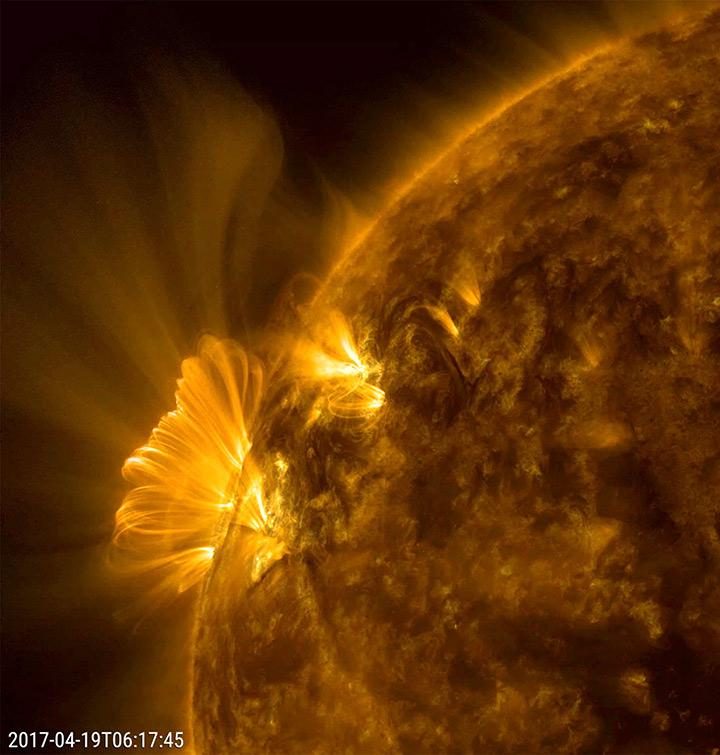
Unleashing the Sun: Understanding Coronal Mass Ejections
The Solar Dynamics Observatory captures a coronal mass ejection, illustrating the Sun's dynamic magnetic fields and their impact on Earth.
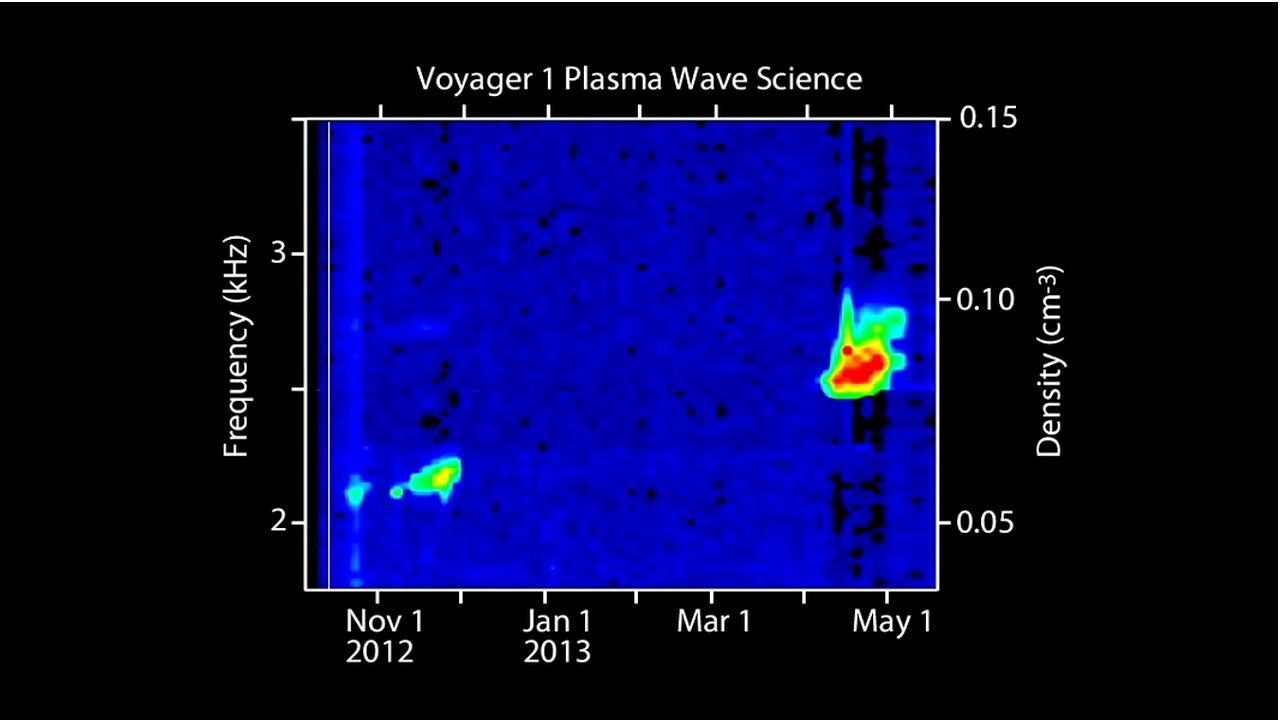
Tracking Voyager 1 and 2: Humanity's Most Distant Machines
Voyager 1 and 2 are the farthest human-made objects, now in interstellar space. Learn how they are tracked and their current locations.