Space News Mission Log — Satellite Launches, Orbital Events & Analysis
Daily space news, satellite launch reports, orbital debris analysis and weekly roundups — grounded in live tracking data from our network monitoring 16 published reports.
Understanding Atmospheric Drag on Satellites: A Detailed Guide
Atmospheric drag is a key factor affecting satellites in low Earth orbit, influencing their speed and altitude over time.
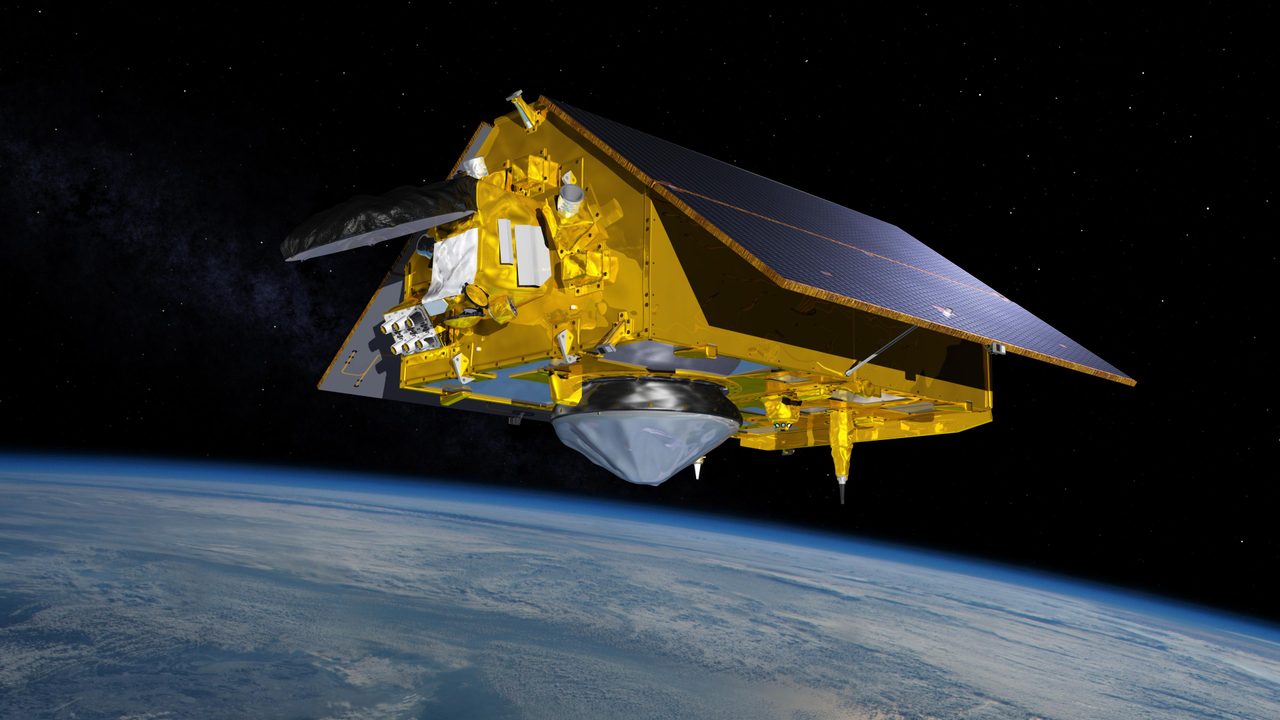
Understanding Orbital Decay: Why Satellites Fall to Earth
Orbital decay occurs when a satellite's orbit decreases over time due to atmospheric drag and gravitational forces, eventually leading to re-entry.
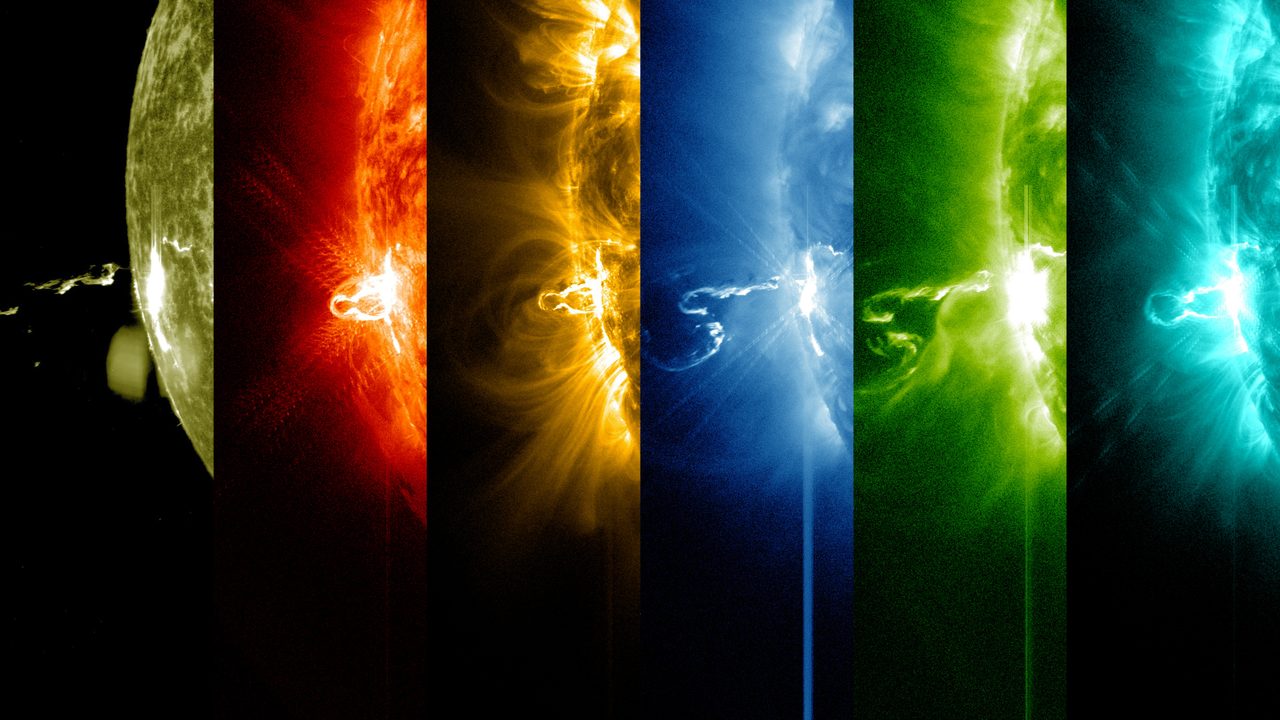
How Solar Storms Threaten Satellites and Power Grids
Solar storms can disrupt satellites and power grids by inducing geomagnetic currents and radiation, posing risks to technology and infrastructure.

How Solar Cycles Affect Satellite Operations
Solar cycles influence satellite operations by affecting space weather, which can disrupt communications and increase orbital decay.
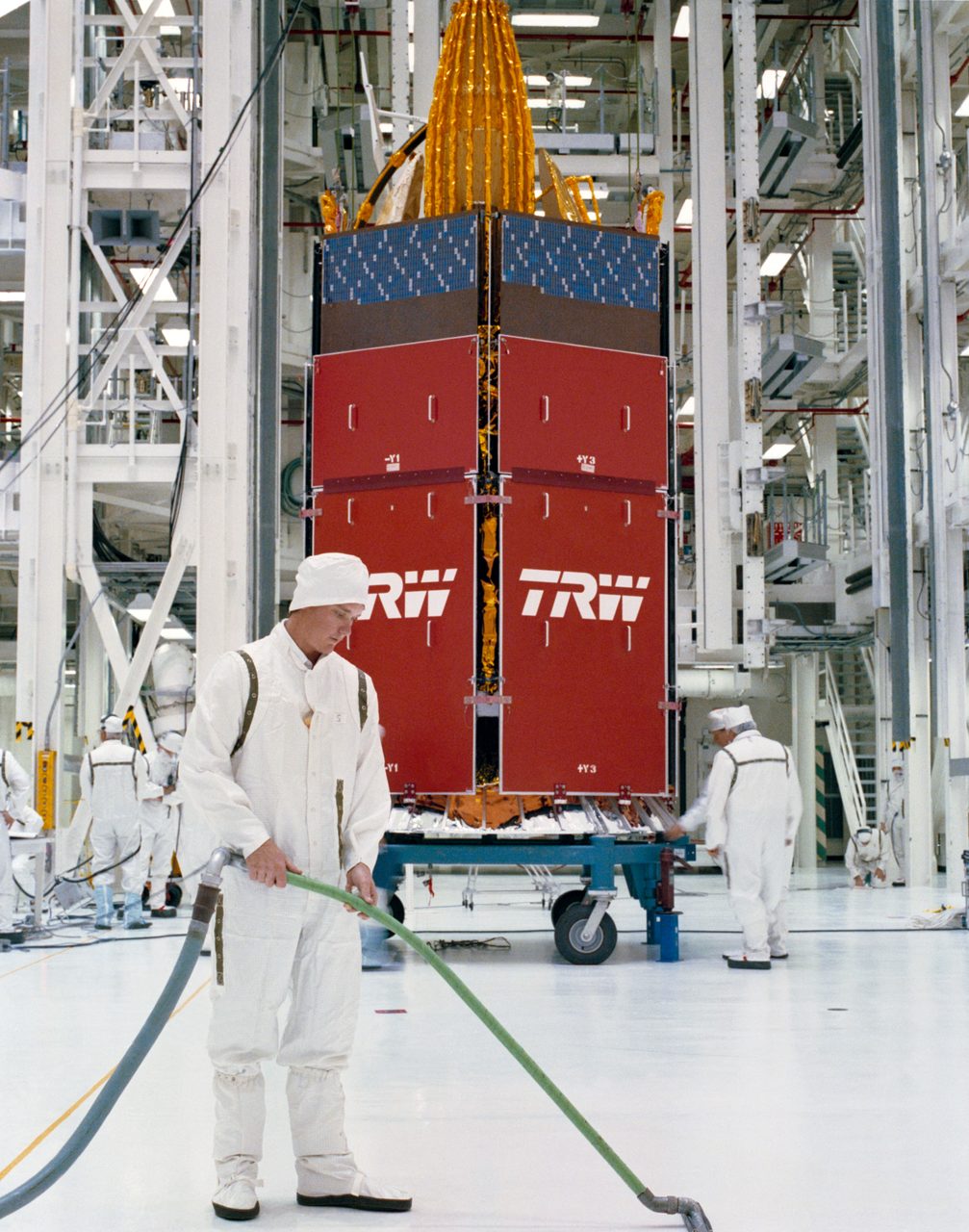
Understanding Orbital Epoch: A Comprehensive Guide
The orbital epoch is a timestamp indicating when orbital parameters are valid, crucial for tracking satellites and space debris.
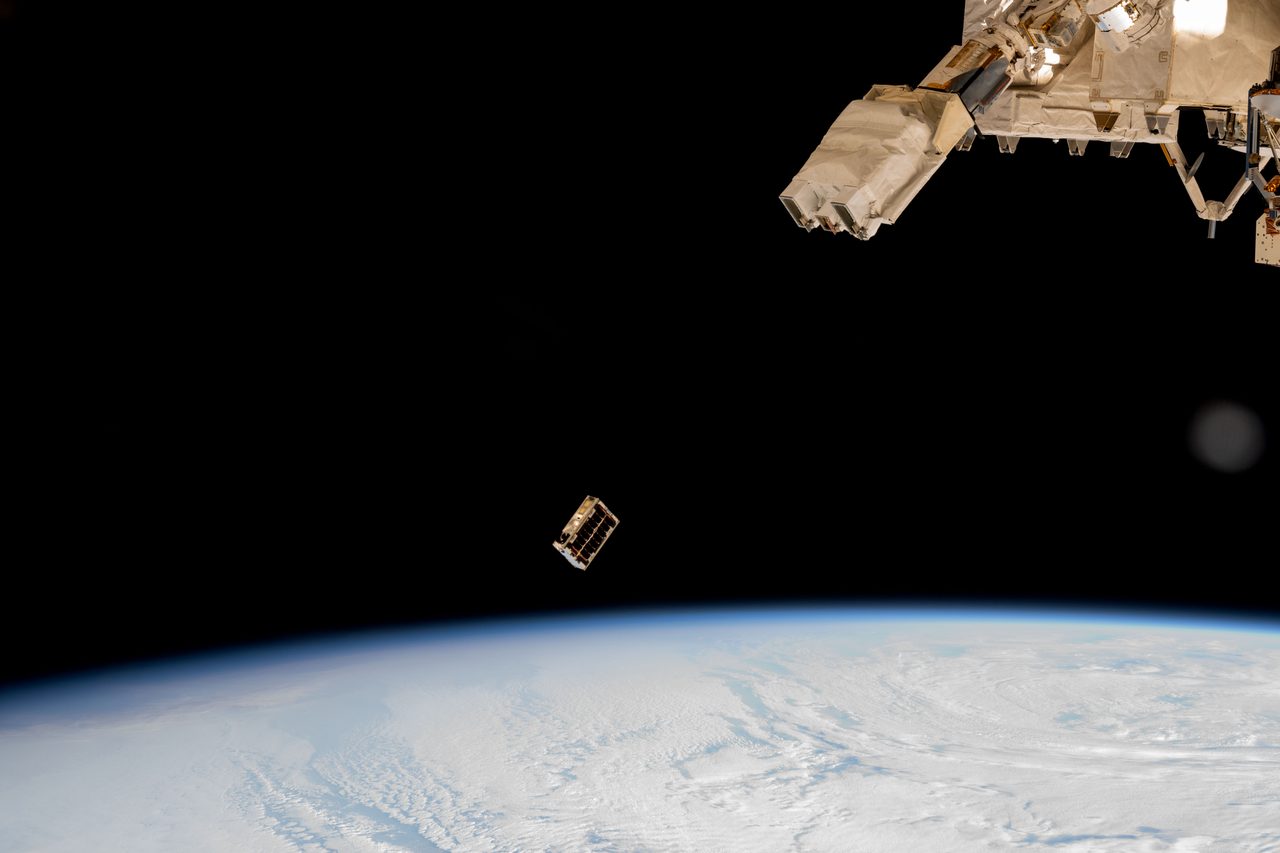
Understanding Mean Motion in Satellite Orbits
Mean motion describes the average angular speed of a satellite in its orbit, crucial for predicting satellite positions.
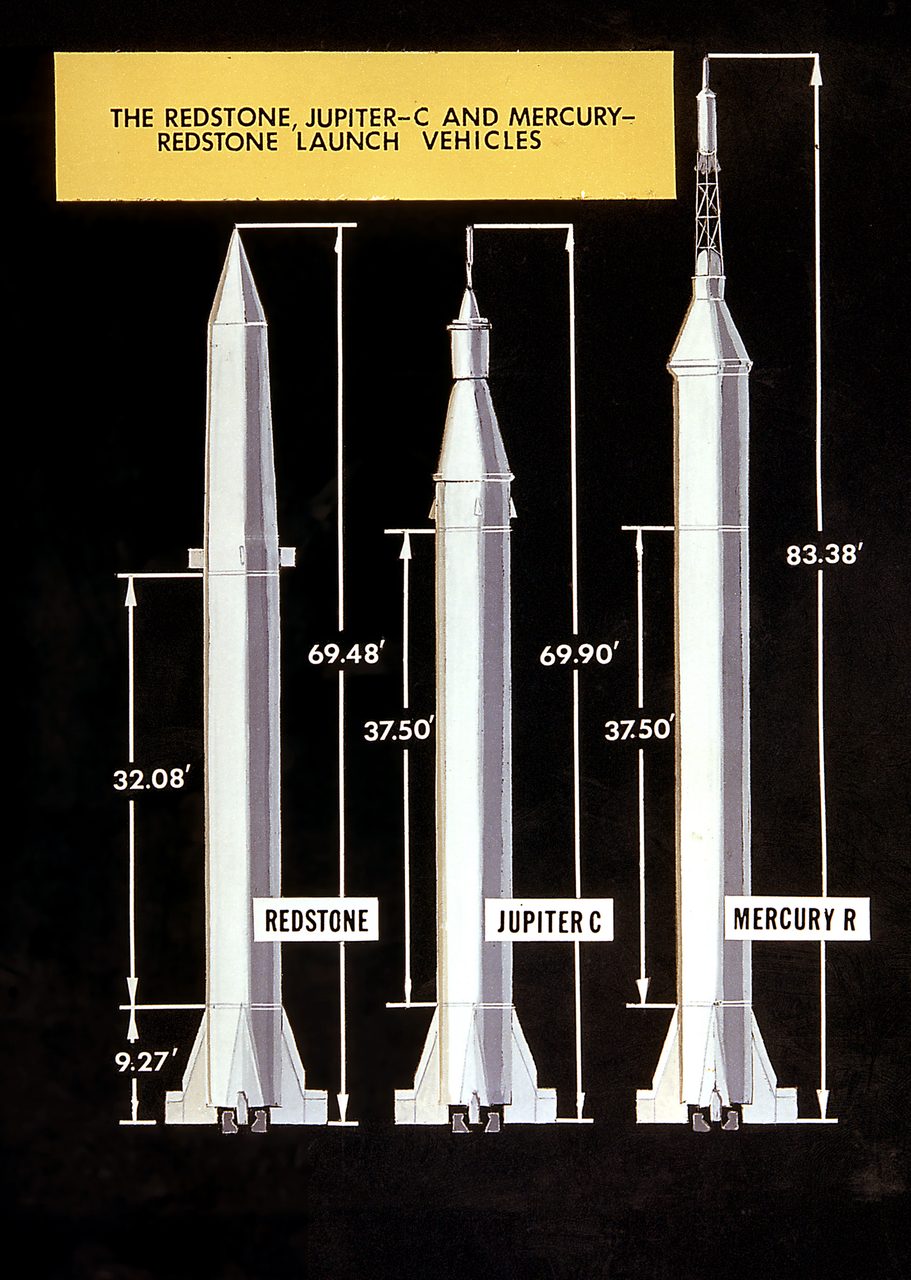
Understanding Satellite Re-entry: What Happens When Spacecraft Return to Earth
Satellite re-entry involves a spacecraft descending through Earth's atmosphere, often burning up due to intense heat and friction.
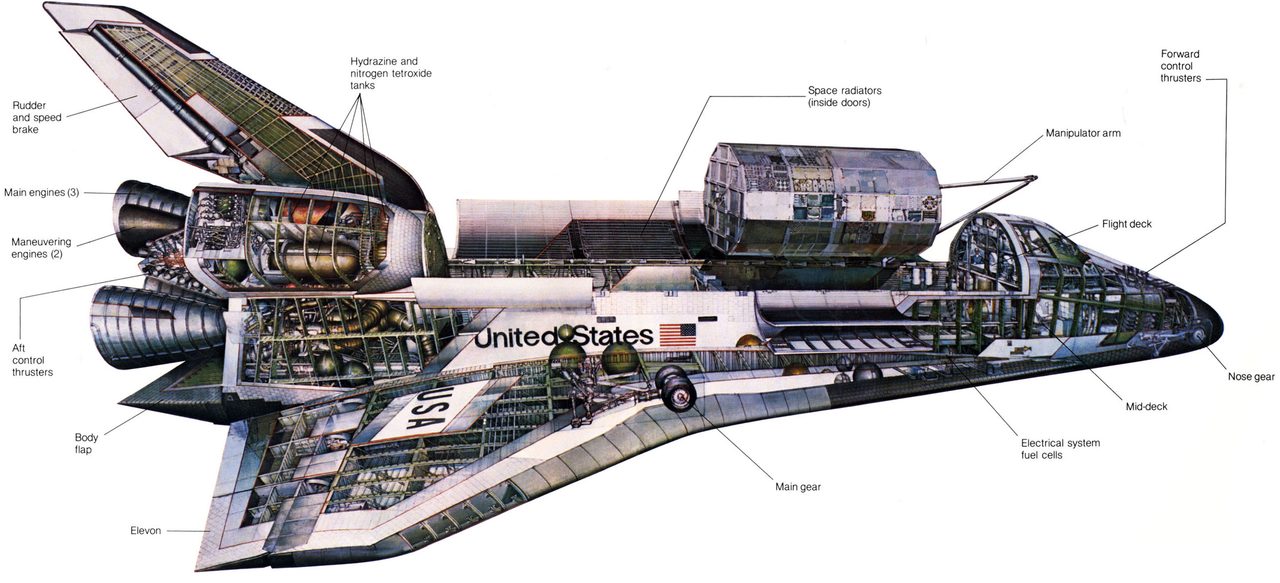
What Happens When Satellites Re-enter Earth's Atmosphere?
Satellite reentry involves the descent of a satellite from orbit, often resulting in disintegration due to atmospheric friction.
Satellite Re-entry: NORAD 47752 Expected on 9 September 2026
NORAD 47752 is predicted to re-enter Earth's atmosphere on 9 September 2026 at 03:21 UTC. Track it live on Orbital Radar.
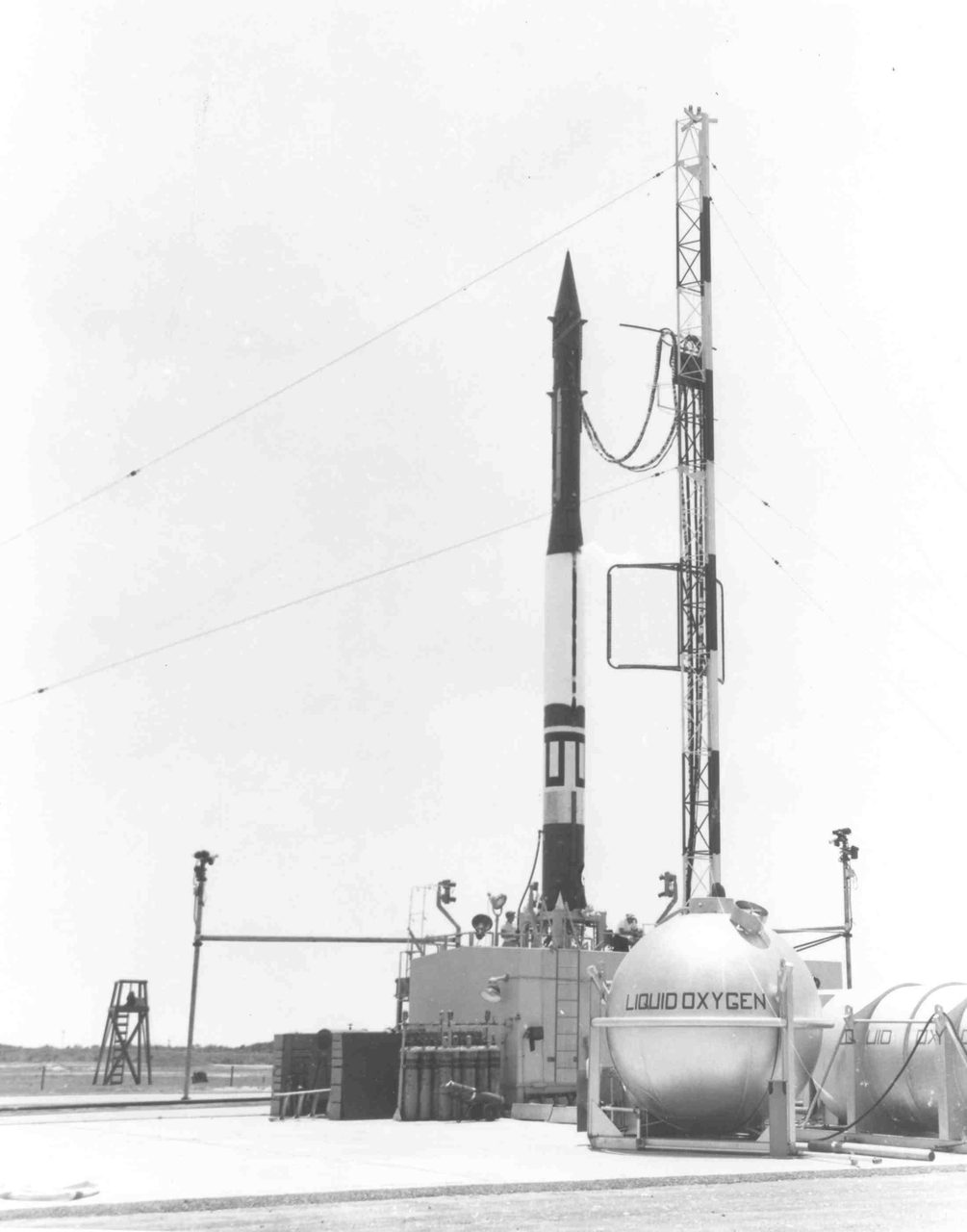
Vanguard 1: The Oldest Satellite Still in Orbit
Launched on 17 March 1958, Vanguard 1 is the oldest artificial satellite still in orbit. It was part of the United States' Vanguard project, which aimed to launch the first American satellite as part of the International Geophysical Year (1957-1958).
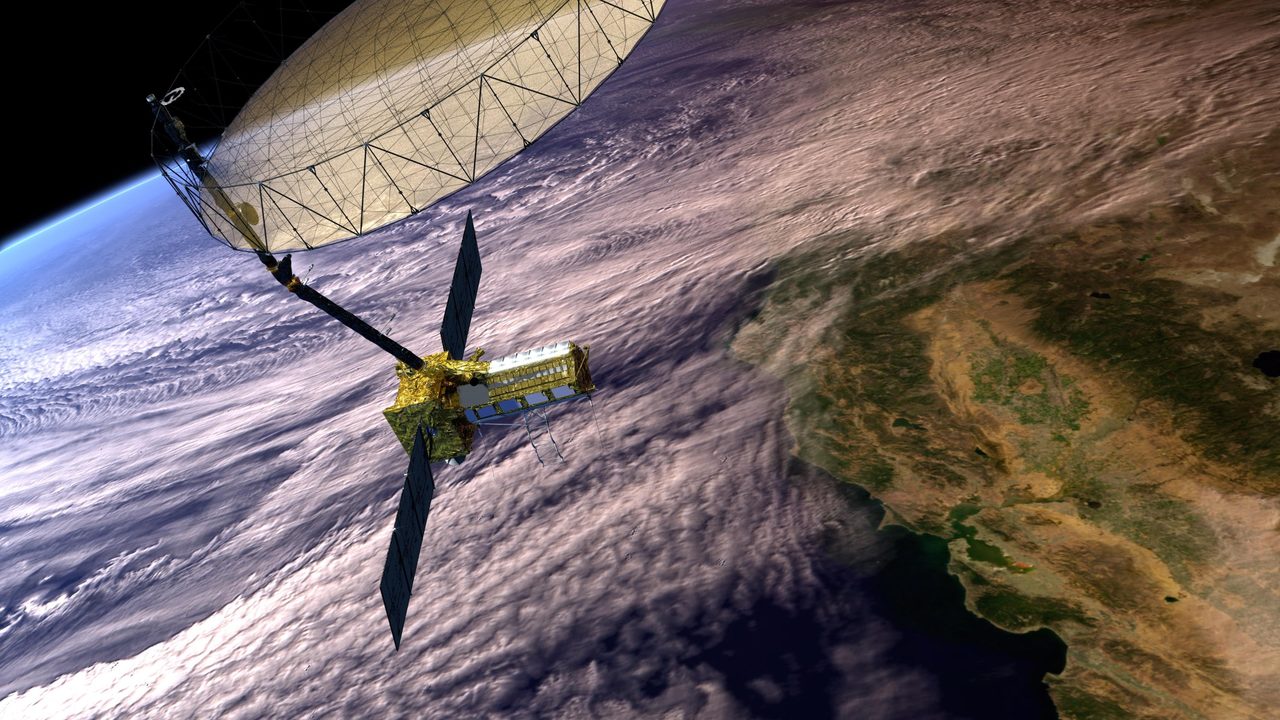
Understanding Conjunction Assessment in Satellite Operations
Conjunction assessment predicts potential collisions between satellites and debris, ensuring safe operations in Earth's orbit.
Medium Earth Orbit: Understanding Its Role in Satellite Operations
Medium Earth Orbit (MEO) is a region of space where satellites orbit at altitudes between 2,000 and 35,786 km, crucial for navigation and communications.