Space News Mission Log — Satellite Launches, Orbital Events & Analysis
Daily space news, satellite launch reports, orbital debris analysis and weekly roundups — grounded in live tracking data from our network monitoring 54 published reports.
Geostationary Orbit: How Satellites Hover Over One Spot
Geostationary orbit allows satellites to remain fixed over a single Earth location, crucial for communications and weather monitoring.

TDRS: NASA's Data Relay Network in Geostationary Orbit
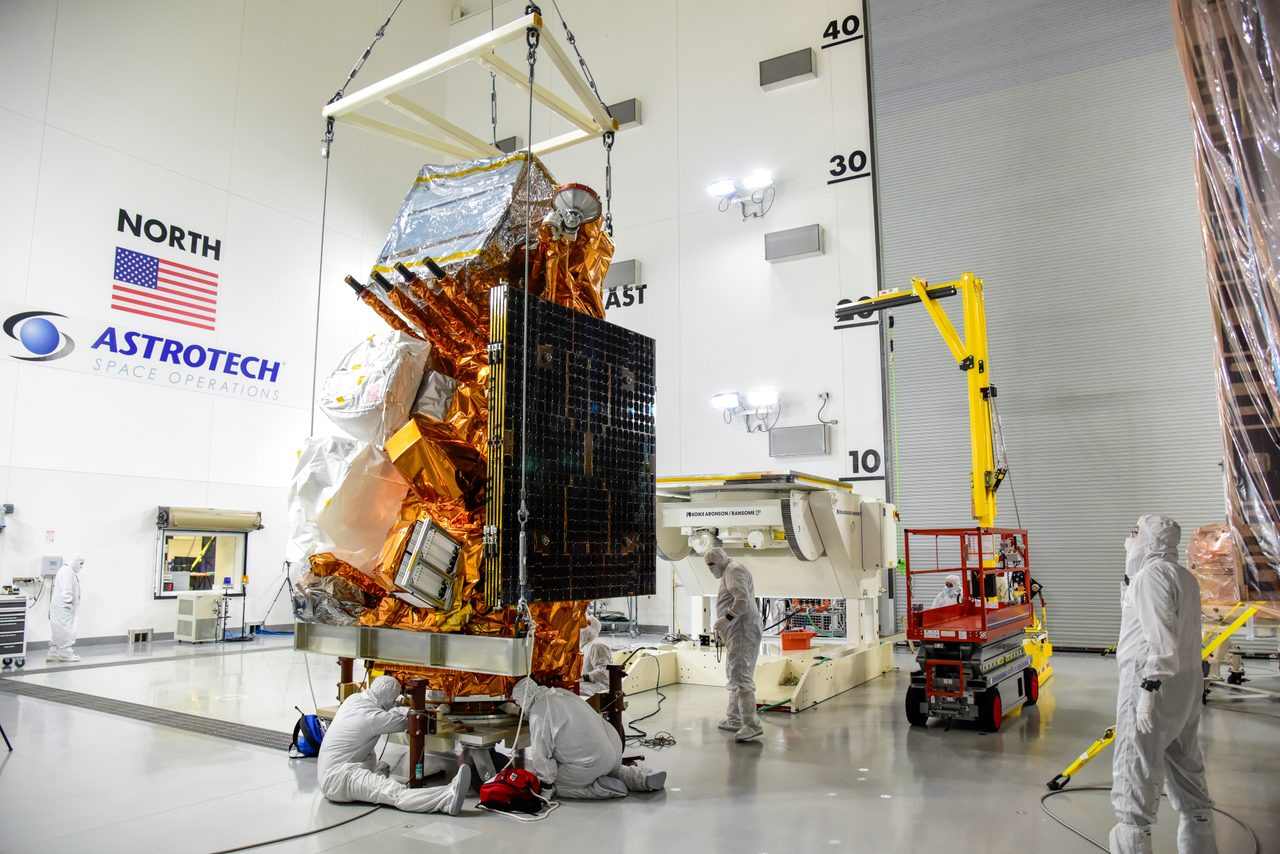
The Tracking and Data Relay Satellite (TDRS) system is a network of American communications satellites operated by NASA. It provides critical data relay services between ground stations and spacecraft in low Earth orbit (LEO), including the International Space Station and the Hubble Space Telescope.
Highly Elliptical Orbits: Understanding Their Role in Space
Highly elliptical orbits (HEOs) are elongated paths used for specific satellite missions, offering unique advantages for communication and observation.

Graveyard Orbits: Final Resting Place for Satellites
Graveyard orbits are designated zones where inactive satellites are moved to minimise space debris. Discover their importance and function.

Understanding Satellite Orbits: LEO, MEO, GEO and Beyond
Satellite orbits, including LEO, MEO, and GEO, define how satellites move and function in space. Each orbit serves unique purposes.
Understanding Sun-Synchronous Orbits: Consistent Sunlight for Satellites
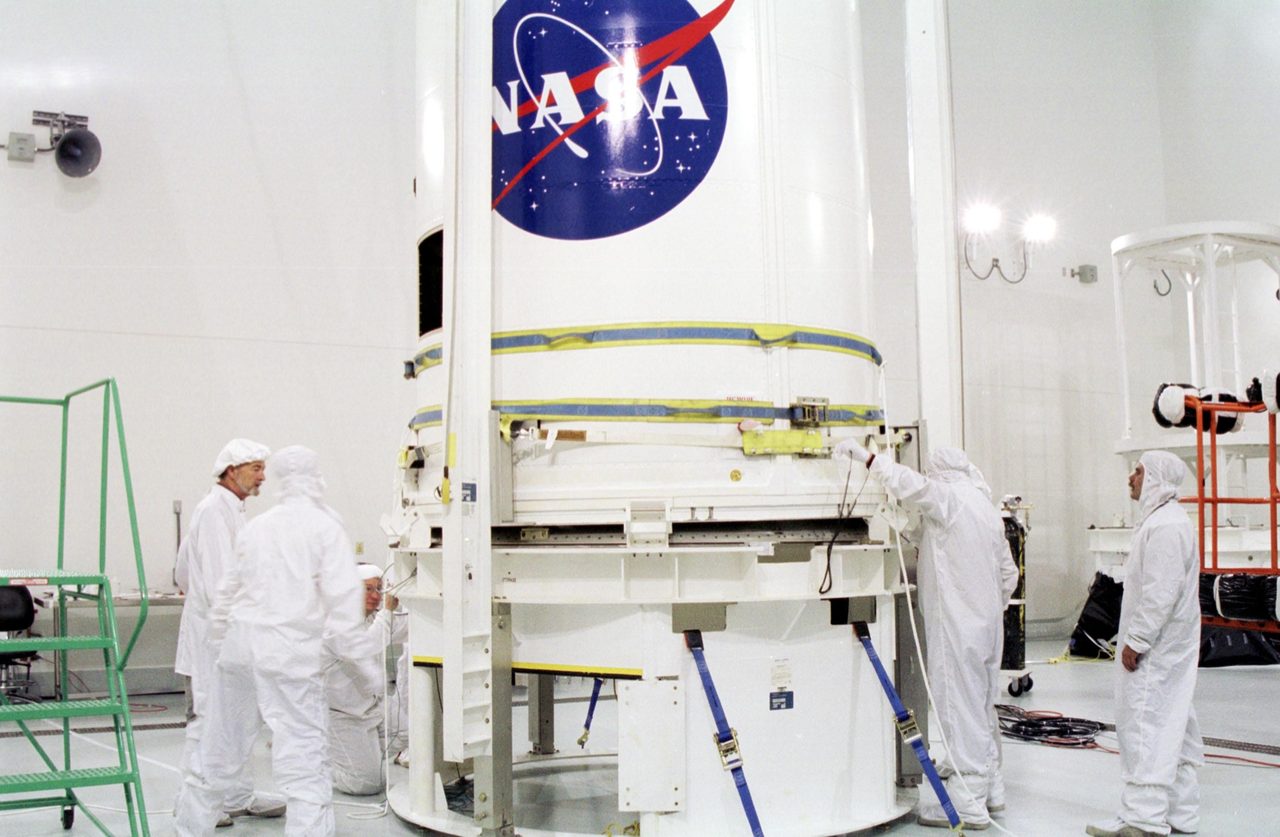
A sun-synchronous orbit allows satellites to maintain consistent sunlight exposure, crucial for imaging and Earth observation tasks.

How Satellite Internet Works: A Comprehensive Guide
Satellite internet connects remote areas by transmitting data between ground stations and satellites in orbit, such as Starlink's network.

Understanding Orbital Period: Key Concepts and Calculations
The orbital period is the time a celestial object takes to complete one orbit around another object. Learn its significance and calculation.
Medium Earth Orbit: Understanding Its Role in Satellite Operations
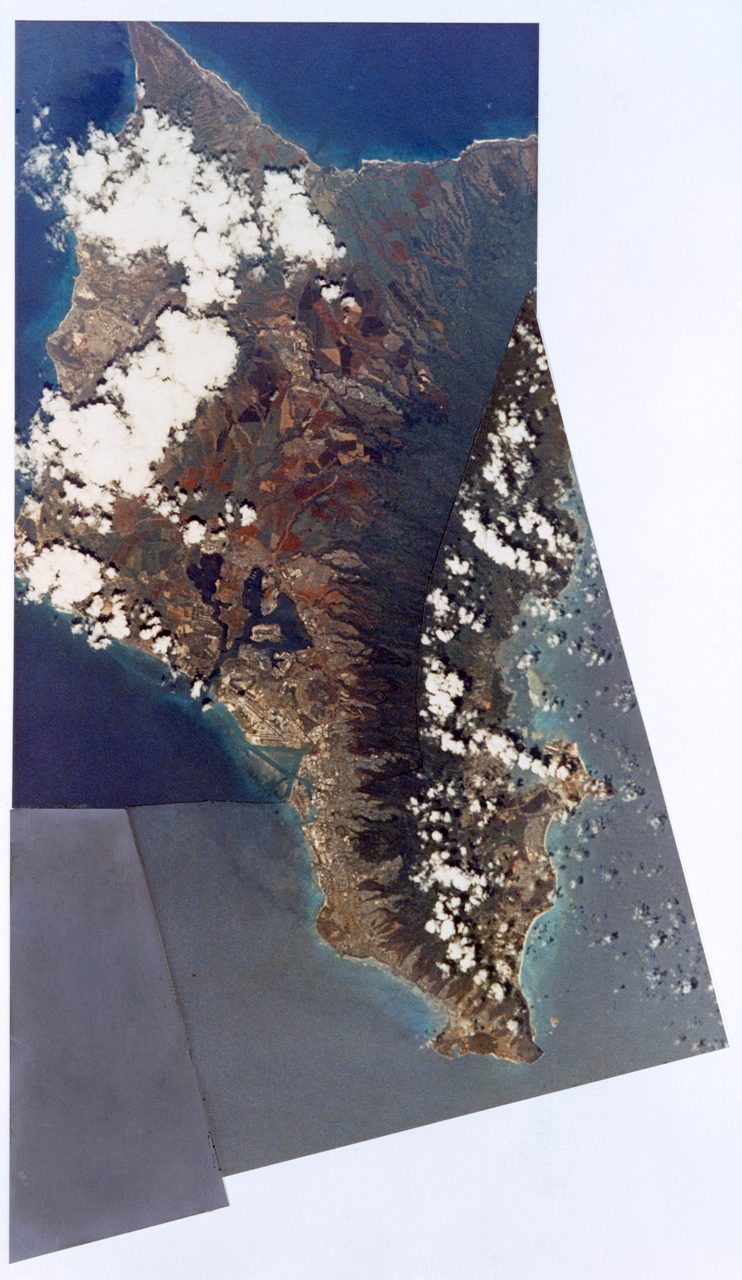
Medium Earth Orbit (MEO) is a region of space where satellites orbit at altitudes between 2,000 and 35,786 km, crucial for navigation and communications.
Intelsat: The Geostationary Communications Pioneer
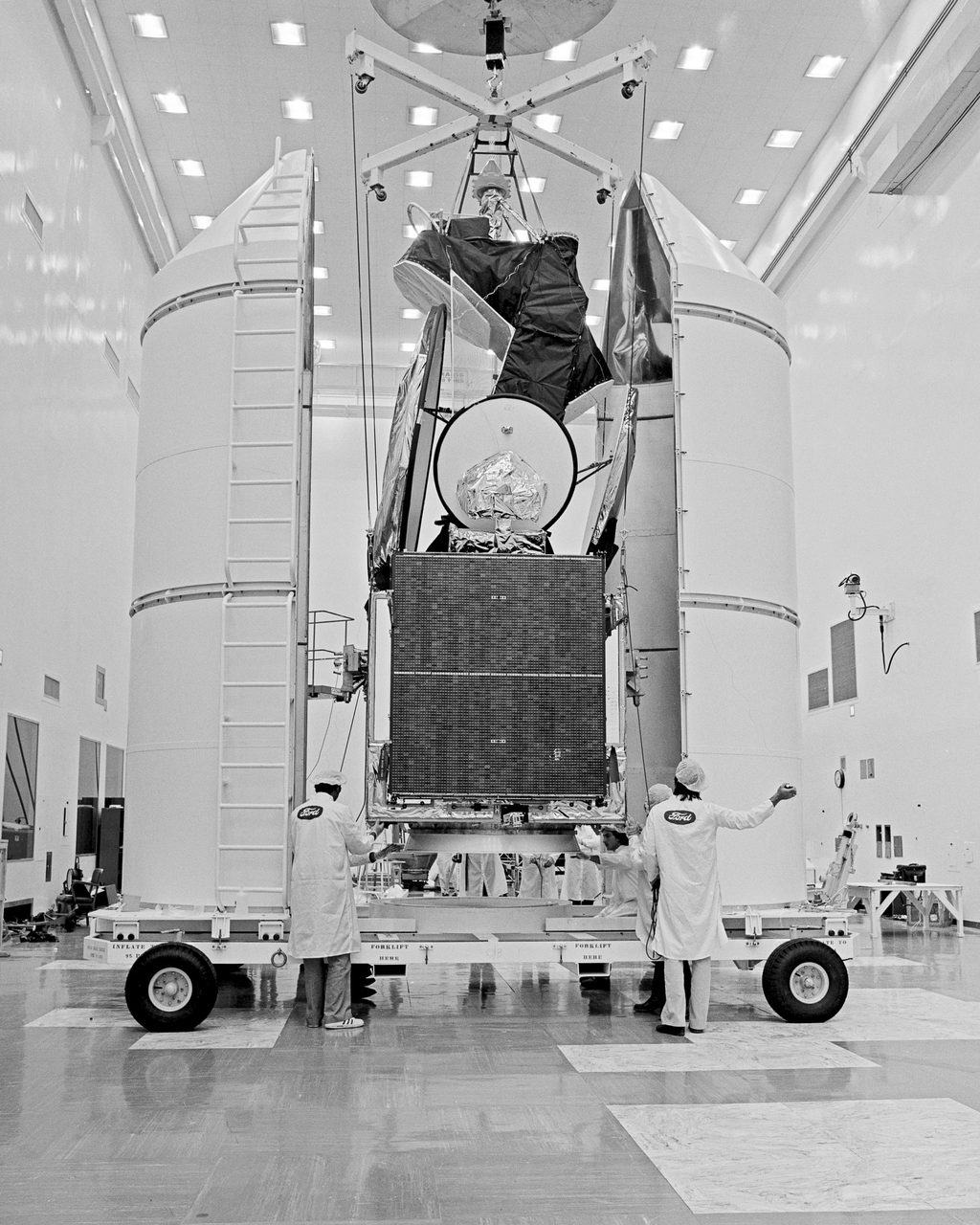
Intelsat is a leading provider of satellite communication services, operating a fleet of geostationary satellites. Founded in 1964, Intelsat has played a pivotal role in developing global satellite communications.

TDRS: NASA's Geostationary Data Relay Network
The Tracking and Data Relay Satellite (TDRS) system is a network of American communications satellites that form part of NASA's Space Network. Established to provide continuous, high-data-rate communication with spacecraft, TDRS supports a range of missions, from the Hubble Space Telescope to the In
Understanding RAAN: The Right Ascension of the Ascending Node Explained
RAAN, or Right Ascension of the Ascending Node, is an essential orbital parameter that defines a satellite's path relative to Earth's equatorial plane.