Space News Mission Log — Satellite Launches, Orbital Events & Analysis
Daily space news, satellite launch reports, orbital debris analysis and weekly roundups — grounded in live tracking data from our network monitoring 19 published reports.
Highly Elliptical Orbits: Understanding Their Role in Space
Highly elliptical orbits (HEOs) are elongated paths used for specific satellite missions, offering unique advantages for communication and observation.
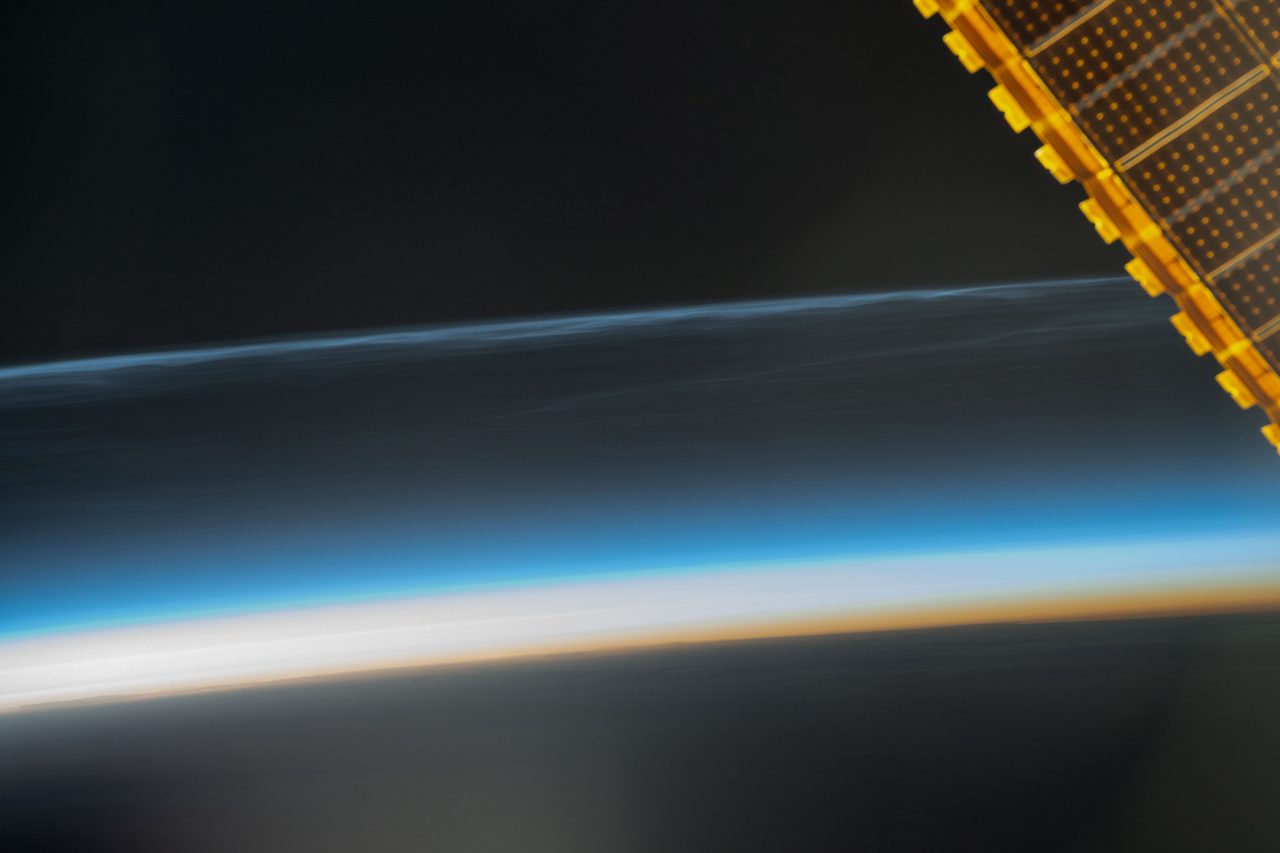
Orbital Period: Meaning, Formula and Satellite Examples
Orbital period measures how long one orbit takes. Discover why higher satellites orbit more slowly, how to calculate a period and why an orbit is not the same as a visible pass.
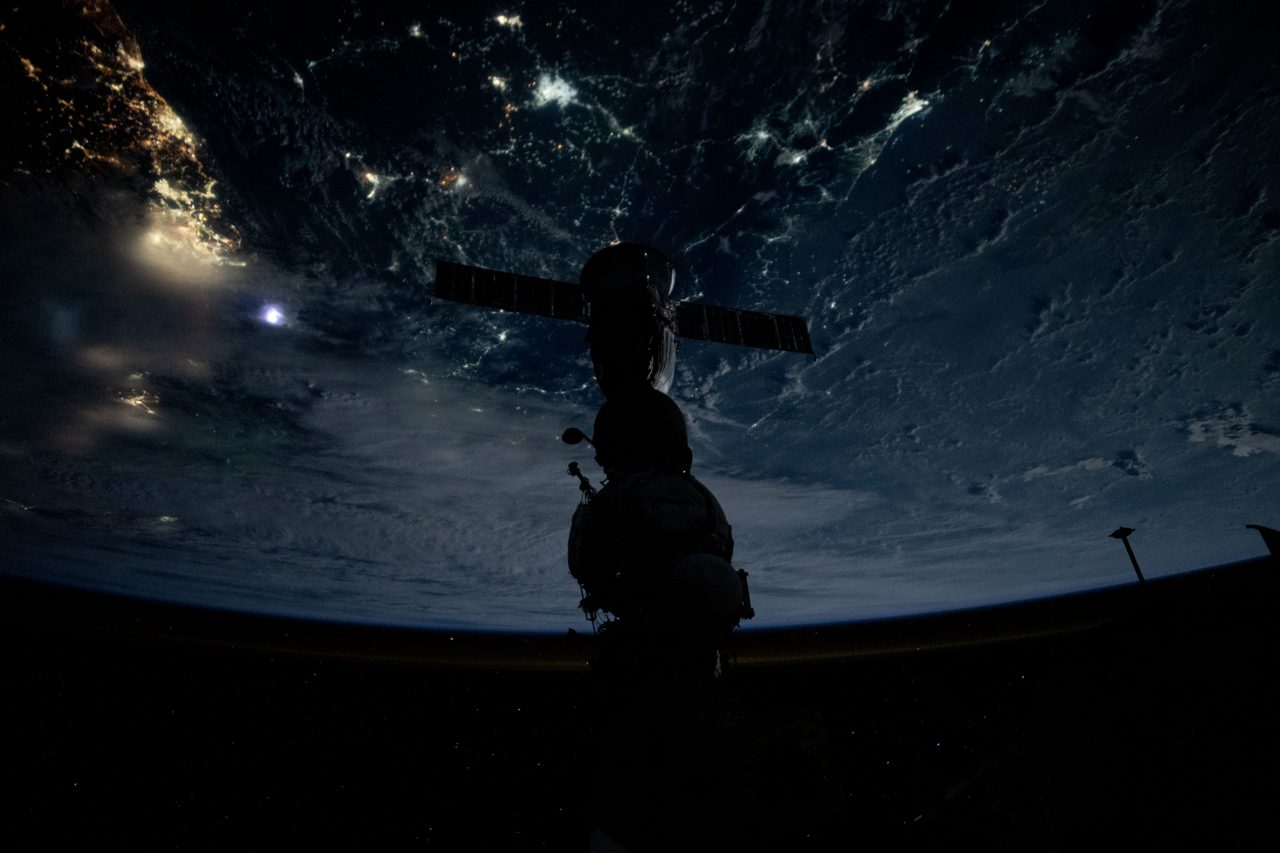
Types of Satellite Orbits: LEO, MEO, GEO and Beyond
Altitude is only part of an orbit’s story. Explore how height, tilt and shape determine what satellites can see, how they communicate and how long they remain in space.
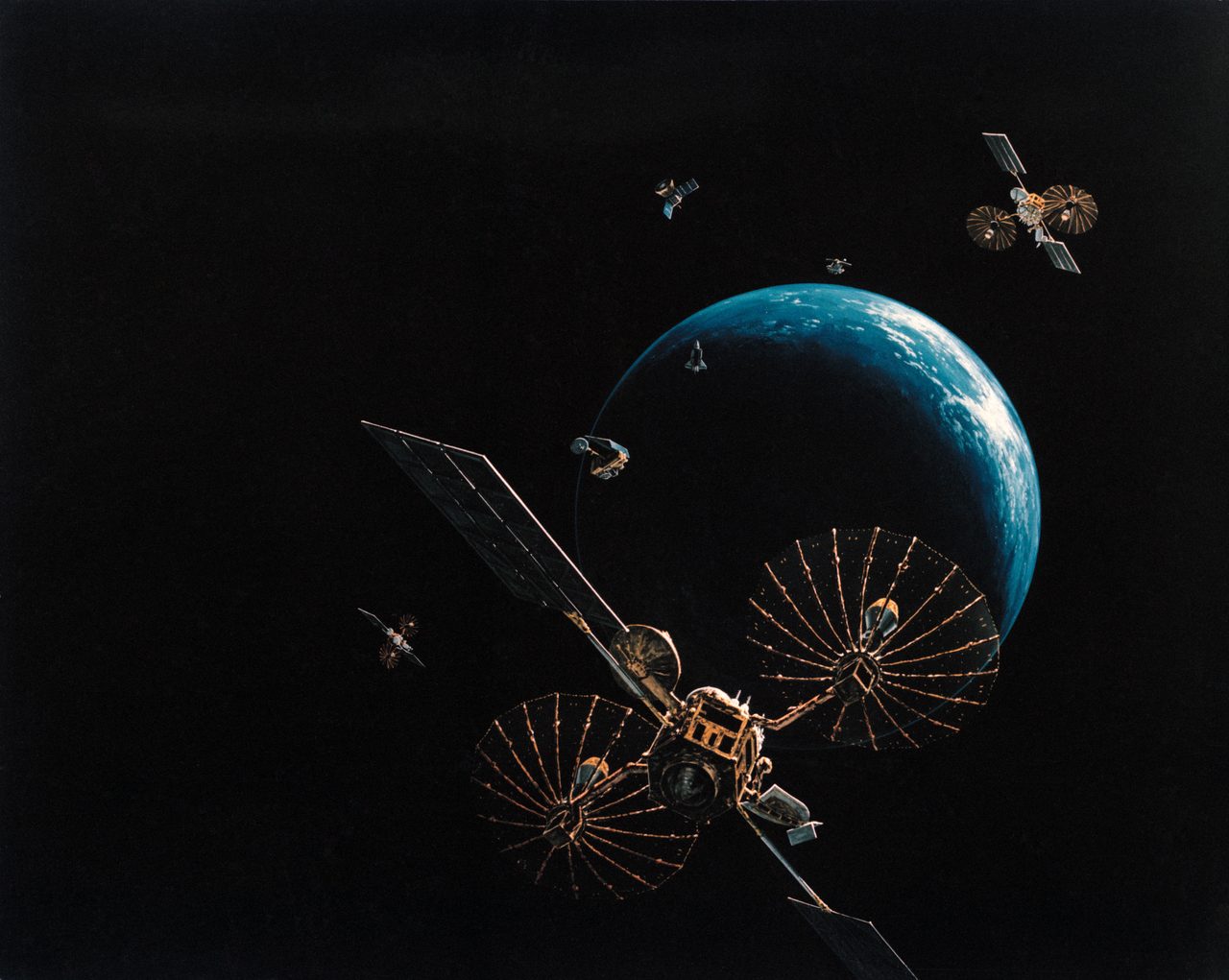
Military Satellites: What They Do and How They Work
Military satellites support communications, navigation, intelligence and missile warning. Explore how they work, what they can detect and what public tracking reveals.
Hohmann Transfer Orbit: How the Two-Burn Route Works
A Hohmann transfer connects circular orbits with two engine burns. Discover how it works, what makes it economical and why it is not always the cheapest route.
How Crowded Is Low Earth Orbit? Satellites by Altitude
Low Earth orbit is crowded unevenly: payloads dominate some altitude bands, while debris fills others. Explore the concentrations and what they mean for collision risk.
How Long Does It Take to Get to Mars?
Getting to Mars usually takes seven to nine months. The journey depends on where both planets will be at arrival, not simply how far apart they are at launch.
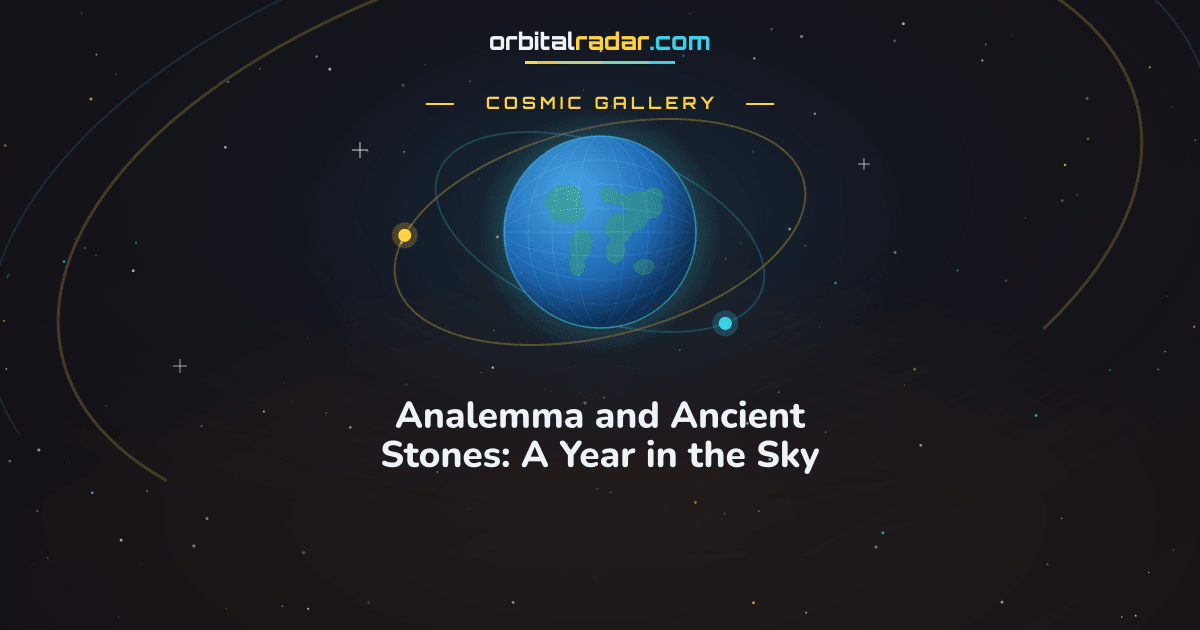
Analemma and Ancient Stones: A Year in the Sky
The analemma over the Callanish Stones reveals the Sun's shifting position throughout the year, highlighting Earth's axial tilt and orbital dynamics.
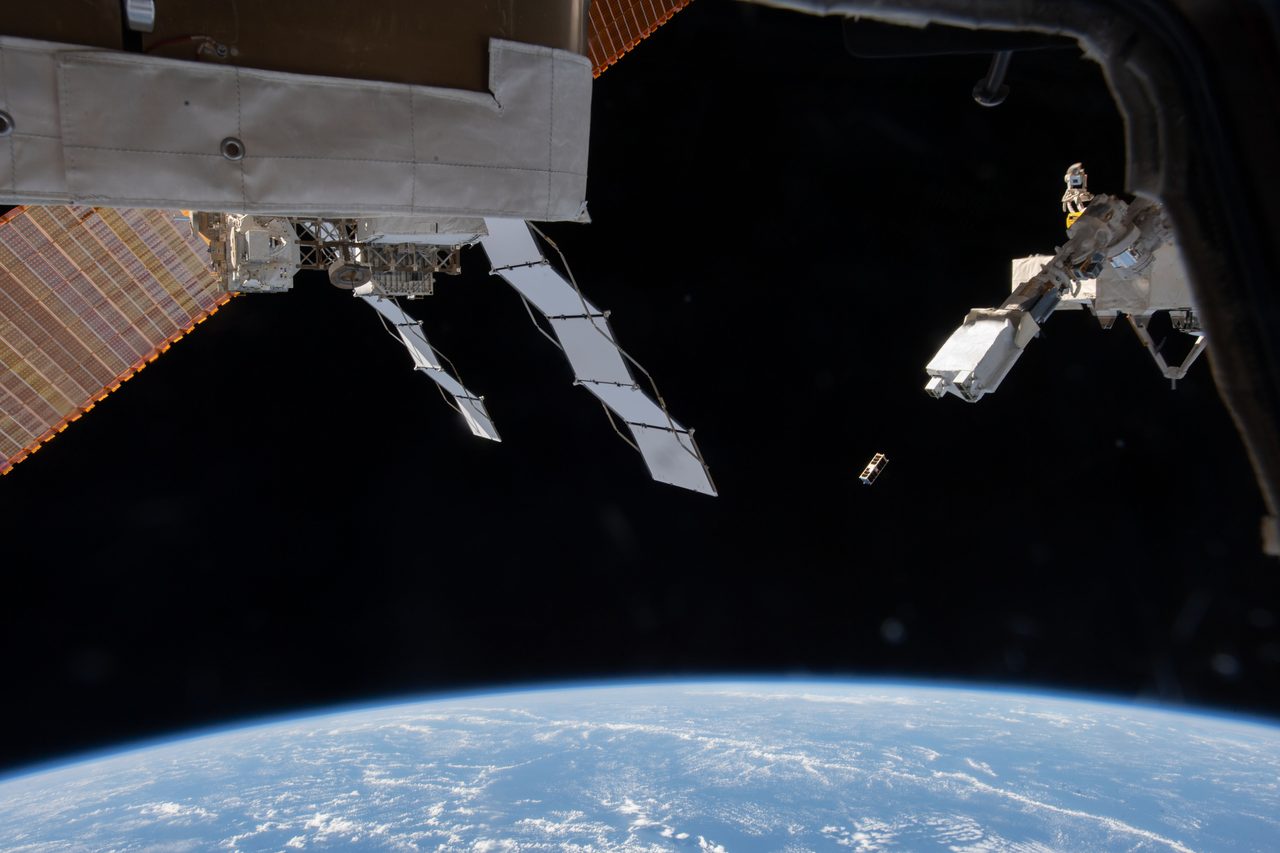
How Often Do Satellites Maneuver? What Our Detector Sees
Orbital Radar logged 45,196 orbit-change events over the past month. Explore what those detections reveal about satellite activity—and why they are not a count of thruster firings.
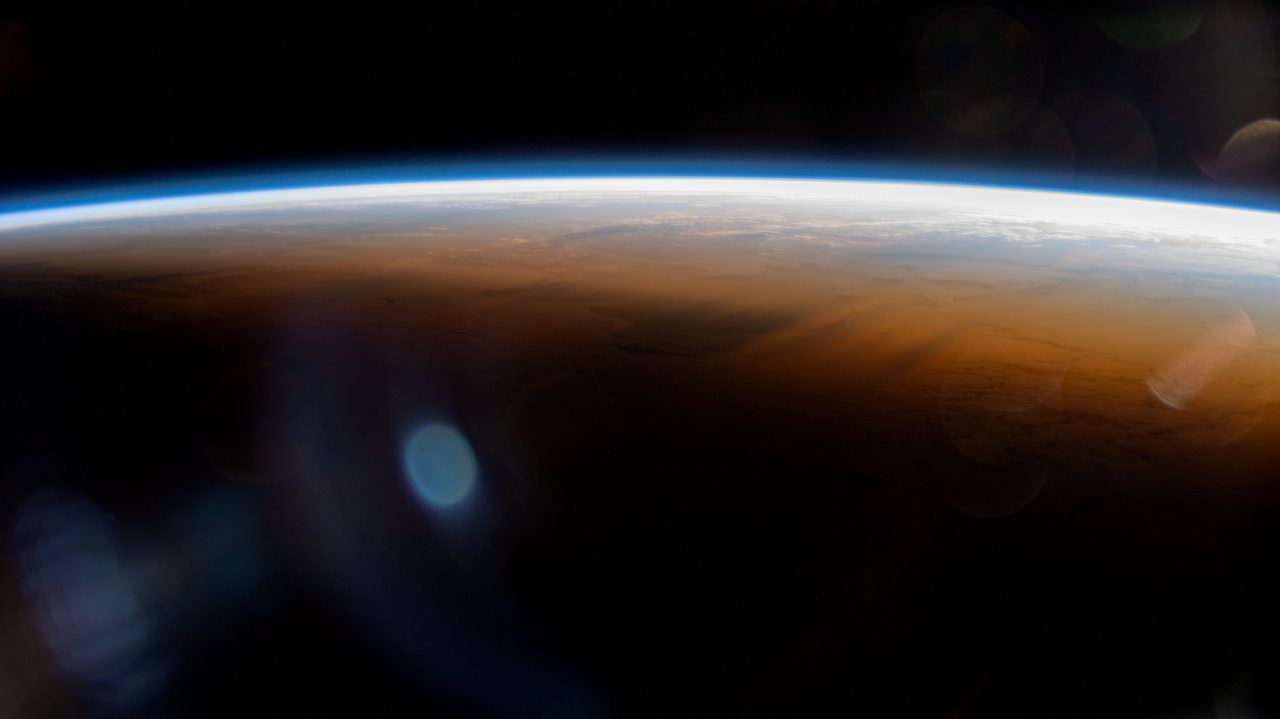
Sputnik 1: the satellite that started the Space Age
Launched on 4 October 1957, Sputnik 1 became Earth's first artificial satellite. Its radio pulses announced a new technological era, while its brief mission helped scientists investigate the upper atmosphere.
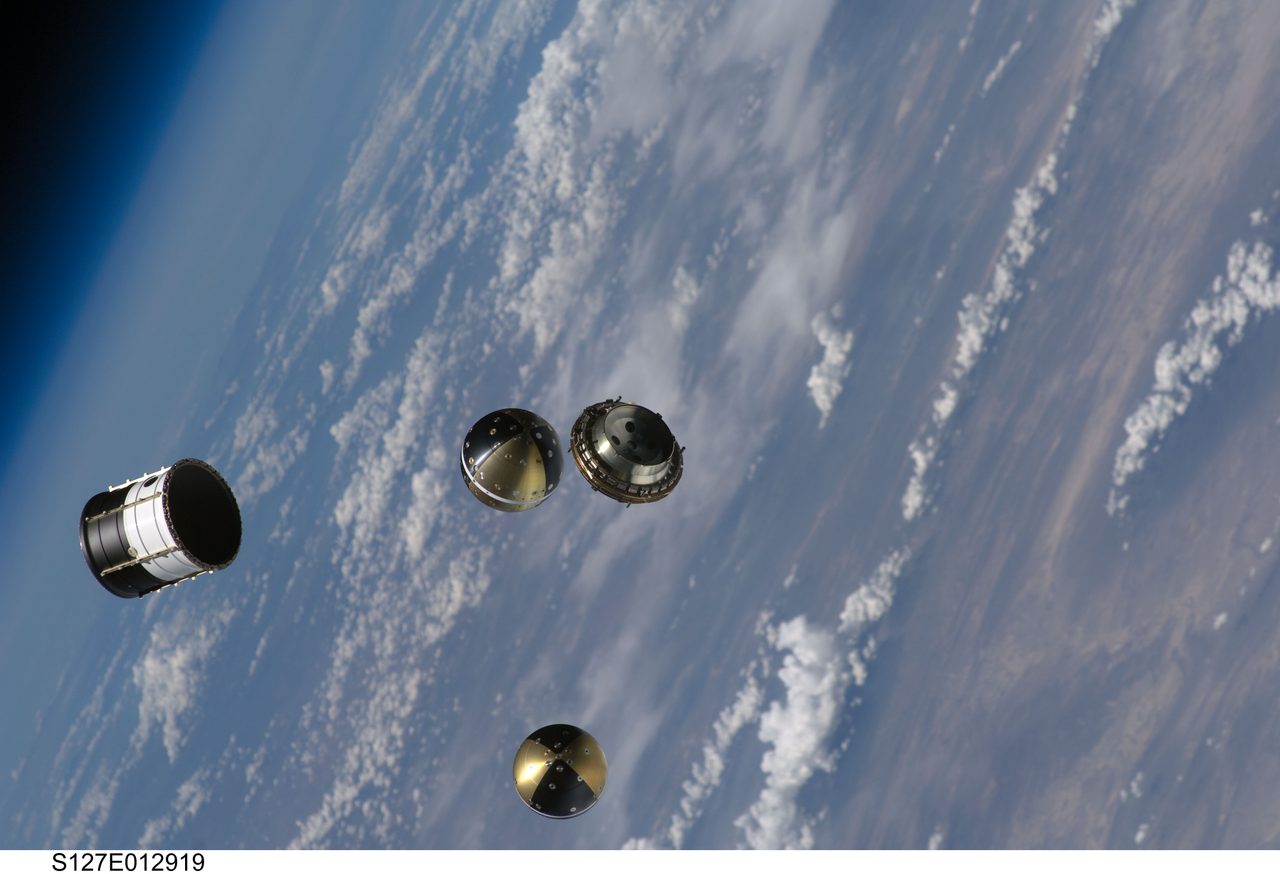
Orbital Inclination: Why Satellites Fly at Different Angles
Orbital inclination determines which latitudes a satellite flies over, but not everything it can see. Learn how orbit angles shape coverage, launch choices and mission design.
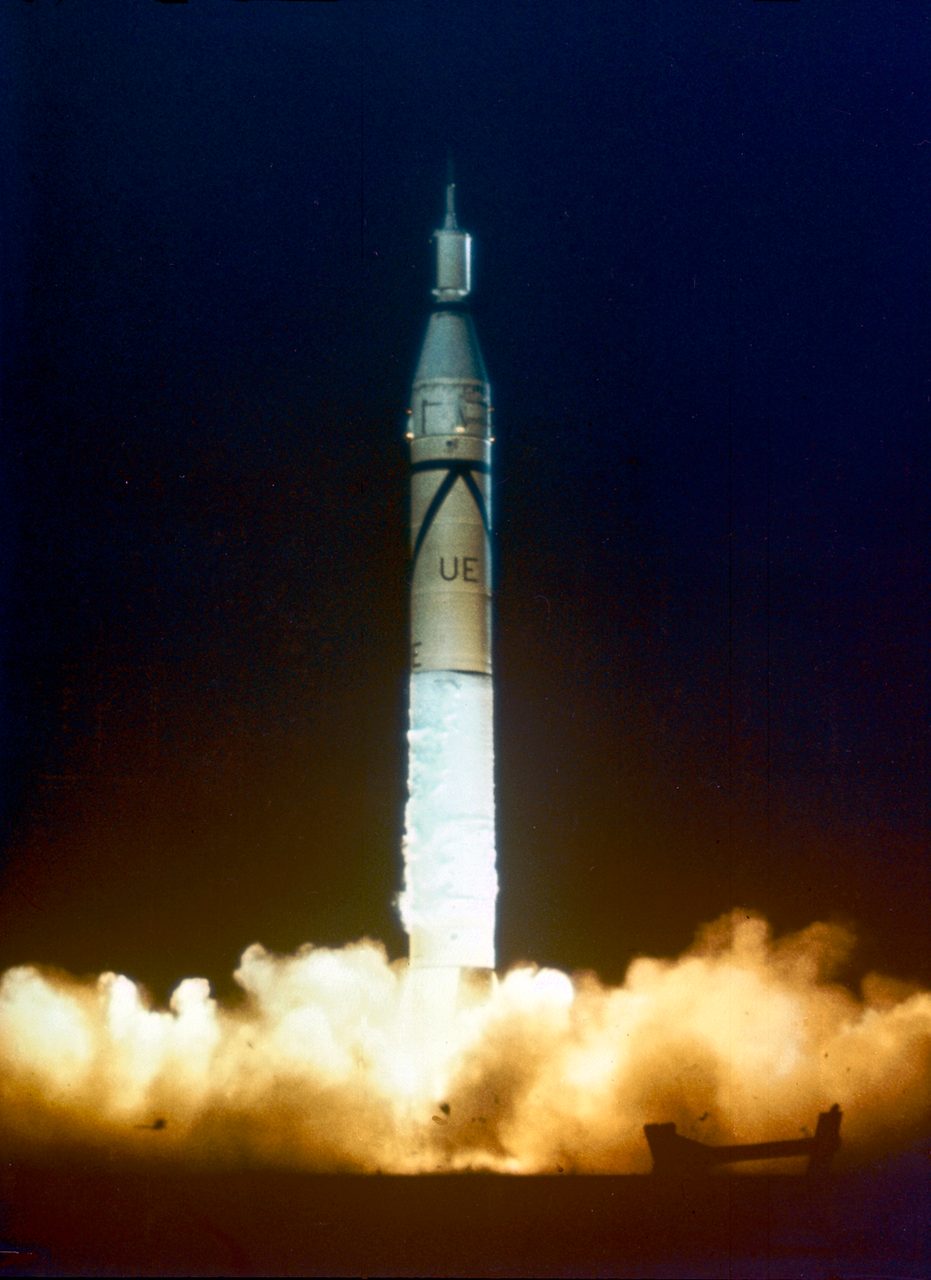
Vanguard 1: the oldest satellite still in orbit
Launched on 17 March 1958, Vanguard 1 stopped transmitting in 1964 but remains in orbit. Its small aluminium sphere helped establish solar power in space and revealed new details about Earth's shape.