Space News Mission Log — Satellite Launches, Orbital Events & Analysis
Daily space news, satellite launch reports, orbital debris analysis and weekly roundups — grounded in live tracking data from our network monitoring 65 published reports.
Orbital Inclination: Why Satellites Fly at Different Angles
Orbital inclination determines which latitudes a satellite flies over, but not everything it can see. Learn how orbit angles shape coverage, launch choices and mission design.
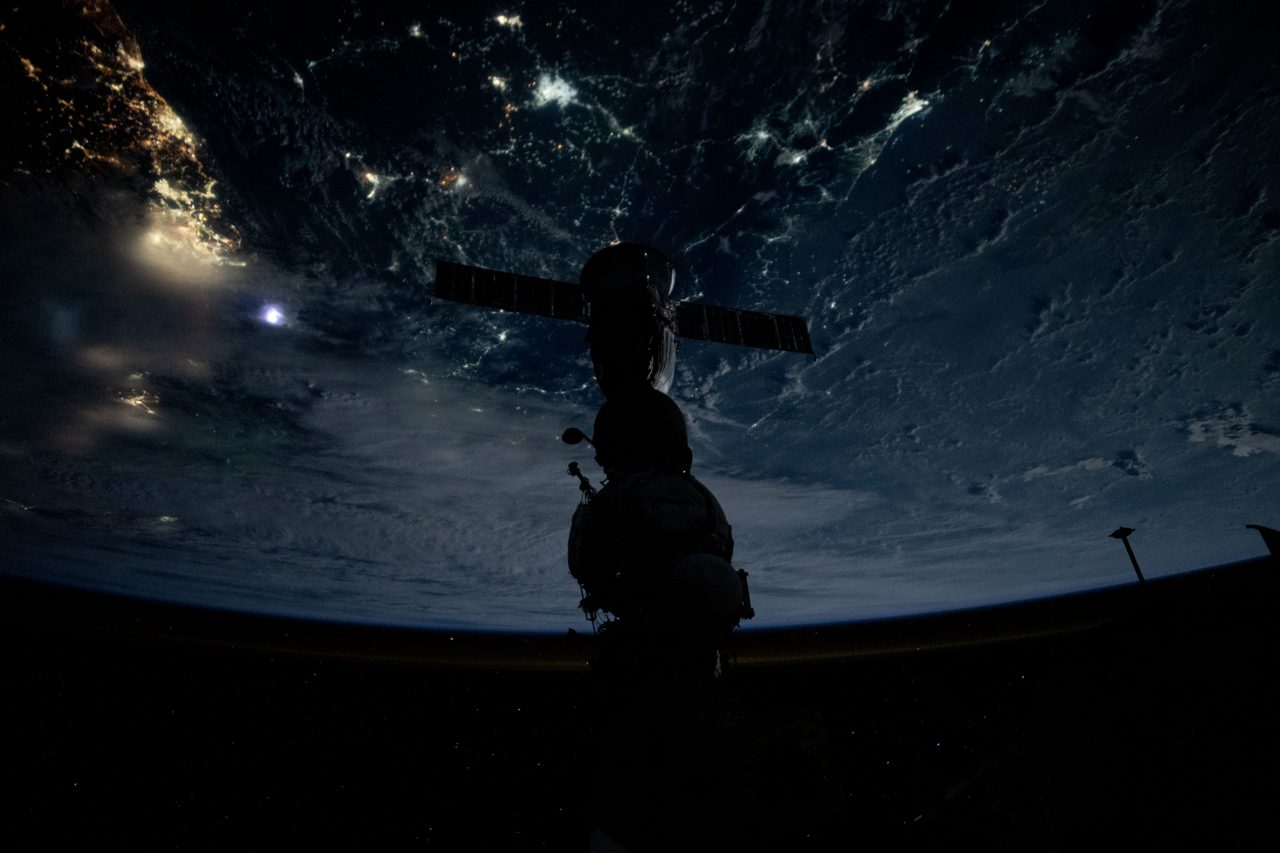
Types of Satellite Orbits: LEO, MEO, GEO and Beyond
Altitude is only part of an orbit’s story. Explore how height, tilt and shape determine what satellites can see, how they communicate and how long they remain in space.
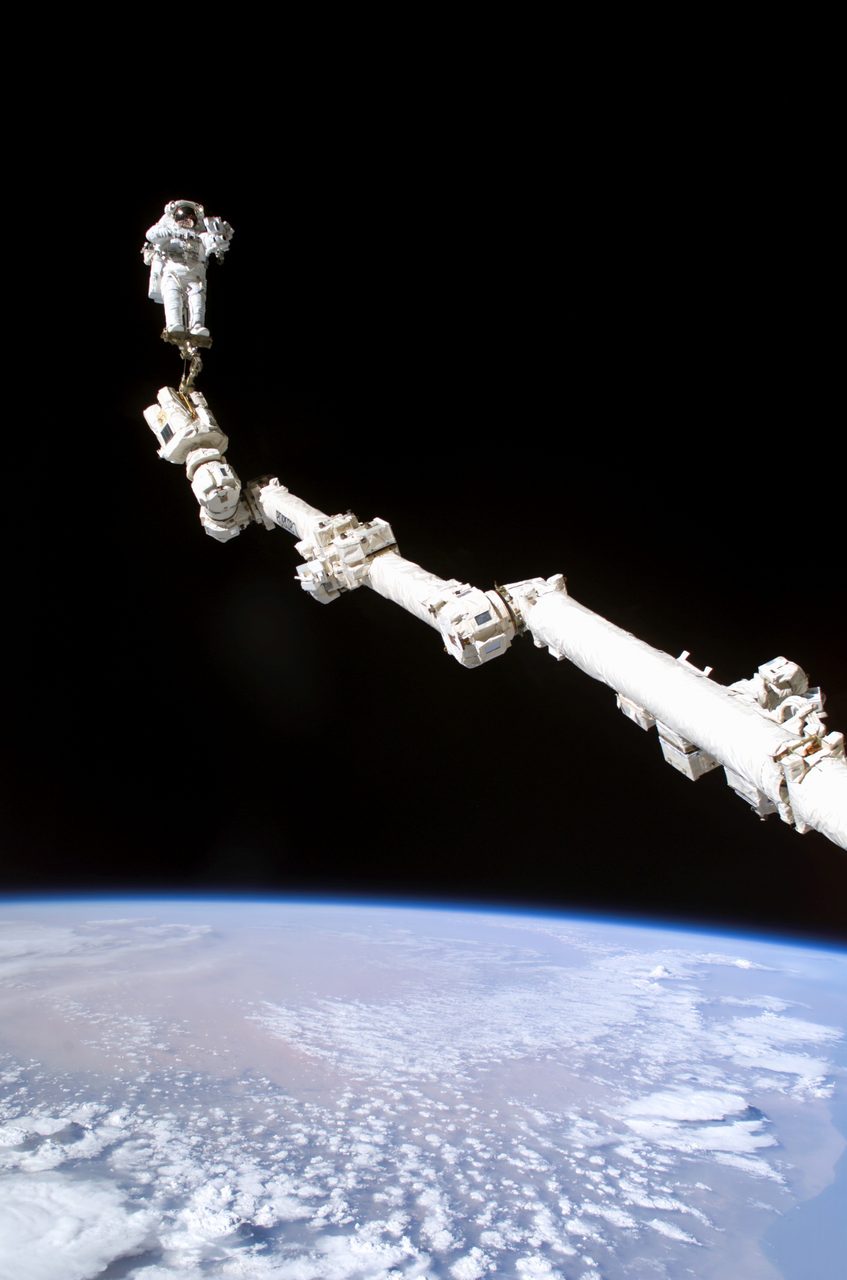
Why Do Rockets Launch From Florida?
Florida combines an eastward boost from Earth's rotation with open Atlantic launch corridors and decades of infrastructure. But the best launch site depends on the mission.
Sun-Synchronous Orbit: How Satellites Keep Consistent Light
Sun-synchronous satellites use Earth's equatorial bulge to keep a consistent solar schedule. Learn how the orbit works, why imaging missions use it and what it cannot guarantee.
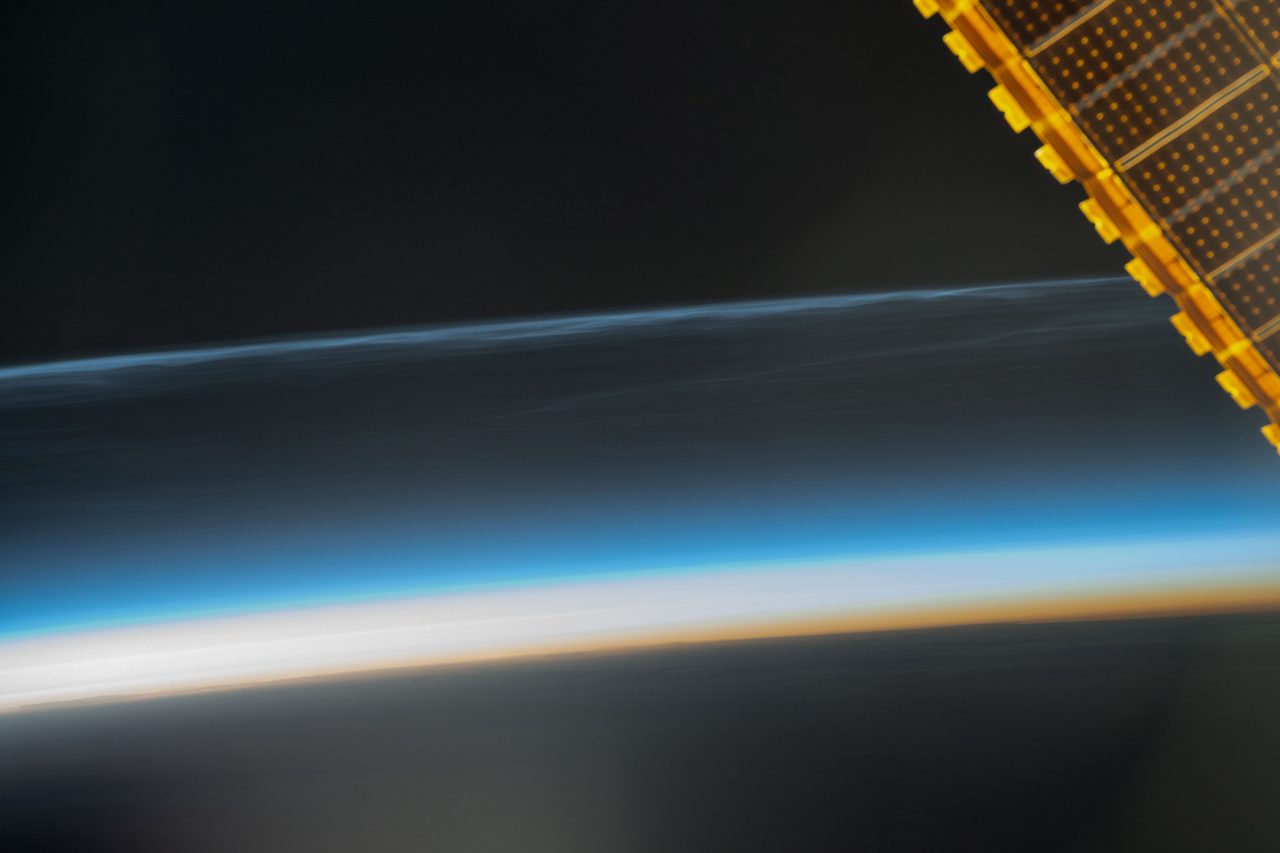
Orbital Period: Meaning, Formula and Satellite Examples
Orbital period measures how long one orbit takes. Discover why higher satellites orbit more slowly, how to calculate a period and why an orbit is not the same as a visible pass.
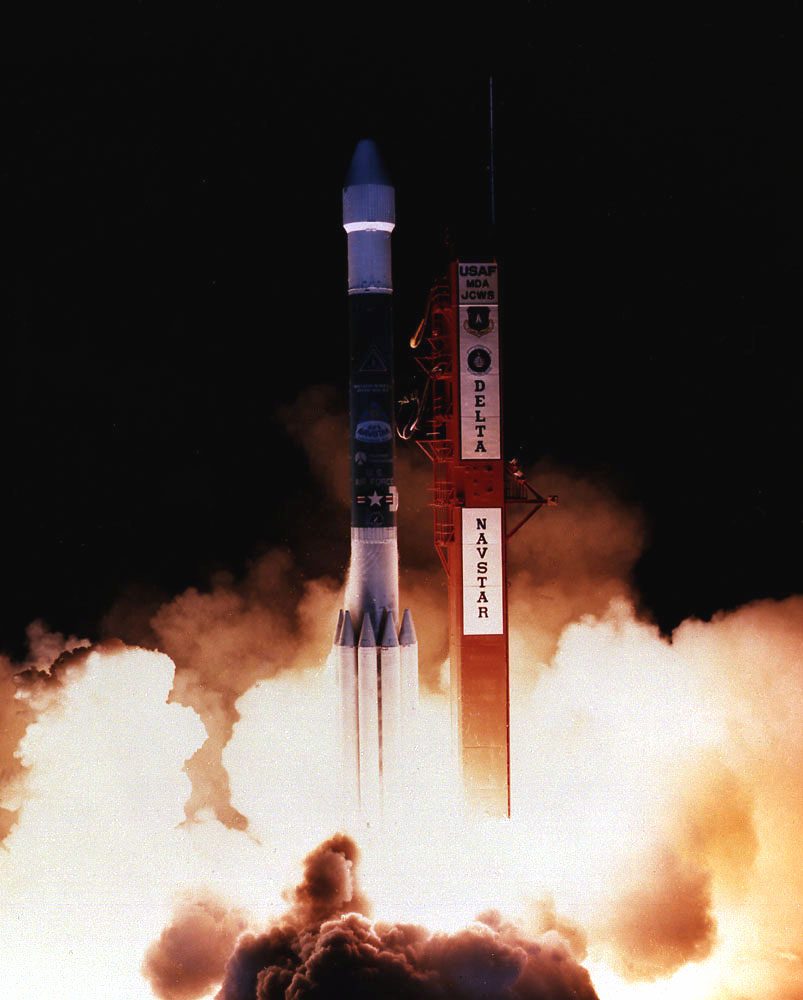
BeiDou-3: how China's global navigation system works
China's BeiDou-3 combines navigation satellites in three types of orbit to deliver global positioning and timing, with additional communications and precision services.
Low Earth Orbit: Why Space Is Busiest Below 2,000 km
Low Earth orbit hosts space stations, broadband constellations and Earth-observation missions. Explore how it works, why it is crowded and what keeps satellites flying safely.
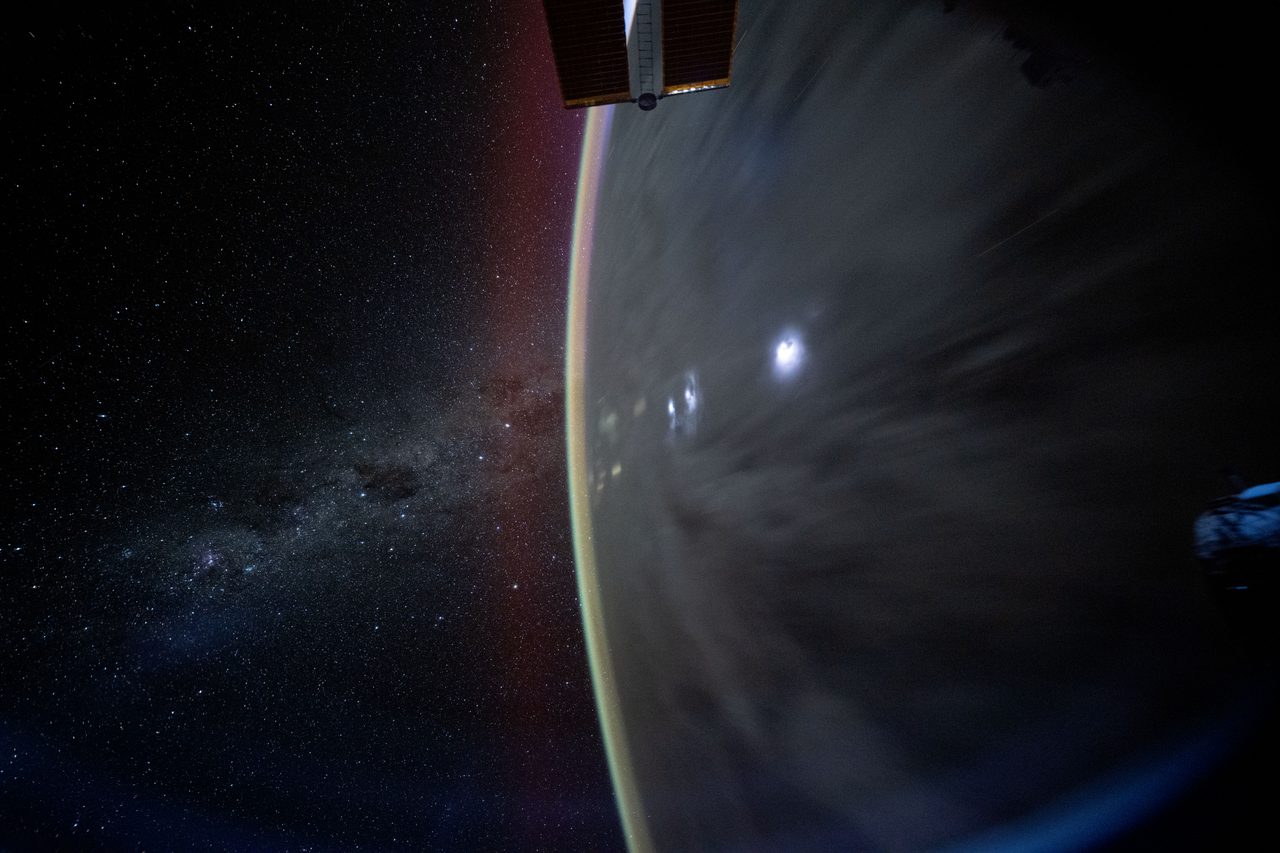
KH-11: inside the US imaging satellite family
The KH-11 family transformed American reconnaissance by sending electronic images from orbit rather than returning photographic film. Its capabilities remain classified, but its history and observable orbits reveal its enduring role.
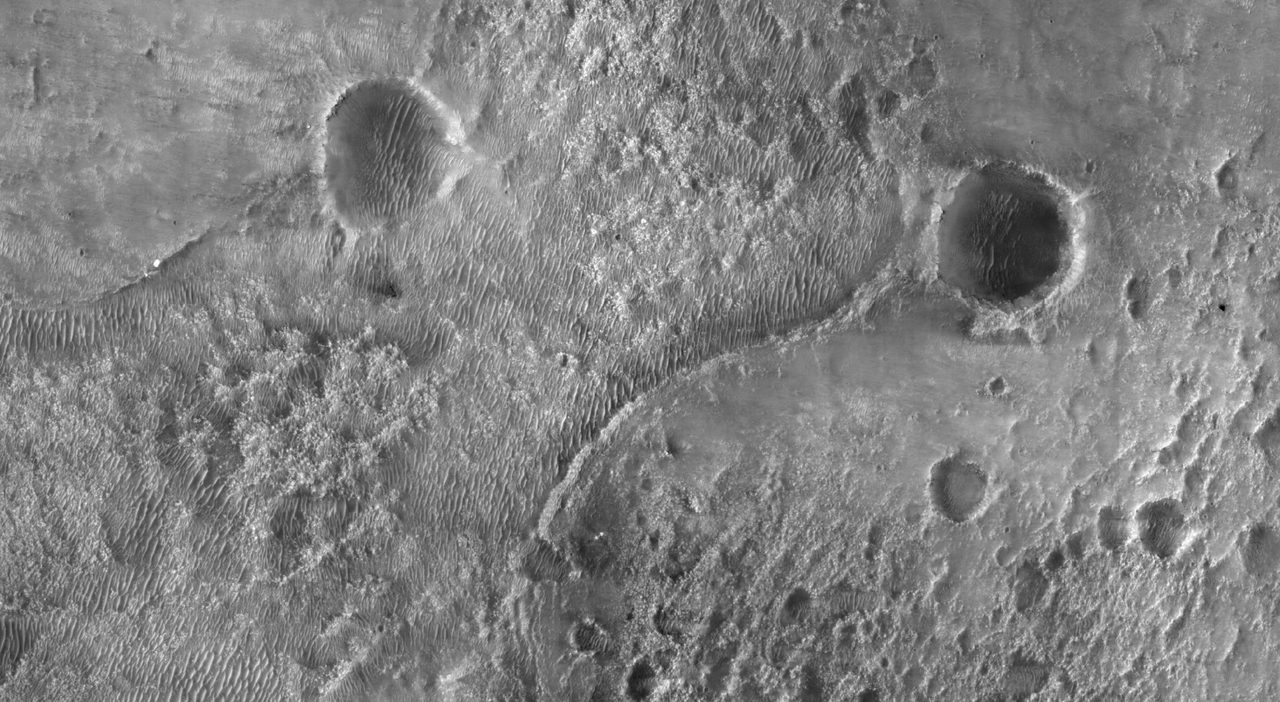
Fengyun-1C debris: the legacy of China's 2007 ASAT test
China's destruction of the Fengyun-1C weather satellite in January 2007 created a long-lived debris cloud. Its fragments remain a case study in how one interception can change the orbital environment for decades.
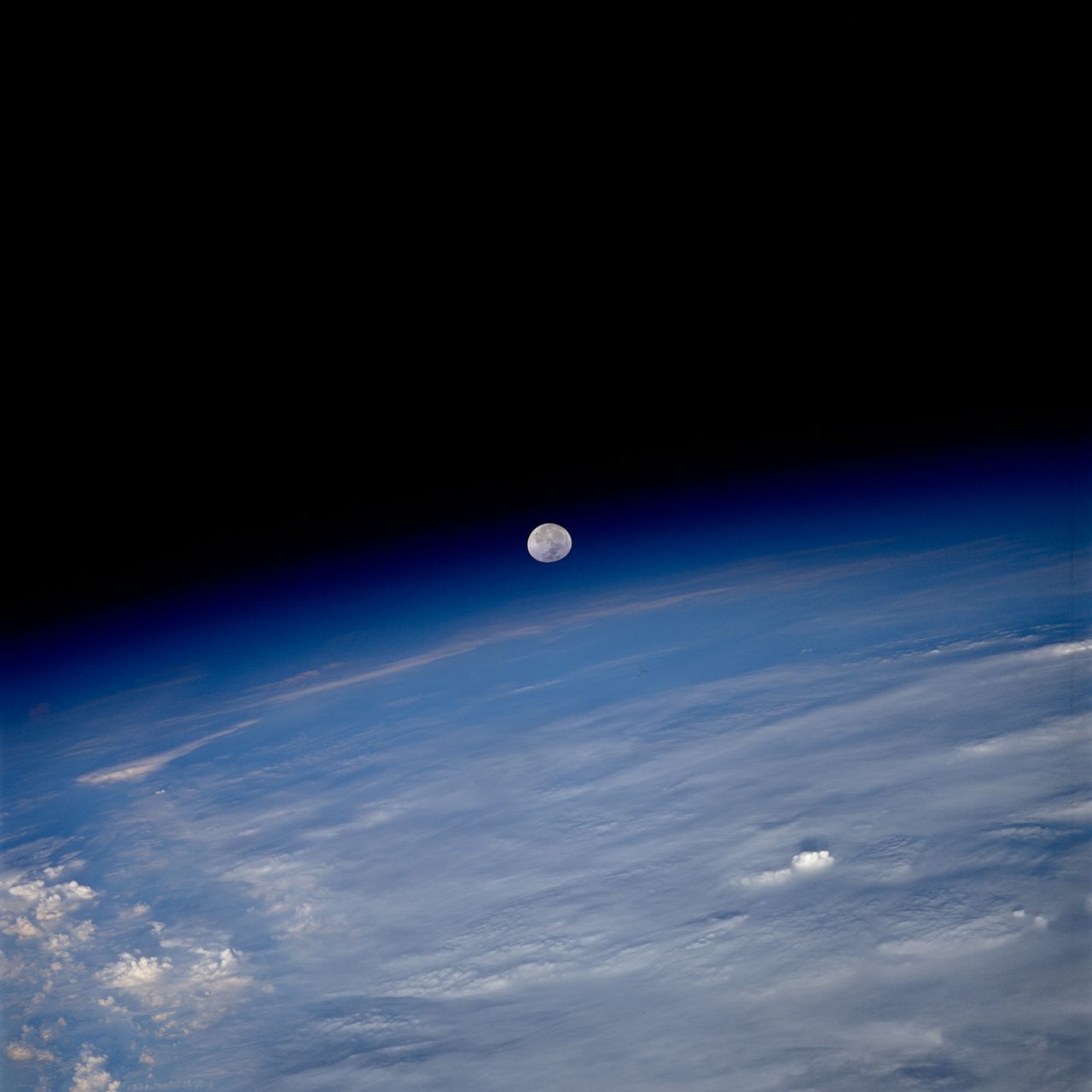
Can a Falling Satellite Hit You? The Real Re-entry Risk
A falling satellite can hit someone, but the personal risk is very low. Explore what survives re-entry, documented debris strikes and what forecasts can actually tell you.
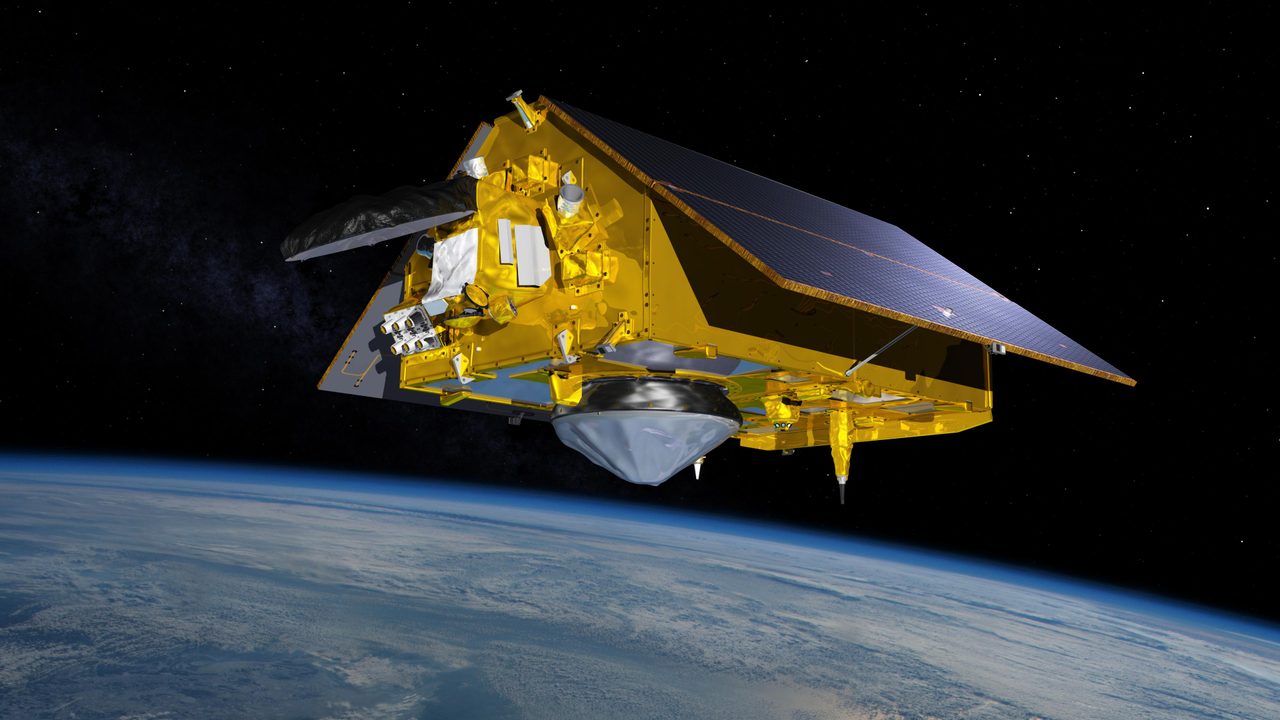
CSS Tianhe: the core of China's space station
Launched in April 2021, Tianhe provides the living quarters, propulsion and control systems at the centre of China's Tiangong space station.
Eclipse Pair: A Dance of Shadows and Light
A rare eclipse pair from August 2026 showcases a total solar eclipse and a deep partial lunar eclipse, captured in exquisite HDR imagery.