Space News Mission Log — Satellite Launches, Orbital Events & Analysis
Daily space news, satellite launch reports, orbital debris analysis and weekly roundups — grounded in live tracking data from our network monitoring 196 published reports.
Parts of a Satellite: Systems That Keep It Working
Discover the key components and systems inside a satellite that ensure its operation in space, including power, thermal control, and communication.
Understanding the Space Fence: Tracking Earth's Orbital Objects
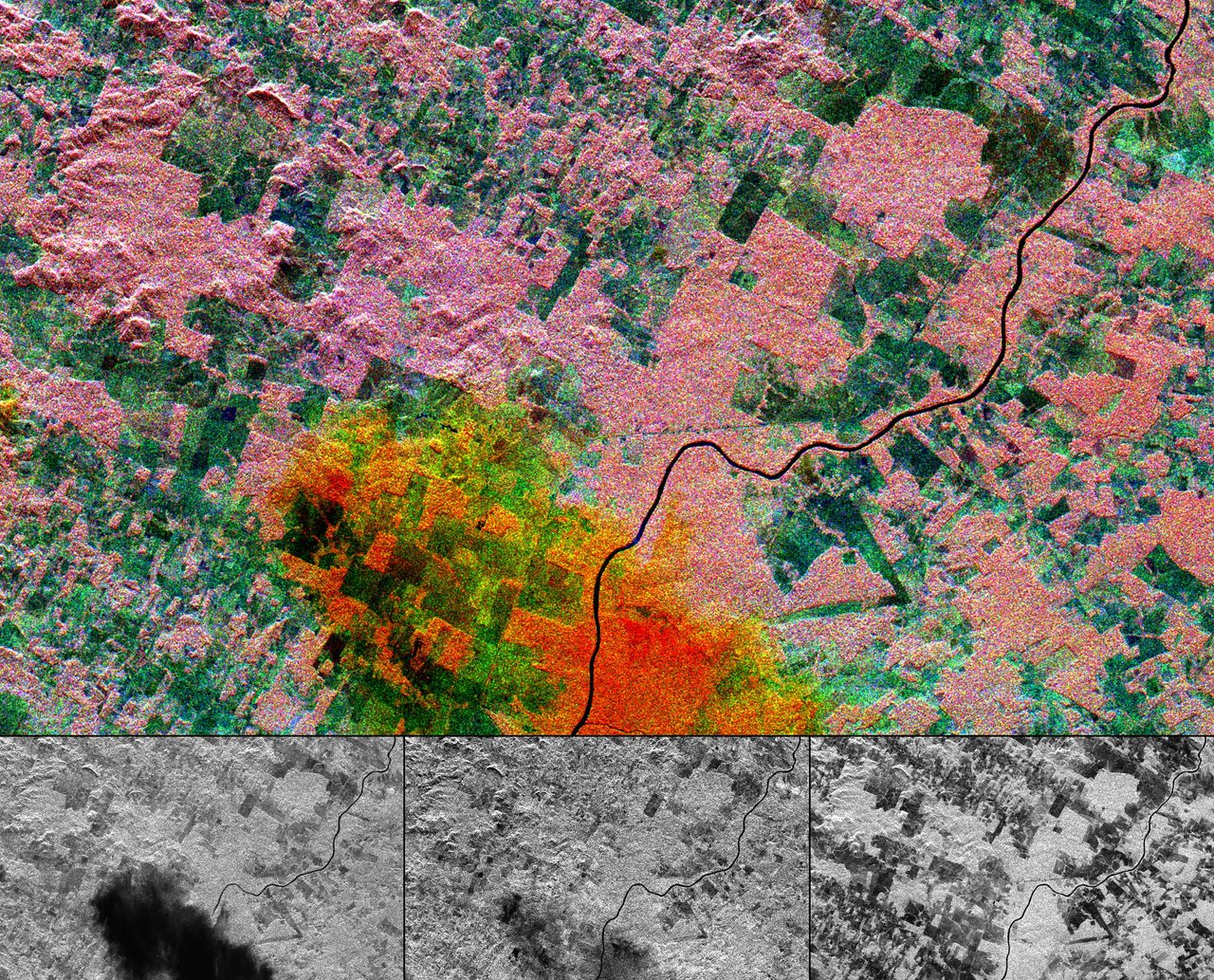
The Space Fence radar system tracks over 28,000 objects in Earth's orbit, from satellites to debris, ensuring space safety.
Orbital Period: Meaning, Formula and Satellite Examples
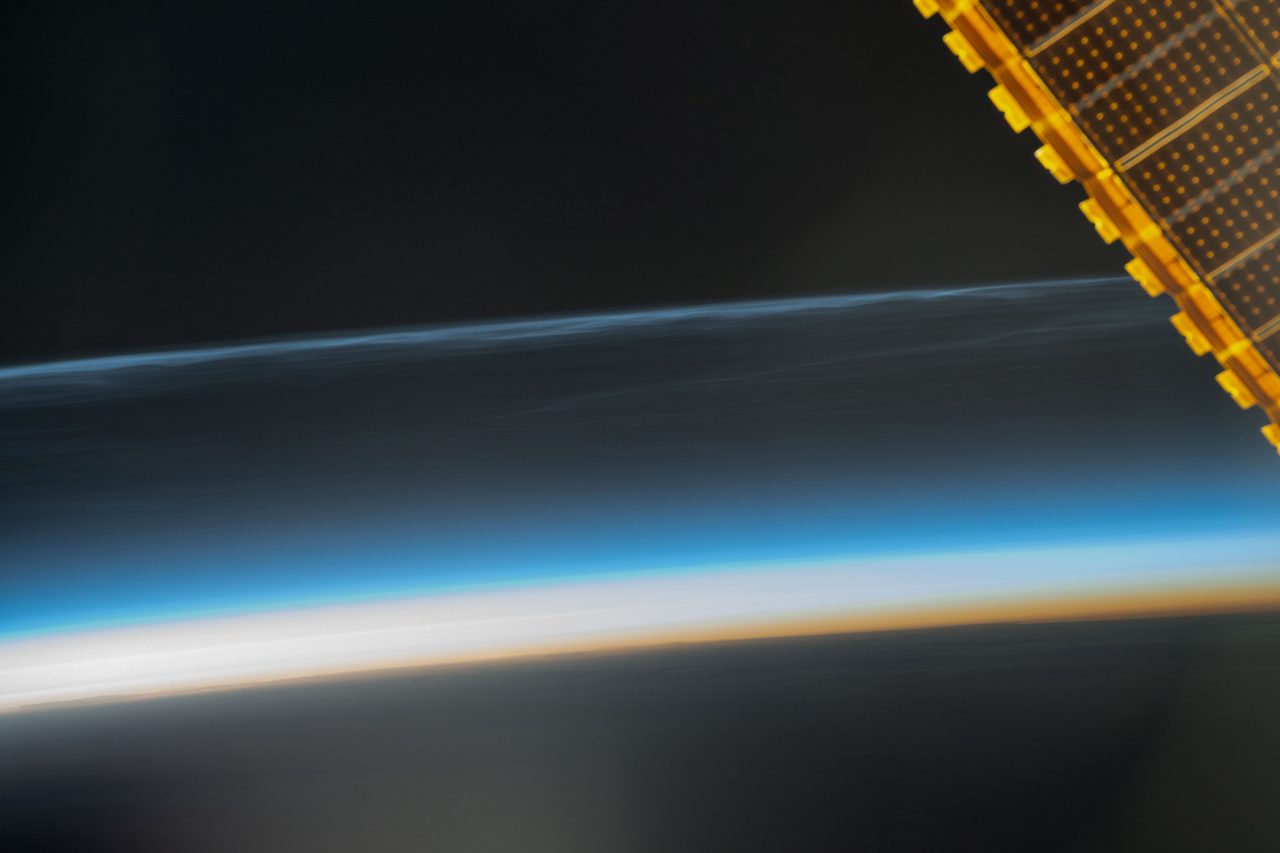
Orbital period measures how long one orbit takes. Discover why higher satellites orbit more slowly, how to calculate a period and why an orbit is not the same as a visible pass.

Why Is Landing on Mars So Hard?
Mars has enough atmosphere to threaten an arriving spacecraft, but not enough to land it safely with a parachute alone. Every landing must solve both problems autonomously.
Medium Earth Orbit: Understanding Its Role in Satellite Operations
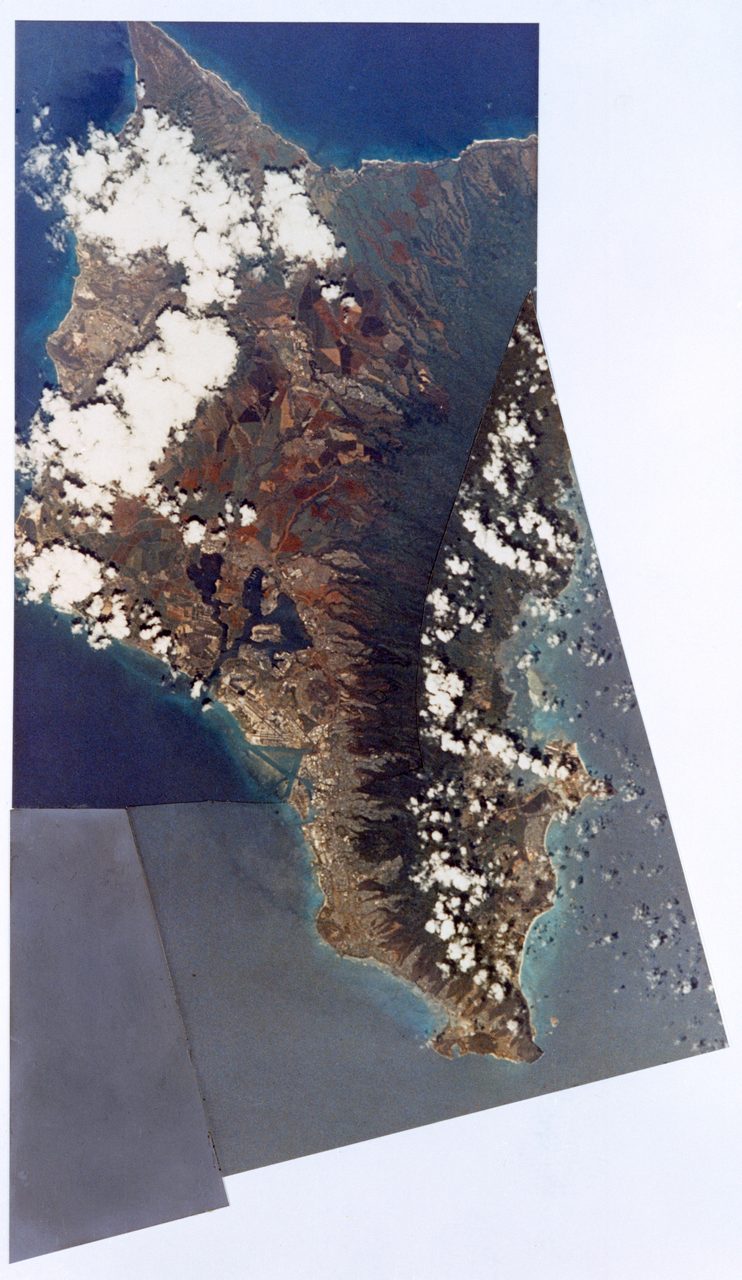
Medium Earth Orbit (MEO) is a region of space where satellites orbit at altitudes between 2,000 and 35,786 km, crucial for navigation and communications.

GPS vs Galileo vs GLONASS vs BeiDou: Comparing Global Navigation Systems
GPS, Galileo, GLONASS, and BeiDou are global navigation satellite systems offering varying coverage, accuracy, and features.
Military Satellites: Understanding Their Role and Impact
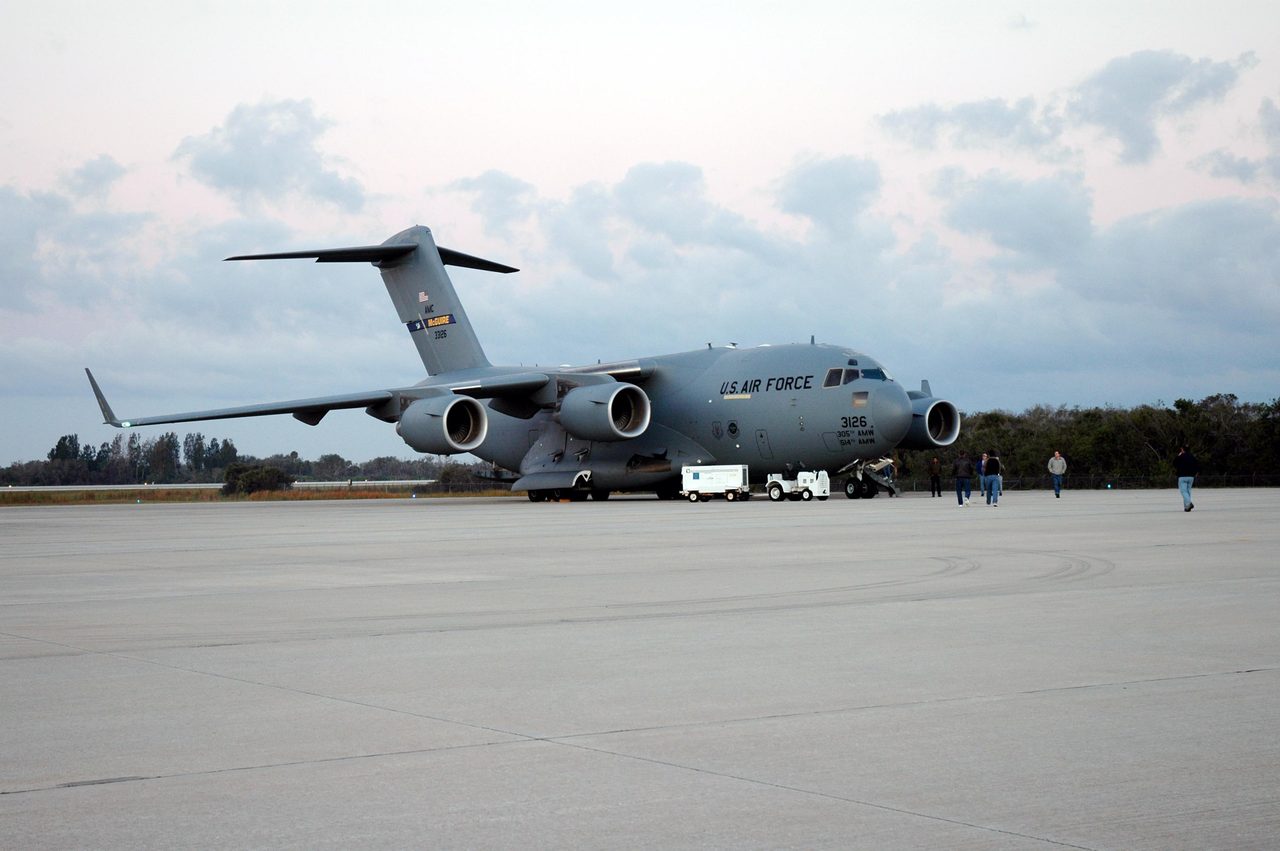
Military satellites are crucial for defence, providing communication, surveillance, and navigation capabilities. Learn how they function and their strategic importance.
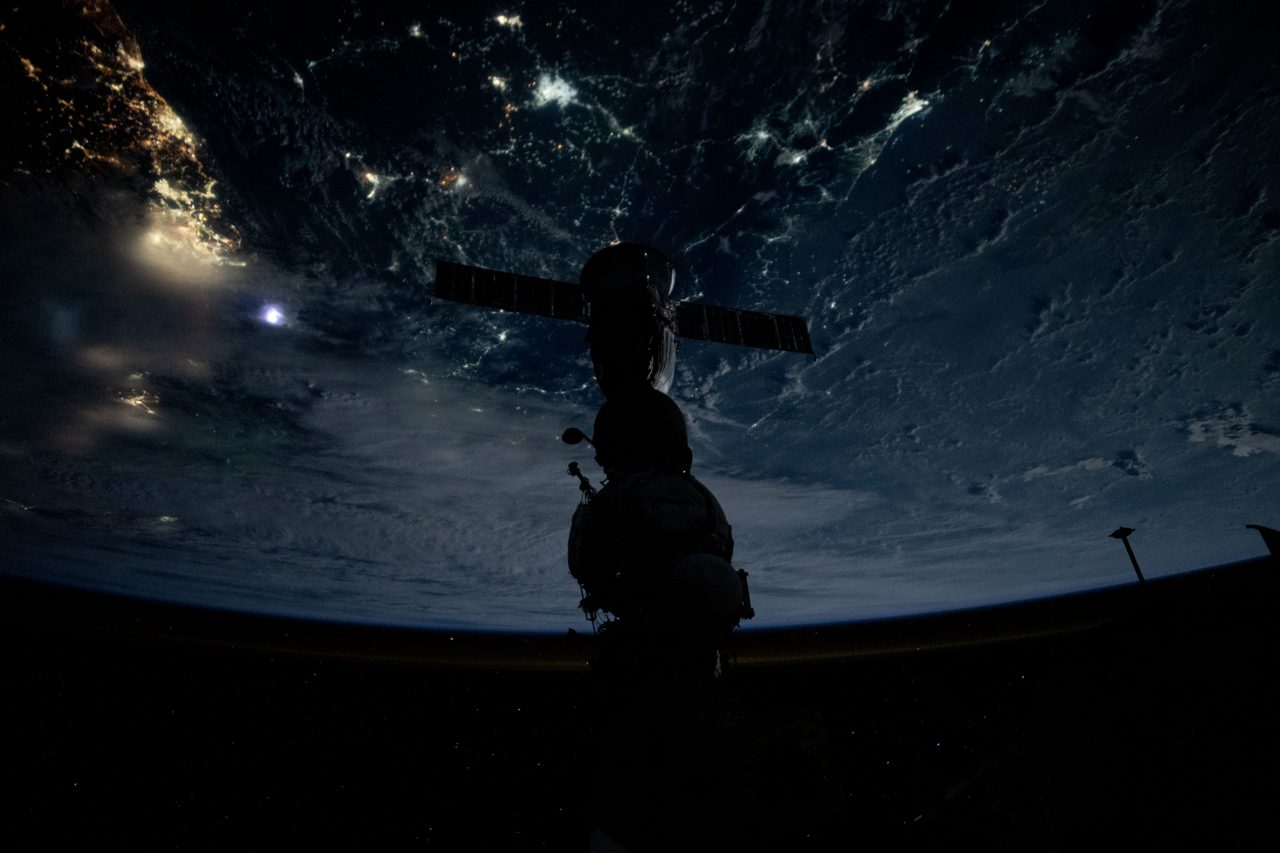
How Long Does It Take to Get to the ISS? Hours to Days
Reaching the ISS can take about three hours or stretch over one or two days. The difference is largely about launch timing, orbital alignment and the spacecraft's rendezvous plan.
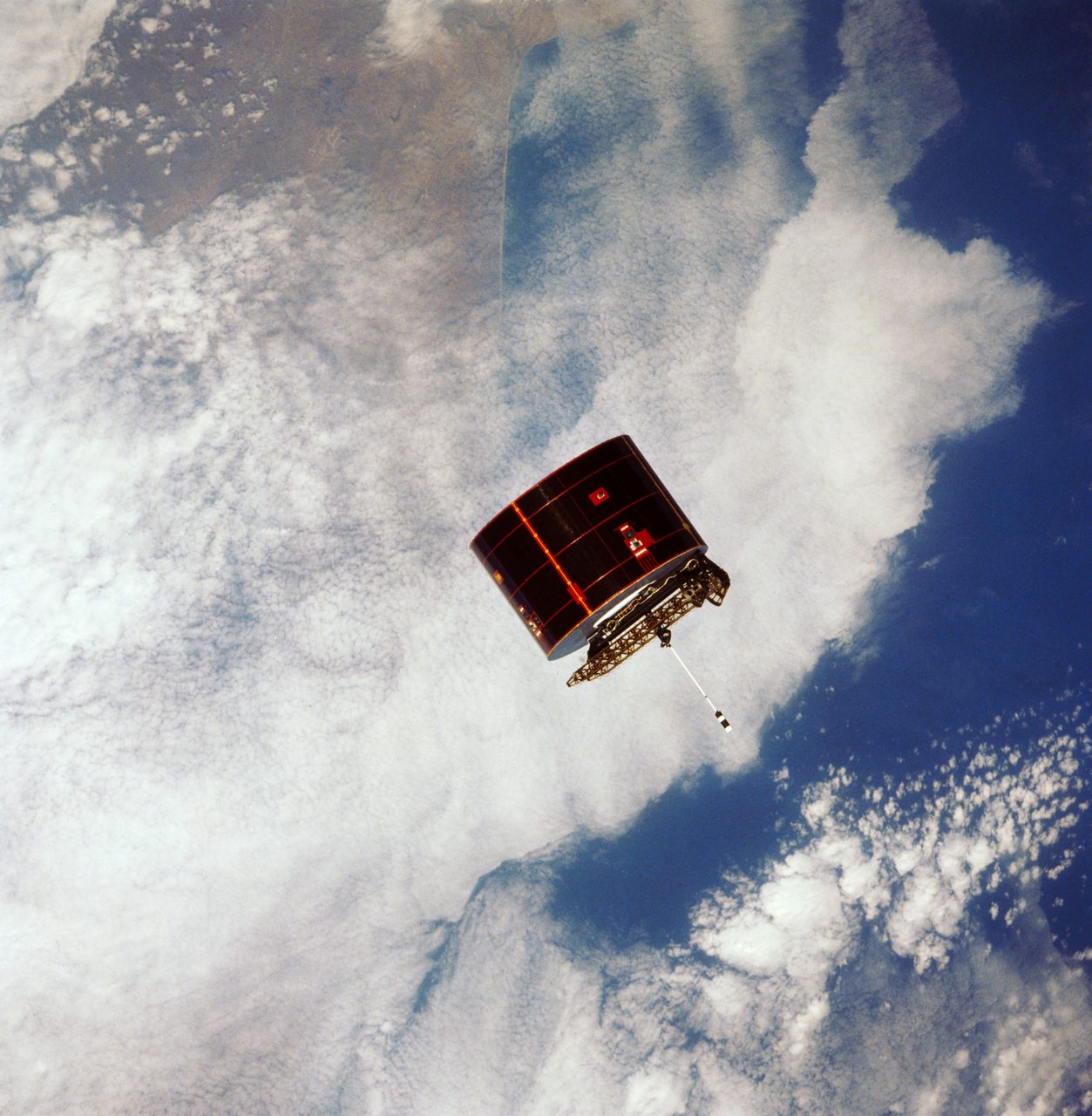
How Long Do Satellites Last? A Comprehensive Guide
Satellites typically last between 5 to 15 years, depending on their mission and orbit. Factors like orbital decay and technological obsolescence play key roles.
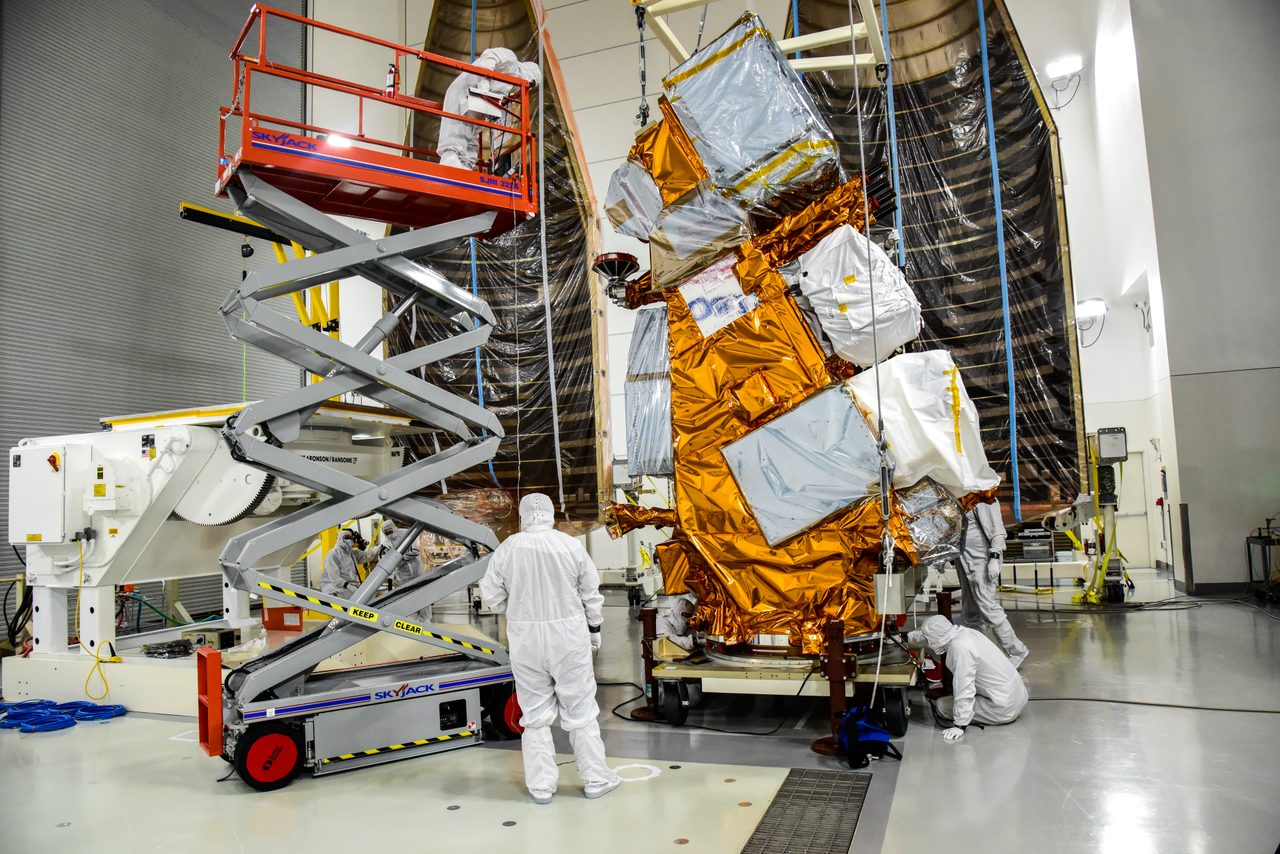
Understanding Atmospheric Drag on Satellites: A Detailed Guide
Atmospheric drag is a key factor affecting satellites in low Earth orbit, influencing their speed and altitude over time.
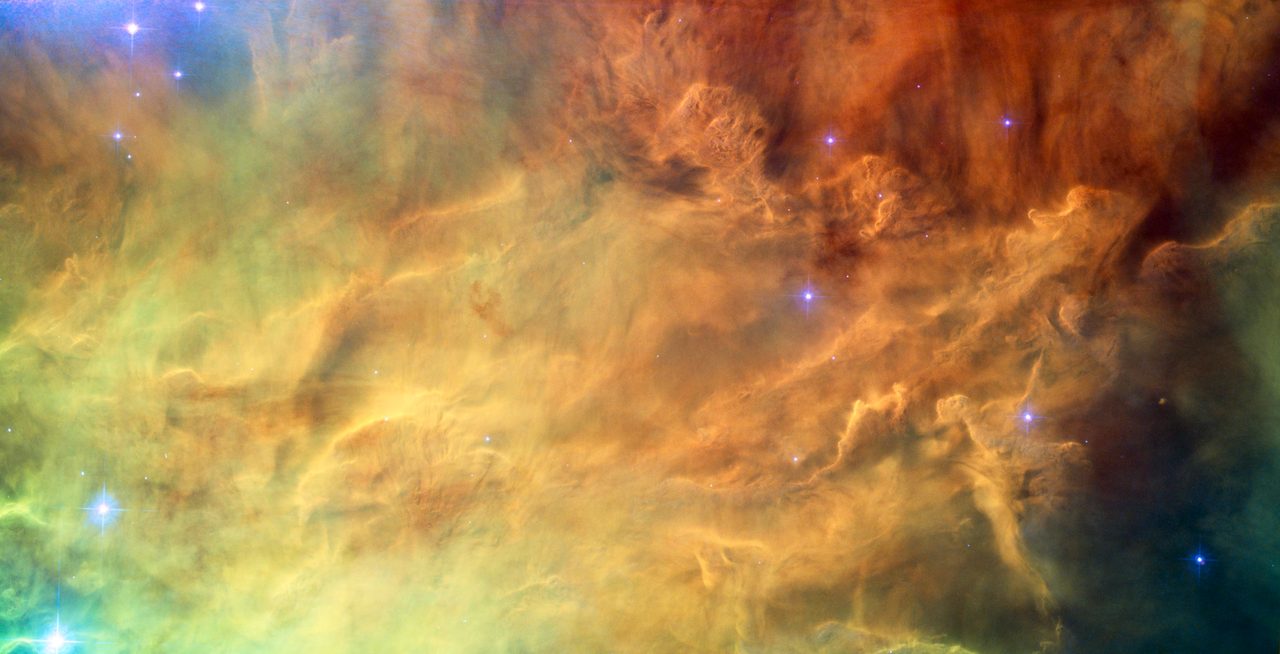
The Stellar Dance of XZ Andromedae
XZ Andromedae, an Algol-type eclipsing binary, offers a celestial spectacle as its stars eclipse each other, creating a dynamic light curve.

Starlink vs Kuiper vs OneWeb: A Comprehensive Satellite Internet Comparison
Starlink, Kuiper, and OneWeb are leading satellite internet providers, each with unique technologies and deployment strategies.