Space News Mission Log — Satellite Launches, Orbital Events & Analysis
Daily space news, satellite launch reports, orbital debris analysis and weekly roundups — grounded in live tracking data from our network monitoring 291 published reports.
Satellite Imagery Explained: How Earth Observation Works
Satellite imagery is the process of capturing images of Earth from orbiting satellites, providing vital data for environmental monitoring, mapping, and more.
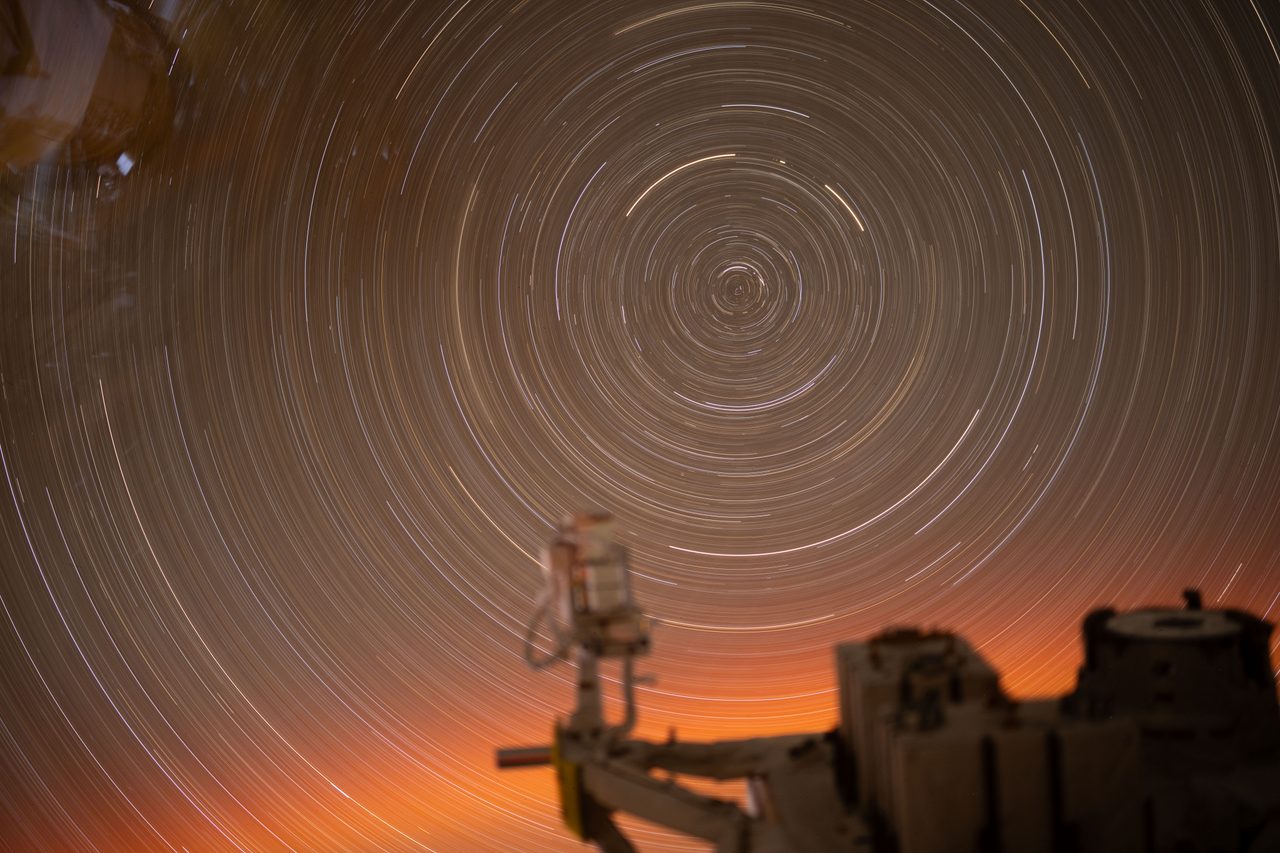
What Satellite Is Above Me Right Now? A Comprehensive Guide
Find out which satellite is currently above you by using real-time tracking tools. Understand satellite types, orbits, and how to observe them.
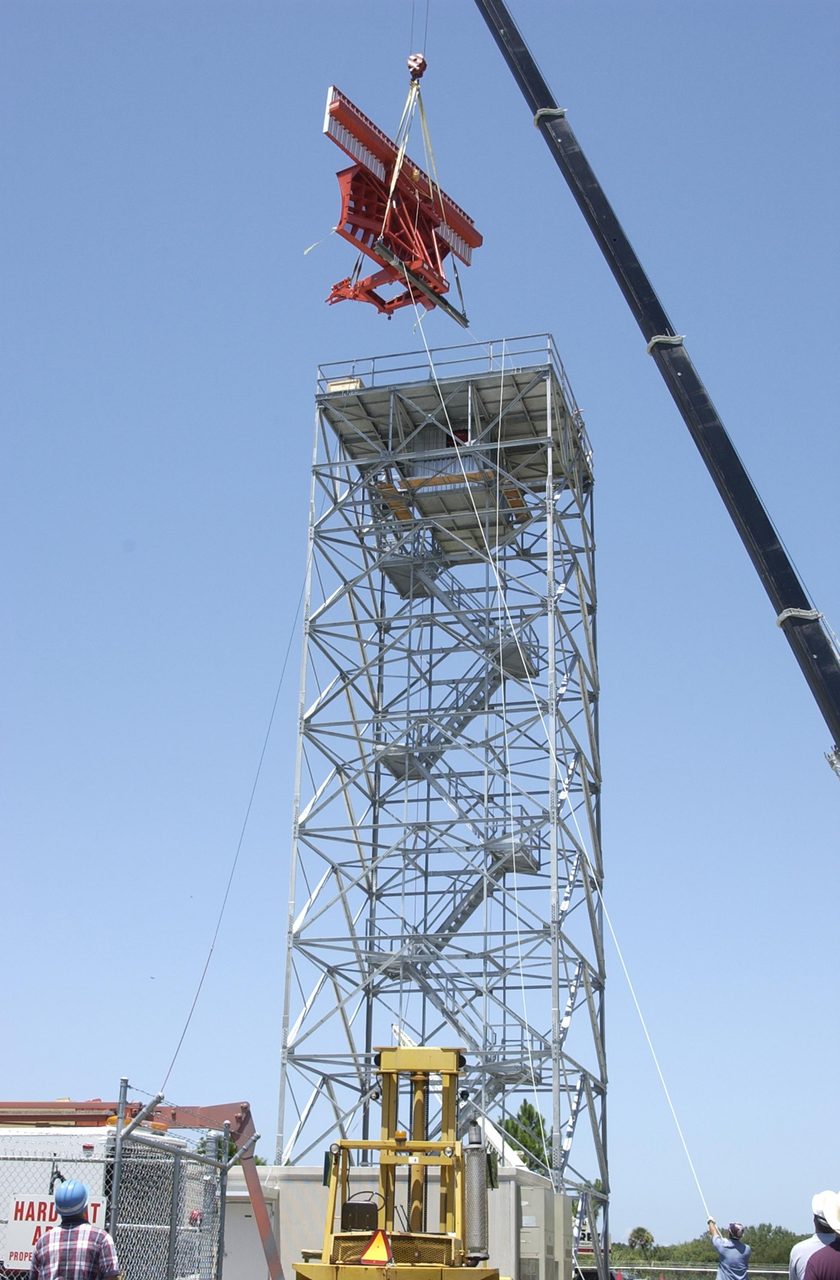
How Satellites Are Tracked: From Radar to Orbit Predictions
Satellite tracking turns radar echoes, telescope images and radio measurements into orbit predictions. Here is how it works, where uncertainty enters and how to check a pass.
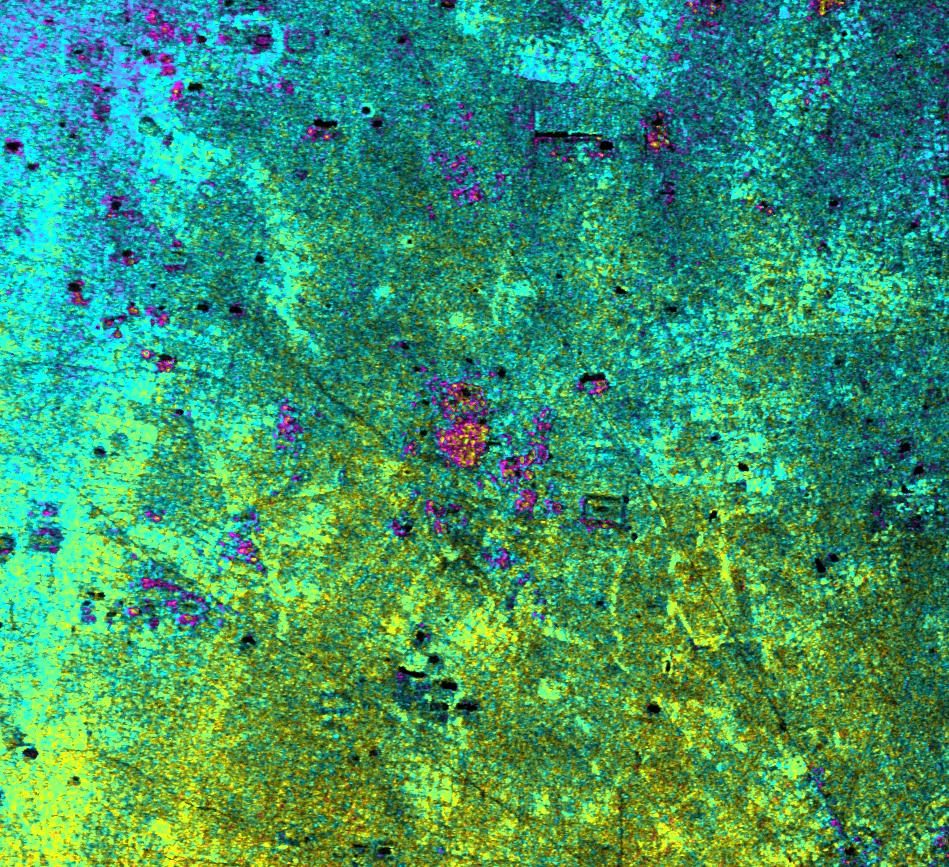
How Do Radar Satellites Work? SAR Explained
Radar satellites illuminate Earth with microwaves rather than waiting for sunlight. Learn how their echoes become images, what SAR reveals and where its limits lie.
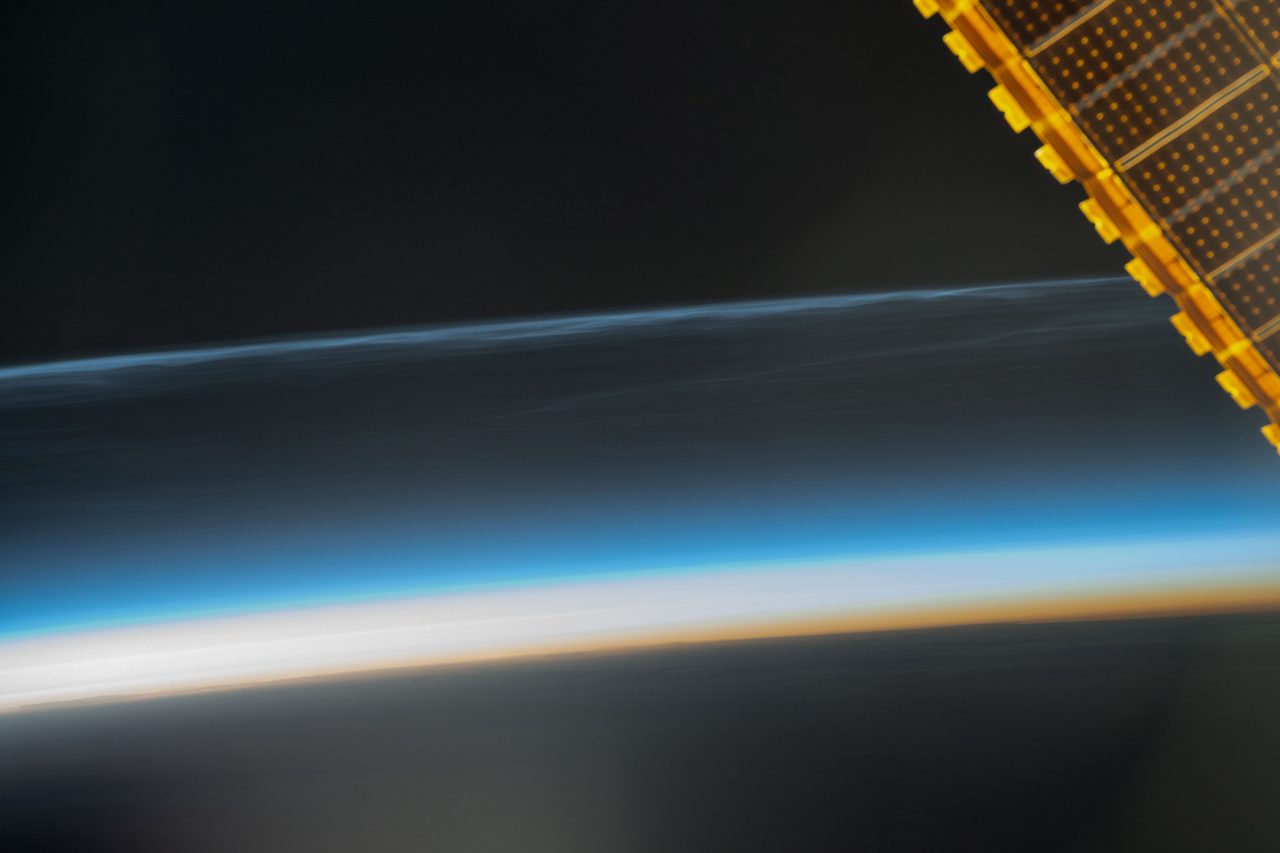
Low Earth Orbit: Why Space Is Busiest Below 2,000 km
Low Earth orbit hosts space stations, broadband constellations and Earth-observation missions. Explore how it works, why it is crowded and what keeps satellites flying safely.

Iridium Flares: Predictable Satellite Flashes Explained
Iridium flares are bright flashes of light caused by sunlight reflecting off the antennas of Iridium satellites, once a common sight in our night sky.
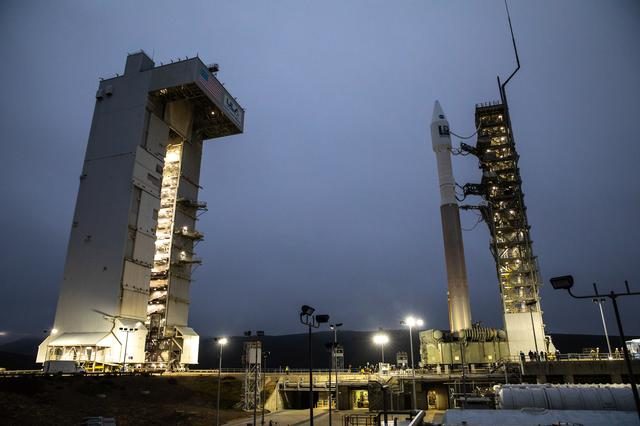
Landsat Satellites: Comprehensive Guide to Earth Imaging
Landsat satellites provide critical Earth imagery for monitoring natural resources and environmental changes, revolutionising remote sensing.
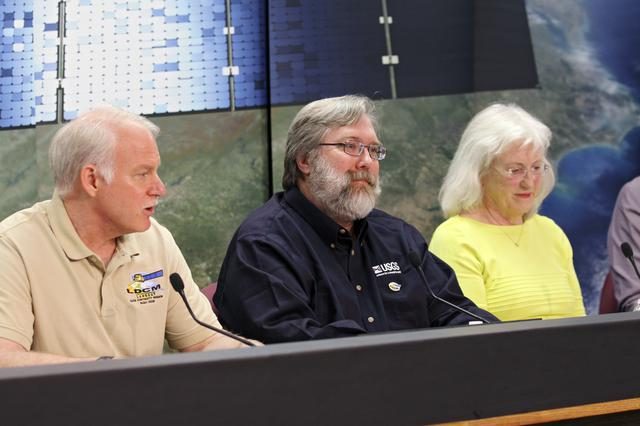
Sun-Synchronous Orbit: How Satellites Keep Consistent Light
Sun-synchronous satellites use Earth's equatorial bulge to keep a consistent solar schedule. Learn how the orbit works, why imaging missions use it and what it cannot guarantee.
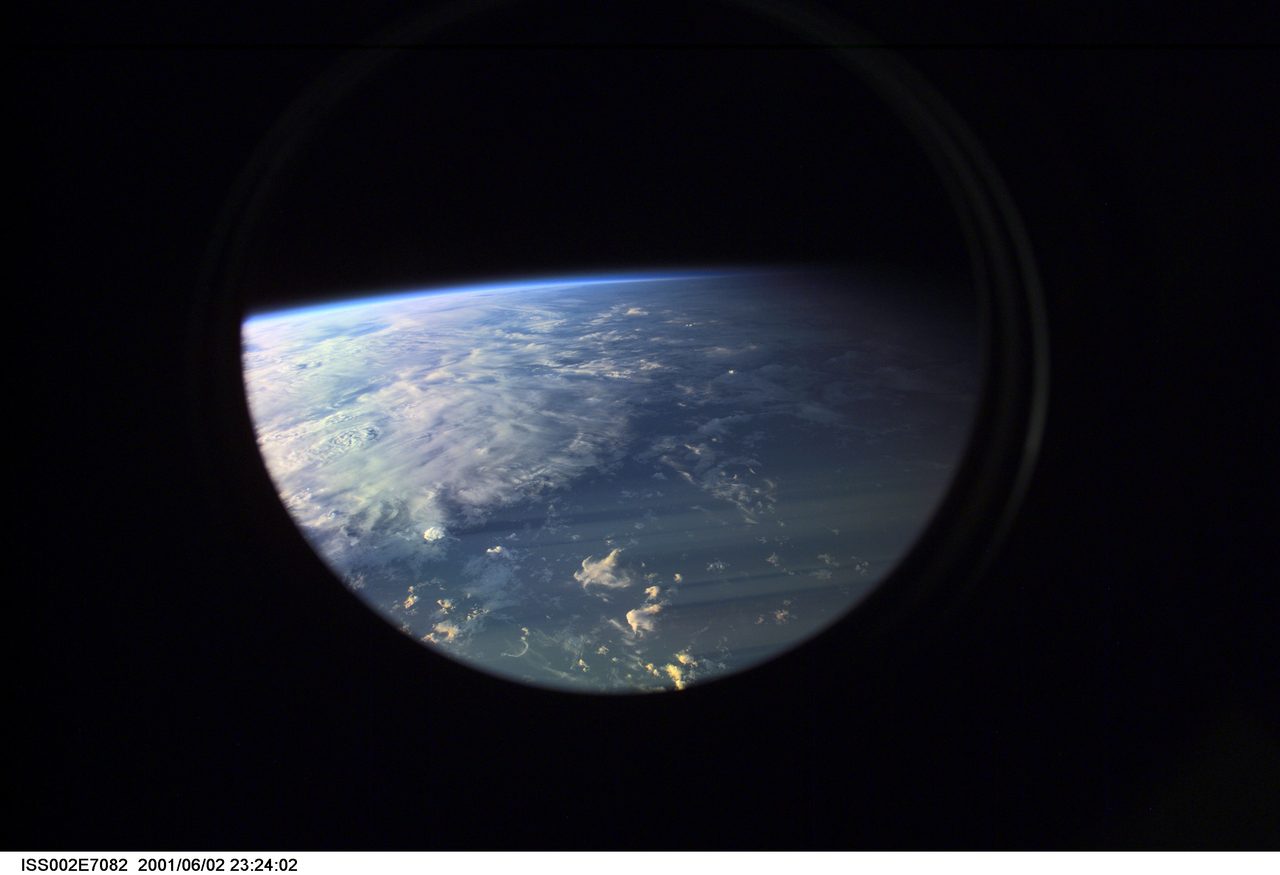
Why Can You Only See Satellites at Night? Twilight Explained
Satellites shine by reflected sunlight, not because night switches them on. The best views come when the ground is dark but the spacecraft overhead remains sunlit.
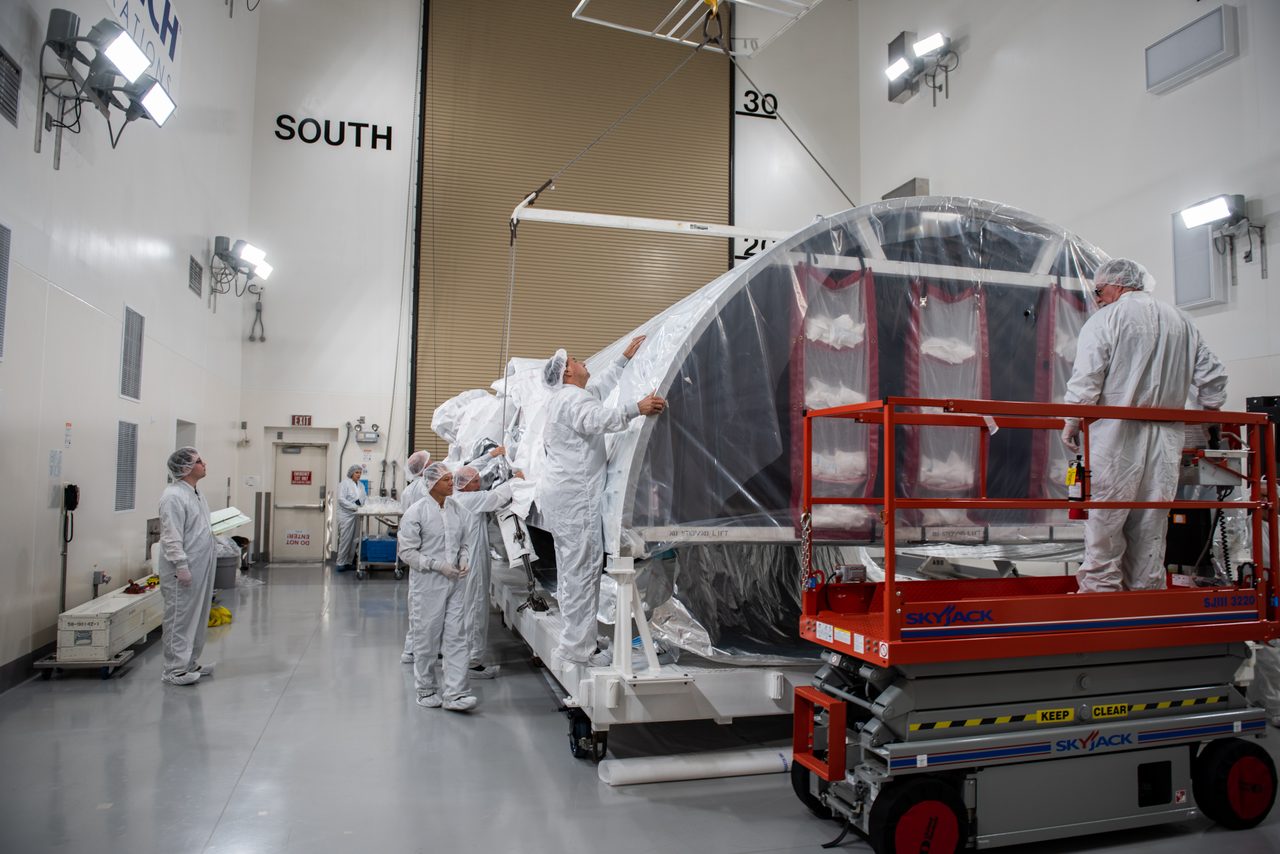
Understanding Polar Orbits: Key Facts and Uses
Polar orbits pass over the Earth's poles, allowing satellites to scan the entire surface. They are crucial for Earth observation missions.
How to Spot a Starlink Satellite Train in the Night Sky
Starlink satellite trains can be seen as strings of bright dots moving across the night sky. Learn when and where to look for these formations.
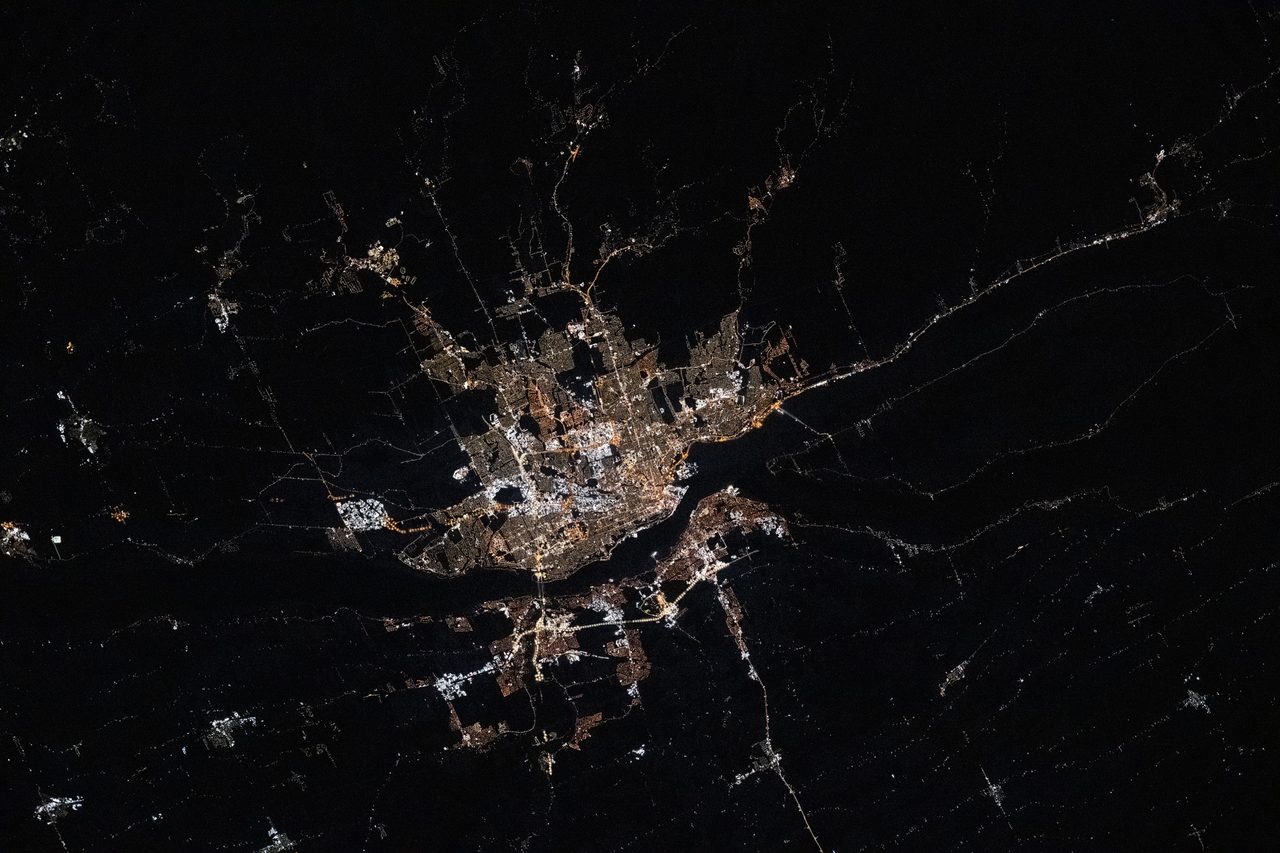
AR Satellite Finder: Identify the Sky with Skylens AR
Point your phone skywards to connect satellite predictions with the view overhead. This guide explains Skylens AR, the science behind satellite positions and how to recognise a visible pass.