Space News Mission Log — Satellite Launches, Orbital Events & Analysis
Daily space news, satellite launch reports, orbital debris analysis and weekly roundups — grounded in live tracking data from our network monitoring 254 published reports.
Understanding Mean Motion in Satellite Orbits
Mean motion describes the average angular speed of a satellite in its orbit, crucial for predicting satellite positions.
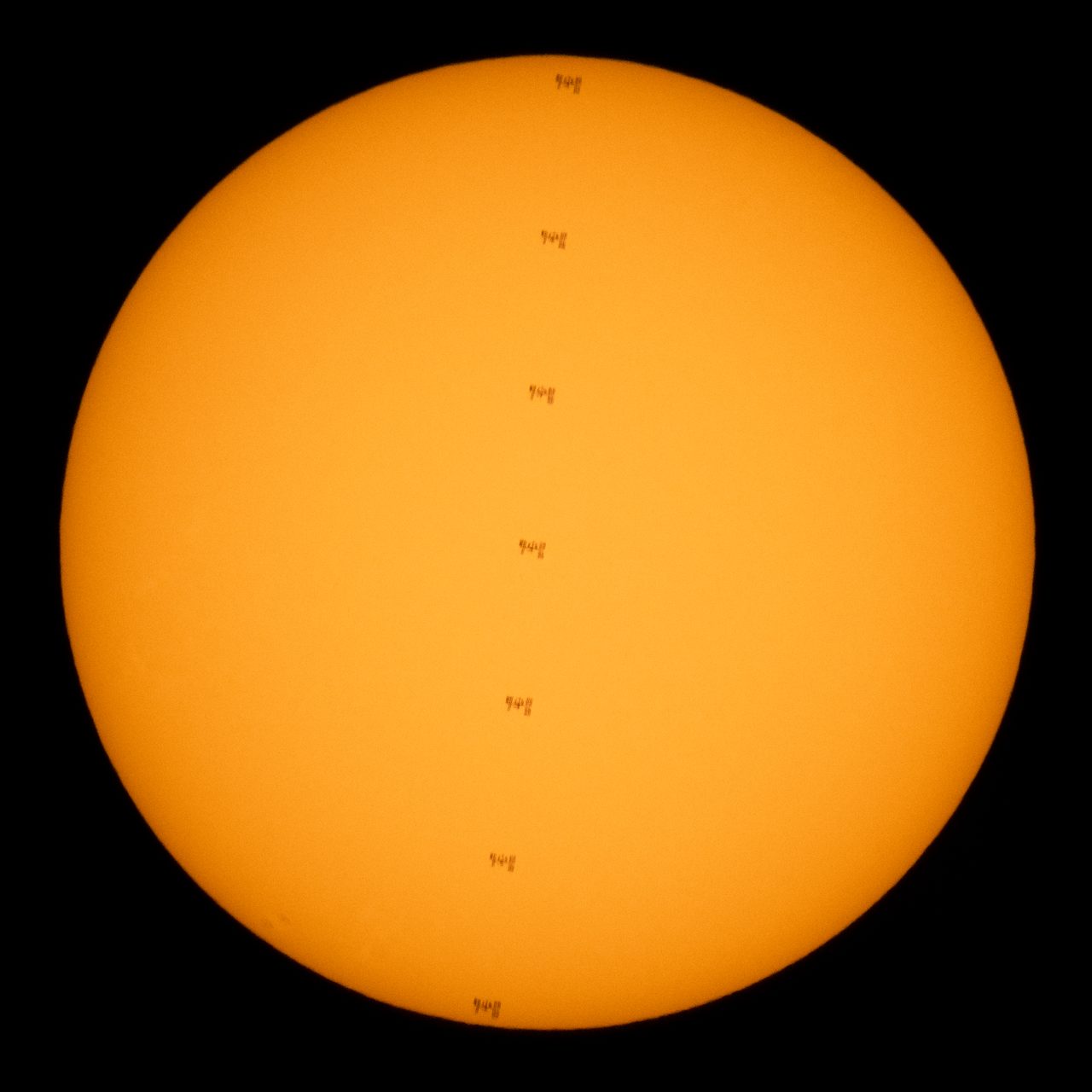
ISS Solar Transit: How to Predict, Watch and Photograph It
An ISS solar transit lasts about a second and depends on your exact location. Learn how to predict the crossing, observe safely and prepare your camera.
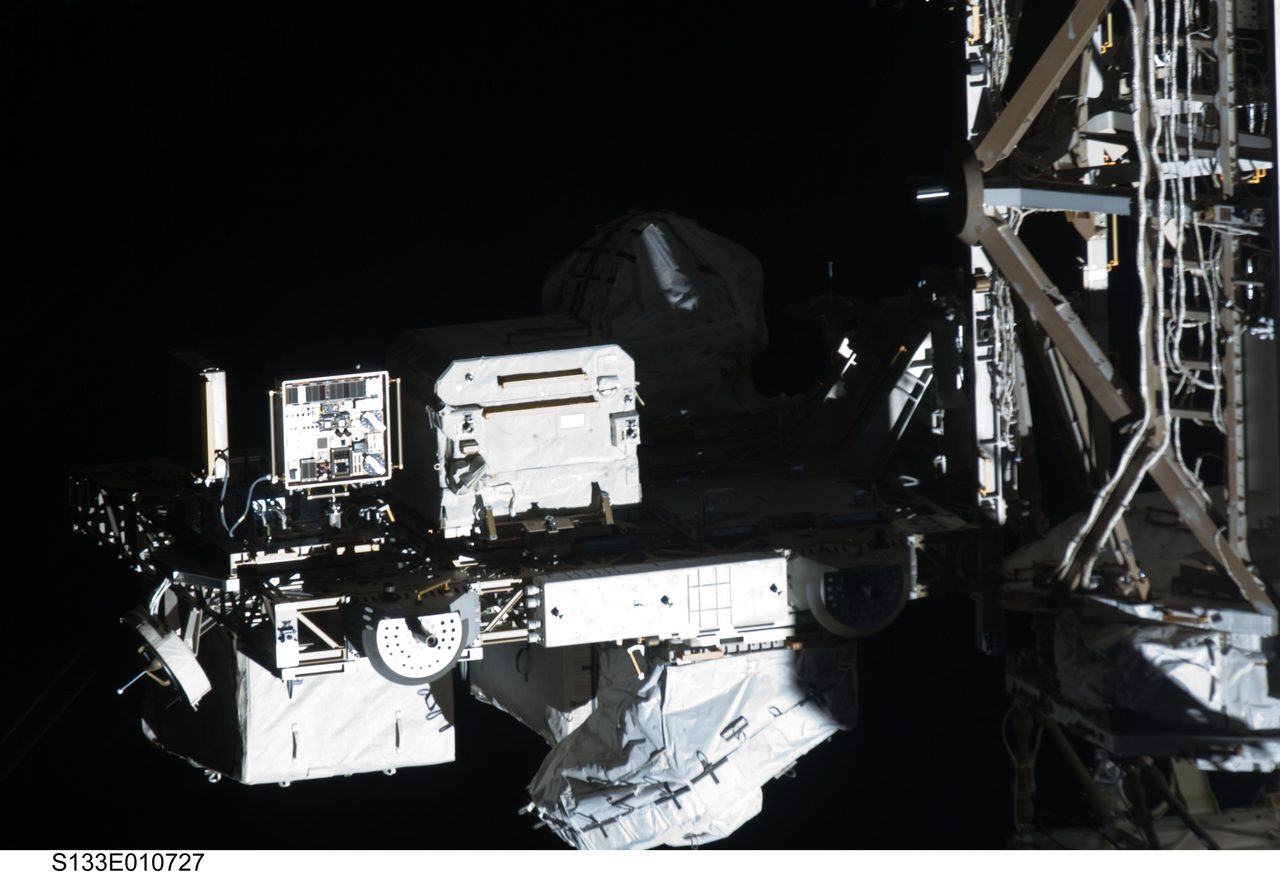
Moving Light in the Sky: How to Identify What You See
A steady moving light could be a satellite, but motion alone cannot identify it. Use its path, flashing, duration and a predicted pass to narrow down what you saw.
Understanding Satellite Collision Avoidance and Conjunction Assessment
Satellite collision avoidance involves predicting and preventing potential collisions between orbiting objects using conjunction assessments.
Close Approach of QIANFAN Satellites: Assessing the Risks and Implications
On 12 June 2026, two satellites from the QIANFAN series, QIANFAN-169 (NORAD ID: 69386) and QIANFAN-182 (NORAD ID: 69399), experienced a close approach event. The minimum predicted distance between the two satellites was approximately 1.67 kilometres.
TLE Format Explained: How to Read Satellite Orbit Data
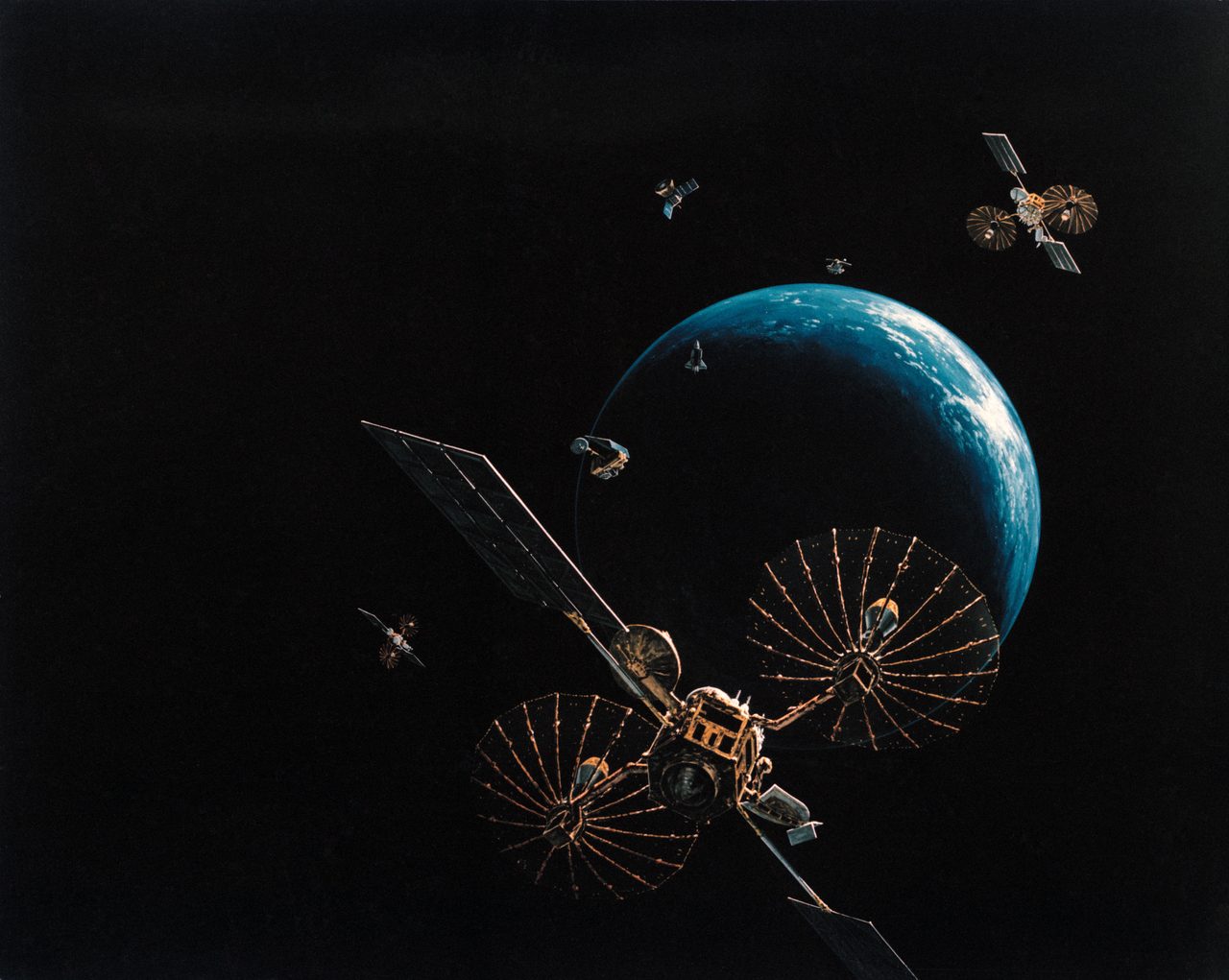
A two-line element set describes an orbit, but needs the right model to predict a satellite’s position. Learn to read its fields and recognise its limits.
GPS relativity: why satellite navigation needs Einstein
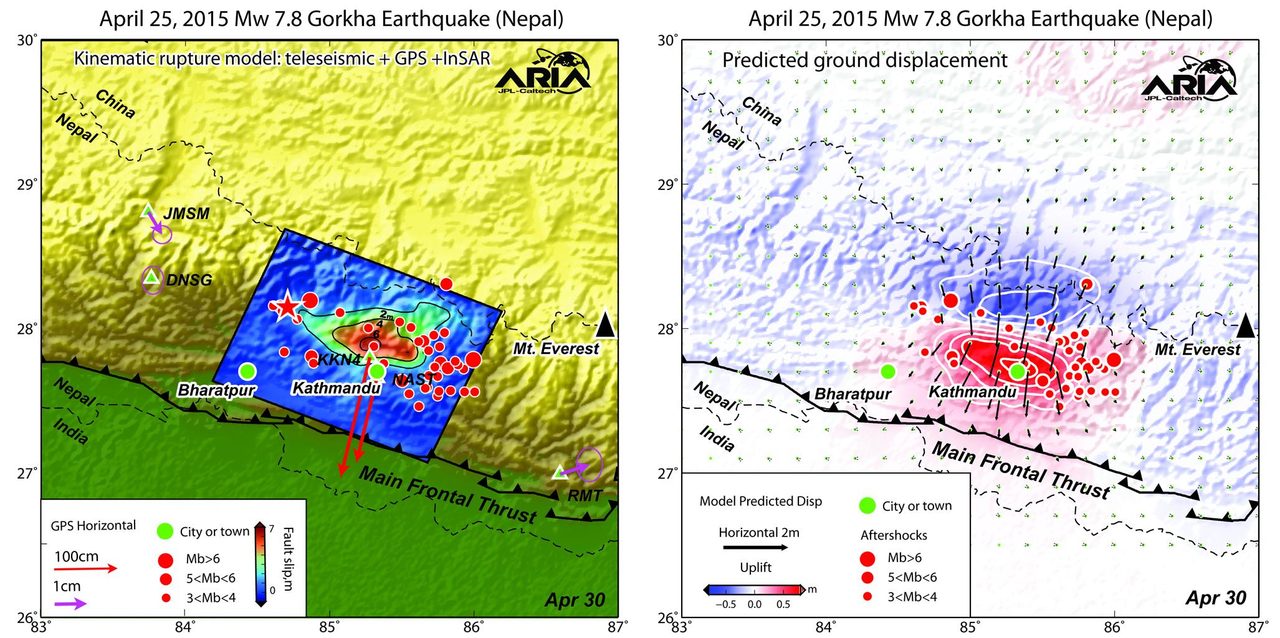
GPS satellite clocks gain about 38 microseconds a day relative to clocks on Earth. Einstein’s relativity explains why—and how navigation engineers keep that difference under control.
Why Can You Only See Satellites at Night? Twilight Explained
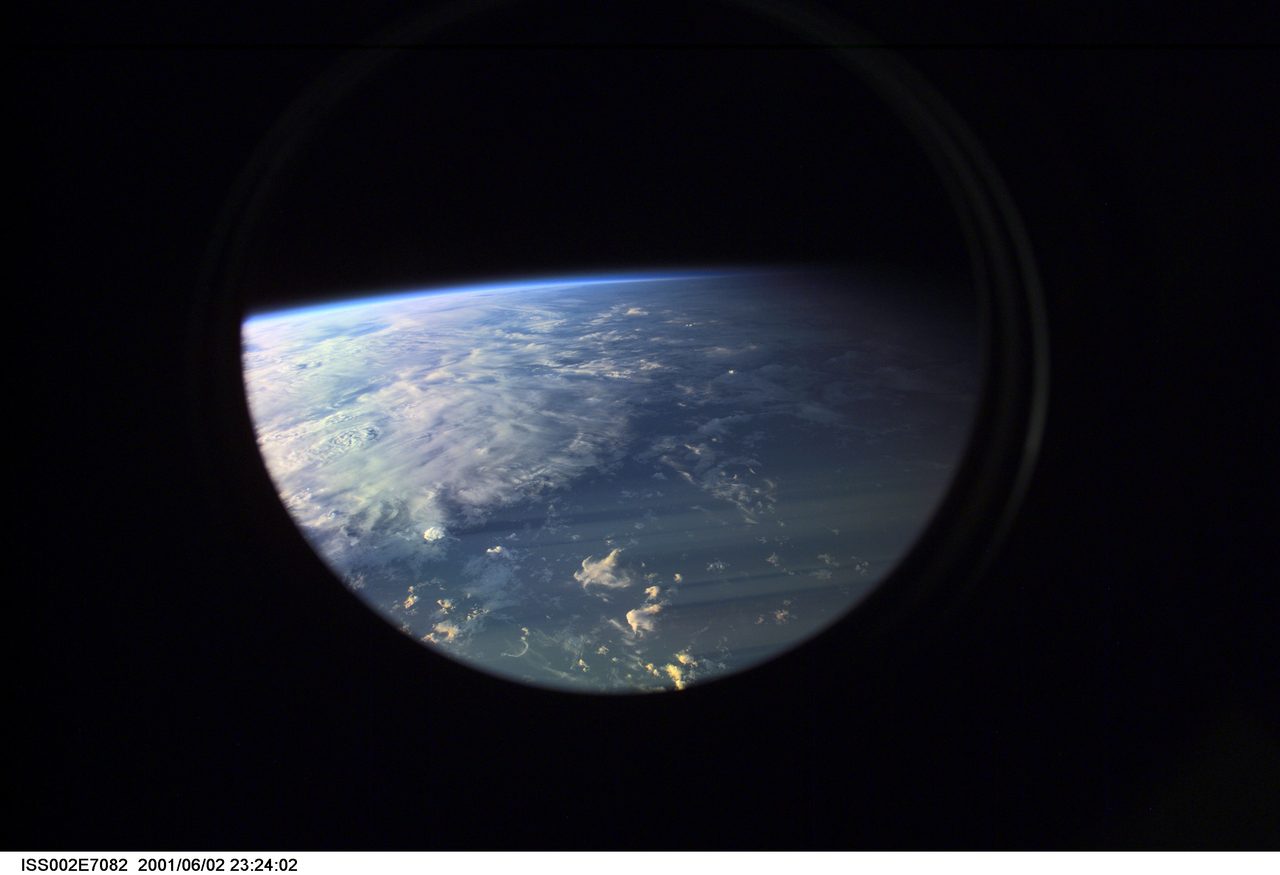
Satellites shine by reflected sunlight, not because night switches them on. The best views come when the ground is dark but the spacecraft overhead remains sunlit.
2026 Total Solar Eclipse: Track Its Path and Legacy
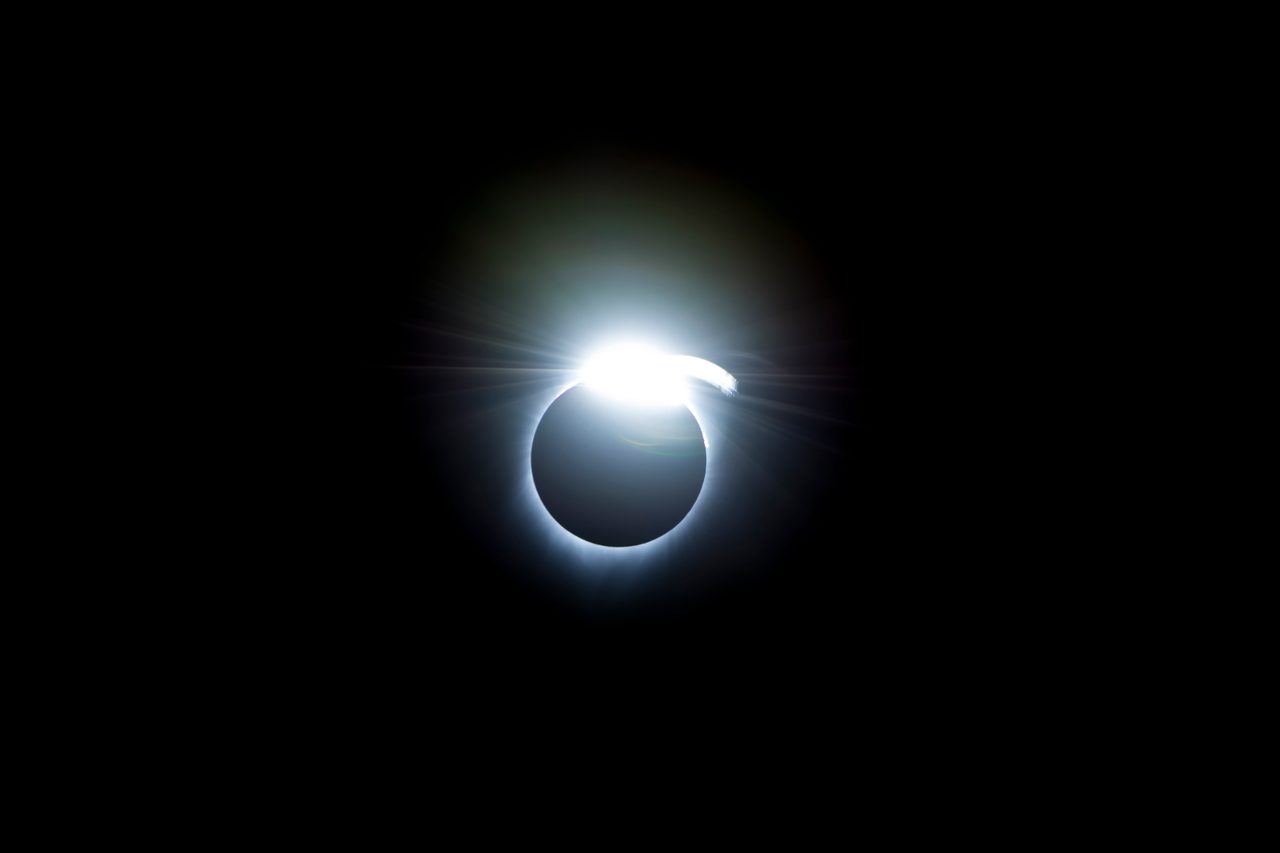
The total solar eclipse of 12 August 2026 crossed Greenland, Iceland and Spain. Explore the orbital geometry behind the event, what live tracking can show, and how to prepare for the next European total eclipse.

Amateur Radio Satellites: A Comprehensive Guide
Amateur radio satellites enable global communication for enthusiasts. Learn how they work, their benefits, and how to track them.
What Happens If Two Satellites Collide?
A satellite collision can leave fragments circling Earth long after the spacecraft are destroyed. Their altitude helps determine how long the danger lasts.

Parts of a Satellite: Systems That Keep It Working
Discover the key components and systems inside a satellite that ensure its operation in space, including power, thermal control, and communication.