Space News Mission Log — Satellite Launches, Orbital Events & Analysis
Daily space news, satellite launch reports, orbital debris analysis and weekly roundups — grounded in live tracking data from our network monitoring 25 published reports.
ISS solar array upgrade: Orbital Briefing, 30 October 2026
Spacewalkers have deployed an upgraded solar array at the International Space Station. Meanwhile, ISRO targets a navigation satellite launch and orbital monitoring continues.
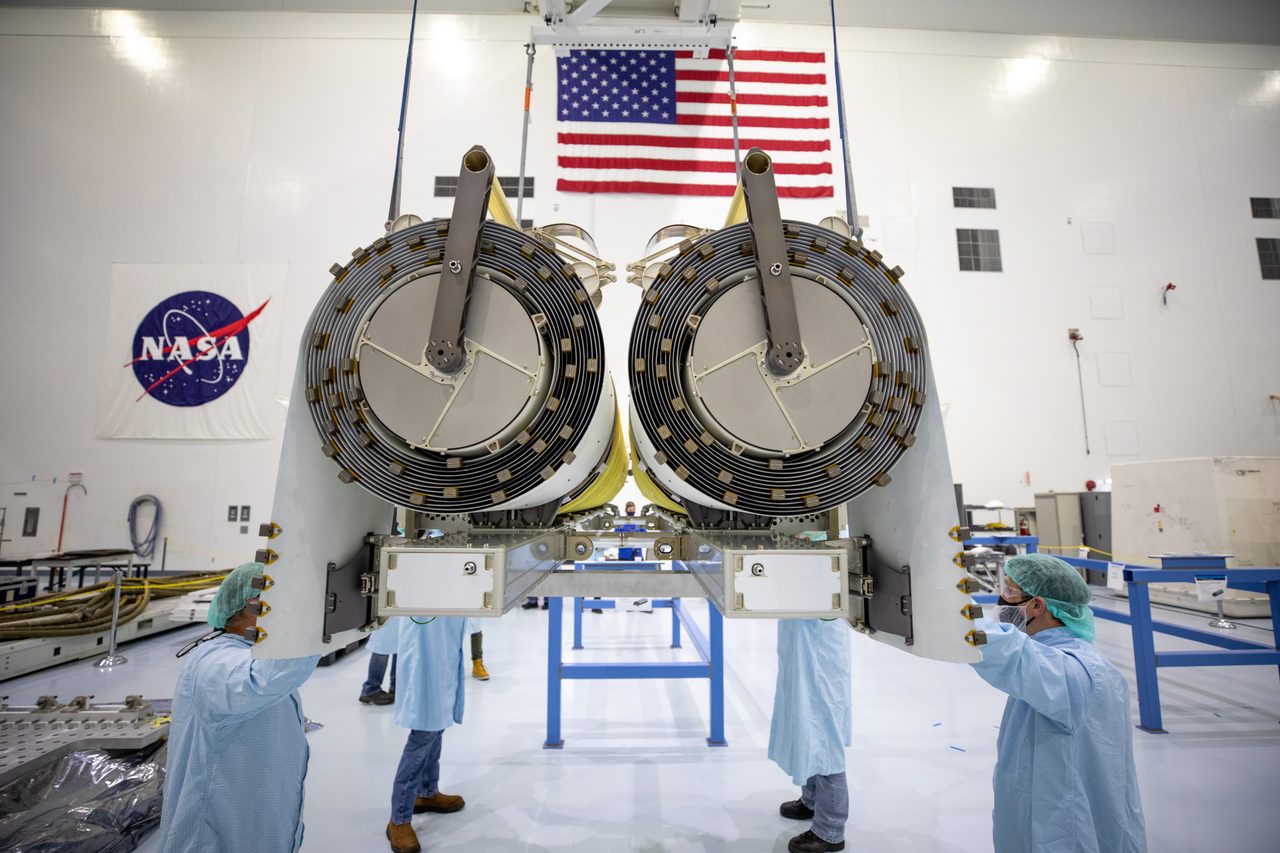
How Do Satellites Get Power? Solar, Batteries and Nuclear
Most satellites turn sunlight into electricity and use batteries in darkness. Explore how spacecraft generate, store and ration power, from Earth orbit to deep space.
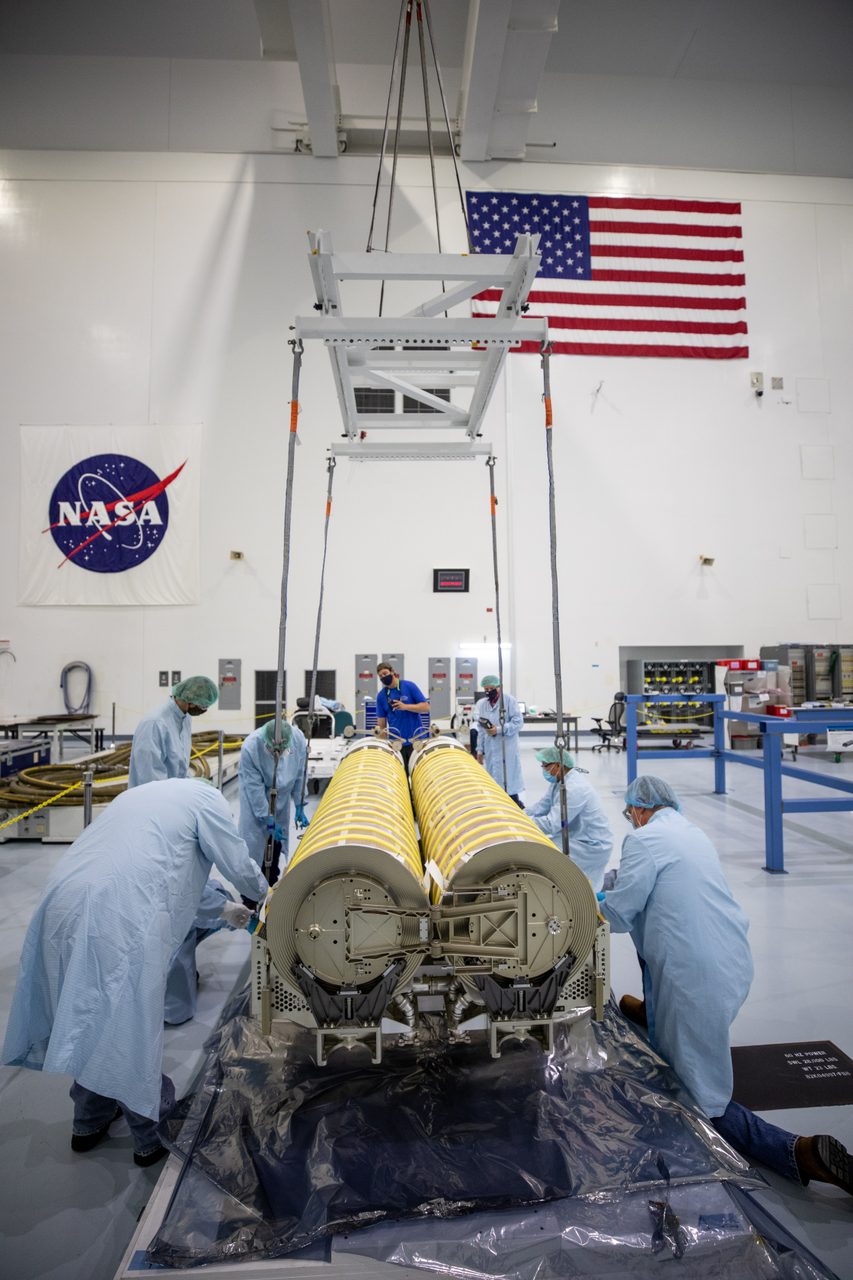
ISS solar upgrade complete: Orbital Briefing, 6 November
Astronauts have installed the ISS's final upgraded solar array, completing a five-year effort. Meanwhile, Blue Origin has outlined a new stage for New Glenn.
Blue Origin's New Glenn Engine Issue and ISS Spacewalk Progress
Blue Origin identifies engine issue in New Glenn explosion while NASA astronauts advance ISS solar array upgrade.
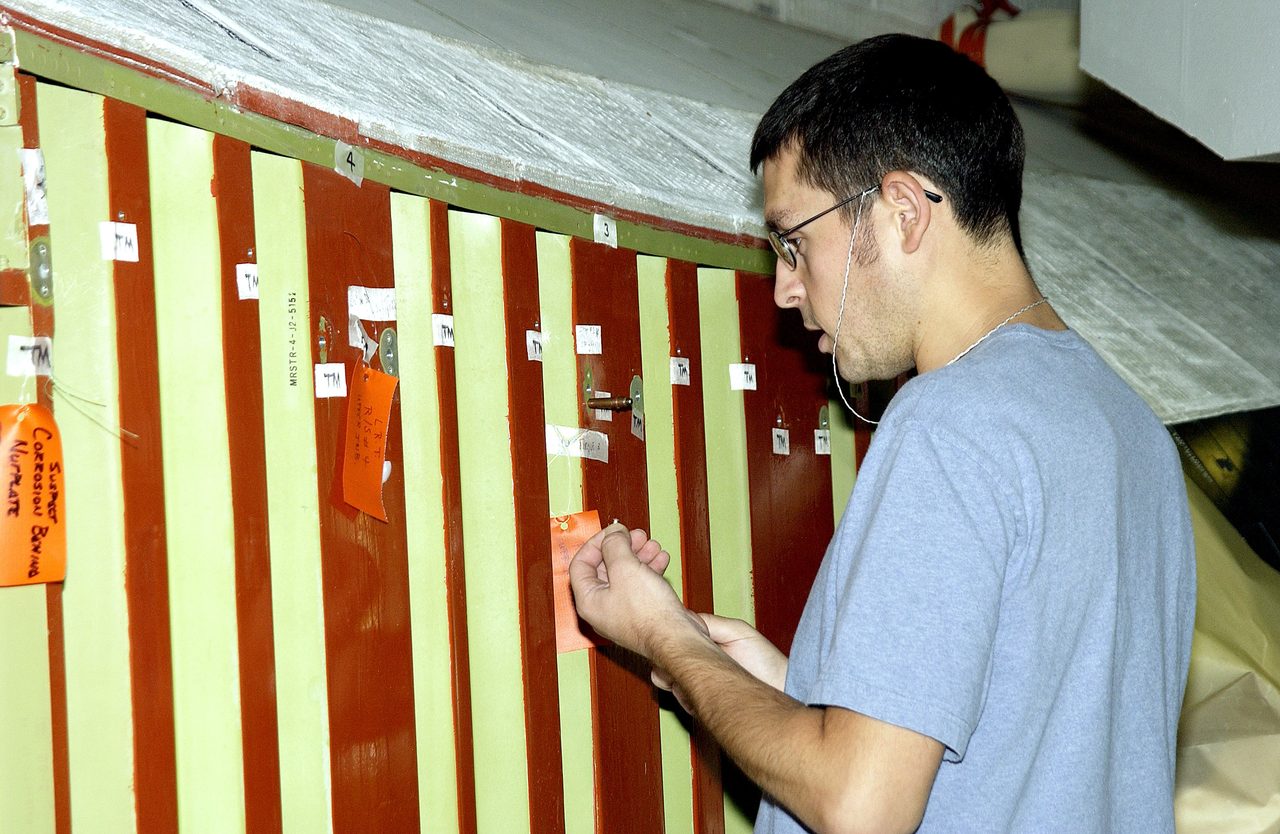
Biggest Satellite in Orbit: The Heaviest Objects Ranked
The ISS is the heaviest satellite in orbit, but catalogue rankings tell a different story. Explore the distinction between assembled stations, individual spacecraft and spent rocket stages.

Satellite Servicing in Orbit: Refuelling and Repair
Docking can keep a satellite working after its own fuel runs low. Explore how orbital servicing works, what refuelling requires and which manoeuvres observers can identify.
What Happens If Two Satellites Collide?
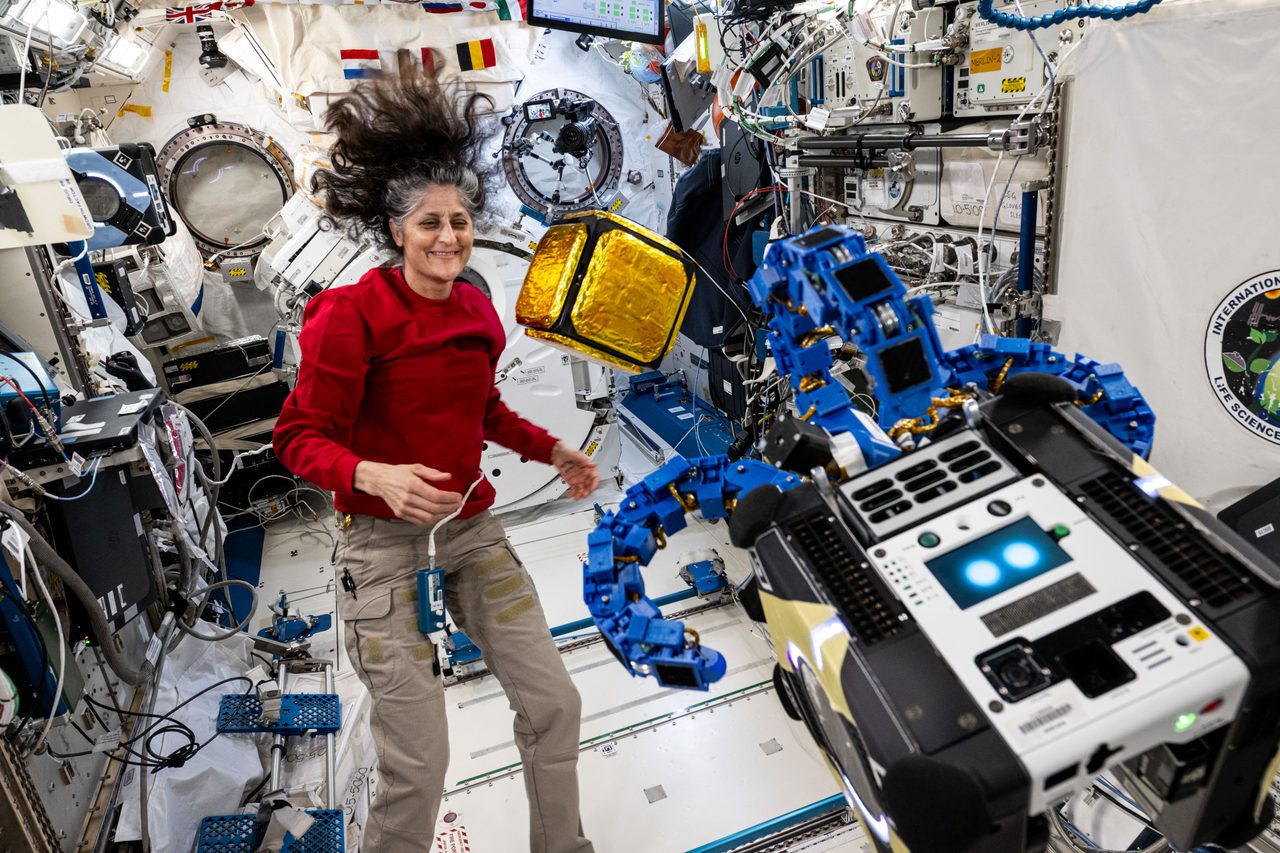
A satellite collision can leave fragments circling Earth long after the spacecraft are destroyed. Their altitude helps determine how long the danger lasts.
This Week in Orbit
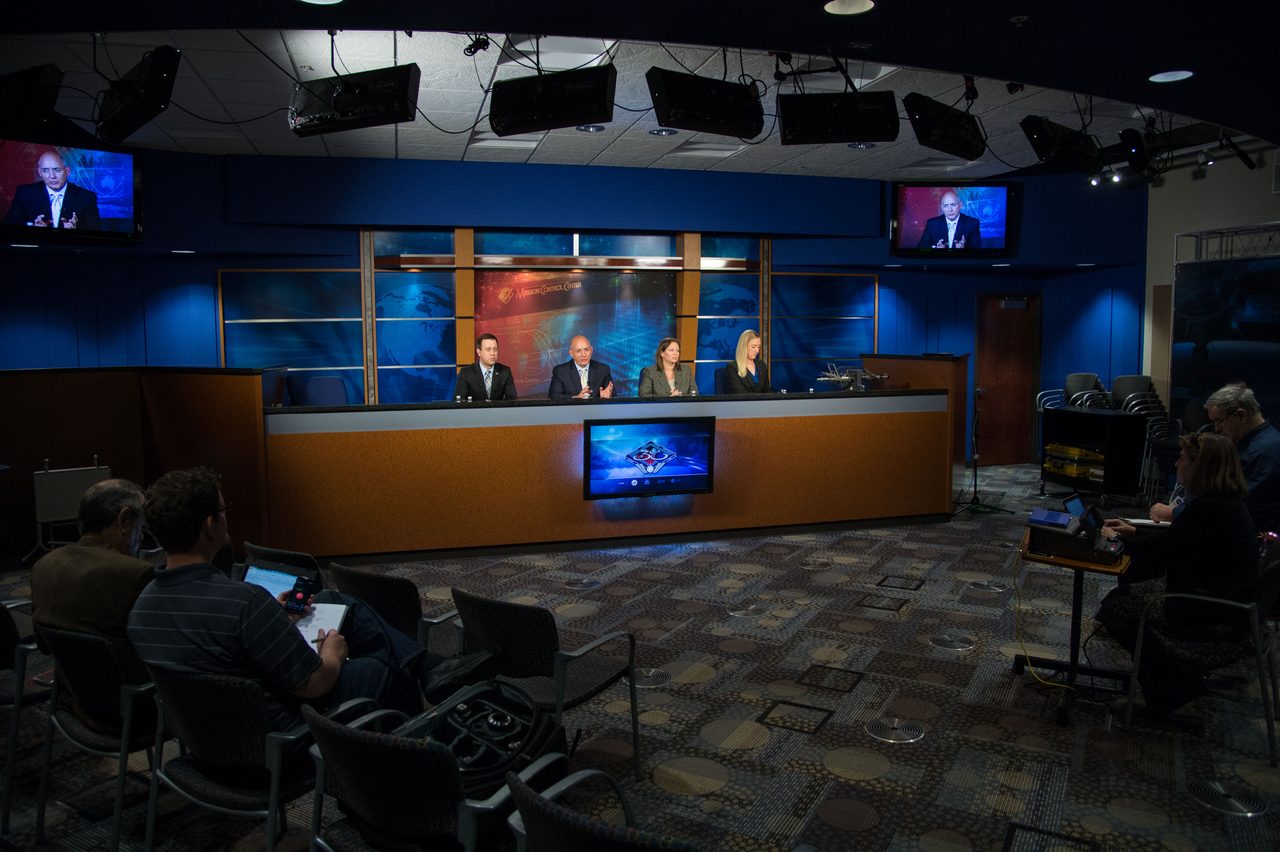
This week, the space community was abuzz with a mix of scientific discoveries and technical challenges. Notably, Blue Origin identified an engine issue that led to the New Glenn rocket explosion, marking a significant step in addressing the setback.
Sun-Synchronous Orbit: How Satellites Keep Consistent Light
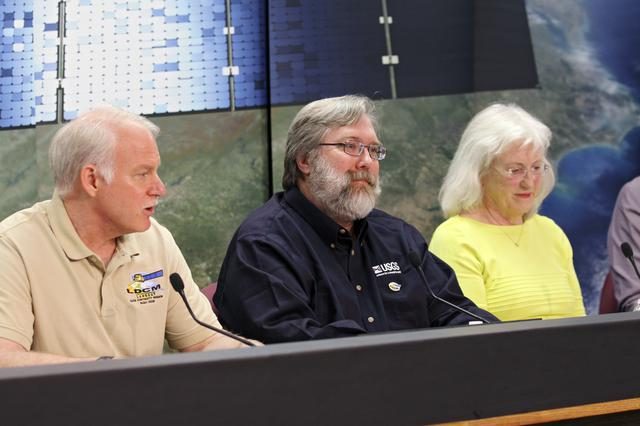
Sun-synchronous satellites use Earth's equatorial bulge to keep a consistent solar schedule. Learn how the orbit works, why imaging missions use it and what it cannot guarantee.
How Are Satellites Tested Before Launch?
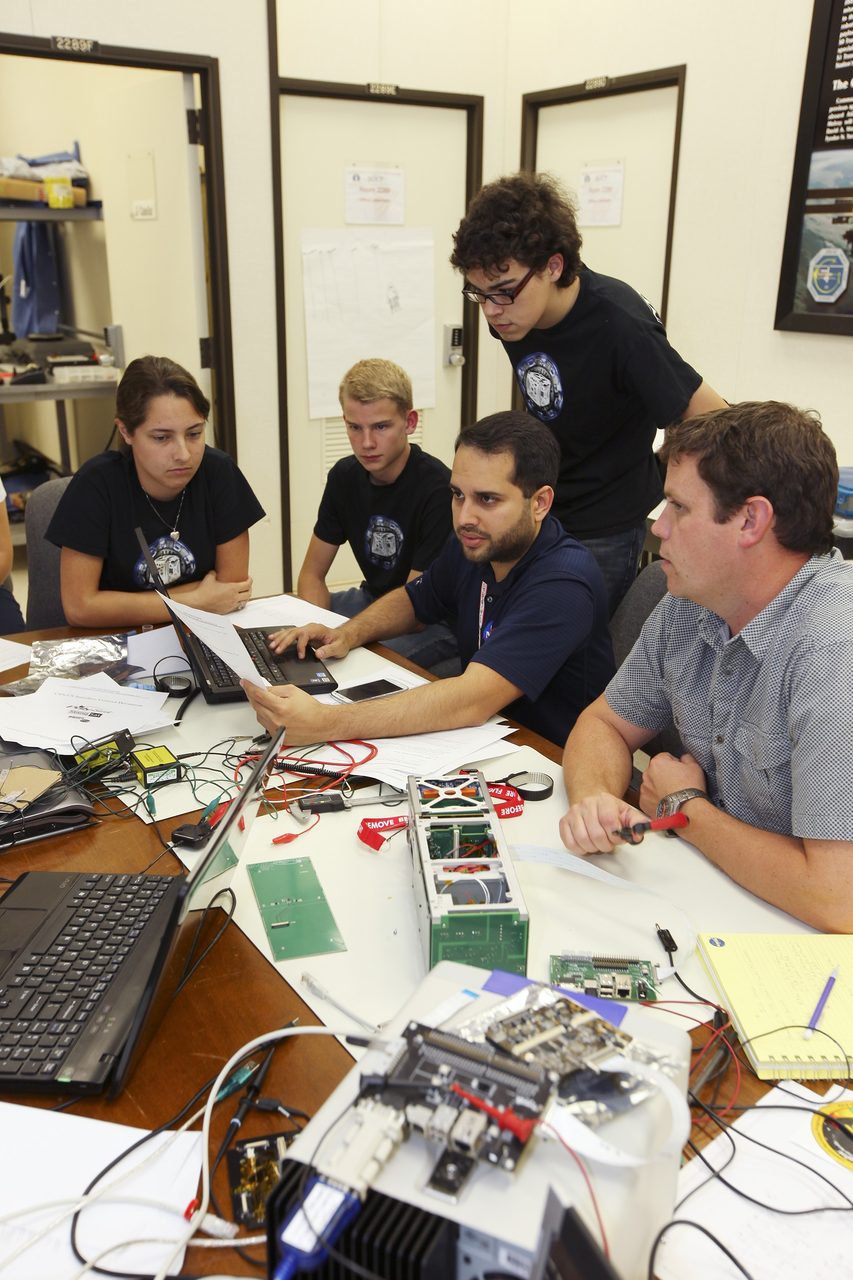
Satellites face simulated launch loads and space conditions before flight. Thermal vacuum, vibration and acoustic tests expose faults that could otherwise end a mission.
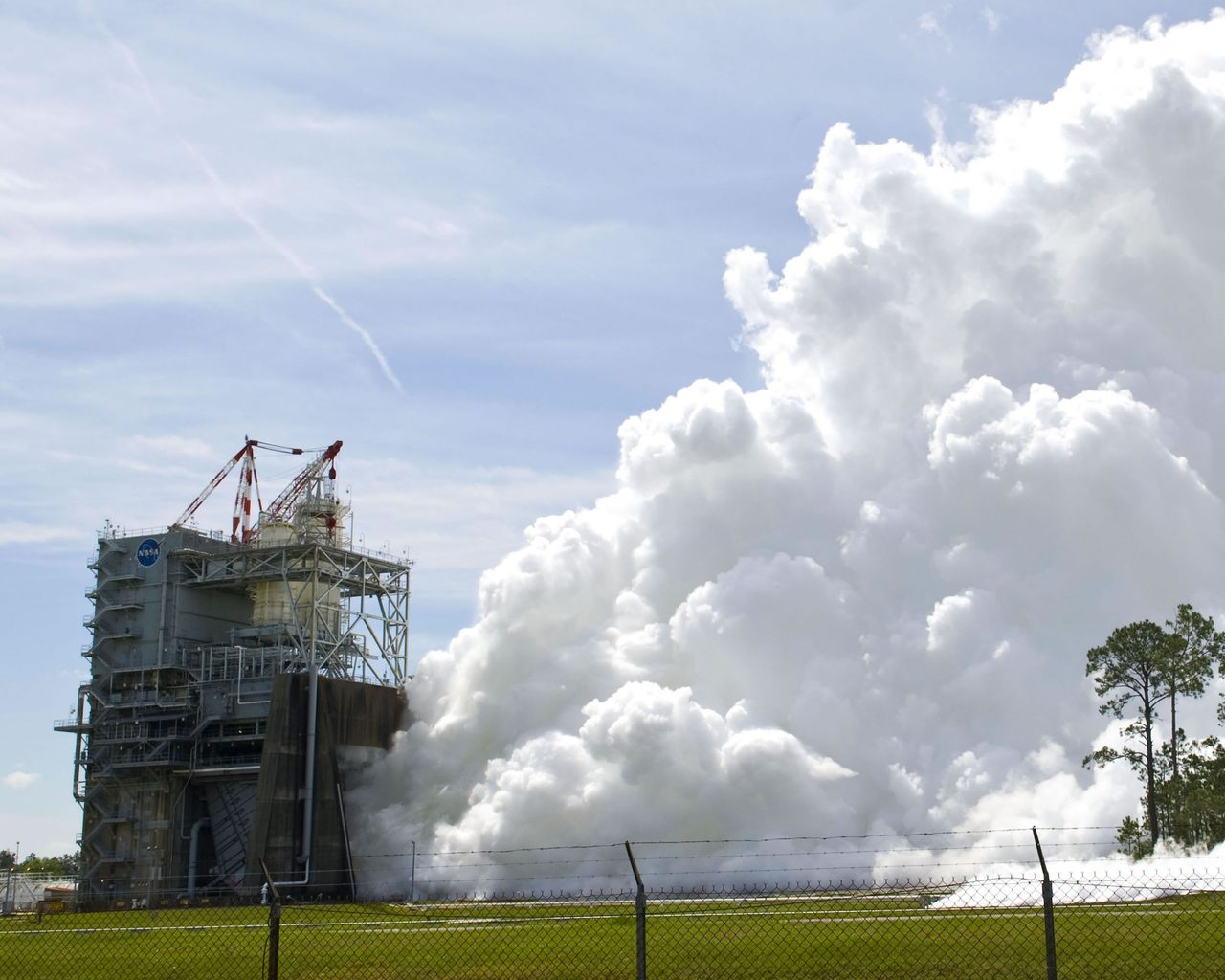
Types of Rocket Propulsion: Chemical, Electric and Nuclear
Chemical engines deliver thrust, electric thrusters conserve propellant, and nuclear concepts offer different trade-offs. Here is how mission designers choose between them.
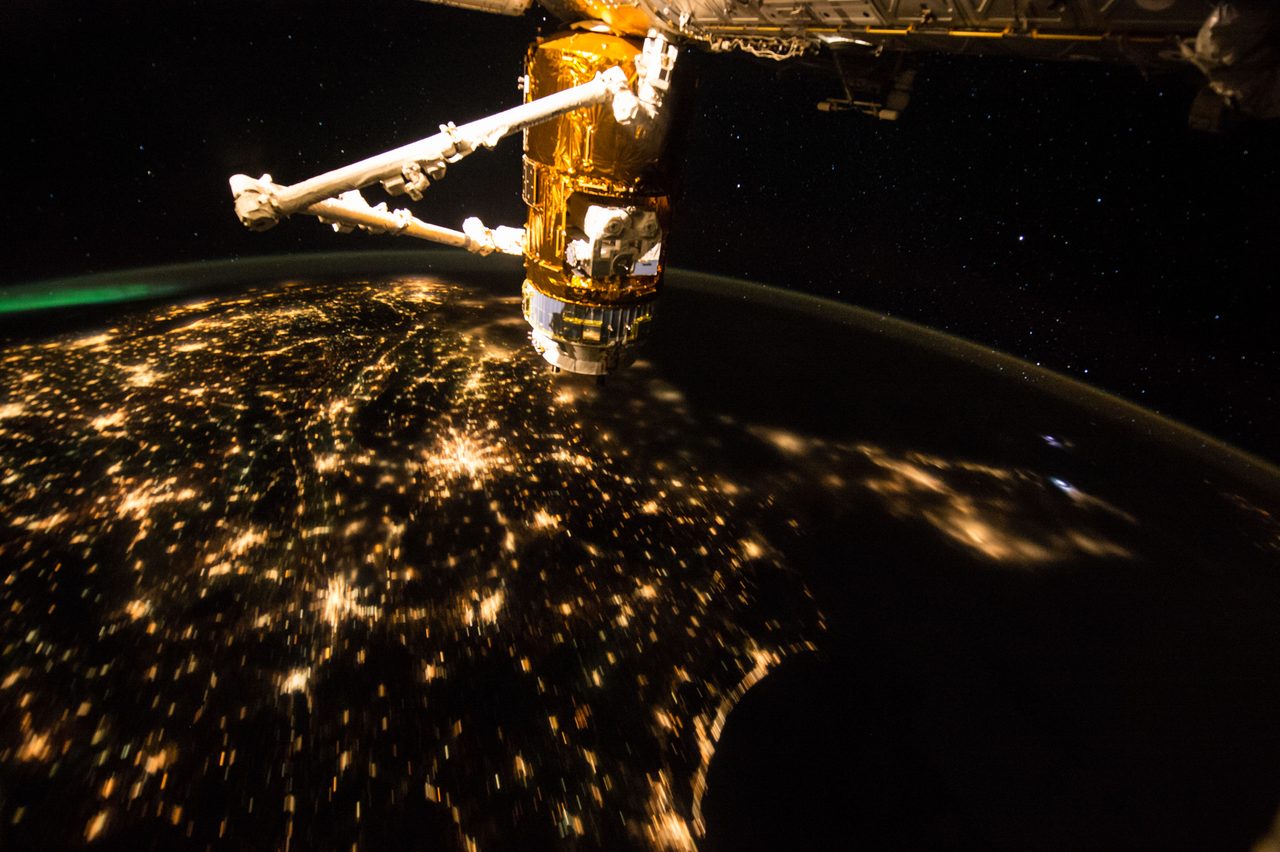
Why Does the ISS Need to Be Reboosted?
Thin air still slows the ISS near 400 km above Earth. Periodic engine burns replace lost orbital energy and keep the station at a useful operating altitude.