Space News Mission Log — Satellite Launches, Orbital Events & Analysis
Daily space news, satellite launch reports, orbital debris analysis and weekly roundups — grounded in live tracking data from our network monitoring 40 published reports.
NASA Awards Moon Base Contracts as SpaceX Secures Major Military Deal
NASA awards initial moon base contracts; SpaceX secures $2.29 billion Space Force contract; Artemis III crew announcement expected.
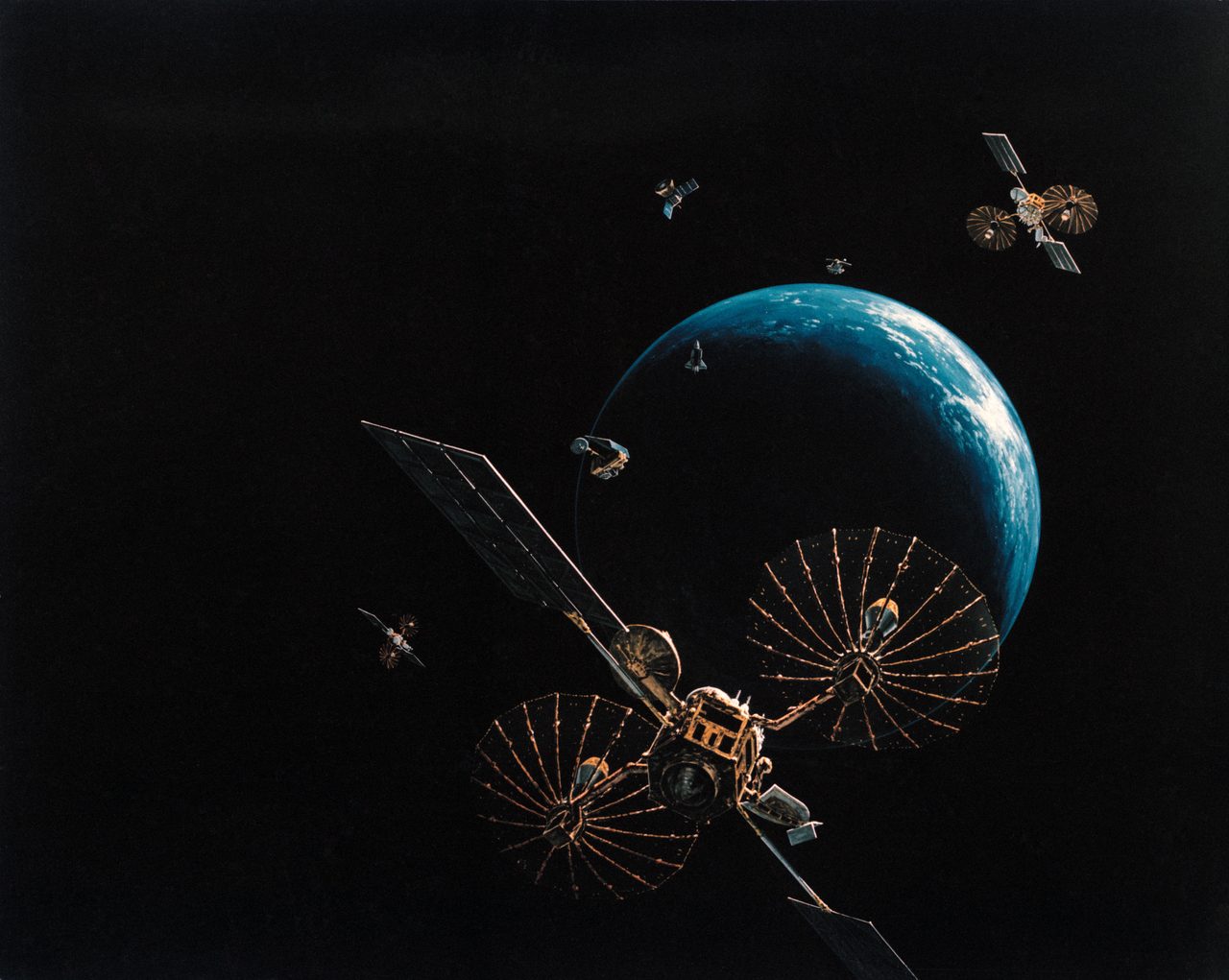
Military Satellites: What They Do and How They Work
Military satellites support communications, navigation, intelligence and missile warning. Explore how they work, what they can detect and what public tracking reveals.
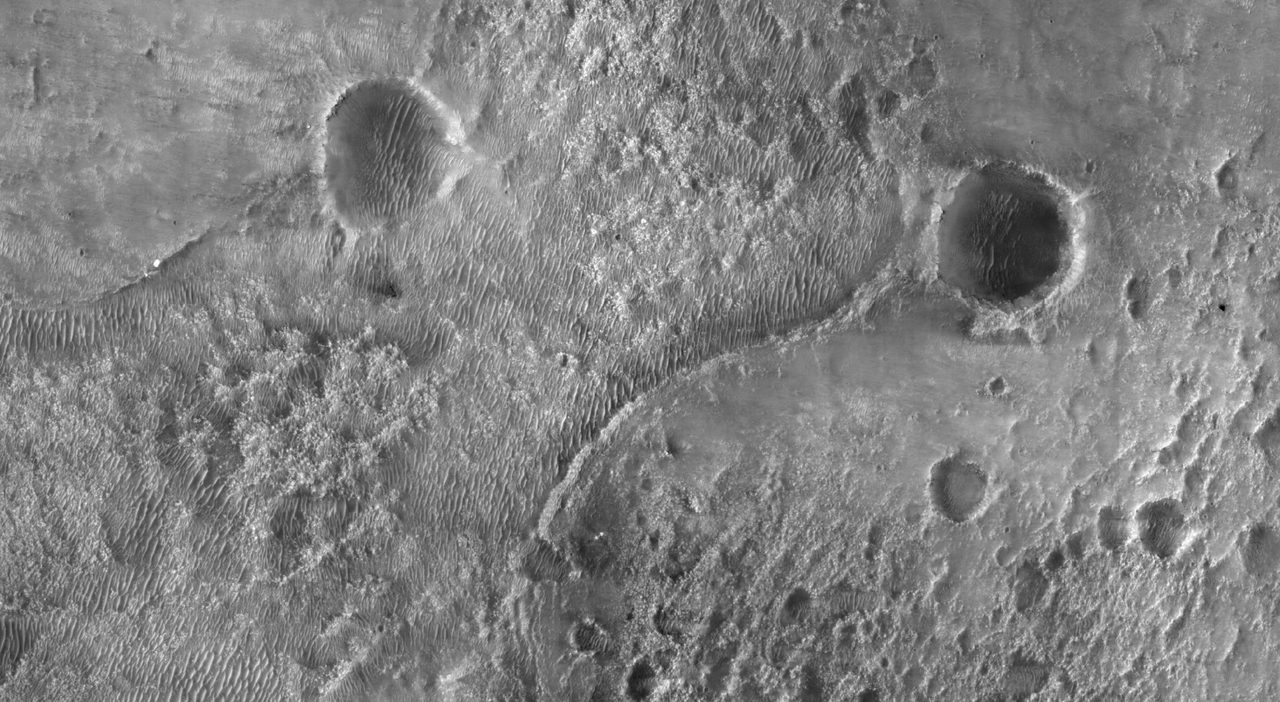
Anti-Satellite Weapons: The Tests That Created Debris Clouds
Anti-satellite tests can turn individual spacecraft into persistent orbital hazards. Explore the tests that created debris clouds, how the risks spread and what tracking reveals.
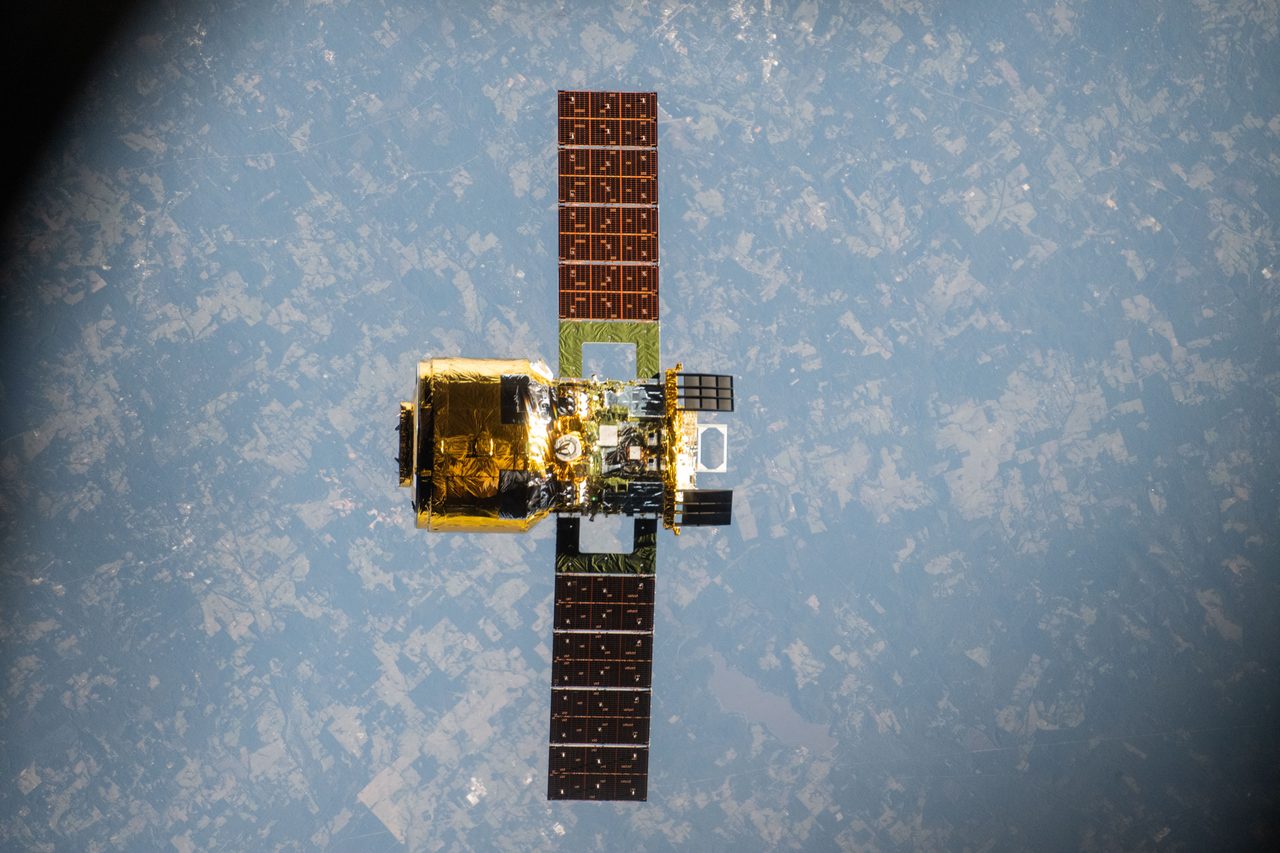
Japan's H3 Rocket to Return with New Configuration
Japan's H3 rocket is set to return to flight with its lightest configuration, marking a significant step for JAXA's launch capabilities.
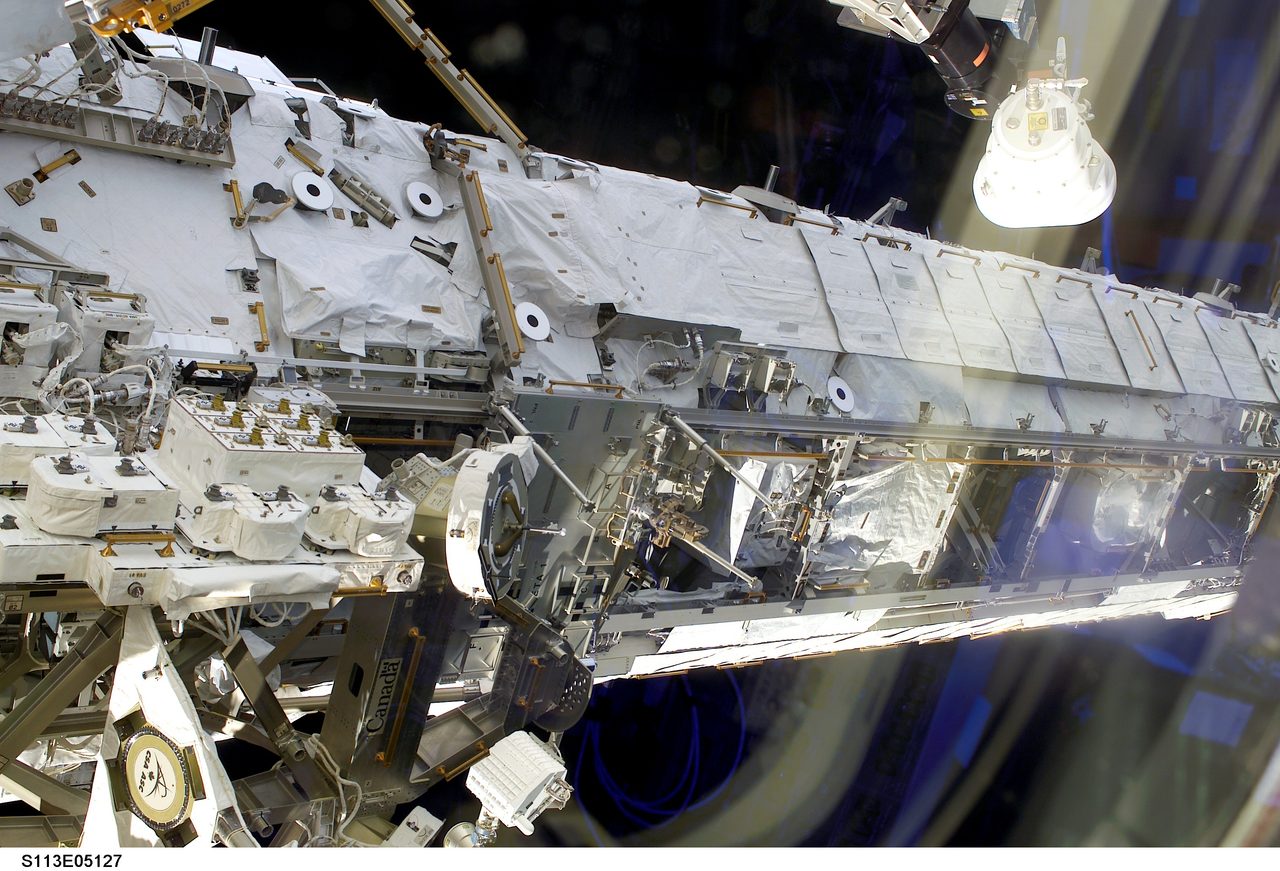
Spacecraft Docking: How Vehicles Join the Space Station
Docking means matching an orbit before making a carefully controlled connection. Follow a spacecraft from rendezvous to hatch opening, and learn why robotic capture is different.
OneWeb Gen 2: the next broadband constellation
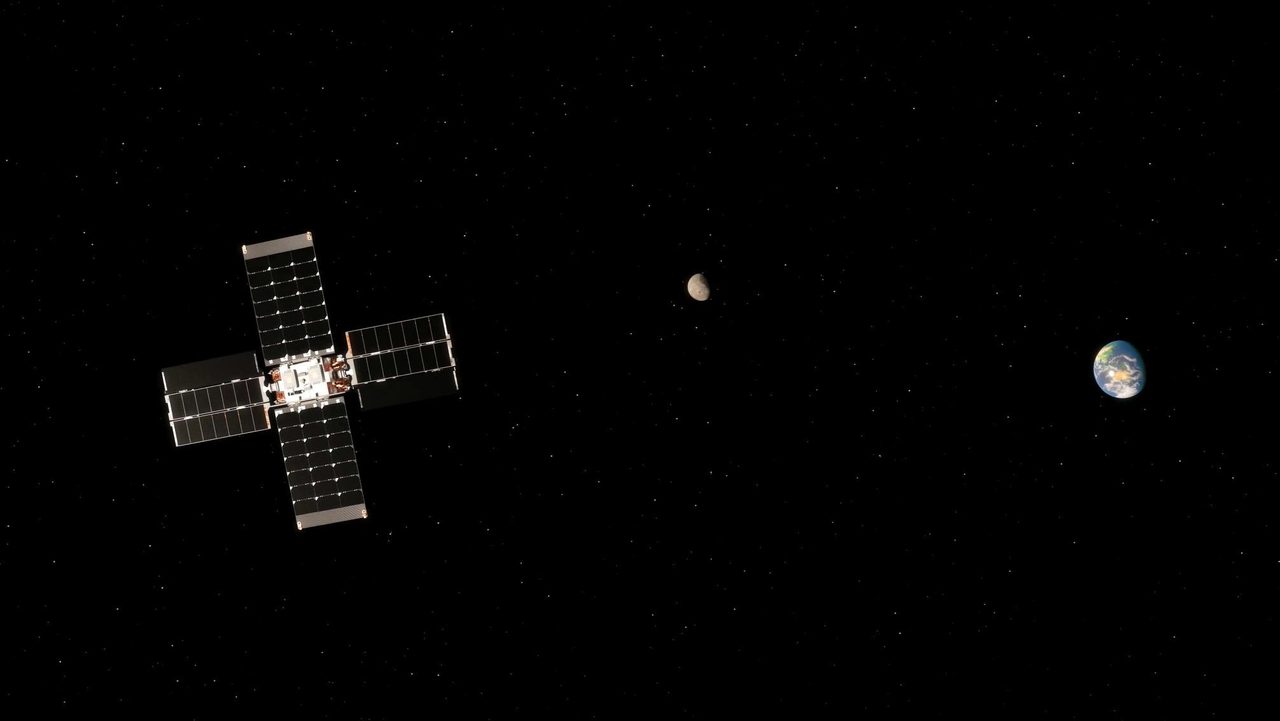
OneWeb’s next generation is intended to expand a broadband network built around business, government and transport connections. Its significance lies as much in replacing ageing spacecraft and integrating ground networks as in adding satellites.

Satellite Servicing in Orbit: Refuelling and Repair
Docking can keep a satellite working after its own fuel runs low. Explore how orbital servicing works, what refuelling requires and which manoeuvres observers can identify.
Isar Aerospace's Spectrum Rocket: Europe's New Launch Contender
Isar Aerospace's Spectrum is a two-stage German rocket. On its second flight, on 5 September 2026, it became the first rocket to reach orbit from European soil outside Russia.
Close Satellite Encounters and Space Force Leadership Change
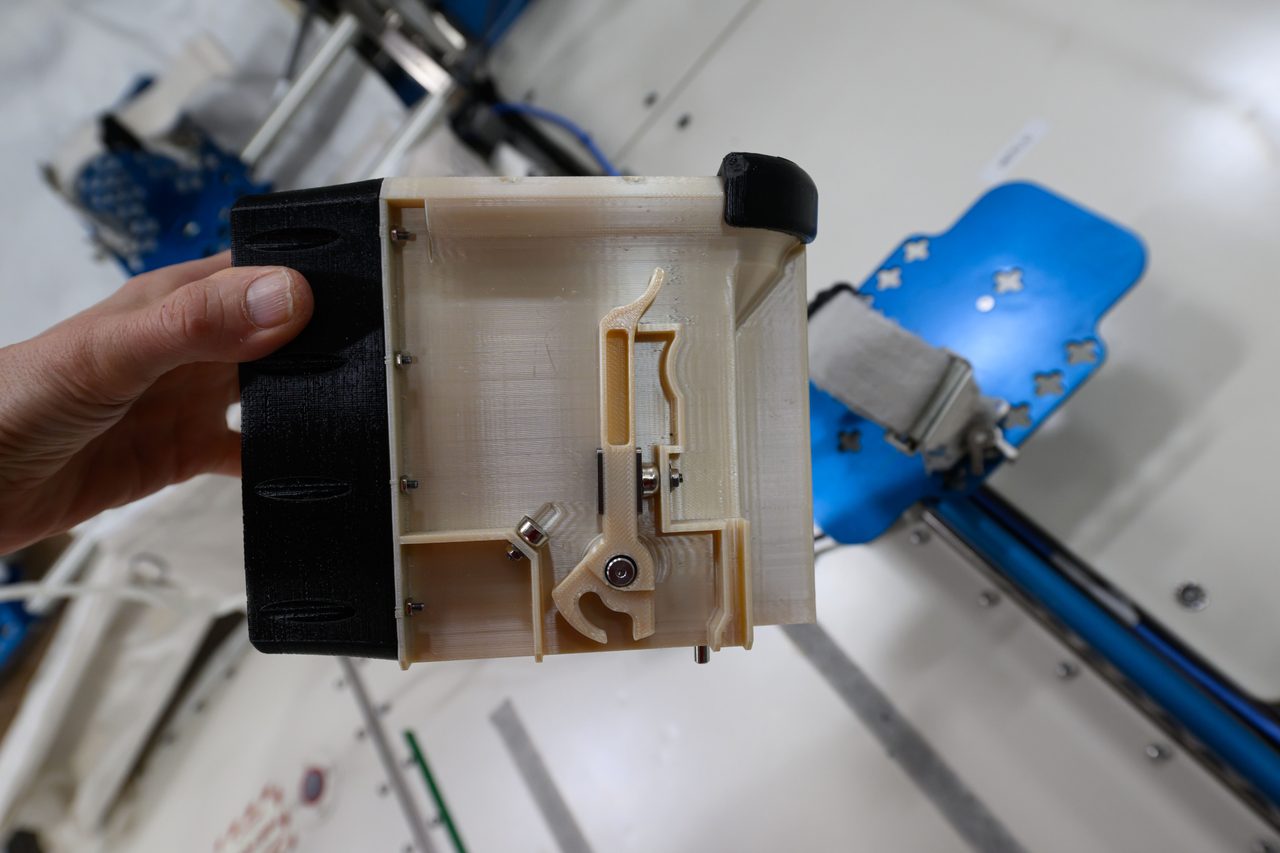
Satellite close approaches and a leadership change in the U.S. Space Force highlight today's space activities.
NASA vs ESA vs CNSA: How the Space Agencies Compare
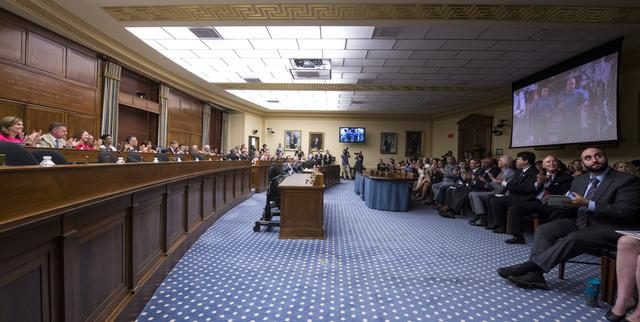
NASA, ESA and CNSA represent different ways of organising space exploration. Their budgets, responsibilities and partnerships matter more than a simple ranking.
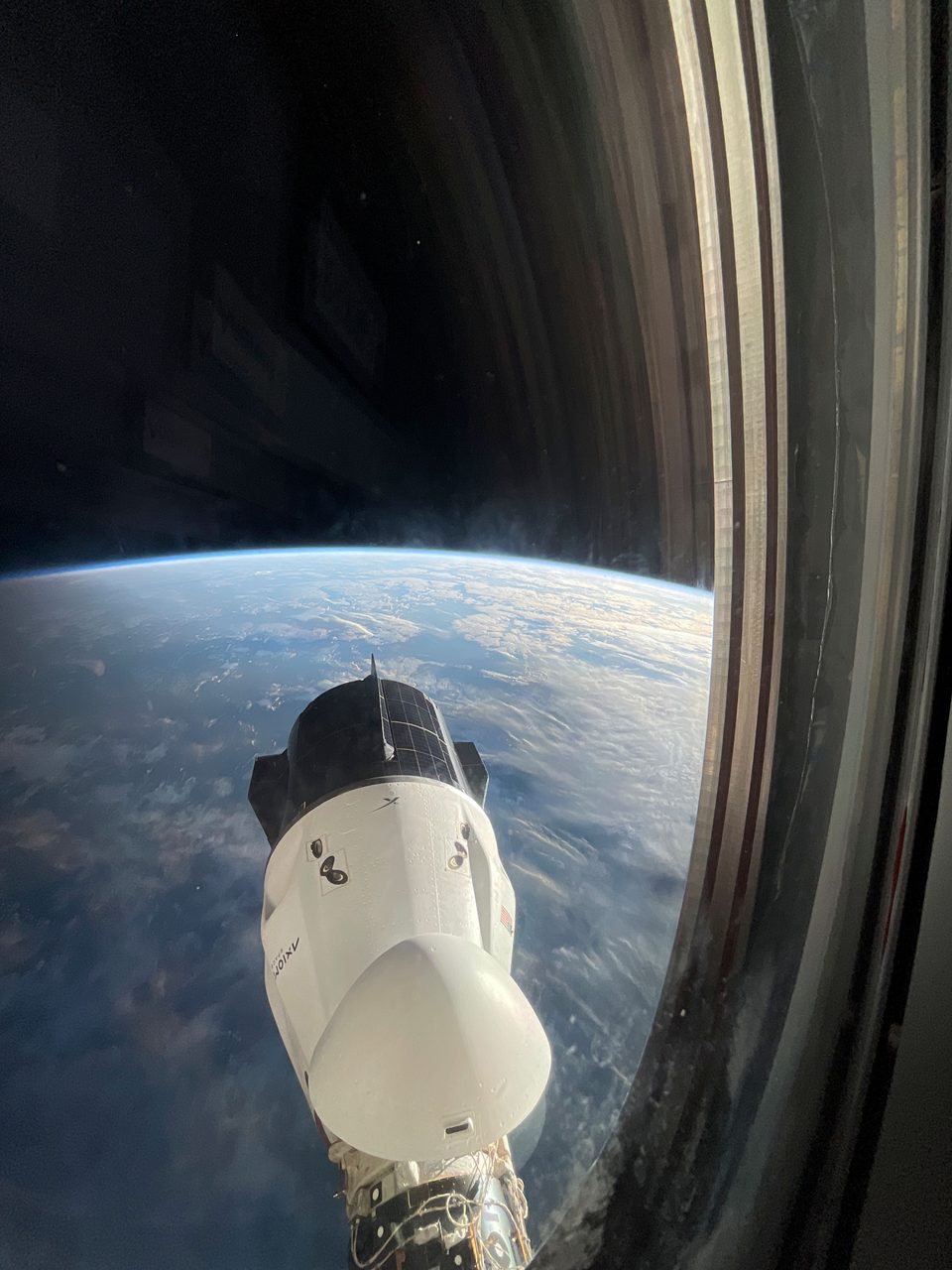
How Do Astronauts Get Back to Earth?
Astronauts return in spacecraft that slow down, survive atmospheric heating and land under parachutes. The journey ends with an ocean splashdown or a touchdown on land.
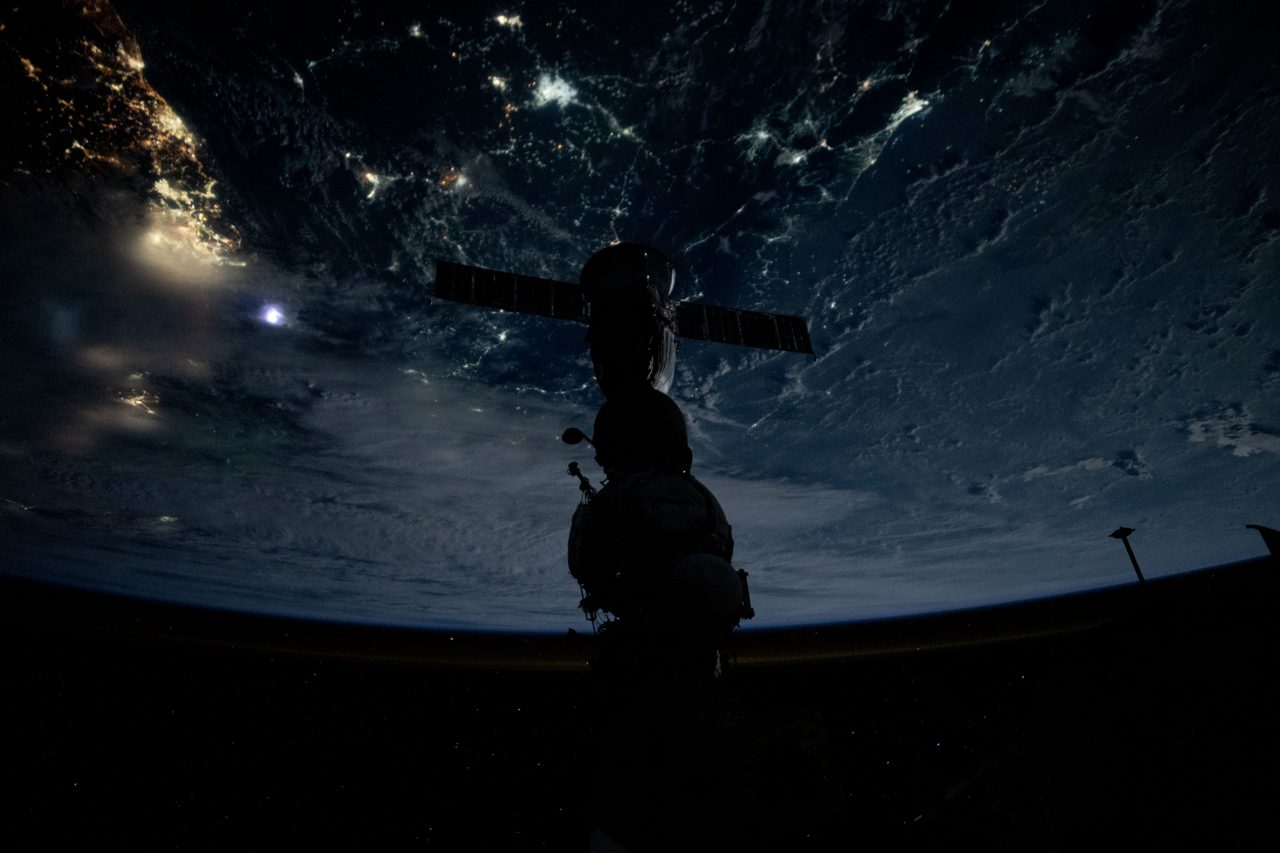
How Long Does It Take to Get to the ISS? Hours to Days
Reaching the ISS can take about three hours or stretch over one or two days. The difference is largely about launch timing, orbital alignment and the spacecraft's rendezvous plan.