Space News Mission Log — Satellite Launches, Orbital Events & Analysis
Daily space news, satellite launch reports, orbital debris analysis and weekly roundups — grounded in live tracking data from our network monitoring 137 published reports.
The International Space Station: A Comprehensive Guide
The International Space Station (ISS) is a multi-nation project that orbits Earth, serving as a microgravity research lab and a hub for international cooperation.
A Rare Triple Alignment: Plane, Space Station, and Sun
A stunning image captures a rare alignment of an airplane, the International Space Station, and sunspots against the Sun, revealing the intricate dance of celestial and terrestrial bodies.
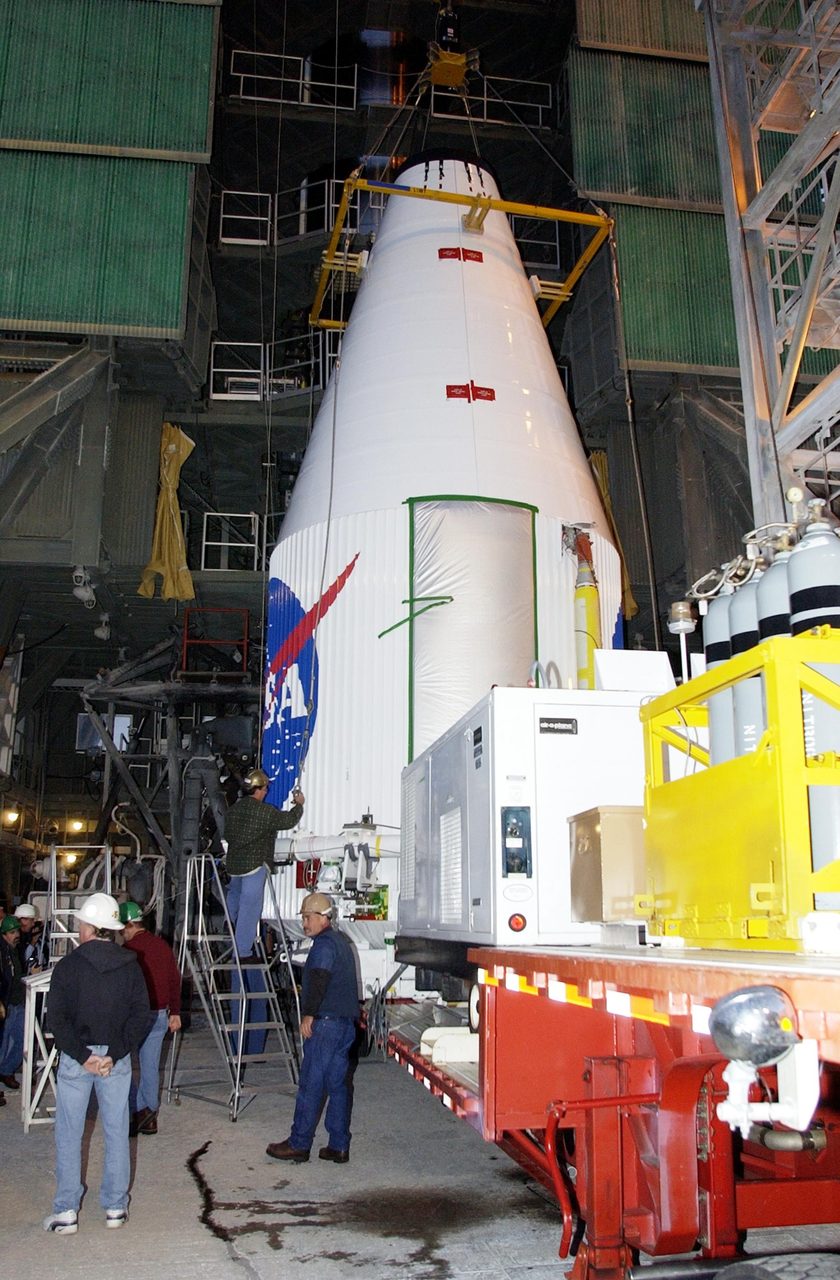
Satellite Ground Stations: The Backbone of Space Communication
Satellite ground stations are vital for receiving data from and sending commands to satellites, enabling global communication and navigation.

How Spacecraft Dock with the International Space Station
Spacecraft docking with the ISS involves precise orbital mechanics and advanced technology to ensure a safe and successful connection.
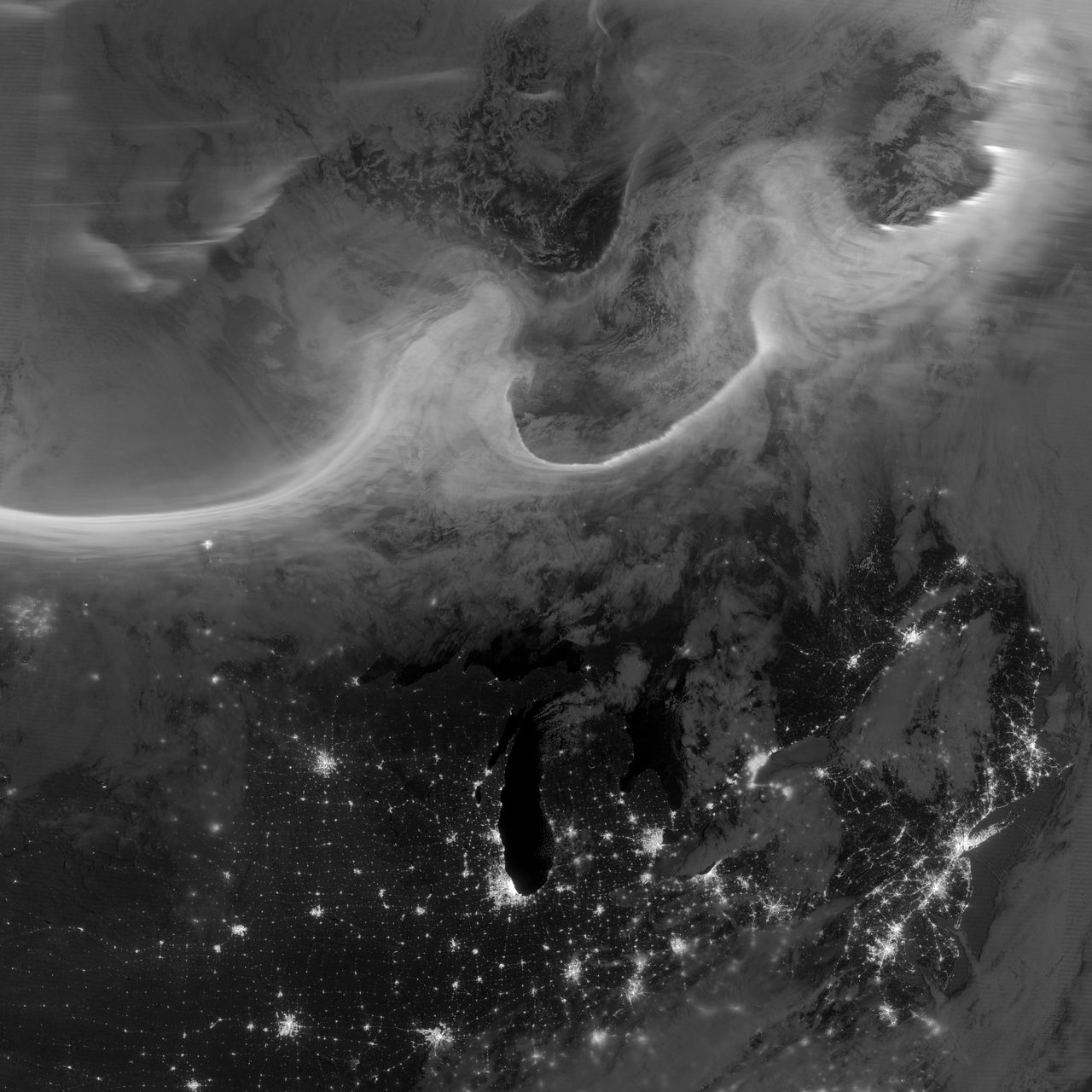
Auroras from Above: A Celestial Dance Viewed from Space
Explore the captivating view of auroras from the International Space Station, captured by astronaut Sophie Adenot. Learn about the science behind these luminous displays.
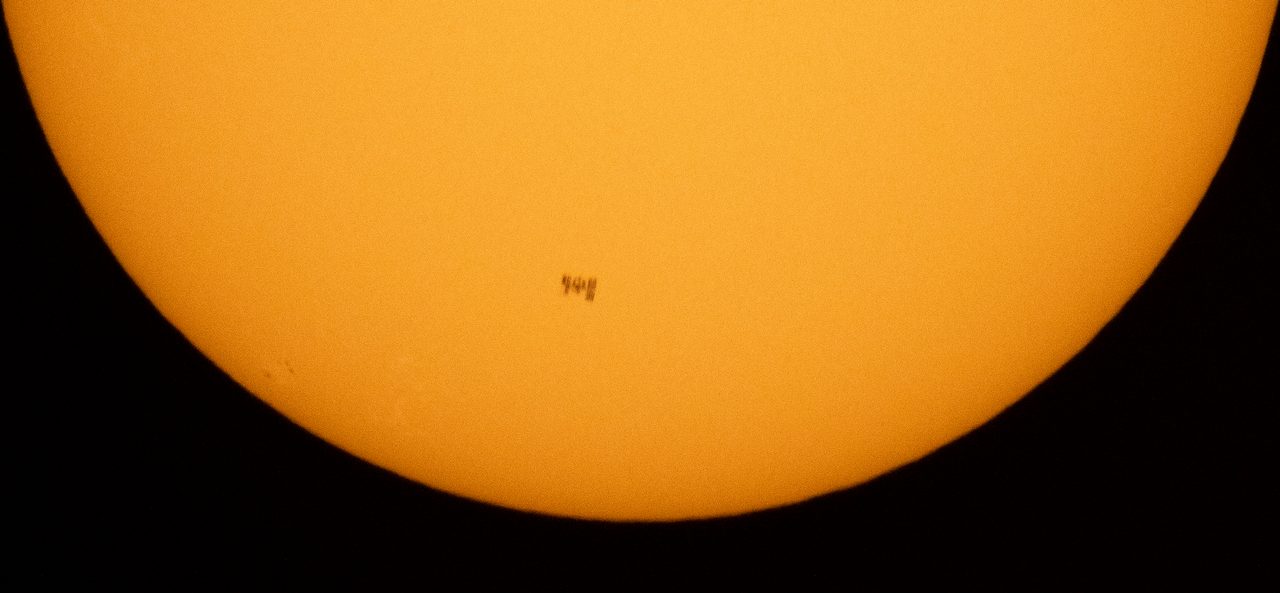
Understanding ISS Solar Transits: Viewing the Station Cross the Sun
An ISS solar transit is when the International Space Station crosses the Sun's disc, visible from specific locations on Earth.
How to See the ISS from Your Backyard Tonight
See the International Space Station from your backyard by checking its visible passes and timing your observation for optimal conditions.
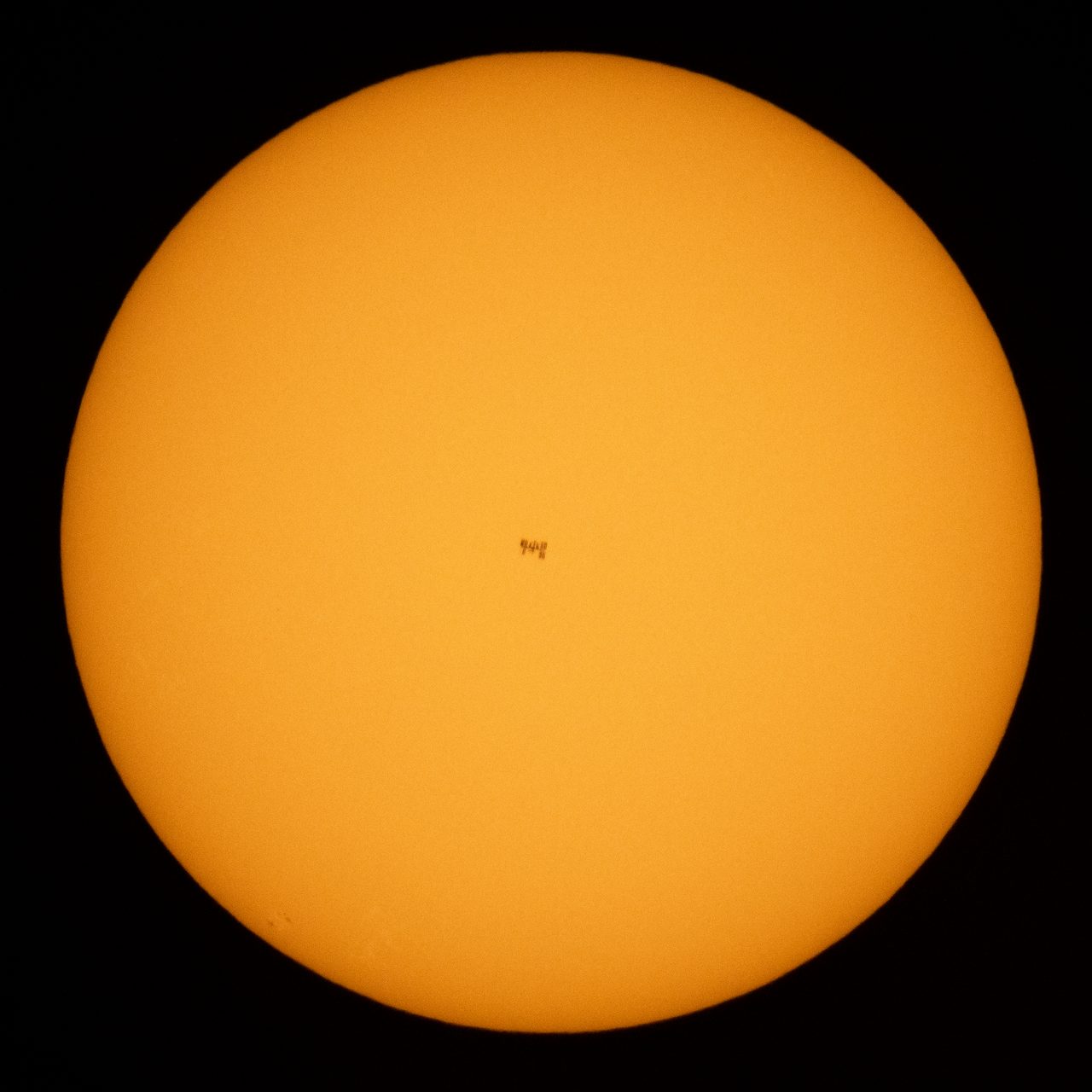
How to Predict ISS Transits Across the Sun and Moon
Discover how to predict ISS transits across celestial bodies with Orbital Radar's Transit Predictions tool, offering precise timing and location data.

TDRS: NASA's Data Relay Network in GEO
The Tracking and Data Relay Satellite (TDRS) system is a network of communications satellites operated by NASA to support space missions. This network provides continuous high-data-rate communication links between spacecraft in low Earth orbit (LEO) and ground stations on Earth.
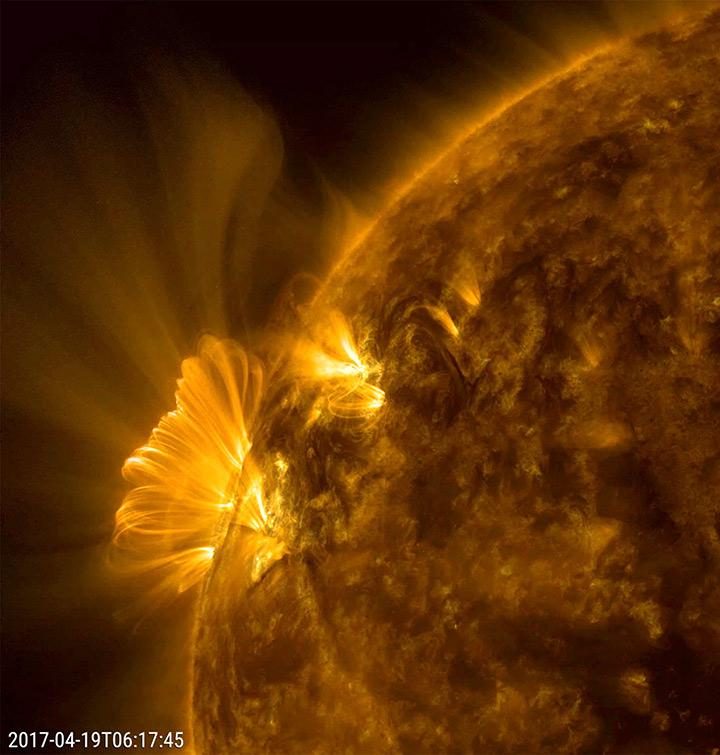
Unleashing the Sun: Understanding Coronal Mass Ejections
The Solar Dynamics Observatory captures a coronal mass ejection, illustrating the Sun's dynamic magnetic fields and their impact on Earth.
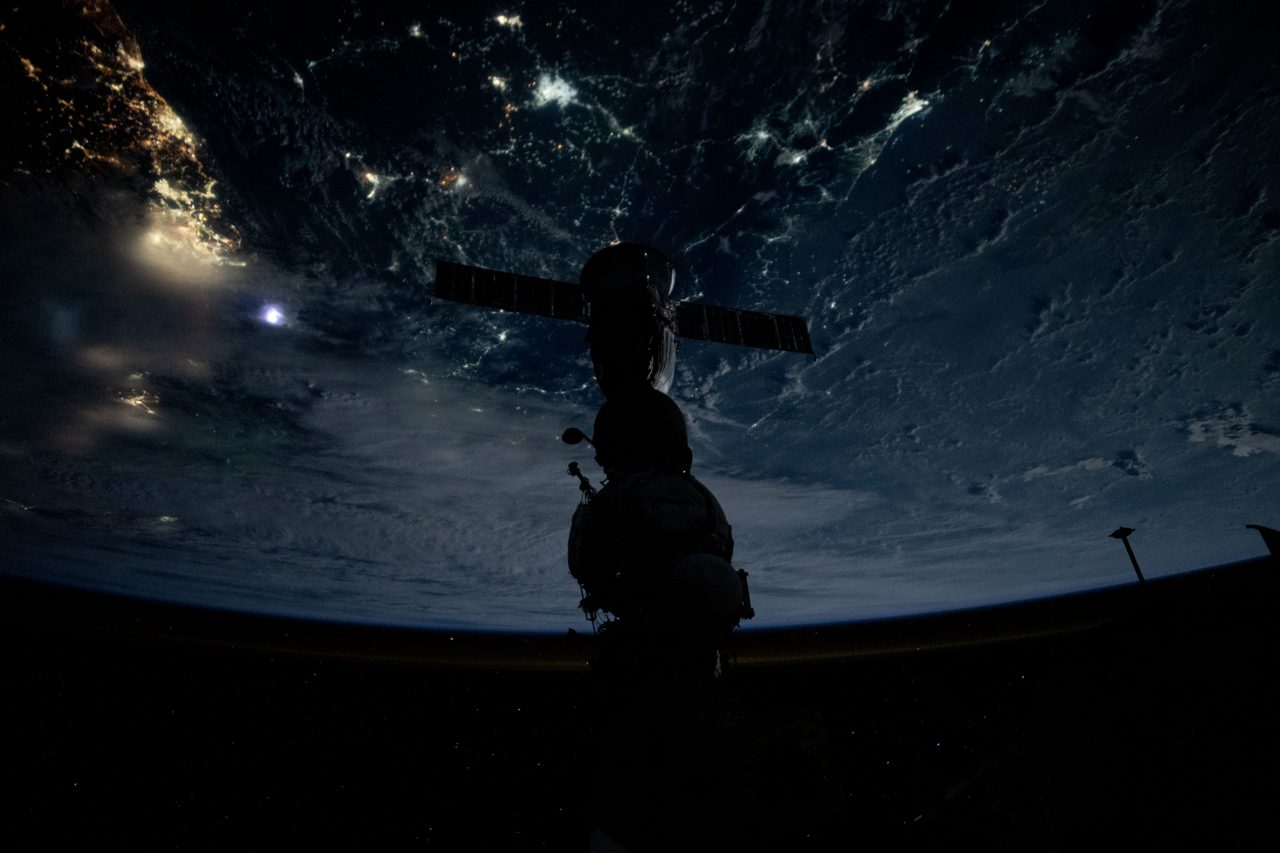
How Long Does It Take to Get to the ISS? Hours to Days
Reaching the ISS can take about three hours or stretch over one or two days. The difference is largely about launch timing, orbital alignment and the spacecraft's rendezvous plan.
Space Debris: Understanding the Growing Threat in Orbit
Space debris refers to defunct human-made objects in orbit, posing risks to satellites and space missions.