Space News Mission Log — Satellite Launches, Orbital Events & Analysis
Daily space news, satellite launch reports, orbital debris analysis and weekly roundups — grounded in live tracking data from our network monitoring 131 published reports.
GOES-18: Geostationary Weather Sentinel
GOES-18 is a geostationary weather satellite operated by the National Oceanic and Atmospheric Administration (NOAA). Launched on 1 March 2022, it is part of the Geostationary Operational Environmental Satellites (GOES) series, which plays a crucial role in weather forecasting and environmental monit
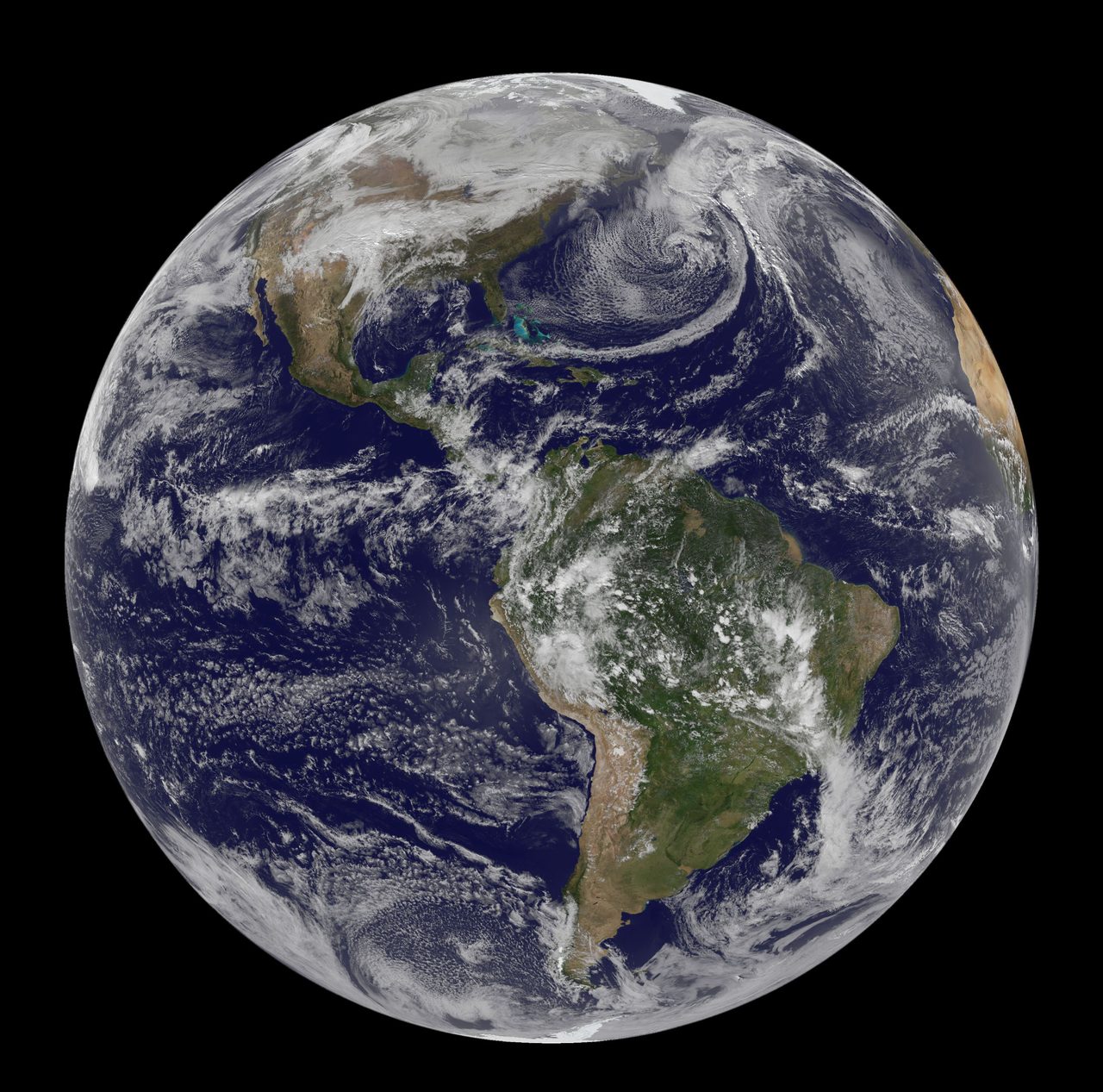
How Weather Satellites Work: A Complete Guide
Weather satellites monitor Earth's atmosphere and surface, providing crucial data for forecasting. Learn how they operate and impact our daily lives.
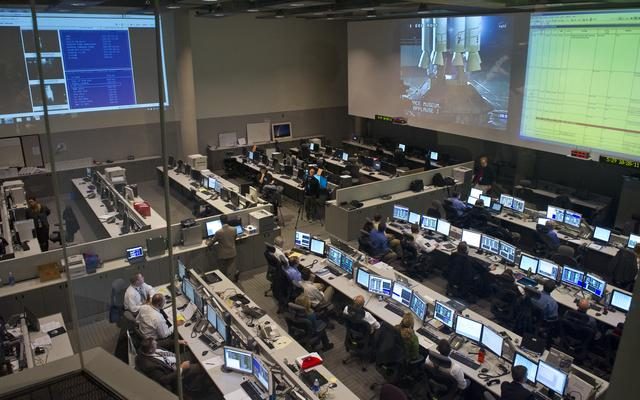
NOAA-19: The Last of the POES Weather Satellites
NOAA-19, also known as NOAA-N Prime, is the final satellite in the Polar Operational Environmental Satellites (POES) series. Launched on 6 February 2009, it serves as a crucial component in the National Oceanic and Atmospheric Administration's (NOAA) weather forecasting and environmental monitoring

Close Approaches and Space Weather Highlight Today's Orbital Briefing
Today's orbital briefing covers close satellite approaches, current space weather conditions, and the upcoming Orionid meteor shower.
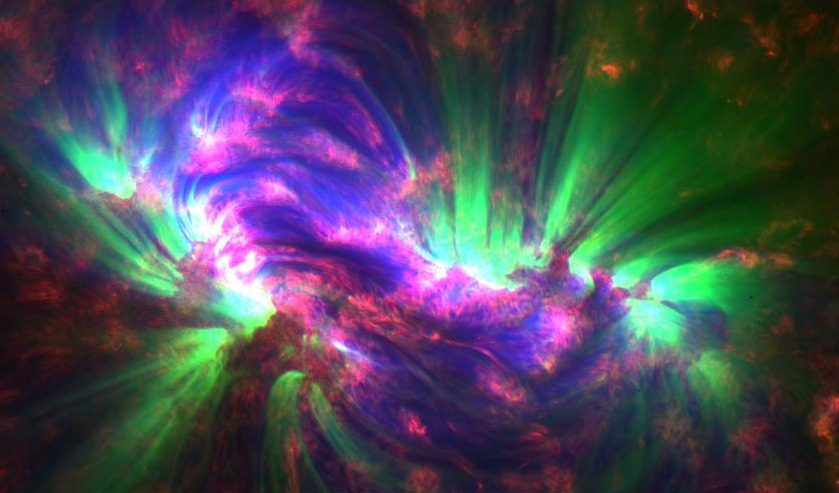
Space Weather and Close Approaches Mark 17 September 2026
Today's space weather is calm, but several Starlink satellites are experiencing close approaches. No launches are scheduled.
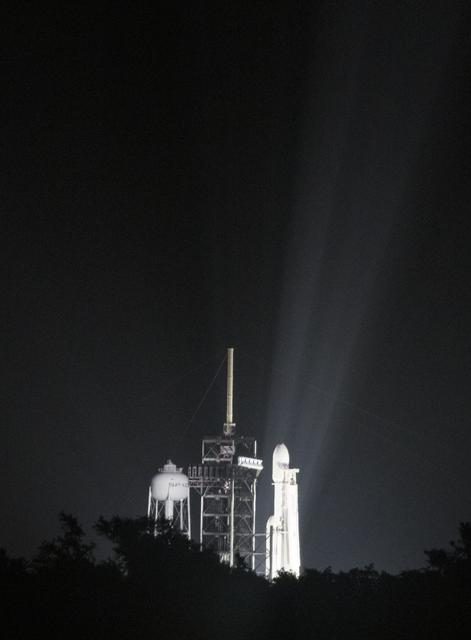
NASA Chooses Falcon Heavy for Space Weather Mission Amid Workforce Challenges
NASA opts for SpaceX's Falcon Heavy for a space weather mission, while workforce reductions affect other programs.
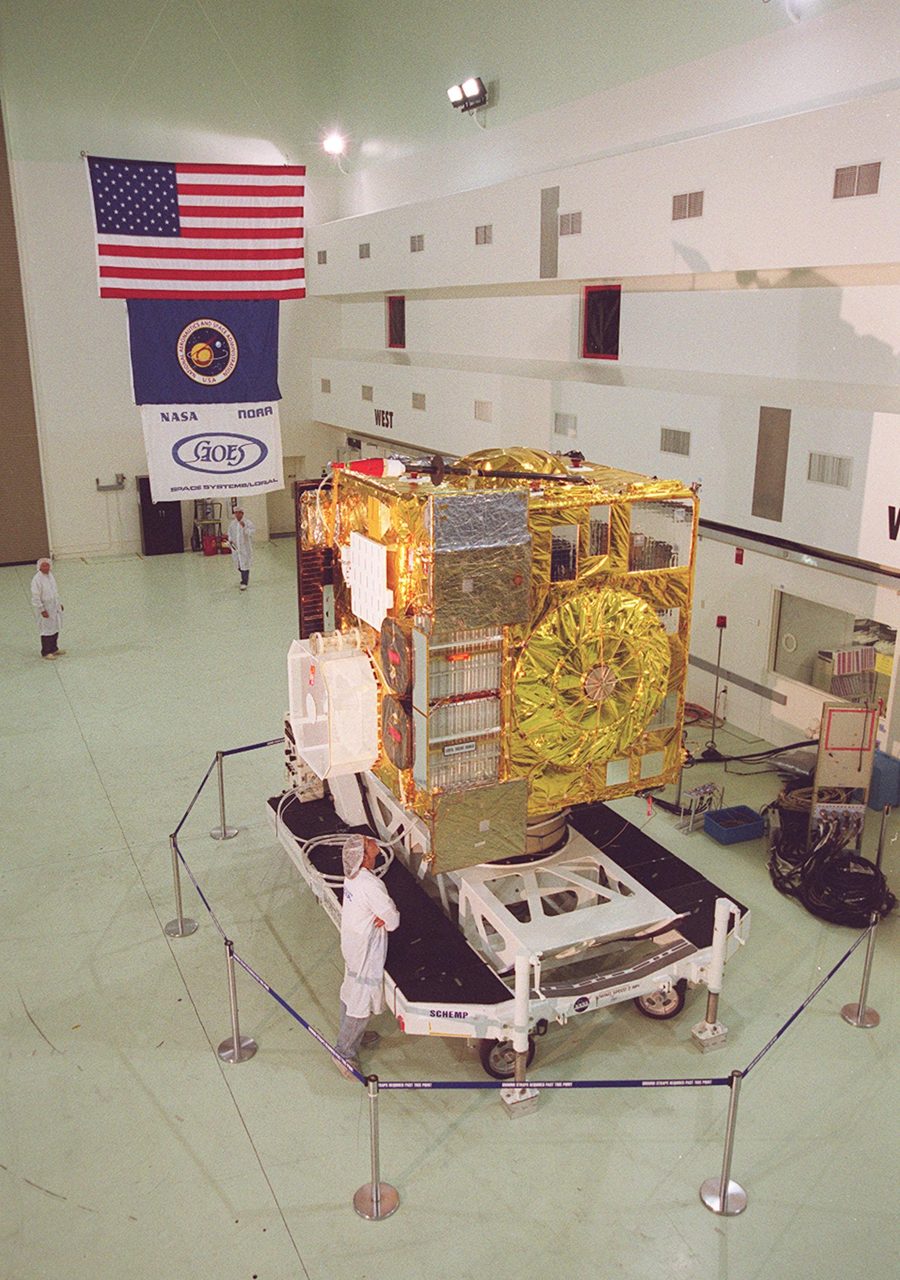
GOES-19: the weather watch at 35,786 kilometres
Operating as GOES East since April 2025, GOES-19 watches Atlantic hurricanes, American thunderstorms and solar activity from a near-fixed position above the equator.
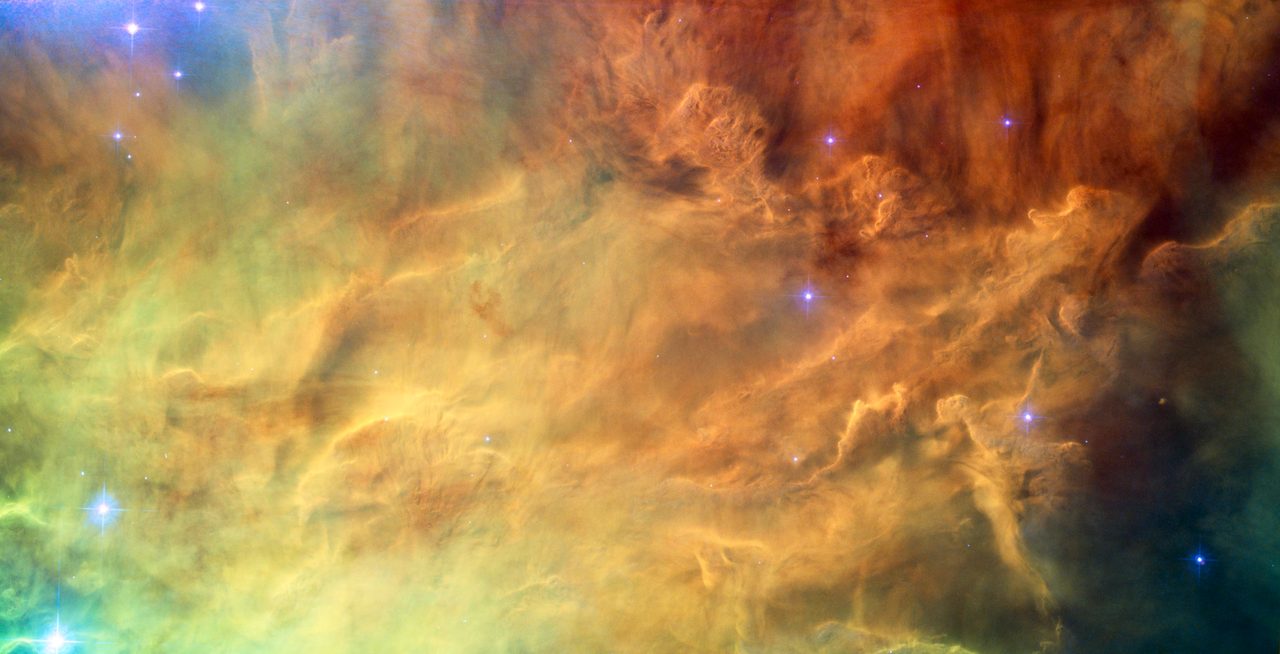
Diamonds in the Sky: The Fascinating Weather of Jupiter and Saturn
Discover the intriguing possibility of diamond rain on Jupiter and Saturn, where high pressures may crystallize carbon into diamonds.
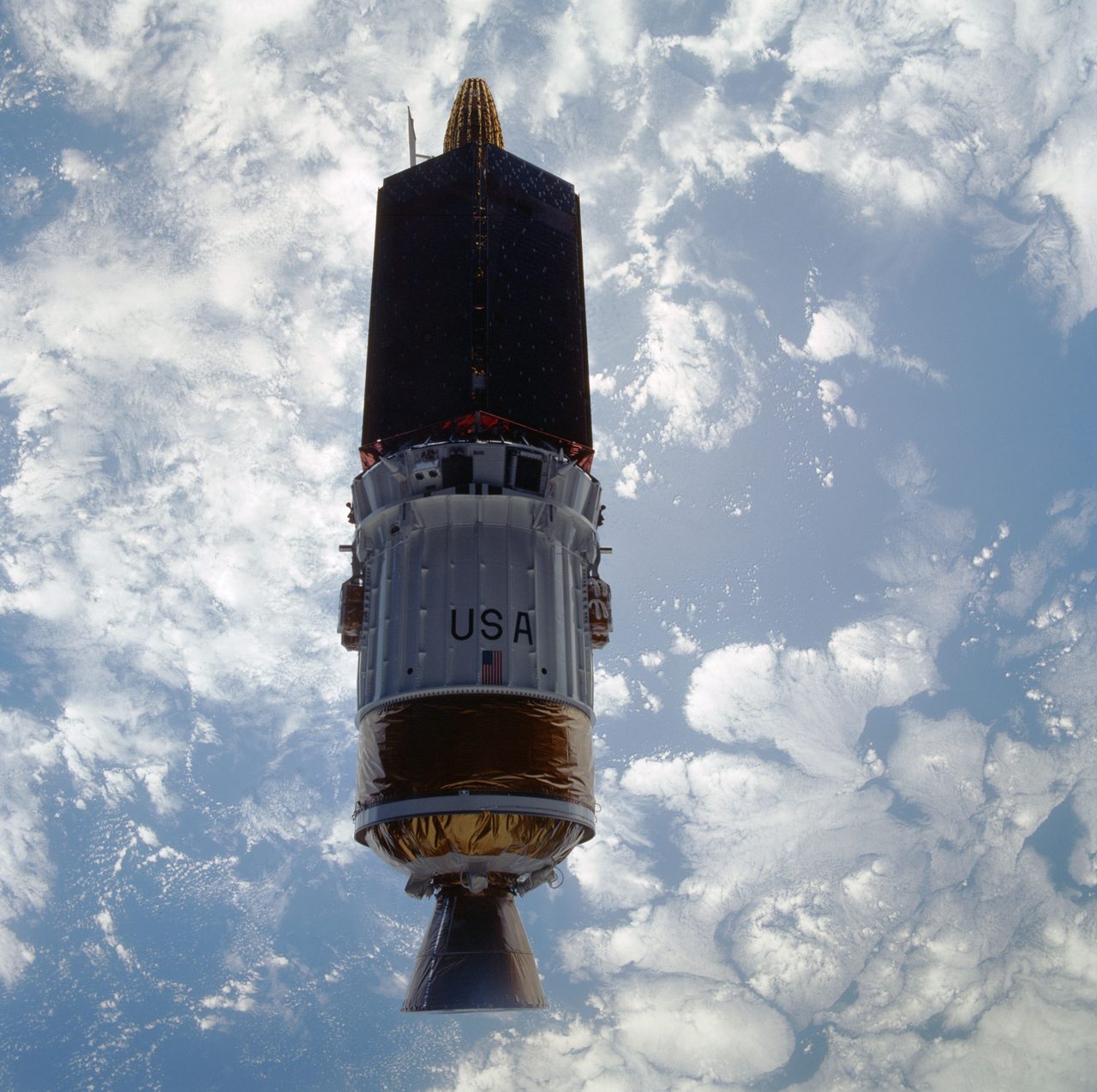
Satellite Radio Propagation: Finding the Best Contact Times
A satellite’s position is only part of a successful radio link. Learn how to interpret propagation heatmaps alongside pass predictions, space weather and your station’s limits.
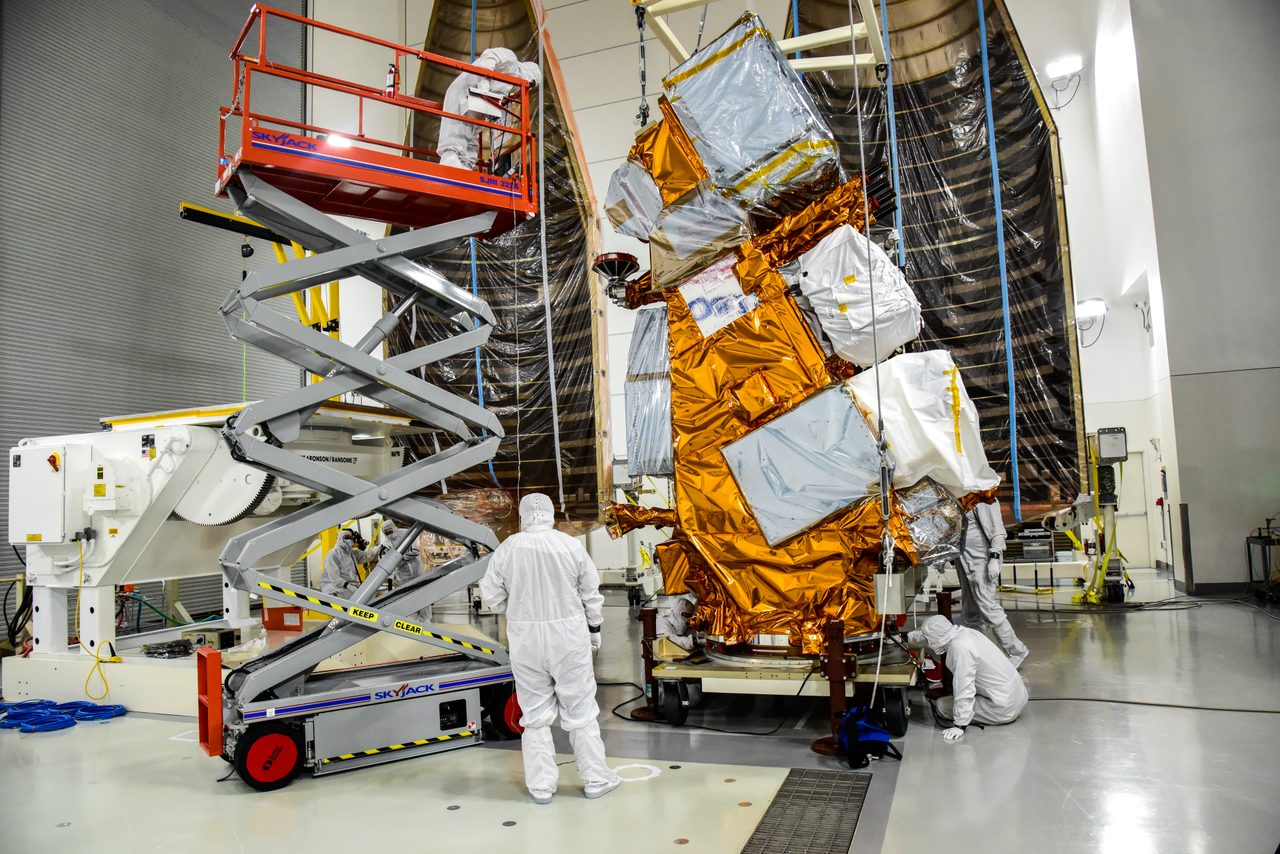
Understanding Atmospheric Drag on Satellites: A Detailed Guide
Atmospheric drag is a key factor affecting satellites in low Earth orbit, influencing their speed and altitude over time.
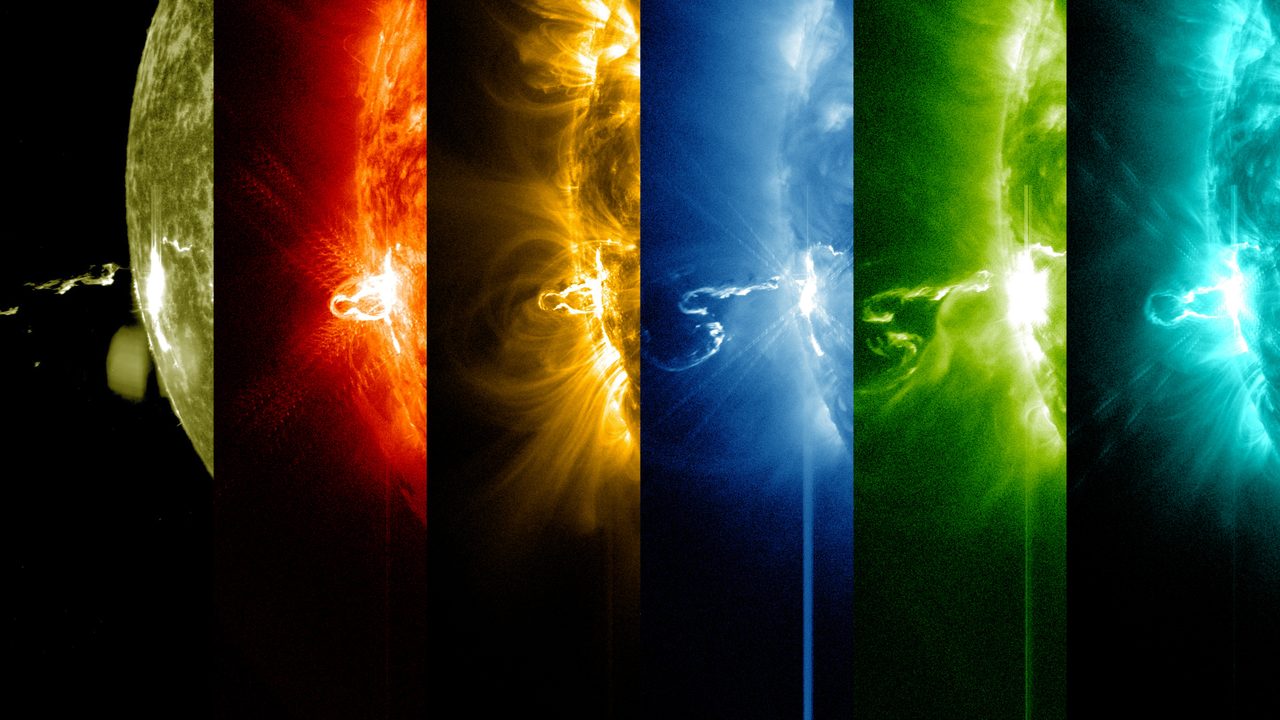
How Solar Storms Threaten Satellites and Power Grids
Solar storms can disrupt satellites and power grids by inducing geomagnetic currents and radiation, posing risks to technology and infrastructure.
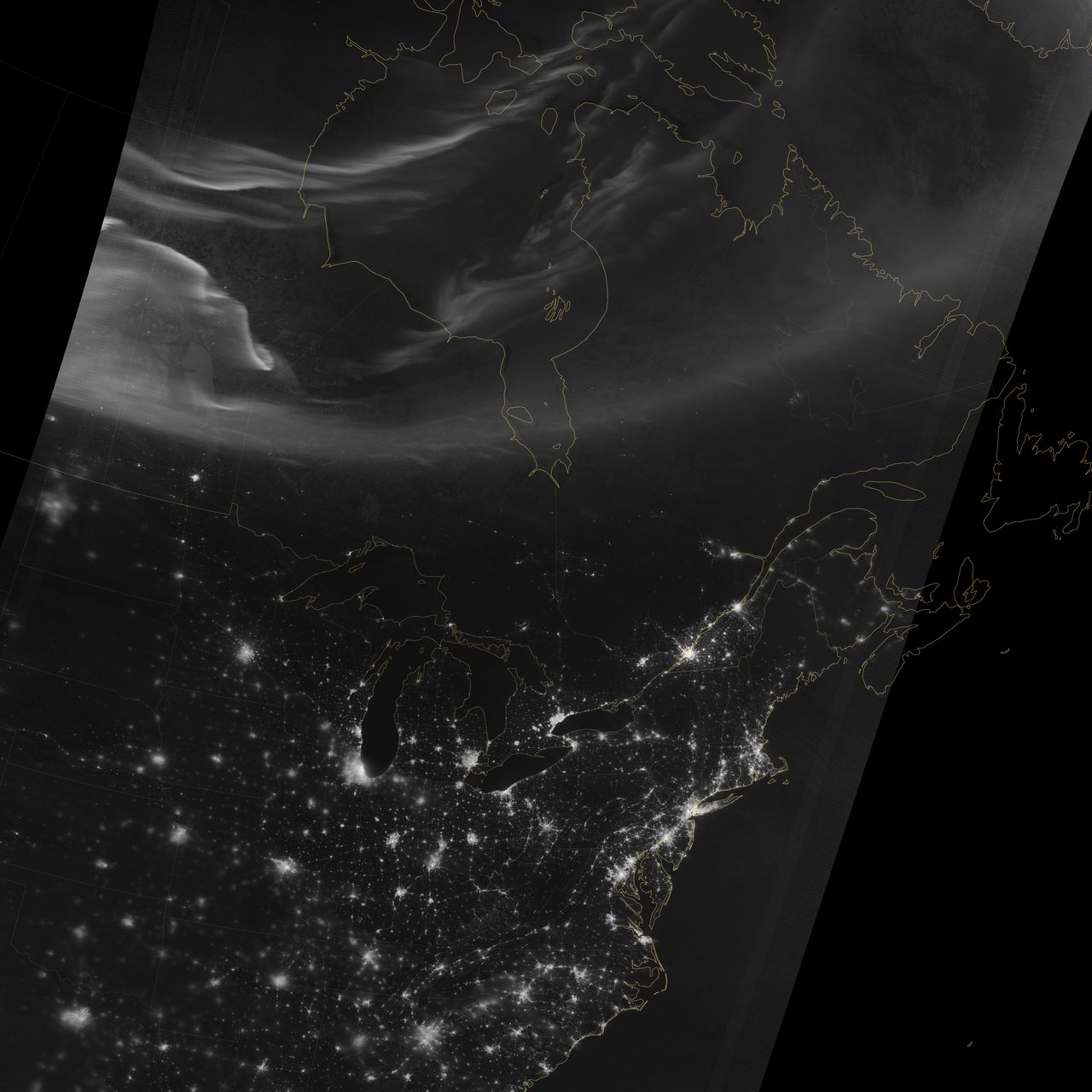
Auroral Ovals: Earth's Dazzling Light Show from Space
Auroral ovals, visible only from space, encircle Earth's magnetic poles in a stunning display of light. Discover the science behind this phenomenon.