19 close approaches: Orbital Briefing, 12 November 2026
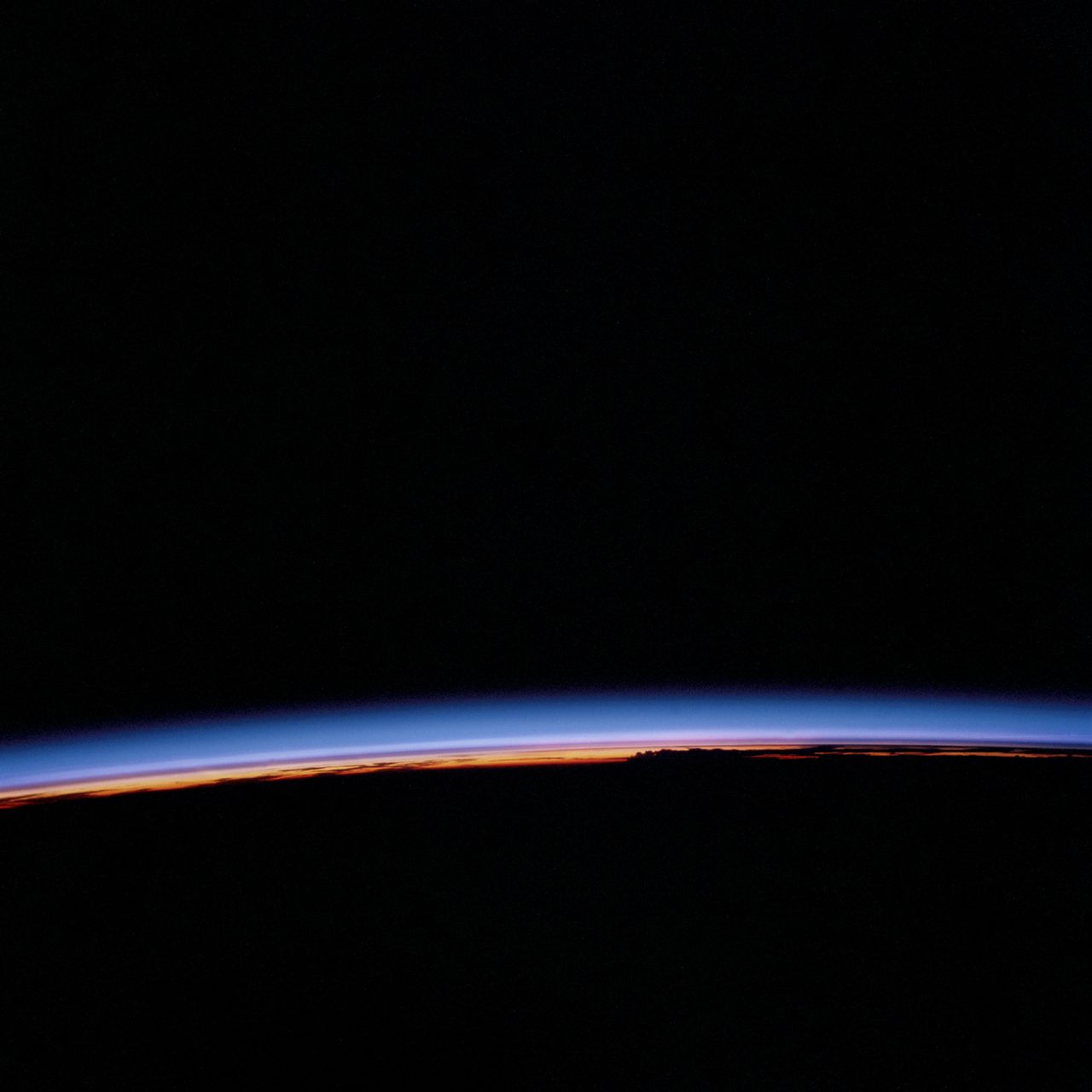
Orbital Radar is tracking 19 close approaches, including a predicted separation of about 0.88 km. Military space activity and upcoming launches also feature today.
| Active satellites | 16,690 |
| Starlink active | 9,849 |
| Catalogued objects | 32,110 |
| Active close approaches | 19 |
| People in space | 10 |
TIANHUI 5C and TIANHUI 5D feature in a close-approach prediction with a minimum separation of approximately 0.88 km, the smallest among the encounters highlighted today. Orbital Radar tracking data records 19 active close approaches as of 12 November 2026.
Other flagged encounters include SUPERVIEW NEO-2 05 and SUPERVIEW NEO-2 06 at approximately 0.98 km, and QIANFAN-261 and QIANFAN-266 at approximately 1.47 km. These are predicted separations, not reports of collisions or evidence that avoidance manoeuvres are required.
A close approach, also called a conjunction, needs more context than distance alone: uncertainty in the predicted positions and the objects’ relative motion matter. Orbital Radar’s space situational awareness toolkit provides a starting point for following the orbital traffic behind these alerts.
Military missions put orbital monitoring in focus
SpaceX has launched its second mystery mission for the US Space Force within a six-day span, according to space news coverage. Separately, Anduril says its first satellite can observe adversaries manoeuvring during orbital night, when a spacecraft is travelling through Earth’s shadow.
That is a company claim, rather than an independently established performance assessment. Nevertheless, both developments underline the defence interest in identifying spacecraft activity, not simply tracking where objects are.
The recent launch record includes Falcon 9 mission USSF-432, which lifted off successfully on 7 November 2026 at 00:48 UTC. Further Space Force missions are on the schedule, making military launch activity a continuing story beyond today’s report.
A crowded orbit under quiet geomagnetic conditions
Orbital Radar’s live catalogue lists 16,690 active satellites as of 12 November 2026. That population gives routine orbital monitoring a practical importance extending well beyond military spacecraft, encompassing communications, navigation and Earth observation.
Starlink had 9,849 operational satellites on 12 November 2026, according to Orbital Radar tracking data. Its separate orbit-raising and deorbiting populations show why a constellation’s activity cannot be understood from its operational count alone; the Starlink Tracker follows that changing fleet.
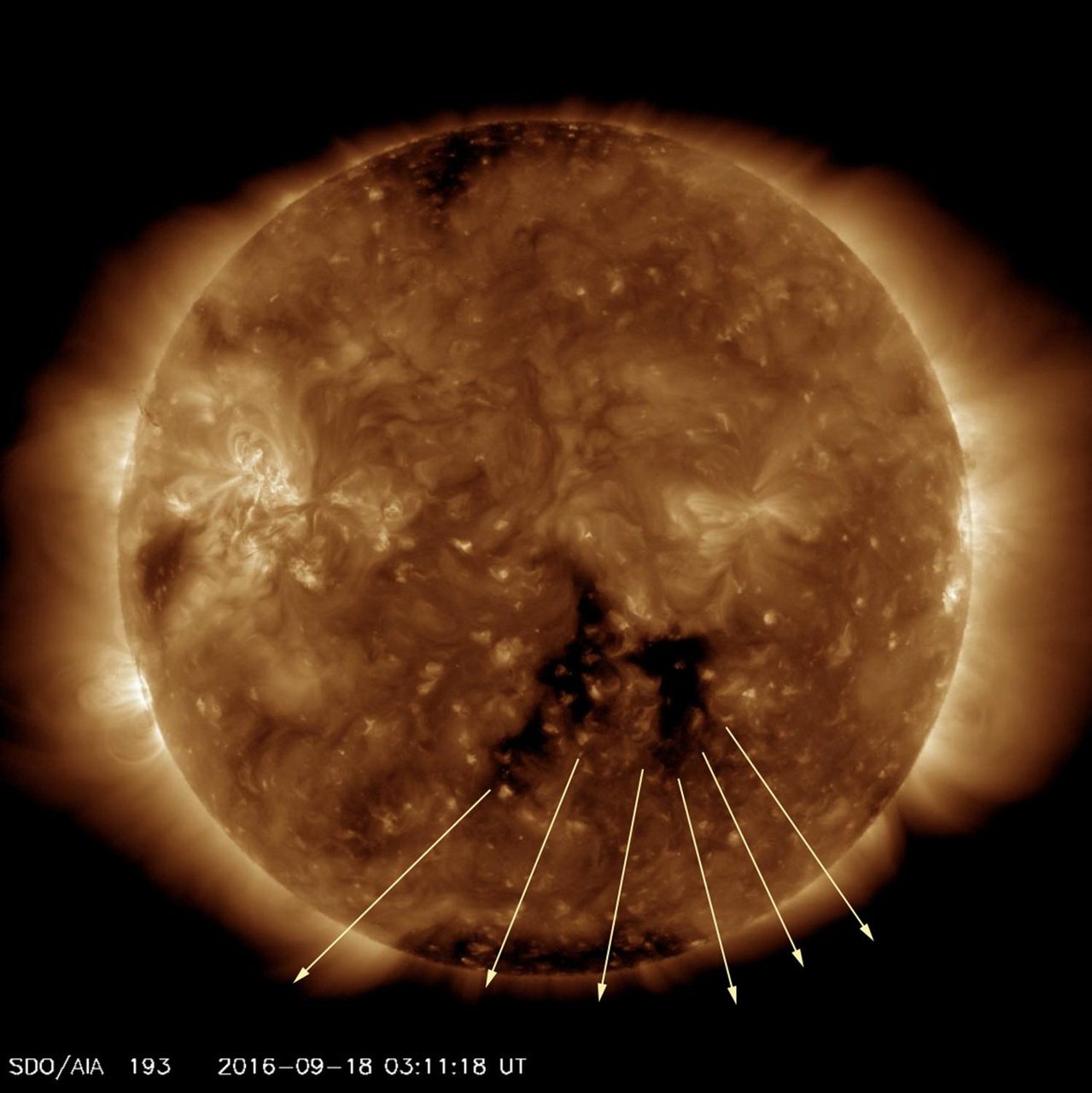
Space weather is comparatively quiet: Kp, a measure of global geomagnetic disturbance, stands at 1. Solar-wind speed is 485 km/s, while the regional risk indicators are green for low Earth orbit and the International Space Station, but yellow for geostationary orbit.
What to Watch
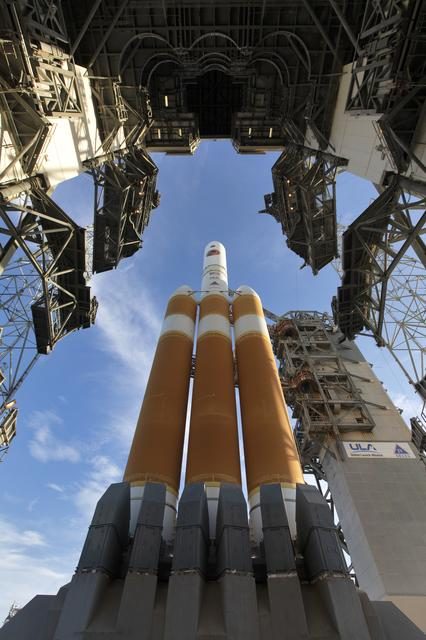
Kuaizhou 11 is scheduled to carry an unidentified payload on 12 November at 19:50 UTC. On 13 November, United Launch Alliance’s Vulcan VC6L is scheduled to launch Amazon Leo mission LV-01 at 17:54 UTC.
Starship Flight 15, carrying Starlink Group 31-2, is pencilled in for 13 November at 22:45 UTC, but remains to be confirmed. Rocket Lab’s Electron mission The Mountain God Rises follows on 14 November at 05:30 UTC.
Falcon 9 mission USSF-317 is scheduled for 15 November at 03:55 UTC. All these timings remain subject to change; Orbital Radar’s Launch Schedule tracks the forthcoming missions and their status.
Frequently Asked Questions
Does a satellite close approach mean a collision will happen?
When is the next Starship launch scheduled?
Cite this article
Pick a style, then copy it or download it for your reference manager.Orbital Radar. (2026, November 12). 19 close approaches: Orbital Briefing, 12 November 2026. Retrieved November 12, 2026, from https://orbitalradar.com/blog/orbital-briefing-2026-11-12
“19 close approaches: Orbital Briefing, 12 November 2026.” Orbital Radar, 12 Nov. 2026, orbitalradar.com/blog/orbital-briefing-2026-11-12. Accessed 12 Nov. 2026.
Orbital Radar (2026) 19 close approaches: Orbital Briefing, 12 November 2026. Available at: https://orbitalradar.com/blog/orbital-briefing-2026-11-12 (Accessed: 12 November 2026).
Orbital Radar. “19 close approaches: Orbital Briefing, 12 November 2026.” Last modified November 12, 2026. https://orbitalradar.com/blog/orbital-briefing-2026-11-12.
@misc{orbitalradar_blog_orbital_briefing_2026_11_12,
  author       = {{Orbital Radar}},
  title        = {19 close approaches: Orbital Briefing, 12 November 2026},
  year         = {2026},
  month        = nov,
  howpublished = {\url{https://orbitalradar.com/blog/orbital-briefing-2026-11-12}},
  url          = {https://orbitalradar.com/blog/orbital-briefing-2026-11-12},
  urldate      = {2026-11-12},
  note         = {Accessed 2026-11-12}
}
TY - ELEC AU - Orbital Radar, TI - 19 close approaches: Orbital Briefing, 12 November 2026 PY - 2026 DA - 2026/11/12 PB - Orbital Radar UR - https://orbitalradar.com/blog/orbital-briefing-2026-11-12 Y2 - 2026/11/12 LA - en ER -
Live figures change, so keep the date you accessed the page. How to cite Orbital Radar