Amazon Leo targets Vulcan: Orbital Briefing, 11 November
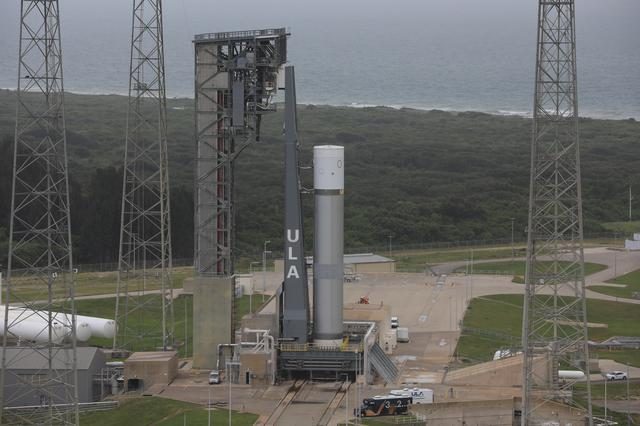
Amazon Leo is scheduled to launch aboard Vulcan on 13 November as its deployment faces regulatory deadlines. Starship Flight 15 is also provisionally on the calendar.
| Active satellites | 16,690 |
| Starlink active | 9,870 |
| Catalogued objects | 32,115 |
| Active close approaches | 20 |
| People in space | 10 |
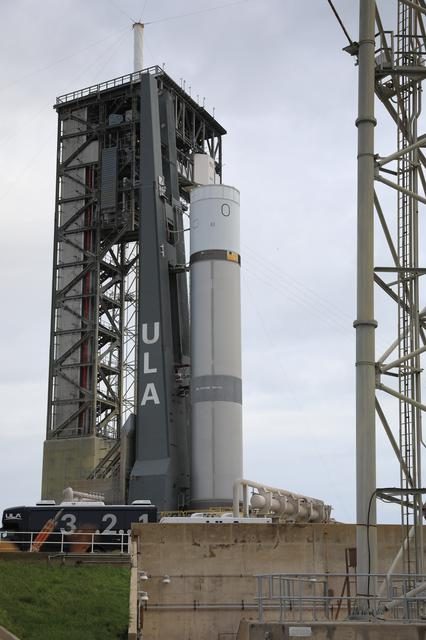
Amazon Leo is scheduled to make its Vulcan Centaur debut on 13 November, opening another launch route for the broadband constellation as it works towards a delayed deployment milestone. United Launch Alliance's LV-01 mission is listed for 17:54 UTC, with satellites bound for low Earth orbit (the region used by most broadband constellations).
Amazon Leo had launched 396 satellites across 14 production missions as of 11 November 2026, according to Orbital Radar tracking data. Those missions used Atlas V, Falcon 9 and Ariane 64; Vulcan would add another vehicle to the programme's launch roster. The flight's status can be followed on Orbital Radar's Launch Schedule.
Amazon's deployment clock
Amazon Leo, formerly Project Kuiper, missed its Federal Communications Commission (FCC) interim requirement to have 1,616 satellites deployed by 30 July 2026. A conditional waiver granted on 5 June 2026 kept its licence in force, but all 3,232 first-generation satellites remain due by 30 July 2029.
Satellites launched after the missed milestone have lower spectrum priority until Amazon has 1,616 in orbit and working, or until the waiver's time limits apply. That makes deployment progress consequential beyond the launch manifest: it affects the constellation's standing when sharing radio frequencies. Consumer service has not opened; Amazon says initial service will begin before the end of 2026 in the US, UK, France, Germany and Canada.
Orbit and space weather
Starlink had 9,870 operational satellites on 11 November 2026, according to Orbital Radar tracking data. A further 1,121 were raising their orbits and 208 were deorbiting, illustrating the continuing movement behind a constellation's operational total. Orbital Radar's Starlink Tracker follows that fleet.
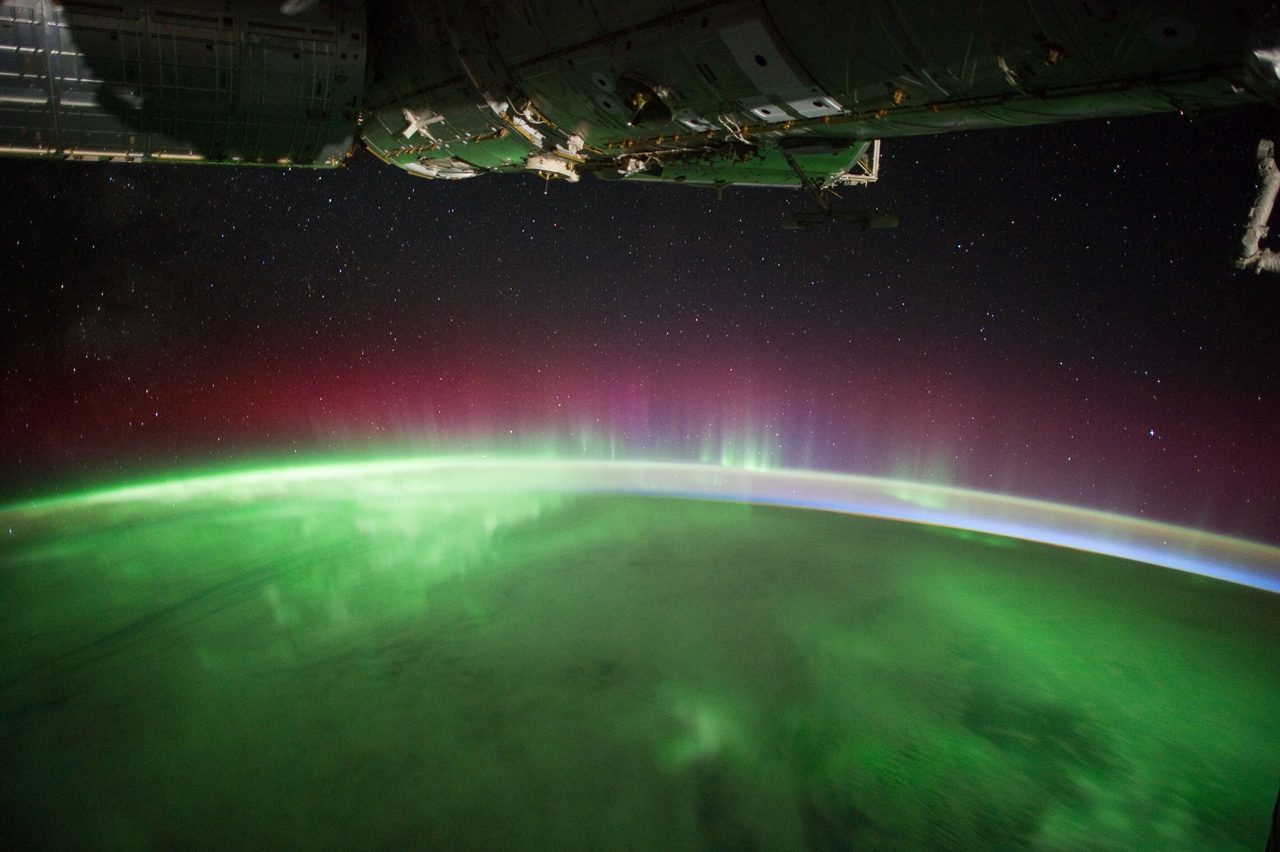
Orbital Radar tracking data recorded a Kp index of 0 on 11 November 2026. Kp measures global geomagnetic disturbance, so this reading indicates quiet conditions despite a solar-wind speed of 522 kilometres per second. The low-Earth-orbit risk indicator nevertheless remains yellow, while the geostationary-orbit and International Space Station indicators are green; quiet geomagnetic conditions should not be read as an all-clear for every orbital hazard.
What to Watch
A Long March 2D carrying an unidentified payload is scheduled for 11 November at 11:40 UTC. Falcon 9's USSF-627 mission follows on 12 November at 02:35 UTC, with Kuaizhou 11 scheduled for 19:50 UTC that day. These are planned launch times, not confirmed outcomes.
Alongside Amazon Leo's Vulcan flight, 13 November brings a provisional Starship Flight 15 slot at 22:45 UTC for Starlink Group 31-2. SpaceX has moved the booster to the pad for a reported squeeze test ahead of a planned double-catch attempt, but the launch remains to be confirmed. Rocket Lab's Electron mission, The Mountain God Rises, is scheduled for 14 November at 05:30 UTC.
Frequently Asked Questions
When is Amazon Leo's first Vulcan launch scheduled?
Is Starship Flight 15 confirmed for 13 November?
Cite this article
Pick a style, then copy it or download it for your reference manager.Orbital Radar. (2026, November 11). Amazon Leo targets Vulcan: Orbital Briefing, 11 November. Retrieved November 11, 2026, from https://orbitalradar.com/blog/orbital-briefing-2026-11-11
“Amazon Leo targets Vulcan: Orbital Briefing, 11 November.” Orbital Radar, 11 Nov. 2026, orbitalradar.com/blog/orbital-briefing-2026-11-11. Accessed 11 Nov. 2026.
Orbital Radar (2026) Amazon Leo targets Vulcan: Orbital Briefing, 11 November. Available at: https://orbitalradar.com/blog/orbital-briefing-2026-11-11 (Accessed: 11 November 2026).
Orbital Radar. “Amazon Leo targets Vulcan: Orbital Briefing, 11 November.” Last modified November 11, 2026. https://orbitalradar.com/blog/orbital-briefing-2026-11-11.
@misc{orbitalradar_blog_orbital_briefing_2026_11_11,
  author       = {{Orbital Radar}},
  title        = {Amazon Leo targets Vulcan: Orbital Briefing, 11 November},
  year         = {2026},
  month        = nov,
  howpublished = {\url{https://orbitalradar.com/blog/orbital-briefing-2026-11-11}},
  url          = {https://orbitalradar.com/blog/orbital-briefing-2026-11-11},
  urldate      = {2026-11-11},
  note         = {Accessed 2026-11-11}
}
TY - ELEC AU - Orbital Radar, TI - Amazon Leo targets Vulcan: Orbital Briefing, 11 November PY - 2026 DA - 2026/11/11 PB - Orbital Radar UR - https://orbitalradar.com/blog/orbital-briefing-2026-11-11 Y2 - 2026/11/11 LA - en ER -
Live figures change, so keep the date you accessed the page. How to cite Orbital Radar