21 close approaches tracked: orbital briefing, 17 November
Satellite close approaches put orbital safety in focus as government launches approach. On Mars, Perseverance examines bright rocks linked to ancient water.
| Active satellites | 16,693 |
| Starlink active | 9,813 |
| Catalogued objects | 32,125 |
| Active close approaches | 21 |
| People in space | 10 |
SUPERVIEW NEO-2 05 and SUPERVIEW NEO-2 06 feature in a close-approach assessment with a minimum separation of approximately 0.92 km, putting orbital traffic management in focus this Tuesday. Another encounter, between OBJECT A and OBJECT C, has a minimum separation of approximately 0.94 km.
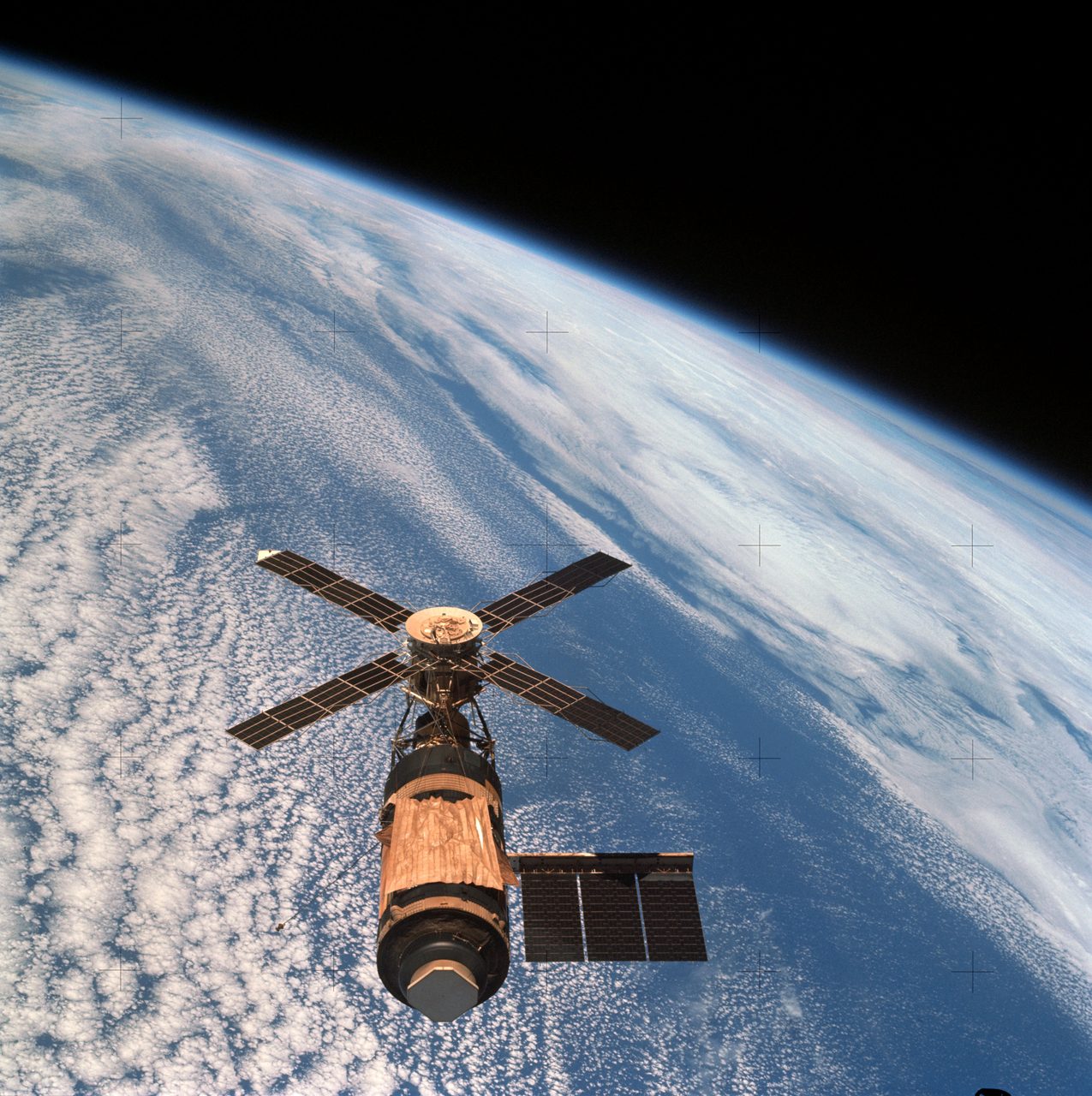
Orbital Radar tracking data lists 21 active satellite close approaches on 17 November 2026. These assessments concern conjunctions (objects passing near one another in orbit), not confirmed collisions; separation alone does not establish the probability of an impact.
The encounters also include GRUS-3F and SPEAR-1C, at approximately 1.07 km. Readers can explore the wider tracked population through Orbital Radar's Debris Map, while the space situational awareness toolkit provides context for monitoring activity around Earth.
Starship's latest flight and a crowded orbit
SpaceX's Starship Flight 15, carrying the Starlink Group 31-2 mission, launched successfully on 13 November at 22:47 UTC. Coverage of the flight includes photographs of launch and the tower catch, while discussion of a larger V4 vehicle concerns future development rather than the configuration just flown.
Orbital Radar tracking data records 9,813 operational Starlink satellites on 17 November 2026. A further 1,183 are raising their orbits and 189 are deorbiting (lowering their trajectories towards atmospheric re-entry), making operational status an important distinction from the total launched.
Orbital Radar's live catalogue lists 16,693 active satellites on 17 November 2026. The Starlink Tracker lets readers follow the broadband constellation within that increasingly busy environment.
Mars rovers examine the record of ancient water
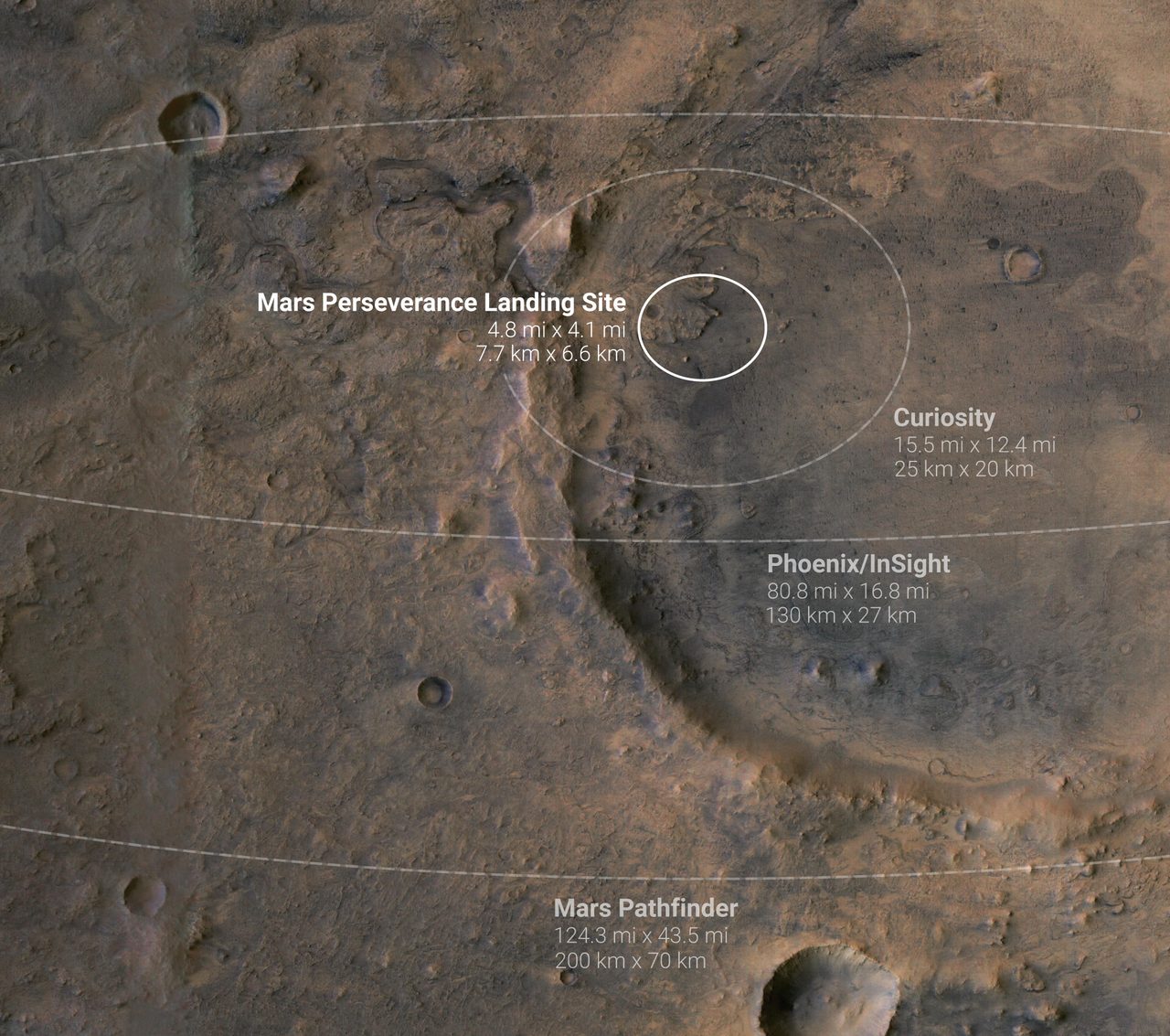
NASA's latest Perseverance update focuses on the bright rocks of Idubi, described as remnants of ancient aqueous systems (environments shaped by water). Their significance lies in what altered rocks can reveal about the conditions that once existed on Mars, rather than any claim of life.
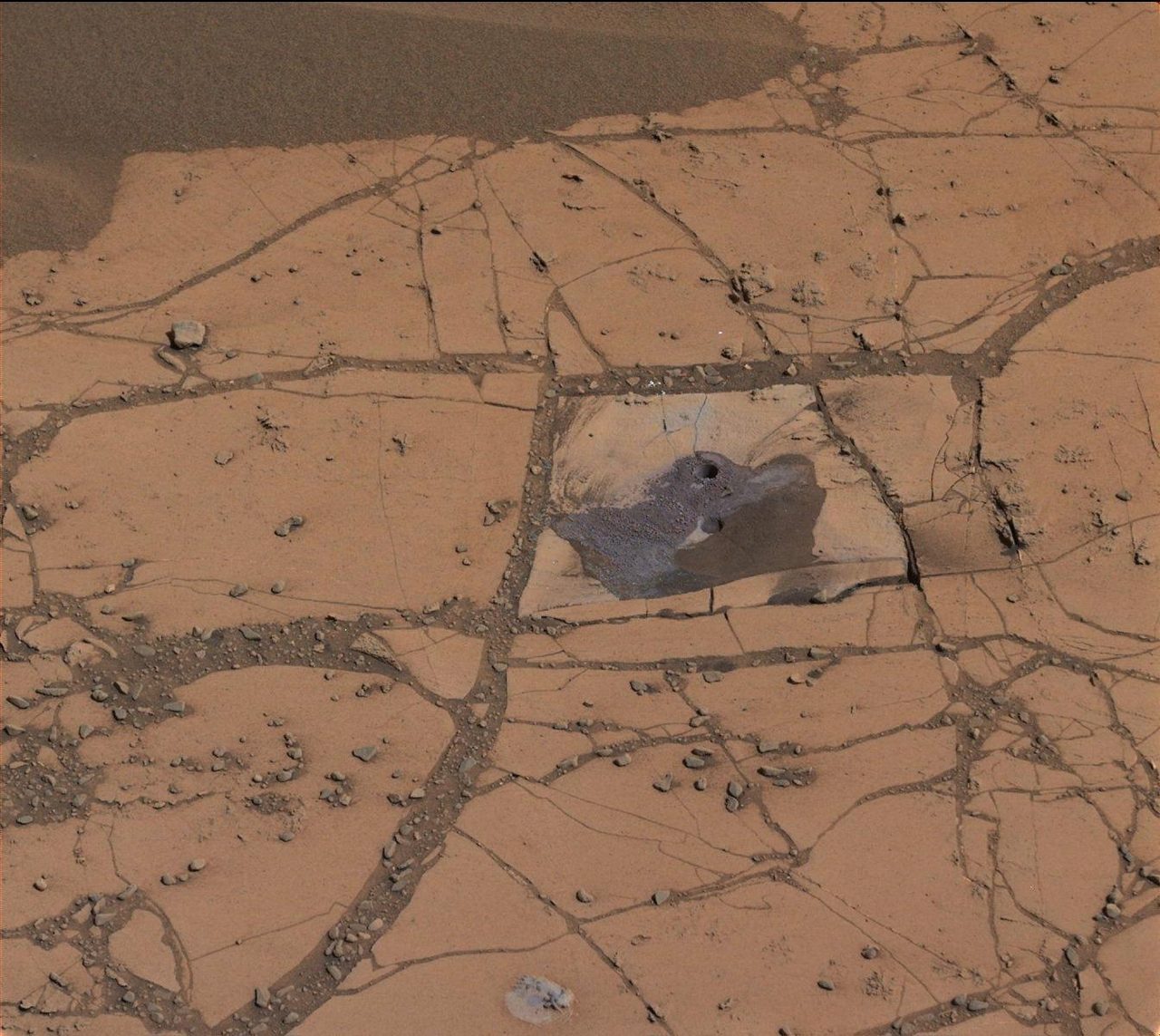
A separate NASA collage brings together 49 drill holes made by Curiosity, illustrating the rover's repeated sampling of Martian rock. Drilling exposes material beneath weathered surfaces for analysis; Orbital Radar's Mars Rovers page provides context on Curiosity and Perseverance and their different investigations.
What to Watch
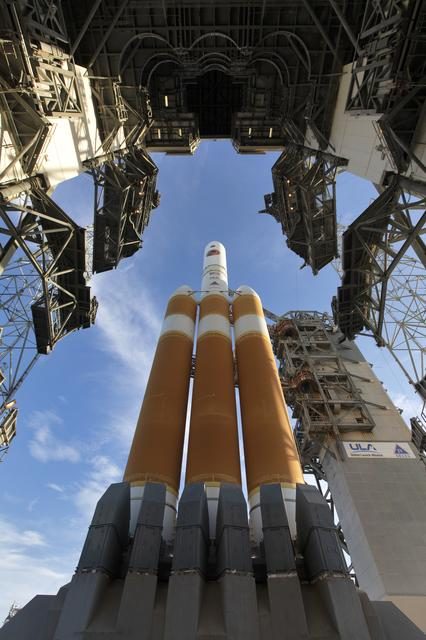
A Long March 2D carrying an unidentified payload is scheduled for 18 November at 22:50 UTC. SpaceX's Falcon 9 USSF-317 mission follows on 19 November at 03:00 UTC, with NROL-136 scheduled for 21 November at 12:30 UTC; both government missions are listed for low Earth orbit (the region relatively close to Earth).
Amazon Leo's next scheduled mission, LE-04 aboard Ariane 64, is no earlier than 23 November, with timing still to be determined. The broadband constellation has not opened consumer service, although Amazon says initial service will begin before the end of 2026.
Launch dates remain subject to change. Orbital Radar's Launch Schedule brings these upcoming missions together, including the provisional Long March 8A flight on 20 November.
Frequently Asked Questions
Do the satellite close approaches mean a collision is imminent?
When is the next Amazon Leo launch and is service available?
Cite this article
Pick a style, then copy it or download it for your reference manager.Orbital Radar. (2026, November 17). 21 close approaches tracked: orbital briefing, 17 November. Retrieved November 17, 2026, from https://orbitalradar.com/blog/orbital-briefing-2026-11-17
“21 close approaches tracked: orbital briefing, 17 November.” Orbital Radar, 17 Nov. 2026, orbitalradar.com/blog/orbital-briefing-2026-11-17. Accessed 17 Nov. 2026.
Orbital Radar (2026) 21 close approaches tracked: orbital briefing, 17 November. Available at: https://orbitalradar.com/blog/orbital-briefing-2026-11-17 (Accessed: 17 November 2026).
Orbital Radar. “21 close approaches tracked: orbital briefing, 17 November.” Last modified November 17, 2026. https://orbitalradar.com/blog/orbital-briefing-2026-11-17.
@misc{orbitalradar_blog_orbital_briefing_2026_11_17,
  author       = {{Orbital Radar}},
  title        = {21 close approaches tracked: orbital briefing, 17 November},
  year         = {2026},
  month        = nov,
  howpublished = {\url{https://orbitalradar.com/blog/orbital-briefing-2026-11-17}},
  url          = {https://orbitalradar.com/blog/orbital-briefing-2026-11-17},
  urldate      = {2026-11-17},
  note         = {Accessed 2026-11-17}
}
TY - ELEC AU - Orbital Radar, TI - 21 close approaches tracked: orbital briefing, 17 November PY - 2026 DA - 2026/11/17 PB - Orbital Radar UR - https://orbitalradar.com/blog/orbital-briefing-2026-11-17 Y2 - 2026/11/17 LA - en ER -
Live figures change, so keep the date you accessed the page. How to cite Orbital Radar