Space News Mission Log — Satellite Launches, Orbital Events & Analysis
Daily space news, satellite launch reports, orbital debris analysis and weekly roundups — grounded in live tracking data from our network monitoring 22 published reports.
Understanding Atmospheric Drag on Satellites: A Detailed Guide
Atmospheric drag is a key factor affecting satellites in low Earth orbit, influencing their speed and altitude over time.
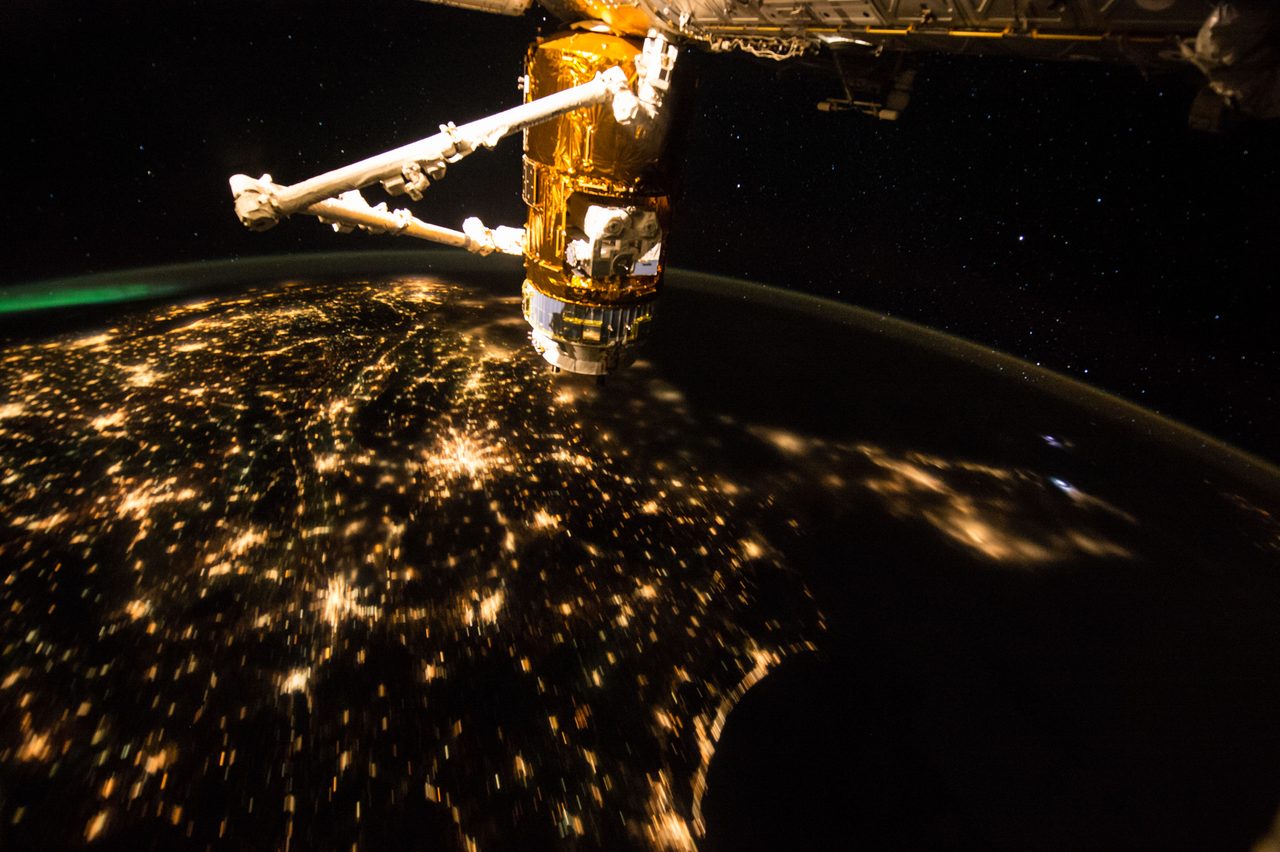
Why Does the ISS Need to Be Reboosted?
Thin air still slows the ISS near 400 km above Earth. Periodic engine burns replace lost orbital energy and keep the station at a useful operating altitude.
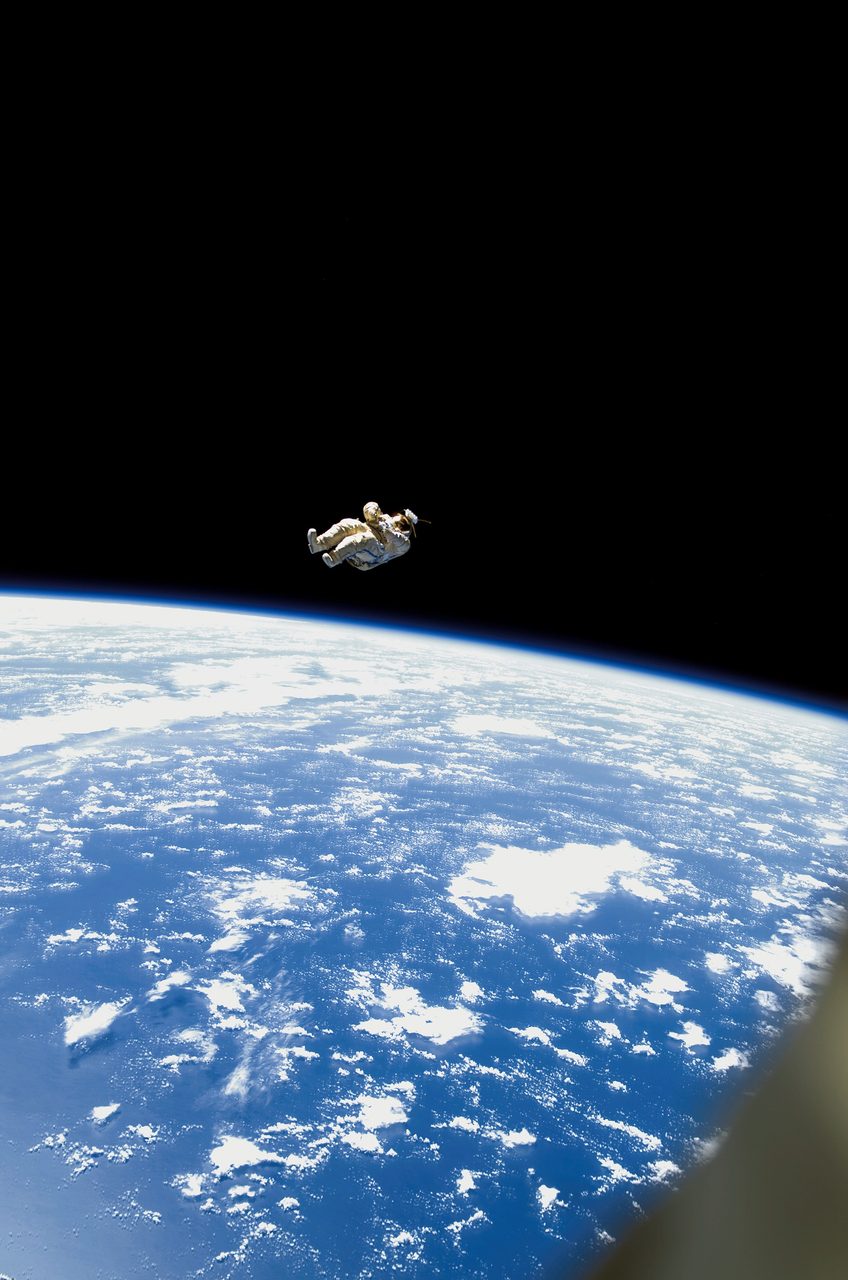
How Many Starlink Satellites Fall Each Day?
1.5 Starlink satellites re-enter Earth's atmosphere each day, according to Orbital Radar data. Explore the reasons behind these controlled re-entries.
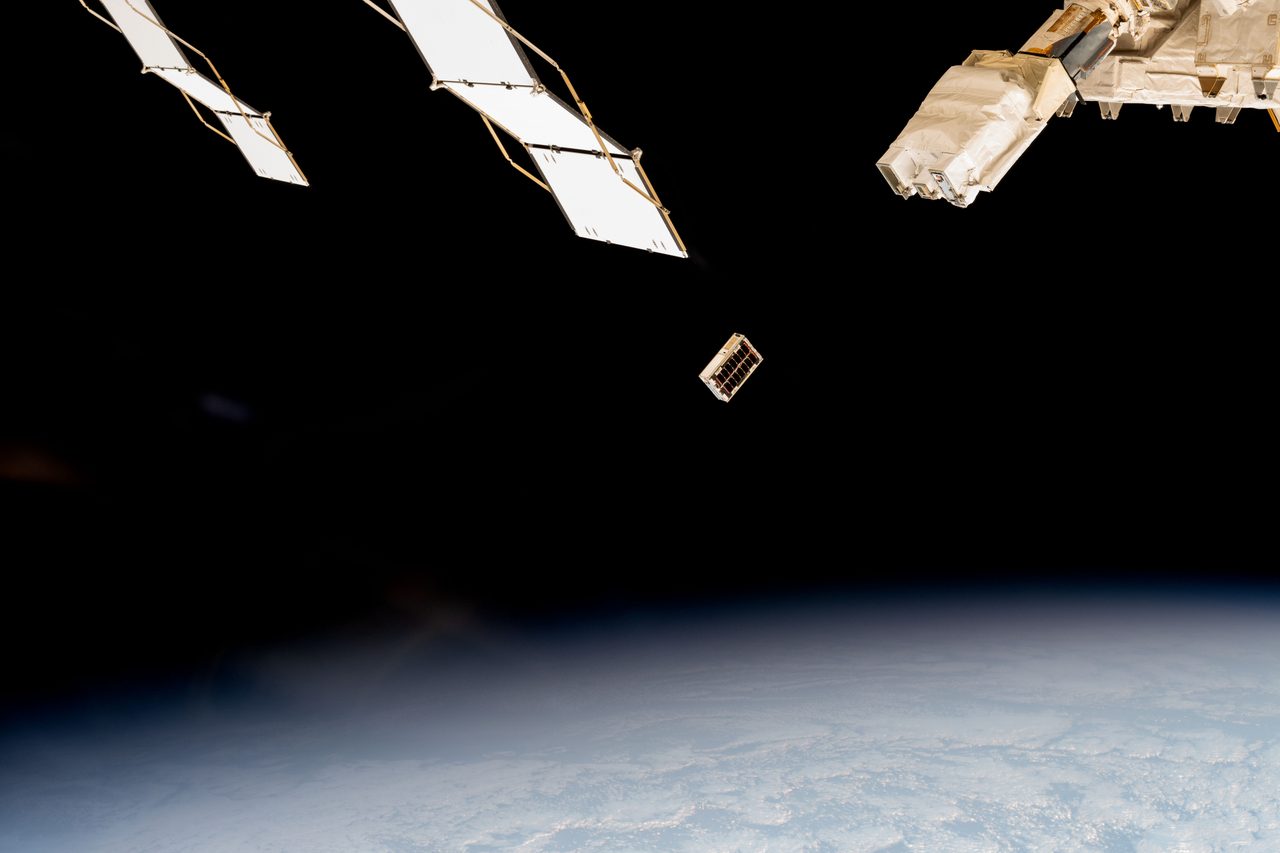
Understanding Orbital Decay: Why Satellites Fall to Earth
Orbital decay is the gradual reduction of a satellite's orbit due to atmospheric drag and gravitational forces, leading to eventual reentry.
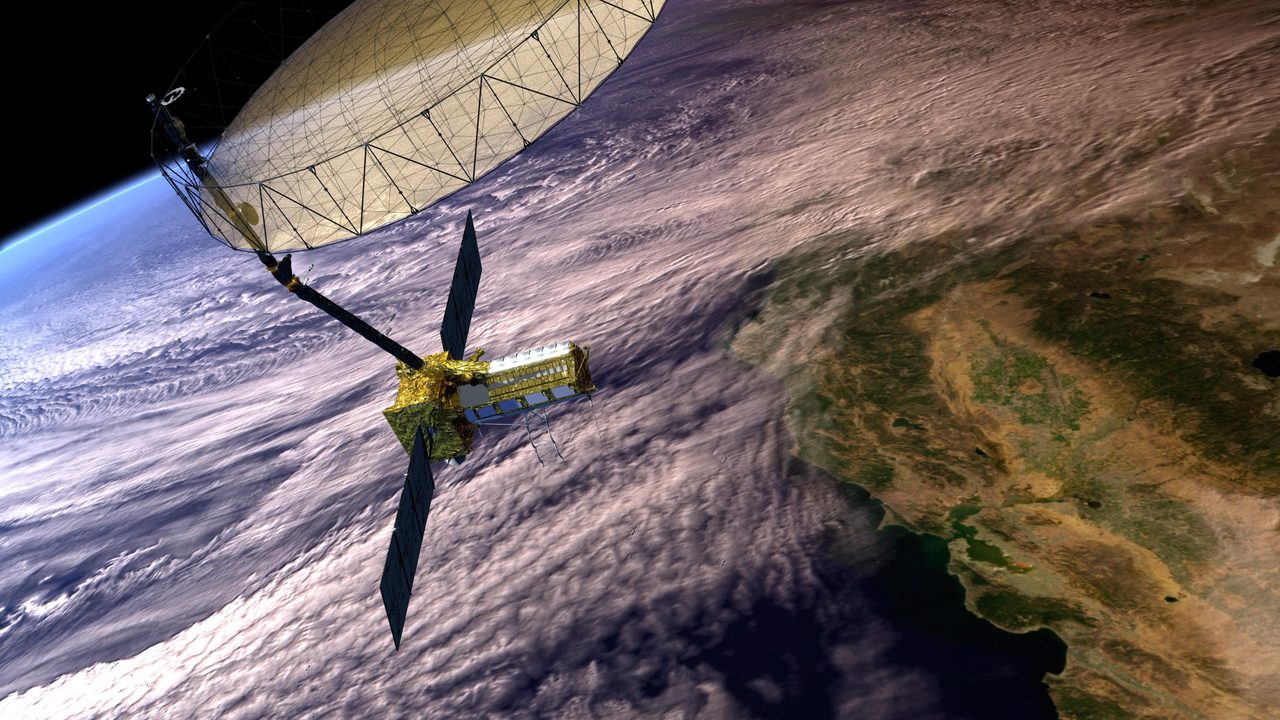
How Many Satellites in Orbit? Counts, Types and Tracking
Earth has 15,870 active satellites, but the wider catalogue includes debris and inactive spacecraft. Here is what the counts mean and how to explore them.
How Long Do Satellites Last? A Comprehensive Guide
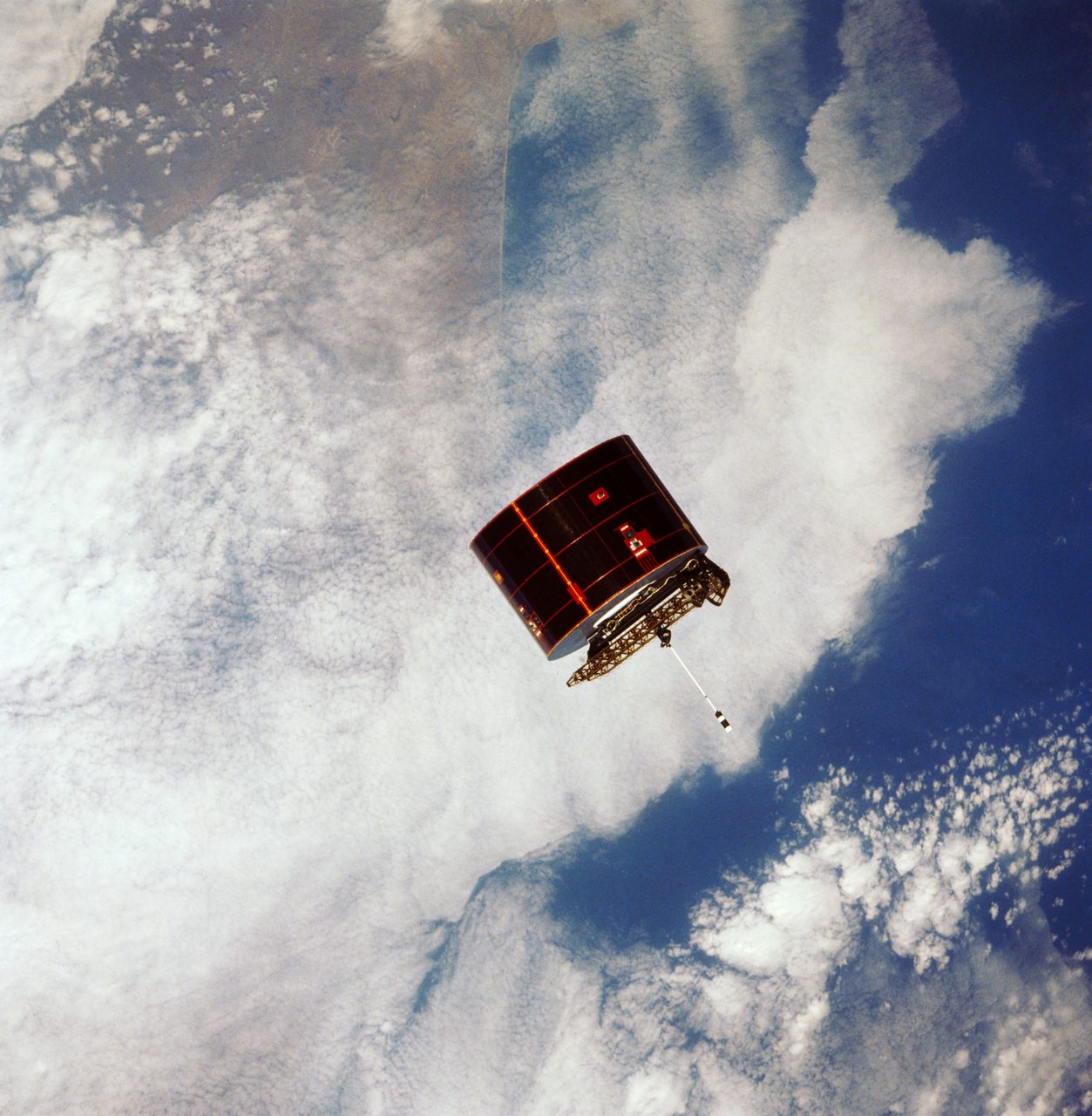
Satellites typically last between 5 to 15 years, depending on their mission and orbit. Factors like orbital decay and technological obsolescence play key roles.
How Solar Storms Threaten Satellites and Power Grids
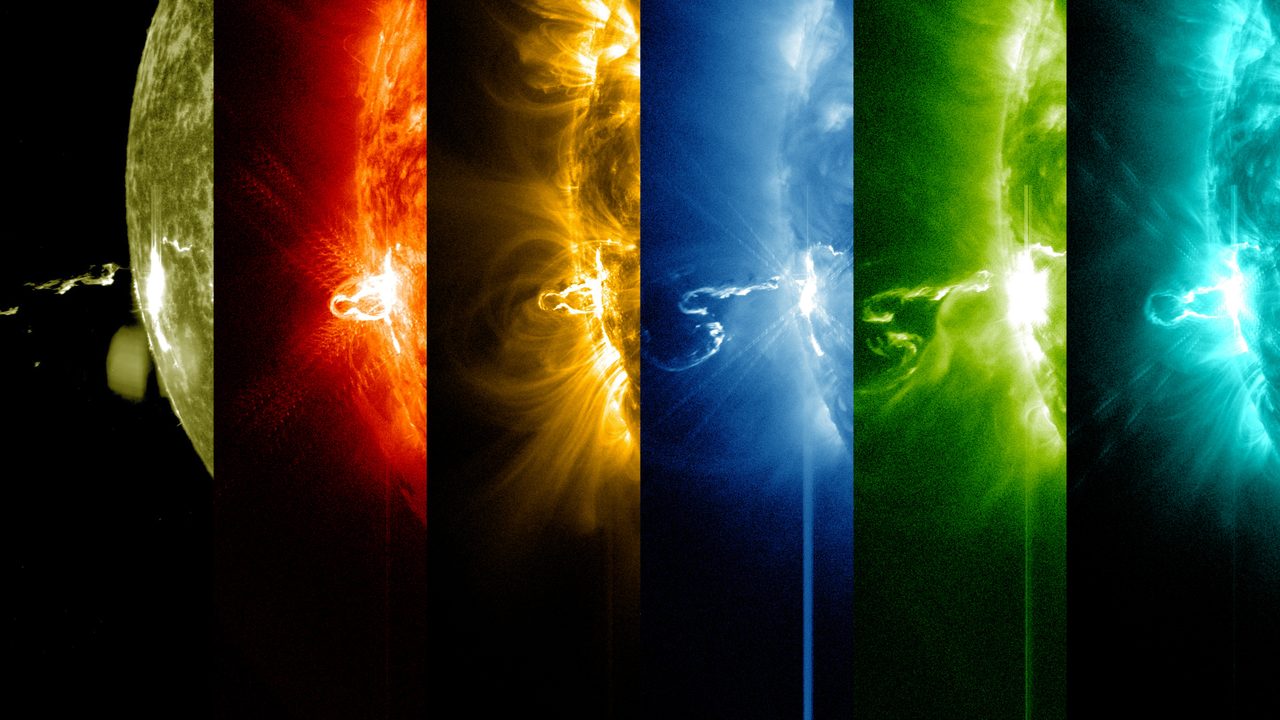
Solar storms can disrupt satellites and power grids by inducing geomagnetic currents and radiation, posing risks to technology and infrastructure.

How Solar Cycles Affect Satellite Operations
Solar cycles influence satellite operations by affecting space weather, which can disrupt communications and increase orbital decay.
Understanding Orbital Epoch: A Comprehensive Guide
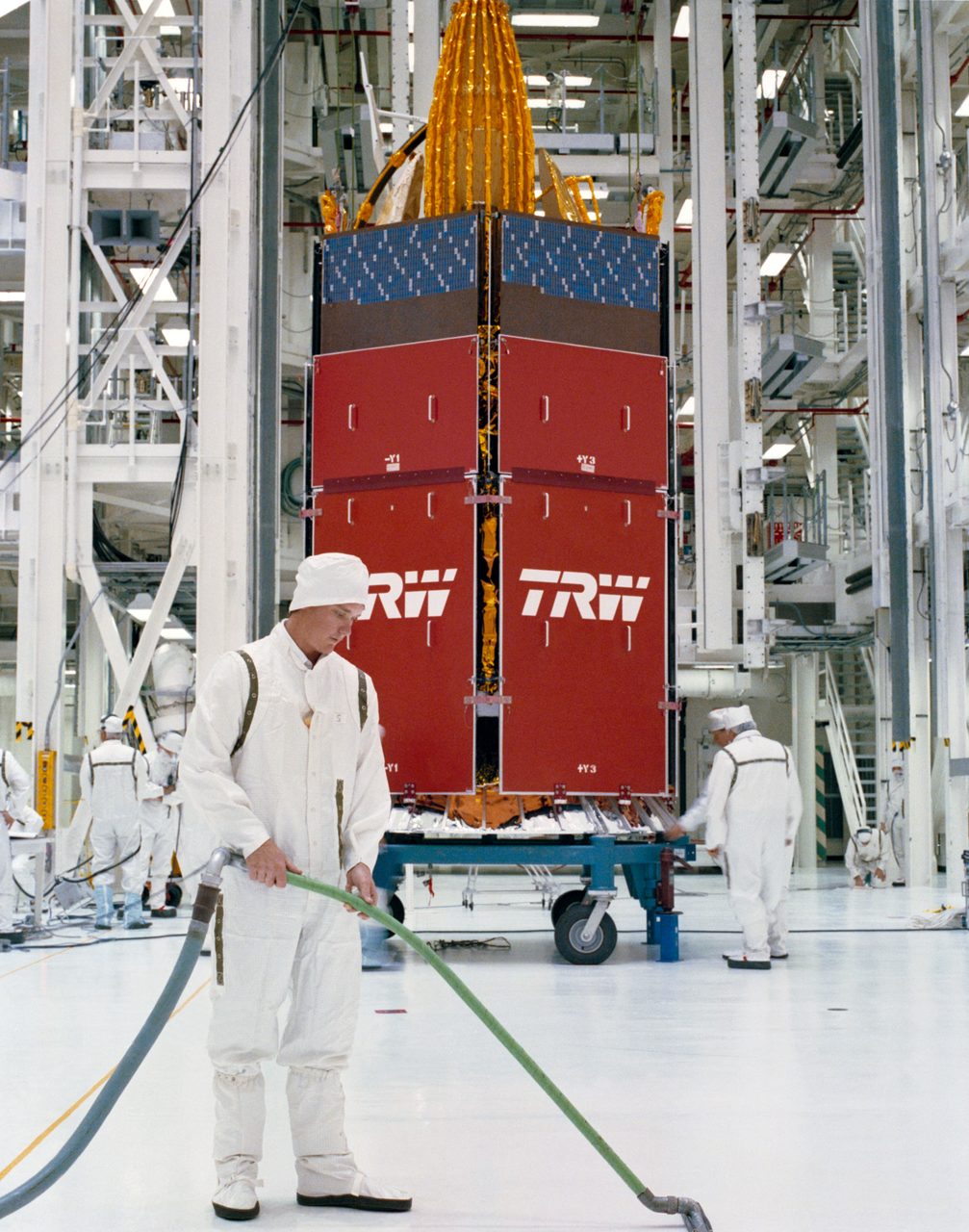
The orbital epoch is a timestamp indicating when orbital parameters are valid, crucial for tracking satellites and space debris.
Understanding Mean Motion in Satellite Orbits
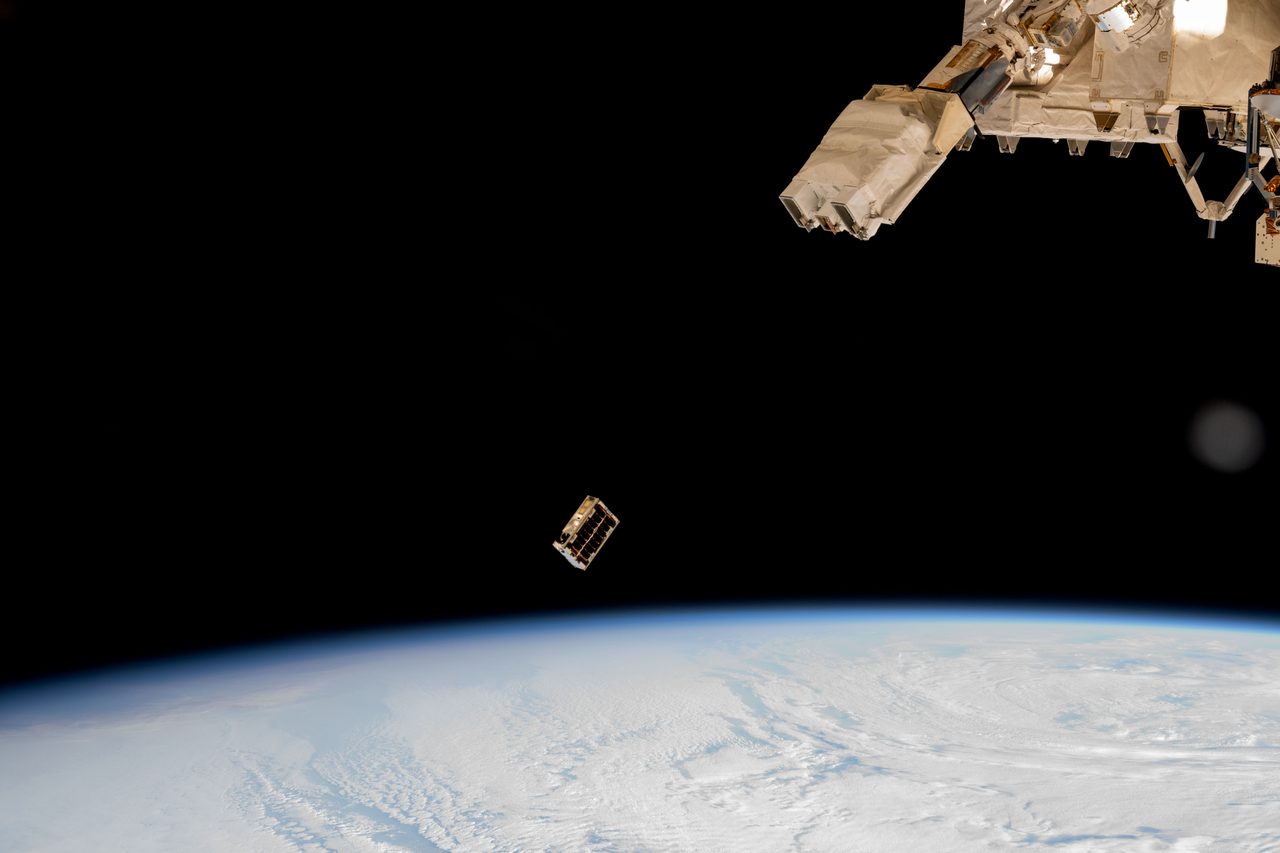
Mean motion describes the average angular speed of a satellite in its orbit, crucial for predicting satellite positions.
Fengyun-1C debris: the legacy of China's 2007 ASAT test
China's destruction of the Fengyun-1C weather satellite in January 2007 created a long-lived debris cloud. Its fragments remain a case study in how one interception can change the orbital environment for decades.
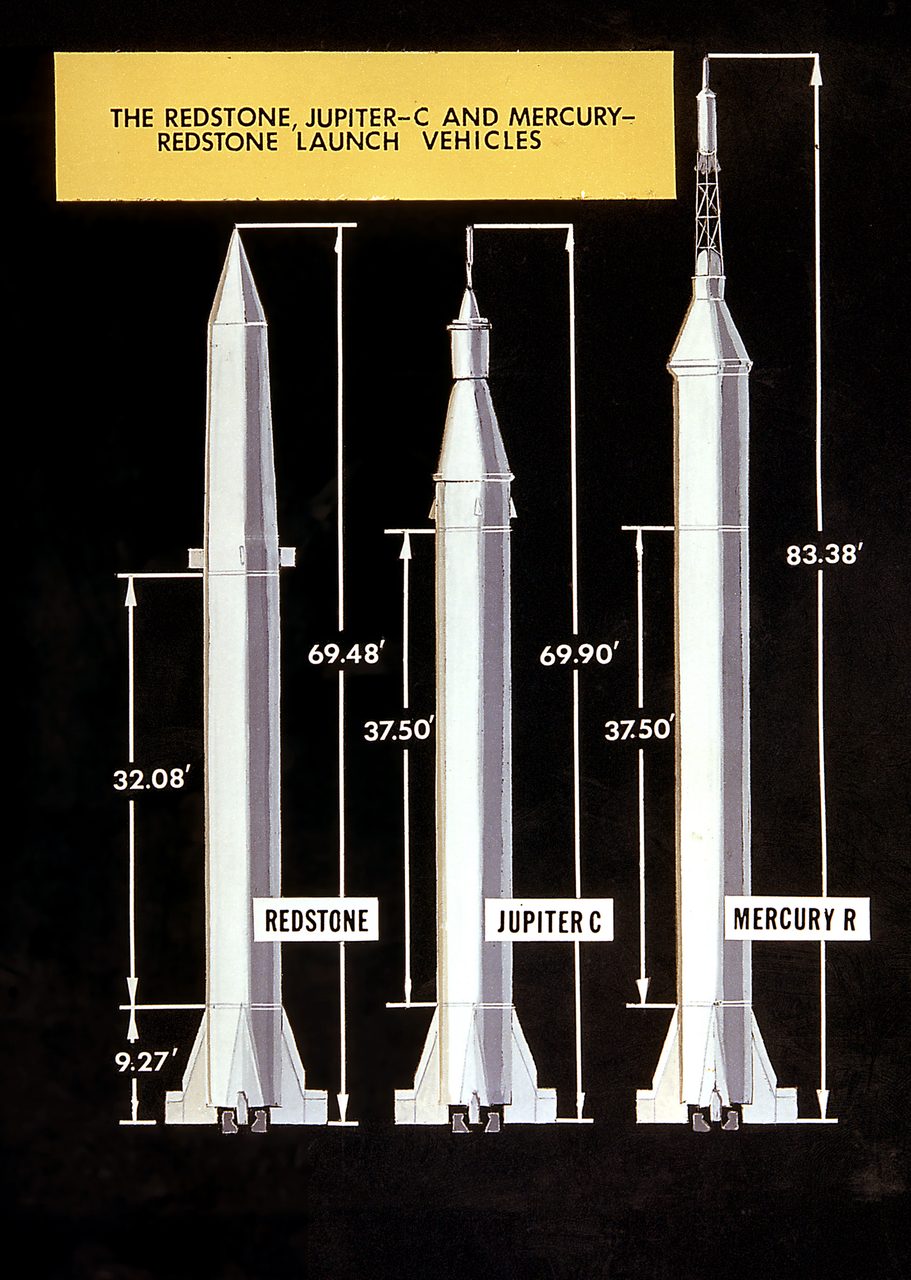
Understanding Satellite Re-entry: What Happens When Spacecraft Return to Earth
Satellite re-entry involves a spacecraft descending through Earth's atmosphere, often burning up due to intense heat and friction.