Space News Mission Log — Satellite Launches, Orbital Events & Analysis
Daily space news, satellite launch reports, orbital debris analysis and weekly roundups — grounded in live tracking data from our network monitoring 170 published reports.
How Many Starlink Satellites Fall Each Day?
1.5 Starlink satellites re-enter Earth's atmosphere each day, according to Orbital Radar data. Explore the reasons behind these controlled re-entries.
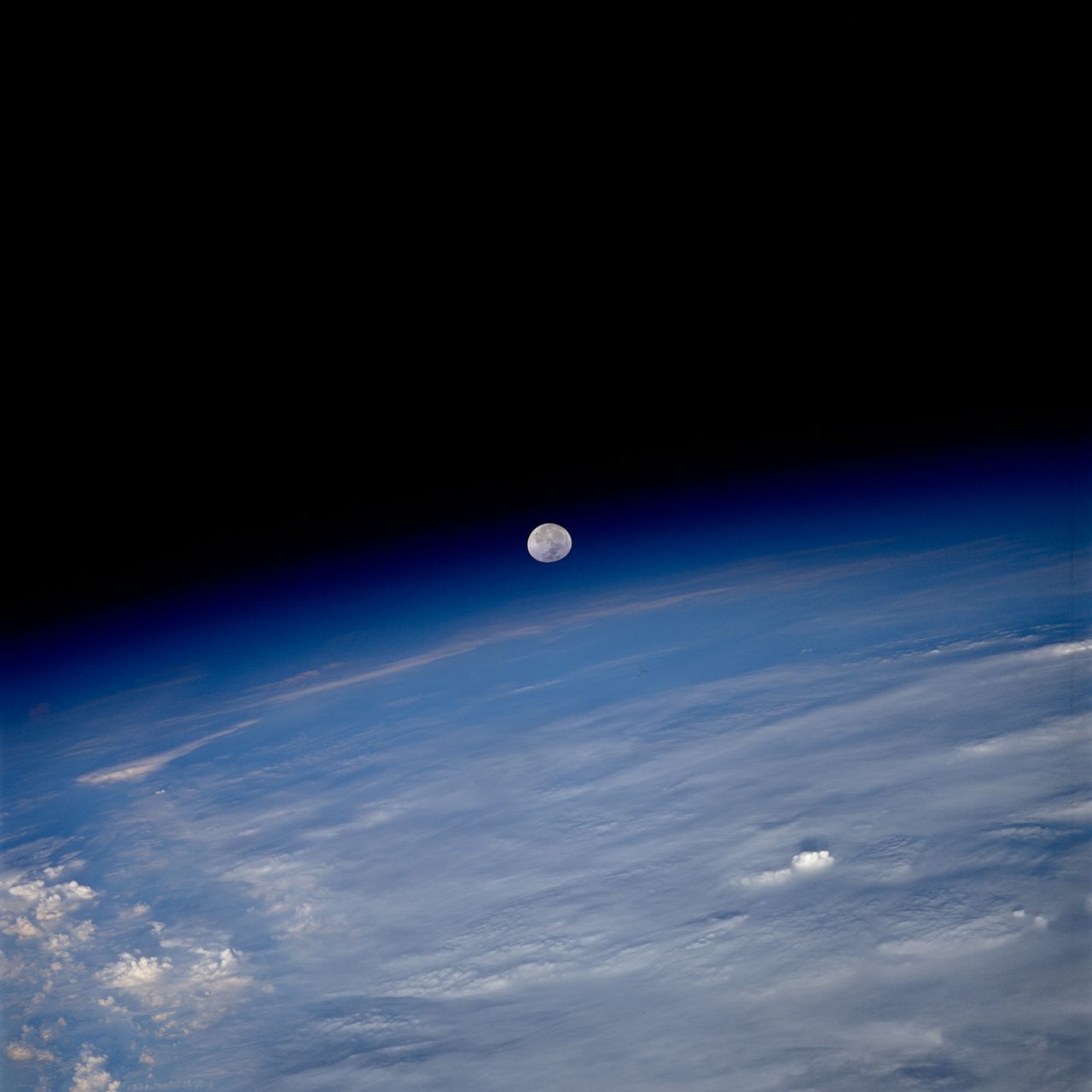
Karman Line: Where Space Begins and Why It Matters
The Kármán line marks a widely used boundary of space at 100 km above Earth. But the atmosphere does not end there, and crossing it does not mean reaching orbit.
How Many Satellites Reentered This Year? 2026 by the Numbers
Orbital Radar records 673 satellite and payload re-entries in 2026 so far, within 1,119 atmospheric returns across all object types.
Can a Falling Satellite Hit You? The Real Re-entry Risk
A falling satellite can hit someone, but the personal risk is very low. Explore what survives re-entry, documented debris strikes and what forecasts can actually tell you.
Oldest Satellite Still in Orbit: Vanguard 1 and the Top Ten
Vanguard 1 remains the oldest satellite orbiting Earth. Its surviving companions include rocket hardware and early scientific satellites whose orbits explain their longevity.
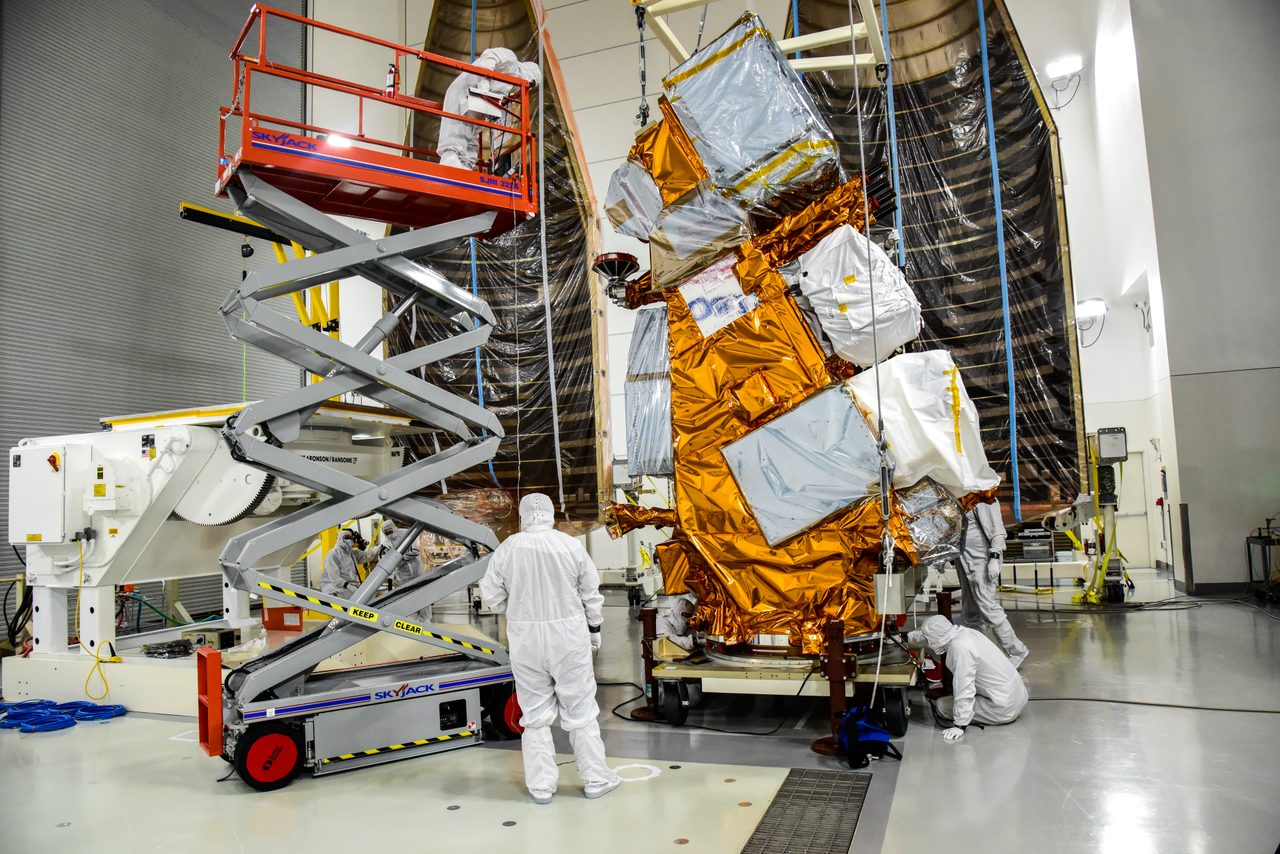
Understanding Atmospheric Drag on Satellites: A Detailed Guide
Atmospheric drag is a key factor affecting satellites in low Earth orbit, influencing their speed and altitude over time.
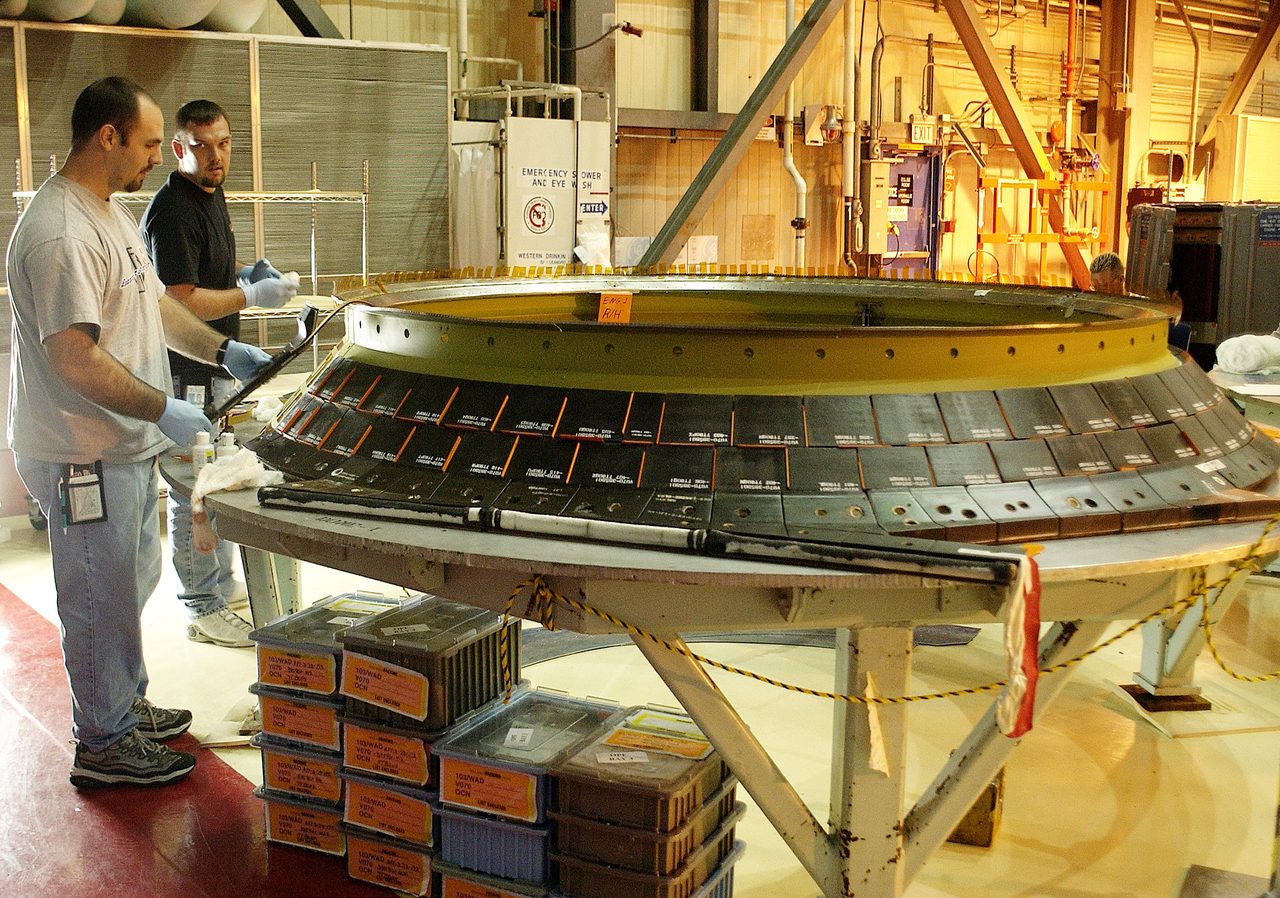
Fireball or Satellite Reentry? How to Tell What You Saw
A brief flash and a slow procession of glowing fragments suggest different origins. Learn which clues matter, which can mislead, and how to investigate your sighting.
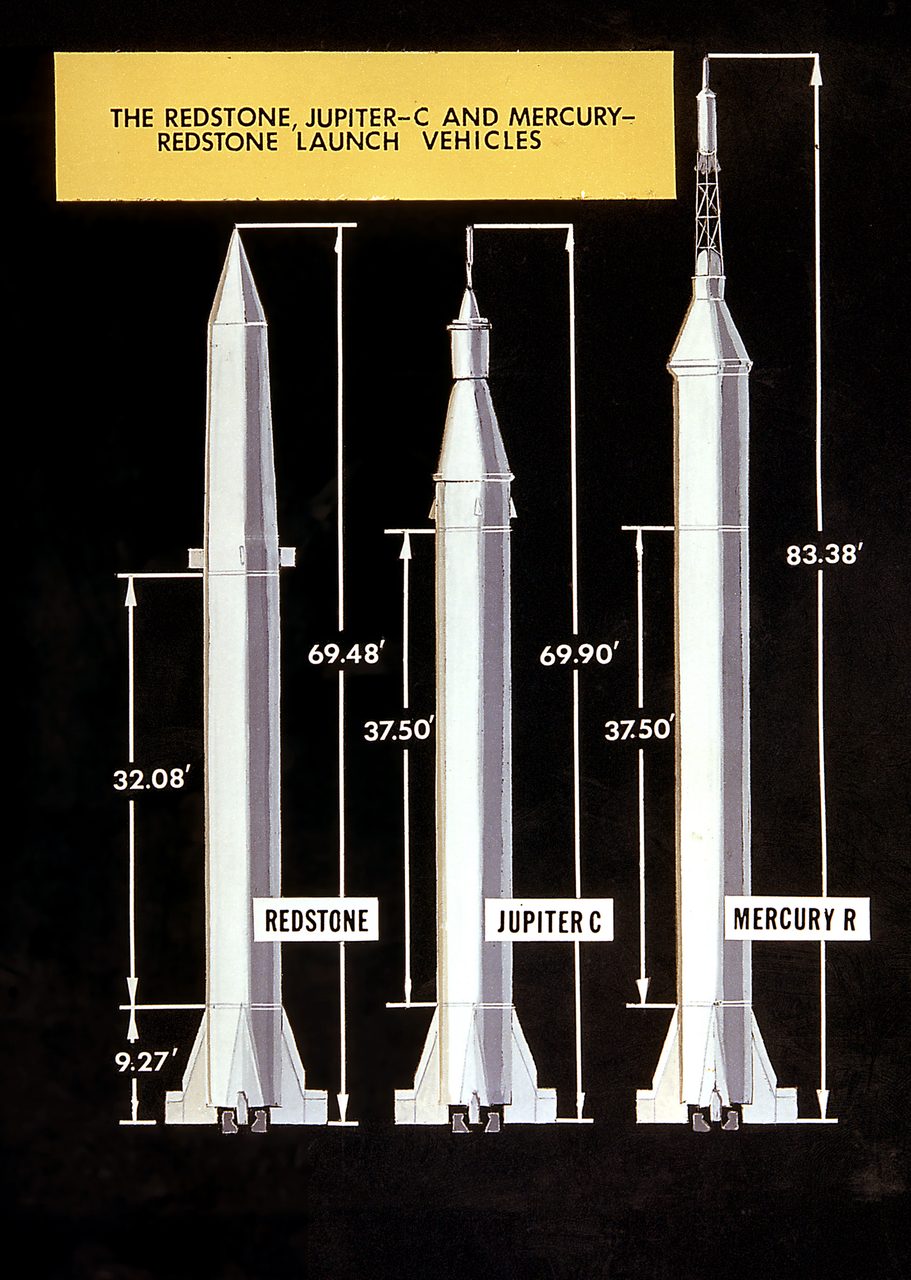
Understanding Satellite Re-entry: What Happens When Spacecraft Return to Earth
Satellite re-entry involves a spacecraft descending through Earth's atmosphere, often burning up due to intense heat and friction.
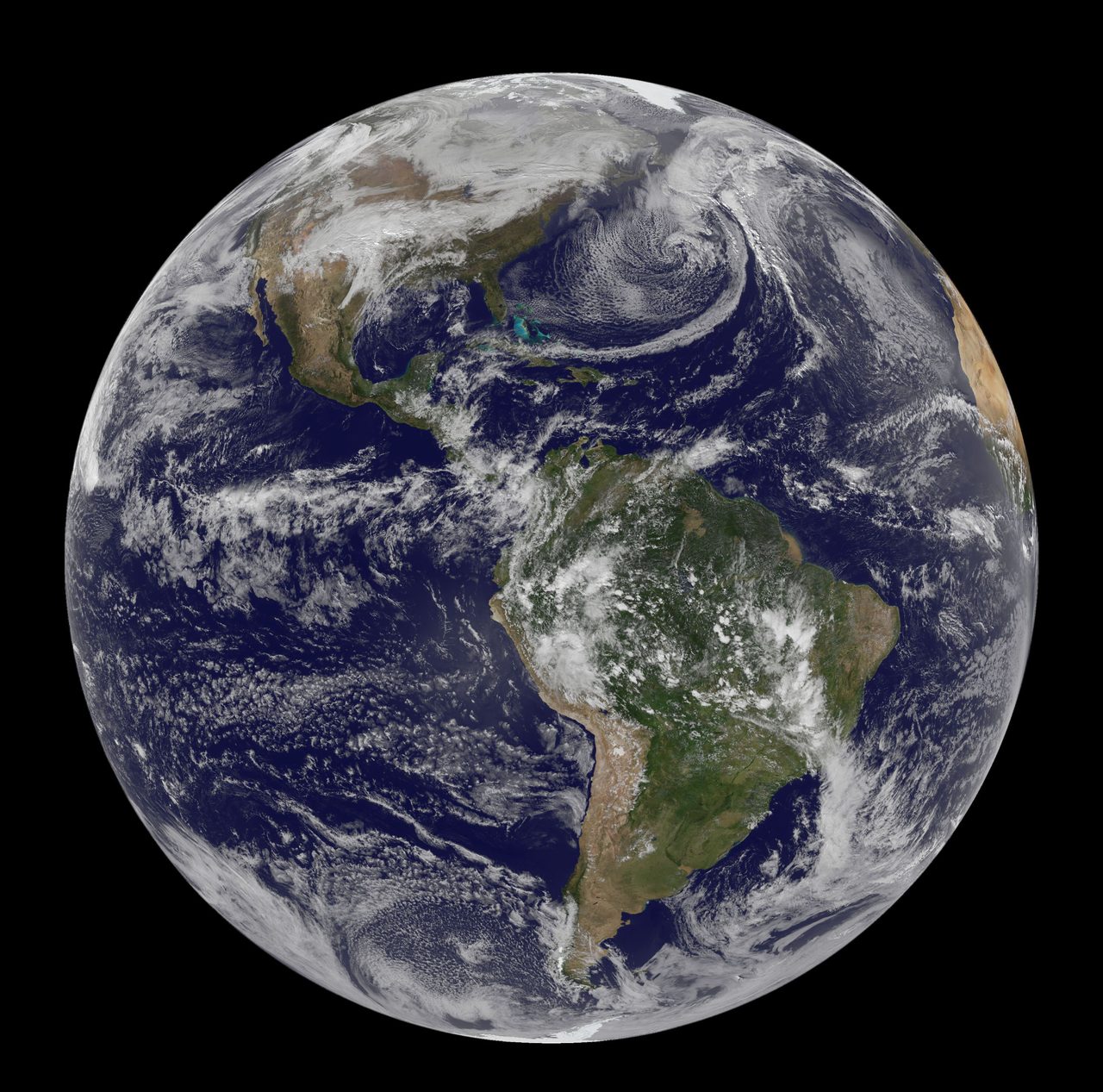
How Weather Satellites Work: A Complete Guide
Weather satellites monitor Earth's atmosphere and surface, providing crucial data for forecasting. Learn how they operate and impact our daily lives.
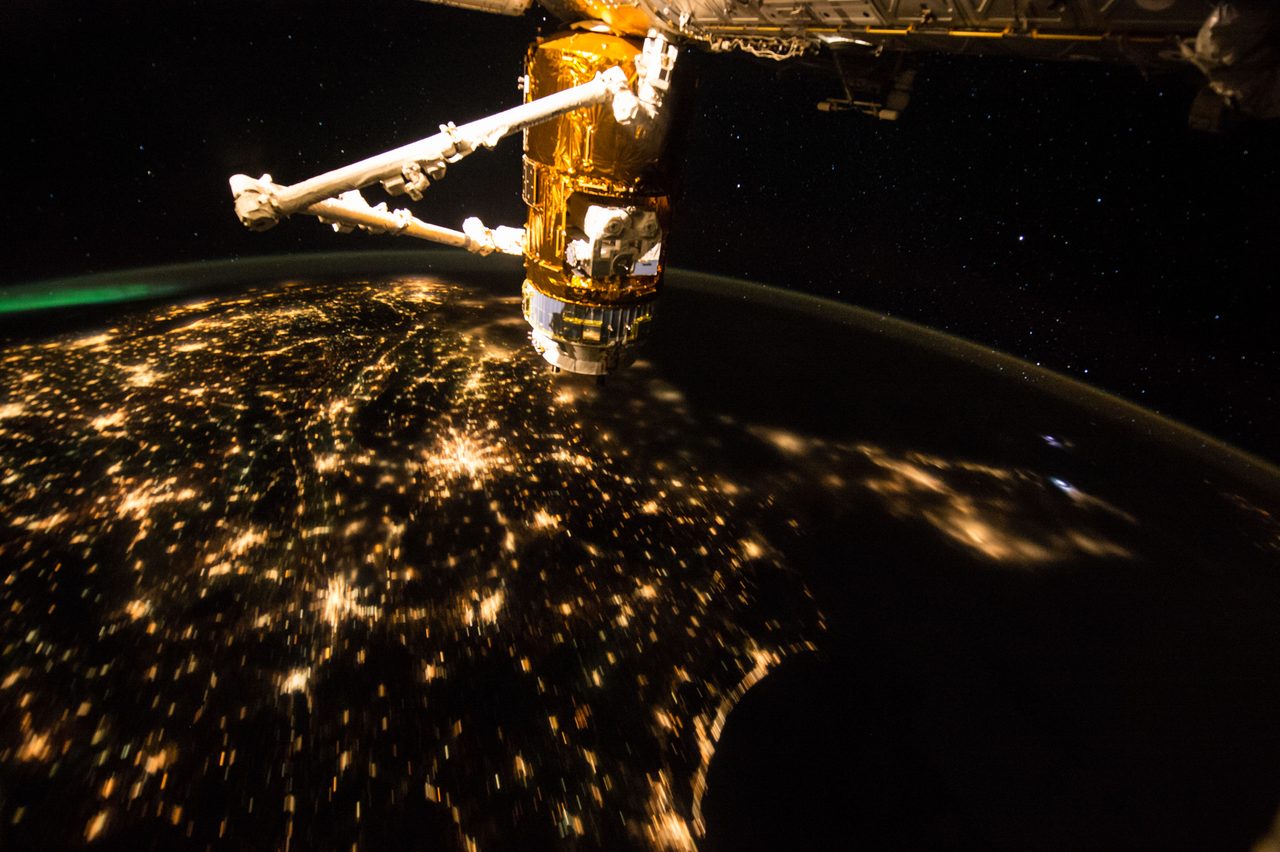
Why Does the ISS Need to Be Reboosted?
Thin air still slows the ISS near 400 km above Earth. Periodic engine burns replace lost orbital energy and keep the station at a useful operating altitude.
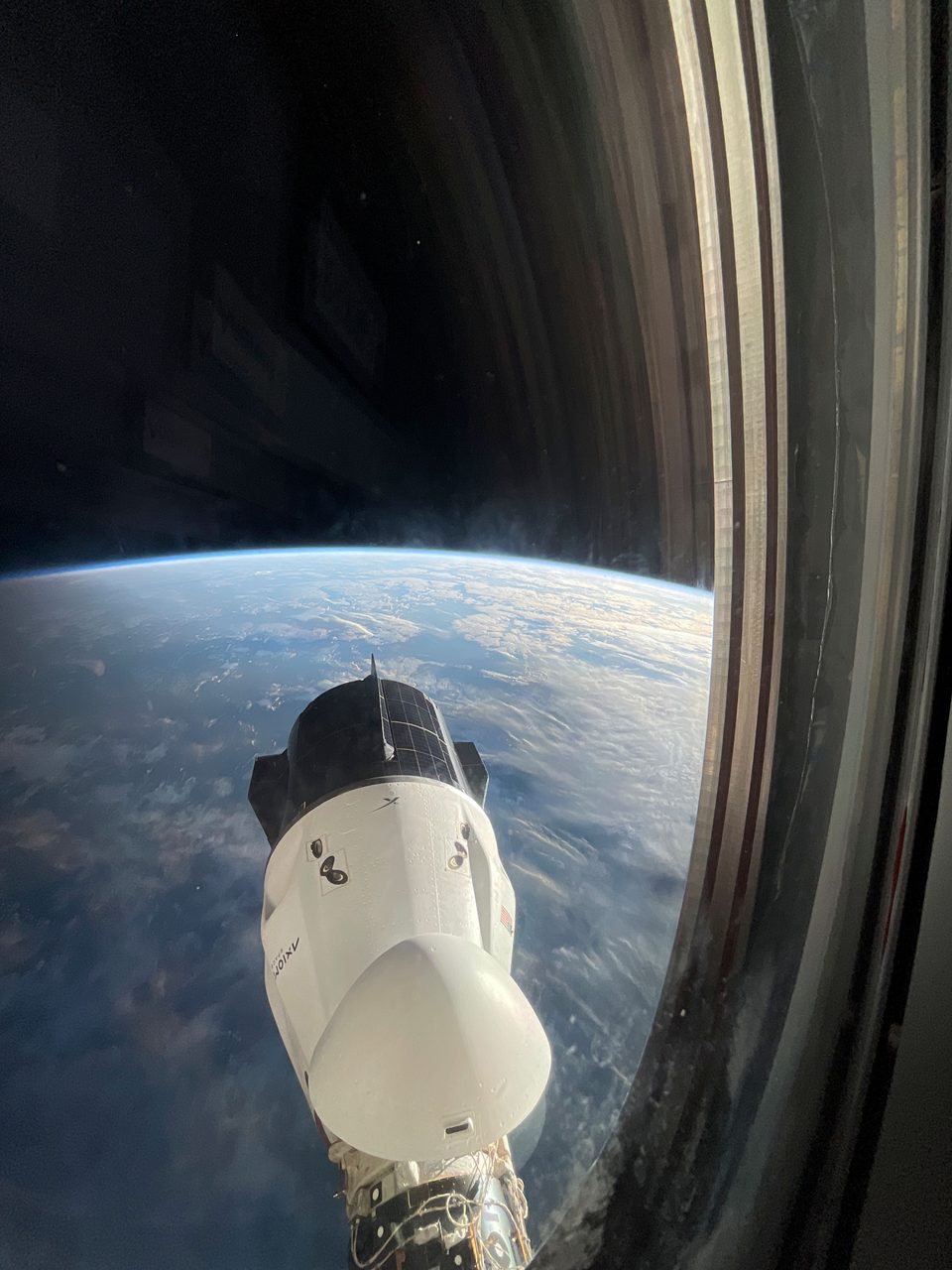
How Do Astronauts Get Back to Earth?
Astronauts return in spacecraft that slow down, survive atmospheric heating and land under parachutes. The journey ends with an ocean splashdown or a touchdown on land.
What Happens If Two Satellites Collide?
A satellite collision can leave fragments circling Earth long after the spacecraft are destroyed. Their altitude helps determine how long the danger lasts.