Space News Mission Log — Satellite Launches, Orbital Events & Analysis
Daily space news, satellite launch reports, orbital debris analysis and weekly roundups — grounded in live tracking data from our network monitoring 44 published reports.
How Many Satellites Can Orbit Hold? Earth's Limits
Earth's orbit has no single satellite limit. Capacity depends on altitude, debris, spacecraft reliability and how well operators share the busiest orbital regions.
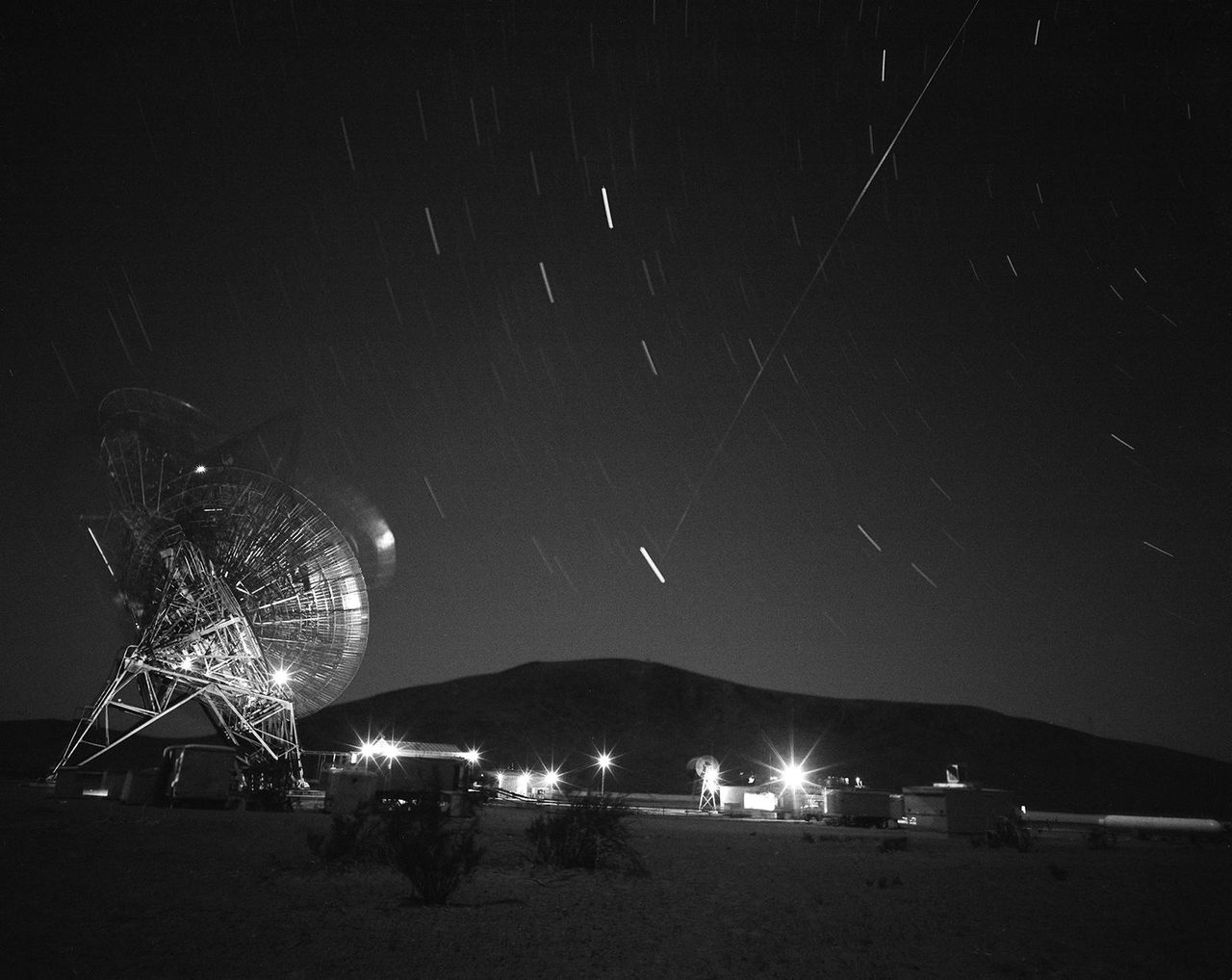
Mega-Constellation: What It Is and How It Works
Mega-constellations coordinate hundreds or thousands of satellites. Explore how they deliver internet access, why orbital design matters, and the risks of operating at scale.

Geostationary Transfer Orbits: A Complete Explainer
A Geostationary Transfer Orbit (GTO) is an elliptical orbit used to transfer satellites to geostationary orbit, crucial for communications satellites.

SpaceX Starship: The Fully Reusable Megarocket Explained
SpaceX's Starship is a fully reusable spacecraft designed to carry humans and cargo to Mars and beyond. Discover its design, capabilities, and mission goals.
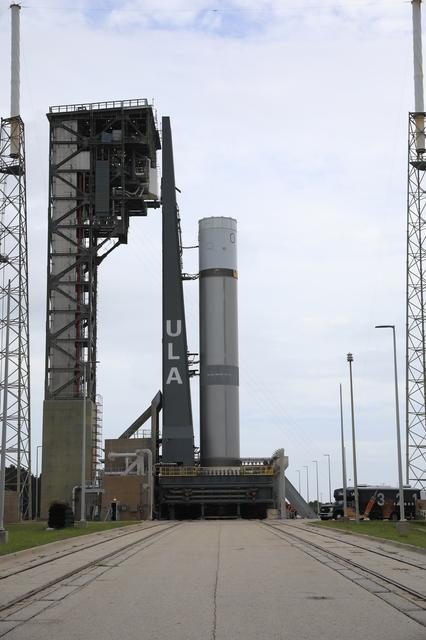
Vulcan failure investigation: orbital briefing, 18 November
ULA is investigating low booster performance after Vulcan's Amazon Leo launch failure. Meanwhile, an Ariane launch for the constellation remains scheduled for 23 November.

How Do Radar Satellites Work? SAR Explained
Radar satellites illuminate Earth with microwaves rather than waiting for sunlight. Learn how their echoes become images, what SAR reveals and where its limits lie.
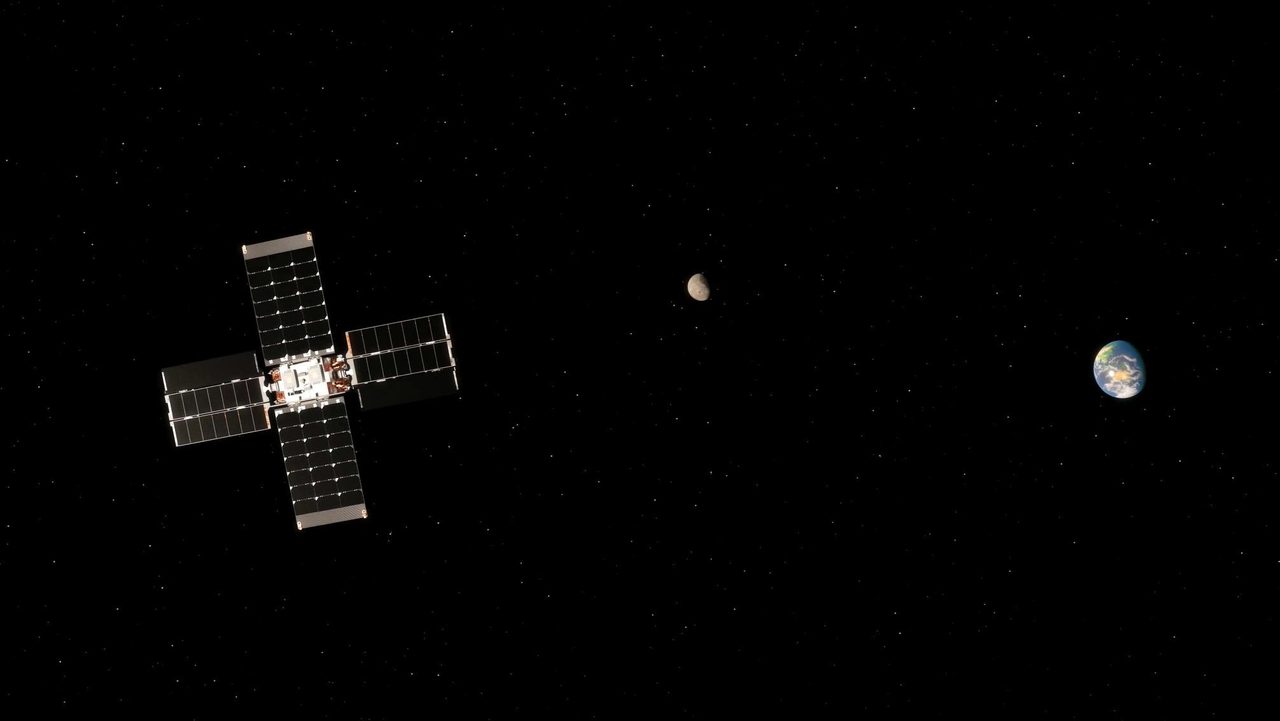
OneWeb Gen 2: the next broadband constellation
OneWeb’s next generation is intended to expand a broadband network built around business, government and transport connections. Its significance lies as much in replacing ageing spacecraft and integrating ground networks as in adding satellites.
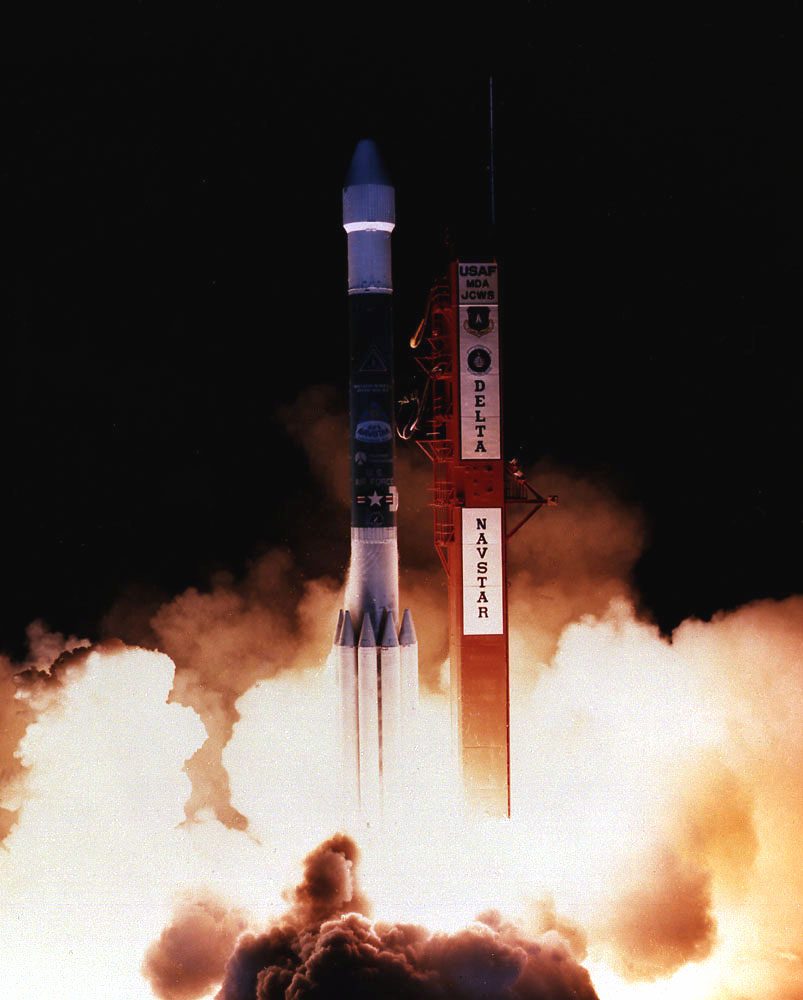
BeiDou-3: how China's global navigation system works
China's BeiDou-3 combines navigation satellites in three types of orbit to deliver global positioning and timing, with additional communications and precision services.
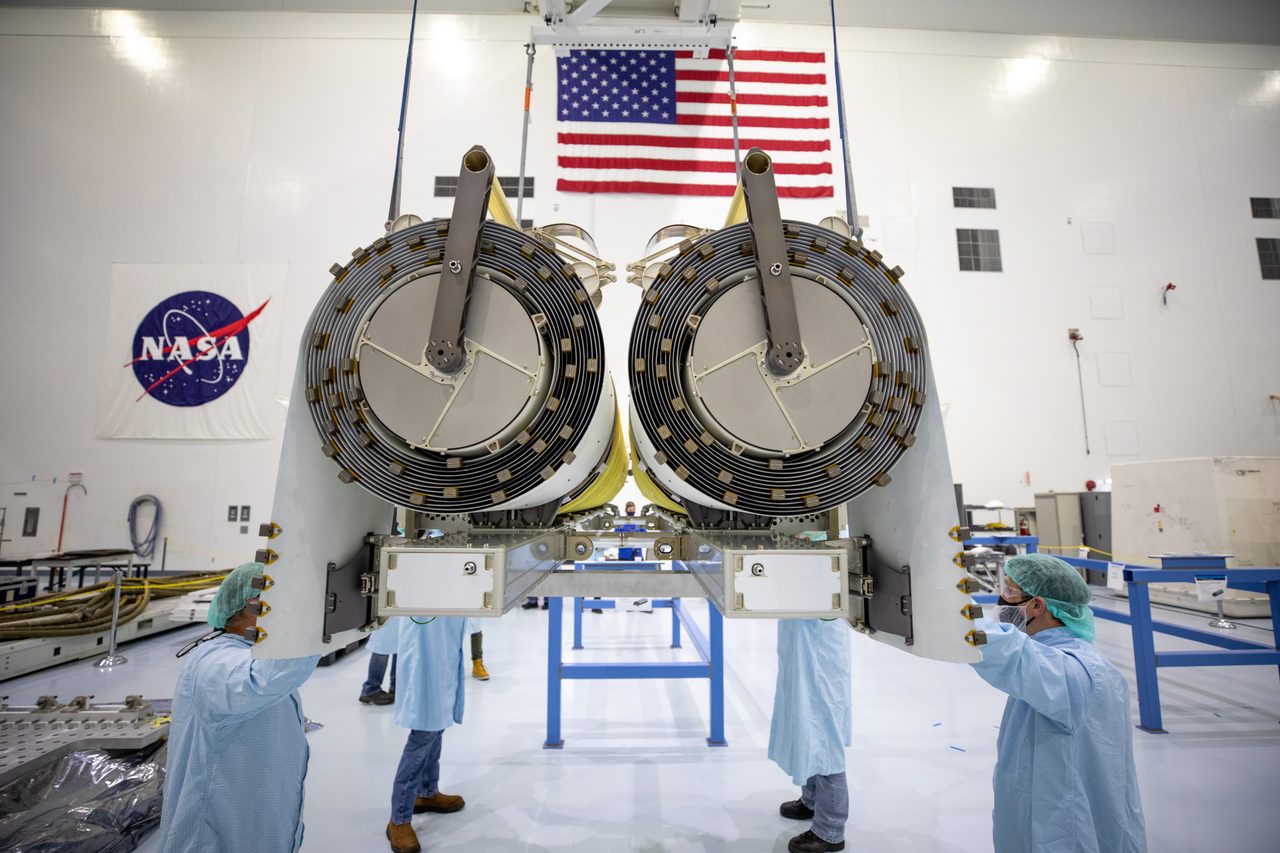
How Do Satellites Get Power? Solar, Batteries and Nuclear
Most satellites turn sunlight into electricity and use batteries in darkness. Explore how spacecraft generate, store and ration power, from Earth orbit to deep space.
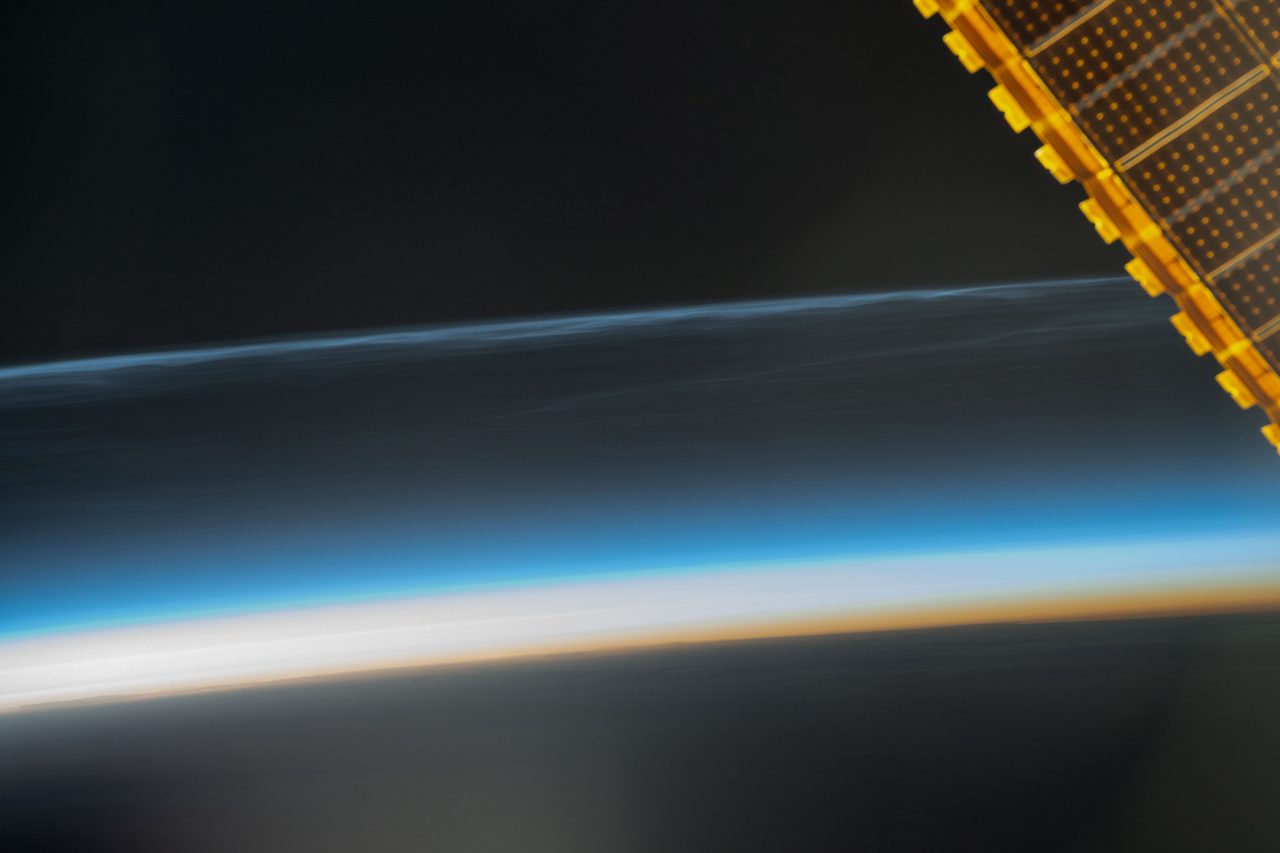
Low Earth Orbit: Why Space Is Busiest Below 2,000 km
Low Earth orbit hosts space stations, broadband constellations and Earth-observation missions. Explore how it works, why it is crowded and what keeps satellites flying safely.
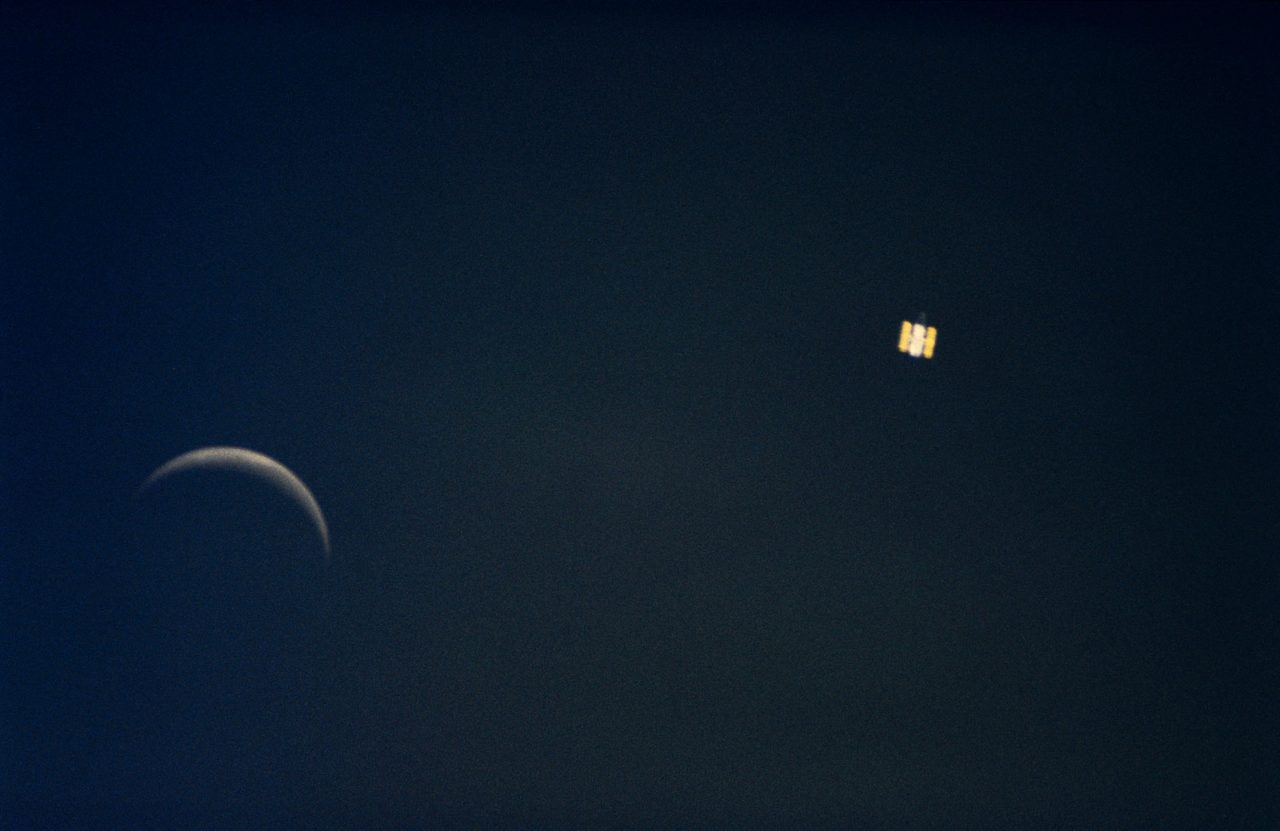
NASA seeks Hubble options: Orbital Briefing, 4 November
NASA is asking industry for ideas to save Hubble. Meanwhile, satellite close approaches remain under watch and Chinese launches lead the coming schedule.

NASA vs ESA vs CNSA: How the Space Agencies Compare
NASA, ESA and CNSA represent different ways of organising space exploration. Their budgets, responsibilities and partnerships matter more than a simple ranking.