Space News Mission Log — Satellite Launches, Orbital Events & Analysis
Daily space news, satellite launch reports, orbital debris analysis and weekly roundups — grounded in live tracking data from our network monitoring 47 published reports.
Understanding RAAN: The Right Ascension of the Ascending Node Explained
RAAN, or Right Ascension of the Ascending Node, is an essential orbital parameter that defines a satellite's path relative to Earth's equatorial plane.
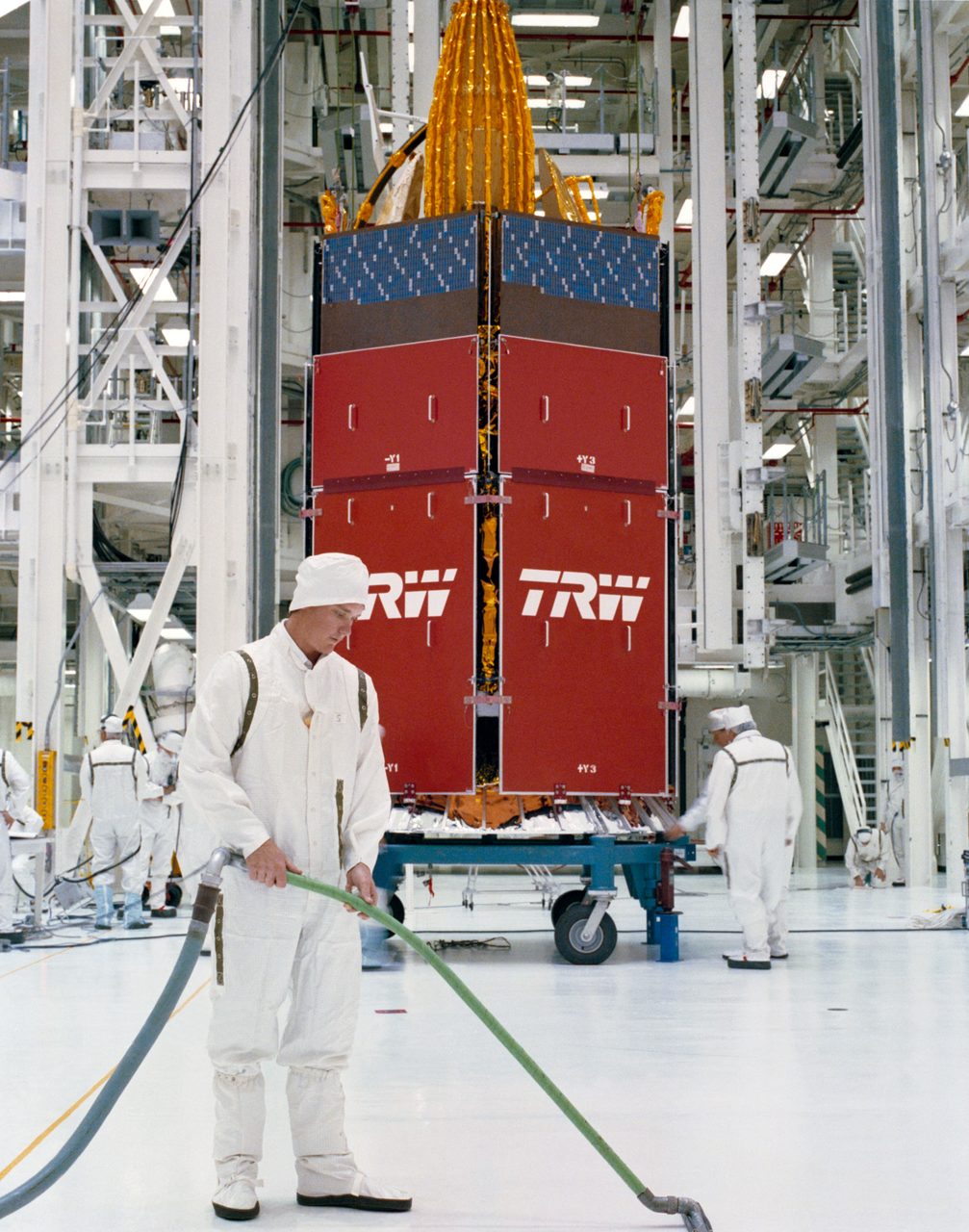
Understanding Orbital Epoch: A Comprehensive Guide
The orbital epoch is a timestamp indicating when orbital parameters are valid, crucial for tracking satellites and space debris.

AR Satellite Finder: Identify the Sky with Skylens AR
Point your phone skywards to connect satellite predictions with the view overhead. This guide explains Skylens AR, the science behind satellite positions and how to recognise a visible pass.
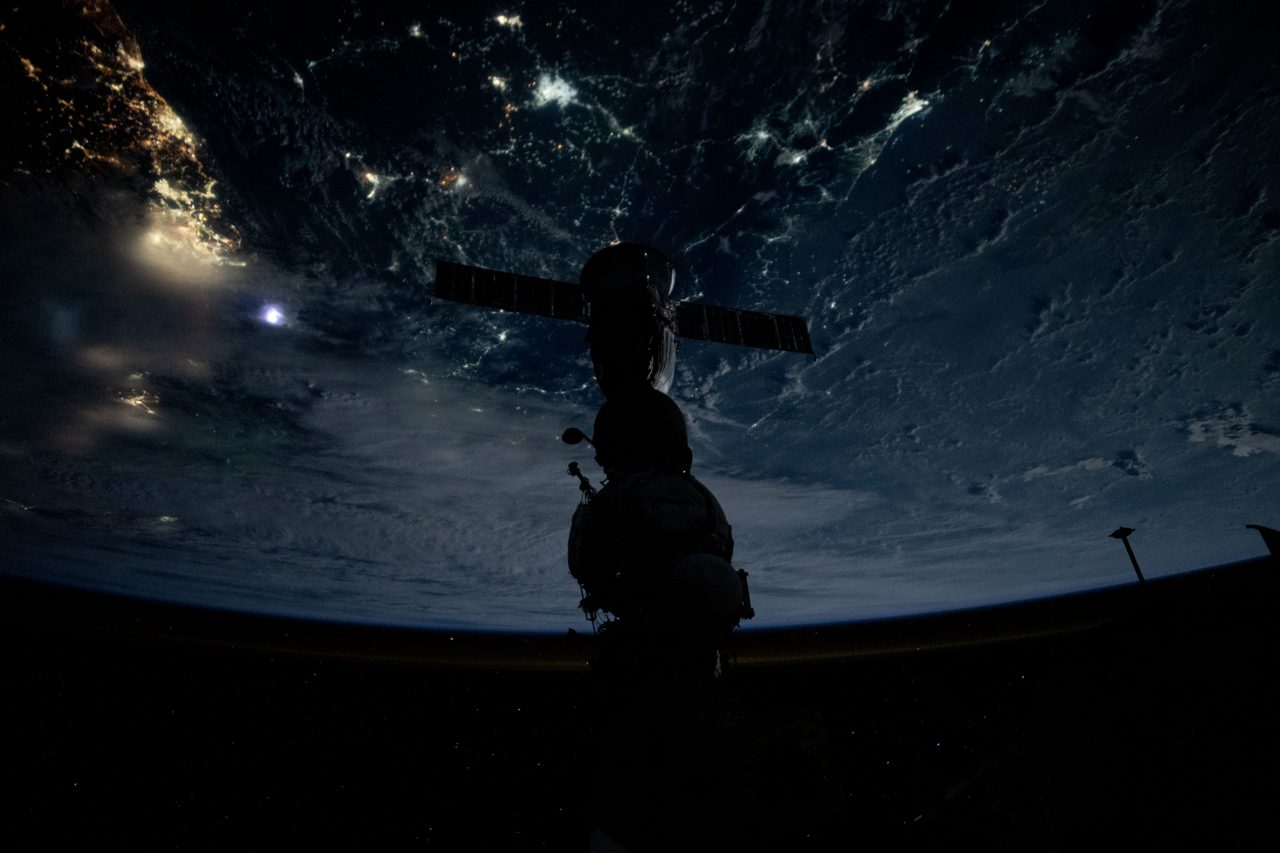
Types of Satellite Orbits: LEO, MEO, GEO and Beyond
Altitude is only part of an orbit’s story. Explore how height, tilt and shape determine what satellites can see, how they communicate and how long they remain in space.
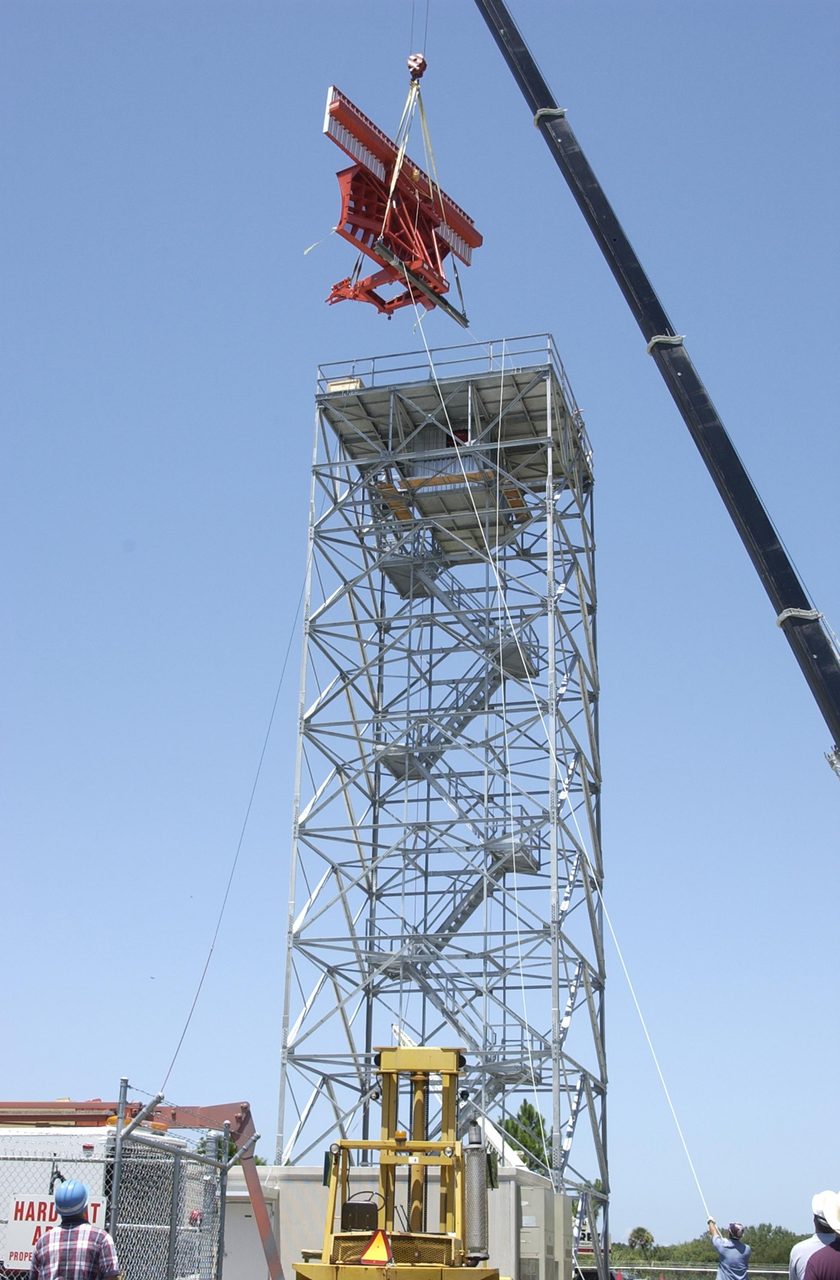
How Satellites Are Tracked: From Radar to Orbit Predictions
Satellite tracking turns radar echoes, telescope images and radio measurements into orbit predictions. Here is how it works, where uncertainty enters and how to check a pass.
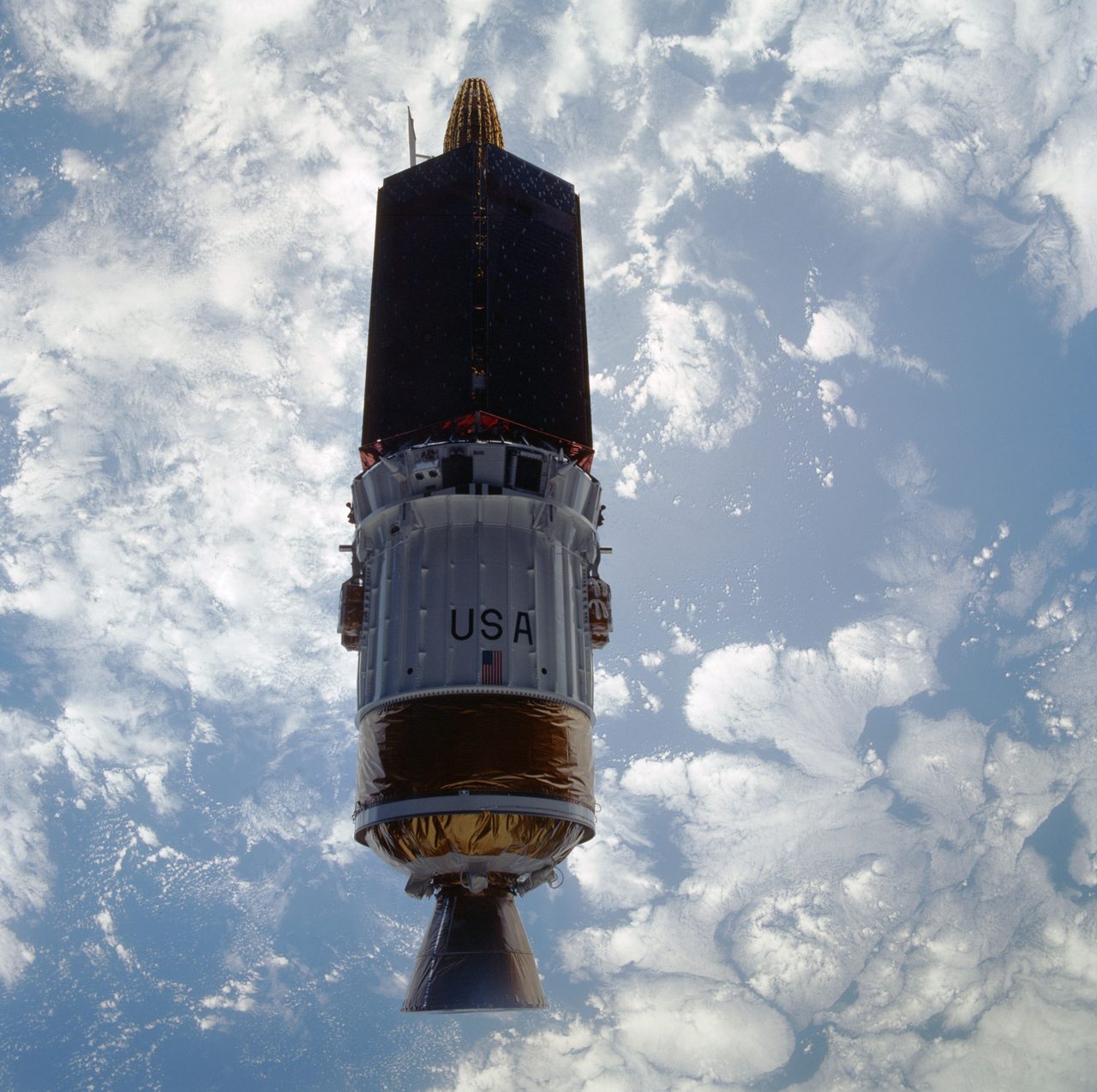
Satellite Radio Propagation: Finding the Best Contact Times
A satellite’s position is only part of a successful radio link. Learn how to interpret propagation heatmaps alongside pass predictions, space weather and your station’s limits.
How to Search the Satellite Database: A Comprehensive Guide
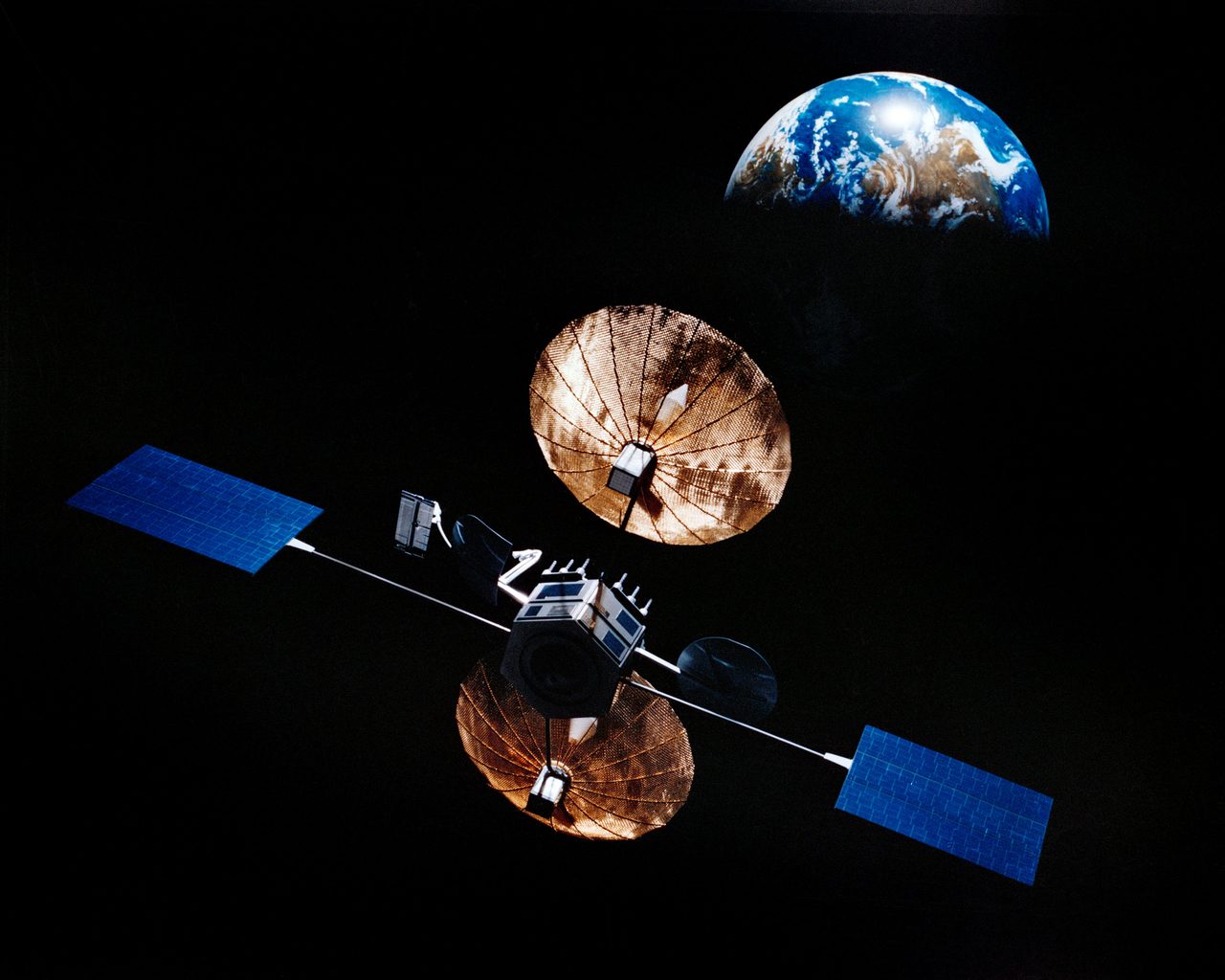
Discover how to use Orbital Radar's Satellite Directory to search and track over 31,000 objects in orbit, including active satellites and space debris.

Orbital Mechanics Explained: How Satellites Stay in Orbit
Orbital mechanics govern how satellites remain in orbit, balancing gravitational forces and velocity to maintain stable paths.
Orbital Inclination: Why Satellites Fly at Different Angles
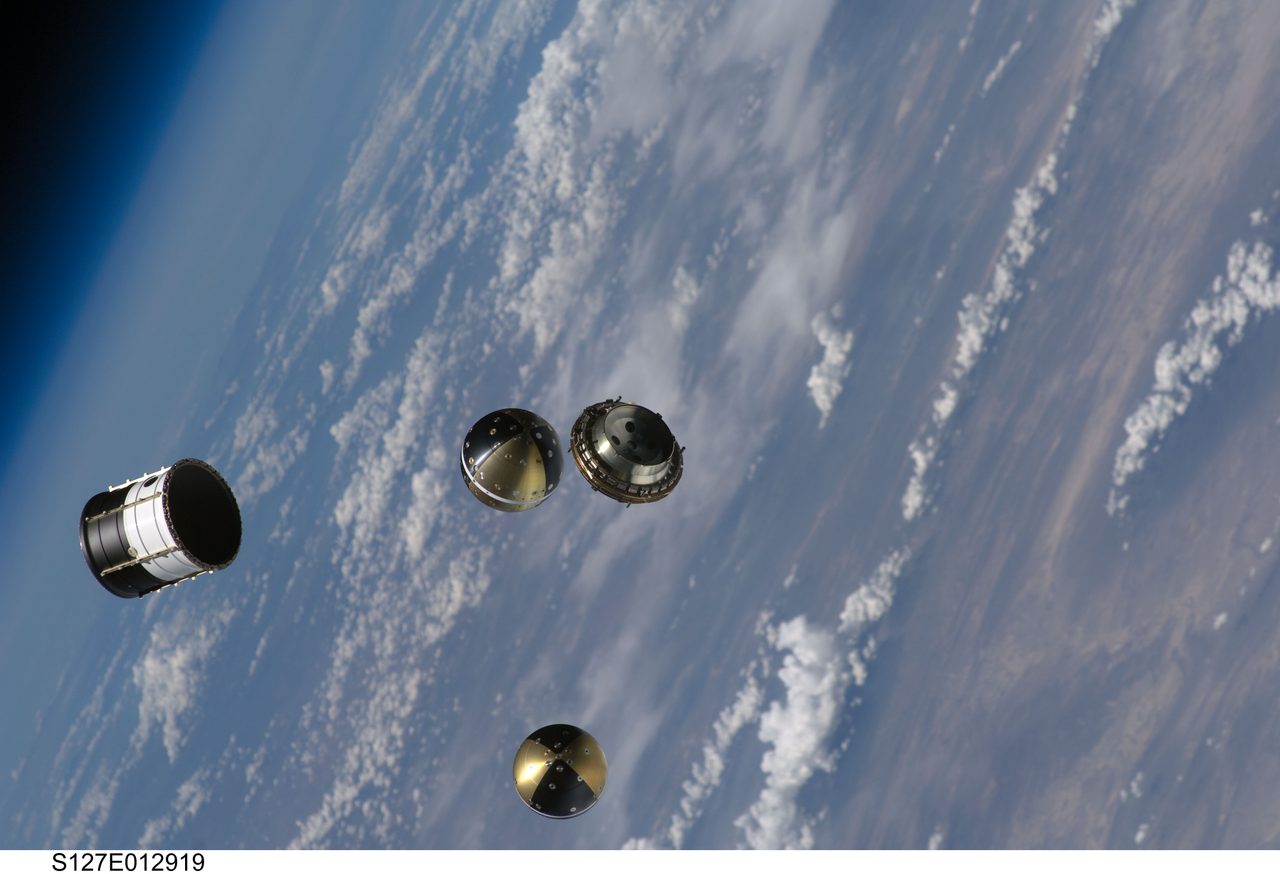
Orbital inclination determines which latitudes a satellite flies over, but not everything it can see. Learn how orbit angles shape coverage, launch choices and mission design.
Hohmann Transfer Orbit: How the Two-Burn Route Works
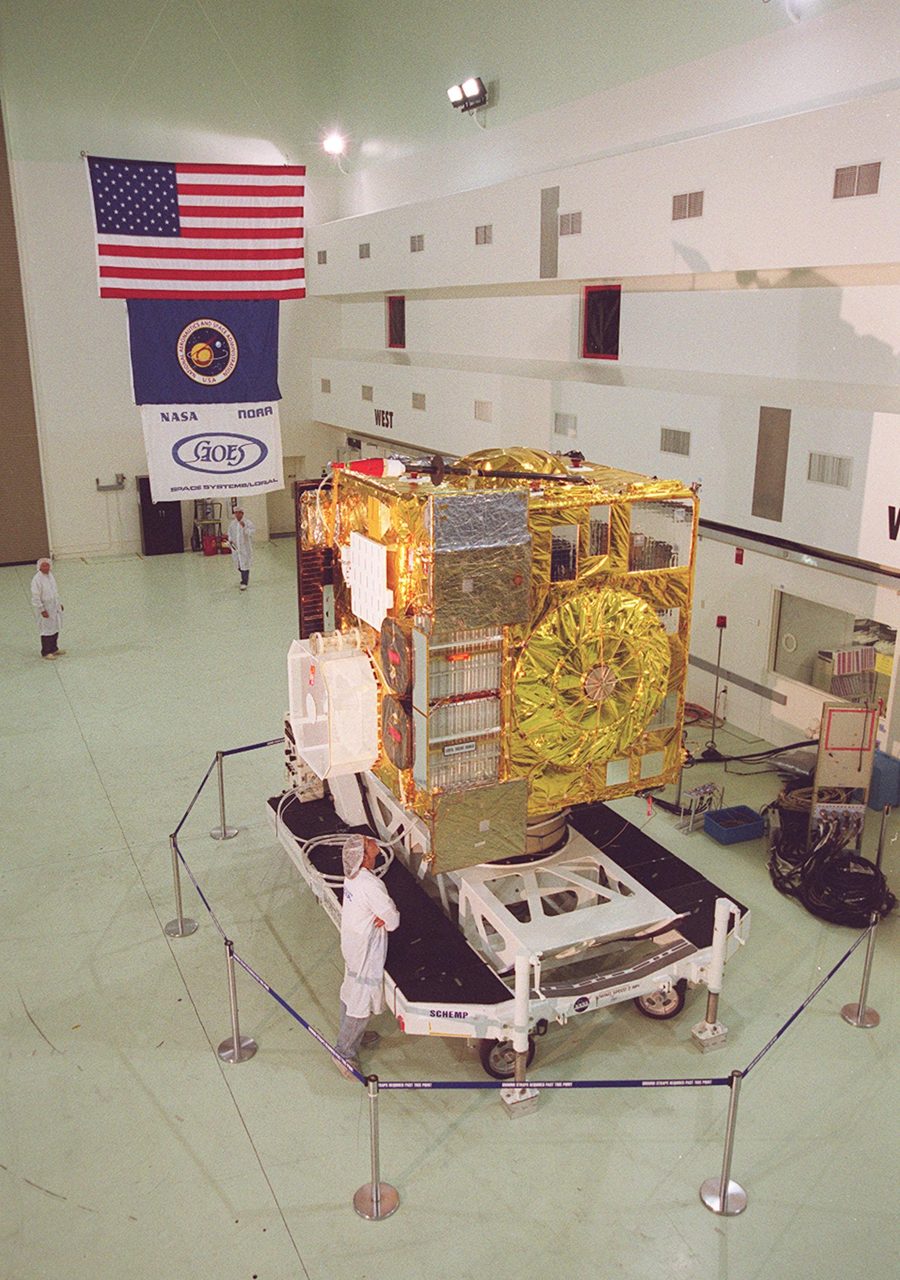
A Hohmann transfer connects circular orbits with two engine burns. Discover how it works, what makes it economical and why it is not always the cheapest route.

Satellite Servicing in Orbit: Refuelling and Repair
Docking can keep a satellite working after its own fuel runs low. Explore how orbital servicing works, what refuelling requires and which manoeuvres observers can identify.
How Long Does It Take to Get to the ISS? Hours to Days
Reaching the ISS can take about three hours or stretch over one or two days. The difference is largely about launch timing, orbital alignment and the spacecraft's rendezvous plan.