Space News Mission Log — Satellite Launches, Orbital Events & Analysis
Daily space news, satellite launch reports, orbital debris analysis and weekly roundups — grounded in live tracking data from our network monitoring 83 published reports.
How Do We Communicate With Voyager Across Deep Space?
Voyager communicates through faint radio signals collected by NASA’s Deep Space Network. Here is how giant dishes recover its messages across billions of kilometres.

TDRS: NASA's Data Relay Network in GEO
The Tracking and Data Relay Satellite (TDRS) system is a network of communications satellites operated by NASA to support space missions. This network provides continuous high-data-rate communication links between spacecraft in low Earth orbit (LEO) and ground stations on Earth.
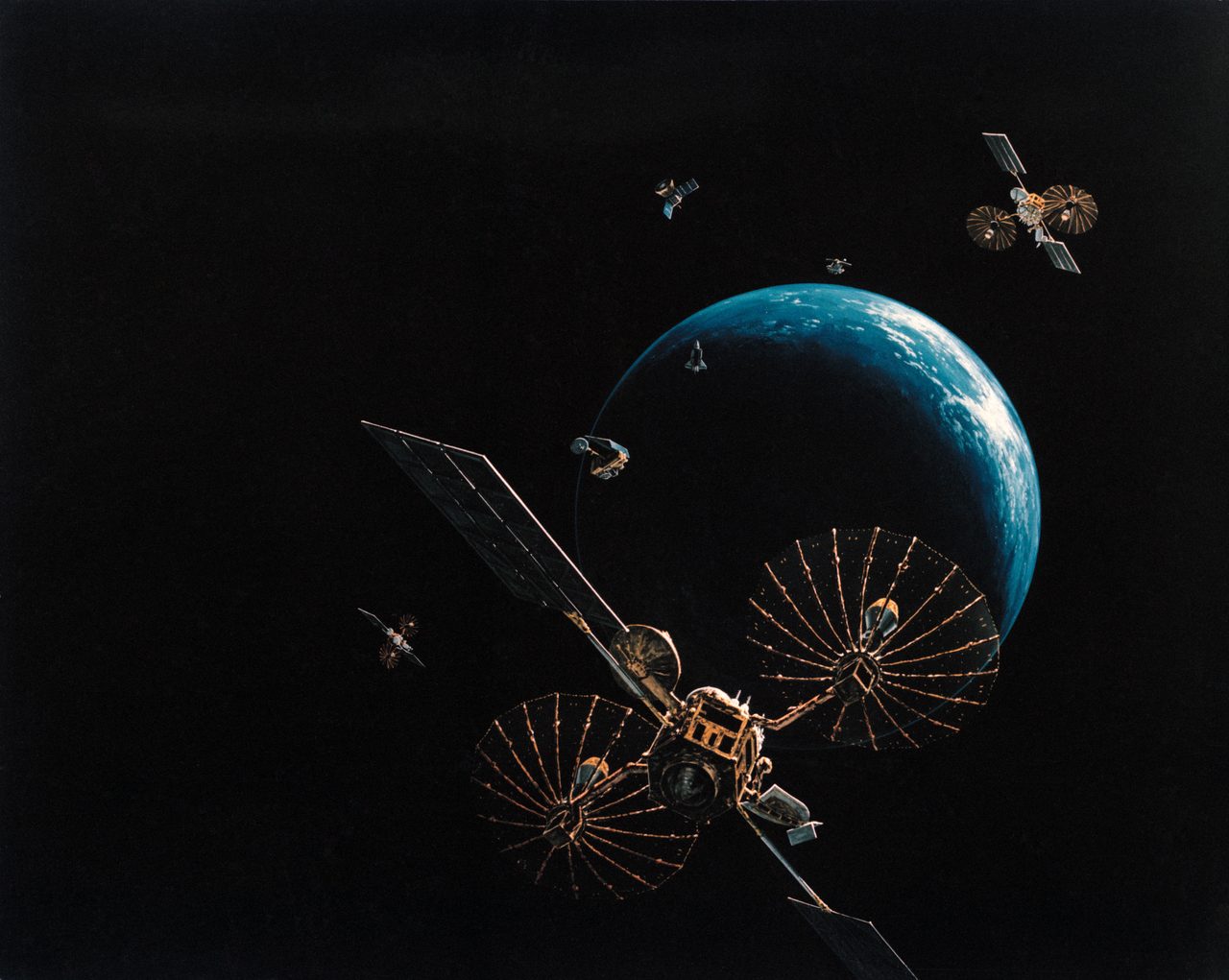
Military Satellites: What They Do and How They Work
Military satellites support communications, navigation, intelligence and missile warning. Explore how they work, what they can detect and what public tracking reveals.
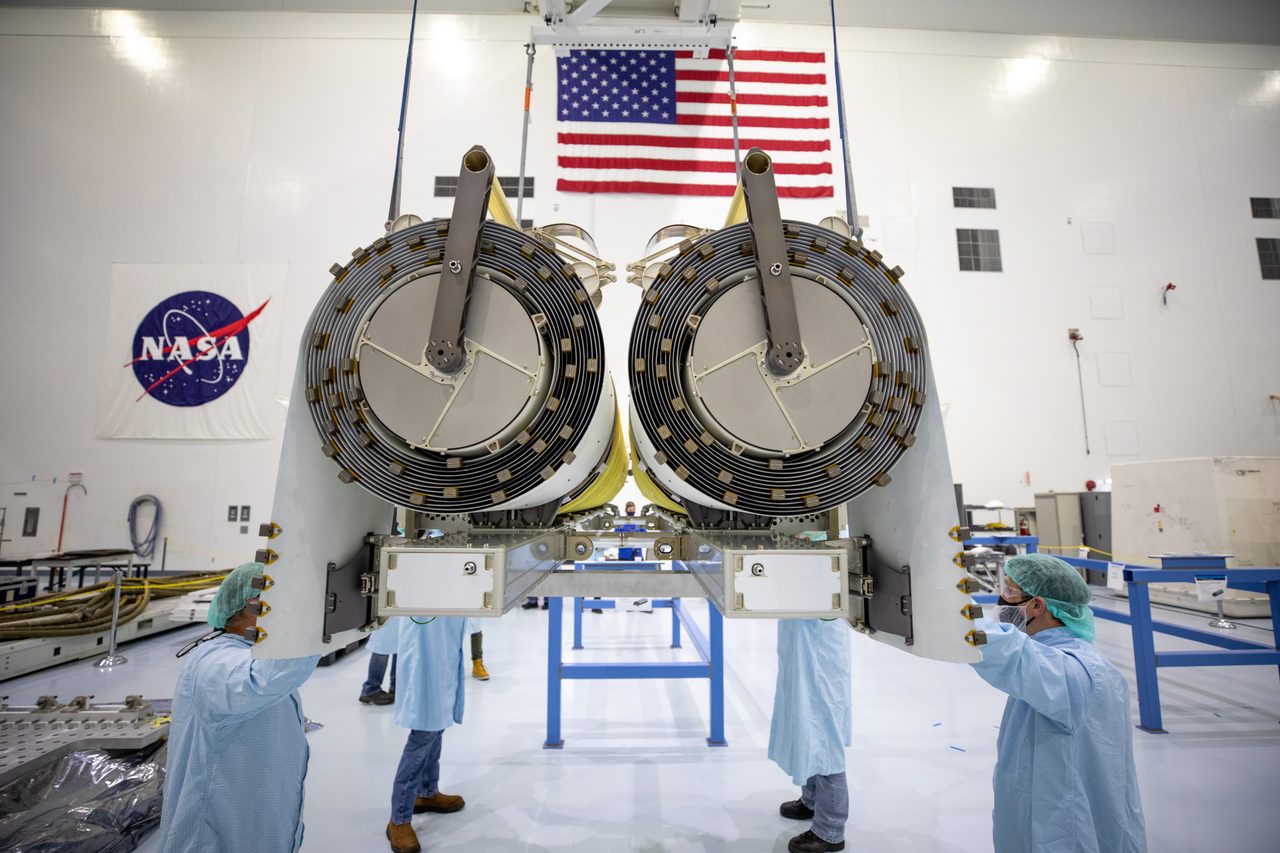
How Do Satellites Get Power? Solar, Batteries and Nuclear
Most satellites turn sunlight into electricity and use batteries in darkness. Explore how spacecraft generate, store and ration power, from Earth orbit to deep space.
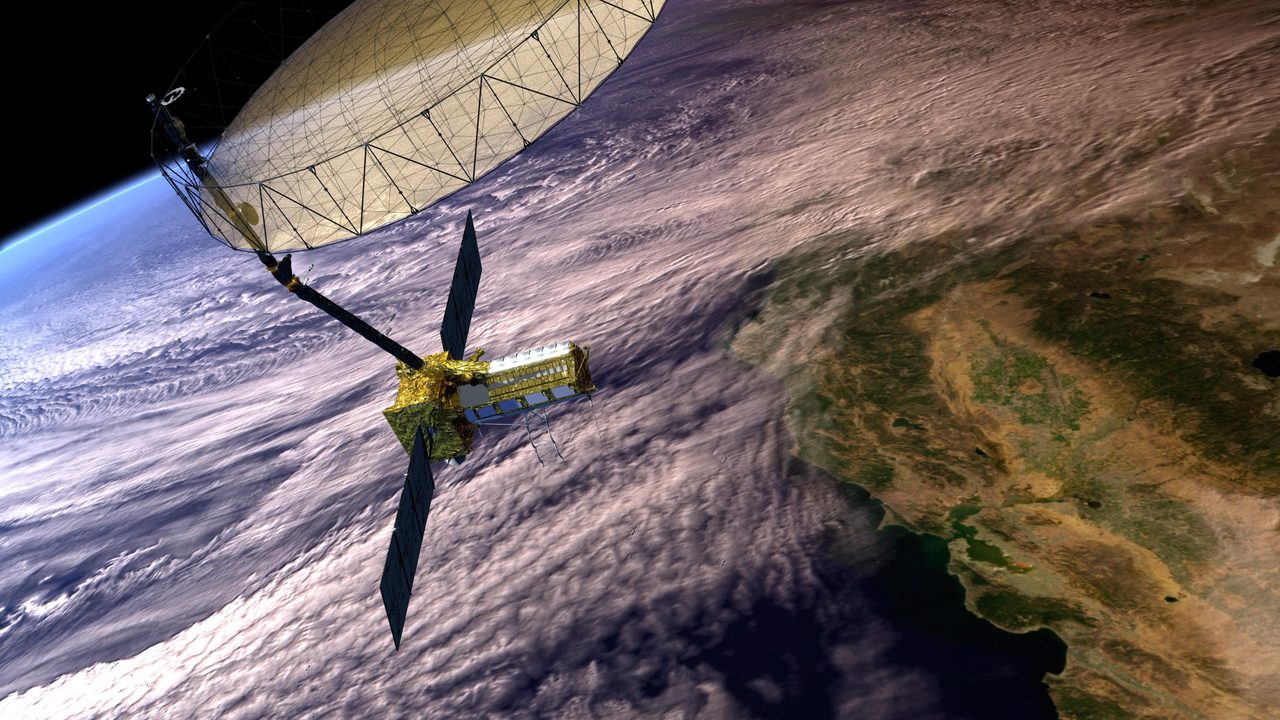
How Many Satellites in Orbit? Counts, Types and Tracking
Earth has 15,870 active satellites, but the wider catalogue includes debris and inactive spacecraft. Here is what the counts mean and how to explore them.
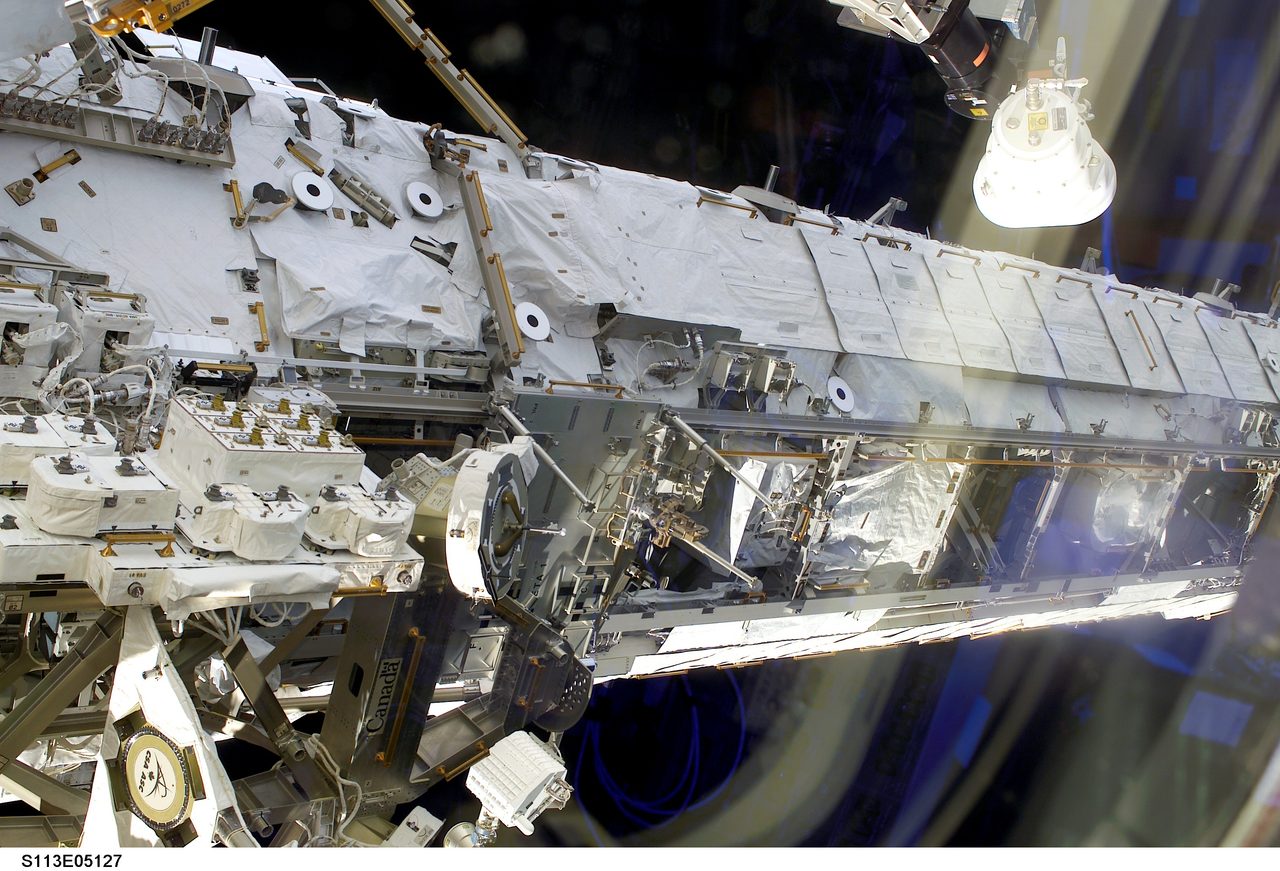
Spacecraft Docking: How Vehicles Join the Space Station
Docking means matching an orbit before making a carefully controlled connection. Follow a spacecraft from rendezvous to hatch opening, and learn why robotic capture is different.
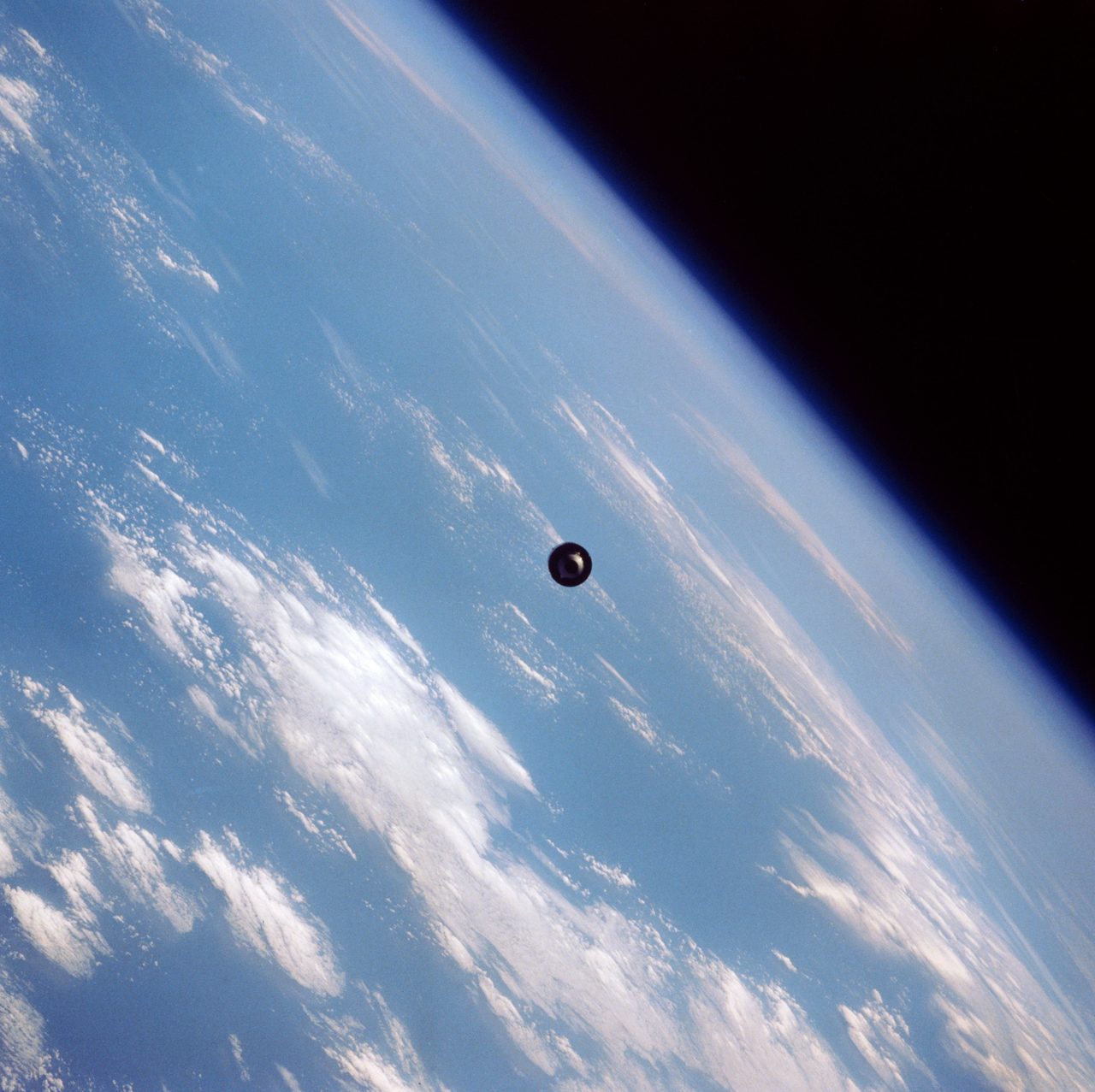
Intelsat: the pioneer that connected continents
Intelsat helped turn geostationary orbit into essential communications infrastructure. Its story runs from Early Bird's transatlantic broadcasts to broadband networks and satellite servicing.
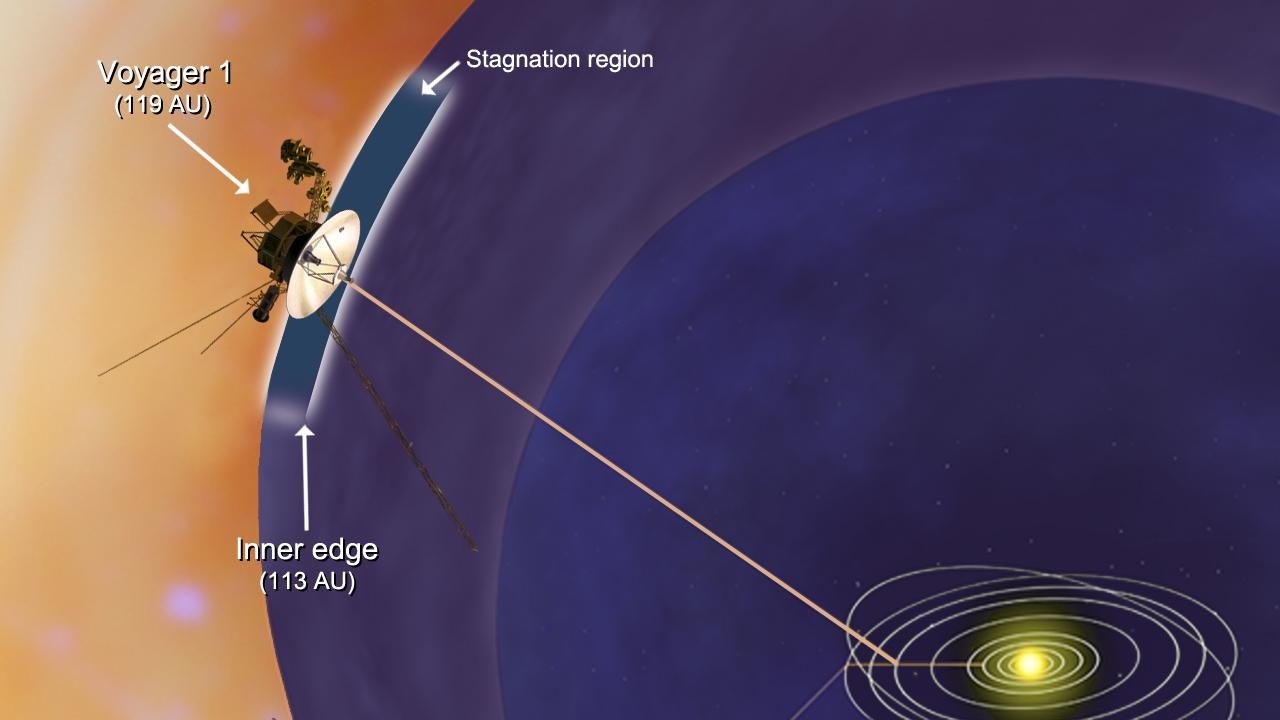
Voyager 1: humanity’s most distant spacecraft
Launched in 1977, Voyager 1 explored Jupiter and Saturn before becoming the first spacecraft to enter interstellar space. Its outward journey continues, although declining electrical power limits its scientific future.
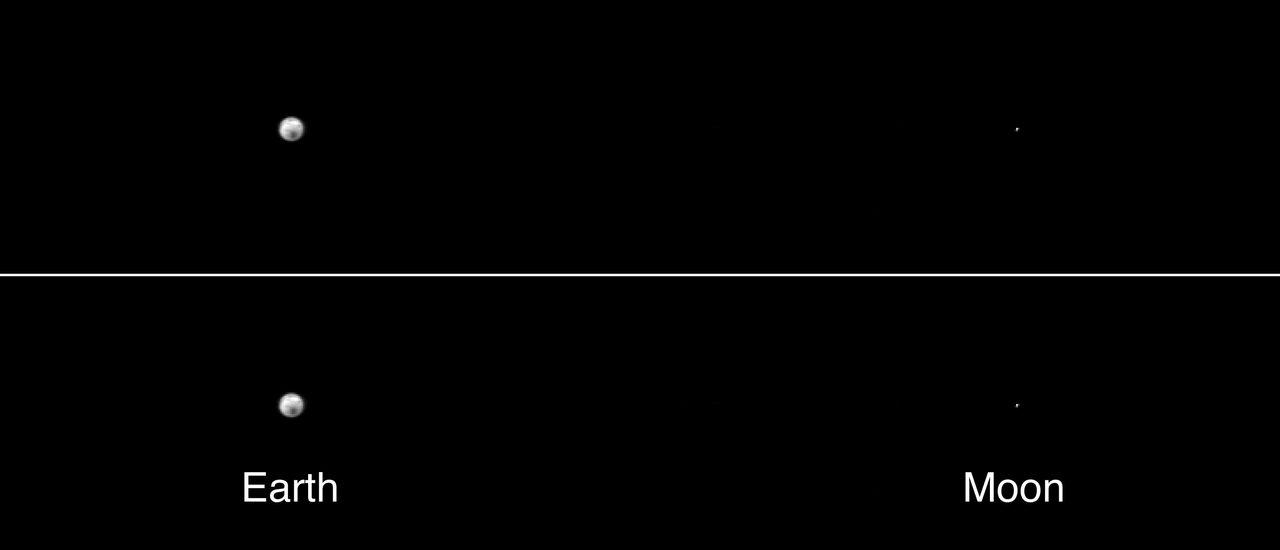
Cislunar Space Situational Awareness: Beyond GEO
Tracking spacecraft near the Moon takes more than extending an Earth-orbit catalogue. Faint targets, shifting trajectories and patchy coverage demand a different approach.
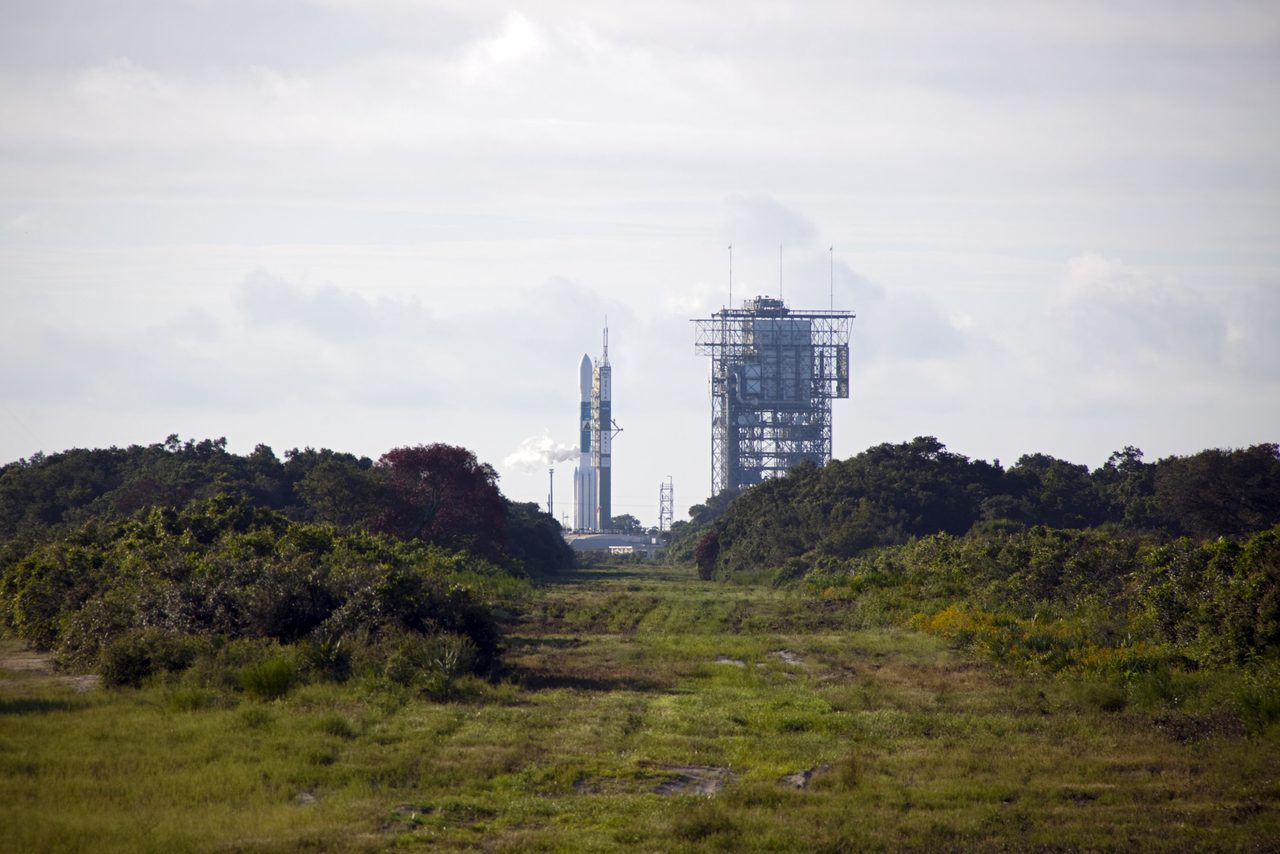
Lunar Gateway Orbit: Why NASA Chose a Halo Around the Moon
Gateway is designed for a looping orbit rather than a close circle around the Moon. Its route explains how lunar gravity, communications and landing access shape mission design.
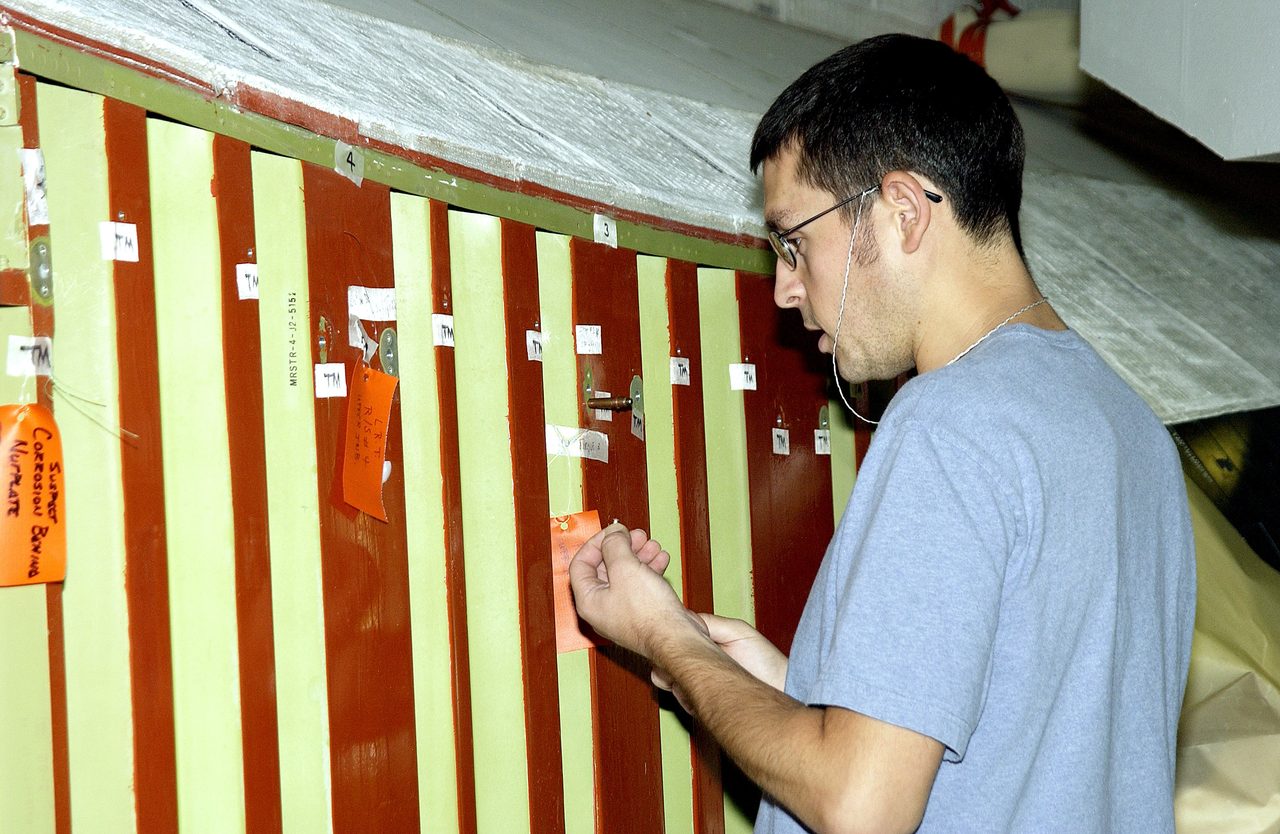
Biggest Satellite in Orbit: The Heaviest Objects Ranked
The ISS is the heaviest satellite in orbit, but catalogue rankings tell a different story. Explore the distinction between assembled stations, individual spacecraft and spent rocket stages.
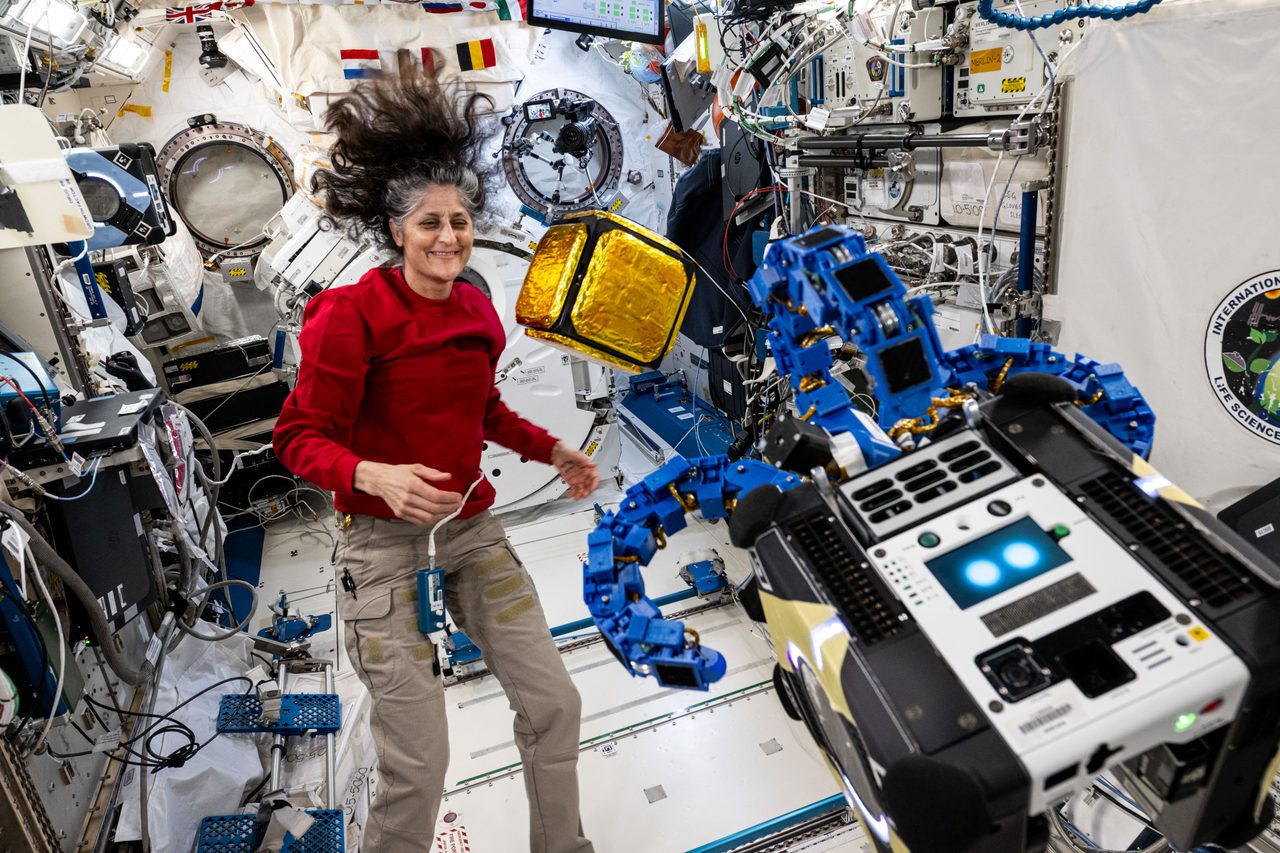
What Happens If Two Satellites Collide?
A satellite collision can leave fragments circling Earth long after the spacecraft are destroyed. Their altitude helps determine how long the danger lasts.