Space News Mission Log — Satellite Launches, Orbital Events & Analysis
Daily space news, satellite launch reports, orbital debris analysis and weekly roundups — grounded in live tracking data from our network monitoring 9 published reports.
Unveiling the Mystical Red Sprites Above Tatacoa Desert
Discover the rare and fleeting red sprites above Tatacoa Desert, a captivating atmospheric phenomenon linked to thunderstorms.
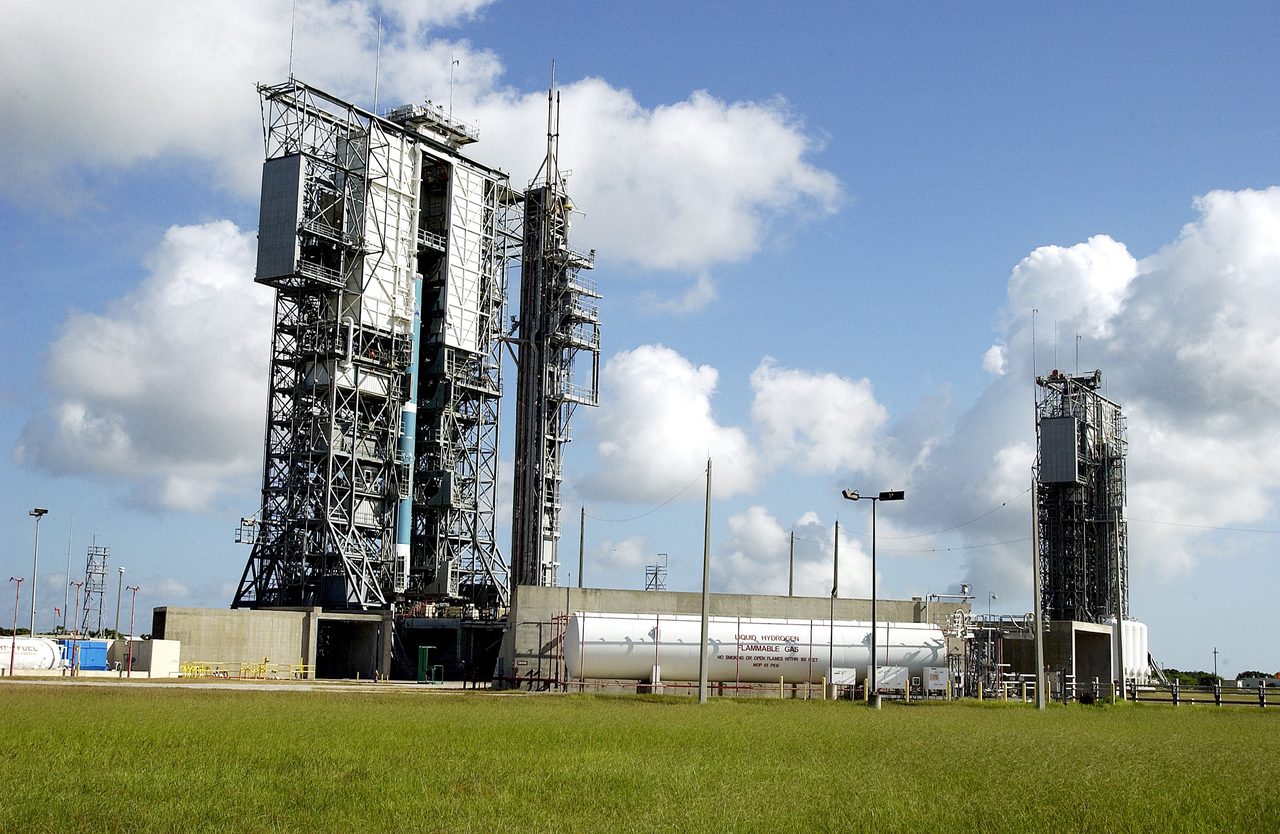
Why Do Rocket Launches Get Scrubbed? Delays Explained
Rocket launches are scrubbed when weather, hardware or flight-safety conditions prevent a safe departure. Here is what causes delays and what determines the next attempt.
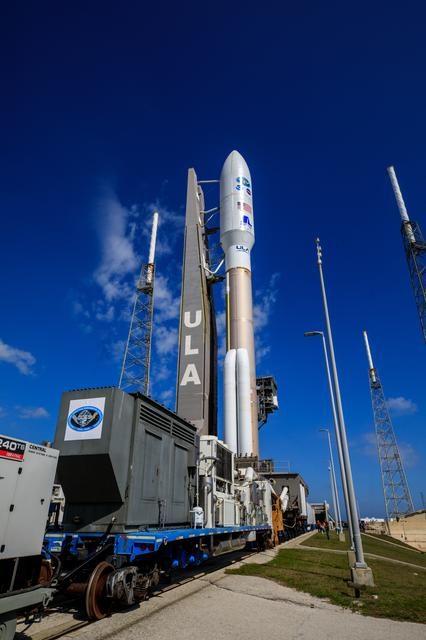
GOES-18: the weather sentinel watching the Pacific
From its position above the equatorial Pacific, GOES-18 follows storms, wildfires and atmospheric rivers while monitoring solar activity that can affect Earth.
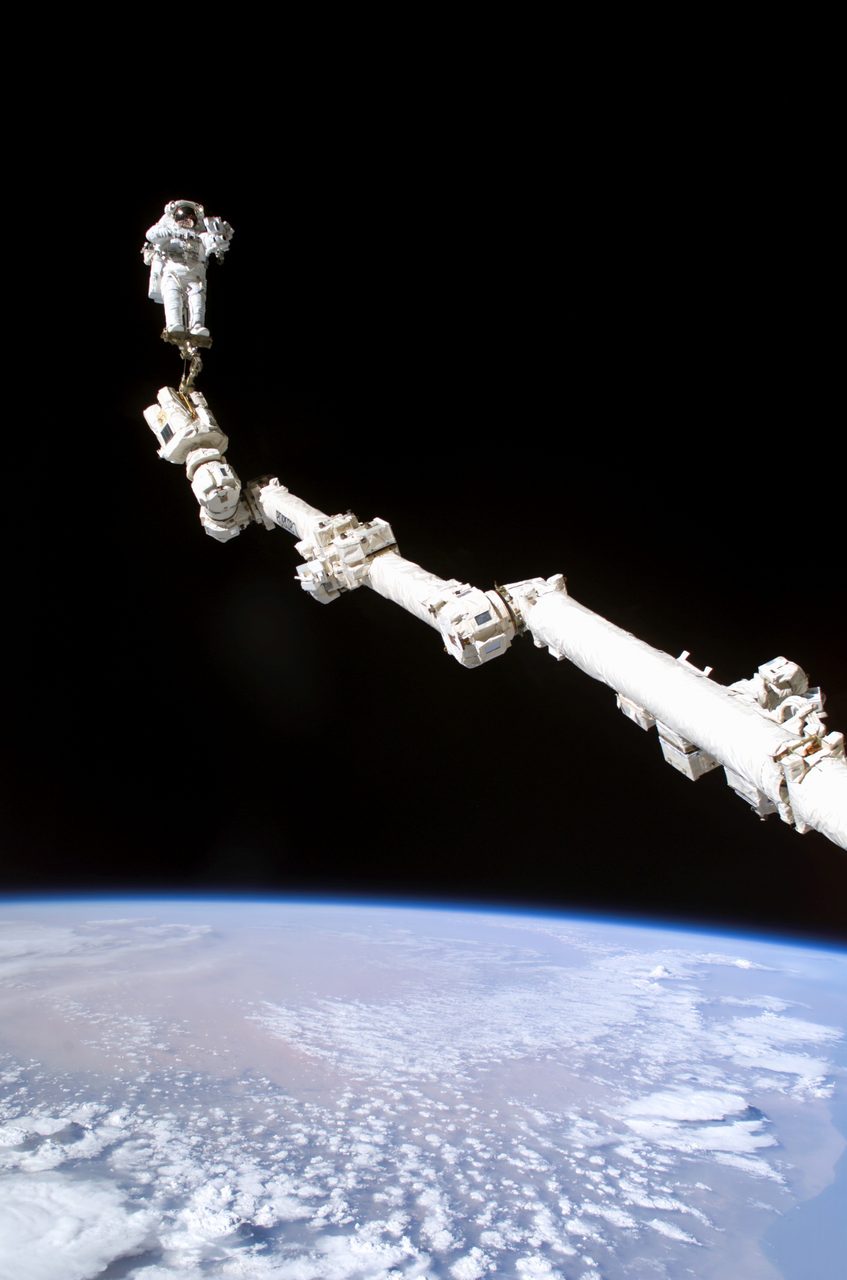
Why Do Rockets Launch From Florida?
Florida combines an eastward boost from Earth's rotation with open Atlantic launch corridors and decades of infrastructure. But the best launch site depends on the mission.
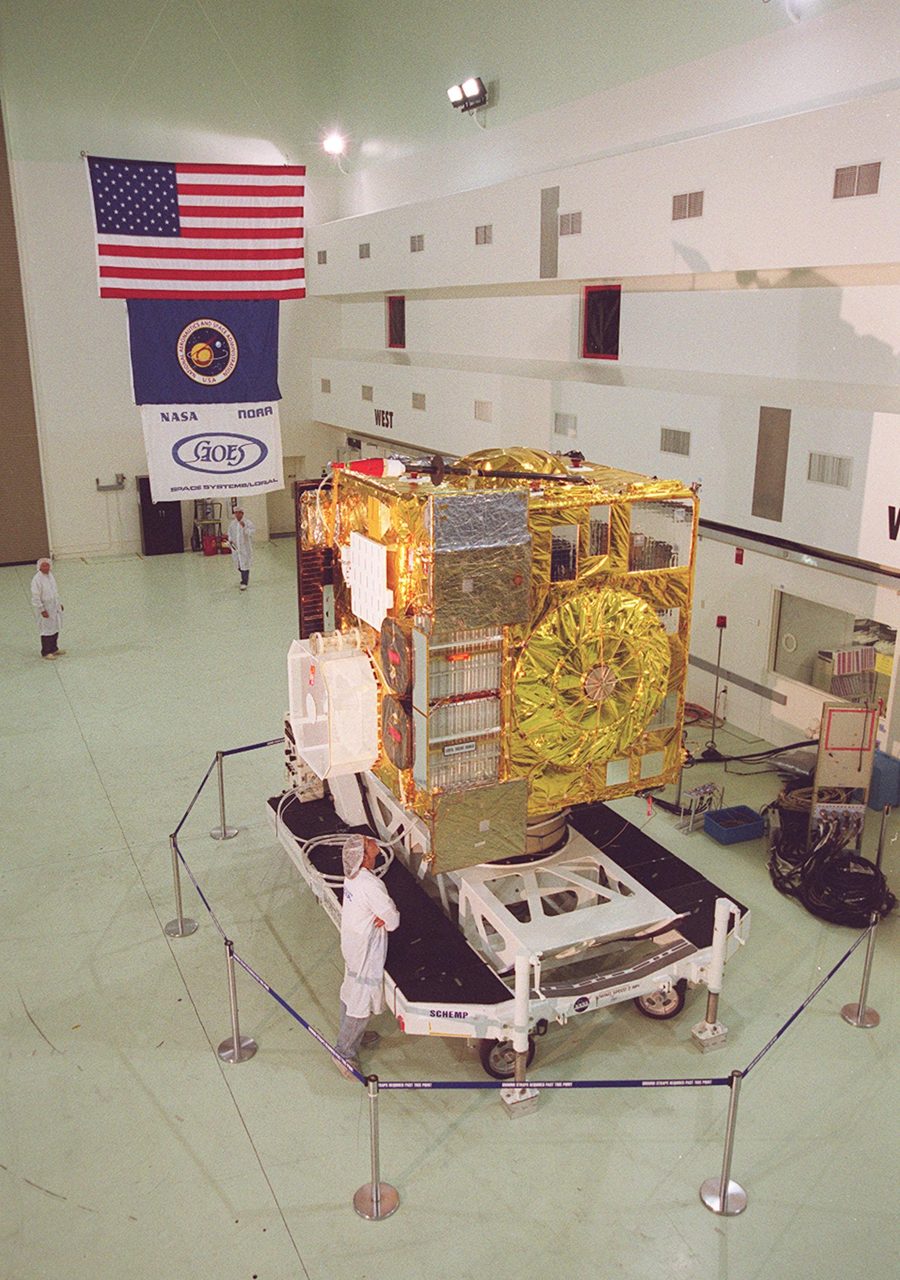
GOES-19: the weather watch at 35,786 kilometres
Operating as GOES East since April 2025, GOES-19 watches Atlantic hurricanes, American thunderstorms and solar activity from a near-fixed position above the equator.
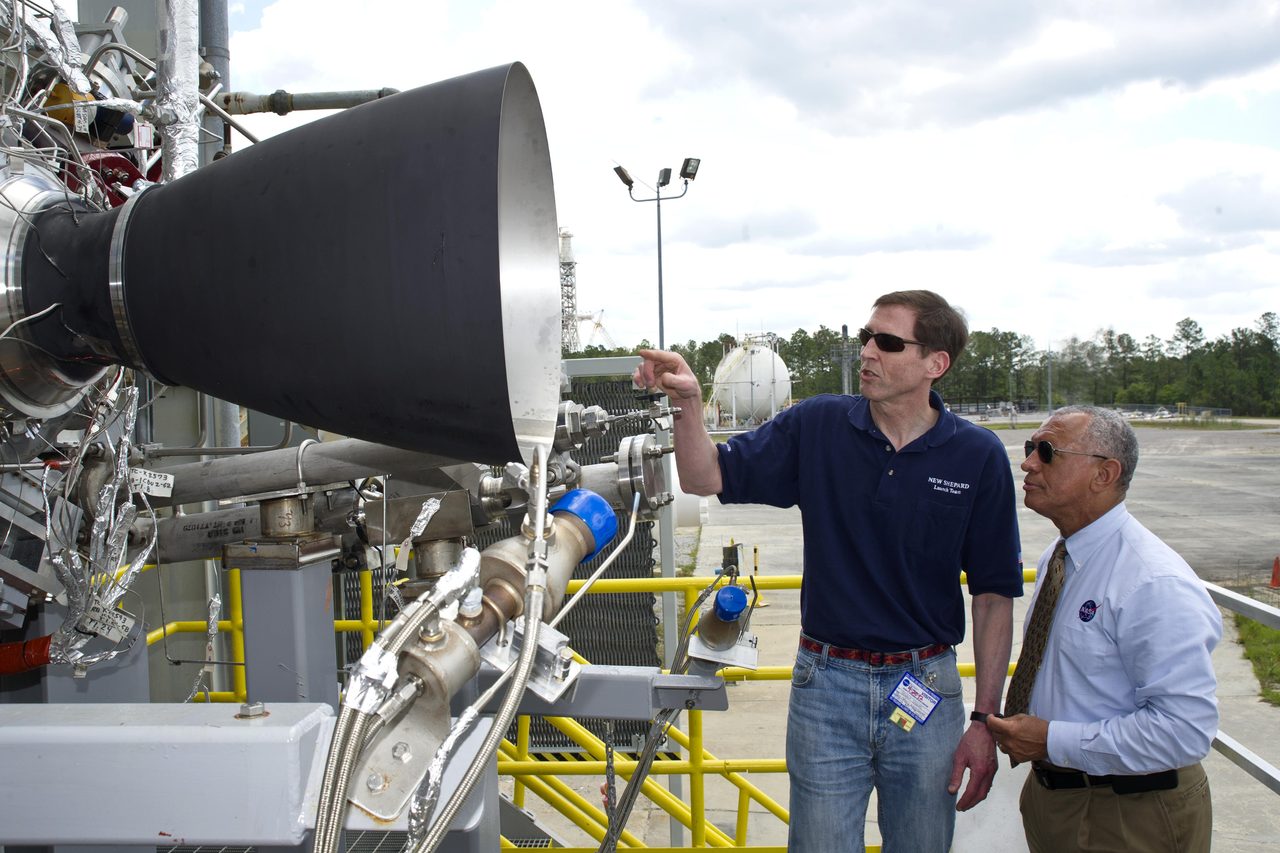
Why Do Rockets Fail? Engines, Software and Launch Risk
Rocket failures can begin with an engine fault, a faulty command or a separation mechanism. Understanding launch risk means tracing those failures—and counting outcomes carefully.
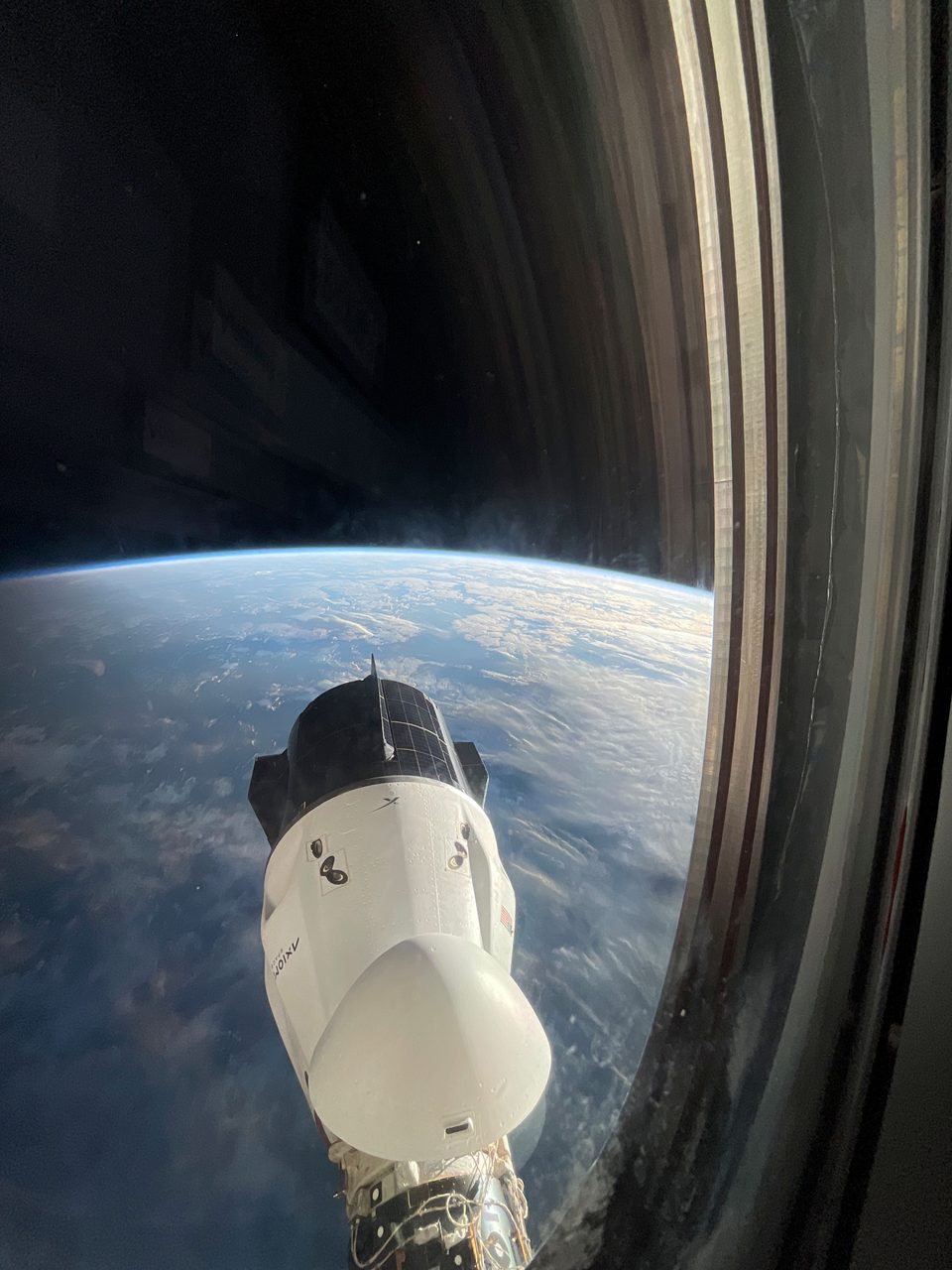
How Do Astronauts Get Back to Earth?
Astronauts return in spacecraft that slow down, survive atmospheric heating and land under parachutes. The journey ends with an ocean splashdown or a touchdown on land.
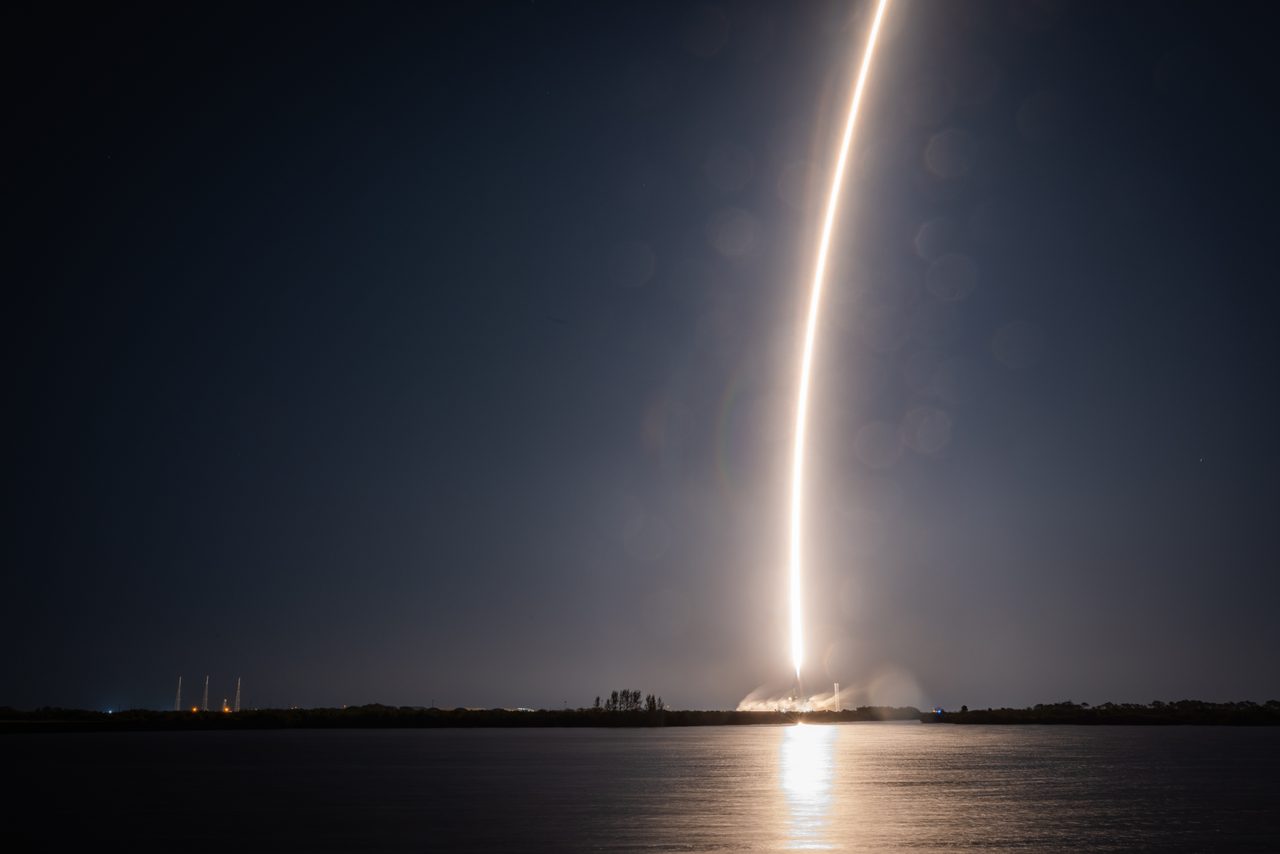
Rocket Launch Windows: Understanding Timing and Strategy
A launch window is the specific time period during which a rocket must be launched to reach its intended orbit or destination. Discover why timing is critical.
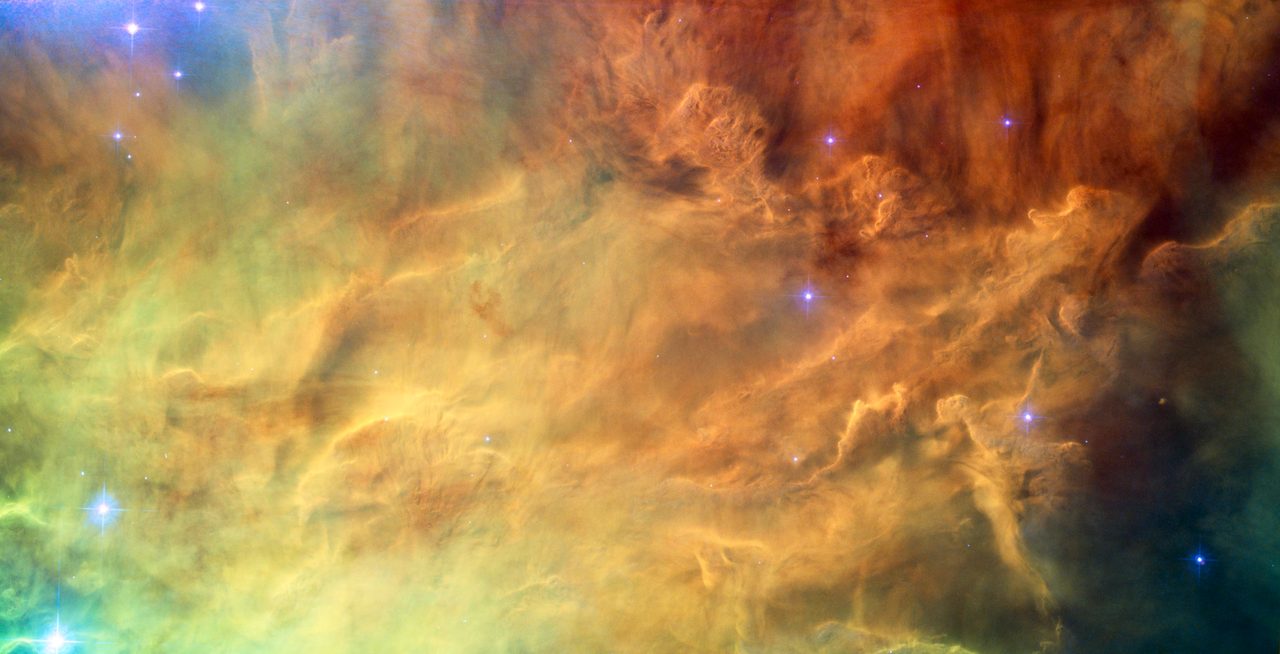
Diamonds in the Sky: The Fascinating Weather of Jupiter and Saturn
Discover the intriguing possibility of diamond rain on Jupiter and Saturn, where high pressures may crystallize carbon into diamonds.