Space News Mission Log — Satellite Launches, Orbital Events & Analysis
Daily space news, satellite launch reports, orbital debris analysis and weekly roundups — grounded in live tracking data from our network monitoring 239 published reports.
Space Debris: Understanding the Growing Threat in Orbit
Space debris refers to defunct human-made objects in orbit that pose collision risks to spacecraft and satellites.

Graveyard Orbits: Final Resting Place for Satellites
Graveyard orbits are designated zones where inactive satellites are moved to minimise space debris. Discover their importance and function.
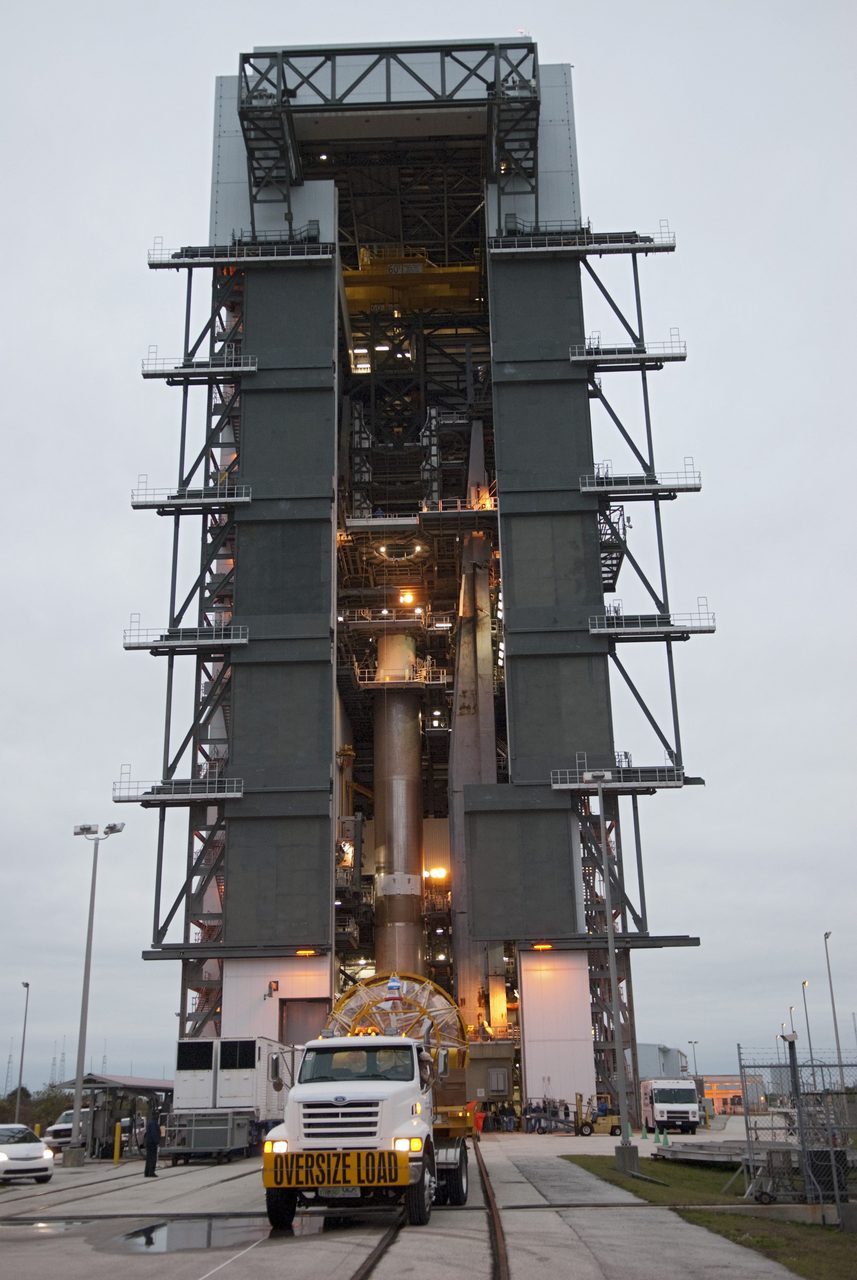
Exploring Space: Insights from Orbital Radar Academy
Orbital Radar Academy offers comprehensive education on satellite tracking, orbital dynamics, and space debris management, equipping learners with essential space knowledge.
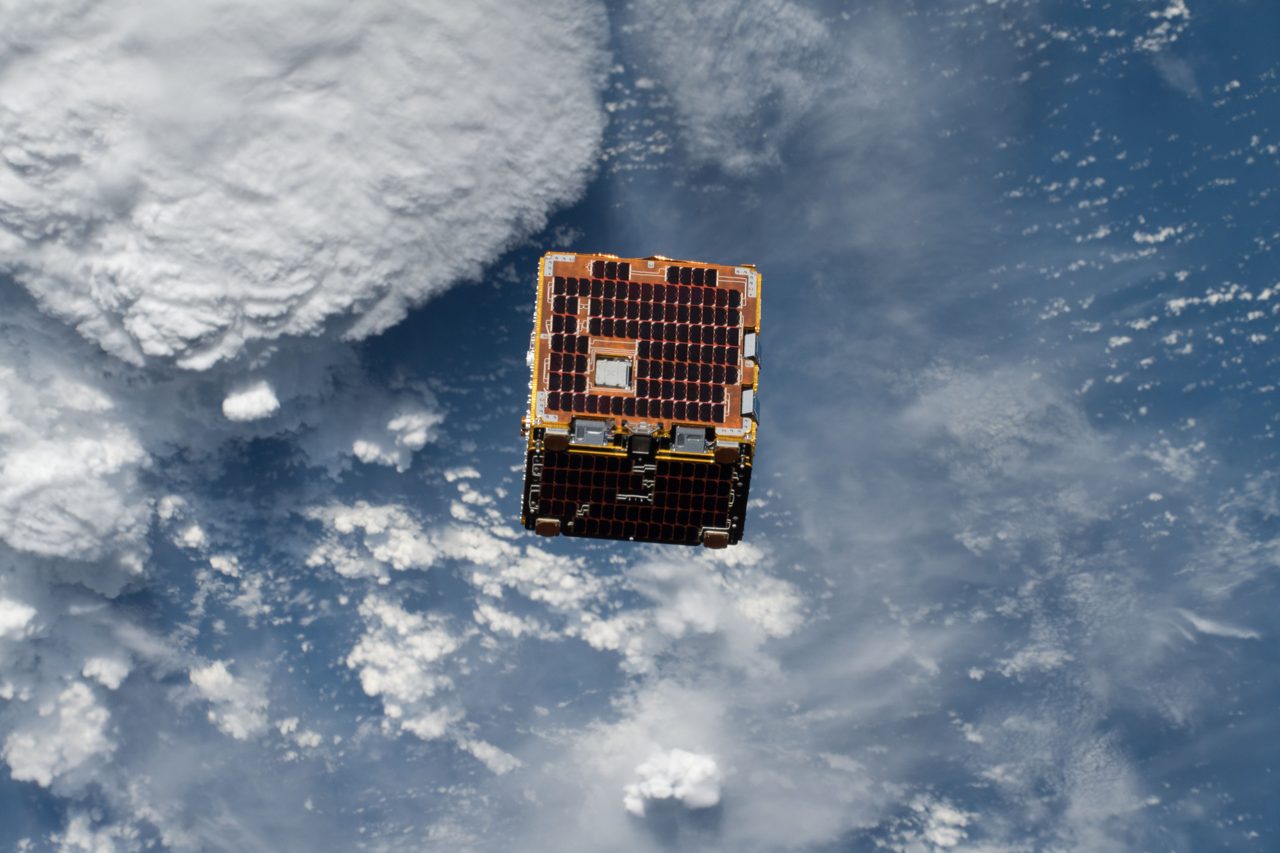
Active Debris Removal: Technologies Cleaning Up Space
Active debris removal involves technologies designed to clean up space junk, ensuring sustainable orbits for future missions.

Understanding Kessler Syndrome: Space Debris Chain Reaction
Kessler Syndrome describes a scenario where space debris collisions create a self-sustaining cascade, threatening orbital operations.

Space Sustainability: Ensuring the Future of Orbital Operations
Space sustainability involves managing the growing number of satellites and debris to ensure long-term usability of Earth's orbits.

Understanding Low Earth Orbit: The Busiest Region in Space
Low Earth Orbit (LEO) is the most congested region in space, with over 18,000 active satellites and a significant amount of debris.
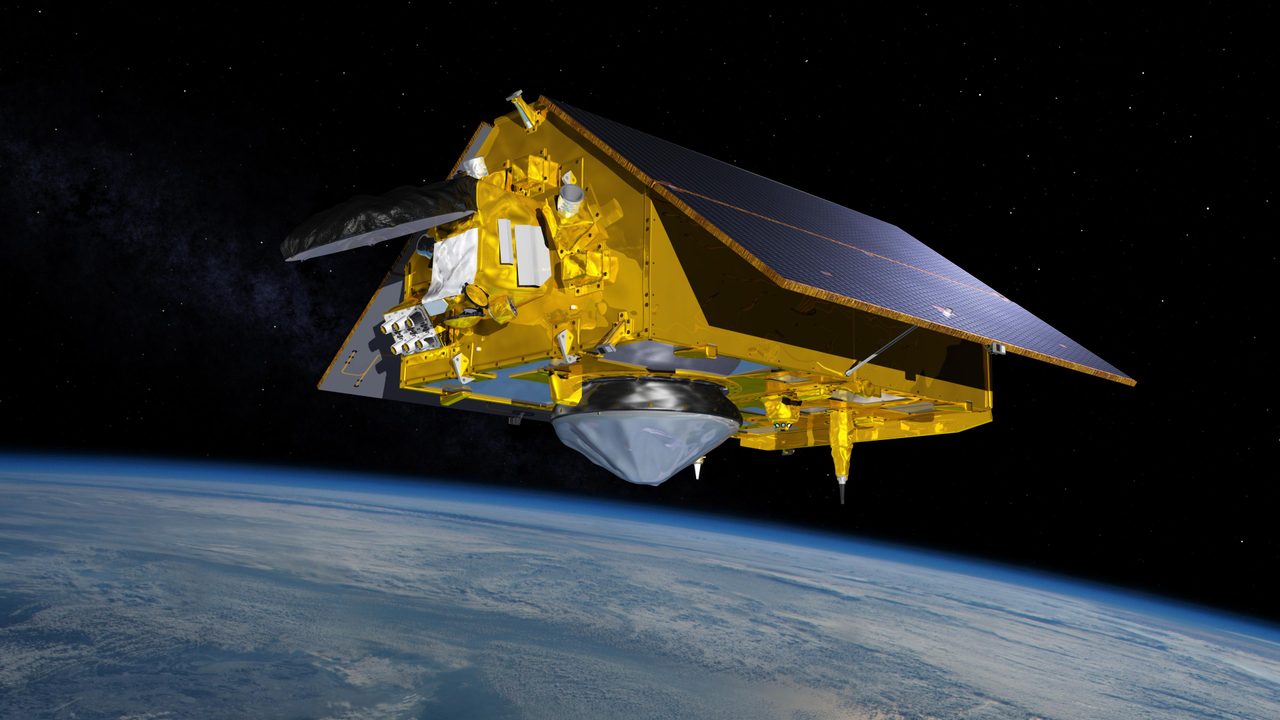
How Many Satellites Are in Orbit: A Comprehensive Guide
As of 2026, there are 17,907 active satellites in orbit, with a total of 28,248 catalogued objects including debris.
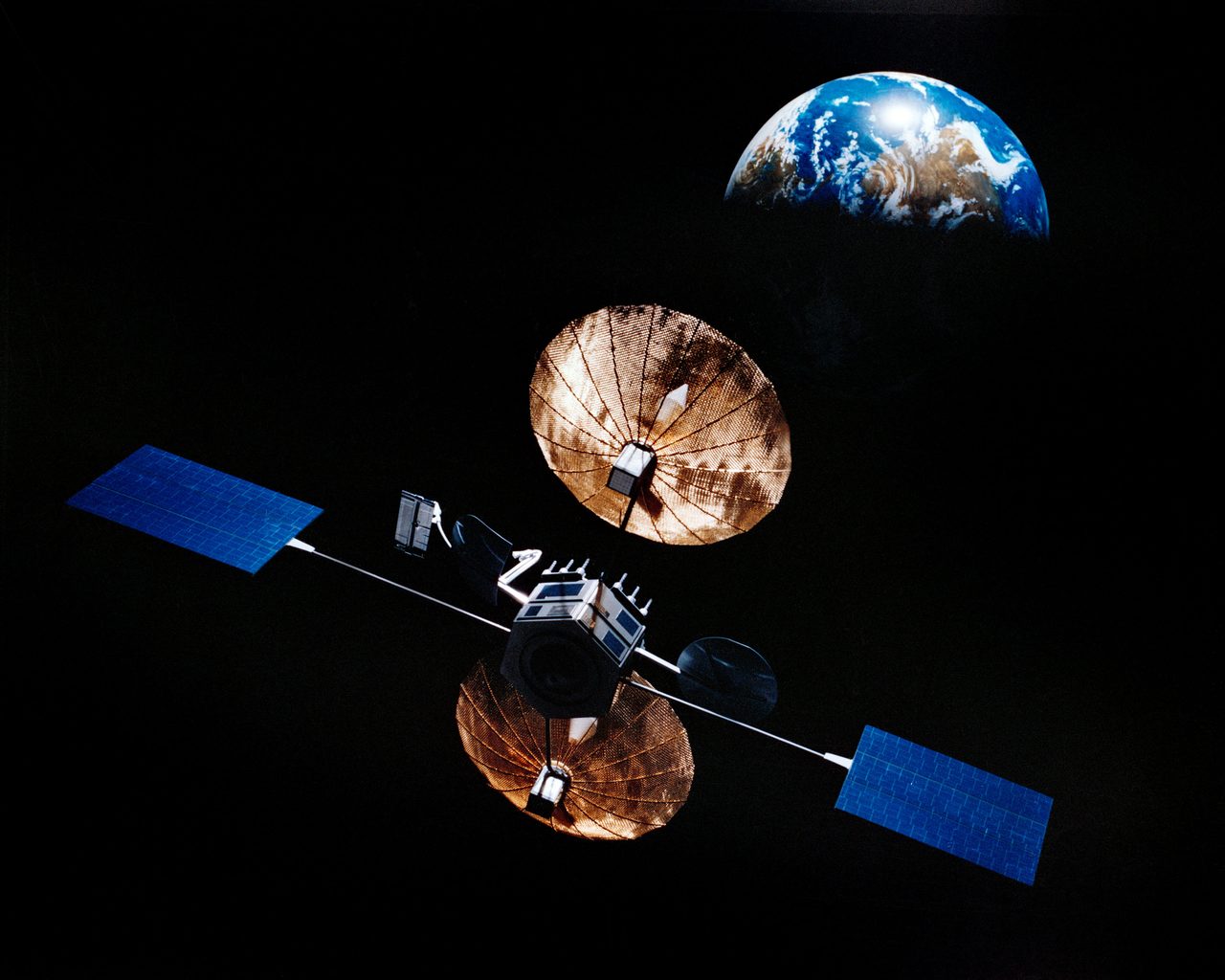
How to Search the Satellite Database: A Comprehensive Guide
Discover how to use Orbital Radar's Satellite Directory to search and track over 31,000 objects in orbit, including active satellites and space debris.
Orbital Mechanics Explained: How Satellites Stay in Orbit
Orbital mechanics govern how satellites remain in orbit, balancing gravitational forces and velocity to maintain stable paths.
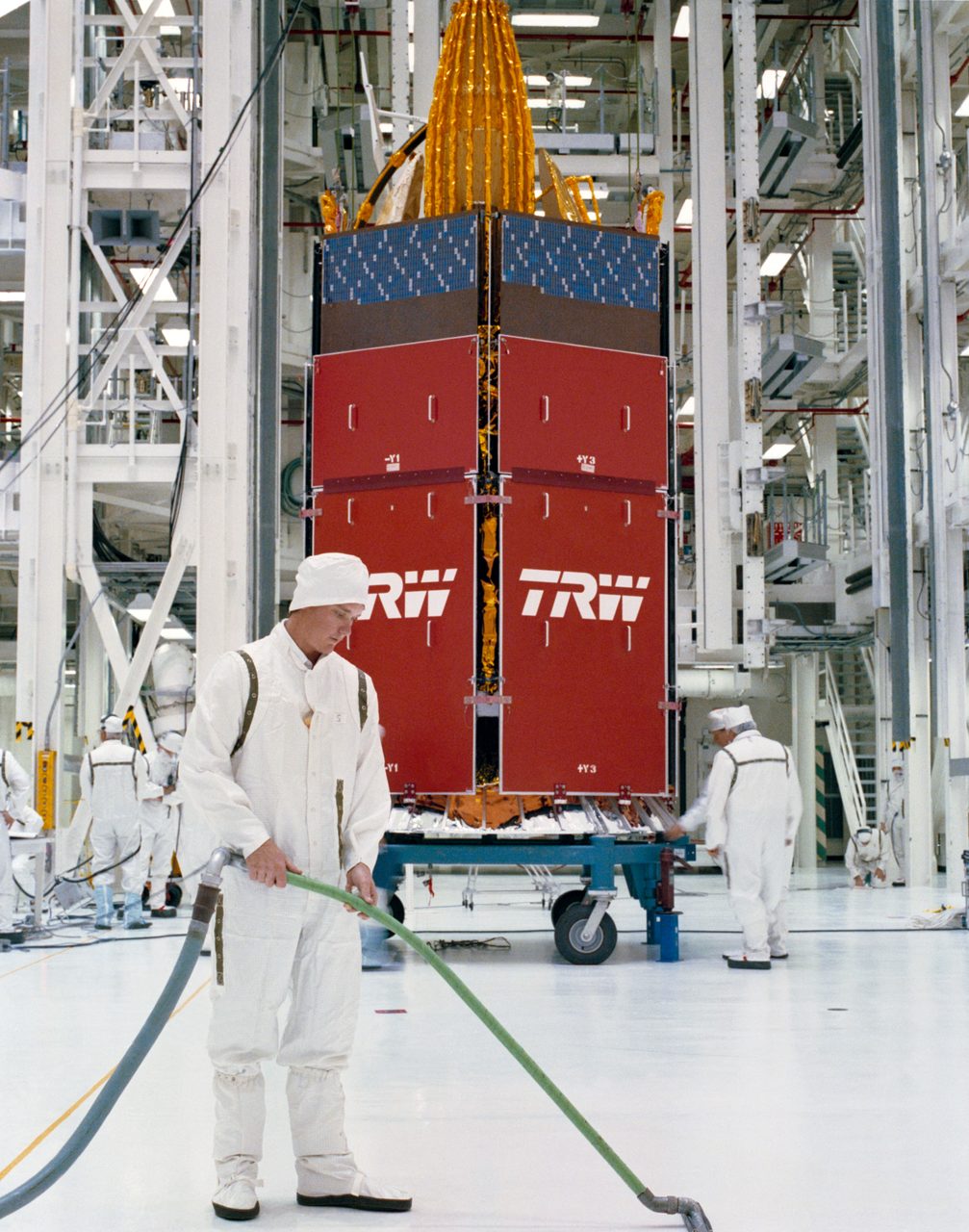
Understanding Orbital Epoch: A Comprehensive Guide
The orbital epoch is a timestamp indicating when orbital parameters are valid, crucial for tracking satellites and space debris.
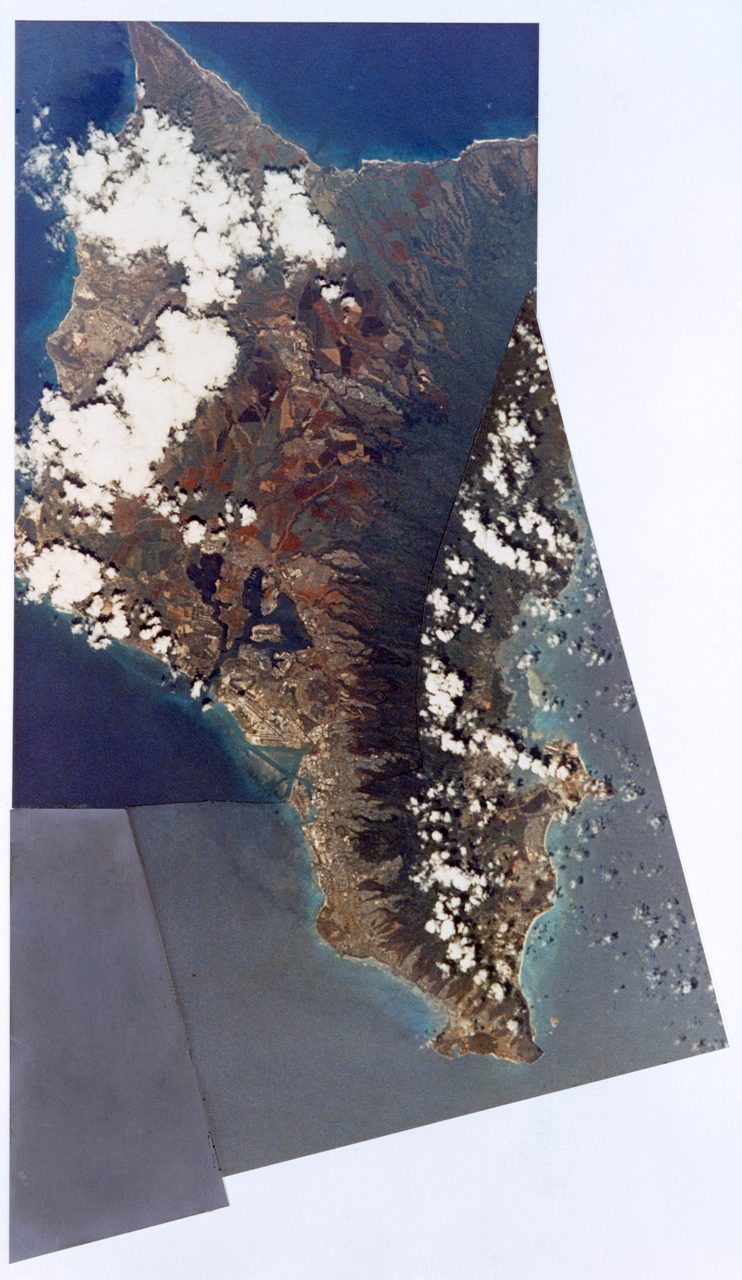
Medium Earth Orbit: Understanding Its Role in Satellite Operations
Medium Earth Orbit (MEO) is a region of space where satellites orbit at altitudes between 2,000 and 35,786 km, crucial for navigation and communications.