Space News Mission Log — Satellite Launches, Orbital Events & Analysis
Daily space news, satellite launch reports, orbital debris analysis and weekly roundups — grounded in live tracking data from our network monitoring 53 published reports.
Understanding Orbital Period: Key Concepts and Calculations
The orbital period is the time a celestial object takes to complete one orbit around another object. Learn its significance and calculation.
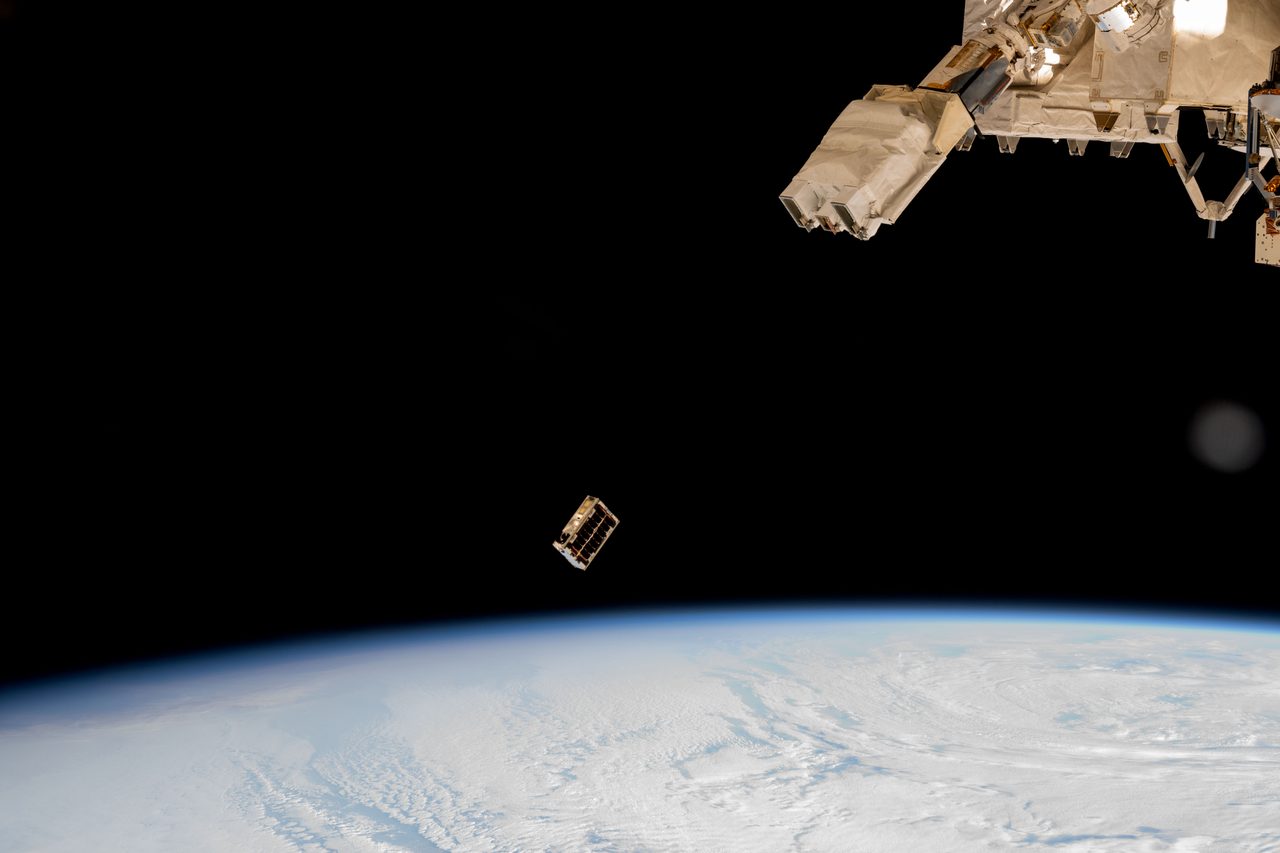
Understanding Mean Motion in Satellite Orbits
Mean motion describes the average angular speed of a satellite in its orbit, crucial for predicting satellite positions.

Understanding Satellite Orbits: LEO, MEO, GEO and Beyond
Satellite orbits, including LEO, MEO, and GEO, define how satellites move and function in space. Each orbit serves unique purposes.
COSMOS 1408 and the 2021 Russian ASAT Test Debris Field
COSMOS 1408, a defunct Soviet-era satellite, became the focal point of global attention following a Russian anti-satellite (ASAT) test on 15 November 2021. Originally launched on 16 September 1982, COSMOS 1408 was part of the Tselina-D electronic intelligence satellite series.
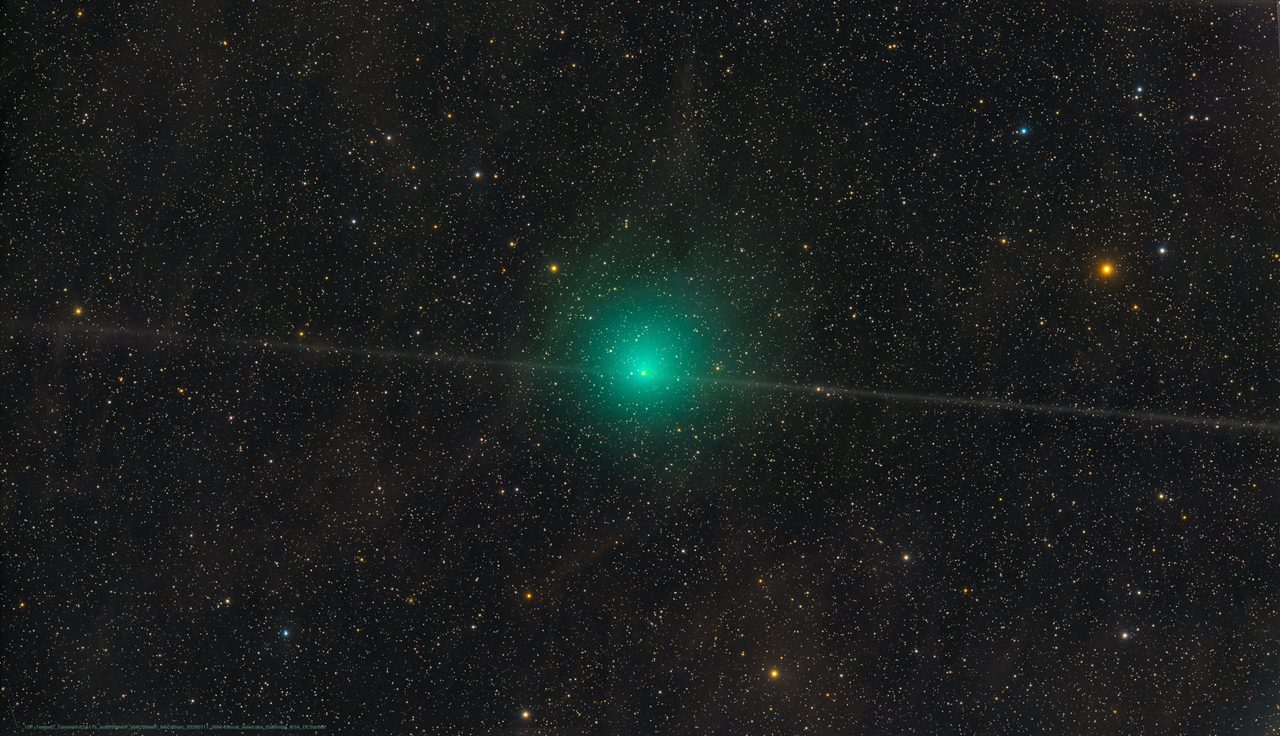
Comet Tempel 2: A Dusty Journey Through Space
Comet Tempel 2, with its distinctive dust trail, offers a celestial spectacle as it approaches Earth. Learn about its orbit and how to observe it.

Venus and Jupiter's Celestial Dance Over Avebury
Venus and Jupiter's close conjunction offers a stunning view in the twilight skies, captured over the historic Avebury stone circle.
Satellite Spotlight: COSMOS 1408 — The 2021 Russian ASAT Test Debris Field
COSMOS 1408 was a Soviet-era satellite launched in 1982, primarily serving as an electronic signals intelligence (ELINT) platform. Its mission was to intercept and analyse electronic communications, providing valuable intelligence during the Cold War.
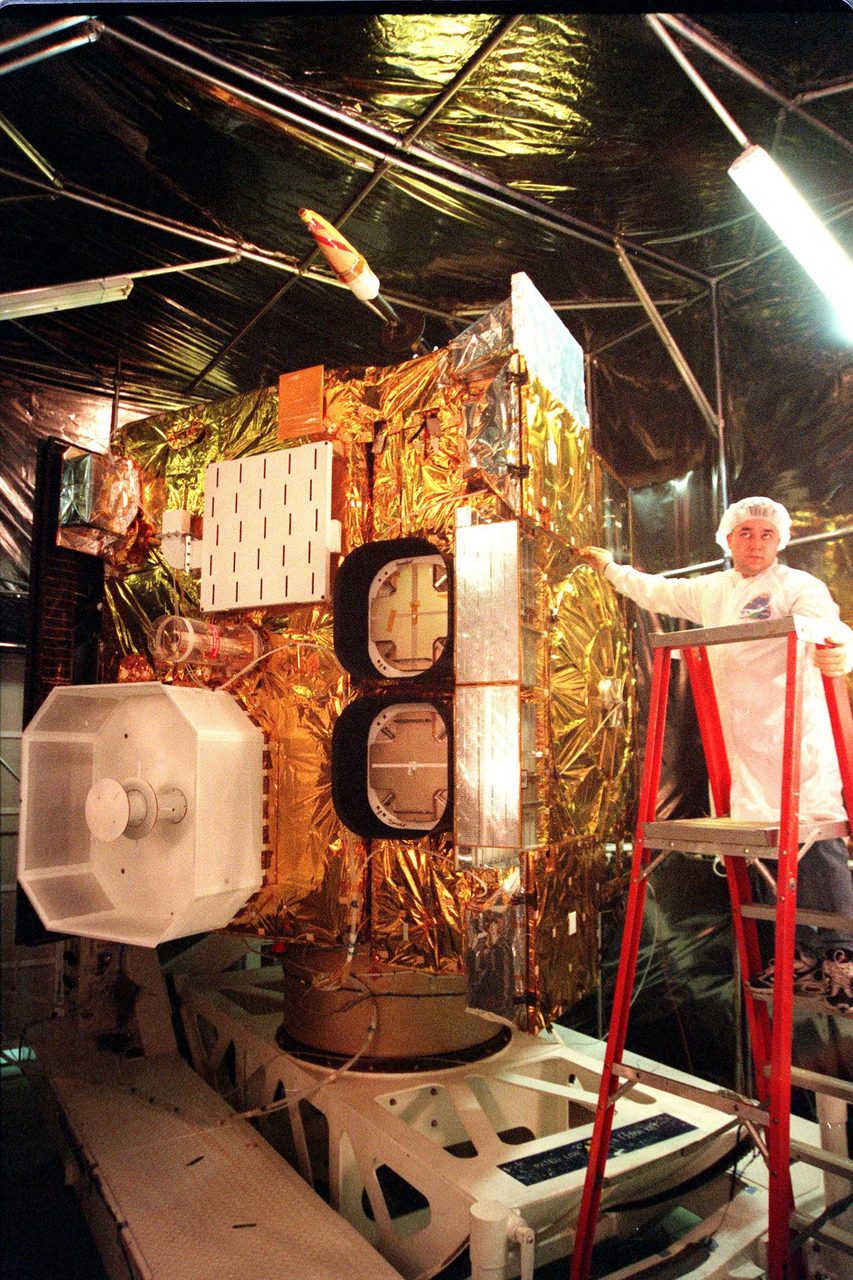
Fengyun-1C Debris: Legacy of the 2007 ASAT Test
Fengyun-1C was a Chinese weather satellite launched on 10 May 1999, designed to provide meteorological data for weather forecasting and climate monitoring. The satellite was part of the Fengyun series, operated by the China Meteorological Administration.
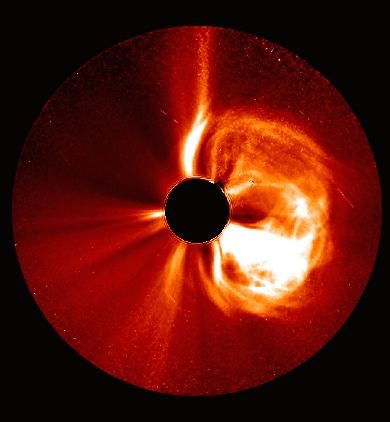
SOHO: Sun-Watching Observatory at L1
The Solar and Heliospheric Observatory (SOHO) is a collaborative project between the European Space Agency (ESA) and NASA, designed to study the Sun from its deep core to the outer corona and the solar wind. Launched on 2 December 1995, SOHO has been instrumental in providing continuous solar observ

KH-11: The US Reconnaissance Satellite Family
The KH-11 satellite series, also known as Kennan, Crystal, or Keyhole, represents a family of American reconnaissance satellites. Introduced in the 1970s by the National Reconnaissance Office (NRO), these satellites are part of the United States' strategic intelligence-gathering capabilities.
Understanding Low Earth Orbit: The Busiest Region in Space
Low Earth Orbit (LEO) is the most congested region in space, with over 18,000 active satellites and a significant amount of debris.
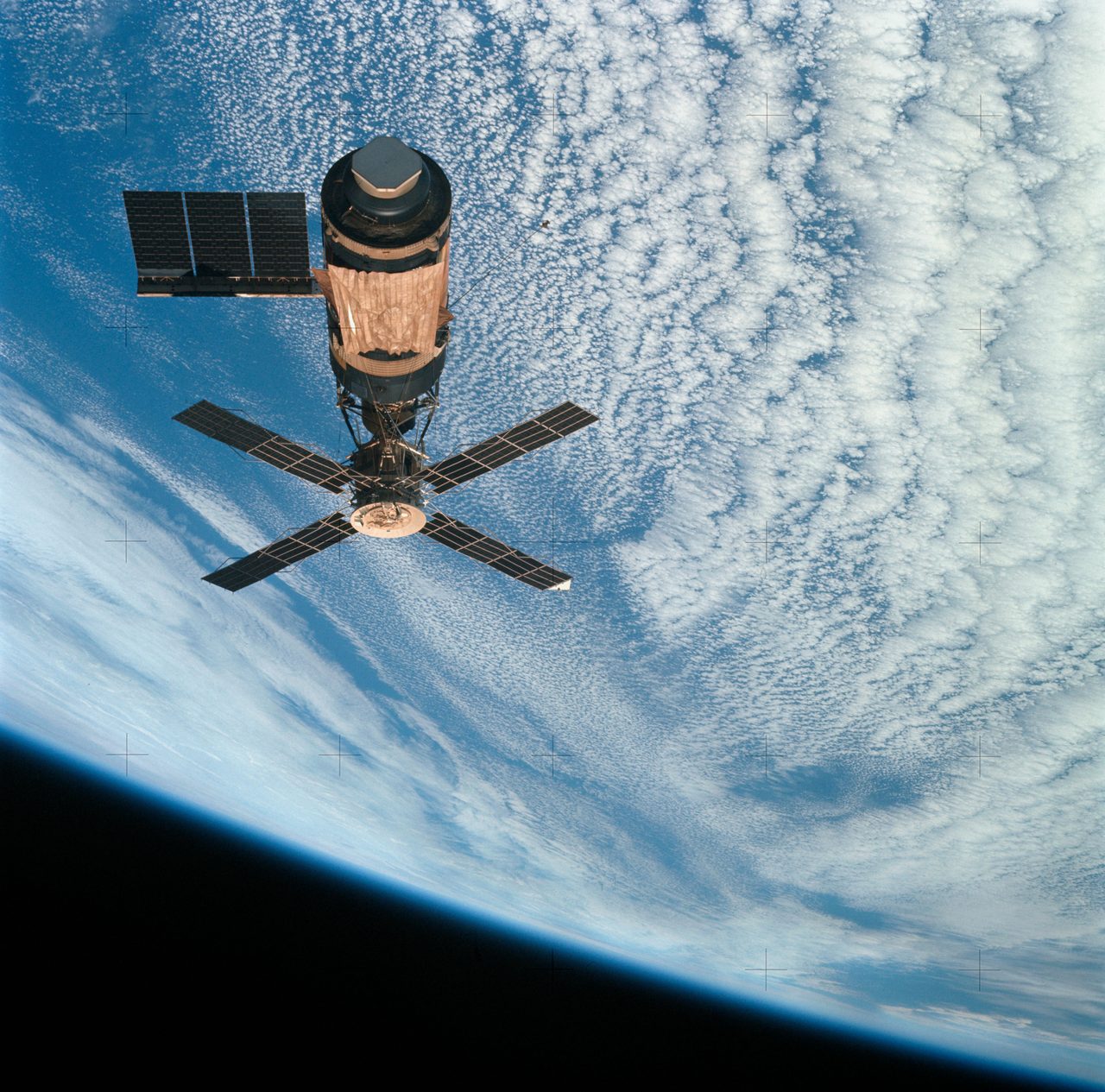
Understanding Apogee and Perigee in Satellite Orbits
Apogee and perigee refer to the highest and lowest points in an orbit, crucial for understanding satellite paths and operations.