Space News Mission Log — Satellite Launches, Orbital Events & Analysis
Daily space news, satellite launch reports, orbital debris analysis and weekly roundups — grounded in live tracking data from our network monitoring 91 published reports.
Orbital Safety Concerns Rise Amid Close Satellite Approaches
Recent close approaches between satellites underscore the growing need for improved orbital safety measures.
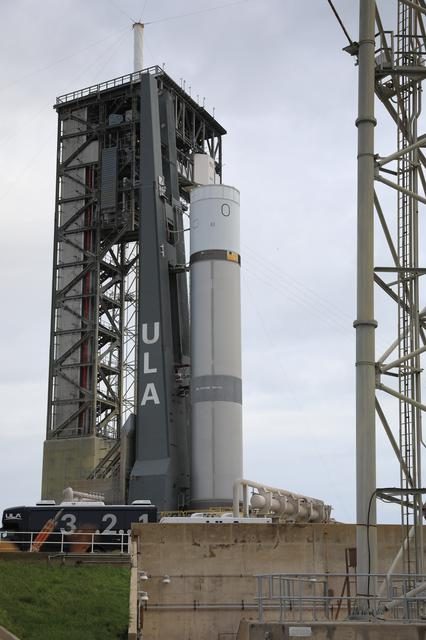
Amazon Leo targets Vulcan debut: Orbital Briefing, 9 November
Amazon Leo is preparing for its first Vulcan launch as its broadband deployment faces regulatory deadlines. Elsewhere, close approaches keep orbital safety in focus.
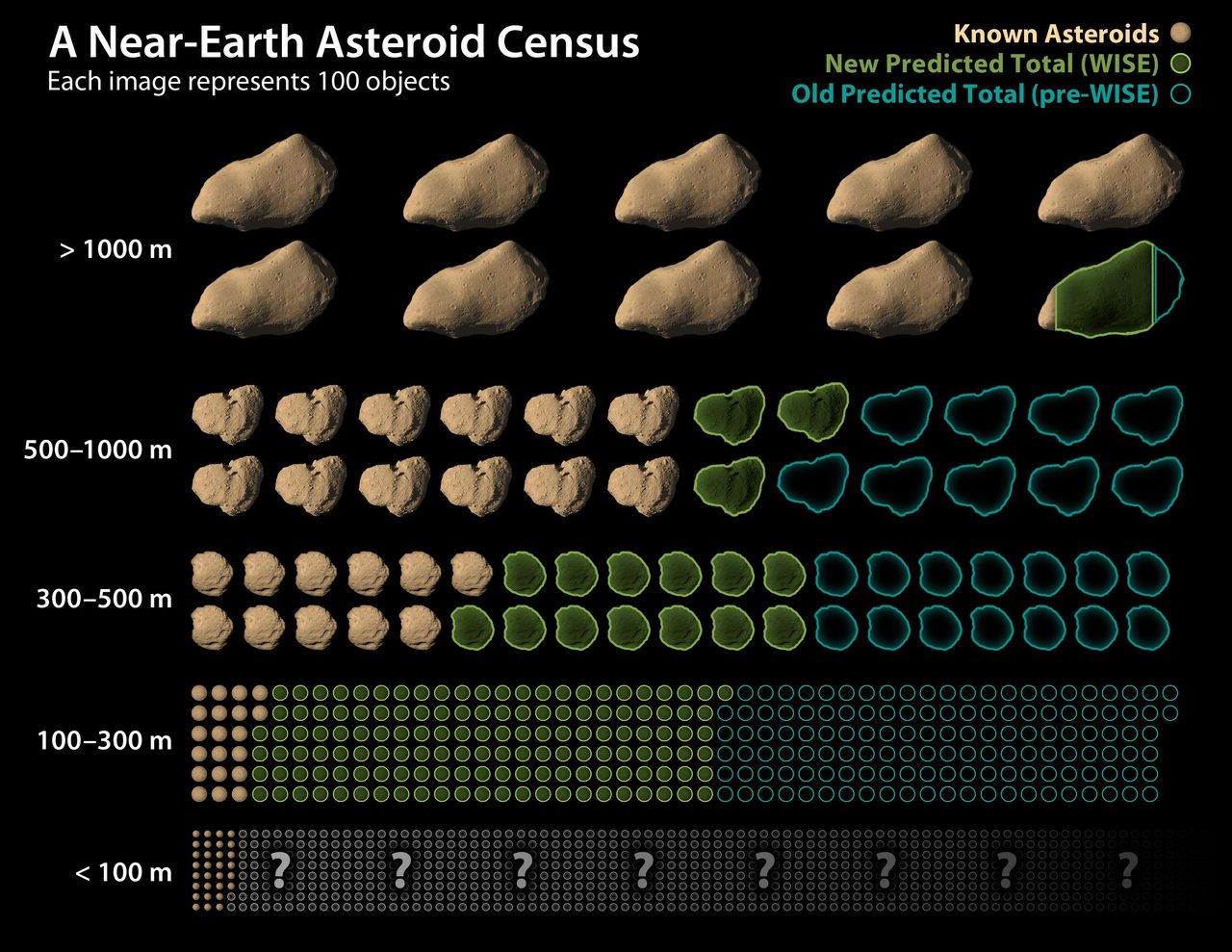
Tracking Near-Earth Asteroids: A Comprehensive Guide
The Near-Earth Object Database provides live tracking of asteroid orbits, close approaches, and impact risks, offering crucial insights into space safety.
21 close approaches tracked: orbital briefing, 17 November
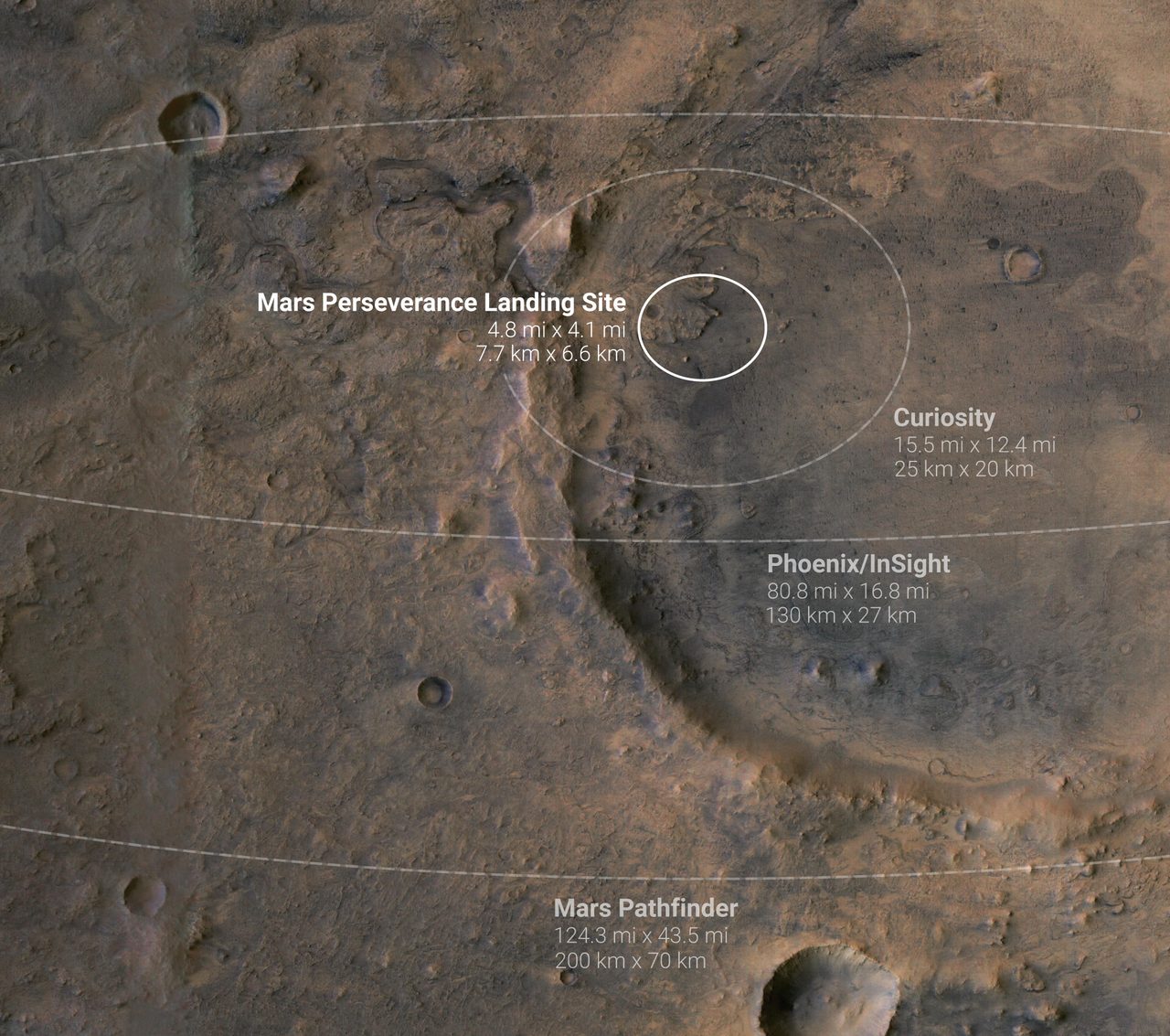
Satellite close approaches put orbital safety in focus as government launches approach. On Mars, Perseverance examines bright rocks linked to ancient water.
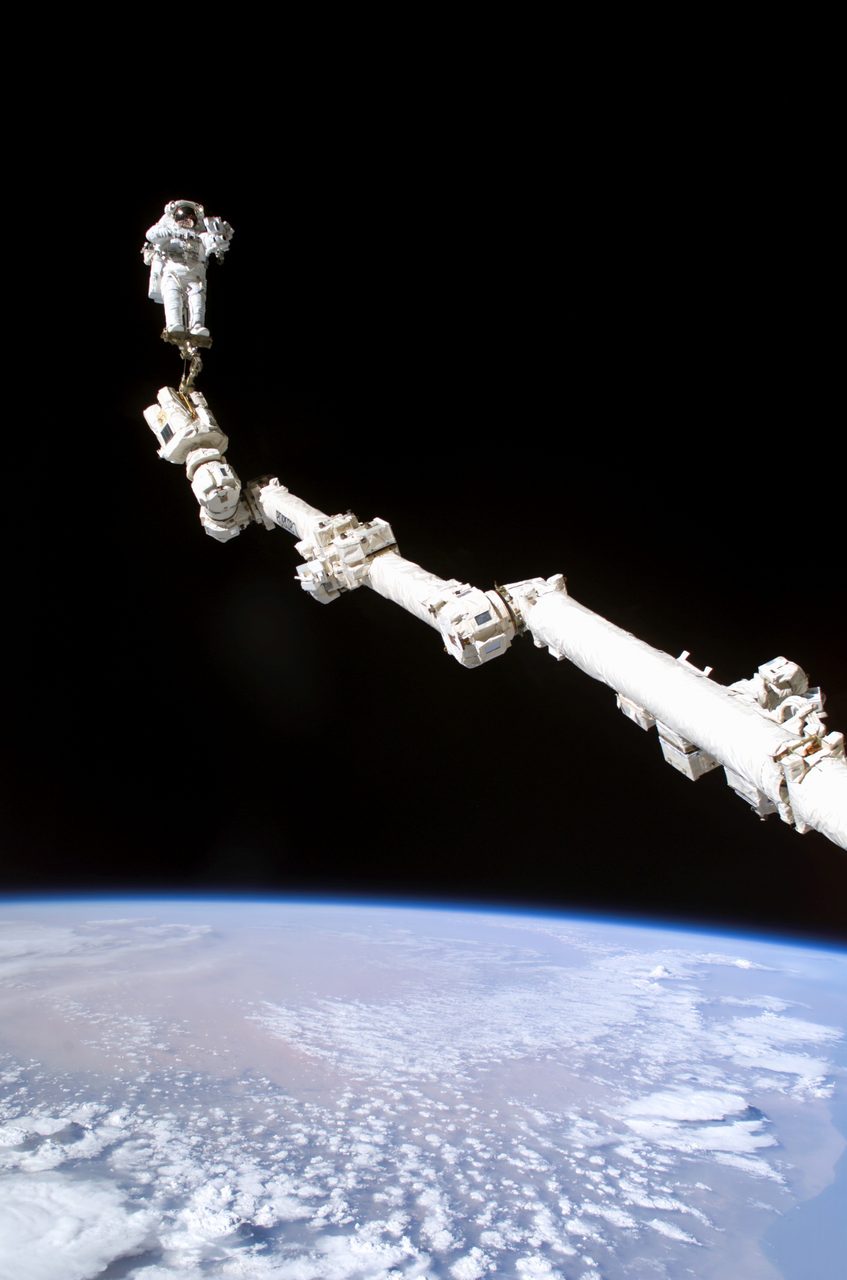
Why Do Rockets Launch From Florida?
Florida combines an eastward boost from Earth's rotation with open Atlantic launch corridors and decades of infrastructure. But the best launch site depends on the mission.
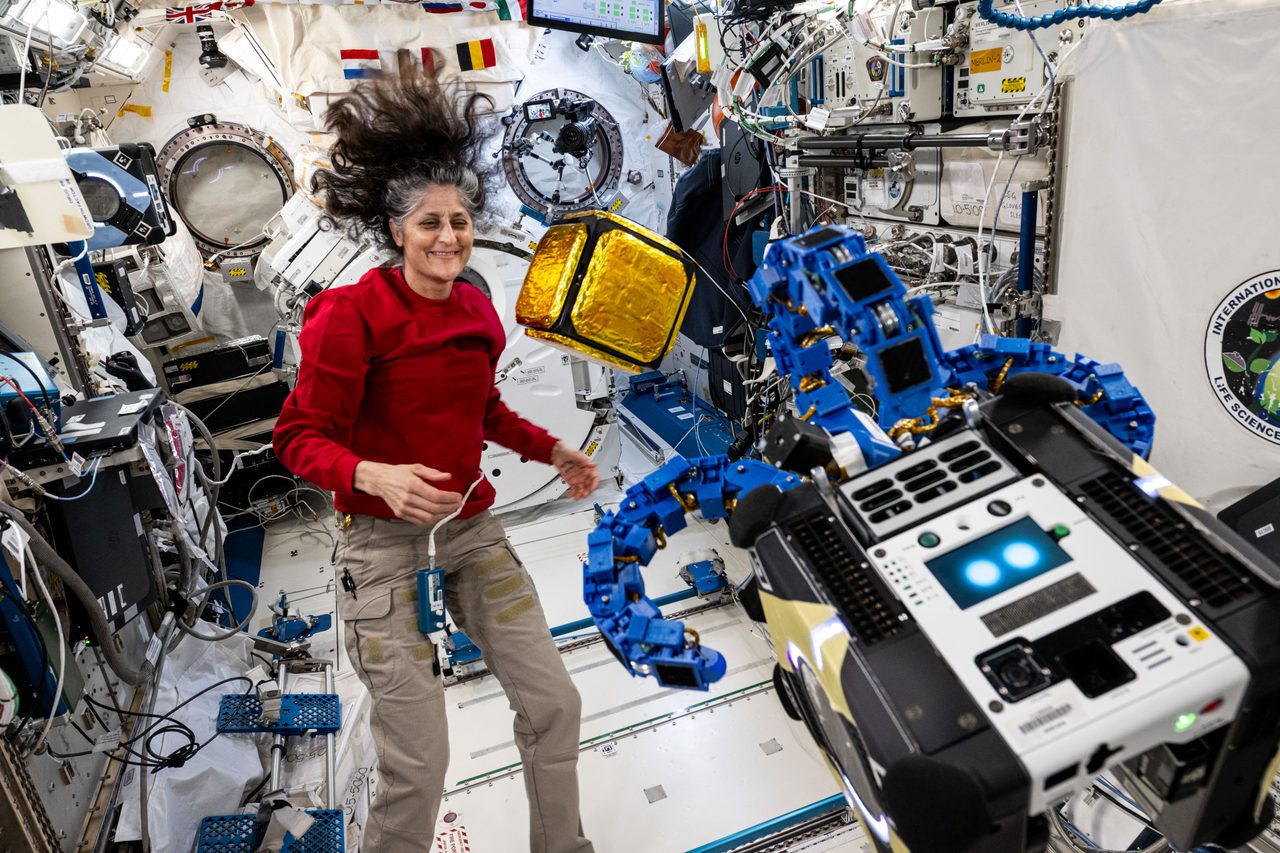
What Happens If Two Satellites Collide?
A satellite collision can leave fragments circling Earth long after the spacecraft are destroyed. Their altitude helps determine how long the danger lasts.
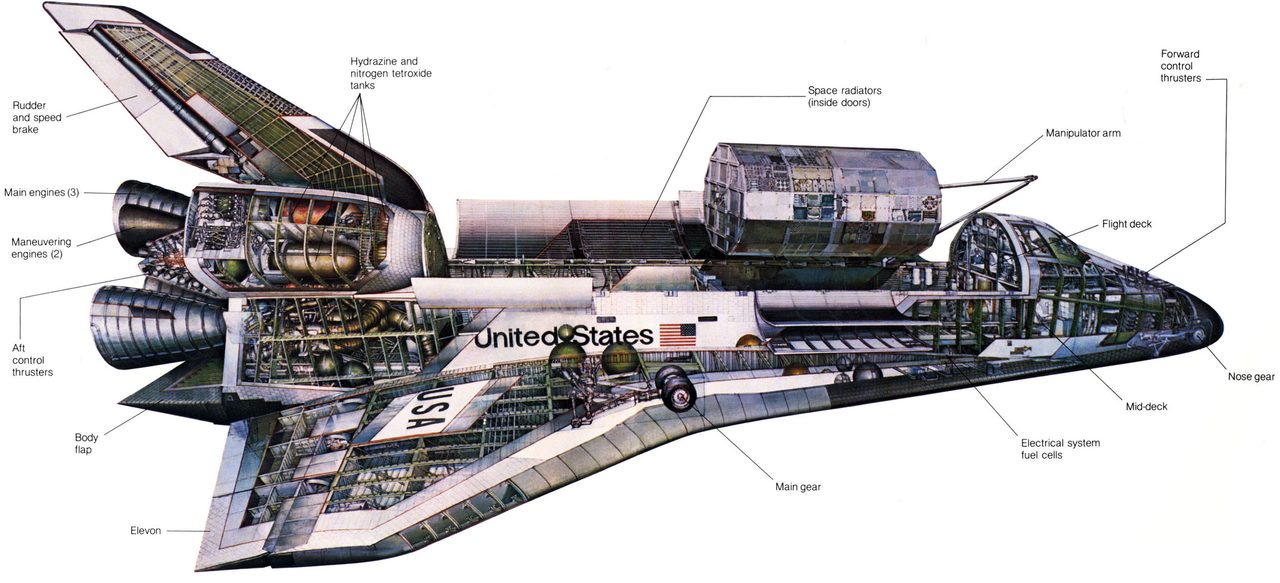
Understanding Uncontrolled Re-entries: Risks and Realities
Uncontrolled re-entry occurs when a satellite or space debris re-enters Earth's atmosphere without precise control, posing potential risks.
Space Situational Awareness: How We Track Orbital Risks
Space situational awareness turns observations of satellites and debris into warnings. Learn how tracking works, what collision alerts mean and where uncertainty remains.
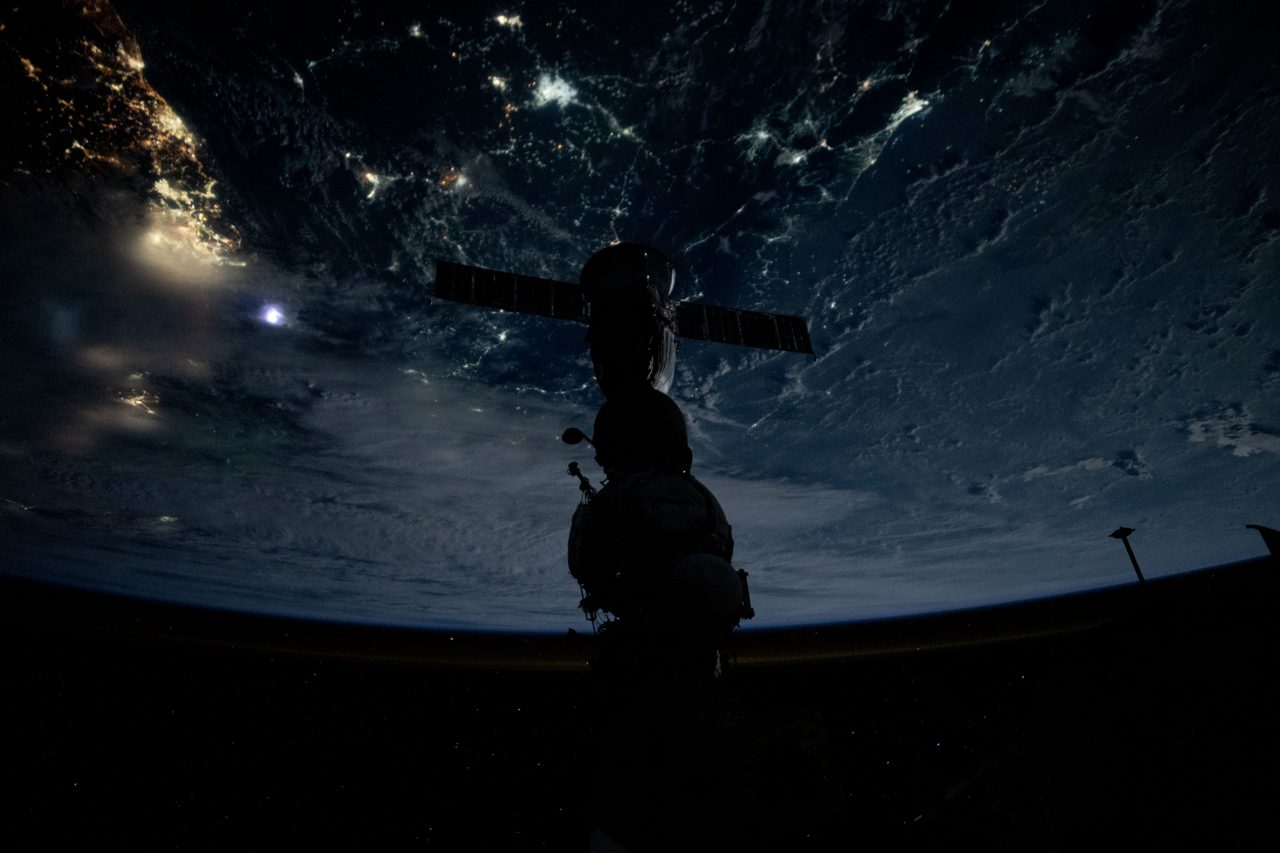
How Long Does It Take to Get to the ISS? Hours to Days
Reaching the ISS can take about three hours or stretch over one or two days. The difference is largely about launch timing, orbital alignment and the spacecraft's rendezvous plan.
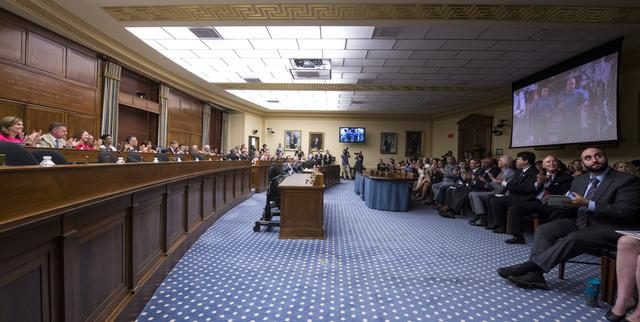
NASA vs ESA vs CNSA: How the Space Agencies Compare
NASA, ESA and CNSA represent different ways of organising space exploration. Their budgets, responsibilities and partnerships matter more than a simple ranking.
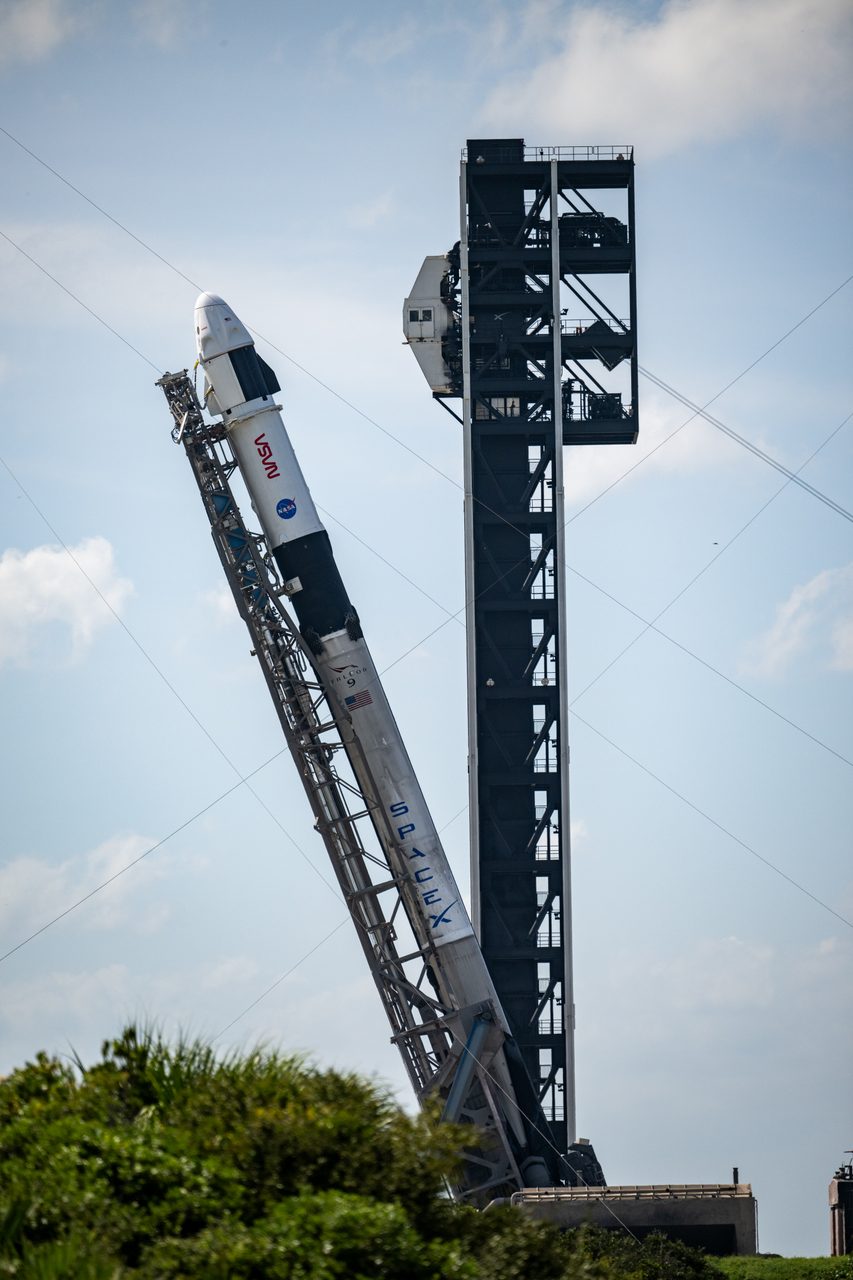
SpaceX Achieves 100th Falcon Launch in 2026 with Starlink Deployment
SpaceX completes its 100th Falcon 9 launch of 2026, deploying 27 Starlink satellites into orbit, while space weather remains stable.
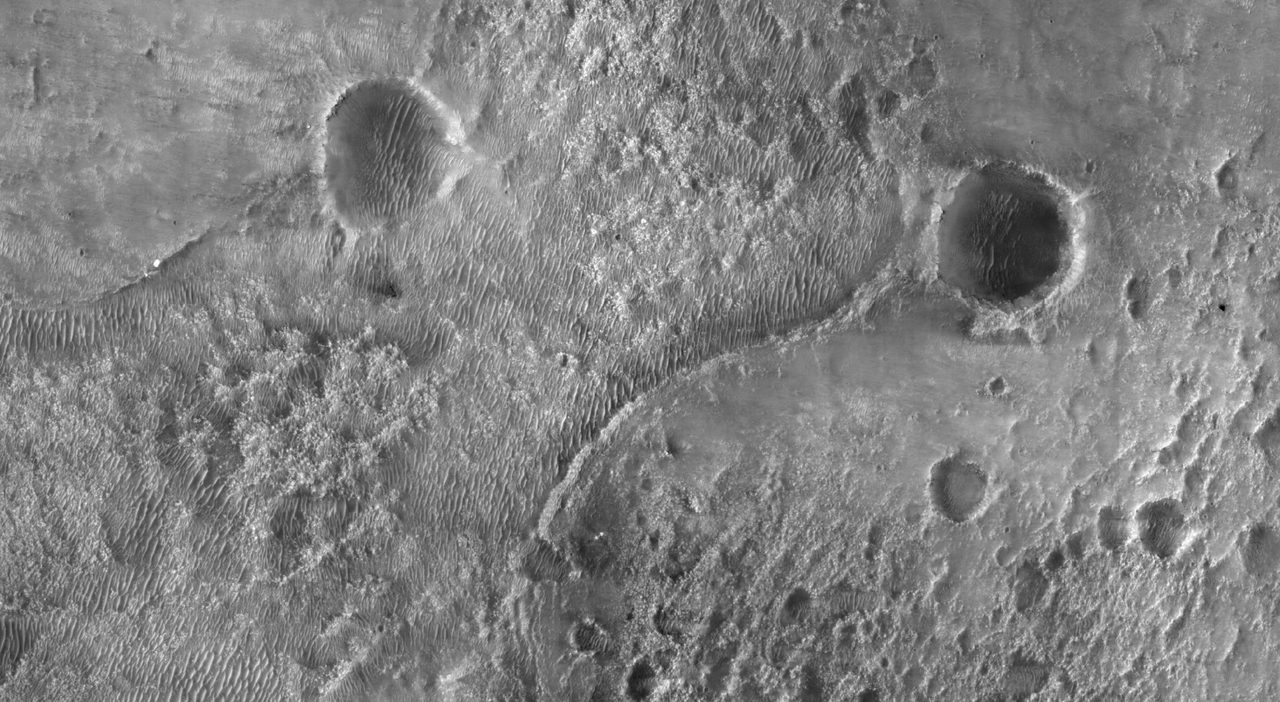
How Many Satellites Can Orbit Hold? Earth's Limits
Earth's orbit has no single satellite limit. Capacity depends on altitude, debris, spacecraft reliability and how well operators share the busiest orbital regions.